












































































Article Contents:
- Classic Interior Styles: The Timeless Foundation
- Classicism: Architecture as the Foundation of Beauty
- Neoclassicism: Lightened Classic for Modern Living
- Modern Interior Styles: Functionality and Aesthetics
- Minimalism: Space as Luxury
- Art Nouveau: Fluidity of Lines and Organic Forms
- Eco-Style: Honesty of Natural Materials
- Interior Trends 2026: What's Relevant Now
- Natural Materials as a Manifesto
- Monochromatic Interiors: Playing with Shades of One Color
- Texturality: Tactility as the New Visual
- Large Formats and Open Spaces
- Style Mixing: Eclecticism as Individuality
- How to Adapt Furniture to Different Interior Styles
- Choosing Wood Species and Finishing
- Changing Decorativeness
- Combining materials
- Interior Works: From Design to Implementation
- Design: The Foundation of a Successful Interior
- Furniture Production: From Sketch to Finished Product
- Installation and Assembly: Professional Precision
- Ideas for a Stylish and Cozy Home: Practical Tips
- Creating Focal Points
- Natural Light as the Foundation
- Balance of Color and Texture
- Green Accents: Plants in the Interior
- Textile Layers: Creating Coziness
- Frequently Asked Questions About Interior Styles and Trends 2026
- Conclusion: Create Your Interior with STAVROS

What makes a space come alive? Not square footage, not ceiling height, not panoramic windows. A space comes alive when it acquires style—an internal logic, a visual language, an emotional content.Interior Stylesdefine how we perceive a home: as a museum of classical art or as a minimalist refuge from urban chaos, as a cozy nest or as a showcase gallery of contemporary design. Each style carries its own philosophy, its own system of values.
2026 brings new Interior trends, reflecting changes in our lifestyle. Digital fatigue creates a craving for natural materials—wood, stone, textiles. Environmental awareness makes eco-style popular with its honesty and rejection of artificiality. Simultaneously, classicism returns, but in a lighter form of neoclassicism—the nobility of proportions is preserved, but the heaviness of decoration disappears. Interior ideas of 2026 are diverse but united by a common striving for meaningfulness—every item must carry a function or emotion; there is no more randomness.


Classical interior styles: the timeless foundation




Classicism: architecture as the foundation of beauty
The classical style originated from European palace culture of the 17th–19th centuries. It is not just a set of decorative elements; it is an architectural system with clear rules of proportion, symmetry, and hierarchy. A classical interior is structured like a building—there is a base, a body, and a crown. Walls are divided into panels framed by moldings. The ceiling is adorned with cornices and rosettes. Door and window openings are framed with portals featuring capitals.
Furniture in a classical interior is massive, monumental. Ceiling-high cabinets with carved pediments and cornices resemble architectural structures. Tables on massive legs with carving create a sense of solidity. Sofas and armchairs with wooden frames, high backs, and carved armrests—this is furniture that announces its presence.
The color palette of classicism is built on contrasts. Gold and white, dark walnut and cream, emerald velvet and carved mahogany—combinations are luxurious but not garish. Natural materials dominate—solid oak, marble, silk, velvet. Artificial imitations destroy classicism, turning it into theatrical scenery.
Lighting is multi-level. A central crystal chandelier creates a formal atmosphere. Wall sconces with lampshades add intimacy. Table lamps on dressers and tables form local lighting accents. A classical interior avoids spot lighting—it is too technological for this style.
Who is classicism for? Those who value tradition, stability, and representativeness. A classical interior requires space—ceilings from three meters high, rooms from 25 square meters. In small spaces, classicism suffocates, turning into clutter. Classicism also involves serious investments: quality solid wood furniture, natural stone, and hand carving are expensive.
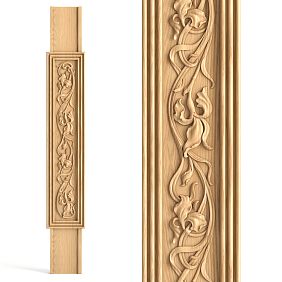
Our factory also produces:



Neoclassicism: lightened classicism for modern life
The neoclassical style emerged as a response to two challenges. First—standard apartments with 2.7-meter ceilings and 15–20 square meter rooms cannot accommodate full-fledged classicism. Second—modern lifestyle demands functionality, which classical furniture often lacks. Neoclassicism preserves the structure, proportions, and nobility of classicism but simplifies the details.
Walls in neoclassicism are often smooth, painted in light tones. Moldings are present but simpler—without complex profiles and ornaments. Panels frame the walls, creating structure, but the panels themselves lack carved decoration. Ceiling cornices are restrained, without heavy modillions and consoles. A rosette around the chandelier may be the only decorative element on the ceiling.
Neoclassical furniture is lighter and more compact. Cabinets do not reach the ceiling; their height is 200–220 cm. Furniture legs are thinner, often tapered or straight. Carving is minimal—perhaps a few appliqués on doors or pediments. Upholstery of armchairs and sofas is light—gray, beige, dusty blue. Forms are classical—symmetry, proportions, smooth lines—but without excess.
Neoclassical colors are restrained. The foundation—white, light gray, cream, dusty shades of blue and green. Accents—natural light wood, whitewashed oak, light ash. Metal hardware is not gold but brass or matte black. Textiles are natural—linen, cotton, wool.
Lighting in neoclassicism is more diverse. A central chandelier is present but can be of modern form—for example, a multi-tiered metal structure with crystal elements. Recessed lighting for niches, shelves, and work areas is permissible. Table lamps and floor lamps combine classic lampshades with modern bases.
Neoclassicism is optimal for urban apartments. It fits into standard dimensions, does not require super-high ceilings. Neoclassicism is functional—furniture is comfortable, ergonomic, often with modern transformation mechanisms. At the same time, it preserves the nobility that minimalism lacks.
Get Consultation
Modern interior styles: functionality and aesthetics
Minimalism: space as luxury
Minimalism rejects decorativeness. Beauty lies in the purity of form, in proportions, in emptiness. A minimalist interior operates with volumes, light, textures, not ornaments. Walls are smooth, without moldings or panels. The ceiling is either simple white or with geometric constructions—level changes, hidden lighting. The floor is uniform, without thresholds or transitions—often concrete, poured floor, large-format porcelain stoneware.
Furniture in minimalism is geometric. Rectangular volumes without decoration. Cabinets are built-in, with handle-less fronts—push-to-open. Tables on simple metal or wooden supports. Sofas are low, modular, often without armrests. Armchairs of simple forms—cubes, cylinders, parallelepipeds.
The color palette of minimalism is limited. The foundation—white, gray, black. One accent color is allowed—blue, green, terracotta—but in small doses. Natural wood adds warmth without violating minimalist strictness. Textures are more important than color—smooth concrete, rough wood, matte metal create visual diversity.
Lighting in minimalism is often hidden. LED strips in niches, cornices, under furniture create diffused light without visible sources. Recessed spotlights without decorative elements. Designer lamps of simple geometric forms—spheres, cylinders, planes—can be the only expressive element.
Minimalism requires perfect order. Any extra item destroys the concept. Storage systems must be thought out to hide all household items. Minimalism is a discipline of perception and lifestyle. Who is it for? Those who value space more than things, who are ready to give up decorativeness for the sake of purity of form.
Art Nouveau: fluidity of lines and organic forms
Art Nouveau (Art Nouveau) emerged at the turn of the 19th–20th centuries as a reaction to the geometricity of classicism. Art Nouveau is inspired by natural forms—curved branches, flowing water, organic plant motifs. The lines of Art Nouveau are smooth, asymmetrical, flowing into one another.
Walls in Art Nouveau are often decorated with plant ornaments. Moldings have a wavy profile. Door portals are asymmetrical, with curved architraves. Stained glass with plant and abstract motifs is characteristic of Art Nouveau.
Art Nouveau furniture is distinguished by fluid forms. Armchair backs are curved, repeating the shape of the back. Table and cabinet legs have organic curves. Carving stylizes plants—irises, water lilies, climbing stems. Inlay with mother-of-pearl, metal, and different types of wood creates decorativeness.
Art Nouveau colors are complex, natural. Green shades—from light mint to deep emerald. Brown and ochre tones of wood. Blue and purple in stained glass and textiles. Gold and bronze accents in hardware and lighting fixtures.
Art Nouveau lighting is artistic. Chandeliers and sconces resemble plants — metal stems hold flower-shaped shades. Stained glass lampshades create colorful highlights. Floor lamps with fabric shades and carved wooden bases.
Art Nouveau demands integrity — all elements must be executed in a unified style. Mixing Art Nouveau with other styles disrupts its organic nature. Art Nouveau suits creative individuals who value artistry and individuality.
Eco-style: the honesty of natural materials
Eco-style in interior designThe eco-style of 2026 is built on the principle of material honesty. Wood is not painted with enamel but coated with oil that preserves its texture. Stone is not polished to a mirror shine but remains with a matte, slightly rough surface. Textiles are not synthetic but natural — linen, cotton, wool with visible thread weave.
Walls in eco-interiors are often left textured. Brickwork, concrete, wooden panels with visible wood grain. Plaster is applied unevenly, with visible brushstrokes. Wallpaper, if used, imitates natural materials — grass, bamboo, jute.
Eco-style furniture is simple in form but rich in texture. Solid wood tables with tabletops that preserve natural edges — so-called slabs. Chairs and armchairs made of bent wood or rattan. Simple rectangular-shaped cabinets made of untreated or brushed solid wood. Upholstered furniture with covers made of coarse linen or wool.
Eco-style colors are natural. Beige, sandy, terracotta, ochre — earth tones. Green from light moss to dark pine. Gray of stone and wood. White is not bright white, but milky, creamy. Accents — natural shades of terracotta, indigo blue, mustard.
Plants are a mandatory element of eco-interiors. Not one or two pots, but many plants of different sizes — from large palms and ficus to miniature succulents. Vertical greening — walls with living plants. Dried flowers in vases, branches in tall vessels.
Eco-style aligns with ecological awareness. The choice of natural, renewable, biodegradable materials is an ethical choice. Eco-interiors are often complemented by energy-efficient solutions — LED lighting, air recovery systems, solar panels. Eco-style suits those who see in an interior not just aesthetics, but also a value statement.
Interior trends 2026: what's relevant now
Natural materials as a manifesto
The main trend of 2026 is the return to natural materials. Solid wood dominates in furniture, finishes, and decor. Oak, ash, walnut are used not as veneer, but as solid wood 20-50 mm thick. The wood grain is not hidden but emphasized — by brushing, oil coating.
Stone is the second most popular natural material. Marble, granite, travertine in bathroom finishes, kitchen countertops, fireplace surrounds. Porcelain tile imitating natural stone — a compromise between price and aesthetics. It's important that the imitation is high-quality — large-format slabs with realistic texture.
Metal is used in its natural form. Brass, bronze, copper without chrome plating and polishing — with patina, tarnishing, matte surface. Ferrous metal — steel, cast iron — in furniture frames, lighting fixtures, hardware. Metal adds an industrial touch, contrasting with the softness of wood and textiles.
Textiles are natural — linen, cotton, wool, silk. Synthetic fabrics are losing popularity even despite their practicality. Linen with its characteristic texture and tendency to wrinkle is valued precisely for its imperfection. Woolen blankets and rugs add tactility. Velvet and velour are returning in upholstery for armchairs and sofas.
Monochromatic interiors: playing with shades of one color
Monochromaticity is a trend for those who value restraint. A monochromatic interior is built on shades of one color. A beige interior includes shades from light cream to deep brown. A gray interior — from white with a gray undertone to graphite. A green interior — from mint to emerald.
Monochromaticity does not mean boredom. Variety is created through textures. A smooth painted wall, a rough wooden panel, soft textiles, matte metal — all in one color, but with different textures. Playing with shades — lighter on walls, darker on floors, mid-tones in furniture — creates depth.
Monochromatic interiors visually enlarge space. The absence of contrasting boundaries makes a room more cohesive. Monochromaticity is calming, creates an atmosphere of seclusion. This trend suits bedrooms, studies, meditative spaces.
Accents in a monochromatic interior are subtle. Not bright color spots, but metallic details, plants, books on shelves. Black and white graphics on walls. One expressive item — a sculpture, vase, light fixture — instead of many small details.
Texturality: tactility as the new visuality
Visual perception of an interior is complemented by tactile perception. Textures become the main tool for creating interest. Brushed wood with soft fibers removed and hard ones left creates a relief surface. Textured plaster on walls changes the play of light. Voluminous textiles — knitted blankets, woven rugs, quilted bedspreads.
Combining contrasting textures creates dynamism. Smooth glass and rough wood. Cold metal and warm textiles. Glossy tile and matte paint. It's important that textures do not conflict but complement each other.
Texturality is especially important in monochromatic interiors, where color does not create variety. A white interior with many textures — a white brick wall, a white wooden panel, white linen textiles — looks rich. A black interior with textures — black velvet upholstery, black matte metal, black glossy tile — is not gloomy but elegant.
Large formats and open spaces
The era of small rooms with many partitions is fading. The trend is open spaces where the living room, dining room, and kitchen are combined. Zoning is achieved not by walls, but by furniture, different floor coverings, lighting. A sofa placed with its back to the kitchen area divides the space without losing openness.
Large-format tile is a finishing trend. Porcelain tile sized 120×60 cm, 120×120 cm, 160×320 cm creates a monolithic look. Minimum seams — maximum integrity. Large-format tile imitating marble or concrete is especially popular.
Panoramic glazing lets light and nature inside. Floor-to-ceiling windows without dividing mullions. Sliding glass doors blur the boundary between the interior and the terrace. Nature becomes part of the interior.
Mixing styles: eclecticism as individuality
Pure styles remain in textbooks. Real interiors of 2026 are a mix. Neoclassical moldings on walls and minimalist furniture. A vintage mid-20th century armchair in a modern interior. A classic crystal chandelier in a loft space with concrete walls.
Eclecticism requires a sense of proportion. Mixing is possible, but no more than three styles in one space. There must be a dominant style, the others are accents. The color palette should unite items of different styles. A common texture or material creates a connection.
Eclecticism allows for expressing individuality. A collection of vintage furniture brought from travels. Family heirlooms in a modern context. Works of art from different eras and styles on one wall. An eclectic interior tells the story of the owner.
How to adapt furniture to different interior styles
Choice of wood species and finish
The wood species determines the stylistic affiliation of furniture. Dark walnut and mahogany are traditional choices for classic styles. Oak is universal — dark oak suits classic styles, light and bleached oak are organic in neoclassical and Scandinavian styles. Ash with expressive texture is good for modern interiors. Beech with a light, uniform texture suits minimalism and eco-style.
Finishing transforms perception. Glossy varnish creates a formal look, characteristic of classic styles. Matte varnish or oil is more restrained, suitable for neoclassical and modern styles. Oil with wax preserves the tactility of wood, organic in eco-style. Brushing with selected soft fibers emphasizes texture, relevant in industrial and eco-interiors.
Toning expands possibilities. Light toning — bleaching, graying — modernizes classic forms. Dark toning adds drama. Two-tone finishing — a dark frame with light fronts or vice versa — creates visual complexity.
Changing decorativeness
The amount of decor adapts furniture to the style. Classic furniture with abundant carving, gilding, complex moldings remains classic. Removing part of the decor — keeping the main proportions but removing small carved details — turns it into neoclassical.
Replacing decorative elements changes the style. Classic brass drop-shaped handles are replaced with strict rectangular matte black ones — the furniture becomes contemporary. Carved legs are replaced with simple conical ones — the silhouette is simplified.
Adding decor works in the opposite direction. A simple cabinet with smooth fronts is complemented with carved overlays — a classic sound appears. Moldings glued to the doors imitate a paneled structure. An applied cornice on the top part of the cabinet creates an architectural finish.
Combining materials
Combining wood with other materials expands stylistic possibilities. Wood and metal — a classic pair for industrial and modern interiors. A wooden tabletop on a metal frame, wooden fronts with metal inserts.
Wood and glass lighten the visual mass. A wooden cabinet with glass doors, a wooden table with a glass top. Glass adds airiness without compromising naturalness.
Wood and stone create luxury. Wooden furniture in an interior with stone walls or floors, wooden elements with stone countertops. The contrast of warm wood and cold stone is effective.
Wood and textiles soften strictness. A wooden frame with soft upholstery, wooden panels complemented with textile panels. Textiles add coziness, tactility.
Interior works: from design to implementation
Design: the foundation of a successful interior
Interior worksbegin with design. The design project fixes the concept, layout solutions, style, materials. Without a project, the interior develops chaotically, decisions are made spontaneously, the result is unpredictable.
The layout solution determines functionality. Where to place furniture, how to organize zones, where to run lighting, sockets, switches. The layout considers the lifestyle of the residents — the number of people, their habits, needs for storage, work, rest.
The stylistic concept creates visual integrity. The choice of style determines all subsequent decisions — finishing, furniture, decor, lighting. Mixing styles is possible but must be conscious, with the dominance of one style.
The selection of materials and finishing specifies the concept. Samples of floor coverings, wall materials, upholstery fabrics, wood species for furniture. The color palette is approved at the project stage. 3D visualization allows seeing the future interior before work begins.
Furniture production: from sketch to finished product
Custom furniture is manufactured according to the approved project. Room measurements ensure precise size conformity. Drawings of each item indicating dimensions, structural nodes, materials.
Wood selection is the first stage of production. Solid oak, beech, ash undergo inspection for defects. Wood moisture content of 8-12% guarantees stability. Blanks are cut considering the grain direction.
Processing includes milling, turning, carving. Modern equipment ensures precision. Manual finishing of parts adds individuality. Sanding creates perfect smoothness.
Assembly is performed on mortise and tenon joints with gluing. Traditional joinery technology ensures strength for decades. Hardware — hinges, guides, mechanisms — is of high quality.
Finishing is the final stage. Toning, coating with oil or varnish, polishing. Upholstery of soft elements with natural fabrics. Packaging protects the furniture during transportation.
Installation and setup: professional precision
Furniture delivery is organized considering dimensions. Large items require special transport. Openings, elevators, staircases are measured to ensure carrying. Packaging is multi-layered — stretch film, cardboard, wooden crates.
Installation is performed by professionals. Furniture assembly, door adjustment, drawers, shelves. Wall mounting for stability. Final check of all mechanisms.
Installation of decorative elements requires precision. Moldings, cornices, rosettes are glued with special compound. Joints are cut at an angle for seamless connection. Painting or patination after installation conceals joints.
After-sales service ensures durability. Care consultations for furniture. Warranty service for identified defects. Possibility of repair and restoration years later.
Ideas for a stylish and cozy home: practical tips
Creating Focal Points
Every room needs a focal point — an element that first catches attention. In the living room, this could be a fireplace, a large artwork, striking furniture. In the bedroom — a bed headboard, an accent wall, a window with a view. In the dining room — a dining table, a chandelier above it.
A focal point is created through contrast. A dark wall in a light interior. Bright furniture in a neutral space. A large object — a big painting, mirror, panel — on an empty wall. Lighting accentuates the focal point.
Avoid multiple focal points in one room. Two or three bright elements compete for attention, creating visual chaos. One dominant element, others complement it.
Multi-layered lighting
Lighting defines the atmosphere of an interior. A single ceiling fixture is insufficient. Layered lighting includes general, task, accent, and decorative lighting.
General light — ceiling chandelier or recessed lights — provides basic illumination. Task light — floor lamps, table lamps, sconces — creates comfort for reading, working. Accent light — directional spotlights, niche lighting, shelf lighting — highlights decorative elements. Decorative light — candles, string lights, fireplace — adds coziness.
Dimmers allow adjusting brightness, adapting lighting to time of day and mood. Warm light (2700-3000K) creates a cozy atmosphere, cool light (4000-5000K) energizes. Warm light is preferred in living spaces.
Balance of color and texture
Color palette determines emotional perception. The 60-30-10 rule helps balance colors: 60% — dominant color (walls, floor), 30% — secondary color (furniture, large textiles), 10% — accent color (decor, pillows, accessories).
Neutral base — white, gray, beige — is universal. On a neutral base, it's easy to change accents by updating textiles and decor. Bold base — colored walls — is expressive but requires caution with other elements.
Textures add depth to color. One color in different textures — smooth, rough, textured, glossy — creates richness. A monochrome interior with varied textures is not boring.
Green accents: plants in interior
Plants enliven an interior. They improve air quality, add color, create a connection with nature. Plant selection depends on light, humidity, willingness to care.
Large plants — ficus, palms, monsteras — create vertical accents. They work well in corners, near windows, next to furniture. Medium plants — on shelves, tables, windowsills. Small succulents are grouped to create compositions.
Planters and pots should match the interior style. Ceramic pots in natural tones suit eco-style. Concrete planters fit minimalism. Decorative porcelain pots work in classic style.
Textile layers: creating coziness
Textiles soften an interior, make it lived-in. Curtains, rugs, pillows, throws create textile layers. The more textiles, the cozier the atmosphere.
Curtains are chosen by function and style. Heavy drapes block light, create privacy. Light sheers allow light, maintaining airiness. Roman or roller shades are minimalist, suit modern interiors.
Rugs zone space, add warmth and sound insulation. A rug under a dining set unites table and chairs. A rug in the living room defines the seating area. Rug size matters — it should be large enough for furniture front legs to rest on it.
Decorative pillows and throws are easily changed, refreshing the interior. Seasonal textile changes — light linen in summer, heavy wool in winter — adapt the home to the time of year.
Frequently asked questions about interior styles and 2026 trends
Which interior style is most practical?
Minimalism and neoclassicism are most practical. Minimalism requires minimal furniture and decor, easy to clean. Neoclassicism combines aesthetics with functionality — furniture is comfortable, style is universal.
Can different styles be mixed in one interior?
Yes, eclecticism is a relevant 2026 trend. Balance is important: no more than three styles, dominance of one, unification through color or material.
Which colors are relevant in 2026 interiors?
Natural shades dominate. Beige, terracotta, green, gray — basic colors. Monochrome interiors in one color palette — a trend. Bright accents are used sparingly.
Is it expensive to create an interior with natural materials?
Natural materials are more expensive than artificial ones, but it's an investment in durability. Solid wood lasts for decades. You can combine — natural wood in key elements, quality imitations elsewhere.
How often should an interior be updated?
Basic elements — finishes, furniture — last 10-15 years. Decor and textiles can be updated every 2-3 years. Following trends is not necessary — choose a style you like.
Do you need a designer to create a stylish interior?
A designer helps avoid mistakes, saves time and often money. A professional sees solutions not obvious to a non-professional. You can create an interior yourself by studying styles, composition principles, and examples.
Which style is suitable for small apartments?
Minimalism, neoclassicism, and Scandinavian style are optimal for small spaces. Light colors, compact furniture, and minimal decor visually enlarge the room. Classic style with bulky furniture overloads a small apartment.
Conclusion: create your interior with STAVROS
An interior is more than just a set of furniture and finishing materials. It's an environment that affects mood, well-being, and quality of life. A properly designed interior in a style that suits you turns a house into a place you don't want to leave.
STAVROS has been creating elements for stylish interiors for over twenty years. Production of solid wood furniture, decorative elements, stairs, and millwork. A proprietary production facility of 6000 m² in St. Petersburg ensures quality control at all stages.
STAVROS's assortment includes products for all popularinterior styles. Classic furniture with carving and gilding for traditionalists. Neoclassical items with restrained forms for modern apartments. Minimalist furniture with simple geometric shapes. Elements for eco-style with natural finishes.
STAVROS works with both retail clients and professionals — designers, architects, developers. Consultations on product selection for projects are provided. Custom production based on client sketches is possible. 3D visualization allows seeing future products in the context of the interior.
STAVROS logistics ensures delivery across all of Russia. Shipment from a single piece. Cooperation with transport companies guarantees cargo safety. Packaging is reliable, protecting products during transportation.
STAVROS product quality is confirmed by the absence of complaints. Adherence to production timelines allows for project planning. A large stock program ensures quick shipment of popular items. STAVROS is a reliable partner in creating your dream interior.
Choosing STAVROS means choosing natural materials, proven quality, and an individual approach. Wood processed with respect for its nature. Products created with attention to detail. Service focused on results. Create an interior that will delight you for years with STAVROS


