Article Contents:
- The Soul of the Russian Bath: Philosophy of Space and Time
- Bath Tradition as a Cultural Code
- Spatial Organization: From Anteroom to Steam Room
- Material Foundation of Style: Wood as a Living Substance
- Wood Species and Their Characteristics
- Wood processing and protection
- Decorative Elements: Carving as Poetry of Wood
- Traditional Motifs of Russian Wood Carving
- Modern Technologies of Traditional Carving
- Color Palette of the Russian Bath: From Birch Gold to Walnut Chocolate
- Natural Harmony of Tones
- Play of Light and Shadow
- Furniture and Accessories: Functional Beauty in Every Detail
- Traditional Bath Furniture
- Bath Accessories as Decorative Elements
- The Stove as the Heart of the Bath Interior
- Traditional Brick Stove
- Modern Interpretations
- Zonal Planning: Creating Functional Spaces
- Anteroom as a Signature Feature
- Washroom: Hygiene and Beauty
- Steam Room: Temple of Purification
- Modern technologies in traditional interior
- Hidden Engineering Systems
- Control and Automation Systems
- Regional Characteristics of Russian Bath Style
- Northern traditions
- Volga Region Motifs
- Southern Russian Influences
- Seasonal Transformations of Bath Interior
- Winter Bath: Warmth Amidst the Cold
- Summer Bath: Coolness and Freshness
- Ergonomics and Safety: Modern Requirements for Traditional Spaces
- Ergonomic principles
- Security Systems
- Ecological Aspects of Modern Bath Design
- Eco-Friendly Materials
- Energy efficiency
- Care and maintenance: preserving beauty for years
- Regular Maintenance
- Preventive Measures
- Psychology of the Bath Space: Influence of Interior Design on a Person
- Color Therapy in Bath Interior Design
- Aromatherapy and Sound Therapy
- Conclusion
Imagine a frosty winter evening, when snow swirls outside the window, and you step over the threshold of a true Russian bath. The warmth of wood envelops you from the very first seconds, the scent of birch brooms tickles your nostrils, and the soft glow of a lamp creates an atmosphere of tranquility and peace. It is precisely such sensations that a well-designed bath interior in Russian style — space where every detail is imbued with the multi-century wisdom of ancestors and a modern understanding of comfort.
In an era when technological progress rapidly changes our lives, turning to national roots is not merely a fashion statement, but a necessity for life. The Russian bath is not merely a place for hygiene procedures; it is a temple of purification of soul and body, where a person reconnects with nature and themselves. Creating such a space requires a special approach, a deep understanding of traditions and modern possibilities for their embodiment.
Why is Russian style so naturally suited for bath interiors? The answer lies in the very philosophy of our bath culture. Here, it is not ostentatious luxury, but functional beauty; not cold perfection of lines, but the warmth of natural materials; not sterile cleanliness of modern spa centers, but the living energy of wood, stone, and metal, shaped by the hands of masters.
The Soul of the Russian Bath: Philosophy of Space and Time




Bath Tradition as a Cultural Code
To understand what a true Russian-style bath interior is, one must delve into the depths of our culture. The Russian bath is not merely an architectural structure; it is a whole universe where pagan purification rites, Christian traditions of humility, and modern concepts of healthy lifestyle intertwine.
Sacredness of space — the first principle of Russian bath culture. Our ancestors understood the bath as a place of transition between worlds, a space where a person sheds not only physical dirt but also spiritual burdens. That is why every element of the bath interior must carry not only functional, but also symbolic significance.
Unity with nature — the second fundamental principle. The Russian bath was traditionally built from materials provided by the surrounding nature: local wood, stone from nearby quarries, clay for the stove. Modern design must preserve this connection, using natural materials and natural colors.
Functional beauty — the third principle defining the aesthetics of Russian bath interiors. Here, there is no room for excesses for the sake of excesses. Every element must be beautiful precisely because it is useful and necessary.
Our factory also produces:




Spatial Organization: From the Anteroom to the Steam Room
Traditional Russian bath consists of several functional zones, each with its own purpose and, accordingly, specific requirements for decoration.
The anteroom is a space for preparation, where a person prepares for bath procedures. Here, an atmosphere of calm and anticipation should prevail. The anteroom's interior can be more decorative, including elements of folk art, family heirlooms, and items telling the story of the family.
The washroom is a zone of practical procedures, where functionality takes precedence. But this does not mean the room should look utilitarian. Beautiful wooden washbasins, carved buckets, ceramic jugs transform ordinary washing into a ritual of beauty.
The steam room — the heart of the bath, the holiest of holy places, where the main rite of purification takes place. Here, the interior should be as minimalist as possible, but every detail — from the shape of the shelf to the texture of the wood — should contribute to creating a special atmosphere.
Get Consultation
Material Foundation of Style: Wood as a Living Substance
Types of Wood and Their Characteristics
Choosing wood for bath interiors is not merely a technical decision, but a creative process requiring an understanding of the character of each wood species. Each type of wood has its own energy, aroma, and texture, which influence the overall perception of the space.
Linden — the queen of the Russian steam room. This wood has unique properties: it does not heat up at high temperatures, releases healing phytoncides, and has a pleasant honey-like aroma. The light cream color of linden creates a sense of purity and freshness, and its soft texture is pleasant to touch.
Aspen — the aristocrat of bath interiors. This species is distinguished by exceptional resistance to moisture and temperature fluctuations. Aspen wood has a characteristic greenish tint, which over time develops into a noble silver patina. Folk tradition attributes to aspen the ability to absorb negative energy.
Oak — symbol of strength and durability. In bath interiors, oak is used to create accent elements: carved inlays, furniture, decorative panels. Its noble texture and rich color palette — from light golden to dark brown — allow for creating true works of art.
Cedar — exotic luxury in the Russian bath. This species has antiseptic properties, emits an exquisite aroma, and has beautiful pinkish wood. Cedar is ideal for creating elite bath interiors, where beauty is not the only concern, but exclusivity as well.
Wood Processing and Protection
Modern wood processing technologies allow preserving all the best qualities of natural material, protecting it from destructive effects of moisture, temperature, and time.
Ecological finishes based on natural oils and waxes not only protect wood, but also highlight its natural beauty. Such compositions allow wood to "breathe", preserving natural moisture exchange.
Thermo-treatment — a modern technology that increases wood's resistance to biological damage without using chemicals. Thermally treated wood acquires a beautiful chocolate hue and increased dimensional stability.
Brushing — a technique of artificial aging of wood, which creates the effect of patina of time. Brushed surfaces have expressive texture and special tactile appeal.
Decorative elements: carving as poetry of wood
Traditional motifs of Russian carving
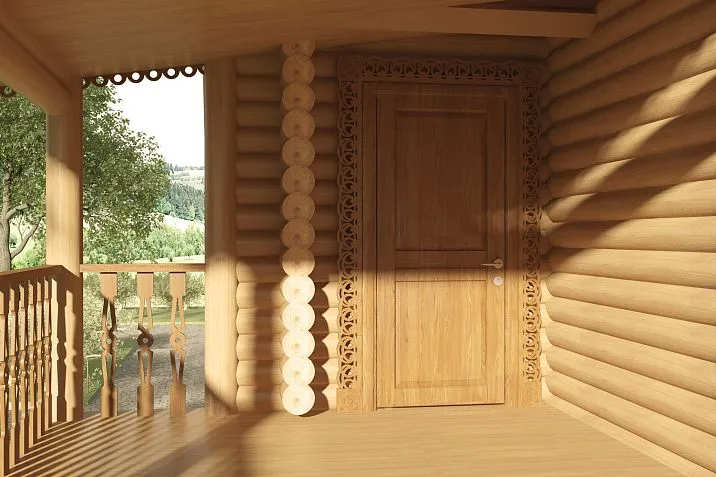
Wood carving is the language our ancestors used to tell stories, pass down knowledge, and express their understanding of beauty and harmony. In a bathhouse interior, carved elements serve not only a decorative but also a symbolic function.
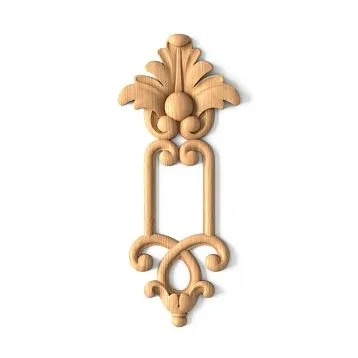
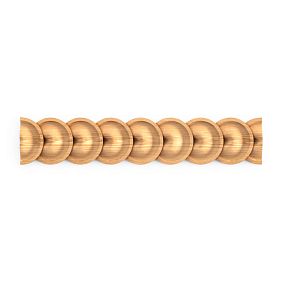
Plant motifs are the most common type of carving in Russian bathhouse interiors. Grapevines symbolize abundance and joy of life, oak leaves — strength and longevity, birch branches — purity and renewal. Decorative appliqués Russian style With plant motifs, ordinary furniture becomes works of folk art.
Geometric patterns carry ancient symbols of protection and well-being. Rhombuses, circles, spirals — these are not just decorations, but signs with deep sacred meaning. In a bathhouse interior, such elements create a sense of safety and harmony.
Animal motifs — bears, birds, fish — connect humans with the natural world. In Russian tradition, each animal has its own meaning: bear — strength and protection, bird — freedom and spirituality, fish — fertility and abundance.
Modern technologies of traditional carving
Today, carved elements for bathhouse interiors are created using advanced technologies that allow achieving ideal quality while preserving traditional aesthetics.
CNC milling ensures the highest precision in reproducing complex ornaments. Modern machines can create carving of any complexity with perfect repeatability, which is especially important when producing decorative elements in series.
Laser engraving allows creating delicate details unattainable by hand. This technology is ideal for creating inscriptions, small ornaments, decorative panels.
Hand-finishing gives each item individuality. Experienced masters add liveliness and warmth of handcraft to machine carving, remove technological marks, and create smooth transitions.
Color palette of the Russian bath: from birch gold to chocolate oak
Natural harmony of shades
The color solution for a Russian-style bathhouse interior is based on the principle of natural harmony. Here, artificial, acidic shades have no place — only those colors that can be found in the Russian forest, field, or lakeside.
The main palette is formed by shades of natural wood. Light honey-colored linden, silver-gray aspen, golden-brown oak, pink cedar create a rich yet harmonious palette. Each wood tone has its own character and mood.
Accent colors should complement the wooden base, not compete with it. Deep blue ceramic, warm red brick, green bath textiles — all these shades should be muted, as if faded by time.
Metallic accents — brass, bronze, copper — add nobility and historical authenticity to the interior. Modern stainless steel may be used only when dictated by hygiene and safety considerations.
Game of Light and Shadow
Lighting in a Russian bathhouse interior should create an atmosphere of coziness and intimacy. Bright, cold light is inappropriate — only warm, soft lighting, imitating candle or lamp light.
Natural lighting plays a key role in creating the atmosphere. Small windows with wooden frames should let in sufficient daylight during the day, without compromising the intimacy of bath procedures.
Artificial lighting should be multi-level. Main lighting is provided by ceiling fixtures in traditional style, additional lighting — by wall sconces and table lamps.
Decorative lighting — candles, lamps — creates a special mood. The flickering flame of a candle in a carved candlestick transforms bath procedures into a meditative ritual.
Furniture and accessories: functional beauty in every detail
Traditional bathhouse furniture
Furniture for a Russian bath should not only be beautiful but also maximally functional. High humidity, temperature fluctuations, and the need for regular cleaning — all these factors impose special requirements on materials and construction.
Shelves in the steam room — these are not just places to sit, but complex engineering structures that must ensure proper air circulation, be comfortable for people of different heights, and be easy to clean. Modern shelves are made with ergonomic requirements in mind, while preserving the traditional appearance.
Benches and stools in the anteroom and washroom should be sturdy, stable, and comfortable. Traditional Russian bench — this is not just a place to sit, but a multifunctional piece of furniture that can serve as a table, a stand, or a storage place for items.
Storage cabinets and shelves for bath accessories should not only be functional but also beautiful. Open shelves allow displaying beautiful bathware, while closed cabinets hide necessary but not always aesthetically pleasing items.
Bath accessories as decorative elements
Beautiful bath accessories transform utilitarian procedures into aesthetic pleasure. Each item — from a simple bucket to a carved thermometer — should delight the eye and create a mood.
Wooden utensils — buckets, ladles, steamers — are made from the same types of wood as the main interior elements. This creates stylistic unity and harmony throughout the space.
Textile accessories — towels, robes, slippers — should be made from natural materials and adorned with traditional ornaments. Linen, cotton, wool — ideal materials for bath textiles.
Ceramic items — jugs, bowls, pots for herbal infusions — add warmth and coziness to the interior. Handmade ceramics with traditional painting are especially valuable in Russian bath interiors.
The stove as the heart of the bath interior
Traditional brick stove
The stove in a Russian bath is not just a heating appliance, but a sacred center of the entire space. The layout of the steam room is organized around the stove, and its characteristics determine the microclimate of the entire bath.
The stove construction should adhere to traditional principles but utilize modern materials and technologies. Fire-resistant brick, heat-resistant mortars, and modern chimneys ensure safety and efficiency.
The stove cladding can become the main decorative element of the steam room. Handmade tiles, natural stone, brickwork with jointing — each option creates its own mood and style.
The kamennitsa — the most important element of a Russian bath stove. Properly selected stones not only create steam but also accumulate heat, purify the air, and create a special microclimate in the steam room.
Modern Interpretations
Modern bath stoves combine traditional principles with the latest technologies. Automatic control, safety systems, efficient fuel combustion — all of this makes modern baths more comfortable and safe.
Electric stoves with simulated wood-burning hearths allow you to create the atmosphere of a traditional bath even in urban conditions. Modern models are equipped with steam generation, aromatization, and automatic control systems.
Gas stoves provide rapid heating and precise temperature maintenance. Modern burners operate almost silently and require no constant supervision.
Combined systems allow using different types of fuel depending on the situation. Such stoves are especially convenient in country baths, where wood can be used, but autonomous operation is required.
Zonal planning: creating functional spaces
The predverie as a calling card
The predverie is the first space a bath visitor sees, so its design is especially important. Here, an atmosphere of anticipation and preparation for a special state of mind should be created.
Predverie furniture should be comfortable and functional. Changing benches, hooks and shelves for clothes, mirrors — all these are necessary elements. But each item must be made in the Russian style and match the overall interior concept.
Decorative elements in the predverie can be more varied than in the steam room. Here, paintings with bath scenes, carved panels, ceramic items, textile decorations are appropriate.
Predverie lighting should be sufficiently bright for changing clothes, but not harsh. Warm light creates a cozy atmosphere and prepares for relaxation.
The washroom: hygiene and beauty
The washroom is a zone of practical procedures where functionality takes precedence. But this does not mean the room should look institutional or utilitarian.
Washroom finishes should be moisture-resistant and easy to clean. Traditionally, this is achieved using hardwoods treated with special compounds. Modern technologies allow creating beautiful and practical finishes.
Washroom equipment includes showers, faucets, drains, but all these elements should be styled in the Russian tradition. Modern manufacturers offer sanitary ware that imitates vintage designs.
Washroom accessories — basins, buckets, washcloths, sponges — should be not only functional but also beautiful. Wooden and ceramic utensils create a special atmosphere and turn washing into a beauty ritual.
The steam room: temple of purification
The steam room is the holiest place in a Russian bath, where the main rite of purification takes place. Here, every detail should contribute to creating a special atmosphere of unity with nature and oneself.
Steam room shelves should be made from proper wood — linden or aspen — and have ergonomic shapes. Modern shelves are detachable for easier cleaning, but retain a traditional appearance.
Steam room ventilation — a critically important element that should be invisible but effective. Proper air circulation ensures comfort and safety during bath procedures.
Steam room decor should be minimal. Only the most necessary elements are appropriate here: thermometer, hourglass, water bucket. But each of these items should be a work of art.
Modern technologies in traditional interiors
Hidden Engineering Systems
A modern bath is unthinkable without engineering systems — ventilation, water supply, plumbing, electricity. But all these utilities must be maximally concealed to not disrupt the traditional interior aesthetics.
The ventilation system ensures proper air circulation in all rooms of the bath. Modern systems operate automatically, maintaining optimal humidity and temperature parameters.
Water supply and plumbing must be designed with the specifics of bathing procedures in mind. Large volumes of hot water, the need for rapid drainage, resistance to high temperatures — all of this requires a professional approach.
Electrical supply for the bath must meet the strictest safety requirements. Moisture-resistant lighting, automatic circuit breakers, grounding — these are mandatory elements of a modern bath electrical system.
Control and Automation Systems
Modern technologies allow automating many processes in the bath, making its operation more comfortable and safe.
Automatic control of the stove allows maintaining the set temperature without constant supervision. Modern controllers can be programmed for different operating modes.
Safety systems include temperature, smoke, and carbon monoxide sensors that can automatically shut down equipment in case of danger.
Multimedia systems allow creating additional comfort in relaxation zones. Music, video, internet — all of this can be integrated into the bath interior without disrupting its traditional character.
Regional Features of Russian Bathing Style
Northern Traditions
North Russian bathing tradition is distinguished by particular severity and functionality. There is no room for excessive decoration — every element must be justified by practical necessity.
Materials of northern baths are primarily coniferous woods: pine, spruce, larch. These species withstand harsh climates well and create a unique atmosphere of forest freshness.
Structural features of northern baths are related to the need to retain heat during long winters. Thick walls, small windows, low ceilings — all of this creates a unique cozy atmosphere.
Decorative elements of northern baths are minimalist and geometric. Simple carved patterns, minimal color, maximum functionality — these are the principles of northern bathing style.
Middle Volga Motifs
Bathing tradition in Russia's middle belt is more decorative and diverse. Here, the influence of various peoples and cultures is more pronounced, reflected in ornaments and color schemes.
Plant motifs dominate the decoration of Middle Volga baths. Oak leaves, grapevines, floral garlands create an atmosphere of abundance and joy of life.
The color palette is more diverse and includes not only wood tones but also bright accents: red, blue, green, yellow. These colors are used in textiles, ceramics, and painting.
Craft traditions of the middle belt provide rich material for creating bath accessories. Gzhel, Хохлома, Gorodets painting — all these crafts can find application in bath interiors.
Southern Russian influences
Southern Russian bathing tradition has been influenced by Ukrainian and Caucasian cultures, which is reflected in the more vibrant and festive character of interiors.
Bright colors — a distinctive feature of southern Russian style. Red, yellow, blue, green are used more actively and create a cheerful atmosphere.
Ceramic elements play an important role in southern Russian bath interiors. Tiles, clay dishes, ceramic panels add warmth and coziness to the space.
Textile traditions of southern Russia are distinguished by rich ornamentation and vivid colors. Embroidery, lace, weaving provide rich material for creating bath textiles.
Seasonal Transformations of Bath Interior
Winter Bath: Warmth Amidst the Cold
In winter, the Russian bath acquires special significance. It is an island of warmth and light amidst the cold winter, a place where one can warm not only the body but also the soul.
Winter bath decor may include elements of New Year and Christmas traditions. Pine branches, candles, traditional toys create a festive atmosphere.
Textile accents in winter become warmer and cozier. Wool blankets, fur shawls, felt rugs add softness and comfort to the interior.
Aromatherapy in winter is especially important. Coniferous essential oils, herbal infusions, aromatic logs create an atmosphere of forest freshness and purity.
Summer sauna: coolness and freshness
In summer, the sauna becomes a place of refreshment and relaxation after a hot day. The interior should create a feeling of coolness and freshness.
Summer decor includes live flowers, green plants, light fabrics. Open windows and doors create a connection with nature and ensure natural ventilation.
Color accents in summer become lighter and fresher. White, blue, green, yellow create a feeling of coolness and lightness.
Summer sauna procedures can be supplemented with outdoor water treatments. An open-air bath, a garden shower transform the sauna into a comprehensive spa center.
Ergonomics and safety: modern requirements for traditional space
Ergonomic principles
A modern sauna interior must take into account ergonomic requirements, ensuring comfort and safety for users of all ages and physical abilities.
The height of shelves in the steam room should be designed for people of different heights. Multi-level shelves allow each person to choose the optimal temperature zone.
The width of walkways should ensure safe movement even under high temperature and humidity. Special attention is paid to areas where falls are possible.
Lighting should be sufficient for safe movement, but not blinding. Special attention is paid to lighting steps, thresholds, and other potentially dangerous areas.
Security systems
A modern sauna must be equipped with systems ensuring visitor safety in any situation.
Fire safety includes automatic fire detection and extinguishing systems, emergency exits, fire-resistant finishing materials.
Electrical safety is ensured by using moisture-resistant equipment, automatic disconnection systems, and grounding all metal elements.
Protection against carbon monoxide includes CO sensors, ventilation systems, and automatic shutdown of furnaces upon exceeding permissible concentrations.
Ecological aspects of modern sauna design
Eco-friendly materials
A modern approach to creating a sauna interior in the Russian style implies using exclusively eco-friendly materials, safe for human health and the environment.
Natural wood should be harvested in accordance with sustainable forestry principles. Certified wood guarantees that forests were harvested in compliance with ecological standards.
Eco-friendly finishes based on natural oils and waxes do not emit harmful substances when heated. Such compositions allow wood to retain its natural properties.
Natural insulators — flax, jute, wool — create a healthy microclimate and do not contain synthetic components.
Energy efficiency
A modern sauna should be energy-efficient, achieved through proper design and use of modern technologies.
Insulation should ensure minimal heat loss while providing maximum comfort. Modern insulators allow creating effective insulation with minimal thickness.
Heat recovery allows using the heat from exhaust air to warm fresh air. Such systems significantly reduce energy consumption.
Alternative energy sources — solar collectors, heat pumps — can complement traditional heating and reduce operating costs.
Maintenance and care: preserving beauty for many years
Regular Maintenance
A beautiful sauna interior requires regular maintenance and care. High humidity, temperature fluctuations, and intensive use create special maintenance requirements.
Wood care includes regular cleaning, drying, and renewing protective coatings. Proper care allows preserving the beauty of wood for many decades.
Furnace maintenance should be performed by qualified specialists. Regular chimney cleaning, checking for leaks, and replacing worn parts ensure safe operation.
Textile care includes regular washing, drying, and protection against moths and other pests. Quality sauna textiles, with proper care, can last for many years.
Preventive measures
Prevention is the best way to preserve the beauty and functionality of a sauna interior.
Humidity control helps prevent mold and fungus growth. Regular ventilation, use of air dehumidifiers, and ventilation control are mandatory measures.
Protection against pests includes treating wood with special compounds, regular inspections, and timely identification and elimination of infestation areas.
Updating decorative elements helps maintain the interior in perfect condition. Timely replacement of worn elements extends the life of the entire interior.
Psychology of the sauna space: the influence of interior design on a person
Color therapy in sauna interiors
Colors in sauna interiors have a deep psychological effect on a person. A properly chosen color palette promotes relaxation, recovery of strength, and harmonization of inner state.
Warm wood tones create a sense of safety and comfort. They remind one of home, maternal care, and connection with nature.
Muted colors of textiles and accessories do not stimulate the nervous system but promote relaxation and meditation.
Natural materials affect not only visually but also tactilely. Touching warm wood, soft linen, smooth ceramic creates positive tactile sensations.
Aromatherapy and sound therapy
The interior of a Russian-style sauna should affect all senses, creating a comprehensive therapeutic effect.
The scents of wood — linden, birch, oak, cedar — each have their therapeutic properties. These natural aromas promote relaxation, clear the respiratory tract, and improve mood.
The sound environment of a sauna should promote relaxation. The crackling of wood in the stove, the hissing of water on hot stones, and quiet music create a favorable sound atmosphere.
Silence is an important element of sauna therapy. The opportunity to be in silence, to listen to one’s own breathing and heartbeat helps restore inner balance.
Conclusion
Creating a sauna interior in the Russian style is not merely a design task, but a cultural mission to preserve and develop national traditions. In a world where globalization erases cultural differences, turning to roots becomes an act of creative resistance and search for one’s own identity.
Modern bath interior in Russian style It is a harmonious blend of ancient traditions and modern technologies, functionality and beauty, practicality and spirituality. Every element of such an interior — from carved appliqués to sauna utensils — tells the story of a multi-century culture, conveys the wisdom of generations, and creates an atmosphere of authentic connection with nature and national roots.
It is important to understand that the Russian style in sauna interiors is not a museum-style staging or theatrical decoration, but a living, evolving tradition that adapts to modern needs while preserving its essence. Modern materials and technologies do not contradict traditional aesthetics but enrich them, making them more durable and safe.
Creating a quality sauna interior requires not only financial investment but also deep understanding of traditions, professional skill, and attention to detail. Each decorative element must not only be beautiful but also functional, not only stylish but also in harmony with the spirit of Russian sauna culture.
The result of such an approach is a space that offers not only physical cleansing and wellness but also spiritual renewal, connection with cultural roots, and a sense of belonging to a great tradition. In such a sauna, every visit becomes a celebration, every procedure a ritual of beauty, and every minute a return to the origins.
For more than two decades, the company STAVROS has been creating decorative elements that help bring to life dreams of a true Russian sauna. The combination of traditional craftsmanship with modern technologies, use of premium materials, and attention to every detail allow creating items that will become a decoration for any sauna interior and serve many generations. The company’s catalog features thousands of carved decor models, each created with an understanding of deep Russian aesthetic principles and modern requirements for quality and durability.