Article Contents:
- Why Choosing Furniture Legs Is So Important for Modern Interior Design
- The History of Furniture Legs: From Antiquity to Today
- Materials for Furniture Legs: What to Choose for Your Interior
- Wooden Legs: Classic, Time-Tested Elegance
- Metal Legs: Modernity and Reliability
- Plastic and Composite Materials: Innovations in Design
- Stylistic Solutions: Which Legs to Choose for Different Interior Styles
- Classic Style: Elegance and Luxury
- Modern style: minimalism and functionality
- Scandinavian Style: Naturalness and Simplicity
- Loft and Industrial Style: Brutality and Character
- Functional Features of Furniture Legs
- Adjustable Legs: The Perfect Solution for Uneven Floors
- Legs with Protective Caps: Care for Your Floor Covering
- Foldable and Removable Designs: For Transformable Furniture
- Height and Shape: How to Choose the Perfect Proportions
- Standard Sizes for Different Types of Furniture
- Leg Shape and Visual Perception of Space
- Technical Aspects of Choosing Furniture Legs
- Load Capacity: How to Avoid Choosing the Wrong Legs
- Mounting Methods: What to Choose for Different Types of Furniture
- Tools and Materials for DIY Installation
- Where to Buy Furniture Legs: Criteria for Choosing a Reliable Supplier
- Specialized Manufacturers vs. Mass Market
- Online Stores: Pros and Risks
- Criteria for Choosing a Reliable Supplier
- Custom Approach: Manufacturing Legs to Order
- When to Order Custom-Made Legs
- Process of Creating Custom Furniture Legs
- Design Trends in Furniture Legs: What’s Trendy Today
- Ecological and natural properties
- Mixing Materials and Textures
- Geometric shapes and asymmetry
- Retro styling and vintage motifs
- Practical tips for choosing and caring for furniture legs
- How to properly measure and select legs for replacement
- Care for different types of furniture legs
- Prevention of problems: what the owner needs to know
- Economic aspects: how to save without sacrificing quality
- Price categories and their features
- When it is worth investing in expensive models
- Alternative solutions and creative approach
- Conclusion: How to Make the Right Choice
- Conclusion: key criteria for selection
- Where to buy furniture legs: final recommendations
- Investment in quality: why you shouldn't cut corners on details
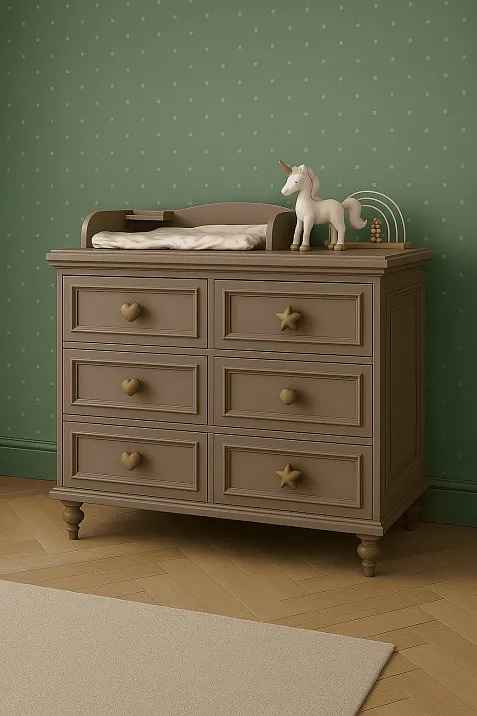
In the world of interior design, details make all the difference. It seems that choosing furniture legs should be simple, but it is precisely these small elements that can dramatically change the look of your home, giving it a unique charm and individuality. Today, I will share with you my long experience and not only tell you about where to buy furniture legs, but also how to choose the perfect supports that will become a true decoration of your interior.


Why choosing furniture legs is so important for modern interior design
Furniture legs are not just a functional element ensuring stability. They are an accent capable of highlighting the style of a room and adding elegance even to the simplest furniture. Imagine a regular sofa that suddenly transforms thanks to elegant turned wooden legs. Or a kitchen set that gains new life after installing modern metal supports.
Choosing where to buy furniture legs, you are actually choosing the character of your interior. Want to create an atmosphere of classic luxury? Pay attention to carved wooden models. Prefer minimalism? Simple metal supports will be the ideal solution.




The history of furniture legs: from antiquity to the present day
Furniture legs have a rich history dating back to ancient civilizations. In ancient Egypt, craftsmen created exquisite supports for thrones and couches, imitating animal legs. During the Renaissance, elegant turned legs became popular, and the Baroque style brought the world ornate carved forms.
Today, designers draw inspiration from all historical periods, creating both authentic classic models and ultra-modern variants. This evolution allows everyone to find exactly the legs that will perfectly fit the interior concept.
Our factory also produces:


Materials for furniture legs: what to choose for your interior
The modern market offers an incredible variety of materials for furniture legs. Each has its unique characteristics affecting not only aesthetics but also functionality.
Get Consultation
Wooden legs: classic, time-tested
Natural wood remains unmatched when it comes to creating a cozy atmosphere. Oak, beech, ash, walnut — each species has a unique texture and tone, allowing you to choose the perfect option for any interior.
Wooden legs have the following advantages:
- Ecological and natural properties
- Strength and durability with proper care
- Wide possibilities for decorative finishing
- Ability to 'mellow' over time, acquiring a noble patina finish
If you are wondering, where to buy furniture legs Made from high-quality natural wood; pay attention to manufacturers specializing in solid wood. Such companies ensure not only flawless material quality but also precise processing.
Metal Legs: Modernity and Reliability
Metal legs - the choice for those who appreciate modern design and maximum strength. Steel, aluminum, brass - each metal gives furniture a unique character.
Advantages of metal legs:
- Exceptional strength and durability
- Minimalist design, perfectly suited for modern interiors
- Resistance to moisture and temperature fluctuations
- Variety of finishes: chrome, matte black, antiqued bronze
Metal legs are especially relevant for loft, industrial, or Scandinavian-style spaces. They create an interesting contrast with soft upholstery of sofas and chairs, adding character and expressiveness to the interior.
Plastic and composite materials: innovations in design
Modern technologies have enabled the creation of legs from high-strength plastics and composite materials, which successfully imitate wood or metal, but also offer additional advantages:
- Lightweight with high strength
- Resistance to moisture and chemical exposure
- Wide color palette
- Affordable cost
Such legs become the optimal solution for furniture in children's rooms, bathrooms, or on open terraces, where moisture resistance and ease of maintenance are important.
Stylistic solutions: which legs to choose for different interior styles
The choice of furniture legs directly depends on the stylistic direction of your interior. Let's consider which models will fit perfectly into various design concepts.
Classic style: elegance and luxury
Classic interiors are characterized by elegant, often carved legs with smooth lines. The ideal choice will be:
- Cabriole - curved legs with a distinctive S-shape
- Turned balusters with decorative elements
- Heavy legs with carved details
- Legs with gold or patina finish
Material for classic legs - primarily natural wood of valuable species: mahogany, walnut, cherry. Such elements give furniture aristocracy and become true decor of the interior.
Modern style: minimalism and functionality
Modern interiors tend toward simple geometric forms and clean lines. Suitable for this style are:
- Straight cylindrical legs
- Conical legs with minimal decoration
- Metal legs of simple forms
- Hidden or built-in legs
The color palette is usually restrained: natural wood tones, black, white, metallic. The main thing in modern style - functionality and minimalism without unnecessary details.
Scandinavian style: naturalness and simplicity
Ideal legs for such an interior:
- Slightly conical wooden legs in light shades
- Simple cylindrical legs made of light wood
- Thin metal legs with wooden elements
- Slanted legs in mid-century modern style
A characteristic feature of Scandinavian style is light-colored natural wood (birch, beech, maple) with minimal processing, highlighting the material's natural beauty.
Loft and industrial style: brutality and character
For loft-style interiors, typical are rough, heavy elements with an industrial character:
- Metal legs made of pipes or profiles
- Legs with visible fasteners and welded seams
- Combinations of metal and aged wood
- Wheeled legs with industrial design
In such interiors, furniture legs often become an accent element, drawing attention with their rugged aesthetics and technological design.
Functional features of furniture legs
In addition to aesthetic aspects, furniture legs perform important functional tasks that must be considered when choosing.
Adjustable legs: ideal solution for uneven floors
One of the common problems is uneven flooring. Adjustable legs solve this issue, ensuring perfect stability of furniture even on the most problematic surfaces.
Advantages of adjustable models:
- Ability to compensate for height differences up to 2-3 cm
- Simple adjustment without special tools
- Prevention of furniture rocking and squeaking
- Protection of flooring from damage
Such legs are especially relevant for kitchen furniture, cabinets, and heavy items, where absolute stability is crucial.
Legs with protective caps: care for flooring
To protect parquet, laminate, or tile from scratches, many manufacturers offer legs with protective caps made of felt, silicone, or special polymers.
Such caps provide:
- Silent furniture movement
- Protection of the floor from damage
- Additional shock absorption
- Prevention of furniture sliding
When choosing Places where you can buy legs for furniturePay attention to the availability of models with protective elements or the option for additional installation.
Folding and removable constructions: for transformable furniture
Modern trends toward multifunctionality and compactness have led to the popularity of transformable furniture. Special folding or quick-removable legs have been developed for such items.
Their features:
- Easy assembly and disassembly without special tools
- Compact storage in folded form
- Reliable locking mechanisms
- High strength despite a disassemblable structure
Such solutions are ideal for folding tables, convertible sofas, and other furniture that must change its configuration.
Height and shape: how to choose ideal proportions
Correctly chosen proportions of furniture legs are not only a guarantee of an aesthetically pleasing appearance, but also comfortable use of furniture.
Standard sizes for different types of furniture
For each type of furniture, there are optimal leg height parameters:
- Sofas and chairs: 10-15 cm
- Dining tables: 70-75 cm (overall table height)
- Coffee tables: 40-50 cm (overall height)
- Beds: 20-30 cm
- Comodes and sideboards: 8-12 cm
However, these parameters may vary depending on interior style and personal preferences. For example, in Scandinavian style, higher legs are often used to create a sense of lightness and airiness.
Leg shape and visual perception of space
The shape of furniture legs affects the visual perception not only of the furniture itself, but also of the entire room:
- Thin, tall legs visually lighten heavy furniture
- Sloped legs create dynamism and movement
- Heavy bases add solidity and stability
- Curved shapes soften the overall impression
In small rooms, it is recommended to choose thin legs, which create a sense of space. In spacious rooms, more substantial options are suitable, as they will balance the interior proportions.
Technical aspects of choosing furniture legs
When choosing legs, it is necessary to consider not only aesthetic, but also technical parameters that ensure the reliability and longevity of the furniture.
Load capacity: how to avoid choosing incorrectly
One of the key parameters is the ability of the legs to support the weight of the furniture and the expected load. This indicator depends on:
- Material of the legs
- Diameter or cross-section
- Constructive features
- Method of attachment
For heavy items, such as dining tables or cabinets, legs with high load capacity—50 kg per leg—are required. For light furniture, a rating of 20–30 kg is sufficient.
Ways of attachment: what to choose for different types of furniture
There are several main ways to attach furniture legs:
- Threaded connection — the most common option, providing secure fixation. The leg has a threaded rod that screws into a special bushing in the furniture.
- Plate with holes — a metal plate with holes for screws, to which the leg is attached. This method allows easy replacement of legs if needed.
- Tapered connection — the leg has a conical protrusion that fits into a corresponding hole in the furniture. Provides quick assembly and disassembly.
- Embedded legs — fully or partially recessed into the furniture body. Create a minimalist look but are more difficult to install.
When choosing Places where you can buy legs for furniture, pay attention to compatibility of the attachment method with your furniture or the possibility of purchasing additional fasteners.
Tools and materials for self-installation
If you plan to install the legs yourself, you will need:
- Screwdriver or electric screwdriver
- Drill with drill bits of appropriate diameter
- Measuring tape and pencil for marking
- Angle bracket for precise positioning
- Template for marking (can be made yourself)
- Fastening elements (screws, bolts, nuts)
- Protective floor caps
Most manufacturers include necessary fasteners and detailed installation instructions with their products, significantly simplifying the mounting process.
Where to buy furniture legs: criteria for choosing a reliable supplier
Choosing a supplier of furniture legs is a responsible step, affecting not only the aesthetics but also the safety of your furniture.
Specialized manufacturers vs mass market
Two main types of suppliers are available on the market:
- Specialized manufacturers — companies whose main activity is producing furniture components. They provide:
- High-quality materials and processing
- Accurate adherence to dimensions and technical parameters
- Wide range of models
- Ability to manufacture according to custom sketches
- Mass market — large construction and furniture stores offering standardized solutions. Their advantages:
- Affordable price
- Availability in stock
- Wide network of stores
- Standardized sizes
If you are looking for where to buy furniture legs For premium quality or non-standard design, it is recommended to contact specialized manufacturers who guarantee an individual approach and flawless quality.
Online Stores: Advantages and Risks
Modern technologies allow purchasing furniture components without leaving home. Online stores offer:
- A vast selection of models from different price categories
- Convenient search and filtering by parameters
- Delivery to any region
- Often lower prices due to the absence of costs for maintaining retail spaces
However, online purchases carry certain risks:
- Inability to assess material quality and finish before receipt
- Possible color discrepancies in photographs
- Difficulties with returns if product does not meet expectations
To minimize these risks, choose trusted sellers with positive reviews, detailed product descriptions, and high-quality photos. Pay attention to return policies and warranty availability.
Criteria for selecting a reliable supplier
When choosing Places where you can buy legs for furniturepay attention to the following criteria:
- Reputation and experience - the longer a company has been on the market, the greater the likelihood of receiving a quality product.
- Product range - a wide selection of models will help you find exactly what suits your furniture.
- Material quality - a reliable supplier always specifies exact characteristics of the materials used and their origin.
- Technical specifications - detailed description of dimensions, load capacity, and mounting methods.
- Warranty obligations - the presence of a warranty indicates the manufacturer's confidence in the quality of its products.
- After-sales service - the ability to receive consultation, select the optimal option, or order a custom solution.
- Customer reviews - real experiences from other buyers will help form an objective opinion about the supplier.
Individual approach: custom leg manufacturing
If you cannot find suitable legs among standard offerings, consider custom manufacturing.
When to order custom manufacturing
Custom manufacturing of furniture legs is justified in the following cases:
- Restoration of antique furniture requiring precise adherence to the historical model
- Creation of a unique designer furniture piece
- Non-standard sizes or furniture configurations
- Special requirements for load capacity or materials
- Need for precise match with existing interior
Although custom manufacturing usually costs more than standard solutions, the result fully justifies the investment, especially when it comes to valuable or designer furniture.
Process of creating custom furniture legs
The typical process of manufacturing custom legs includes the following stages:
- Consultation and discussion of requirements - defining style, dimensions, material, and functional features.
- Creating a sketch or 3D model - visualizing the future product for approval with the client.
- Material selection - choosing an appropriate wood, metal, or composite material based on aesthetic and functional requirements.
- Prototype manufacturing (if necessary) - creating a sample to evaluate proportions and design conformity.
- Production - manufacturing legs using both traditional craftsmanship techniques and modern equipment.
- Final finishing - sanding, painting, varnishing, or other surface treatments to achieve the desired effect.
- Quality control - checking compliance of finished products with stated parameters and requirements.
Specialized manufacturers, where you can buy furniture legs Custom-made, usually offering full project support from idea to implementation, guaranteeing an ideal result.
Trends in furniture leg design: what is relevant today
The world of furniture design is constantly evolving, and furniture legs are no exception. Let's consider the current trends that define the modern market.
Ecological and natural
One of the main trends of recent years has been a return to natural materials and eco-friendly production technologies. In furniture leg design, this is reflected in:
- Use of wood from responsibly managed forests
- Use of non-toxic water-based paints and varnishes
- Minimal processing that highlights the natural beauty of the material
- Combination of wood with other natural materials (stone, leather)
This trend is especially noticeable in Scandinavian and eco styles, where naturalness is one of the key values.
Mixing of materials and textures
Modern designers actively experiment with combining different materials in one item:
- Wooden legs with metal inserts
- Combination of matte and glossy metal
- Combination of transparent elements (acrylic, glass) with opaque ones
- Contrasting textures: smooth polished surface and rough texture
Such combinations create interesting visual effects and allow integrating furniture into complex interior solutions.
Geometric shapes and asymmetry
In trend are geometric shapes and non-standard configurations:
- Triangular and hexagonal cross-sections
- Asymmetric constructions
- Intentionally irregular shapes
- Architectural, sculptural solutions
Such legs become not just a functional element, but a true work of art, a central accent of the furniture piece.
Retro aesthetics and vintage motifs
The renewed interest in mid-century design has led to the popularity of mid-century modern style legs:
- Slanted thin legs made of dark wood
- Brass caps and decorative elements
- Characteristic shapes of the 1950s-1960s
- Combination of elegance and functionality
This trend is especially noticeable in chair, sofa, and coffee table design, where retro aesthetics create an atmosphere of nostalgia and sophistication.
Practical tips for selecting and caring for furniture legs
Correct selection and proper care of furniture legs significantly extend their lifespan and maintain an attractive appearance.
How to properly measure and select legs for replacement
When replacing existing legs, several key parameters must be considered:
- Height - measure the height of existing legs from the base of the furniture to the floor. Note that changing the height may affect the ergonomics of the furniture.
- Type of fastening - determine what type of fastening is used (threaded connection, plate, wedge connection). New legs must be compatible with the existing fastening or additional adaptation will be required.
- Thread diameter or mounting hole diameter - for threaded connections, accurately measure the thread diameter and pitch. For plates - the distance between mounting holes.
- Load capacity - new legs must withstand the weight of the furniture and expected load with sufficient safety margin.
- Aesthetic compatibility - new legs must harmonize with the furniture's design and the overall interior style.
Before purchasing, it is recommended to take photos of existing fasteners and measure all necessary parameters so the consultant can select the appropriate replacement.
Care for different types of furniture legs
Proper care depends on the material of the legs:
Wooden legs:
- Regularly remove dust with a soft dry cloth
- Avoid prolonged contact with water
- Apply special waxes or wood oils every 6-12 months
- Protect from direct sunlight, which may cause fading
Metal legs:
- Wipe with a damp cloth and mild detergent
- Polish chrome surfaces with special chrome cleaners
- To prevent corrosion, apply a thin layer of protective wax
- For scratches on painted surfaces, use touch-up pencils
Plastic and composite legs:
- Clean with a soft cloth and neutral detergent
- Avoid abrasive cleaning agents that may scratch the surface
- Do not use solvents that may damage the material
- Periodically check for cracks or deformations
Prevention of problems: what the owner should know
To avoid problems with furniture legs, follow these recommendations:
- Regularly check fasteners - loose connections may cause furniture to become loose and damaged. Tighten fasteners as needed.
- Use protective pads - they prevent damage to flooring and reduce stress on legs when moving furniture.
- Evenly distribute the load - especially important for tables and cabinets. Uneven load may lead to deformation or breakage.
- Avoid sudden changes in humidity - this is especially important for wooden legs, which may dry out or swell.
- Move furniture properly - lift heavy furniture rather than dragging it to avoid excessive side load on legs.
By following these simple rules, your furniture legs will serve you for many years, maintaining an attractive appearance and functionality.
Economic aspects: how to save without sacrificing quality
Purchasing quality furniture legs does not necessarily have to be expensive. There are ways to optimize expenses without sacrificing quality.
Price categories and their features
Furniture legs are available in various price categories:
Economy segment (300-800 rubles per set):
- Simple Forms Without Complex Decoration
- Standard sizes and types of connection
- Basic materials (pine, birch, simple metal alloys)
- Limited color palette
Mid-range segment (800–2500 rubles per set):
- More diverse design and shapes
- Quality materials (oak, beech, stainless steel)
- Various finishing options and color solutions
- Reliable fastening systems
Premium segment (from 2500 rubles per set):
- Exclusive design, often handmade
- Valuable wood species (walnut, cherry, mahogany)
- Complex decorative elements (carving, inlay)
- Individual Approach and Customization Possibility
When choosing a price category, consider the type of furniture and its significance in the interior. For everyday furniture, the mid-range segment is often sufficient, while designer or antique items may warrant premium options.
When it's worth investing in expensive models
Investing in more expensive furniture legs is justified in the following cases:
- Expensive furniture - the quality of the legs must match the quality of the furniture itself.
- High loads - for heavy furniture or items that will be used intensively, more expensive models will provide the necessary strength and durability.
- Accent interior pieces - if the furniture is a central design element, quality legs will emphasize its status.
- Restoration of valuable items - for antique or collectible furniture, it is important to use authentic or as close as possible to the original elements.
- Long-term perspective - quality legs will last for decades, making them a more economical solution in the long run.
Alternative solutions and creative approach
To save money without sacrificing quality, consider the following alternatives:
- Restoration of existing legs – it is often simpler and cheaper to restore existing legs than to purchase new ones. Sanding, painting, or varnishing can completely transform their appearance.
- Seasonal sales and promotions - many manufacturers regularly hold sales, allowing you to purchase quality items at significant discounts.
- Combining materials – for example, the main part of the leg can be made from an affordable material, while decorative elements can be made from more expensive materials.
- DIY approach – if you have skills in working with wood or metal, you can make unique legs yourself, significantly reducing costs.
- Secondary market - antique shops and flea markets can become sources of unique vintage legs at reasonable prices.
Choosing where to buy furniture legsCompare offers from different suppliers, paying attention not only to price, but also to material quality, customer reviews, and warranty obligations.
Conclusion: How to make the right choice
Choosing furniture legs is a balance between aesthetics, functionality, and practicality. Summarizing our review, we highlight key points that will help you make the right decision.
Conclusion: key criteria for selection
When choosing furniture legs, consider:
- Interior and furniture style - legs should harmoniously fit into the overall design concept.
- Functional requirements - consider the expected load, usage conditions, and characteristics of the floor covering.
- Material and manufacturing quality - choose materials appropriate for the furniture's purpose and usage conditions.
- Technical specifications - height, mounting method, adjustability must match your needs.
- Durability and ease of maintenance - evaluate how practical your choice will be in the long term.
- Budget — determine the optimal price-to-quality ratio based on the item’s significance in the interior.
Where to buy furniture legs: final recommendations
When choosing a supplier of furniture legs, pay attention to:
- Company specialization — manufacturers specializing in furniture components usually offer higher-quality products.
- Product range - a wide selection of models will help you find exactly what suits your furniture.
- Material and manufacturing quality — review customer feedback, request samples, or visit a showroom to assess product quality.
- Service and consultations — professional consultation will help avoid mistakes when selecting and installing.
- Warranty obligations — a reliable supplier always provides a warranty on their products.
If you are looking for where to buy furniture legs high-quality products, pay attention to specialized companies with years of experience, which offer not only standard solutions but also the possibility of custom manufacturing.
Investment in quality: why you shouldn't cut corners on details
Furniture legs are not just a functional element, but also an important design detail that can radically change the appearance of the furniture and the entire interior. Investing in quality legs is justified for several reasons:
- Durability - quality legs will last for decades, while cheap alternatives will need replacing within a few years.
- Safety — reliable supports ensure furniture stability, which is especially important for families with children or elderly people.
- Aesthetic satisfaction - beautiful, harmonious details create a sense of completeness and thoughtfulness in the interior.
- Preservation of furniture value — quality components maintain and even increase furniture value when resold.
- Long-term cost savings — a one-time investment in quality will save you from frequent replacements and associated expenses.
Remember that in interior design, it’s the details that create the overall impression. Quality furniture legs are the detail that transforms ordinary furniture into a source of pride and daily aesthetic pleasure.
Choosing where to buy furniture legsPrefer proven manufacturers who guarantee material quality, precision manufacturing, and flawless design. This approach will ensure not only the beauty and functionality of your furniture today, but also its durability for many years to come.