Article Contents:
- Center of Attraction: Why Living Room Finishing Requires Special Attention to Detail
- Why is the Living Room Different from Other Rooms?
- Design Scenarios: Analysis of Popular Options from Calm Classics to Dynamic Modern
- Classic Scenario: Symmetry, Proportions, Nobility
- Neoclassical Approach: Lightened Elegance
- Modern Classic: Fusion of Tradition and Relevance
- Modernist Scenario: Geometry and Purity of Forms
- Eclectic Scenario: Freedom of Combinations
- Space Zoning: How to Separate the Lounge Area from the Dining Area Using Wall Decor
- Vertical Zoning: Different Finishes for Different Zones
- Horizontal Zoning: Playing with Levels
- Color Zoning: Nuances and Contrasts
- Textural Zoning: Tactile Differences
- Style Unity: Combining Wall Decor with Ceiling Elements Within One Room
- Logic of Transitions: How the Wall Meets the Ceiling
- Color solutions: contrast or nuance
- Coffers and Rosettes: Ceiling as an Extension of Walls
- Lighting Scenarios: How Lighting Connects Walls and Ceiling
- Home Atmosphere: Influence of Materials (Wood, Polyurethane) on the Perception of Coziness
- Wood: The Warmth of Nature in the Interior
- Polyurethane: Versatility and Perfection of Forms
- Combination of Wood and Polyurethane: The Best of Both Worlds
- Influence of Texture on Acoustics and Tactility
- Practical Aspects of Implementation: From Selection to Installation
- Material Selection: What to Pay Attention To
- Surface preparation: foundation for success
- Installation: technology and nuances
- Finishing: Color and Protection
- Stylistic Nuances: How to Avoid Bad Taste
- Rule of Moderation: Less is Sometimes More
- Rule of Proportions: Proportionality of Elements
- Rule of color harmony: palette restraint
- Rule of stylistic integrity: don't mix the unmixable
- Frequently Asked Questions: Expert Answers
- Which material is better to choose for living room wall decor — wood or polyurethane?
- How much does decorating living room walls with decorative elements cost?
- Can decorative elements be installed on walls independently?
- How to care for decorative wall finishes?
- Is classical wall decor suitable for modern lifestyle?
- How long will decorative wall finishes last?
- Can decorative elements be used in a small living room?
- What mistakes are most commonly made when decorating living room walls?
- Creating a harmonious space for family and guests

Imagine entering a home where every detail makes you pause in admiration. The first impression is formed precisely in the living room — that very room where the family spends evenings, where guests are welcomed, where important decisions are born and the most sincere conversations take place. It is hereWall room finishingbecomes not just a design technique, but the language spoken by the space. What do guests see when crossing the threshold? Bland painted surfaces or a thoughtful architectural composition where every element works to create an atmosphere of dignity, coziness, and unique style?
The living room is a showcase of the owners' taste. There is no room for randomness here. Thoughtfulness, harmony, and that very magic reign here, transforming an ordinary room into a place of power. The living room walls are the canvas on which the architect and designer write their story. And the choice of how to decorate them determines whether this story will be captivating or go unnoticed.


Center of attraction: why living room finishing requires special attention to detail
Why does the living room deserve such close attention when choosing decorative wall finishes? The answer lies in the psychology of space perception. This room combines several functions simultaneously: here people relax, receive guests, hold family celebrations, read, watch movies. Multifunctionality requires flexibility in the approach to decor, but at the same time — clarity of concept.
When we talk aboutwall finishing optionsin the living room, we mean not just choosing between wallpaper or paint. We're talking about creating a three-dimensional architectural environment where volume, texture, rhythm, and proportions work in harmony. A flat painted wall can be a background, but it will never become an accent. But a wall structured with moldings, adorned with carved overlays, framed byplaster decoration for walls and ceilings— that is already an architectural statement.
Details matter. They are what distinguish a status interior from a bland one. Details create depth of perception — literally and metaphorically. When light glides along the profile of a cornice, when shadow emphasizes the relief of a carved overlay, when the gaze slides along the vertical lines of moldings — the space comes alive. It ceases to be flat; it acquires character.
inwall finishing in the housenot only beauty is important, but also the logic of composition. Every element must have its place and its role. A panel system, where the lower third of the wall is structured with vertical and horizontal slats, creates a sense of stability and order. The middle part of the wall can be accent — patterned wallpaper, decorative plaster, or textile upholstery are appropriate here. The upper third, crowned by a ceiling cornice, completes the composition, directing the gaze upward and visually increasing the room's height.




Why is the living room different from other rooms?
The bedroom can be intimate, the study — strict, the kitchen — functional. But the living room must be representative. This doesn't mean it should overwhelm with luxury or be a museum space. Representativeness is balance, thoughtfulness, respect for tradition, and simultaneously — freedom of self-expression.
The living room walls work as a frame for everything else. They set the scale, define the rhythm, create the mood. Therefore, the choice of materials and decoration techniques here is critically important. Wood brings warmth and nobility. Polyurethane molding allows creating complex forms without weighing down structures. Combining these materials opens limitless possibilities for creativity.
Imagine a living room where the lower part of the walls is finished with wooden panels with raised panels, and the upper part is decorated with polyurethane moldings painted to match the walls. Such a combination creates balance between the natural texture of wood and the graphic clarity of plaster decor. This is precisely that harmony which makes an interior memorable.
Important point: the living room often has a larger area compared to other rooms. And that means there is space for large-scale decorative solutions. High ceilings allow using multi-level cornices, creating coffered ceiling systems, applying large rosettes and medallions. The great length of walls provides an opportunity to build complex panel compositions with rhythmic repetition of elements.
Our factory also produces:


Design scenarios: analysis of popular options from calm classic to dynamic modern
Which style to choose for the living room? This question concerns everyone who thinks about seriously updating the interior. The answer depends on many factors: the architecture of the house, personal preferences, the family's lifestyle. But there are universal scenarios that have proven themselves as fail-safe solutions.
Get Consultation
Classic scenario: symmetry, proportion, nobility
Classic is not boredom or museum-like stagnation. It's techniques tested over centuries for creating harmonious spaces. The foundation of classic interior lies in principles of symmetry, golden ratio, and order systems. Applied todecorative wall claddingthe living room, this means using panel systems, moldings, cornices, pilasters, rosettes.
Imagine a living room with high ceilings, where walls are divided into three horizontal levels. The lower level - a plinth about a meter high, decorated with wooden panels with simple raised panels. The middle level - the main wall surface, painted in a calm shade or covered with plain wallpaper with subtle texture. The upper level - a frieze, topped withceiling cornicea complex profile. On the main wall surface, vertical frames are created from moldings - their quantity and arrangement obey the laws of symmetry.
The classic scenario involves using natural materials or their high-quality imitations.Wooden moldings and cornicesfrom oak or beech create a sense of solidity and durability. Polyurethane stucco, painted white or cream, adds sophistication without excessive opulence.
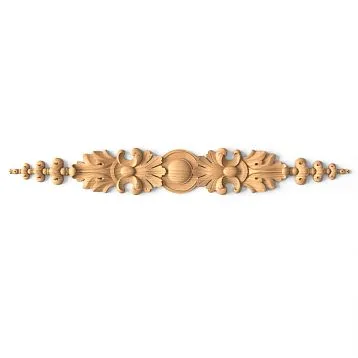
In classic interior, detailing is important.carved appliquésin the corners of molding frames, ceiling rosettes at the chandelier mounting point, capitals on pilasters - all these are elements of a unified language of forms that creates compositional integrity. But here it's important not to overload the space. Classic requires restraint: less is more.
Neoclassical approach: lightened elegance
Neoclassical is classical proportions and forms, but in a modernized, lightened version. Here there are no heavy moldings and abundant gilding. Lines are cleaner, profiles simpler, colors lighter. This style is ideal for modern urban apartments where ceilings aren't too high, but you want to create a sense of aristocracy.
In a neoclassical living room, walls can be structured with thin moldings forming rectangular or square panels. Inside panels - painting in calm tones: gray-blue, beige, light gray. A ceiling cornice of laconic profile completes the composition without weighing it down.wall panels boiseriein a lightened version - only in the lower third of the wall - create a sense of traditionality but don't clutter the space.
The color palette of neoclassical tends toward pastel shades. White, milky, light gray, beige - these colors visually expand space, fill it with light. Accents can be more saturated: dark blue, emerald, wine - but they're always dosed and used in textiles, art objects, not in wall finishes.
Modern classic: fusion of traditions and relevance
This scenario is especially popular among those who value classical architectural heritage but don't want to live in an interior stylized as the past. Modern classic is a dialogue of times, where traditional elements are interpreted freely, combined with modern materials and technologies.
In such a living room, you might see wooden panels with simple geometry, complemented by hidden perimeter lighting. Moldings can be wide and laconic, without detailing, painted to match walls or contrasting. Ceiling cornice can be replaced with a light line - LED strip installed in a special profile. This creates a floating ceiling effect while preserving the architectural logic of classical composition.
Wooden wall panelsin modern classic often have vertical orientation. This visually elongates space, makes it more slender. Vertical slats of oak or ash, installed with a certain spacing, create a rhythmic wall structure. Between slats there can be contrasting backing - dark paint, textured wallpaper, even mirror inserts.
Modernist scenario: geometry and purity of forms
Modern in its classical understanding is the style of the turn of the 19th-20th centuries with flowing lines, plant ornaments, stained glass. But in the context of contemporary interior, modern often means a minimalist approach with geometric clarity of forms. This is an interior whereTypes of decorative wall finishestend toward simplicity and functionality.
In a modernist living room, walls can be painted a solid color - often gray, white, black or deep colored tone. Decorativeness is achieved not through abundance of elements but through quality of textures and precision of lines. One wall can be accent - decorated with wooden panels arranged vertically or horizontally, or covered with decorative plaster with concrete effect.
Moldings in such interior are used sparingly - for example, only for framing doorways or creating one central frame on an accent wall. Ceiling cornice may be absent entirely or be maximally simple - rectangular section, painted ceiling color.
Eclectic scenario: freedom of combinations
Eclecticism is the courage to mix elements of different styles within one space. But this courage requires high taste and sense of measure. In an eclectic living room, you might see classical moldings on one wall and modern slat system on another. You can combinepolyurethane moldingwith rough brickwork. You can use carved wooden overlays combined with smooth painted surfaces.
The key to successful eclecticism is having unifying elements. This could be a unified color scheme, repeating proportions, common scale of elements. For example, if you use 10 cm wide moldings on one wall, then wooden slats on another wall should be approximately the same width. If the main interior color is light gray, then all decorative elements should either support this color or contrast with it uniformly.
Space zoning: how to separate relaxation area from dining area using wall decor
Modern living room often combines several functional zones. There might be a relaxation area with sofa and TV, dining area with dining table, sometimes even a work corner. How to separate these zones from each other without disrupting space unity? This is where decorative wall finishes become a powerful zoning tool.
Vertical zoning: different finishes for different zones
One of the most effective techniques is using different types of wall finishes in different zones. For example, the relaxation area can be highlighted with an accent wall decoratedwooden panelswith a dark shade. Behind the sofa, such a wall creates a sense of intimacy, coziness, and security. The remaining walls in the relaxation area are painted in a neutral light tone, which prevents the space from becoming gloomy.
The dining area in the same living room can be decorated differently. Light walls with a decorative frame of moldings are appropriate here. Inside the frame—wallpaper with a subtle pattern or decorative plaster with a soft texture. This design creates a sense of festivity and solemnity, which corresponds to the function of the dining area—a place where the family gathers for lunch or dinner, where guests are received for a meal.
The transition between zones can be emphasized by a vertical element—a pilaster, column, or shelving partition. But often, a change in wall finish is enough. The eye perceives this change as a signal: here begins another zone with a different function.
Horizontal zoning: playing with levels
Another technique is using horizontal lines to divide space. For example, in the relaxation area, the lower part of the walls can be finished with wooden panels 90-100 cm high, and above—painted. In the dining area, the panels can be lower—about 70 cm, or absent altogether. This difference in the height of horizontal division creates a visual separation of zones without resorting to physical partitions.
Moldings placed horizontally at different heights in different zones also work for zoning. In the relaxation area, a molding can run at a height of 120 cm, framing the panels. In the dining area, a molding at a height of 180 cm creates the upper boundary of a decorative frieze. This play of levels makes the space dynamic and interesting to perceive.
Color zoning: nuances and contrasts
Color is one of the simplest and most effective zoning tools. The relaxation area can be executed in darker, calmer tones: gray-blue, muted green, warm gray. The dining area—in lighter and warmer tones: beige, cream, light peach. This difference in color temperature and lightness creates a sense of different spaces within one room.
It is important that the colors are from the same palette or combine well with each other. A sharp contrast—a bright red dining area and a cold gray relaxation area—can create dissonance. It is better to work with nuances: shades of the same color of different saturation or different colors of the same lightness.
Decorative elements—moldings, cornices, overlays—can be painted in a single color across all zones. This creates a visual connection, unifies the space despite differences in wall finishes. For example, all moldings are white, but the background behind them in the relaxation area is dark gray, and in the dining area—light beige. The white color of the moldings works as a unifying thread.
Textural zoning: tactile differences
Not only color and form but also the texture of the material works for zoning. In the relaxation area, walls can be covered with decorative plaster with a relief surface—this creates a sense of intimacy and tactile warmth. In the dining area, walls are smooth, painted with matte paint—this gives a feeling of cleanliness, neatness, and festivity.
Combinationwall panelingof wood in one zone and smooth painted walls in another also creates a textural contrast. Wood brings natural warmth, tactility, and volume. A smooth painted surface brings modernity, purity of lines, and minimalism. This combination works especially well in interiors where classical and contemporary elements are combined.
Style unity: combining wall decor with ceiling elements within one room
The living room is a volumetric space where the gaze moves not only horizontally (from wall to wall) but also vertically (from floor to ceiling). Therefore, it is important that the decorative elements of the walls and ceiling are coordinated with each other, creating a unified composition. Dissonance between walls and ceiling destroys the integrity of the interior, making it look random.
Transition logic: how the wall meets the ceiling
The junction of the wall and ceiling is a critical zone in interior architecture. This is where the transition from vertical to horizontal, from wall to ceiling, occurs. And this transition must be designed competently. In classical architecture, a ceiling cornice is used for this—a profiled element that seems to grow from the wall and transition onto the ceiling.
Ceiling Moldingcome in different complexities—from simple single-profile to multi-element with several protrusions and recesses. The choice of cornice profile should correspond to the overall style of the interior and the scale of the room. In a small living room with a low ceiling, a massive cornice will feel oppressive and reduce the perceived height. Here, a concise profile of small height—5-8 cm—is appropriate. In a spacious living room with ceilings of 3-3.5 meters, a cornice 15-20 cm high with complex relief can be used.
It is important that the cornice relates to other horizontal elements on the walls. If there is a molding belt on the wall at a height of one meter from the floor, then the cornice should be larger and more expressive—it crowns the composition, completes it. If the walls are divided into panels by vertical moldings, then the cornice should support their scale—be proportionate to them in width and detailing.
Color Solutions: Contrast or Nuance
The ceiling in the living room is most often white or very light. This is a classic solution that visually increases the height of the room. The ceiling cornice in this case can be white—then it blends with the ceiling, creating a soft transition. Or the cornice can be painted the color of the walls—then the ceiling is visually separated, appears higher, and the cornice is perceived as part of the wall.
An interesting effect is created by painting the cornice in a contrasting color. For example, walls are light gray, the ceiling is white, and the cornice is dark gray. This emphasizes the architectural role of the cornice, making it an expressive element of the composition. But this technique requires caution—a contrasting cornice can visually lower the ceiling if its tone is too dark.
In interiors withstucco in a classical stylethe cornice often has gilded or patinated elements. Then similar finishing should be present in the wall elements as well—in moldings, in carved overlays. This creates a unity of decorative language, connecting the walls and ceiling into a single whole.
Coffers and rosettes: the ceiling as an extension of the walls
If the living room has high ceilings, you can go further and create a coffered system on the ceiling—recessed panels framed by profiled strips. Coffers visually structure the ceiling, making it not just a plane but an architectural element. And here it is especially important that the profile of the coffer strips echoes the profile of the cornice and wall moldings.
Imagine a living room where the walls are divided into vertical panels by moldings 8 cm wide with a simple profile. The ceiling in such a room can be decorated with coffers with strips of the same width and profile. The ceiling cornice, connecting the walls and ceiling, also has a similar profile but larger—12-15 cm. This gradation of sizes with unity of form creates a harmonious hierarchy of elements.
Rosettes on the ceiling—round or oval decorative elements framing the chandelier—should also relate to the wall decor. If carved overlays with floral ornamentation are used on the walls, then the rosette should have a similar motif. If the wall moldings are concise and geometric, then the rosette should be of a simple shape, without excessive detailing.
Lighting scenarios: how lighting connects walls and ceiling
Modern lighting technologies open up new possibilities for creating unity between walls and ceilings. Hidden LED lighting installed behind a ceiling cornice creates a floating ceiling effect. The light is directed upward, onto the ceiling, and seemingly separates it from the walls. This visually increases the height of the room.
But lighting can also be used on walls — behind panels, between vertical slats, around the perimeter of molding frames. When the light on the walls and the light on the ceiling are synchronized in color and intensity, a sense of a unified lighting space is created. Walls and ceilings cease to be separate planes; they merge into a single volume.
It is important to choose the correct color temperature of the light. Warm light (2700-3000K) creates a feeling of coziness, homeliness, and is suitable for evening time. Neutral white light (4000K) is more invigorating, suitable for daytime and for illuminating work areas. Do not mix light sources of different color temperatures in the same space — this creates disharmony.
Home Atmosphere: The Influence of Materials (Wood, Polyurethane) on the Perception of Coziness
The materials used for decorative wall finishing are not just a matter of aesthetics and durability. It is a matter of the atmosphere that the space creates. Each material carries certain associations, affects the emotional background, and influences tactile sensations. The choice of material is the choice of the character of the space.
Wood: The Warmth of Nature in the Interior
Wood is a material with a millennia-long history of use in architecture and decor. It carries warmth, vitality, and a connection with nature.Wooden panels and moldingsin the living room create a sense of fundamentality, solidity, and tradition. This is a material associated with a home in its original understanding — as a place of protection, coziness, and family hearth.
Different types of wood create different atmospheres. Oak is noble, strict, and prestigious. Its dark tones and expressive texture are suitable for representative interiors where solidity is important. Beech is lighter, warmer, and softer in perception. It creates a sense of homeliness without pretentiousness. Ash is light, with a clear grain pattern, and modern. It is suitable for interiors where classical forms are interpreted in a contemporary way.
The texture of wood itself is a decorative element. Even simple smooth solid oak panels look expressive due to the pattern of annual rings, the play of shades, and natural tone variations. Therefore, wooden decor does not require abundant detailing — the beauty of the material speaks for itself.
Wood is tactilely pleasant. Touching a wooden surface evokes a feeling of comfort and connection with nature. This is important in a living room interior, where people rest and relax. Even if the panels are on the wall and there is no direct contact with them, the visual perception of wood evokes the same associations and emotions.
Polyurethane: Versatility and Perfection of Forms
Polyurethane is a modern material that has revolutionized the field of decorative finishing. It allows for the creation of elements of the most complex forms with perfect detailing, while being lightweight, durable, and moisture-resistant.Polyurethane moldings— it is the opportunity to bring the most ambitious decorative projects to life without the technical limitations imposed by plaster or wood.
Polyurethane moldings and cornices can imitate classical plaster stucco — with the same profiles, the same detailing. But at the same time, they are much lighter, easier to install, and are not afraid of moisture or temperature fluctuations. This makes them universal — they are suitable for apartments, country houses, and even for rooms with high humidity.
An important advantage of polyurethane is the possibility of painting it any color. Classic white stucco, cream, gray, even black — polyurethane accepts any paint, and the color lasts for decades. You can create effects of patina, gilding, aging — all of this is available with polyurethane decor.
Polyurethane is a material that does not pretend to be natural. It is openly man-made, created to fulfill decorative tasks. And in this lies its honesty. In modern interiors, where natural and synthetic materials coexist, polyurethane finds its place as a functional, beautiful, and practical decorative element.
Combining Wood and Polyurethane: The Best of Both Worlds
The most expressive interiors are often built on a combination of materials.Interiors where wood and stucco are combinedpossess special depth and multi-layeredness. Wood brings warmth, naturalness, and texture. Polyurethane provides the opportunity to create complex decorative forms that are impossible or extremely expensive in wood.
Imagine a living room where the lower part of the walls is decorated with wooden panels made of tinted oak. The warm walnut shade of the wood creates a sense of solidity and connection with tradition. The upper part of the walls is painted in light beige and structured with white polyurethane moldings. The ceiling cornice is also made of polyurethane, white, with a complex classical profile. This combination creates a balance: the wood grounds, gives a sense of stability, and the white stucco lightens, directs the gaze upward, and adds airiness.
Another option: vertical slats made of light ash on the accent wall behind the sofa, and the framing of door and window openings is made of polyurethane architraves of a classical profile, painted white. Ash gives modernity, graphic quality, and clarity of lines. White polyurethane architraves give a classical foundation, a formal structure. Together they create an interior where different languages are combined, but they sound in harmony.
The Influence of Texture on Acoustics and Tactility
Materials influence not only visual perception but also the acoustics of a room. Smooth, hard surfaces reflect sound, creating echo and reverberation. This can be a problem in large living rooms with high ceilings. Wooden panels, especially with raised panels and relief, partially absorb sound, making the room's acoustics more comfortable.
Polyurethane stucco, being smooth, does not improve acoustics. But in combination with wooden elements, textile draperies, and soft furniture, an acoustic balance is created. The sound does not bounce around the room and does not create discomfort.
The tactility of a space is the totality of sensations that materials evoke, even if we do not touch them. The visual perception of wood texture evokes associations with warmth, roughness, and naturalness. The visual perception of smooth painted polyurethane stucco evokes associations with smoothness, coolness, and perfect form. These different tactile associations create a richness in the perception of space.
Practical Aspects of Implementation: From Selection to Installation
Creating a prestigious living room interior is not only a design concept but also competent implementation. It is important to correctly choose materials, calculate quantities, and ensure quality installation. Mistakes at the implementation stage can negate the most brilliant idea.
Material Selection: What to Look For
When selecting wooden elements—panels, moldings, cornices—the wood species, its moisture content, and processing quality are important. Moisture should be 8-12%—this ensures geometric stability and prevents cracking and deformation.Wooden cornices and moldingsshould be made from select solid wood without knots or wood defects.
Polyurethane elements also vary in quality. Material density is important: the higher it is, the sharper the detailing and the more durable the product. The surface should be smooth, without pits or defects.Polyurethane overlays and moldingsof high quality have a two-layer structure: the inner layer is softer (for ease and convenience of processing), the outer layer is denser (for sharp relief and durability).
It is important to purchase materials from the same batch. Even if the article number is the same, batches may slightly differ in shade (for wood) or density (for polyurethane). Purchasing materials with a 10-15% reserve is mandatory—this compensates for possible errors during cutting and installation.
Surface preparation: the foundation of success
The quality of decorative element installation directly depends on surface preparation. Walls should be even, without significant irregularities or bumps. For moldings and panels, flatness is critical—if the wall has waves, the elements will not fit tightly, leaving gaps.
Before installation, walls are primed. This improves adhesive adhesion and prevents moisture from the adhesive composition from being absorbed into the wall. For wooden elements, treating the back side with protective compounds is important—this prevents deformation from wall moisture.
Marking is a critically important stage. All horizontals should be checked with a level, all verticals with a plumb line. Symmetrical elements should be positioned strictly symmetrically relative to the room's axis. Any deviations will be noticeable to the eye and spoil the impression of the decor.
Mounting: technology and nuances
Wooden panels are usually mounted on battens or with adhesive. Battens are preferable for large panels—they provide a ventilation gap and prevent deformation from wall moisture. Adhesive mounting is suitable for small elements—moldings, trims, overlays.
Polyurethane elements are mounted with adhesive—special polymer adhesive for polyurethane or mounting adhesive like "liquid nails." Large cornices are additionally secured with self-tapping screws, which are then filled and become invisible.
Joints between elements—moldings, panels, cornices—should be perfect. Ends are cut precisely at the required angle (usually 45° for corner joints). Gaps are filled and sanded. For wooden elements, wood filler matching the wood tone is used. For polyurethane elements—acrylic filler, which is then painted along with the element.
Finishing: Color and Protection
Wooden elements can remain in their natural color, only coated with varnish or oil. This emphasizes the beauty of the wood grain, its naturalness. Or the wood can be tinted with stain or pigmented oil—this allows changing the shade, making it darker or, conversely, lighter. Painting wood with enamel is also possible—then the grain is hidden, leaving only the form.
Polyurethane elements are almost always painted. Acrylic or latex paint is used—matte, semi-matte, or glossy depending on the interior concept. To create an aged molding effect, patinating compounds are used, applied into the relief recesses to emphasize detailing.
Finishing is not only about aesthetics but also protection. Varnish, oil, paint protect the material from dirt, moisture, and ultraviolet light. High-quality compounds ensure decor durability for decades.
Stylistic Nuances: How to Avoid Bad Taste
Creating a prestigious interior is a fine line between expressiveness and overload, between luxury and vulgarity. Where does this line lie? How to avoid slipping into bad taste while striving for impressiveness?
Rule of Moderation: Less Is Sometimes More
The first rule of good taste is moderation. An abundance of decor tires the eye and creates visual noise. It's better to use a few large, well-thought-out elements than many small ones. Better one accent wall with a well-considered composition of panels and moldings than all four walls overloaded with decor.
Classical architecture provides us with examples of proper decor use. In a classic interior, decor is concentrated in specific zones: on the ceiling cornice, in the upper part of walls (frieze), in the framing of openings. The main wall surface remains relatively calm. This creates a balance between decorated and neutral zones, giving the eye a rest.
Rule of Proportions: Proportionality of Elements
All decorative elements should be proportional to each other and to the room. In a small living room, massive 15 cm wide moldings will look out of place. Elements of a smaller scale—5-8 cm—are needed here. In a spacious living room, on the contrary, overly thin moldings will get lost and seem unexpressive.
Proportions of wall panels are also important. The classic rule: panel height is one-third of the wall height. But this is not dogma. In a room with a low ceiling, panels can be lower—one-quarter of the wall height. In a room with a very high ceiling, panels can occupy up to half the wall height.
Rule of Color Harmony: Restrained Palette
A prestigious interior does not shout. It speaks in a calm, confident voice. The living room's color palette should be restrained. The foundation is neutral tones: white, beige, gray, brown. Accents are more saturated colors, but not loud: dark blue, emerald, burgundy, mustard. Bright open colors—red, yellow, orange—are used minimally, in textiles and decorative objects, but not in wall finishes.
The color of decorative elements should either contrast with the walls (white moldings on dark gray walls) or be in the same tone (gray moldings on light gray walls). Avoid random colors that are not supported by anything else in the interior.
Rule of Stylistic Integrity: Don't Mix the Unmixable
Eclecticism is an art requiring high taste. If you are not confident in your ability to combine different styles, it's better to stick to one stylistic direction. A classic interior with all its attributes—moldings, cornices, panels—or a modern minimalist interior with laconic forms.
Mixing styles is possible, but it requires a unifying element. This could be color, material, or proportions. For example, classical moldings and modern furniture can coexist if the moldings are painted the same color as the walls and are perceived as a graphic structure rather than ornate decor.
Frequently asked questions: expert answers
Which material is better to choose for living room wall decor — wood or polyurethane?
Both materials have their advantages. Wood creates a sense of naturalness, warmth, and status. It is ideal for classic interiors where solidity is important. Polyurethane is lighter, easier to install, moisture-resistant, and allows for creating complex shapes. It is versatile and suitable for any style. The best option is a combination: wooden panels on the lower part of the walls and polyurethane moldings and cornices on the upper part.
How much does it cost to decorate living room walls with decorative elements?
The cost depends on the area of the room, the materials chosen, and the complexity of the composition. A budget option using simple-profile polyurethane moldings and wall painting can cost 3000-5000 rubles per square meter of wall. A premium solution with solid oak wooden panels, carved overlays, and complex cornices can cost 15,000-25,000 rubles per square meter and more. It is important to budget not only for materials but also for installation and finishing work.
Is it possible to install decorative elements on walls yourself?
Theoretically — yes, if you have skills in working with tools, an understanding of installation principles, and are careful. Polyurethane moldings are relatively simple to install — with adhesive. Wooden panels require more serious skills — precise cutting, mounting on lathing or a frame. But to achieve a truly high-quality result, especially in a status interior, it is better to involve professionals. Installation mistakes are noticeable and will spoil the impression of the decor.
How to care for decorative wall finishes?
Care depends on the material and the finish coating. Wooden elements coated with varnish or oil are enough to wipe with a dry or slightly damp soft cloth. Painted polyurethane elements are also wiped with a damp cloth. Avoid aggressive cleaning agents and abrasives. Carved elements can be cleaned of dust with a soft brush or a vacuum cleaner with a brush attachment. Every few years, it may be necessary to renew the varnish coating (for wood) or touch up the paint (for polyurethane).
Is classical wall decor suitable for a modern lifestyle?
Absolutely. A modern interpretation of classical elements makes it possible to create an interior that combines traditional forms with contemporary execution. Laconic moldings without excessive detailing, simple panels, a restrained color palette — all this creates an interior that does not contradict the modern lifestyle but possesses the depth and character often lacking in minimalist spaces.
How long will decorative wall finishes last?
When using quality materials and proper installation, wooden elements last for decades — 30-50 years or more. Polyurethane stucco also has a service life of at least 30-40 years. It is important that the materials are properly processed, installed on a prepared surface, and protected with a finish coating. Under these conditions, the decorative finish will outlast several cosmetic renovations in other parts of the interior.
Is it possible to use decorative elements in a small living room?
It is possible and even necessary, but wisely. In a small room, avoid massive elements and overloading with decor. Use thin moldings (3-5 cm), create one or two frames on the walls, not many. Choose a ceiling cornice with a small cross-section. It is better to make the color of the elements match the walls — this does not break up the space. Vertical elements (vertical moldings, slats) visually elongate the room, making it appear taller.
What mistakes are most often made when decorating living room walls?
Typical mistakes: overloading with decor (too many elements on the walls), disproportion of elements to the room (too large moldings in a small room or too small in a large one), lack of connection between wall and ceiling decor, random choice of colors without considering the overall interior palette, use of cheap materials that look like imitations. Thorough planning, studying examples of quality interiors, and consulting with professionals help avoid mistakes.
Creating a harmonious space for family and guests
The living room is not just a room with furniture. It is a space where the family lives, where friends are received, where holidays are celebrated and quiet evenings are spent. It is here that it is most important to create an atmosphere that will support, inspire, and delight every day.
Whensamples of decorative wall finishesare chosen wisely when each element is in its place, when colors, shapes, and textures are coordinated — the space gains integrity. It ceases to be a collection of separate surfaces and objects. It becomes a single organism where everything is interconnected.
A status interior is not a display of wealth. It is a display of taste, culture, respect for traditions, and at the same time — openness to the new. It is a space where everyone is comfortable: both those who value classical harmony and those who prefer modern minimalism. Because a well-built interior is universal. It does not impose itself; it simply exists, creating the right backdrop for life.
In a living room whereoptions for decorative wall finishes from minimalism to luxuryare thoughtfully and professionally implemented, you want to spend time. It is pleasant to receive guests here — they feel attention to detail, see care for the quality of the space. You want to gather with the whole family here — coziness is created not only by soft sofas but also by properly designed walls that embrace the space, structure it, and make it complete.
Creating such a space requires time, investment, and attention. But the result justifies the effort. Because an interior created with soul and professionalism serves for decades. It does not become tiresome or go out of fashion. It simply lives with you, becoming a silent but important participant in all events happening in the home.
Choosingmaterials for decorative wall finishes, remember: you are not just creating a beautiful picture. You are creating an environment for living. An environment that will influence your mood, well-being, and relationships. Therefore, approach this process consciously. Study the options, consult with professionals, and do not rush decisions.
For over twenty years, STAVROS Company has been helping people create interiors that become a source of pride. A wide range of products —wooden and polyurethane moldingscornices, panels,carved appliqués, boiserie elements— allows for the implementation of any design concepts. In-house production guarantees quality control at every stage. Professional consultants will help you select elements, calculate material quantities, and suggest optimal solutions for your project.
When you work with STAVROS, you don't just get materials. You get a partner who is invested in the success of your project. Technical support, design assistance, product warranty — all of this makes the process of creating a prestigious interior clear, predictable, and enjoyable.
Start transforming your living room today. Explore the possibilities thatdecorative wall finishingopens up. Imagine how the space will change when the walls gain volume, texture, and character. Imagine how light and shadow will play on the relief of the cornice, how an accent wall with a thoughtful composition of panels will draw the eye. Imagine how guests will admire your taste, how your family will enjoy the atmosphere of the home.
It's possible. It's real. It's closer than it seems. You just need to take the first step — decide to make a change. And then the professionals at STAVROS will help bring your dream of the perfect living room — the face of the home that speaks volumes without words — to life.