












































































Article Contents:
- The Philosophy of Multifunctional Space: From Monofunction to Polyphony
- Zoning: From Physical Walls to Visual Boundaries
- The Balance of Openness and Privacy: The Paradox of the Modern Living Room
- Acoustic Comfort: The Underrated Aspect of Open Spaces
- Furniture as a Scenario Constructor
- Invisible Functions: Technologies Embedded in Furniture
- The Role of Decor: From Ornamentation to Structuring Space
- Decor Color: From Neutrality to Accents
- Materiality: Why Solid Wood is Returning to Living Rooms
- Sustainability as the New Luxury
- Living Room Color Palette 2026: From Monochrome to Nuances
- Color Psychology: How Shades Influence Atmosphere
- Lighting: Creating Light Scenarios
- Light Control: From Switches to Smart Systems
- Textiles: Softness in a Hard Space
- Pillows and Throws: Mobile Textiles
- Living Nature in the Living Room: Plants as a Design Element
- Plant Care: Technology to the Rescue
- Frequently Asked Questions
- Conclusion: A Space That Lives With You

What turns a room into a living space? Not square footage, not ceiling height, not panoramic windows.Living Room 2026answers this question unequivocally: functionality without loss of individuality, multitasking without chaos, openness without loss of privacy. The times when the living room was just a room with a sofa and a TV are gone forever. Today it is the center of the home universe, a place where people work and relax, socialize and retreat, create and contemplate. And creating such a space is impossible without a deep understanding of howfurniture in the living roomand decorative elements interact with each other, creating not an interior, but life scenarios.






The Philosophy of Multifunctional Space: From Monofunction to Polyphony
Twenty years ago, the living room had a clear function: it was where guests were received, TV was watched, and sometimes reading was done. Other activities were distributed among specialized rooms—a study for work, a dining room for eating, a library for reading. Urbanization, rising housing costs, and changing lifestyles have shattered this scheme. The modern apartment often lacks isolated rooms—it is an open space where the living room merges with the kitchen, dining area, and sometimes even the bedroom.
Paradoxically, it is precisely this limitation that has given rise to a new freedom. The living room has ceased to be a place of a single function and has become a transformer. In the morning, it is a home office—a desk by the window, an ergonomic chair, good lighting. During the day—a play area for children, where the sofa turns into a fortress and the rug into a battlefield. In the evening—a home theater with dimmed lights, soft throws, and popcorn. On weekends—a space for entertaining friends, where furniture is rearranged to create a circle for conversation.
This multifunctionality requires a new approach to furnishing. Furniture must be mobile, transformable, modular. But—and this is critically important—it should not look utilitarian. Each configuration must be aesthetically complete, creating a sense of thoughtfulness, not a temporary solution.




Zoning: From Physical Walls to Visual Boundaries
Zoning is a key tool for creating a multifunctional living room. But whereas zones used to be created with solid partitions, today boundaries have become permeable, soft, often imaginary. This change frees up space, makes it visually larger, and allows light to penetrate into every corner.
The first zoning tool is furniture. A sofa turned with its back to the dining area creates a psychological boundary without blocking light and air.Chests and DressersBookshelves, placed perpendicular to the wall, divide the space into functional sectors. An open shelving unit half the height of the wall demarcates zones but maintains a visual connection—the next part of the room is visible through the shelves.
The second tool is flooring. Tile in the kitchen area, parquet in the living room, a rug in the relaxation area—these material boundaries are perceived subconsciously, creating a sense of different spaces within a single volume. Not only texture is important, but also the direction of laying: parquet laid perpendicularly visually separates zones more strongly than parquet laid parallel.
The third tool is lighting. Each zone should have its own lighting scenario. The work area requires bright, cool light—4000-5000K, mimicking daylight. The relaxation area needs warm, subdued light—2700-3000K, creating relaxation. The dining area needs accent lighting over the table, which gathers the family into a visual circle. The ability to independently control each lighting zone is critical—this way, one space transforms into many microclimates.
Our factory also produces:




The balance of openness and privacy: the paradox of the modern living room
Open-plan layouts have been a trend for the last twenty years. Knocking down walls, unifying space, creating a sense of spaciousness—this idea has captivated the minds of architects and designers. But absolute openness creates discomfort: a person needs shelter, the possibility of solitude, boundaries that protect their personal space.
The living room of 2026 solves this paradox by creating flexible boundaries that can be opened and closed at will. Sliding glass partitions—transparent when you want light and connection, frosted when privacy is needed. Textile zoning curtains descending from a ceiling rail—weightless, almost invisible when open, creating soft isolation when closed.
interior decorationFurniture plays an important role in creating this balance. A tall solid wood shelving unit with perforated back panels lets light through but creates a visual barrier. Vertical wooden slats from floor to ceiling—a modern zoning technique that divides but does not isolate. Air circulates freely between the slats, light penetrates, the silhouette of a person in the adjacent zone is visible, but details are hidden, creating a sense of delicate privacy.
Get Consultation
Acoustic comfort: the underestimated aspect of open spaces
The open living room faces a problem rarely discussed at the design stage: acoustics. Sound in a room without walls spreads freely, creating echo, reverberation, sonic mush. A conversation in the kitchen interferes with work at the computer in the work zone. The sound of the TV prevents a child from sleeping in the bedroom behind a sliding partition.
Solid wood furniture is one of the best natural acoustic dampeners. Wood absorbs sound, not reflecting it like glass or concrete. A massive cabinet placed between zones acts as a sound barrier. Fabric upholstery on sofas and armchairs, rugs, and textile curtains complement this system, creating multi-layered acoustic protection.
Modern designers go further, using special acoustic panels faced with wood or fabric. They are mounted on walls or ceilings, practically invisible, but radically improve the sound environment. In the living room of 2026, comfort is measured not only visually but also acoustically.
Furniture as a scenario constructor
The era of static furniture arrangement is over.Modern FurnitureFurniture in the living room is a set of elements that can be regrouped depending on the usage scenario. A modular sofa consists of separate sections—an armchair, a chaise longue, an ottoman, a corner module. They can be connected in different configurations: a linear sofa for watching movies, a U-shaped composition for receiving guests, separate armchairs for intimate conversations.
Coffee tables on wheels move to where they are needed at the moment. Folding chairs hang on the wall as decorative objects, turning into functional furniture when guests arrive. A transformer console works as a narrow table against the wall but unfolds into a full-fledged dining table for eight people.
This mobility requires a certain discipline. If furniture is constantly moved chaotically, the living room turns into a warehouse. Basic configurations—scenarios—are needed, which are repeated regularly. The 'weekday' scenario—minimum furniture, maximum free space. The 'movie night' scenario—sofa in the center, table in front of it, subdued light. The 'reception' scenario—furniture around the perimeter, the center is free for circulation. Each scenario is thought out, each is easily reproduced without requiring effort.
Invisible functions: technologies built into furniture
The living room of 2026 is saturated with technologies, but they are hidden, integrated into furniture, not disrupting the aesthetics. A sofa with built-in USB ports and wireless smartphone charging. A coffee table with a lifting mechanism, under the tabletop of which is a niche for storing remotes, magazines, gadgets. A media console with a cable management system where all wires are hidden and equipment is connected through a unified system.
Lighting is also built into furniture. LED strips under shelving shelves create soft backlighting that works as a night light. A reading lamp integrated into the armrest of an armchair, activated by touch. A lighting control panel built into the side of the sofa allows you to change the lighting scenario without getting up.
These technologies are not an end in themselves. They serve comfort, simplify life, but remain in the background. A well-designed living room looks traditional, cozy, but works like a modern intelligent system.
The role of decor: from decoration to structuring space
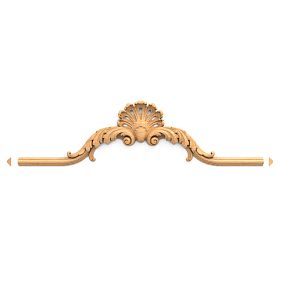
interior decorationDecor in the living room of 2026 has ceased to be just decoration. It structures space, creates visual axes, manages perception. Wall moldings are not random lines but a thought-out system that divides the plane into proportional sections, creating rhythm, order, architectural depth.
Vertical moldings visually raise the ceiling, making the room taller. Horizontal ones—widen, create a sense of spaciousness. A combination of vertical and horizontal forms frames, inside which contrasting materials can be placed—patterned wallpaper, panels painted a different color, fabric inserts. These frames work like paintings, attracting attention, creating focal points.
Ceiling cornices and baseboards—elements often underestimated. But it is they that create a sense of completeness, architectural correctness. A massive wooden cornice under the ceiling works as a visual support, separating the wall from the ceiling, giving the room scale. A high baseboard—12-15 centimeters—creates a sense of solidity, status, classical correctness of proportions.
The color of decor: from neutrality to accents
Traditionally, decorative elements were painted white—neutral, universal, expanding space. The living room of 2026 plays with this rule. Moldings and cornices can be painted in a contrasting color—dark on light walls, light on dark. This creates graphic quality, clarity, modern expressiveness.
An alternative approach is to preserve the natural color of the wood. Oak moldings, coated with oil or varnish, preserve the texture, warmth, tactile appeal of solid wood. They bring naturalness, organic quality into the interior, creating a bridge between modern aesthetics and traditional material.
Patination and gilding are classic techniques making a comeback in modern interpretations. Not excessive baroque gold, but delicate accents—gilded column capitals, patinated carving recesses, subtle shimmer on moldings. This adds depth and richness without crossing into kitsch.
Materiality: Why solid wood is returning to living rooms
For the past thirty years, the furniture industry has moved toward composite materials—chipboard, MDF, plastic. These materials are cheaper, lighter, easier to process. But they lack the main thing—materiality, that physical weight and tactile truth provided only by natural solid wood.
The living room of 2026 returns to solid wood, but at a new level. This isn't crude rustic furniture, but high-tech products where solid wood is processed with jewelry precision, joined by modern methods, protected by eco-friendly coatings. An oak chest with perfect geometry, a surface smooth as glass yet retaining visible wood grain. A beech shelving unit with thin, almost weightless shelves that nevertheless hold dozens of kilograms of books.
Solid wood creates a sense of stability, reliability, connection with nature. In an era of total synthetics, this has become a psychological necessity. Touching a wooden surface is warm, alive. The barely perceptible scent of wood has a calming effect. The visual texture—the unique pattern of annual rings—makes each piece unique.
Sustainability as the new luxury
Sustainability has ceased being a marketing slogan and become a real selection criterion. The 2026 consumer knows about formaldehyde toxicity in chipboard, microplastics in synthetic fabrics, the carbon footprint of imported furniture. They choose solid wood not only for beauty but also for safety.
Russian manufacturers are massively switching to eco-friendly technologies. Water-based varnishes and oils instead of solvent-based. Formaldehyde-free adhesives. FSC-certified wood confirming legality and sustainable forestry. Packaging from recycled cardboard. Production with minimal emissions.
This sustainability costs more. But for a growing number of buyers, it's a justified price. The living room is where the family spends most of its time. Air quality here is critical. Furniture from eco-friendly materials is an investment in health, especially for children, whose sensitivity to toxins is higher than adults'.
Color palette of the 2026 living room: from monochrome to nuances
Color in the living room is a powerful tool for creating atmosphere. The 2026 living room moves away from dominating one color and toward nuanced, complex palettes where each shade has a role.
Base surfaces—walls, ceiling, floor—remain neutral. But neutrality doesn't equal whiteness. These are complex grays, beiges, gray-blues, gray-greens with hints of other colors, creating depth. White is used accentually—moldings, ceiling cornice, window frames—as a graphic outline emphasizing architecture.
Furniture introduces mid-tones. An oak chest in natural honey color. A sofa in graphite-gray textile. Armchairs in warm terracotta. These colors don't shout but create color saturation, richness, avoiding monotony.
Decorative objects add accents. Sofa cushions—deep emerald, mustard, indigo. A rug with a geometric pattern repeating all interior colors. Paintings, vases, book spines on shelves—all create a color symphony where each element plays its part.
Color psychology: how shades influence atmosphere
Color affects the psyche directly, bypassing rational thought. Warm shades—red, orange, yellow—activate, invigorate, create a sense of energy, but in excess can irritate. They're appropriate in activity zones—play area, dining area.
Cool shades—blue, green, purple—calm, cool, create a sense of spaciousness, but in excess can evoke feelings of alienation, coldness. They're good in relaxation zones but require compensation with warm accents.
Neutral colors—gray, beige, white—create a background without actively affecting the psyche. They're universal, but in pure form can be boring, lifeless. The secret is in nuances—add a drop of blue or brown to gray, pink or green to beige. These barely perceptible hints create complexity, interest, prevent visual fatigue.
Lighting: creating light scenarios
Lighting in the 2026 living room isn't just light sources, but a system creating different scenarios for different activities. At least four lighting levels should be present: general (ceiling), local (table lamps, floor lamps), accent (object highlighting), decorative (candles, string lights).
General lighting creates basic visibility. Central chandelier, ceiling lights, spotlights—they provide uniform light sufficient for cleaning, finding things, general orientation. But this isn't light for living—it's too flat, doesn't create atmosphere.
Local lighting is key to comfort. A floor lamp by the reading chair. A table lamp on the console. A sconce by the sofa. These sources create light islands, intimate zones pleasant to be in. Light temperature here is important—2700-3000K, warm like candlelight or sunset.
Accent lighting highlights significant objects. A fixture directed at a painting. Shelf lighting for a collection. LED strip under the cornice creating soft ceiling glow. These accents create depth, layering, make the interior volumetric, alive.
Light control: from switches to intelligent systems
Switches by the door are archaic. Modern lighting systems are controlled via smartphone, voice, motion sensors, timers. A phone app allows creating scenarios: 'Morning'—bright cool light turns on. 'Evening'—warm dimmed light. 'Movie'—everything turns off except decorative lighting. 'Guests'—full illumination.
Motion sensors automatically turn lights on when someone enters the room, and off when everyone leaves. This is not only comfort but also economy—lights don't burn unnecessarily. Dimmers allow smooth brightness adjustment for mood and task.
Colored lighting—RGB strips, lamps with adjustable temperature—add transformation possibilities. Party—blue pulsating light. Romantic dinner—warm amber. New Year—shimmering rainbow. It's play, but play that affects space perception, makes it dynamic, alive.
Textiles: softness in hard space
Textiles soften architectural and furniture hardness, add tactile comfort, absorb sound, introduce color and pattern. A living room without textiles is cold, uncozy, acoustically uncomfortable. Textiles are curtains, rugs, furniture upholstery, cushions, throws.
Curtains in the 2026 living room become lighter, more transparent. Heavy velvet and brocade give way to linen, cotton, fine wool. Layering remains—light sheer for daylight, dense curtains for privacy and insulation. But curtains shouldn't dominate, overwhelm space with their mass.
A rug is the anchor of a relaxation zone. It outlines the territory of the sofa and armchairs, creates tactile comfort for bare feet, and absorbs sound. Size is critical: the rug must be large enough to accommodate all the furniture in the relaxation zone; at a minimum, the front legs of the sofa and armchairs should be on the rug. A rug that is too small looks like a random rag, not a cohesive element of the composition.
Pillows and throws: mobile textiles
Pillows and throws are the most mobile element of textile decor. They are easy to change according to the season, mood, or occasion. In winter — woolen throws, velvet pillows in warm tones. In summer — linen, cotton in a cool palette. For holidays — decorative ones with appropriate motifs.
The number of pillows is a question of balance. Too many — the sofa turns into a mountain of pillows, uncomfortable for sitting. Too few — looks empty, unwelcoming. The optimum is 4-6 pillows on a three-seater sofa: two to three large ones (50x50 cm) for the back, two to three small ones (30x30 cm) for decoration.
Patterns on textiles add dynamism to the interior. If the walls and furniture are neutral, textiles can be active — geometric patterns, floral motifs, ethnic ornaments. If the interior is already saturated with decor, it's better to keep textiles calm, solid-colored, or with a minimal pattern.
Living nature in the living room: plants as a design element
Plants in the interior are nothing new. But their role has changed. Before, they were random flower pots on the windowsill. Today, plants are a full-fledged design element planned at the design stage.
Large plants — ficus, monstera, palms — work as living sculptures, creating vertical accents and filling empty corners. Medium-sized ones — in beautiful planters on consoles, shelves, coffee tables — add greenery at eye level. Small ones — succulents, cacti — create collections, compositions.
Vertical greening — living walls, hanging planters, climbing plants on supports — turns a wall into a living painting. This is not only beautiful but also useful: plants purify the air, humidify it, and create a healthy microclimate. Especially relevant in city apartments where the air is dry and polluted.
Plant care: technology to the rescue
The main reason people avoid plants in the interior is the fear of not being able to care for them. Modern technology solves this problem. Automatic watering systems with timers provide regular moisture without human involvement. Soil moisture sensors signal when watering is needed. Grow lights compensate for the lack of natural light.
Choosing low-maintenance plants also solves the problem. ZZ plant, snake plant, spider plant, rubber plant — these plants can go weeks without watering, are undemanding to light, and practically never get sick. They are ideal for busy people who want greenery in the interior but are not ready to spend a lot of time on care.
Frequently asked questions
What is the minimum living room size that allows for creating a multifunctional space?
Even 15-18 square meters is enough with a competent approach. The key is transformable furniture and clear zoning. A sofa bed for guests, a folding table, modular shelving. Avoid bulky items, use furniture on thin legs — it creates visual lightness.
Is a designer needed to create a functional living room or can you manage on your own?
You can do it yourself if you are ready to study the basics of ergonomics, zoning, and color theory. Start with a plan — draw the room to scale, arrange furniture on paper or in a program. A designer will speed up the process, help avoid mistakes, but is not a mandatory requirement.
How often should textiles in the living room be changed?
Curtains last 5-7 years with proper care. Sofa upholstery can be refreshed with covers every 2-3 years. Pillows and throws are the most mobile element; they can be changed every season if desired. A rug lasts 10-15 years, then loses its appearance even with regular cleaning.
What lighting is optimal for a living room with low ceilings?
Avoid massive hanging chandeliers — they visually lower the ceiling. Use recessed lights, track spots, LED strips in ceiling niches, wall sconces, and floor lamps. Light directed at the ceiling visually raises it.
Is it worth combining the living room with the kitchen or is it better to maintain isolation?
It depends on your lifestyle. If you cook a lot, kitchen smells and noise will interfere in the living room. If you cook rarely, an open floor plan creates spaciousness and sociability. A compromise is a sliding glass partition that can be opened and closed.
How to choose the size of a sofa for the living room?
Measure the wall where you plan to place the sofa. Subtract 20-30 cm from each side for passage. This is the maximum sofa length. Seat depth — 50-60 cm for comfortable sitting, 70-80 cm if you plan to lounge. Back height — 80-90 cm if you like to lean on it.
Is it possible to combine different furniture styles in one living room?
Yes, but carefully. Eclecticism requires a unifying element — a common color scheme, material, or era. A classic sofa and a modern coffee table can be combined if there are transitional elements. Chaotic mixing of styles creates visual noise.
Which flooring material is better for a living room — parquet, laminate, tile?
Solid wood parquet — the warmest, tactilely pleasant, durable, but expensive and requires maintenance. Engineered wood — a compromise of price and quality. Laminate — a budget solution, but less durable. Tile is suitable for warm climates or underfloor heating systems, otherwise it's cold.
Are curtains needed in a living room with panoramic windows?
Yes, at least for light control and privacy in the evening. But not necessarily heavy drapes. Consider roller blinds, Roman shades, Japanese panels. They manage light but do not hide the beauty of panoramic glazing.
How to calculate the number of light fixtures for a living room?
General formula: 20 watts per square meter (for LED bulbs — about 2-3 watts). A 20 sq.m. living room requires 400 watts of total power. But this is the minimum. For comfort, add local sources — floor lamps, sconces, table lamps. The ability to adjust brightness for the task is important.
Conclusion: a space that lives with you
The living room of 2026— is not a frozen decoration, but a living space that changes with the rhythms of life. In the morning, it awakens with you, filling with light and energy. During the day, it adapts to tasks — work, play, creativity. In the evening, it relaxes, creating an atmosphere of rest and recovery. Such flexibility is achieved not by expensive gadgets, but by a thoughtful approach to furniture, zoning, lighting, and decor.
furniture in the living roommade from solid natural wood,Modern Furniturewith thoughtful ergonomics,interior decorationwhich structures the space, storage systems likedressers and cabinets, which hide the chaos — all these are tools for creating a space that works for you, not you for it.
The company STAVROS has been creating furniture and decorative elements from solid wood for over two decades, transforming a house into a space for real living. Every STAVROS product is the result of a deep understanding of how a person interacts with space, how shapes, materials, and textures affect well-being and mood. STAVROS production is equipped with modern high-precision equipment but preserves the traditions of hand-finishing, giving each piece individuality. Oak and beech dressers, consoles, shelving units, decorative overlays, moldings, and cornices from STAVROS are not just furniture and decor; they are elements of a constructor from which you build your unique space. With STAVROS, the living room becomes not a formal hall for rare guests, but a living center of the home, where your family's story is written every day.


