Article Contents:
- Online catalog: virtual showroom without borders
- Catalog structure: logic of sections
- Product card: all information in one place
- Inspiration section: ready-made solutions and projects
- Wooden solutions: natural beauty and functionality
- Rails: universal decoration tool
- Baseboards: finishing touch
- Casing and trim: door and opening finishes
- Planks and trim: material for creativity
- Polyurethane molding: lightness and variety of forms
- Moldings and cornices: basis of compositions
- Rosettes and domes: central accents
- Plates and corner elements: composition details
- Columns and Pilasters: Vertical Accents
- Furniture and hardware: functionality and beauty
- Solid wood furniture: durability and prestige
- Furniture hardware: invisible workers
- Decorative hardware: visible aesthetics
- Frames and mirrors: finishing touches
- Contacts and geography: purchase without borders
- Showrooms and stores: live view of products
- Delivery to regions: logistics at its best
- International delivery: beyond national borders
- Online order with consultation: convenience without store visits
- Pre-purchase checklist: preparation for successful selection
- Measurements: accuracy - the basis of calculations
- Profile selection: matching style and scale
- Height determination: harmony of proportions
- Finish selection: color and texture
- Fastening and Consumables Calculation
- Compatibility Check of Elements
- Popular Questions and Answers
- How to find out how many moldings are needed for a room?
- Can you order non-standard sizes of wooden items?
- What is the difference between solid wood and MDF?
- How to choose the color of baseboards and moldings?
- Is it necessary to prime polyurethane molding before painting?
- Can wooden elements be installed in humid areas?
- How long can wooden items be stored before installation?
- Is installation service provided when purchasing materials?
- What warranties are offered on products?
- Are there loyalty programs for regular customers?
- Conclusion

Searching for quality materials for interior decoration becomes a quest when you don't know where to start. Disjointed stores with limited assortments, incomplete collections, lack of professional consultations — these are typical obstacles on the path to creating a harmonious space.where to buy decorSelect moldings, rails, baseboards, and trim so that all elements match perfectly, get expert support, and be confident in the quality of each detail? A comprehensive approach to material selection saves time, money, and nerves, guarantees stylistic coherence of the interior. When everything needed is in one place, and the catalog is logically and clearly structured, the selection process transforms from a tedious necessity into an engaging creative activity.


Online Catalog: Virtual Showroom Without Borders
Modern online catalog of decorative materials — not just a list of products with prices, but a full-fledged interior design tool. Detailed photos from various angles, comprehensive descriptions of features, size tables, material and finish information — all this allows making informed decisions without leaving home. The ability to compare different options, calculate required quantities, and build a shopping cart with a complete set of elements for implementing a project makes purchasing as convenient as possible.




Catalog Structure: Logic of Sections
A well-organized catalog divides products into logical categories reflecting both the material of manufacture and the functional purpose of elements. Main sections usually include solid wood items, polyurethane moldings, furniture and interior items, hardware and accessories. Within each section, products are grouped by type — moldings, baseboards, rails, cornices, rose petals, overlays.
The filter system allows quickly finding what you need by setting search parameters. Filtering by material — oak, beech, pine, MDF, polyurethane — narrows the selection to items made from preferred raw materials. Size filter — height, width, length — eliminates unsuitable options. Price sorting helps stay within budget. Stock availability filter saves time by showing only items that can be purchased immediately.
The search bar with intelligent suggestions simplifies navigation for those who know exactly what they are looking for. Simply start typing the name — "oak baseboard" or "polyurethane molding" — and the system will suggest all relevant positions. The search understands synonyms, considers morphology, and forgives typos. Results are sorted by relevance, with the most accurate matches appearing first.
Visual navigation through categories attracts those who are in the inspiration stage and have not yet decided on specific elements. Beautiful photos of finished interiors with various decorative solutions show possibilities and stimulate ideas. Clicking on a photo leads to a page listing the used elements, their characteristics, and prices. Thus, an abstract idea transforms into a concrete shopping list.
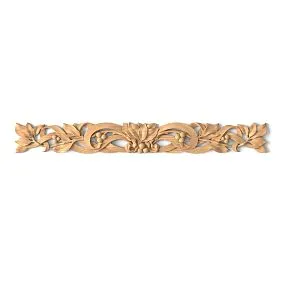
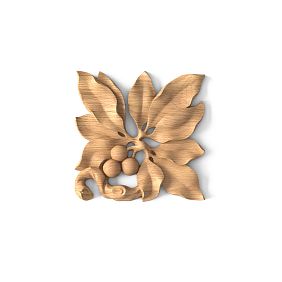
Our factory also produces:





Product Card: All Information in One Place
Each product's detailed card contains comprehensive information for making a decision. Photo gallery with multiple angles — overall view, profile details, finish options, interior application examples. Ability to zoom in for examining the finest details of wood texture, ornament relief, and processing quality. Video demonstrating the item in motion — how a drawer with hardware opens, how the molding looks under different lighting.
Technical specifications are presented in an organized format — a table with precise dimensions, weight, material, and finish type. For wooden items, the wood species, moisture content, and quality class are indicated. For polyurethane moldings — material density, presence of primer, compatibility with various adhesives. Such detail is critical for professionals and serious enthusiasts designing interiors with expertise.
Product description is not limited to dry technical data. Stories about application possibilities, tips on combining with other elements, installation and finishing recommendations turn the card into an educational resource. Especially valuable is information on stylistic affiliation — which interior style the molding or baseboard suits, what furniture it pairs with, and in which rooms it is appropriate.
Quantity Calculator — a useful feature of the product card. Simply enter room dimensions, and the system will calculate the required linear meters of baseboard or molding, taking into account trimming and reserve. For overlay elements — rose petals, corners — the calculator will determine the piece count based on the project. The cost calculation updates automatically, showing the final amount including delivery.
Get Consultation
Inspiration Section: Ready Solutions and Projects
Gallery of implemented projects using catalog products — a powerful sales tool and source of ideas for customers. Photos of finished interiors with indicated used elements show the final result, helping visualize your own project. Each photo is accompanied by a list of materials with article numbers and prices, allowing you to replicate the desired solution.
Style-based collections — classic, neoclassic, Scandinavian, loft, minimalism — systematize the assortment and simplify selection. For each style, typical elements, their combinations, and color solutions are presented. A novice in interior design gets a ready reference guide, while a professional receives confirmation of their choice or a source of fresh ideas.
Thematic articles on the application of various decorative elements, interior design trends, and installation technologies enrich the catalog with expert content. Step-by-step instructions with photos and videos demonstrate the process of installing moldings, mounting panel rails, and painting baseboards. Reading such materials not only informs but also inspires independent project implementation.
Blog with regular updates keeps the audience informed about new arrivals, promotions, and seasonal offers. Customer stories sharing their experience with the products create a community of like-minded individuals. The ability to comment, ask questions, and receive answers from experts transforms the catalog into an interactive platform, not just a faceless online store.
Wooden Solutions: Natural Beauty and Functionality
Natural wood remains unmatched where authenticity of material, warmth of texture, and elegance of color are valued.Where to buy wooden planks, solid wood skirting boards, handcrafted door casings, without paying intermediaries and receiving products directly from the manufacturer? A comprehensive assortment of wooden items in one place ensures stylistic unity of all interior elements.
Planks: A Universal Tool for Decoration
Wooden planks remain popular in contemporary interior design.Where to buy planks for wall decorationin a wide range of sizes and wood species? The catalog offers planks of various cross-sections — from thin decorative 10x20 mm to heavy-duty 50x80 mm. Standard length is 2-3 meters, which is optimal for transportation and minimizes the number of joints.
Wood species are presented in a wide range of price categories and aesthetic characteristics. Pine — budget option with light texture and resinous aroma, suitable for painting. Oak — noble wood with pronounced grain, strong and durable, ideal for preserving natural color. Beech — uniform pinkish tone, easy to work with, suitable for complex profiles. Ash — contrasting texture with clear growth rings, high strength, modern look.
Plank profiles vary from simple rectangular to decorative. Square cross-section creates clear geometry, suitable for minimalist interiors. Rectangular cross-section with side ratios of 1:2 or 1:3 — classic option for most decorative panels. Rounded edges soften lines, make planks safer, suitable for children's rooms. Decorative profiles with grooves or protrusions add relief, interesting for classical interiors.
Plank finishes determine their final appearance. Unfinished planks — raw wood without coating, requiring manual finishing, most budget-friendly option. Sanded planks — smooth surface, ready for painting or lacquering, saves time on preparation. Stained planks — impregnated with stain, have rich color while preserving visible texture, no additional finishing required. Lacquered planks — finish applied in factory conditions, ready for installation immediately after purchase.
Skirting Boards: Finishing Touch
Skirting boards perform a dual function — technical, hiding the gap between wall and floor, and decorative, creating architectural framing of the room.Where to buy wooden skirting boardsin an assortment covering all needs — from budget pine to premium oak, from minimalist profiles to richly decorated classical options?
Skirting board height is determined by room scale and interior style. Low skirting boards 40-60 mm are almost invisible, suitable for modern minimalist spaces, visually unobtrusive. Medium skirting boards 70-90 mm — universal option for most standard-height living rooms, balancing functionality and decoration. High skirting boards 100-150 mm create a classic grandiose look, visually increase room height, suitable for spacious rooms with ceilings over 3 meters.
Skirting board profile can be simple or complex. Straight skirting with minimal relief — choice for Scandinavian style, minimalism, modern interiors. Skirting with grooves — vertical grooves create classic architectural motif, suitable for traditional interiors. Skirting with decorative moldings and astragals — complex multi-level profile for luxurious classical spaces. Skirting with hidden cable channel — practical modern solution, allowing to hide wires from view.
Skirting board material affects not only appearance but also durability. Solid wood — strong, durable, restorable, but expensive and may deform from humidity. MDF with natural veneer — visually indistinguishable from solid wood, more stable to humidity changes, more affordable. MDF with film coating — most budget-friendly option, imitates wood texture, but less prestigious and not paintable.
Door and Window Casings: Framing Openings
Door and window openings require framing that integrates them into the overall room style. Casings hide installation gaps, create clear boundaries, can be simple functional elements or expressive decorative accents. Casings width is usually 60-100 mm, profile matches skirting board style to create a unified framing system.
Jamb extensions — additional strips that extend door frames when wall thickness exceeds standard. Jamb extension width is custom-made to specific dimensions, material and finish match door panels and casings. Quality jamb extensions from solid wood or MDF with veneer create the impression of a seamless, premium construction.
Corner elements and casings' rose joints add decorative appeal to openings. Rose joint at the junction of vertical and horizontal casings in the upper corner — classic technique adding elegance. Corner elements with molding or ornament transform a simple opening into an architectural accent. Such details are especially suitable for classical and neoclassical interiors.
Battens and Trim: Material for Creativity
Where to buy wooden board/battenfor creating custom decorative elements? The assortment of solid wood trim items provides material for realizing any creative ideas. Square and rectangular battens from 20x20 to 100x100 mm are suitable for creating frames, structures, and three-dimensional compositions.
Planks of various widths and thicknesses — material for panels, shelves, furniture facades. Sanded planks with smooth finished surface ready for final finishing. Un-sanded planks preserving natural texture are interesting for loft, rustic, eco-style interiors. Possibility to order non-standard sizes expands opportunities for implementing unique projects.
Carved elements from solid wood — ready decorative parts for creating exclusive compositions. Balusters for staircases, columns with capitals, carved panels, ornamental appliqués — all these elements transform a standard space into a unique piece. Possibility to order carving according to individual sketches opens limitless possibilities for personalizing interiors.
Polyurethane Moldings: Lightness and Variety of Forms
Polyurethane solves tasks impossible for natural materials — complex reliefs at minimal weight, absolute moisture resistance, ease of installation.Where to buy polyurethane moldingsin a range covering all categories of elements - from simple moldings to complex multi-figure compositions?
Moldings and Cornices: The Basis of Compositions
Where to Buy Moldings for Wall Decorationof different profiles and sizes? The catalog of polyurethane molding offers hundreds of options - from minimalist smooth strips 3-5 centimeters wide for modern interiors to luxurious relief cornices 20-30 centimeters wide for classical halls. Element length is standard 2-2.4 meters, simplifying transportation and installation.
Molding profiles are classified by complexity. Simple profiles with one or two curves - a universal option for creating wall frames, panel borders, and spatial structuring. Medium-complexity profiles with alternating protrusions and recesses, simple ornamentation - suitable for neoclassical and modern classical interiors. Complex profiles with floral motifs, rosettes, multi-level relief - for luxurious baroque and empire spaces.
Ceiling cornices - a specialized category of moldings for finishing wall-ceiling junctions. Their profile is designed to create a smooth transition between vertical and horizontal planes. Cornices with a shelf for hidden lighting are especially popular - an LED strip is placed behind the cornice, creating soft diffused lighting around the ceiling perimeter, visually lifting it.
Flexible moldings made of elastic polyurethane solve the task of decorating curved surfaces. Arches, bay windows, round columns, wavy walls - all these elements are framed with flexible moldings that take any shape. Installation requires pre-soaking in warm water to increase elasticity, but the result - smooth, continuous lines without joints - justifies the effort.
Rosettes and Domes: Central Accents
Ceiling rosettes - round or polygonal surface-mounted elements for decorating light fixture mounting points. The assortment covers a range from compact rosettes 30-40 centimeters in diameter for small rooms to monumental meter-sized compositions for grand halls. Design varies from strict concentric circles to lavish baroque compositions with cherubs, flowers, and acanthus leaves.
Domes - volumetric hemispherical elements for creating architectural depth on ceilings. Dome diameters range from 50 centimeters to 2 meters and more, relief height from 5 to 20 centimeters. Domes are mounted as standalone elements or in combination with flat rosettes, creating complex multi-level compositions. The inner surface of domes is often decorated with ornamentation or painting.
Cassette - rectangular or square surface-mounted frames for creating ceiling divisions. A cassette system transforms a flat ceiling into an architecturally complex structure reminiscent of old palace halls. Cassette panels are mounted using moldings forming a grid of rectangles, within which small rosettes or decorative inserts are placed.
Inserts and Corner Elements: Composition Details
Where to buy wall decoras ready-made ornamental elements? Inserts - diverse decorative details without a strictly defined purpose, used for accenting, filling, and embellishing. Sizes range from miniature 5-10 centimeters to large 50-80 centimeters, shapes from simple geometric to complex floral and figurative compositions.
Cartouches - decorative shields in oval or rectangular shapes, often with scrolls along the edges, intended for placing monograms, coats of arms, or inscriptions. Used above doorways, in the center of wall panels, as fillers for pediments. Sizes are usually 30-60 centimeters, with expressive relief that draws attention.
Consoles and Brackets - seemingly load-bearing elements that imitate support structures under shelves, cornices, or balconies. Console heights range from 15 to 50 centimeters, design from simple volutes to complex compositions with figures, flowers, or architectural motifs. Mounted in pairs symmetrically or in groups to create rhythm.
Corner elements - ready-made details for finishing internal and external corners when using moldings. Eliminate the need for precise 45-degree trimming, guaranteeing perfect joints. Corner elements often feature richer decoration compared to linear molding parts, transforming technical joints into decorative accents.
Columns and pilasters: vertical accents
Polyurethane columns and pilasters create architectural expressiveness, divide space, and conceal structural elements. Columns - round-section volumetric elements, usually consisting of a base, shaft, and capital. Height ranges from 1.5 to 3 meters, diameter 15-40 centimeters. The shaft may be smooth, fluted (with vertical grooves), or twisted.
Pilasters - flat surface-mounted elements that imitate columns, protruding from the wall plane. Used for vertical wall division, framing doorways, and creating classical facades. Pilaster width 10-25 centimeters, height matching room height. Pilaster bases and capitals are often more decorative than the shaft, creating accents at the bottom and top.
Capitals - upper parts of columns and pilasters, the most decorative element. Classical orders - Doric with simple capitals, Ionic with volutes, Corinthian with acanthus leaves - are presented in various scales and levels of detail. Modern stylized capitals simplify classical forms, adapting them to contemporary aesthetics.
Furniture and Hardware: Functionality and Beauty
Interior completion is determined not only by wall and ceiling finishes, but also by thoughtful selection of furniture and hardware.Where to buy a wooden tablehandcrafted chairs, elegant furniture legs, or functional hardware that harmoniously complements the chosen decor?
Furniture from Solid Wood: Durability and Prestige
Furniture made of natural wood - an investment for decades, passed down through generations. Solid wood tables, chairs, armchairs, chests, and buffets in oak, beech, or ash combine functionality with aesthetics, creating an atmosphere of respectability and coziness. The ability to choose wood species, finish type, and design of carved elements allows selecting furniture perfectly matching the interior.
Dining tables made of solid wood - the centerpiece of the kitchen or dining room, the place for family dinners and festive gatherings. Table shape - rectangular, oval, or round - is determined by room configuration and number of people. Extendable tables with additional sections transform for hosting guests. Solid wood tabletops with minimal processing showcase the beauty of natural wood.
Chairs and stools should match the table in style and height. Classic chairs with carved backs and upholstered seats, covered in fabric or leather, create a formal appearance. Modern chairs with minimalist design, emphasizing clean lines and material quality, suit minimalist and Scandinavian interiors. Armchairs provide enhanced comfort, placed at table ends for homeowners.
Cabinetry - chests, buffets, display cases - provide storage and showcase items. Classic furniture with carved facades, patinated finishes, and brass handles creates an atmosphere of an old estate. Modern furniture with smooth facades, hidden handles, and geometric design fits urban apartments. Combination of closed and glassed sections ensures balance between functionality and decorativeness.
Hardware: Invisible Workers
where to buy furniture hardwarehigh-quality hardware ensuring smooth, silent drawer movement, durable hinges, and reliable closers? Hardware quality determines 70 percent of furniture usability comfort; cutting costs on this element results in persistent discomfort and frequent repairs.
Drawer guides come in roller and ball-bearing types. Roller guides - budget option, providing basic functionality, but with limited smoothness and load capacity up to 20 kilograms. Full-extension ball-bearing guides - professional solution, offering absolutely smooth movement, full access to drawer contents, load capacity up to 50 kilograms. Guides with closers ensure soft, silent closing of the last centimeters.
Hinges for hinged doors must match the door's weight and usage frequency. Surface-mounted hinges are the simplest option for lightweight doors used infrequently. Semi-surface and concealed hinges are hidden from view, providing a neat appearance. Hinges with closers ensure smooth closing and prevent slamming. Hinge opening angle - 95, 110, 165 degrees - is selected based on furniture configuration.
Lift mechanisms for swing-out fronts provide convenience for upper kitchen cabinet sections. Gas struts hold open doors in any position and prevent sudden drops. Gas strut power is matched to the front's weight - insufficient power won't hold the door, excessive power creates excessive force when closing.
Decorative hardware: visible aesthetics
Handles, legs, appliqués - hardware elements directly visible and affecting furniture aesthetics. Handles for cabinets and drawers come in thousands of design variations - from classic brass with patina to ultra-modern chrome minimalist styles. Handle size corresponds to furniture scale - large handles on heavy buffets, miniature ones on elegant commodes.
Furniture legs define its character and height above the floor. Turned legs in classic styles - balusters, cabriole, cone - create a traditional look. Straight conical legs in Scandinavian style - minimalist, slightly splayed, often contrasting colors. Metal legs - spikes, geometric structures - add industrial flair, suitable for loft interiors. Leg height from 5 to 30 centimeters affects ease of cleaning under furniture and overall visual weight of the piece.
Decorative appliqués - rose centers, corner elements, ornamental inserts - transform simple furniture into exclusive pieces. Carved wooden appliqués on cabinet fronts, metallic rose centers around lock holes, bronze corner pieces on tabletop edges - such details create individuality, evoking a specific era or style. The ability to customize mass-produced furniture with appliqués turns a standard item into a handmade artwork.
Frames and mirrors: finishing touches
Where to buy wooden frameFor mirrors, paintings, photographs? Handcrafted solid wood frames with carving, patina, and gilding transform ordinary mirrors or reproductions into art objects. Batten width from 3 to 15 centimeters determines framing scale. Narrow, elegant frames suit small mirrors and graphics, wide, substantial ones - for large mirrors and oil paintings.
Batten profile can be simple or complex. Flat batten with minimal relief - for modern interiors and graphics. Concave profile - classic profile with curved surface, visually distancing the image from the viewer. Convex profile - protruding profile, bringing the image closer. Complex multi-step profiles with alternating planes and relief - for baroque and classical interiors.
Frame finish determines its character. Natural wood with transparent lacquer showcases texture beauty, suitable for natural and Scandinavian interiors. Painting in white, gray, black creates graphic effect, works in modern spaces. Gilding - with real or imitation gold - adds luxury, traditionally for classic styles. Patination with darkening of recesses creates effect of noble antiquity.
Contacts and geography: purchase without borders
Presence of physical sales points is critical for those who prefer to see and touch the material before purchase.Store address where you can buy hardwareAnd other decorative elements, working hours, driving directions - all this information must be easily accessible on the catalog website.
Showrooms and salons: live view of products
Visiting a physical store allows evaluating materials through all senses. Tactile sensations from touching wood, weight of molding in hand, play of light on carved ornament - this information is unavailable through a computer screen. Exhibition in a showroom demonstrates elements in interior context, shows combinations, scales, application options.
Salon consultants - professionals capable of answering any questions, helping with selection, calculating required material quantity. Opportunity to obtain expert opinion, see alternative options you hadn't considered, clarify installation details - all this makes a salon visit valuable even for experienced buyers. Some salons offer designer services creating projects using presented products.
Material samples can be taken home for real-world testing under actual lighting, comparison with existing finishes and furniture. Small molding piece, baseboard color sample, rail fragment - these physical information carriers help make a final decision without rushing. Possibility of return or exchange if expectations don't match reality creates confidence in purchase.
Delivery to regions: logistics at a high level
For customers outside the city where salons are located, delivery is organized by transport companies. Delivery cost and time can be calculated online by specifying destination city and cargo weight. Packaging is professionally done with protection for fragile elements, minimizing risk of damage during transport.
Real-time cargo tracking via the transport company's website allows monitoring delivery process and planning receipt. SMS notifications about key stages - dispatch from warehouse, arrival in destination city, readiness for delivery - keep the customer informed. Door-to-door delivery is possible in most cities with appropriate service order.
Self-pickup from transport company warehouse - alternative for saving on delivery to address. Cargo pickup usually occurs within one day after arrival in the city. Required document verifying identity and waybill number. Inspection of cargo for damage is mandatory upon pickup - claims after signing delivery documents are not accepted.
International delivery: beyond national borders
For customers from neighboring countries, international delivery is organized by specialized services. Customs clearance, customs duties payment, compliance with destination country legislation - all these issues are handled by the sender or assisted in their resolution. International delivery time is usually 1-3 weeks depending on destination and chosen method.
Possibility of delivering oversized and heavy cargo - furniture, long linear items, volumetric moldings - requires agreement of conditions. Special packaging, palletizing, cargo insurance ensure preservation during long-distance transport. Cost of such delivery is calculated individually based on volume, weight, and destination.
Online order with consultation: convenience without store visits
For those who prefer fully online purchasing format but need consultation, remote support is organized. Consultant available via website chat, messengers, video calls. You can ask any questions, request specific item display via camera, get combination recommendations.
Virtual showroom tour via video call with consultant - opportunity to view exhibition without leaving home. Consultant shows interested elements, demonstrates them from various angles, answers questions in real time. This format is especially valuable for customers from remote regions who cannot physically visit the salon.
Online cost estimate calculation with consultant or special calculator on website determines final project cost. Simply specify room dimensions, select desired elements, and the system calculates required quantity accounting for trimming and reserve. Final estimate includes material, delivery cost, and optionally - installation. Transparent pricing eliminates unpleasant surprises.
Checklist before purchase: preparation for successful selection
Impulsive purchase of decorative materials without prior preparation often leads to errors - incorrect size, mismatched style, insufficient or excessive quantity. A systematic approach to preparing for purchase saves time and money, guarantees results.
Measurements: accuracy - the basis of calculation
Accurate measurement of the room is the first and critically important step. To calculate the ceiling cornice, measure the room's perimeter - the total length of all walls. The tape measure is applied along the line where the wall meets the ceiling, each wall is measured, and the results are summed. Add 10-15 percent allowance for cutting angles and possible errors to the resulting figure.
To calculate baseboard, the perimeter is also measured, but taking doorways into account. The width of each doorway is subtracted from the total perimeter - baseboard is not installed in doorways. An allowance is added to the adjusted length. The number of room corners determines the need for corner elements, if pre-made corners are used instead of cutting.
For wall compositions made of moldings, a scheme is created on paper or in a graphic editor with precise indication of the size of each frame, distances between elements, offsets from corners and from floor/ceiling. Based on the scheme, the total length of horizontal and vertical moldings is calculated, as well as the number of corner elements or cut points. Such detail minimizes the risk of errors.
Profile selection: style and scale compatibility
The molding or baseboard profile should match the overall interior style. For classic interiors, profiles with traditional architectural elements - fluting, Ionic motifs, plant ornaments - are chosen. The width of elements is significant - 10-20 centimeters and more, creating grandeur and scale.
For modern interiors, minimalist profiles with minimal relief and clear geometric lines are preferred. The width is moderate - 5-10 centimeters, not overwhelming the space. Simple curves, one or two relief steps, absence of decorative excesses. Scandinavian interiors tend toward even greater simplicity - almost smooth baseboards and moldings.
The scale of the room dictates the size of decorative elements. In compact rooms with low ceilings, large elements overwhelm the space, making it feel cramped. Medium and small profiles, visually light, are preferred. In spacious rooms with high ceilings, small elements disappear, appearing disproportionate. Here, wide cornices, large moldings, expressive relief are appropriate.
Height determination: harmony of proportions
The height of the baseboard affects the perception of room proportions. General rule: the higher the ceiling, the higher the baseboard can be. For standard ceilings of 2.5-2.7 meters, a baseboard height of 7-10 centimeters is optimal. For ceilings of 3-3.5 meters, baseboards 10-15 centimeters can be used. In rooms with ceilings higher than 3.5 meters, tall baseboards 15-25 centimeters are appropriate, creating a classic grandeur.
The width of the ceiling cornice also relates to the height of the room. Narrow cornices 5-8 centimeters are practically invisible, do not affect visual height. Medium cornices 10-15 centimeters create noticeable framing, structuring the transition from wall to ceiling. Wide cornices 20-30 centimeters visually lower the ceiling, which may be desirable in very high rooms to create coziness.
Horizontal moldings on walls are positioned according to proportional rules. The molding separating the plinth zone from the main wall area is usually placed at a height of 70-100 centimeters from the floor - approximately one-third of the wall height. The frieze molding under the ceiling is placed at a distance equal to the molding's width from the ceiling cornice, creating logical division.
Finish selection: color and texture
The color solution of decorative elements determines their role in the interior. White moldings and baseboards on light walls create monochromatic harmony, where the focus is on relief rather than color. Contrasting combinations - dark elements on light walls or vice versa - draw attention to architectural lines, structuring the space. Moldings in the same tone as walls create relief panels, where the play of light and shadow is more important than color contrast.
For wooden elements, the choice between preserving the natural wood color or painting determines the interior's character. Natural wood with a transparent protective finish brings warmth, a connection to nature, emphasizing the material's nobility. Painting in white or gray while preserving visible texture creates a Scandinavian aesthetic. Full opaque painting turns wood into a neutral form carrier.
The gloss level of the finish affects perception. Matte surfaces hide minor defects, create a calm noble look, do not reflect light. Semi-gloss finishes add a slight sheen, accentuate relief. Glossy surfaces draw attention, create a festive look, but require a flawless base - any imperfections become visible.
Fastener and consumable calculation
In addition to decorative elements, materials for installation are required. Polyurethane molding adhesive is used at approximately one 310 ml can per 4-5 meters of medium-width molding. For a 20 square meter room with a ceiling cornice around the perimeter (approximately 18 meters), 4-5 cans of adhesive are needed.
Joint filler is used sparingly - a 1 kg jar is sufficient for 30-40 meters of molding. Finish paint is calculated based on the area to be painted. For a 10 cm wide molding 10 meters long, the surface area is approximately 1-1.2 square meters, accounting for relief. One liter of paint with a coverage of 8-10 square meters per coat will cover 80-100 meters of such molding.
Fasteners for wooden elements - self-tapping screws, nails, anchors - are selected based on the type of base and weight of the elements. For baseboards on concrete walls, 6x40 mm anchors are used with an interval of 50-60 cm. For lightweight strips on drywall, 3.5x35 mm wood screws are sufficient. Heavy panels require reinforced fastening - butterfly anchors for drywall or anchors for concrete.
Checking element compatibility
When placing an order, it is important to ensure that all selected elements harmonize. Baseboards and casings are usually chosen from the same collection to ensure matching profile and color. Ceiling cornices and wall moldings should match in style, but do not need to be identical - different widths and profile complexity create an element hierarchy.
Combining wooden and polyurethane elements requires attention to color nuances. White polyurethane moldings have a cool, pure white color, while even white-painted wood retains a warm tone. Such contrast may be an interesting technique or an undesirable dissonance depending on the concept. Material samples help assess compatibility before purchase.
Proportional correspondence of elements is critical for harmony. Large ceiling cornices require proportionally wide baseboards - a narrow baseboard with a massive cornice creates imbalance. Tall baseboards harmonize with wide casings. Small decorative appliqués combine with thin moldings. Presenting all elements in a unified scale on a room plan helps assess proportionality.
Popular questions and answers
How to know how much molding is needed for a room?
To calculate the amount of molding, measure the room's perimeter - the sum of the lengths of all walls. Add 10-15 percent allowance for cutting angles to the resulting figure. If the standard molding length is 2.4 meters, divide the total length with allowance by 2.4 and round up to the nearest whole number - this is the number of pieces. For complex compositions with wall frames, create a scheme, calculate the total length of all horizontal and vertical elements, and add allowance.
Can you order non-standard sizes of wooden items?
Most manufacturers offer custom manufacturing of wooden elements. This applies to the length of linear items, dimensions of furniture parts, parameters of carved elements. The manufacturing time for custom orders is usually 2-4 weeks depending on complexity. The cost of custom orders is higher than mass-produced items, but the ability to obtain an element of the exact required size justifies the additional cost.
What is the difference between solid wood and MDF?
Solid wood is a natural material, sawn and processed timber. It has a unique texture, warmth, eco-friendliness, and durability. It can be restored, sanded, and repainted. Disadvantages include high cost and susceptibility to deformation from humidity. MDF is medium-density fiberboard, manufactured by pressing wood fibers. It is stable to humidity, affordable, and allows for complex profiles. It is covered with veneer or film mimicking wood texture. It is not suitable for deep restoration.
How to choose the color of baseboards and door casings?
Classic approach - baseboards and door casings in the color of doors, creating a unified framing system. Modern option - baseboards in floor tone, door casings in door tone, logically connecting elements. Contrast solution - white baseboards and door casings against dark floors and doors, graphically structuring the space. Choice depends on desired effect - unity or contrast, tradition or modernity.
Is it necessary to prime polyurethane molding before painting?
Natural wood in humid areas requires special treatment and moisture-resistant species. Larch, teak, and oak have natural moisture resistance. Mandatory treatment with moisture-protective compounds - varnishes, oils, waxes. Even moisture-resistant MDF is not recommended for areas of direct water contact. Alternative - polyurethane elements, completely moisture-resistant and visually indistinguishable from wood after painting.
Can wooden elements be mounted in humid rooms?
Natural wood in humid rooms requires special treatment and moisture-resistant species. Larch, teak, and oak have natural moisture resistance. Treatment with moisture-protective compositions—varnish, oils, waxes—is mandatory. Even moisture-resistant MDF is not recommended for areas with direct water contact. Alternative: polyurethane elements, which are completely moisture-resistant and visually indistinguishable from wood after painting.
How long can wooden items be stored before installation?
Wooden items require storage in a dry room at room temperature. Before installation, acclimatization is required - elements must remain in the installation room for at least 48 hours to equalize humidity and temperature. Long-term storage exceeding several months is undesirable - wood may deform or crack. Packaging must protect from dust and moisture, but not impede air exchange.
Do you provide installation services when purchasing materials?
Many companies offer professional installation services for purchased materials. Installation cost is calculated individually depending on the volume of work and complexity. For polyurethane molding, the price is usually 300-1000 rubles per linear meter. For wooden paneling - 800-1500 rubles per square meter. Installation of furniture hardware is often included in the cost of custom-made furniture.
What warranties are provided on the products?
Quality products come with a manufacturer's warranty against production defects. For wooden items, the warranty period is usually 6-12 months, for furniture hardware - from 2 to 5 years depending on the manufacturer. Warranty does not cover defects caused by improper installation, storage, or use. Return of quality goods is possible within 14 days if the item retains its original condition and packaging.
Are there loyalty programs for regular customers?
Most companies value regular customers and offer bonus programs. Accumulated discounts increase with purchase amount - 3% for purchases over 50,000 rubles, 5% for 100,000 rubles, 7% for 200,000 rubles. Personal managers for large clients ensure individual service. Exclusive sales and early access to new products for loyalty program members add privileges.
Conclusion
Searching for quality materials to create a harmonious interior transforms from a tedious necessity into an engaging process when all necessary assortments are gathered in one place. Understanding the catalog structure, using filters and search effectively, and knowing selection criteria make the purchase conscious and productive.where to buy decorto select planks, moldings, baseboards, and furniture hardware so that all elements perfectly match, to get professional consultation, and to be confident in the quality of each