Article Contents:
- From Floor to Ceiling: The Role of Details in Creating a Complete Look
- Lower Level: Why Natural Wood Remains the Favorite for Flooring
- Walls and Zoning: Moldings as a Tool for Visual Separation
- Upper Level: Trim as the Main Ceiling Accent
- Detailing: The Importance of Corner and Joining Elements
- Color Harmony: Painting Polyurethane and Staining Wood
- Compositional Solutions: From Symmetry to Asymmetry
- Installation Practice: Tips and Tricks
- Stylistic Variations: From Baroque to Minimalism
- Care and Maintenance: How to Preserve Beauty for Years
- Budgeting: How to Avoid Overpaying Without Sacrificing Quality
- Frequently Asked Questions
- Can wood and polyurethane be combined in one room?
- How to Choose the Width of Baseboard and Cornice for My Room?
- Is It Necessary to Paint Wooden Molding or Can It Be Left Natural?
- How Many Years Before Renovation or Repair Is Needed?
- Can Polyurethane Moldings Be Used in Humid Areas?
- How to Care for Wooden Molding and Polyurethane Trim?
- How Long Does Decorative Installation Take in a Standard Apartment?
- Conclusion: The Art of Creating Harmony

Anyone who has ever tried to create a truly classic interior knows: the devil is in the details. You can choose luxurious furniture, select perfect textiles, and spend a fortune on a chandelier, but if the walls are bare, the ceiling is flat, and there's no transition from floor to walls—the atmosphere won't come together. Classic style requires volume, architectural depth, and play of light on textured surfaces. This is where the skill of properly combining materials of different natures—wood and polyurethane—comes to the forefront.
Why exactly these two materials? Wood—living, warm, tactilely pleasant—carries the energy of nature and has been the foundation of rich home decor for centuries. Polyurethane—a modern technological material—allows for the recreation of the most intricate trim that would be prohibitively heavy and expensive in plaster. Together, they create an amazing harmony of textures: the nobility of natural solid wood at floor and wall level is complemented by the airy lightness of ceiling decor. This isn't a compromise between budget and aesthetics, but a conscious decision based on functional logic and the beauty of materials.


From Floor to Ceiling: The Role of Details in Creating a Complete Look
Imagine a classic interior as a symphony. Every instrument is important, but it's the harmonious sound of all parts that creates a masterpiece. The same goes for interiors: furniture, lighting, wall color—these are all the main 'instruments.' But what makes an interior truly complete?Trimming Items—those very details that connect horizontal and vertical planes, create transitions, draw attention, and most importantly, form architectural depth in the space.
A classic interior is built on the principle of vertical hierarchy. At the bottom—the foundation, meaning the floor andwooden baseboard, which is responsible for stability and tactile connection with nature. The middle—walls, which can be decorated withpolyurethane moldings, creating panels, frames, and zoning. At the top—the ceiling with its exquisitemoldings on the ceiling, which crowns the entire composition. This division isn't accidental: it corresponds to European architectural traditions, where the lower level is associated with earthly solidity, and the upper level with heavenly lightness.
It's important to understand that molding products serve not only a decorative function. They mask technological gaps, protect corners and edges from mechanical damage, and hide wiring and utilities.Wooden trimat the lower level bears the main mechanical loads—impacts, scratches, wet cleaning. Polyurethane trim at the top is free from these threats, but must be as light as possible to avoid putting stress on the ceiling structure. Thus, the materials reveal their strengths, each in its proper place.




The Bottom Level: Why Natural Wood Remains the Favorite Flooring Material
Ask any experienced designer: what makes an interior truly expensive and noble? The answer is almost always the same — natural wood. Not imitation, not laminate 'under oak', not vinyl tile with photo printing, but solid wood. Why? Because wood has a unique ability to bring a sense of life into a space. The texture of natural solid wood never repeats, each board has its own pattern, its own story of the tree's growth. Touching wood, you feel its temperature, sense its texture — this creates an emotional connection with the material.
At the floor level, the main role is played bywooden baseboard. This is not just a trim, but an architectural element that completes the flooring and creates a visual boundary between the horizontal and vertical planes. An oak or beech baseboard can last for decades, maintaining its geometry and aesthetics. Unlike MDF or plastic, solid wood is not afraid of local damage — it can be sanded, restored, repainted, or re-stained.
The advantages of solid wood over synthetics are obvious. First, environmental friendliness — wood does not emit volatile compounds, creating a healthy microclimate in the room. Second, durability — oak and beech are hardwoods, their density allows them to withstand impacts and abrasion. Third, repairability — if a chip appears on a plastic baseboard, it needs to be replaced entirely, whileWooden baseboardcan be restored locally. Fourth, the aesthetics of aging — wood does not lose its nobility over time, but on the contrary, acquires a patina that is valued in classic interiors.
ChoosingWooden trimFor the bottom level, it is important to consider the wood species. Oak is the most popular choice for classic styles. Its texture is expressive, color varies from light honey to dark brown, and its durability is unquestionable. Beech is lighter and fine-pored, ideal for painting and creating light interiors. Ash, with its bright contrasting texture, is suitable for modern classics. And if you want maximum luxury, pay attention to walnut or mahogany, although their cost is significantly higher.
Installing a wooden baseboard requires a professional approach. Solid wood needs to be acclimatized in the room beforehand so that the wood adjusts to the local humidity and temperature. Corner cuts must be perfectly precise — the slightest inaccuracy will be noticeable. Fastening is done with self-tapping screws followed by filling the holes or with special hidden clips. The final treatment — coating with oil, varnish, or wax — will emphasize the texture and protect the wood from moisture and dirt.
Our factory also produces:


Walls and Zoning: Molding as a Tool for Visual Division
Walls in a classic interior should not be just painted or wallpapered planes. Classic style requires architectural complexity, volume, and play of light on the relief. And hereMoldings made of polyurethanecome to the rescue — a universal tool for creating decorative panels, frames, friezes, and zoning space. Properly placed moldings can visually change the proportions of a room: raise the ceiling, widen a narrow space, divide a long wall into harmonious sections.
What is molding? It is a decorative strip with a profiled cross-section that is attached to a wall or ceiling. Moldings can be simple geometric or complex carved, narrow and wide, smooth and ornamented. In a classic interior,Moldings made of polyurethaneare used to create so-called boiserie — decorative panels on walls that were historically made of wood. The modern interpretation allows recreating this luxury with a lightweight and affordable material.
Visual division of planes is one of the key techniques of classic design. Imagine a high wall in a living room. Without decoration, it will look empty and cold. Now add a horizontalPolyurethane moldingat the level of the sofa back — approximately 90-100 cm from the floor. Below this line, paint the wall in a darker shade or use patterned wallpaper; above — a light tone. Immediately, a sense of structure arises, and the interior acquires classic elegance. Such division is also practical: the lower part of the wall gets dirty less and is easier to clean.
Vertical moldings create frames — rectangular or square sections on walls. Inside these frames, you can place patterned wallpaper, fabric inserts, mirrors, or paintings. It is important to maintain proportions: frames should not be too small or too large relative to the wall size. The classic rule — on a wall 2.7 meters high, frames should occupy approximately 1.5-1.8 meters vertically, leaving room for a baseboard at the bottom and a frieze at the top.
Why polyurethane and not wood for wall moldings? First, weight. Wooden moldings are significantly heavier, their installation is more complicated, requiring more attachment points. Second, cost.Polyurethane moldingsis several times cheaper than wooden counterparts with comparable visual effect. Third, moisture resistance. Polyurethane is absolutely inert to moisture; it can even be used in bathrooms and kitchens. Fourth, ease of processing. Polyurethane molding is cut with a regular saw and does not require special tools.
Installationof polyurethane moldingsis done with glue. The wall surface must be level, clean, and dry. Glue is applied in a zigzag pattern to the back of the molding, then the element is pressed against the wall and fixed for a few seconds. Joints between moldings are filled with acrylic sealant and sanded. After installation, moldings are painted in the desired color — most often white or to match the walls. An important point: corners require precise 45-degree cuts, for which a miter box or miter saw is used.
There are many ways to use moldings for zoning. You can highlight the TV area by creating a frame of moldings around it. You can designate a fireplace area or a library niche. In the bedroom, moldings highlight the headboard of the bed, creating an accent panel. In the dining room, they frame the buffet area. In a child's room, usingdecorative moldingsyou can divide the space into a sleeping area and a play area. It all depends on your imagination and understanding of proportions.
Get Consultation
The Upper Level: Stucco as the Main Ceiling Accent
The ceiling is the part of the interior that is often underestimated. Yet it is precisely what creates a sense of height and airiness in a room. In classic design, the ceiling cannot be simply white and flat. It needs architectural complexity, and hereCeiling moldingbecomes the main accent. Cornices, rosettes, coffers, corner elements — all this decor creates a play of light and shadow, adds volume, and makes the interior solemn and refined.
Historically, stucco was made of plaster. Master plasterers manually molded each element, then mounted it on the ceiling using reinforcement and mortar. The process was labor-intensive, expensive, and lengthy. Plaster stucco weighed tens of kilograms, required reinforced fastening, and could fall off in case of a leak from above. Todaypolyurethane moldingshas completely solved these problems. The material's density is 6-8 times lower than plaster, while strength and relief detail are not inferior. Installation is done with lightweight glue without the need for drilling and reinforcement.
Polyurethane ceiling cornicesare the basic decorative element. They are installed around the perimeter of the room at the junction of the wall and ceiling, creating an elegant transition between planes. The width of the cornice is selected depending on the ceiling height: for standard 2.7 meters, a cornice width of 8-12 cm is sufficient; for high ceilings from 3 meters, cornices 15-25 cm wide can be used. The profile can be simple with one curve or complex multi-tiered with fillets, beads, and ornaments.
Ceiling Rosettesare round or square decorative elements placed in the center of the ceiling around the chandelier. A rosette visually enlarges the light fixture, creates a halo around it, and enhances the impression of lighting. The diameter of the rosette should relate to the size of the chandelier and the area of the room. For small rooms, rosettes with a diameter of 40-60 cm are suitable; for spacious living rooms and halls — 80-120 cm and larger. The rosette's ornament can be floral, geometric, or combined; the main thing is that it matches the interior style.
Coffers — rectangular or square recesses on the ceiling, framed by moldings and cornices. Historically, coffered ceilings were a sign of wealth and high status. Today, coffers can be created frompolyurethane decorative elementswithout complex construction work. They visually structure the ceiling, making it voluminous and interesting. Coffers are especially effective in studies, libraries, dining rooms — spaces where an atmosphere of solidity is important.
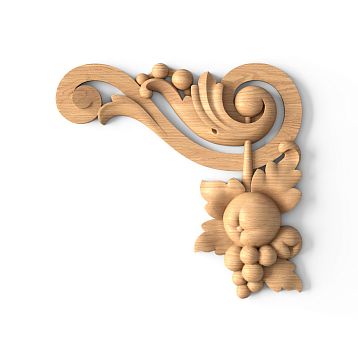
Polyurethane corner elementsand friezes complement the composition. Corners are decorative overlays at the joints of moldings, which mask cuts and create an additional accent. Friezes are horizontal strips of ornament that run under the ceiling cornice, enhancing its decorative quality. All these elements can be combined to create complex multi-level compositions. It's important not to overdo it: classic style loves luxury but does not tolerate clutter.
Why is polyurethane better than plaster for ceiling molding? Besides weight and price, there are several more advantages. Moisture resistance — polyurethane is not afraid of leaks, does not get soggy, and does not lose its shape. Thermal stability — the material withstands temperatures from -40 to +80 degrees, does not deform from the heat of light fixtures. Durability —polyurethane moldingsserves for decades without cracks or crumbling. Ease of installation — one person can install a cornice in a few hours, whereas plaster molding is installed by teams over several days.
Paintingof polyurethane ceiling moldingsopens up wide possibilities for creativity. The classic option is white, which creates a sense of purity and airiness. But you can go further: gilding, patination, multi-layer tinting. Golden accents on the convex parts of the ornament against a general white background create an effect of museum luxury. Patina — artificial aging with darkening in the recesses — gives the molding a historical feel. Tinting to match the wall color makes the decor more integrated into the overall composition.
Detailing: The Importance of Corners and Joining Elements
The devil is in the details — this phrase perfectly describes working with trim products. You can choose the most expensive moldings and baseboards, but if the corners are done carelessly, the joints are misaligned, and the connections are imprecise — the entire effect will be ruined. Professionals know: the quality of trim installation is determined precisely by how the corners and connections are executed. And here special elements come to the rescue —Wooden angles, polyurethane corner overlays, connecting strips.
Why are corners so important? Because it is precisely at corners that different planes converge, lines meet, and joints are created. A perfectly executed corner is invisible — it looks like a single whole, as if the molding or baseboard simply bends. A poorly executed corner catches the eye, creates a sense of carelessness, cheapens the interior. The difference between professional and amateur installation lies precisely in the quality of the corners.
For wooden trim, corners are executed using the method of cutting at a 45-degree angle. This requires precision and experience. First, the actual angle of the room is measured — it rarely is exactly 90 degrees. Then this angle is halved, and the cut is made at the resulting angle with a miter saw. Two cut elements are joined to form a corner. The joint is filled with putty or sealant matching the wood tone, then sanded. When done correctly, the joint is practically unnoticeable.
Wooden corner bracket— a special element used to protect the external corners of walls. This is especially relevant in high-traffic areas where corners are prone to mechanical damage. A wooden corner not only protects but also decorates the corner, creating a finished composition. It can be simple rectangular or shaped with a bevel, painted, or with the natural wood texture. It is mounted with adhesive or screws, and the recesses are filled with putty.
For polyurethane moldings, corners can be executed in two ways. The first — traditional cutting at a 45-degree angle, like with wood. The second — using ready-made corner elements. Many manufacturers offer ready-made internal and external corners for their molding collections. This significantly simplifies installation and guarantees a perfect profile match. The corner element is simply glued into the corner, and straight sections of molding are joined to it.
Joining elements are used when connecting moldings on straight sections. If the wall length exceeds the length of one molding element (usually 2-2.4 meters), a joint is required. The joint must be executed precisely perpendicularly, and both planes must perfectly align. After gluing, the joint is filled with acrylic sealant, which is sanded with fine sandpaper. After painting, a correctly executed joint becomes invisible.
Special attention is required for the junctions of different decorative elements. For example, the transition from wall molding to ceiling cornice, or the abutment ofwooden baseboardto a door casing. These zones require careful fitting, sometimes — custom-made transition elements. Professional installers create templates, dry-fit elements, adjust them, and only then perform the final installation.
Tools for quality work with corners include a miter saw with a rotating platform, a laser level for marking, a miter box for manual cutting, a quality ruler, and a square. For filling joints, acrylic sealants matching the material tone, wood putties, and fine sandpaper for sanding are used. Adhesive is chosen depending on the material: for wood — carpenter's PVA or polyurethane adhesive, for polyurethane — special mounting adhesive for molding.
Harmony of Shades: Painting Polyurethane and Toning Wood
When all decorative elements are installed, the final stage arrives — painting and toning. It is at this stage that disparate details transform into a unified composition. Properly selected shades can unite wood and polyurethane into a harmonious ensemble or, conversely, create a contrast that emphasizes the difference in materials. Which approach to choose depends on the overall interior concept.
The first approach — complete color unity. All decorative elements, regardless of material, are painted the same color. Most often this is white — a classic choice for European interiors. White color makes the molding airy, visually raises the ceiling, creates a sense of purity and light.Wooden trimis also painted white, while the wood grain may show through the paint (patina effect) or be completely hidden under a dense, opaque coating.
For painting polyurethane, water-based acrylic paints are used. Polyurethane does not require priming — modern elements come pre-primed with white primer. It is enough to apply one or two coats of finish paint with a brush or spray gun. It is important to use paint with a matte or semi-matte sheen — gloss is not characteristic of classic decor and visually cheapens the interior. After drying, the paintedPolyurethane moldingsbecomes absolutely monolithic, joints and connections are unnoticeable.
For painting wooden trim, the process is more complex. Wood requires preliminary preparation: sanding, priming, filling pores. Then paint is applied in several coats with intermediate sanding. If you want to completely cover the grain, use enamels with high pigment density. If you want the grain to show through, use glazing compositions or patination techniques.
The second approach — a contrasting solution.Wooden elementsare left in their natural color with a transparent finish, whilepolyurethane moldingsis painted. This technique emphasizes the difference in materials and creates an interesting play of textures. For example, darkoak baseboardin combination with whiteceiling cornices made of polyurethanecreates classic elegance. Or lightbeech trimon the walls paired with cream-colored molding on the ceiling — for a softer, warmer interior.
Wood staining is an art that requires an understanding of wood properties. Oak takes stain beautifully; its open pores absorb pigment, creating a deep, rich color. Popular shades for oak are walnut, wenge, mahogany, and ebony. Beech is less porous and is stained in light tones—bleached oak, ivory, gray. Staining is done with water-, alcohol-, or oil-based stains, then the wood is coated with varnish or oil for protection.
Oil or varnish — what to choose forwooden trim? Oil creates a natural matte look, emphasizes the grain, feels pleasant to the touch, but requires periodic renewal. Varnish creates a protective film, is more durable, but adds shine and a somewhat plastic appearance. For classic interiors, matte or semi-matte water-based varnishes are preferable—they do not yellow over time and have no strong odor.
The third approach is patination and gilding. These are techniques that create an effect of antiquity and luxury. Patination involves applying a dark pigment to a textured surface followed by partial wiping. The pigment remains in the recesses of the ornament, creating contrast and emphasizing detail. Gilding is the application of gold or silver paint to the raised parts of the relief. These techniques work equally well on both polyurethane and wood, creating visual unity.
Practical tips for selecting shades: if you have a dark floor, use a light ceiling—this creates balance and visually increases the height. If the walls are dark,Moldingsshould be light to create contrast and highlight the architecture. If the entire interior is done in light tones, add an accent—for example, a stainedWooden anglein a dark shade. If using color, pay attention to the temperature of the shades—warm and cool tones should combine harmoniously.
Compositional solutions: from symmetry to asymmetry
Classical interior is traditionally built on the principles of symmetry and proportionality. This is a legacy of ancient architecture, where harmony was achieved through mathematical precision of ratios. However, modern classicism also allows for asymmetrical solutions, especially in non-standard spaces. How to find a balance between tradition and modern requirements? How to useWooden trimandpolyurethane moldingto create a compositionally strong interior?
Symmetrical composition implies a mirror reflection of elements relative to a central axis. In a rectangular living room, the axis runs from the entrance to the opposite wall, usually where a fireplace or TV is placed. To the left and right of the axis—identical windows, identical wall panels made ofmoldingis located strictly in the center,Rosetterun evenly along the entire perimeter.Crown Moldingcreates a uniform contour along all walls.Wooden baseboardAsymmetrical composition works in spaces of complex shape—L-shaped, with bay windows, with niches. Here, symmetry is physically impossible, and the designer creates balance through the distribution of visual weight. For example, on one wall a large panel made of
with a mirror, on the opposite wall—several smaller frames with paintings. On the ceiling, the rosette is shifted to the dining area where the chandelier hangs, and in the relaxation area—recessed lights without a rosette. The main thing is that the overall impression is balanced.moldingRhythm is an important compositional tool. Repeating elements create rhythm, guide the eye, and structure the space. For example, on a long corridor wall—a row of identical wall frames made of
at intervals of 1-1.2 meters. Or in the living room—vertical pilasters made ofmolding, dividing the wall into three equal parts. Rhythm should not be monotonous—it can be broken with an accent, for example, by making the central frame larger than the side ones.wooden trimProportions—the ratios of element sizes. The classical golden ratio (approximately 1:1.618) creates harmony that is pleasing to the eye. Applied to moldings, this means that the width of a wall frame should relate to its height approximately as 3:5 or 5:8. The width of
should be proportional to the height of the room—approximately 1/20 - 1/25 of the height. A cornice that is too narrow in a tall room will get lost, one that is too wide in a low room will overwhelm.of the ceiling corniceVerticals and horizontals create the framework of the composition. Vertical elements—pilasters, corner moldings, tall frames—slim the space, raise the ceiling. Horizontal ones—friezes, cornices, wall panels—widen, make the interior more calm and stable. In a classical interior, there must be a balance of verticals and horizontals, otherwise imbalance will arise—the space will become either too tall and narrow, or too low and wide.
Accentuation—highlighting the main element. In every room, there should be a compositional center—a point that first attracts the eye. In the living room, this is usually the fireplace or TV area; in the bedroom—the headboard of the bed; in the dining room—the sideboard or dining set. This center is highlighted with more complex decor. For example, around the fireplace, a portal is created from
with carved elements, and above it—a complex composition ofwooden trimwith a rosette and frieze.polyurethane moldingTransitions between levels should be smooth. From a dark
on the floor throughwooden baseboardof medium tones on the walls to a lightMoldings made of polyurethaneon the ceiling—a gradient is created from earth to sky, from heaviness to lightness. This is not only aesthetically pleasing but also psychologically comfortable—a dark bottom creates a sense of support, a light top—a sense of spaciousness and air.stuccoOn the ceiling — a gradient is created from earth to sky, from heaviness to lightness. This is not only aesthetically pleasing but also psychologically comfortable — the dark bottom creates a sense of support, while the light top gives a feeling of spaciousness and air.
Installation Practice: Tips and Tricks
Theory is good, but how do you put it all into practice? Installing millwork seems simple but contains many nuances. Professionals build experience over years, learn from mistakes, and find optimal solutions. Let's examine the practical aspects of installationwooden trimandpolyurethane moldingto achieve a high-quality and long-lasting result.
Surface preparation is the first and most crucial step. Walls and ceilings must be level, clean, and dry. Irregularities exceeding 2-3 mm per meter of length are unacceptable—the molding or baseboard won't fit tightly, creating gaps. If walls are uneven, they need to be leveled with plaster or drywall. Dust and dirt impair adhesive bonding, so the surface must be primed.
Acclimatization of wooden products is mandatory. Solid wood must spend at least 48 hours in the room before installation to adjust to the local humidity and temperature. If this isn't done, the wood may warp after installation—expand or contract, creating gaps. StoreWooden trimin a horizontal position on a flat surface, avoiding sudden temperature changes.
Marking is the key to even installation. Use a laser level to draw horizontal and vertical lines. Forskirting boardsmeasure the height from the floor, draw a line around the room's perimeter. For wallmoldingmark frames using a tape measure and level. Forof the ceiling corniceset back the specified distance from the ceiling. Don't assume the floor or ceiling is level—check everything with a level.
Cutting corners is a critical operation. Forwooden trimuse a miter saw with fine teeth, set to the precise angle. First cut one piece, place it in position, adjust the angle if necessary, then cut the second. For polyurethane, you can use a fine-toothed saw or even a utility knife for thin moldings. The main thing is a clean cut without chips.
Mountingwooden baseboardis done with screws or liquid nails. Screws are more reliable but require drilling and filling holes. Liquid nails are simpler but only hold on perfectly flat walls. The optimal option is a combination: adhesive for primary fixation plus several screws for security. Fastening spacing is 40-60 cm, with additional fastening at corners mandatory.
Mountingpolyurethane moldingis done exclusively with adhesive. Use special polyurethane adhesive—it sets quickly, creates a strong bond, and contains no solvents. Apply adhesive in a zigzag pattern on the back of the piece, then press the piece to the surface and hold for 30-60 seconds. For heavy pieces, you can use temporary fixation with painter's tape until the adhesive fully cures.
Filling joints is the finishing operation. Use acrylic sealant for polyurethane, wood filler for wooden millwork. Apply sealant from a gun in a thin bead into the joint, then smooth with a wet finger or rubber spatula. Remove excess immediately with a damp cloth. After drying, joints are sanded with fine sandpaper and painted along with the main piece.
Painting is best done after installation—this way you paint all joints and screw heads simultaneously. Use a quality brush for textured areas and a roller for smooth ones. Apply paint in thin coats—three thin coats are better than one thick one. Drying time between coats is according to the manufacturer's instructions, usually 2-4 hours. Let the final coat dry for at least 24 hours before use.
Common mistakes to avoid: installing on uneven walls—creates gaps; using unsuitable adhesive—molding falls off; inaccurate corner cuts—gaps and misalignments; painting before installation—joints are visible; skipping priming—poor adhesion; rushing—adhesive doesn't set, pieces shift. Work carefully, don't rush, and the result will please you.
Stylistic Variations: From Baroque to Minimalism
Classical style is a broad concept. It encompasses opulent Baroque, strict Classicism, refined Art Deco, and modern Neoclassicism. Each direction has its own characteristics in using decor. How to adapt the combination ofwooden trimandpolyurethane moldingto a specific style? Let's examine the main directions.
Baroque—a style of luxury and excess. The most complex and ornate elements are appropriate here.Wooden baseboard15-20 cm high with a carved profile, tinted in dark, noble shades. Wall panels made ofmoldingwith multi-tiered frames, inside—gilded wallpaper or brocade. Ceiling—an abundance ofmolded decoration on the ceiling: wideCrown Moldingwith acanthus leaves, largeOutletswith cherubs, corner elements. Everything is painted white with gilding on the raised parts.
Classicism—restraint and proportionality. Forms are more strict, ornaments orderly.Wooden trimmedium height (10-12 cm) with a simple profile, can be painted white or light tones. WallMoldingscreate symmetrical frames, inside—solid color paint or wallpaper with geometric patterns.Ceiling moldingis elegant but not overloaded: medium-width cornices with rhythmic ornamentation, a classic round rosette with a laurel wreath.
Empire style — imperial grandeur. This style favors symmetry, monumentality, and military symbolism.Wooden elementsdark, massive, with straight lines.Moldings made of polyurethaneform strict rectangular panels.Ceiling Moldingwide, with meanders and palmettes.Outletsmay include eagles, laurel wreaths, military attributes. The color palette is white with gold, sometimes with the addition of malachite or lapis lazuli tones.
Art Deco — geometry and glamour. HereWooden trimcan be made from exotic woods — ebony, rosewood, zebrano.Moldingshave strict geometric profiles — stepped, zigzag.Ceiling moldingincludes geometric ornaments, solar symbols. The color palette is contrasting: ebony and white ceiling, or vice versa. Metallic accents — gold, chrome, bronze.
Neoclassicism — a modern interpretation of classicism. This is the most relevant trend for modern apartments and houses. Forms are simplified, proportions are adapted to the actual dimensions of the rooms, functionality comes first.Wooden baseboardmedium-sized (8-10 cm), can be white or tinted in light shades.Moldingsthin and elegant, create unobtrusive zoning.Ceiling moldingconcise — a simpleCornicearound the perimeter, a smallRosetteor none at all.
Modern classic or contemporary with classical elements — a minimalist approach. Here, moldings are used functionally:wooden baseboardprotects the lower part of the walls,Moldingsconceal material joints,Ceiling cornicemasks the transition to a stretch ceiling. The decorative function is secondary. Profiles are simple, almost flat. Painting is monochromatic, most often white. Wood can be replaced with high-quality MDF.
Mixing styles or eclecticism allows for liberties. You can combine a darkwooden floorin country style with an elegantceiling moldingsin Rococo style. Or modern furniture with strict classicalmoldingson the walls. The main thing is a sense of proportion and professionalism in execution. Eclecticism requires impeccable taste, otherwise it's easy to slide into bad taste.
Care and operation: how to preserve beauty for years
High-quality decor made of wood and polyurethane will last for decades, preserving its original beauty. But this requires proper care. Which procedures are mandatory, which are recommended, and which are better to avoid? Let's consider the care features for each material.
Wooden trimrequires more attentive care. Coated with varnish or oil, it is resistant to everyday loads but has limitations. Wet cleaning is acceptable, but without excess water — wipe with a slightly damp cloth. Avoid aggressive cleaning agents with abrasives, solvents, chlorine — they can damage the coating. Use special wood care products based on soap or wax.
If on awooden baseboardscratches or wear appear, they can be restored. Local restoration includes light sanding of the damaged area with fine-grit sandpaper, application of a tinting compound (if needed) and a protective coating — oil or varnish. For deep damage, wood filler matching the tone may be required, followed by sanding and complete repainting of the element.
Coating renewalwooden trimIt is recommended to perform every 5-10 years depending on the intensity of use. Oil-based finishes require more frequent renewal — every 2-3 years. The procedure involves light sanding to create adhesion, dust removal, and application of a fresh coat of oil or varnish. This refreshes the appearance, restores protective properties, and extends the service life.
polyurethane moldingsIt is low-maintenance. It is not afraid of moisture, does not absorb dirt, and is easy to clean. For regular care, it is sufficient to periodically wipe the surface with a dry or slightly damp soft cloth to remove dust. For deeper cleaning, a mild soap solution can be used, followed by wiping with clean water and drying.
Paintedpolyurethane moldingsIt retains its color for years. High-quality acrylic paint does not yellow, fade, or crack. If the finish has dulled over time or there are stains that cannot be washed off, it can be repainted. Preparation is minimal — light cleaning, degreasing, and applying a new coat of paint. Removal of the old paint is not required if it is still in good condition.
Protection from mechanical damage is important for both materials.Wooden baseboardIn high-traffic areas (hallways, children's rooms), it can be additionally protected with overlays in places of frequent contact.polyurethane moldingsOn the ceiling is protected by its very location — it is simply out of reach. Wall-mountedMoldingsare vulnerable in passageways — here one should be more careful when moving furniture and large objects.
The indoor microclimate affects the durability of the decor.Wooden trimis sensitive to sharp fluctuations in humidity — in overly dry air it may crack, in excessive humidity it may swell. The optimal humidity for wood is 40-60%, temperature — 18-24°C. Use humidifiers in winter and dehumidifiers in damp rooms. Polyurethane is tolerant of any humidity and temperature within the household range.
An annual preventive inspection allows for early detection of problems. Check for any peeling areas, cracks, or deformations. Pay special attention to corners and joints, as issues arise there more often. If defects are found, address them immediately — re-glue, fill, or touch up paint. Timely minor repairs will prevent major problems in the future.
Budgeting: How to Avoid Overpaying and Not Skimp on Quality
Creating a classic interior usingwooden trimandpolyurethane moldingis not a cheap pleasure. But it is not exorbitantly expensive either, if approached wisely. How to allocate the budget? Where can you save without compromising quality, and where is saving inappropriate? Let's examine the economics of the matter.
Pricewooden trimdepends on the wood species, profile complexity, size, and finish.oak baseboardis significantly more expensive than beech. A simple straight profile is cheaper than a complex carved one. A pre-finished painted product is more expensive than solid wood ready for painting. Approximately: a simple beech baseboard 80 mm high costs from 600-800 rubles per linear meter, oak — from 1200-1500 rubles, complex carved oak — from 2500-3000 rubles.
Pricepolyurethane moldingis determined by the size and detail of the ornament. A simple smoothCornice8 cm wide costs from 300-400 rubles per linear meter.Cornice of medium complexity12 cm wide with ornament — from 800-1200 rubles. A wide, complex cornice 20 cm — from 2000-3000 rubles.Outlets— from 1500 rubles for simple ones 40 cm in diameter to 8000-12000 rubles for complex ones 100 cm in diameter.
Installation work constitutes a significant part of the budget. Professional installation ofwooden trimcosts from 300-500 rubles per linear meter depending on complexity. Installation ofpolyurethane molding— from 200-400 rubles per linear meter. Complex elements (rosettes, coffers) — from 30-50% of the product cost. Painting — from 150-300 rubles per linear meter. In total, labor can amount to 50-70% of the material cost.
Where can you save? First — choice of wood species. Instead of oak, use beech or ash — they are visually almost indistinguishable but 30-40% cheaper. Second — purchase solid wood ready for painting instead of pre-finished painted products. You can do the painting yourself or hire a painter — it will be cheaper. Third — simple profiles instead of complex carved ones. Simplicity does not mean primitiveness — many minimalist profiles look very elegant.
Where should you not save? On the quality of the base material. Cheap, poorly dried solid wood will warp after installation. Low-density polyurethane will be soft, and ornament details will blur. On installation quality — poorly installed elements with crooked corners will ruin the entire effect. On the final finish — cheap paint will quickly yellow and crack.
The optimal strategy is a combination of expensive and inexpensive solutions. In visible areas where tactility and close contact are important, use expensive naturaloak baseboard. In less noticeable places — more affordable beech or even high-quality MDF. On the ceiling, where the molding is out of reach and the material does not matter, use inexpensivePolyurethaneof simple forms. Place complex, impressive elements as focal points in compositional centers.
Bulk purchasing offers significant savings. If you are renovating the entire apartment, buy all the trim at once — many manufacturers provide discounts of 10-20% for large volumes. Seasonal sales, promotions, and leftover collections are another way to save. Keep an eye on offers from trusted manufacturers, such as STAVROS.
Self-installation of simple elements also reduces the budget. If you have basic repair skills, a straightSkirtingYou can install straight walls yourself. Complex corners, junctions of different elements, and ceiling work are better entrusted to professionals — mistakes will cost more than the savings on labor. The golden mean is to hire a master for complex sections and do the simple ones yourself.
Frequently asked questions
Can wood and polyurethane be combined in one room?
Not only is it possible, but it's necessary! This is one of the most rational approaches to creating a classic interior. Wood is used where tactility, strength, and visual warmth are important — at floor level in the form ofof wooden floor skirting board, on walls in the contact zone.polyurethane moldingsis placed on the ceiling and upper parts of walls, where its lightness and moisture resistance are optimally manifested. The difference in materials is leveled by uniform painting or harmonious selection of shades. The main thing is to maintain stylistic unity: classicWooden elementsshould be combined with equally classicpolyurethane.
How do I choose the width of baseboards and cornices for my room?
The width of millwork directly depends on ceiling height and room area. For standard ceilings of 2.5-2.7 meters, aSkirtingwith a height of 70-80 mm and aCeiling cornicewith a width of 80-120 mm is optimal. For high ceilings from 3 meters, increase the sizes: baseboard 100-120 mm, cornice 150-200 mm. In small rooms, avoid overly wide millwork — it will visually reduce the space. In large rooms, on the contrary, too narrow millwork will get lost. A universal rule: the width of the cornice is approximately 1/20 - 1/25 of the room height. The baseboard is usually 1.5-2 times narrower than the cornice.
Is it mandatory to paint wooden millwork or can it be left natural?
The choice depends on the overall interior concept. Natural wood with a transparent finish (oil, varnish) emphasizes the texture, creates a warm, cozy atmosphere characteristic of English or American classicism. Painted wood in white or light tones is a hallmark of French and Scandinavian classicism, creating a sense of lightness and airiness. If the floor is made of natural parquet or solid board, it's logical to leave thewooden baseboardnatural, tinted to match the floor. If painted furniture, white walls, andPolyurethane Ceiling Moldingsare used — it's better to paint theWooden trimfor compositional unity. Technically, painting protects wood better than a transparent coating.
After how many years will renewal or repair be required?
With quality installation and proper care,Wooden trimwith an oil coating requires renewal after 2-3 years, with a varnish coating — after 5-7 years. Renewal involves light sanding and applying a new layer of coating. Painted wood retains its appearance for 7-10 years.polyurethane moldingsis practically eternal — the material does not age, deform, or crack. Painted molding holds its color for 10-15 years or more. Local repair may be required for mechanical damage — chips, scratches.Wooden elementsare repairable — they can be sanded and repainted locally. Polyurethane damage is filled with acrylic putty and touched up.
Can polyurethane moldings be used in humid areas?
Yes, this is one of the main advantages of polyurethane. The material is completely inert to moisture, does not swell, deform, or become moldy.Moldings made of polyurethaneare excellent for bathrooms, toilets, kitchens, and swimming pools. After painting with moisture-resistant paint, they withstand direct contact with water and steam. Unlike plaster molding, which becomes soggy and deteriorates in a humid environment,Polyurethaneserves for decades without changes. For bathrooms, polyurethane decor is the optimal choice.Wooden trimcan be used in wet rooms, but with caveats. High-quality protective finishing is required — varnish in several layers or special oil for wet rooms. Dense species are preferable — oak, teak, larch.
How do I care for wooden millwork and polyurethane molding?
Wooden trimWipe with a slightly damp soft cloth along the grain. Avoid excess water and aggressive cleaning agents. Use special wood care products — polishes based on natural wax. They clean, nourish the wood, and renew the protective layer. If scratches appear, use retouching markers or wax pencils matching the wood tone.polyurethane moldingsis low-maintenance — dust is removed with a dry cloth, dirt is washed off with a soapy solution. Mild cleaning agents can be used. After wet cleaning, wipe dry. Painted molding does not need polishing or impregnation — the paint provides sufficient protection. Both materials do not require special professional care; regular household cleaning is sufficient.
How long does it take to install decor in a standard apartment?
For a one-room apartment with an area of 40 sq.m, a professional team will complete the full installation ofwooden baseboards, wallof polyurethane moldingsandceiling cornicesin 3-5 working days. This includes marking, cutting, installation, and filling joints. Painting will add another 2-3 days, accounting for drying time between coats. For a three-room apartment of 80-100 sq.m — 7-10 working days for installation and 3-4 days for painting. Complex elements (OutletsFeatures like coffers and multi-level compositions extend timelines. DIY installation will take 2-3 times longer, especially without experience. The optimal approach is to hire professionals at least for consultation and complex sections.
Conclusion: The Art of Creating Harmony
Creating a classic interior is not just about buying expensive materials and hiring a fashionable designer. It is the art of understanding space, feeling proportions, and skillfully combining different materials and textures.Wooden trimandpolyurethane moldings— are the tools of this art. Each material reveals its strengths in its proper place: wood provides warmth and tactility where we touch it, polyurethane creates airy architectural complexity where lightness and detailing are important.
Harmony of textures is achieved not by mechanical mixing, but by conscious choice. Darkoak baseboardat the bottom creates a sense of stability and connection to the ground. ElegantMoldings made of polyurethaneon the walls structure the space, creating frames for art and decor. Snow-whiteCeiling moldingcrowns the composition, directing the gaze upward, toward the light. From floor to ceiling, from heaviness to lightness, from dark to light — a vertical symphony is created, where each element plays its part.
Modern production technologies have made classic decor accessible. What was once the privilege of palaces and mansions can now adorn an ordinary city apartment. Polyurethane has replaced heavy and expensive plaster, preserving all the beauty of molded forms. CNC woodworking machines create complex profiles with millimeter precision. Professional installers master technologies for fast and high-quality installation. All this makes a classic interior a realistic project for the modern person.
But technology is merely a tool. The main thing is understanding why you want classic style. If it's a tribute to fashion, an attempt to demonstrate status, or copying others' interiors from magazines — the result will be cold and lifeless. A classic interior works when it reflects your values: a desire for beauty, respect for traditions, a wish to create a space that is comfortable to live in and can be passed on to children.Wooden trimthat will last 50 years,polyurethane moldingsthat won't lose the clarity of its relief — this is not extravagance, but an investment in quality of life.
When choosing materials and contractors, turn to trusted manufacturers. The company STAVROS has specialized for over 20 years in the production ofsolid wood moldingsfrom oak and beech, as well as a full range ofpolyurethane molding. In-house full-cycle production, quality control at all stages, a wide dealer network across Russia — STAVROS offers professional solutions for creating classic interiors of any complexity. The company's catalog features hundreds of models ofwooden baseboards, molding, crown moldings, rosettes, corner elements. Technical support, assistance in calculating material quantities, installation recommendations — STAVROS accompanies the project from idea to implementation.
Don't be afraid of classic style. It doesn't become outdated because it's based on proportions that humans have considered harmonious for millennia. It doesn't look old-fashioned if executed with quality and understanding. It doesn't require enormous budgets if approached wisely, combining expensive materials where they matter with affordable ones where the difference is unnoticeable. A classic interior with the right combination ofwooden trimandpolyurethane molding— is a space where you want to live, which you want to be proud of, which creates the atmosphere of a home in the deepest sense of the word.
Start small: replace plastic baseboards withwooden baseboard, add a simpleCeiling cornice. Feel how the room's atmosphere changes. Then add wallMoldings made of polyurethane, create a few frames on the walls. Gradually, your space will gain architectural depth, volume, and character. And when friends ask what has changed in your interior, you'll smile and answer: 'I just added details.' Because it is the details that create harmony, the textures that shape the atmosphere, the combination of materials that turns a room into a true home.