Article Contents:
- Natural Magic of Wood Fibers
- Ecological purity as the foundation of a healthy home
- Variety of Textures and Natural Tones
- Technological Advantages of Natural Materials
- Mechanical strength and durability
- Ease of Processing and Repairability
- Aesthetic Value of Natural Materials
- Visual Warmth and Tactile Sensations
- Natural Beauty of Annual Rings
- Ability to Patinate and Age Gracefully
- Psychological Impact of Natural Materials
- Energy Characteristics of Different Wood Species
- Connection with Nature in Urban Environments
- Versatility of Natural Wood Applications
- Furniture Production: From Classic to Avant-Garde
- Architectural Elements and Decorative Details
- Household Items and Decorative Utensils
- Criteria for Choosing Quality Wood
- Moisture as a Key Quality Indicator
- Absence of Defects and Flaws in Wood
- Proper Processing and Protective Coatings
- Modern wood processing technologies
- Innovative Drying and Stabilization Methods
- Computer-Aided Design and Precision Processing
- Ecologically Clean Finishing Technologies
- Care for Items Made of Natural Wood
- Basic Principles of Operation
- Cleaning and Surface Refresh Methods
- Seasonal Care Considerations
- Trends in the Natural Wood Industry Development
- Ecological Requirements and Certification
- Integration of Traditions and Innovations
- Personalization and individual approach
- STAVROS: Leader in Production of Natural Wood Items
What drives us to continually return to natural materials in the age of high technology? Why do products of natural wood continue to remain symbols of prestige, comfort, and authentic beauty? Perhaps it lies in a primal instinct that tells us: the real always surpasses the artificial.
The modern world is overflowing with synthetic materials, imitations, and substitutes. Yet natural wood remains an unshakable classic, which does not merely decorate space — it animates it. Every fiber, every swirl of the annual rings tells a story of decades of growth under sun and rain.


Wooden fibers' natural magic
Wood is not just a material. It is a living substance that continues to breathe even after processing. The structure of wood has formed over years, absorbing the energy of earth and sky. That is why solid wood items possess a special aura, creating an atmosphere of coziness and harmony.
Natural wood possesses unique physical properties that cannot be artificially reproduced. The natural porosity of wood provides excellent thermal insulation and sound absorption. The thermal conductivity of wood is several times lower than that of metal or stone, making it an ideal material for creating a comfortable microclimate.




Ecological purity as the foundation of a healthy home
In a world where ecological safety is becoming a priority, products made of natural wood represent the standard of purity. Wood does not emit toxic substances, does not contain formaldehyde or other chemicals that may harm health.
Moreover, natural wood can regulate humidity in a room. Wood fibers absorb excess moisture when humidity is high and release it when humidity is low. This natural process creates an optimal microclimate, especially important for children's rooms and bedrooms.
Our factory also produces:


Variety of textures and natural shades
Each type of wood has its own beauty. Oak impresses with the nobility of dark tones and the expressiveness of its texture. Beech demonstrates the elegance of light shades and fine-grained structure. Ash surprises with contrasting stripes and dynamic wood grain patterns.
Spruce and pine bring northern austerity and resinous aroma to interiors. Lime enchants with its delicate whiteness and silky smoothness. Hazel impresses with color stability and moisture resistance.
Get Consultation
Technological advantages of natural materials
Mechanical strength and durability
Natural wood possesses phenomenal strength in bending and compression. The fibrous structure of wood acts as a natural composite — longitudinal fibers provide tensile strength, while transverse bonds prevent material delamination.
Properly processed wood can serve for centuries. Archaeological findings of wooden structures thousands of years old confirm the exceptional durability of this material when proper processing and maintenance technologies are followed.
Ease of processing and repairability
One of the key advantages of wood is its workability. Wood can be sawn, planed, sanded, and milled to produce items of any complexity and configuration. This technological versatility allows creating unique interior items with individual character.
When the surface of a wooden item is damaged, it is easy to restore. Scratches are sanded, dents are sanded out, and wear marks are renewed with a new finish. This repairability makes wooden furniture practically eternal with proper care.
Aesthetic value of natural materials
Visual warmth and tactile sensations
Wood possesses a special visual warmth created by natural tones and soft light reflection from its surface. Unlike cold synthetic materials, wood radiates coziness and harmony.
Tactile sensations from touching natural wood cannot be replaced by any imitation. The silky smoothness of polished surfaces, barely noticeable texture roughness, pleasant material temperature — all of this creates a unique sensory experience.
Natural beauty of annual rings
The pattern of annual rings is a natural work of art that cannot be replicated. Each tree grew under unique conditions, experiencing droughts and rainy years, which is reflected in the unique pattern of wood fibers.
Radial and tangential cuts produce different texture patterns. Radial cut shows even parallel lines, tangential cut reveals wavy patterns and swirls. Master carpenters use these features to create decorative effects.
Ability to patina and noble aging
Natural wood does not lose its beauty over time, but gains a noble patina. Under the influence of light, air, and time, wood changes its tone, becoming deeper and more expressive. This process of natural aging gives items special value and character.
Some wood species are specially treated to accelerate the patination process. Oak is stained to highlight its natural texture. Spruce is artificially aged to create the effect of long-term use.
Psychological impact of natural materials
Energy of different wood species
People have long noticed that different types of trees affect well-being and mood differently. Modern research confirms these observations, revealing the scientific basis for wood's energetic effects.
Oak is considered a wood-donor, capable of replenishing a person with life energy. Solid oak items create an atmosphere of stability and confidence. Beech possesses a soft, calming energy that promotes relaxation and rest.
Coniferous species release phytoncides — biologically active substances with antiseptic properties. The aroma of spruce and pine is not only pleasant but also beneficial for the respiratory system.
Connection with nature in an urban environment
In the context of a megacity, natural wood becomes a link to nature. The presence of wood in interior design helps to relieve stress and create a sense of closeness to the natural environment.
Psychologists note that people living among natural materials experience depression and anxiety less frequently. Wood creates a sense of security and comfort, reminding us of the connection between humans and natural roots.
Variety of applications of natural wood
Furniture production: from classic to avant-garde
The furniture industry remains the main consumer of high-quality wood. Wooden Products It is represented in all varieties of styles and directions in furniture production.
Classic furniture made of solid oak, ash, or beech impresses with its monumentality and durability. Each piece becomes a family heirloom passed down from generation to generation. Carved elements, inlays, patination transform furniture into works of decorative-applied art.
Modern design directions also actively use the possibilities of natural wood. Minimalism highlights the natural beauty of wood grain, loft combines rough wood with metal, Scandinavian style demonstrates the beauty of light-colored woods.
Architectural elements and decorative details
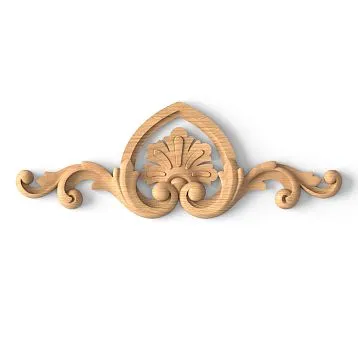
Wooden decor can transform any space. Carved cornices, pilasters, rosettes, capitals create a unique architectural style. Decorative elements made of natural wood add individuality and elegance to the interior.
Solid wood skirting boards and door casings not only perform a functional role but also become important details of the overall composition. Properly selected wooden elements unite scattered interior items into a single harmonious whole.
Staircases made of natural wood are a special direction of joinery art. Precise calculations, intricate processing, artistic finishing transform the staircase into a central element of the interior.
Household items and decorative tableware
Wooden kitchenware is experiencing a second life. Cutting boards, stands, bread boxes made of natural oak or beech are not only practical but also aesthetically pleasing. Wood does not dull knives and possesses natural antibacterial properties.
Decorative plates, vases, candlesticks made from various wood species become interior ornaments. Each item is unique due to its distinctive texture pattern.
Criteria for selecting quality wood
Humidity as a key quality indicator
Properly dried wood is the foundation of product longevity. The moisture content of quality lumber should not exceed 8-12%. Exceeding this level may lead to cracking, deformation, mold, and mildew.
Kiln drying ensures even moisture removal from the entire thickness of the material. This process requires precise adherence to temperature regimes and time cycles. Properly dried wood maintains dimensional stability throughout its entire service life.
Absence of defects and imperfections in wood
Quality lumber should be free of serious defects: through cracks, falling knots, rot, insect damage. Minor knots and small cracks may be acceptable if they do not affect the strength of the product.
Special attention should be paid to the direction of the grain. Straight-grained wood has maximum strength and stability. Wavy or cross-grain may create beautiful decorative effects but reduce mechanical properties.
Proper processing and protective coatings
Quality products of natural wood require professional finishing. Sanding must be done in stages, gradually reducing the grit of the abrasive. Only then is an ideally smooth surface achieved without scratches or marks.
Protective coatings are selected depending on the conditions of use. For indoor spaces, oils, waxes, and water-based varnishes are suitable. They highlight the natural beauty of wood without hiding the texture.
For items subjected to intensive use, polyurethane coatings are applied. They form a durable protective film resistant to abrasion and moisture.
Modern wood processing technologies
Innovative Drying and Stabilization Methods
Modern wood processing uses advanced technologies. Vacuum drying removes moisture at low temperatures, preserving the natural properties of the material. Microwave drying ensures even heating throughout the entire thickness of the workpiece.
Stabilization of wood with special compounds increases its density and resistance to external influences. Wood treated in this way is not afraid of moisture, temperature fluctuations, and practically does not change its dimensions.
Computer-aided design and precision processing
CNC machines allow creating items of the most complex shapes with precision down to tenths of a millimeter. Three-dimensional modeling enables preliminary assessment of the future product's appearance and optimization of material layout.
Laser cutting and engraving open new possibilities for decorating wooden surfaces. It is possible to create intricate patterns, inscriptions, and images with photographic accuracy.
Eco-friendly finishing technologies
Modern finishing technologies are oriented towards ecological safety. Water-dispersive varnishes contain no solvents, dry quickly, and have no odor. Natural oils and waxes highlight the natural beauty of wood, creating 'breathable' coatings.
Thermal treatment allows changing the color of wood without using chemical dyes. High-temperature exposure in a controlled atmosphere imparts wood with noble dark tones.
Care for wooden items
Basic principles of operation
Proper care extends the service life of wooden items for decades. The basic principles are simple: maintaining stable air humidity, protection from direct sunlight, regular cleaning from dust and dirt.
The optimal air humidity for wood is 45-65%. Significant deviations from these values may cause wood to crack or deform. Using humidifiers in winter and ventilating in summer help maintain necessary conditions.
Cleaning and surface renewal methods
Regular dry cleaning with soft cloth or special brush removes dust and prevents its accumulation in wood pores. Wet cleaning is performed with well-wrung cloth and minimal water.
To renew protective coating, special compounds are used: wax-based polishes, oils for nourishing wood, restorative mastics for filling minor damages.
Deep restoration includes sanding damaged areas and reapplying protective coating. This procedure restores the item's original appearance and extends its service life.
Seasonal care specifics
In winter, when heating is in operation, air becomes especially dry. Wooden items require additional humidification and protection against drying out. Special wood conditioners help maintain fiber elasticity.
In summer, the main threat is excessive humidity and ultraviolet radiation. Protection from direct sunlight and good ventilation prevent mold growth and surface fading.
Trends in the development of the natural wood industry
Environmental requirements and certification
The modern wood industry develops in the direction of ecological responsibility. FSC certification guarantees that wood comes from sustainably managed forests. Consumers increasingly choose products with ecological labeling.
Waste recycling in wood processing is becoming an important development direction. Sawdust and shavings are used to produce pellets, wood flour, composite materials. Zero-waste technologies reduce environmental impact.
Integration of traditions and innovations
Modern production combines traditional carpentry techniques with innovative technologies. Master craftsmanship is complemented by automated equipment capabilities. This approach ensures high quality while preserving the individual character of items.
Studying traditional wood processing methods helps find new solutions. Ancient techniques for joining parts without metal fasteners, natural protective coatings, artistic processing methods — all of these find application in modern production.
Personalization and Individual Approach
Demand for custom-made items created according to personal projects is growing. Clients want to obtain unique products reflecting their tastes and needs. Modern technologies make this approach economically viable even for single orders.
Digital technologies allow customers to participate in the creation process: choosing wood species, finish type, decorative elements. Virtual reality enables evaluating the future item in the interior before production begins.
STAVROS: leader in the production of wooden items
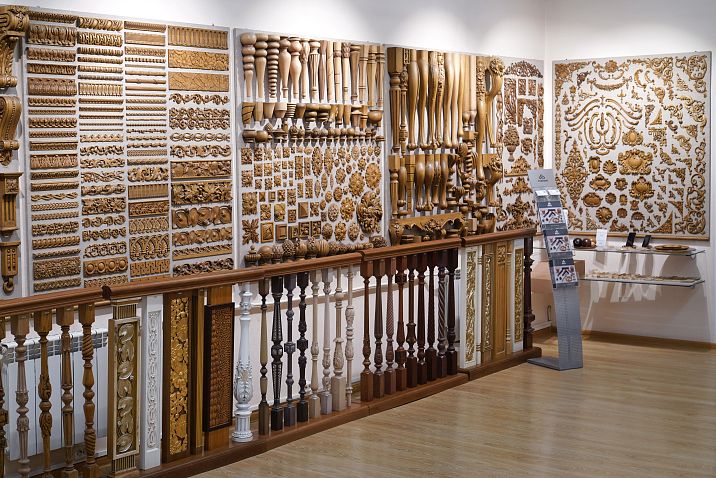
When speaking about high quality and innovative approaches to working with natural wood, it is impossible not to mention the company STAVROS — a recognized leader in the Russian woodworking market. Since 2002, the company has established itself as a premium-class producer combining centuries-old carpentry craftsmanship with advanced technologies.
STAVROS specializes in creating exclusive carved decoration, wooden hardware from natural woodThe company works exclusively with premium Caucasian wood — top-grade oak and beech. All timber undergoes professional kiln drying with humidity control. The use of European equipment and materials ensures compliance with international quality standards.
The production capacities of STAVROS allow executing orders of any complexity — from individual exclusive items to large commercial projects. The company has participated in the restoration of significant landmarks such as the Alexander Palace and the Trinity Cathedral, confirming the exceptional skill of its specialists.
STAVROS recently launched a new direction — the production of premium wooden tableware from select oak. Plates, bowls, cutting boards combine functionality with aesthetic appeal, perfectly suited for both home use and restaurant business.
Choosing STAVROS products, you receive a guarantee of unparalleled quality, based on years of experience and deep understanding of wood nature. Each product of the company embodies the philosophy of naturalness, beauty, and durability, making your home truly cozy and harmonious.
Choosing STAVROS products, you receive a guarantee of unparalleled quality, based on years of experience and deep understanding of wood nature. Each product of the company embodies the philosophy of naturalness, beauty, and durability, making your home truly cozy and harmonious.