Article Contents:
- Revolution of polymer materials in architectural decoration
- Chemical nature of polyurethane
- Technological breakthrough in processing
- Unique advantages of polyurethane compositions
- Mechanical properties
- Climate resistance
- Chemical inertness
- Modern manufacturing technologies
- Component preparation
- Mixing and dosing
- Casting and molding
- Variety of decorative elements
- Architectural profiles
- Window and door frames
- Columns and pilasters
- Features of installation and mounting
- Foundation Preparation
- Mounting systems
- Joint sealing
- Operational Characteristics and Longevity
- Resistance to atmospheric influences
- Mechanical strength
- Dimensional stability
- Classic Directions in Modern Interpretation
- Classical styles
- Modern directions
- Author's solutions
- Economic advantages of polyurethane solutions
- Material cost
- Transportation and logistics
- Installation work
- Comparative analysis of materials for facade decoration
- Polyurethane vs. natural stone
- Polyurethane vs. gypsum
- Polyurethane vs. fiber concrete
- Innovative technologies and prospects for development
- Nanotechnology in polyurethane
- Integration of electronic systems
- Biocompatible compositions
- Practical recommendations for use
- Architectural planning
- Technical design
- Selection of contractor
- Frequently Asked Questions
- Conclusion

What defines the face of a modern building? How to transform a typical structure into an architectural work of art?Facade decoration made of polyurethaneOpens boundless possibilities for creating unique architectural forms, where traditional craftsmanship meets advanced technologies.
In the era of rapid development of construction materials, polyurethane became a true breakthrough, revolutionizing approaches to facade decoration. This remarkable material combines the best qualities of natural stone, wood, and plaster, surpassing them in many parameters. The lightness of polystyrene foam, the strength of concrete, the plasticity of clay — all of this is embodied in one universal solution.
Modern architects have received in their hands a material of dreams, capable of realizing any creative ideas without the limitations imposed by traditional technologies. Delicate plant ornaments, complex geometric compositions, replicas of historical elements — all of this has become accessible thanks to the unique properties of polyurethane compositions.

Revolution of polymer materials in architectural decoration
The history of construction materials knows few revolutionary moments comparable in significance to the introduction of polyurethane into the production of decorative elements. This synthetic polymer fundamentally changed perceptions of facade decoration possibilities, ushering in a new era in architectural design.




Chemical nature of polyurethane
Polyurethane is a product of the reaction between polyols and isocyanates, resulting in a three-dimensional polymer network with unique properties. By varying the ratio of components and introducing different modifiers, materials with specified characteristics — from elastic to rigid, from transparent to opaque, from light to heavy — can be obtained.
Facade decoration made of polyurethaneIt is manufactured from special rigid compositions, optimized for outdoor use. The density of such materials is 500-700 kg/m³, which is five times less than the density of natural stone. At the same time, the strength characteristics remain at the highest level.
The molecular structure of polyurethane ensures exceptional resistance to atmospheric influences. Polymer chains are not susceptible to hydrolysis, are resistant to ultraviolet radiation when appropriate stabilizers are used, and retain elasticity over a wide temperature range.
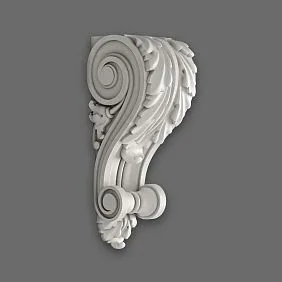
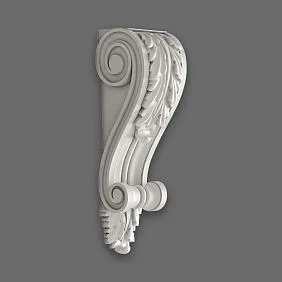
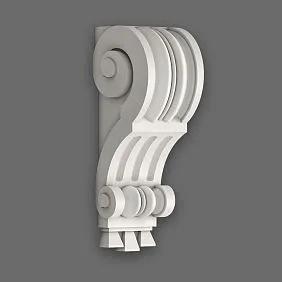
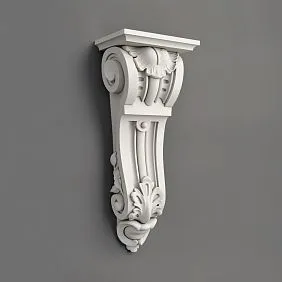
Our factory also produces:


Technological breakthrough in processing
Modern methods of processing polyurethane allow achieving an unprecedented accuracy in reproducing the finest details. Vacuum casting into silicone molds ensures the transfer of relief with accuracy down to microns, which is unattainable when working with traditional materials.
The ability to create elements of any complexity without geometric limitations has opened new horizons for designers. Chamfers, through holes, delicate lintels — all of this has become possible due to the fluidity of polyurethane compositions and their ability to precisely reproduce the matrix shape.
Computer modeling and CNC processing of master models have enabled the creation of elements with mathematical precision. Modernpolyurethane productsare manufactured with tolerances corresponding to machine-building standards.
Get Consultation
Unique advantages of polyurethane compositions
Polyurethane as a material forarchitectural decorationdemonstrate a complex set of advantages unattainable by other materials. Each of these advantages opens new possibilities for architects and builders.
Mechanical properties
The compressive strength of polyurethane reaches 60-80 MPa, comparable to the values of concrete grade M600-M800. At the same time, the material retains a certain elasticity, preventing brittle failure under impact loads.
The bending strength is 80-120 MPa, exceeding similar indicators of many traditional materials. This allows manufacturing extended elements — cornices, moldings, and moldings — without intermediate supports.
The modulus of elasticity of polyurethane is in the range of 2000-4000 MPa, ensuring sufficient rigidity of elements while maintaining the ability to undergo elastic deformations. These characteristics are critically important for facade elements subjected to thermal deformations of the building.
Climate Resistance
Freeze Resistancepolyurethane facade decorationexceeds F300, meaning the ability to withstand more than 300 freeze-thaw cycles without loss of strength. This is especially important for the Russian climate with its sharp temperature fluctuations.
The material's water absorption does not exceed 1-2% by mass, which excludes destruction due to freezing expansion of water in pores. The closed polymer structure prevents moisture penetration into the material's bulk.
Polyurethane's temperature stability ensures retention of properties in the range from -60°C to +80°C. This range covers all possible climatic conditions of operation in temperate latitudes.
Chemical Inertness
Polyurethane demonstrates high resistance to aggressive environments. Acids, alkalis, salts, organic solvents — all these substances do not exert a destructive effect on the polymer matrix.
The material's biological resistance excludes damage from fungi, mold, microorganisms. Polyurethane is not a nutrient medium for biological objects, which is especially important under high humidity conditions.
UV resistance is achieved by introducing special stabilizers — benzophenones, benzotriazoles, sterically hindered amines. These additives absorb harmful radiation, preventing polymer degradation.
Modern manufacturing technologies
Productionpolyurethane facade decorationis a high-tech process requiring precise adherence to multiple parameters. Each production stage affects the quality of the final product.
Component Preparation
The quality of raw components determines the properties of the final material. Polyols undergo careful drying to remove moisture and impurities, as even trace amounts of water can lead to the formation of pores and reduced strength.
The isocyanate component requires special storage and preparation conditions. These chemically active compounds readily react with atmospheric moisture, forming undesirable reaction products. An inert atmosphere and humidity control are mandatory working conditions.
Catalysts and modifiers are introduced in precisely calculated amounts. Even minor deviations from the recipe can drastically alter the properties of the final material — curing time, final strength, dimensional stability.
Mixing and Dosing
The accuracy of component dosing is critically important for obtaining material with specified properties. Modern equipment ensures accuracy of ±0.1%, guaranteeing consistent characteristics from batch to batch.
High-speed mixing for a strictly defined time ensures homogenization of components without entraining air. Vacuum degassing removes air bubbles that may have formed during mixing.
Mixing temperature control prevents premature curing of the composition. Cooling systems maintain optimal temperature to ensure maximum pot life of the mixture.
Casting and Molding
Silicone molds for castingpolyurethane productsare manufactured from master models with exquisite precision. The quality of the mold determines the surface quality of the finished product.
Vacuum impregnation of the mold with the composition eliminates the formation of air bubbles on the surface of the casting. This process requires special equipment and precise parameter control.
Curing regime — temperature, time, humidity — is strictly controlled throughout the entire cycle. Optimal conditions ensure maximum polymerization degree and, consequently, superior physical and mechanical properties.
Variety of Decorative Elements
Facade decoration made of polyurethaneincludes a wide range of elements capable of meeting any architectural requirements. Each category has its own design and application characteristics.
Architectural Profiles
Moldings and cornicesform the basis of facade decoration systems. These elements establish the building's architectural rhythm, emphasize its proportions, and create play of light and shadow.
Inter-floor cornices visually divide the facade into tiers, giving the building classical proportions. Modern technologies allow creating cornices of any complexity — from simple linear profiles to richly decorated compositions with botanical ornamentation.
The cornices complete the architectural composition of the facade, creating an expressive silhouette of the building. These elements often carry not only decorative but also functional loads — they protect walls from atmospheric precipitation and conceal technical utilities.
Plinth bands protect the lower part of the building from mechanical damage and visually connect the structure with the landscape. Polyurethane plinth elements are resistant to moisture and mechanical impacts.
Window and door frames
Polyurethane appliquésfor windows and doors create expressive accents on the facade. These elements can imitate classical moldings, modern frames, and historical styles.
Keystone stones above arched openings emphasize the architectural significance of entrances. Polyurethane allows creating keystones of any complexity — from simple wedge-shaped to richly decorated ones with coats of arms and ornaments.
Sashills above windows perform a protective function and create a rhythmic pattern on the facade. Different sashill profiles — triangular, arched, straight — allow creating diverse architectural compositions.
Sill elements and consoles support the visual composition of window openings. These details are especially important in classical styles, where each element must be proportional and harmonious.
Columns and pilasters
Polyurethane columns embody classical architectural traditions in a modern material. The ability to create fluted shafts, elegant bases, and luxurious capitals opens up limitless possibilities for designers.
Composite orders — Doric, Ionic, Corinthian — precisely reproduce ancient proportions. Meanwhile, polyurethane columns are significantly lighter than stone counterparts, simplifying their installation and reducing load on the foundation.
Pilasters — flat columns — are used where it is not possible to install full columns. They create the illusion of an order-based architecture with minimal protrusion from the wall surface.
Installation and mounting features
Installationpolyurethane facade decorationrequires adherence to certain technological requirements. Proper installation ensures the longevity and reliability of the entire decorative system.
Foundation Preparation
The quality of the base determines the reliability of attaching decorative elements. The surface must be flat, clean, dry, and free of peeling sections of old coatings.
Priming the base improves the adhesion of adhesive compositions and prevents moisture from the adhesive from penetrating into the base. The type of primer is selected depending on the wall material — concrete, brick, plaster require different compositions.
Element placement marking is performed using laser levels and measuring tools. The accuracy of marking is critically important for creating a harmonious composition.
Mounting Systems
Combined fastening — adhesive plus mechanical fastening — ensures maximum reliability. The adhesive joint takes on permanent loads, while mechanical fastening safeguards against detachment under extreme conditions.
Polyurethane adhesives provide strong and elastic bonding with the base. The elasticity of the adhesive joint compensates for thermal deformations and prevents crack formation.
Mechanical fastening is performed using special anchors with polymer sleeves, eliminating corrosion and thermal bridges. The number and placement of fastening points are calculated based on the size and weight of the elements.
Joint sealing
Joints between elements require quality sealing to prevent moisture penetration. Polyurethane sealants provide elastic and long-lasting connections.
Thermal expansion joints are provided on long elements to compensate for thermal deformations. The width of the joints is calculated based on climatic conditions and the material of the base.
Protection of joints from direct water exposure is achieved by placing them in protected zones or using special profiles that divert moisture.
Operational characteristics and durability
Durabilitypolyurethane facade decorationis determined by a complex of factors — material properties, manufacturing quality, operating conditions, and correct installation.
Resistance to atmospheric effects
Climate tests show that polyurethane elements retain their properties for decades of continuous operation. The material is not prone to cracking, fading, or deformation when manufacturing technology is followed.
Freeze-thaw cycles do not cause destructive effects due to the material's low water absorption and elasticity. Polyurethane retains integrity even under sharp temperature fluctuations.
Resistance to ultraviolet radiation is ensured by incorporating UV stabilizers into the polymer composition. Modern additives prevent photodegradation throughout the entire service life.
Mechanical strength
The impact toughness of polyurethane significantly exceeds the values of brittle materials — plaster, cement, natural stone. This eliminates damage from accidental mechanical impacts.
Vibration resistance is important for buildings located near transportation arteries. Polyurethane absorbs vibrations without accumulating fatigue damage.
Resistance to wind loads is ensured by proper calculation of the mounting system. Polyurethane elements can withstand extreme wind loads without damage.
Dimensional Stability
The linear expansion coefficient of polyurethane is 6-8×10⁻⁵ K⁻¹, comparable to that of construction materials. This eliminates excessive stresses in the mounting system.
The material's moisture stability prevents swelling and warping due to changes in air humidity. Element dimensions remain stable regardless of weather conditions.
Long-term dimensional stability is ensured by complete polymerization of the material and absence of residual stresses in the products. Properly manufactured elements do not deform over time.
Design possibilities and stylistic solutions
Facade decoration made of polyurethaneOpens unlimited possibilities for creative self-expression. The material allows realization of any architectural styles and design concepts.
Classic styles
Ancient architecture has been reborn in polyurethane form. Precise reproduction of classical proportions, detailed ornamentation, and fine texture rendering — all of this has become accessible thanks to modern technologies.
Order systems — the foundation of classical architecture — are executed according to canonical proportions. Doric, Ionic, and Corinthian orders recreate the atmosphere of antiquity in modern material.
Baroque elements, with their opulence and ornamentation, find ideal embodiment in polyurethane. Complex curved forms, rich vegetal ornamentation, multi-layered compositions — all of this is created with remarkable precision.
Modern interior styles also use oak skirting boards, but in a different interpretation. Minimalism prefers simple rectangular profiles without decorative elements. Smooth surfaces with matte finish create a sense of strictness and elegance.
Minimalism requires flawless surface quality and sharp lines. Polyurethane allows creating elements with perfectly smooth surfaces and sharp edges, unattainable in other materials.
High-tech style is expressed through metallic finishes of polyurethane elements. Imitation of stainless steel, anodized aluminum, and colored metals creates a futuristic facade appearance.
Bionic forms inspired by natural objects are easily realized in polyurethane. Organic curves, natural textures, asymmetrical compositions create unique architectural images.
Custom Solutions
Custom design allows creating unique elements based on designer sketches. 3D modeling and prototyping ensure precise realization of the designer's concept.
Personal symbols and ornaments can be integrated into decorative elements. Family crests, corporate logos, original ornaments — all of this becomes part of the architectural composition.
Exclusive collections are created for specific projects. Development of unique stylistics, creation of original element typologies, formation of individual architectural language — these are the possibilities of modern design.
Economic advantages of polyurethane solutions
Economic efficiencypolyurethane facade decorationIs manifested at all stages — from design to operation. Comprehensive cost analysis demonstrates obvious advantages of this material.
Material cost
The price of polyurethane elements is 30-50% of the cost of similar natural stone products with comparable aesthetic qualities. This makes high-quality decoration accessible to a wide range of clients.
The absence of the need to sort and select elements, typical for natural materials, simplifies planning and reduces waste. Each element has stable dimensions and quality.
The possibility of manufacturing elements exactly to project dimensions eliminates trimming and on-site fitting. This saves installation time and reduces waste.
Transportation and Logistics
The low mass of polyurethane elements drastically reduces transportation costs. A truck can carry 5-7 times more decorative elements compared to stone equivalents.
The material's impact resistance allows using simple packaging without risk of damage during transport. This further reduces logistics costs.
Compact packaging optimizes warehouse space usage. Polyurethane elements can be stacked in multiple layers without risk of deformation.
Installation works
The ease of processing polyurethane with standard tools reduces requirements for installer qualifications. Elements are easily cut, drilled, and sanded without special equipment.
High installation speed is ensured by the low mass of elements and ease of working with them. Two installers can install elements that would require a team of five when using stone.
All-season installation is an important advantage of polyurethane. Elements can be installed at negative temperatures, expanding the construction season timeframe.
Comparative analysis of materials for facade decoration
Objective comparisonpolyurethane facade decorationUsing alternative materials helps make an informed decision when choosing a decorative system.
Polyurethane vs. Natural Stone
Natural stone remains the benchmark of prestige, but polyurethane surpasses it on many practical metrics. The weight of polyurethane elements is 5-7 times less than that of stone, which is crucial for cantilevered structures.
Polyurethane's workability is incomparably higher. Complex profiles, thin lintels, deep recesses — all of this is easily achievable in polyurethane and extremely difficult in stone.
The cost of polyurethane elements is 2-3 times lower than that of comparable quality stone analogs. The savings are especially noticeable for complex profiled items.
Polyurethane vs. plaster
Gypsum has traditionally been used for interior decoration, but its application on facades is limited by low moisture resistance. Polyurethane lacks these drawbacks and can be used in any climatic conditions.
Polyurethane's strength is many times greater than that of gypsum. This eliminates damage during transportation, installation, and operation.
The longevity of polyurethane elements is measured in decades, whereas gypsum items require regular coating renewal and repairs.
Polyurethane vs. Fiber Concrete
Fiber concrete is a modern composite material with good operational characteristics. However, its density is 3-4 times higher than that of polyurethane, which creates additional loads on structures.
Polyurethane's technological capability is significantly higher. Complex shapes are easily reproduced by molding, whereas fiber concrete requires complex tooling to achieve a quality surface.
Polyurethane elements are more repairable due to the possibility of local restoration of damaged areas using special compositions.
Innovative technologies and development prospects
Development of production technologiespolyurethane facade decorationContinues, opening new possibilities for architects and builders.
Nanotechnology in Polyurethane
Introducing nanoparticles into the polyurethane matrix dramatically improves the material's properties. Nanoclays enhance barrier properties, nanocarbon improves thermal and electrical conductivity, and titanium dioxide nanoparticles provide photocatalytic properties.
Self-cleaning surfaces with TiO₂ nanoparticles break down organic contaminants and destroy microorganisms under ultraviolet light. Such coatings retain their original appearance without additional maintenance.
Hydrophobic nanopaints create a lotus effect — water droplets roll off the surface, carrying away dirt particles. This is especially important for horizontal and sloped elements.
Integration of Electronic Systems
Smart decorative elements with built-in sensors monitor the facade's condition in real time. Sensors for humidity, temperature, and deformation transmit data to building management systems.
Integrated lighting transforms decorative elements into architectural lighting sources. LED strips embedded in cornices and moldings create striking light compositions.
Heating elements prevent icing of critical zones. This is especially important for water drainage elements in climates with frequent freeze-thaw cycles.
Biocompatible Compositions
Environmental requirements stimulate the development of biodegradable polyurethane compositions for temporary structures. Such materials fully degrade under natural conditions within a specified time.
Antimicrobial additives create surfaces actively suppressing the growth of pathogenic microorganisms. This is especially important for public buildings with high foot traffic.
Air-purifying compositions with photocatalytic properties turn facades into active urban air purifiers. Buildings become participants in the city's ecological system.
Practical application recommendations
Successful usepolyurethane facade decorationRequires adherence to certain principles of design, material selection, and work organization.
Architectural Planning
Harmony of proportions is the foundation of a successful architectural solution. The dimensions of decorative elements must correspond to the scale of the building and surrounding structures. Excessively large elements on a small house appear inappropriate, while small details are lost on large facades.
Stylistic unity requires consistent application of the chosen architectural language. Mixing different styles may create an eclectic composition, but requires high designer professionalism.
The functional logic of decorative elements must correspond to their historical purpose. Cornices should appear capable of bearing loads, columns — supporting floors, even if they perform only decorative functions in reality.
Technical Design
Load calculations take into account not only the weight of elements but also wind, seismic, and temperature effects. Modern calculation programs allow simulating the behavior of decorative systems under various conditions.
Detailing of mounting nodes is a critically important design stage. Each type of element requires an individual approach to selecting the mounting system. Standard solutions are not always applicable to non-standard elements.
Coordination with engineering systems prevents conflicts between decorative elements and technical utilities. Ventilation ducts, cable runs, and drainage systems must be integrated into the overall composition.
Contractor Selection
Experience working with polyurethane elements is the key criterion for selecting a mounting organization. The material's specific properties require knowledge of its characteristics and processing peculiarities.
Availability of necessary equipment ensures high-quality work performance. Laser levels, precision measuring tools, specialized fasteners — all of this must be in the contractor’s arsenal.
Warranty obligations protect the client from hidden defects and premature failures. Serious contractors provide a warranty of at least 5 years for completed work.
Frequently asked questions
How long does polyurethane facade decoration last?
The service life of quality polyurethane decoration ranges from 25 to 50 years depending on climatic conditions and installation quality. The material is resistant to corrosion, rot, and damage from freeze-thaw cycles. The warranty period is typically 10–15 years.
Can polyurethane elements be painted?
Yes, polyurethane holds any facade paints well — acrylic, silicone, polyurethane. The surface does not require special preparation; paint is applied using standard methods. It is recommended to use paints with UV protection to extend the coating’s service life.
How do polyurethane elements behave in a fire?
Modern polyurethane compositions for facade decoration belong to fire resistance class G2-G3 (moderately flammable), meeting fire safety requirements for facade materials. When burning, the material releases no more toxic gases than wood.
Do polyurethane elements fade in the sun?
Quality polyurethane elements contain UV stabilizers that prevent fading. When using lightfast pigments, the color remains unchanged throughout the entire service life. Cheap items without UV protection may change color within 2–3 years.
Can a damaged element be repaired?
Yes, polyurethane is easy to repair. Minor damages are filled with special repair compounds; large defects can be corrected by applying patches or replacing fragments. Repaired areas become indistinguishable from the rest of the surface.
Is it necessary to insulate the wall under polyurethane decoration?
Polyurethane elements themselves are not insulation. If facade insulation is planned, it should be installed before mounting decorative elements. Modern mounting systems allow mounting decoration over insulation without compromising reliability.
Conclusion
Facade decoration made of polyurethaneRepresents an optimal combination of aesthetic possibilities, technical characteristics, and economic efficiency. This innovative material has revolutionized architectural decoration, making high-quality decoration accessible to a wide range of clients.
The unique properties of polyurethane — lightness, strength, durability, and technological versatility — open up boundless opportunities for architects to express their creativity. Accurate reproduction of historical styles, creation of original compositions, realization of the most daring design ideas — all of this has become possible thanks to modern polyurethane compositions.
The prospects for technology development promise even more opportunities. Nanotechnologies, integration of electronic systems, eco-friendly compositions — these innovations will make polyurethane decoration even more attractive for modern architecture.
The economic advantages of polyurethane are especially important in conditions requiring optimization of construction costs. Reducing material, transportation, and installation costs while maintaining high-quality results makes this choice obvious for rational clients.
The company STAVROS remains a leader in the production of high-quality polyurethane facade decoration. Years of experience, modern technologies, and continuous product improvement enable STAVROS to create products that exceed the expectations of even the most demanding clients. Choosing STAVROS products means obtaining not just decorative elements, but comprehensive architectural solutions capable of transforming any building and making it a true ornament of the urban environment.