Article Contents:
- Evolution of window decoration: from utility to art
- Historical roots of the tradition
- Industrial revolution and standardization
- Typology of window decoration elements
- Casing: frames for architectural pictures
- Sill caps and cornices: protection and beauty
- Sill elements and friezes
- Materials of modern window decoration
- Polyurethane: revolution in decoration production
- Composite materials of new generation
- Manufacturers and suppliers: how to choose a reliable partner
- Stylistic directions in window decoration
- Classic style: eternal principles of beauty
- Baroque: Theatricality and Emotional Impact
- Modern: Organic Forms and Natural Harmony
- Modern minimalism: beauty of simplicity
- Design and manufacturing technologies
- Digital modeling and visualization
- Precision manufacturing technologies
- Protective coating systems
- Installation and mounting of window decoration
- Preparation work and foundation analysis
- Mounting systems and installation technologies
- Sealing and final finishing
- Functional advantages of window decoration
- Protective properties and climatic functions
- Acoustic Characteristics
- Energy efficiency
- Economic aspects of window decoration
- Investment attractiveness
- Operational costs
- Regional characteristics and climate adaptation
- Northern regions: extreme conditions
- Southern Regions: Protection from Sun and Heat
- Coastal areas: aggressive environment
- Technology Development Prospects
- Smart Materials of the Future
- Digital Production Technologies
- Frequently Asked Questions
- Which material is better to choose for window decoration?
- Is it difficult to install window decoration yourself?
- How long does modern window decoration last?
- Does window decoration affect room lighting?
- Can decoration be installed on plastic windows?
- Does window decoration require special maintenance?
- How to choose a window decoration style?
- How much does window decoration cost?

Windows are the eyes of a house, through which the building looks at the world and tells about its character.Facade decoration for windowsTransforms ordinary window openings into expressive architectural accents capable of radically changing the perception of the entire building. Each casing, each sash, each decorative detail around the window becomes part of a larger architectural story told by the house's facade.
Why do some houses attract attention and remain in memory, while others go unnoticed? The secret lies in the details, and window decoration plays a key role in this. Properly decorated windows create rhythm, set scale, and define the stylistic direction of the entire facade. They can make a house cozy and homely or grand and imposing, romantic or strictly business-like.
Modern technologies have opened up boundless possibilities for window decoration for designers and homeowners. From classic casings to avant-garde compositions — today, any architectural fantasy can be realized using advanced materials and time-tested forms.
Evolution of window decoration: from utility to art




Historical roots of the tradition
The tradition of decorating windows traces its roots to deep antiquity. Our ancestors intuitively understood that window openings needed not only functional protection but also aesthetic decoration. The first casings served exclusively practical purposes — sealing gaps between window frames and walls, protecting against drafts and moisture.
Gradually, utilitarian necessity transformed into art. Masters began to ornament casings with carvings, turning them into true works of decorative-applied art. Each region developed its own traditions, motifs, and symbolism.Solid Wood ItemsThe details of that time are astonishing for their intricacy and artistic perfection.
In different cultures, window decoration acquired special significance. In Russian tradition, casings served not only as decoration but also as protective charms, safeguarding the house from evil forces. Complex geometric patterns, floral ornaments, zoomorphic motifs — all of these carried deep symbolic meaning.
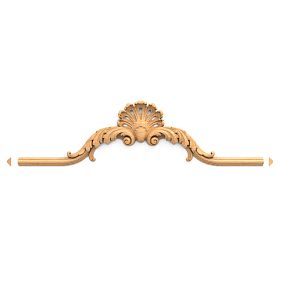
Our factory also produces:


Industrial Revolution and standardization
The Industrial Revolution of the 19th century brought mass production and standardization of architectural elements. Standardized solutions emerged, which could be produced in large quantities at minimal cost. This made decorative window treatment accessible to broader segments of the population.
At the same time, new architectural styles — modernism, constructivism, functionalism — each interpreted the role of window decoration in their own way. Modernism introduced organic forms and asymmetrical compositions. Constructivism proclaimed the primacy of function over form. Functionalism even attempted to abandon decoration altogether.
The 20th century became a time of architectural experiments and the search for new forms of expressiveness.Facade decoration for windowsIt evolved from complex historical forms to minimalist geometric solutions, and then returned again to rich ornamental compositions.
Get Consultation
Typology of window decoration elements
Casings: frames for architectural pictures
Casings are the main element of window decoration, creating the frame for the opening and connecting the window to the wall. Modern casings can be flat or profiled, simple or richly decorated, symmetrical or asymmetrical.
Flat casings are suitable for minimalist and modern solutions. They create clear geometric contours, emphasizing the straight lines of architectural forms. Such casings are often executed in contrasting colors, creating graphic compositions on the facade.
Profiled casings with various protrusions, recesses, and bevels create a rich play of light and shadow. They give windows volume, making the facade more plastic and expressive.moldings, cornices, skirting boardsThey are often used as basic profiles for creating complex casings.
Decorated casings turn windows into true works of art. Carved elements, rosettes, cartouches, floral ornaments create a unique character for each window. At the same time, it is important to maintain stylistic unity among all facade elements.
Sashes and cornices: protection and beauty
Sashes — small cornices above windows — perform an important protective function, diverting rainwater away from the window opening. At the same time, they create additional horizontal accents, structuring the facade and giving it rhythm.
Straight sashes are suitable for strict, minimalist solutions. They create clear horizontal lines, emphasizing the geometric nature of architecture. Such elements are especially appropriate for modern minimalist styles.
Arched sashes soften the rigidity of straight lines, creating more organic, natural forms. They combine particularly well with arched windows, emphasizing their shape and creating harmonious compositions.
Triangular pediment sashes give windows a solemn and ceremonial character. They are often used in classical styles, where symmetry and proportionality of all elements are important.Architectural decorationIt includes numerous variants of such elements of varying complexity.
Sill elements and friezes
The sill area requires special attention when designing window decoration. Sill boards and fascias not only protect the wall from water dripping from the window, but also create important horizontal accents that unify windows into cohesive compositions.
Simple sill boards create clear horizontal lines that structure the facade. They can be made from the same material as the window casings or contrast with them, creating additional color accents.
Profiled sills with various cornice profiles create a more complex facade plasticity. They cast expressive shadows, enrich the wall's light pattern, and make the architecture more volumetric and dynamic.
Decorative sill panels may include ornamental elements that repeat the motifs of the casings or create a contrast to them. Such solutions are especially appropriate for historical styles, where the richness of decorative elements is important.
Materials for modern window decoration
Polyurethane: a revolution in decoration production
The appearance of high-quality polyurethane has been a true revolution in the production ofwindow facade decorationThis material combines lightness, strength, durability, and the ability to reproduce the most complex forms.
The density of polyurethane varies from 300 to 700 kg/m³, which is 3-5 times less than natural stone at comparable strength. This allows creating large decorative elements that do not impose critical loads on the building's load-bearing structures.
The temperature stability of polyurethane is remarkable. The material retains its properties in the range from -60°C to +80°C, making it ideal for Russian climatic conditions. Numerous freeze-thaw cycles do not affect the material's structure.
Polyurethane ItemsThey have a closed-porous structure, which prevents moisture from penetrating into the material. This prevents destruction due to the expansion of freezing water — the main cause of destruction of traditional materials.
New-generation composite materials
The development of the chemical industry led to the emergence of fundamentally new composite materials for facade decoration. Glass-fiber reinforced plastics with various fillers provide a unique combination of strength and lightness.
Fiber concrete with polymer fibers has high flexural and tensile strength. This allows creating thin-walled elements of complex shapes without the risk of damage during transportation and installation.
Ceramoplastic composites combine the beauty of ceramics with the practicality of polymers. They have high chemical resistance, do not fade in sunlight, and are easily cleaned from dirt.
Nanocomposites with the addition of nanoparticles acquire unique properties: self-cleaning surfaces, antibacterial coatings, changes in optical properties depending on lighting conditions.
Traditional materials in modern interpretation
Despite the advantages of synthetic materials, natural materials retain their appeal for those who appreciate authenticity and natural beauty. Modern processing and protective technologies have significantly extended the service life of traditional materials.
Wood of various species provides a rich palette of colors and textures. Modern antiseptic impregnations, water-repellent compositions, and UV filters allow significantly extending the service life of wooden decoration without losing its natural beauty.
Natural stone remains the standard of prestige and durability. Modern processing technologies allow creating extremely thin stone claddings, significantly reducing the weight of structures while preserving all aesthetic advantages.
Ceramics and terracotta are experiencing a second life thanks to new molding and firing technologies. Modern architectural ceramics can imitate any materials or create fundamentally new textures and colors.
Stylistic directions in window decoration
Classic style: eternal principles of beauty
The classic style in window decoration is based on principles of ancient architecture: proportionality, harmony of proportions, noble restraint.Facade decoration for windowsIn the classic style, it creates a sense of reliability, respectability, and good taste.
The basis of classic window decoration consists of architectural orders' elements. Casings may imitate pilasters with capitals and bases. Sill boards are executed as antabements with cornices, friezes, and architraves.
The proportions of classic decoration are strictly regulated by the canons of ancient architecture. The height of the casing should relate to its width as 5:3 or 8:5. The overhang of the sill board's cornice is 1/6 of the window's height.
The color palette of the classic style leans toward light, noble tones. White color symbolizes purity and perfection. Cream and beige shades create a sense of warmth and coziness. Gray tones emphasize seriousness and solidity.
Baroque: theatricality and emotional impact
The Baroque style in window decoration is characterized by opulence, dynamism, and richness of decorative elements. It is a style for those who are not afraid to express emotions through architecture.
Curved lines, volutes, cartouches, and mascarons transform window openings into theatrical decorations. Each window becomes a stage for unfolding architectural drama.Decorative InsertsBaroque style impresses with the complexity and detail of forms.
Asymmetric compositions create a sense of movement and development. Elements of varying sizes and complexity are arranged to create visual tension and emotional impact on the viewer.
The richness of the color palette is another characteristic feature of baroque. Gilding, multi-colored compositions, and contrast play create a luxurious, festive atmosphere. Modern coatings allow for highly accurate imitation of gold and patina.
Modern: organic forms and natural harmony
Modern style in window decoration draws inspiration from natural forms, creating a sense of organicness and naturalness. Plant motifs, flowing lines, asymmetric compositions — all are characteristic features of modern decor.
Modern-style casings can imitate plant stems, intertwining branches, leaves of various shapes. Sash rails take the form of flower buds or unfurling leaves. Each window becomes a unique piece of natural art.
Asymmetry in modern design follows the laws of natural growth. Just as tree branches grow asymmetrically but harmoniously, so do modern decorative elements create a natural, living composition.
The color palette of modern design borrows shades from nature: green tones of various plants, golden hues of autumn leaves, soft pastel tones of flowers, brown shades of bark and earth.
Modern minimalism: beauty of simplicity
Minimalism in window decoration requires a particularly careful approach to each element. There is no room for random details — every line, every plane must be functionally justified and maximally expressive.
Simple geometric shapes — rectangles, squares, circles — become the basis of composition. Beauty arises from ideal proportions and flawless execution.ProductsIn minimalist style, it is characterized by conciseness and strictness of forms.
Monochromatic color solutions emphasize the purity of geometric forms. White, gray, black colors in various combinations create refined graphic quality. Contrasts are used selectively to create compositional accents.
Texture play replaces ornamental complexity. The combination of smooth and textured surfaces, matte and glossy finishes creates a rich tactile palette despite the external simplicity of forms.
Design and manufacturing technologies
Digital modeling and visualization
Modern window decoration design is impossible without the use of computer technologies. 3D modeling allows creating accurate virtual models of future products, calculating their behavior under various conditions, and optimizing the structure.
Parametric design automates the creation of decorative element families. Changing one dimension automatically recalculates the entire geometry of the element, significantly speeding up the adaptation of standard solutions to specific window sizes.
Virtual reality allows evaluating the result even before production begins. Clients can "walk" around their homes, view windows from various perspectives, at different times of day, under different lighting conditions.
Augmented reality allows overlaying virtual decorative elements onto images of real buildings. This is especially useful during the reconstruction of existing homes, when assessing how new elements will harmonize with existing architecture.
Precision manufacturing technologies
Modern productionwindow facade decorationBased on high-precision technologies ensuring reproduction of the finest details with accuracy down to fractions of a millimeter.
Molding technologies use high-quality silicone molds capable of reproducing the texture of a human fingerprint. Multi-component casting allows creating elements of complex configuration in a single technological cycle.
CNC machining technologies ensure ideal geometric accuracy of products. Computer control eliminates human factor influence, guaranteeing repeatability of dimensions and surface quality.
Additive technologies (3D printing) open up new possibilities for creating unique decorative elements. Modern printers can print elements up to several meters in size with a resolution of up to 0.1 mm.
Protective coating systems
The longevity of window decoration largely depends on the quality of protective coatings. Modern multi-layer systems provide comprehensive protection against all types of external influences.
Primer coatings create a strong bond between the base material and finish layers. They contain UV stabilizers, antiseptic additives, and corrosion inhibitors, ensuring long-term protection.
Base coatings form the color and primary surface texture. Modern pigments have high lightfastness and maintain color saturation for decades.
Finish coatings provide final protection and decorative properties. They can be matte or glossy, smooth or textured, single-color or with various decorative effects.
Window Decor Installation and Mounting
Preparation Work and Foundation Analysis
Quality installation of window decor begins with a thorough analysis of the foundation condition. The wall surface around the window must be strong, level, clean, free of cracks and delamination.
Diagnosis includes checking the strength of the plaster layer, identifying hidden defects, and assessing the geometry of the window opening. Weak areas must be removed and restored with quality materials.
Cleaning the surface from dust, dirt, efflorescence, and remnants of old coatings is a mandatory preparation step. Specialized cleaners are used for different types of contamination, without damaging the foundation.
Priming creates optimal conditions for the adhesion of decorative elements to the foundation. Deep-penetration primers strengthen the surface layer, improve adhesion, and prevent efflorescence.
Mounting Systems and Installation Technologies
Modern window decor mounting systems account for all types of loads: self-weight of elements, wind loads, thermal deformations, and possible dynamic loads.
Polyurethane-based adhesive systems ensure even load distribution across the entire contact surface. The elasticity of the adhesive joint compensates for minor deformations of the foundation and decor elements.
Mechanical mounting systems are used for heavy elements or when higher reliability requirements are needed. Special anchors and dowels are selected based on the wall material and mass of the decorative elements.
Combined systems combine the advantages of adhesive and mechanical mounting. Adhesive ensures a sealed connection, while mechanical fastening provides safety under extreme loads.
Sealing and final finishing
Proper sealing of joints between decor elements and walls is a critically important aspect of installation. Poor sealing may lead to moisture penetration and destruction of the entire system.
Elastic sealants based on polyurethane or silicone maintain flexibility throughout the entire service life. They compensate for thermal deformations and prevent crack formation.
Decorative elements can be painted either in factory conditions or on-site. Factory painting ensures higher coating quality, while on-site painting offers more options for individual color selection.
Final quality control includes checking the correct installation of all elements, joint quality, and compliance with design solutions. Identified defects are corrected, and local repainting is performed if necessary.
Functional Advantages of Window Decor
Protective Properties and Climatic Functions
Facade decoration for windowsPerforms important protective functions, extending the service life of window structures and improving the microclimate in rooms.
Sill caps and overhangs divert rainwater away from the window opening, preventing it from reaching the windowsill and joints between the frame and wall. This is especially important for wooden windows, which are sensitive to moisture exposure.
Side casings cover installation joints, preventing cold air and moisture penetration. Properly installed casings can reduce heat loss through window joints by 15-20%.
In summer, protruding decorative elements provide shade for window openings, reducing the load on air conditioning systems. Well-designed overhangs can reduce solar heat gain through windows by 30-40%.
Acoustic characteristics
Decorative elements around windows can influence the acoustic characteristics of a building. Complex-profiled surfaces scatter sound waves, reducing noise from traffic and other external sources.
Deep casings create unique acoustic screens that reflect sound waves from window openings. This is especially relevant for homes located near roads.
The material of decorative elements also affects acoustic properties. Porous materials absorb high-frequency noise components, while dense materials reflect low-frequency components.
Energy efficiency
Properly designed window decor can significantly improve a building's energy efficiency. An additional layer of decorative elements creates air gaps, enhancing the thermal insulation properties of window joints.
Thermal bridges at window-to-wall junctions can be interrupted by decorative elements made of low thermal conductivity materials. This is especially important for energy-efficient homes.
Summer shading of windows with decorative elements reduces heat load on the building, lowering air conditioning costs. In winter, the same elements can provide additional thermal insulation.
Economic Aspects of Window Decor
Investment Appeal
Window decor is one of the most effective ways to increase property value. With relatively small investments, significant improvements in building appearance and, consequently, its market value can be achieved.
Statistical data show that quality facade decoration, including window decor, increases property value by 20-35% at a cost of only 3-5% of the home's value. Such a return on investment is unmatched by any other type of improvement.
Accelerating real estate sales is another economic effect of decoration. Beautifully decorated homes sell 40-50% faster, which is especially important in an unstable real estate market.
The long-term perspective also favors investment in quality decoration. While other types of finishes require regular updates, high-quality polyurethane decoration lasts for decades without losing its appearance.
Operating Costs
Modern window decoration practically requires no special maintenance, significantly reducing operating costs. Polyurethane elements do not require painting, antiseptic treatment, or repair throughout their service life.
Self-cleaning coatings maintain an attractive appearance without additional care. Rainwater washes away surface contaminants, and special additives break down organic contaminants under ultraviolet light.
The energy-saving effect of quality window decoration leads to reduced heating and air conditioning costs. Savings can amount to 10-15% of total building climate control expenses.
Insurance companies often offer discounts on insuring homes with quality finishes, considering them as less risky assets.
Regional characteristics and climate adaptation
Northern regions: extreme conditions
Severe climatic conditions in Russia's northern regions impose special requirements on window decoration materials and structures. Extremely low temperatures, frequent freeze-thaw cycles, snow loads — all these factors must be considered during design.
Materials must be tested for frost resistance under laboratory conditions. Modern polyurethane materials withstand more than 300 freeze-thaw cycles without loss of mechanical properties.
Snow loads are especially critical for horizontal elements — awnings, sills, window ledges. These elements must be designed to withstand maximum regional snow loads with a safety factor.
Mounting systems must account for thermal expansion of different materials. Differences in thermal expansion coefficients can create significant stresses at mounting joints.
Southern regions: protection from sun and heat
In southern regions, the main destructive factors are high temperatures and intense ultraviolet radiation. Materials must maintain stability when heated to 70-80°C for many years.
Color solutions are especially important in hot climates. Light colors reflect sunlight and remain cooler. Dark colors heat up significantly, which may cause thermal deformation.
UV stabilizers in material composition prevent degradation of the polymer matrix. Special light-resistant pigments maintain color saturation for decades.
Ventilation gaps between decorative elements and walls allow excess heat to dissipate, preventing overheating of structures.
Coastal areas: aggressive environment
Coastal zones create especially aggressive environments for facade materials. Salt-laden air, high humidity, abrasive sand effects require the use of special materials and coatings.
Corrosion resistance of fasteners is ensured by using stainless steels or special protective coatings. Multi-layer protective systems include barrier and inhibiting coatings.
Biostability of materials prevents the development of marine microorganisms, algae, lichens. Special biocides create an unfavorable environment for biological damage.
Abrasion resistance of coatings must withstand the impact of sand carried by coastal winds. Special polymer coatings have high wear resistance.
Prospects for technology development
Smart materials of the future
The development of nanotechnology opens prospects for creating materials with fundamentally new properties. Self-cleaning surfaces have already demonstrated their effectiveness and may become standard in the future.
Thermochromic materials, which change color depending on temperature, will allow creating "living" facades that respond to weather conditions. This will add dynamism to architecture and create new artistic possibilities.
Photocatalytic coatings not only self-clean but also purify air from harmful impurities. Such materials are especially relevant in urban environments with high levels of atmospheric pollution.
Piezoelectric elements can generate electricity from mechanical impacts of wind, transforming decorative elements into sources of renewable energy.
Digital production technologies
Additive technologies (3D printing) revolutionize the production of decorative elements. The ability to create items of any complexity without limitations of traditional technologies opens new horizons for creativity.
Robotized production increases the precision and reproducibility of products. Robots can perform complex operations with precision unattainable by humans, working around the clock without compromising quality.
Artificial intelligence optimizes all production processes, from design to logistics. Machine learning analyzes experience from previous projects and suggests optimal solutions for new tasks.
The Internet of Things integrates all elements of the production chain into a single network, ensuring optimal planning and quality control at every stage.
Frequently asked questions
Which material is better to choose for window decoration?
Material selection depends on climatic conditions, building architectural style, project budget, and personal preferences. Polyurethane provides the optimal balance of price, quality, and durability for most applications. It is suitable for any climate zone, requires no special maintenance, and can imitate various materials. Natural materials are preferred for historical sites or when special aesthetic requirements are needed.
Is it difficult to install window decoration yourself?
Installing modern polyurethane window trim does not require special skills or complex equipment. The lightweight elements allow working without lifting mechanisms. Special adhesives and simple mechanical fasteners are used for mounting. Most elements can be cut with ordinary tools. However, for a high-quality result, it is recommended to involve experienced installers.
How long does modern window trim last?
Service life depends on the material and quality of installation. Polyurethane elements last 25-30 years without losing their appearance. Wooden elements, with proper protection, last 15-25 years. Stone elements are practically eternal, but require periodic maintenance. Most manufacturers' warranty periods are 10-15 years.
Does window trim affect room lighting?
With proper design, the impact is minimal. Side trim pieces practically do not affect lighting. Upper elements (sash caps, awnings) may slightly reduce the amount of incoming light, but simultaneously protect against glare and create more comfortable lighting conditions.
Can trim be installed on plastic windows?
Yes, modern mounting systems allow installing trim on windows of any type. It is important to ensure secure attachment to the wall, not to the window frame. Properly installed trim does not affect window operation and can conceal installation joints, improving the appearance.
Does window decoration require special maintenance?
Modern polyurethane trim requires almost no maintenance. Periodic washing with water is sufficient to remove surface dirt. Wooden trim requires periodic renewal of protective coating every 5-7 years. Self-cleaning coatings maintain surface cleanliness without additional intervention.
How to choose a window trim style?
The trim style should match the overall building architecture and surrounding structures. Classic styles are universal and suitable for most cases. Modern solutions combine well with minimalist architecture. When choosing a style, consultation with an architect or designer is recommended.
How much does window trim cost?
Cost depends on the material, complexity of elements, and number of windows. Basic installation of one window with polyurethane trim costs 5-15 thousand rubles. Complex historical styles may cost 20-50 thousand rubles per window. However, the increase in home value typically significantly exceeds the cost of decorating.
Facade decoration for windowsWindow trim is a powerful tool of architectural expression, capable of radically changing the perception of a building. Properly selected and professionally installed decorative elements transform ordinary windows into expressive architectural accents, creating a unique character for each home.
Modern materials and technologies have made high-quality window trim accessible to a wide range of property owners. The variety of styles, materials, and price categories allows finding the optimal solution for any project and budget.
Investments in window trim not only increase property value but also provide daily aesthetic pleasure from admiring beautiful architecture. In a world of standardization and uniformity, creating an individual architectural image becomes especially valuable.
The future of window trim is linked to the development of smart materials, digital manufacturing technologies, and ecological requirements. Personalization, adaptability, and integration with building automation systems — all these trends will define the industry's development over the next decade.
STAVROS is a recognized leader in the Russian architectural decor market, offering a full range of solutions for window decoration — from classic casings to avant-garde compositions. Our long-standing experience, use of advanced materials and technologies, and strict quality control at every production stage guarantee an exceptional result for the most demanding clients. Choosing STAVROS products means investing in beauty, quality, and durability, creating architecture that will delight and inspire for many years.