Article Contents:
- Maximalism as a Philosophy of Life: More Does Not Mean Worse
- Invisible Technologies: Smart Homes Without Buttons or Wires
- Biophilia as a Necessity: Nature Enters the Home
- Adaptive Spaces: The Home-Transformer for a Changing Life
- Personalization Through Artificial Intelligence: A Home That Knows You
- Vintage and Handcrafted: The Value of the Unique in the Age of Mass Production
- New Materials: When Science Meets Design
- Color Revolutions: From Neutrality to Emotion
- Kitchen as a Technological Hub: The Center of the Smart Home
- Bathroom as a SPA: A Space for Self-Care
- Ecology as an Imperative: Design Without Harm to the Planet
- How to Embodiment the Revolution: A Practical Guide
- Frequently Asked Questions
- Conclusion: The Future is Being Created Today

We stand at the threshold of fundamental changes in how we understand, create, and experience the space around us. The year 2026 is not just another trend cycle — it is a true revolution rewriting the rules of the game, erasing boundaries between the real and virtual, the natural and technological, the past and the future. Interior design trends of 2026 are a manifesto of a new way of perceiving the world, where the home ceases to be merely shelter and becomes a living organism that breathes, thinks, adapts, and cares for us.
What drives this revolution? Awareness that old models no longer work. The cold Scandinavian minimalism that dictated rules for decades has run its course — people are tired of sterility and detachment. Mass production stripped interiors of individuality — every apartment started to look like its neighbor. Technology invaded our homes, but remained alien elements — protruding wires and blinking indicators. The pandemic forced us to reconsider the functions of housing — the home became an office, gym, school, cinema. The climate crisis brought ecological questions to the forefront. All these factors merged into a single current that washes away the old and creates the new —revolutionary designwhere every decision carries meaning, every detail matters, every space tells a story.







Maximalism as a Philosophy of Life: More Does Not Mean Worse
Scandinavian minimalism is dead. For many years, we were told: less is better, white walls are a sign of good taste, simplicity is synonymous with elegance. But one day people looked around and realized: their homes had turned into soulless boxes, devoid of spirit, individuality, emotion. Maximalism burst in like a breath of fresh air, like a cry after a long silence, like a riot of colors after black-and-white cinema.
But maximalism in 2026 is not chaotic clutter, not kitschy overload of the 1980s. It is deliberate complexity, where every element has meaning and place. It is collecting meanings, not objects. It is boldness to be oneself, expressing your personality through the surrounding space. Imagine a living room where an emerald velvet sofa sits beside a terracotta-colored armchair, where paintings from different eras and styles hang on the walls, where an antique cherrywood buffet stands next to a modern glass table, where a Persian rug lies on a light oak floor. Does this look eclectic? Yes. But it looks alive, interesting, memorable.
Color returns triumphantly. Deep, saturated shades — emerald, sapphire, garnet, indigo, purple — become backgrounds, not accents. Walls are no longer required to be white or beige. A dark green wall creates the atmosphere of an English club, blue — of a Mediterranean villa, burgundy — of palace luxury. It is important not to fear contrasts: deep green with ochre, terracotta with indigo, honey tones next to lilac. These combinations create energy, dynamism, emotional tension, making the interior unforgettable.
Patterns and ornamentation are no longer taboo. Wallpaper with large botanical motifs, fabrics with geometric prints, tiles with Moroccan patterns, rugs with Persian ornaments — all of this boldly enters interiors. Moreover, designers mix different patterns in one space: striped curtains, checkered armchairs, rugs with abstract patterns. This requires boldness and a sense of proportion, but the result is worth it — the space acquires depth, multi-layeredness, character.
Textures play a key role in the new maximalism. This is not just visual abundance, but tactile richness. Velvet, silk, linen, wool, fur, leather, wood, metal, glass, stone — all these materials coexist in one interior, creating a complex textural palette. Smooth combines with rough, soft with hard, warm with cold. These contrasts make the space interesting for all senses, not just the eyes.
Decorations for the hallbecome not decoration, but a necessary element of the maximalist interior. Carved wooden panels, moldings, cornices, pilasters add architectural expressiveness, creating visual complexity. In maximalism, there is no place for plain walls — every surface must tell a story, have relief, texture, pattern.




Invisible Technologies: Smart Homes Without Buttons or Wires
The paradox of modern technological interiors: the more technology there is, the less visible it becomes.Future of Interior Design— full integration of smart systems, their dissolution into architecture and design. The TV hides in a mirror or picture frame, emerging only by command. Speakers are embedded in walls or disguised as decorative objects. Climate control sensors are invisible. Lighting is hidden behind cornices, in niches, under furniture.
Voice control is becoming standard, but you don't see or hear voice assistants until you call them. No visible speakers, no blinking indicators. The system recognizes your voice from any point in the apartment thanks to microphones built into the ceiling or walls. You simply say: 'Dim the lights,' 'Play music,' 'Raise the temperature by two degrees' — and it happens.
Lighting reaches a new level of intelligence. The system analyzes the time of day, natural light levels, your activity, and automatically creates optimal lighting scenes. In the morning, light is cooler and brighter, activating. In the evening, it's warmer and softer, relaxing. While working at the computer, the work zone lighting intensifies, while the rest of the space dims. During movie viewing, the overhead lights turn off, and soft ambient lighting activates. All of this happens automatically, without your involvement.
Wireless charging is integrated everywhere: countertops, bedside tables, hall consoles, bar counters. Simply place your smartphone or headphones on a designated zone — and they begin charging. No cords, no power adapters, no visual clutter. Some manufacturers go further, creating entire wireless charging zones — for example, the entire surface of a kitchen island can charge devices.
Climate control becomes predictive. The system studies your habits, preferences, and biometrics to create the ideal microclimate without your input. It knows you prefer coolness while sleeping and warmth upon waking. It senses when you arrive home and begins adjusting the temperature in advance. It analyzes air quality and automatically activates air purifiers or opens windows for ventilation.
Security also becomes invisible. Biometric systems recognize you by your face, gait, or voice. No keys, keypad codes, or access cards. The door opens as you approach, the system deactivates, and lighting and climate activate automatically. If an unfamiliar person arrives, the system asks you via smartphone whether to allow entry and saves a video recording.
The key principle of the technological interior in 2026: technology should serve the human, not dominate them. It should be intuitive, unobtrusive, and invisible. The home should sense you, anticipate your desires, and create comfort without requiring you to press buttons or turn dials. This is the true smart home — not cluttered with gadgets, but genuinely intelligent.
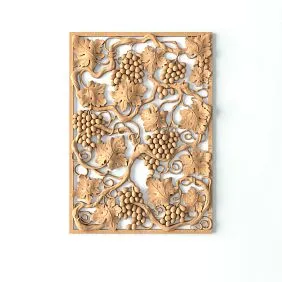
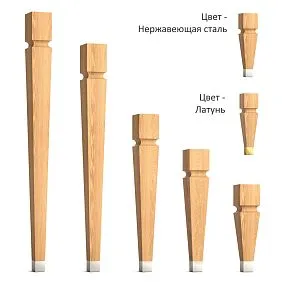
Our factory also produces:




Biophilia as necessity: nature enters the home
Biophilic design is not a trend — it is an evolutionary necessity. Humans spent 99% of their history in natural environments, and our brains, psyches, and physiology are tuned to contact with nature. Urbanization severed this connection, and the consequences are catastrophic: rising rates of depression, anxiety, chronic fatigue, insomnia. Biophilic design brings nature back into our homes, restoring the lost connection.
Living walls transform vertical surfaces into hanging gardens. This is not a few potted plants on a shelf, but full vertical greening systems where plants create a green carpet from floor to ceiling. Ferns, ivy, moss, succulents form living compositions that purify the air, humidify it, and create a microclimate. Modern systems include automatic watering, lighting, and feeding — plants thrive without your involvement.
Large windows and glass walls blur the boundary between interior and exterior. This is not merely a source of light — it is a visual connection to nature. Views of trees, sky, water become part of the interior, a changing picture that lives its own life. In urban apartments lacking natural views, indoor courtyards-patios with plants, water features, even small trees are created.
Natural materials dominate. Wood, stone, clay, cork, rattan, jute, linen, cotton — all these materials carry the energy of nature. Wooden floors, stone countertops, clay tiles, cork walls, rattan furniture create tactile connections with the natural world. It is important that materials retain their natural texture: wood with visible growth rings, stone with natural veins, clay with handmade irregularities.
Natural forms inspire furniture and decor design. Tables made from slabs — whole tree trunks — with natural edges preserving the shape of the wood. Lamps resembling coral or branches. Chairs with smooth, organic lines, like polished stones shaped by waves.Decorative wall elementswith plant motifs — leaves, flowers, branches — but not realistic, but stylized, graphic.
Water as an interior element creates a special atmosphere. Indoor fountains, waterfalls, aquariums, even small ponds in winter gardens. The sound of flowing water calms the nervous system, humidifies the air, and creates a sense of freshness. Modern technologies allow creating water elements compactly and without complex maintenance.
Natural light is maximized in every possible way. Large windows without heavy curtains, light wells in private homes, transparent partitions, mirrors reflecting light, light-colored surfaces. Artificial lighting mimics natural light: warm morning light, bright daylight, soft evening light. Some systems synchronize with sunrise and sunset, recreating the natural rhythm of light changes.
Natural scents complement the biophilic interior. Essential oils from coniferous trees, citrus, herbs create an olfactory landscape that affects mood and well-being. Aromatization can be subtle, barely noticeable, creating a subconscious sense of closeness to nature.
Get Consultation
Adaptive spaces: the home-transformer for changing life
Static layouts are a thing of the past. Modern life is too dynamic, multifaceted, unpredictable to fit into rigid rooms with fixed functions. Adaptive spaces — this is the answer to the challenge of modernity, architecture that changes alongside your needs.
Sliding and folding partitions allow you to change the apartment layout with one movement. During the day, the living room is open; in the evening, the sleeping zone is separated for privacy. When guests arrive, all partitions slide open, creating one spacious area for parties. Modern partitions are not just screens — they are complex systems with sound insulation, built-in storage, and integrated screens.
Transformable furniture reaches unprecedented levels of complexity and functionality. A closet-bed that extends and folds away with a button press, freeing up space during the day. A table that unfolds from a console for two into a dining table for ten. A sofa that transforms into a two-tiered guest bed. A work desk that folds into the wall when not needed. These mechanisms operate smoothly, silently, and require no effort.
Modular storage systems adapt to changing needs. Shelving units that can be rearranged to create different configurations. Drawers of various sizes that fit into universal compartments. Adjustable-height rods for clothing. All of this allows you to change your storage system without buying new furniture — simply rearrange the modules differently.
Platforms with built-in mechanisms create additional functions. A hidden pull-out bed tucked beneath the platform, which extends at night. Storage drawers for seasonal items built into the platform. Platforms zone space, visually separating one functional area from another. Some platforms are equipped with lifting mechanisms, transforming the floor into a storage system.
Multifunctional rooms — the key to efficient space use. A bedroom that becomes a home office during the day. A living room that transforms into a home theater or gym. A dining room that serves as a children’s play area. This is achieved through thoughtful layout solutions, transformable furniture, and proper lighting zoning.
Decoration manufacturing for theaterSpaces have taught designers to create areas that change quickly and radically. These stagecraft principles are actively used in residential interiors: movable elements, removable decorations, transformable structures. Your home becomes a stage, where you are the director, changing the decor according to your mood and circumstances.
Personalization through artificial intelligence: the home that knows you
Imagine a home that studies you, remembers your preferences, anticipates your desires. One that knows you prefer coolness while sleeping but warmth upon waking. That you prefer bright morning light and soft evening light. That you listen to jazz while cooking and classical music while reading. That you take a shower at exactly 38 degrees. All of this seems like science fiction? It’s reality in 2026.
Artificial intelligence in the interior — it is not a separate gadget, but a distributed system that controls all aspects of the home environment. Sensors collect data: temperature, humidity, lighting, air quality, sound background, your location in the apartment, even your physiological state via wearable devices. AI analyzes this data, identifies patterns, and learns to predict your needs.
Personalized lighting scenes are created automatically. The system knows you prefer warm ambient light in the bedroom, bright directional light in the office, neutral light in the kitchen. It remembers that on Fridays evenings you usually watch movies and automatically creates cinematic lighting. In the mornings on weekends, when you sleep longer, the light doesn’t turn on abruptly, but gradually intensifies, mimicking sunrise.
Climate personalization takes into account not only general preferences but also your current state. If the system detects you tossing and turning in bed (sensors on the bed), it slightly lowers the temperature. If it detects an increased heart rate (data from a fitness tracker), it may lower the temperature and increase fresh air intake for cooling.
The audio environment adapts to your needs. The system knows your musical preferences, playlists for different activities, favorite podcasts. It can create audio landscapes: rain sounds for concentration, forest sounds for relaxation, waves for meditation. The acoustic system is distributed throughout the apartment so that music follows you — it turns on in the room you enter and turns off in the one you exit.
The interface is minimal or nonexistent. Instead of apps with dozens of settings — voice commands or gestures. Instead of needing to program scenarios — the system learns from your actions. It notices that every evening at 22:00 you dim the lights and turn on relaxing music, and begins doing this automatically, asking for confirmation the first few times.
Security and privacy are critically important aspects of an AI-powered smart home. All data is processed locally, on your home server, not in the cloud. The system has no internet access without your permission. Audio and video recordings are not saved unless necessary. You fully control what data is collected and how it is used.
Vintage and handmade: the value of the unique in an age of mass production
Mass production killed uniqueness. Millions of people live in apartments with identical IKEA furniture, identical lighting fixtures from chain stores, identical decor. This is convenient, accessible, functional. But it is impersonal, soulless, boring. The revolution of 2026 is a rebellion against mass production, a return to the value of the unique, handmade, historically significant.
Vintage furniture and items become not just a nod to nostalgia, but a conscious choice. A 1950s dresser with patina is more valuable than a new designer dresser, because it is unique, because it has survived decades, because it has a history. A chair from your grandmother’s apartment, restored and reupholstered in modern fabric, becomes the centerpiece of the living room. Vintage lamps, mirrors, tableware, textiles — all of this adds depth to the interior, a connection to the past.
Handmade items acquire new value. Handcrafted ceramics, where each cup is slightly different from the other. Textiles with hand embroidery or painting. Furniture made by a master carpenter, not mass-produced on a factory.Carved wooden elementsWhere you can see the hand of the craftsman, his signature, his skill. These items are more expensive than mass-produced equivalents, but they are incomparably more valuable — they carry the warmth, energy, and uniqueness of the human creator.
DIY projects turn ordinary people into creators of their own interiors. A shelf made from old planks and metal pipes. A coffee table from a vintage suitcase. A lamp from glass bottles. Macrame on the wall, woven by your own hands. These projects are not perfect — you can see the marks of handwork — precisely this makes them valuable. They tell the story of creation, the story of your effort, your creativity.
Customizing mass-produced furniture is a way to add uniqueness without huge expenses. A simple shelf from a store becomes a unique item if you replace standard handles with vintage ones, addDecorative Insertspaint the facades in an unusual color. An ordinary chair acquires character after being reupholstered in bright fabric or painted. This is a creative process that makes items personal and connected to you.
Collecting turns the interior into a museum of personal history. A collection of vintage cameras displayed on a shelf. A collection of vinyl records that has become decor for the living room. Vintage posters, prints, maps on the walls. Ceramics from different eras in a display case. Each item in the collection is not just an object — it is a memory, a story of acquisition, an emotional connection. Together, they create the narrative of your life, your interests, your travels.
New materials: when science meets design
The material base for interior design expands at dizzying speeds. What was yesterday a laboratory experiment is today an accessible material for finishing and furniture. Revolutionary materials do not just look different — they possess properties that change the functionality of the interior.
Self-healing coatings are no longer science fiction. Special polymers that, under the influence of heat or light, "heal" minor scratches and damage. A countertop where a knife scratch disappears on its own within a few hours. Parquet that restores damaged varnish. This significantly extends the lifespan of materials and preserves their appearance.
Phase-change materials absorb and release heat, regulating room temperature. Walls covered with such materials absorb excess heat during the day and slowly release it at night, stabilizing temperature and reducing heating and air conditioning costs. This is especially relevant for eco-friendly homes with minimal energy consumption.
Photocatalytic coatings purify air by breaking down pollutants under light. Paint or plaster with these properties turns walls into giant air purifiers. This is especially valuable in city apartments, where air quality is often poor.
Biodegradable composites based on plant fibers, mycelium, and algae are becoming an alternative to plastic. Furniture and decor made from these materials do not pollute nature after their service life — they decompose and return to the ecosystem. This is an important step toward a circular economy in interior design.
Smart glass changes transparency on command or automatically. Windows that darken during the day to protect from bright sunlight, becoming transparent in the evening. Partitions that, with a button press, transform from transparent to matte, creating privacy. Mirrors that become screens, displaying information or video.
Flexible stone — thin sheets of natural stone on a flexible base — allows covering curved surfaces, creating three-dimensional forms from a material traditionally perceived as rigid and monumental. Columns clad in flexible marble. Wavy walls made of flexible sandstone. This opens new possibilities for architectural experimentation.
Color revolutions: from neutrality to emotionality
Color in interior design in 2026 becomes a tool for emotional impact, a way to create mood, influence psychological state. Neutral gray-beige palettes recede into the background, making way for rich, expressive colors.
Black is rehabilitated as an interior color. For many years it was avoided, considered gloomy and space-reducing. But properly used black creates depth, drama, elegance. Black walls in the bedroom create an atmosphere of intimacy, like a jewelry box. A black kitchen looks modern and stylish. A black bathroom becomes a luxurious spa space. The key is balance: black requires sufficient lighting and contrasting light accents.
Deep shades of precious stones — emerald, sapphire, ruby, amethyst — create an atmosphere of luxury without vulgarity. These are complex, multi-faceted colors that change depending on lighting, revealing different facets. An emerald living room calms and inspires. A sapphire bedroom creates a sense of security. A ruby dining room stimulates appetite and conversation.
Earthy tones — terracotta, ochre, clay, sand — create a connection to nature, a sense of warmth and stability. These colors are psychologically comfortable, they do not tire, create a background for life, without distracting or irritating. A terracotta kitchen radiates Mediterranean warmth. An ochre living room is filled with sunlight even on cloudy days.
Neon accents add energy and modernity. Small splashes of bright colors — acid yellow, electric blue, neon pink — enliven neutral interiors. A neon chair in a monochrome living room. Neon backlighting behind the headboard. Neon decorative elements on a neutral wall. This requires boldness, but the result is worth the risk.
Monochrome interiors evolve. This is no longer just one shade of gray, but a complex play of tones within one color. A living room in twenty shades of blue — from almost white sky blue to deep indigo. A bedroom in beige tones, where every surface has its own nuance. This subtle work with color creates refined, sophisticated interiors.
Facade decorationsLearn to work with color on an architectural scale. These principles are transferred to interior design: using color for zoning, creating visual accents, managing perception of space. A dark end wall in a long, narrow room visually brings it closer, making the space more proportionate. A light ceiling in a low room creates a sense of height.
Kitchen as a technological hub: smart home center
The kitchen is no longer just a place for cooking. It is the technological heart of the home, a social center, a multifunctional space where people cook, work, communicate, and experiment. Modern kitchens are packed with technology, but it is organically integrated into the design.
Smart appliances of the new generation are not just devices with screens and buttons. A refrigerator with internal cameras that shows its contents on your smartphone when you're at the store and suggests recipes based on available ingredients. An oven with dish recognition that automatically sets the optimal mode. A cooktop with zones that adapt to the size of the cookware. A dishwasher that determines the level of dirt and selects the appropriate program.
Touch surfaces replace buttons and handles. A countertop with built-in sensors for controlling appliances. An extractor that turns on and adjusts with gestures. A faucet activated by touch or contactless. All this creates a clean, minimalist design without visual clutter.
Integrated storage systems maximize space usage. Pull-out organizers for spices, oils, cutlery. Rotating corner systems that utilize complex corner cabinets. Pull-out countertops that expand the working surface as needed. Raising systems that lower upper cabinets for easy access.
Island layouts have become standard even in small kitchens. An island is not just an additional work surface, but also a bar counter, dining area, appliance space, and storage system. Modern islands are equipped with built-in outlets, charging stations, even sinks and cooktops. Some islands are mobile — on wheels, allowing them to be moved and stored away.
Vertical gardens in the kitchen are not only beautiful but also functional. Fresh herbs, greens, even vegetables grow right on the kitchen counter in special hydroponic systems with lighting. You pluck basil right before adding it to a dish, ensuring maximum freshness. These systems are compact, require no soil, are automatically watered and fertilized.
Bathroom as SPA: space for self-care
The bathroom transforms from a utilitarian space into a wellness area, a place for care not only of the body but also of the mind. It is a home SPA where you can disconnect from the world, relax, and recover.
Shower systems of the new level are not just a showerhead with a regulator. A tropical shower with a large overhead head mimicking rain. Side jets for hydro-massage. Steam function, turning the shower into a hammam. Chromotherapy — colored lighting affecting mood. Aromatherapy — introducing essential oils into steam. All this is controlled by a touch panel, where you can save individual programs.
Bathtubs evolve. Hydro-massage systems become quieter and more efficient. Bathtubs with heating maintain ideal water temperature. Bathtubs with built-in audio systems allow you to listen to music or audiobooks. Some models are equipped with chromotherapy and even projectors, turning the ceiling into a starry sky.
Smart mirrors are screens that show weather forecasts, news, calendars while you brush your teeth or shave. They analyze your skin, track changes, and recommend care. Lighting is adjustable, simulating different lighting — daylight, evening, office — to see how makeup looks under various conditions.
Materials for bathrooms become more technological. Antibacterial coatings for tiles and fixtures prevent bacterial and mold growth. Self-cleaning surfaces that do not retain dirt or limescale. Heated ceramic that does not form condensation. These technologies simplify maintenance and increase hygiene.
Water purification and ionization systems are integrated directly into shower systems. Water undergoes additional filtration, enriched with minerals, and ionized. This improves skin and hair condition, turning an ordinary shower into a therapeutic procedure.
Theatrical Stage DecorationsInspire bathroom design: use dramatic lighting, mirrors creating visual illusions, contrasting materials. The bathroom becomes not just a functional space, but a stage for your daily self-care ritual.
Ecology as imperative: design without harm to the planet
Ecology is no longer an option, not a trendy fad to ignore. It is an ethical and practical imperative. The climate crisis demands responsible behavior from everyone, including designers and homeowners, in choosing materials, technologies, and ways of using housing.
Circular design — a concept where every interior element is designed with a full life cycle in mind. Where does the material come from? How was it produced? How long will it last? Can it be repaired? Can it be recycled after use? Answers to these questions determine the choice. Furniture made from recycled materials.Decorations for homeMade from reclaimed wood. Textiles from organic cotton or recycled plastic.
Energy efficiency is built into every level. Maximizing natural light reduces the need for artificial lighting. LED lamps with brightness adjustment save electricity. Thermally insulated windows and doors reduce heat loss. Smart climate control systems optimize energy consumption. Solar panels on the roof of a private home make it energy-independent.
Water conservation is a critical aspect. Low-flow plumbing fixtures. Greywater collection and reuse systems for watering plants and toilet flushing. Dishwashers and washing machines with minimal water consumption. Sensors that turn off water if you forget to close the tap.
Local production reduces the carbon footprint from transportation. Choose furniture and materials from local manufacturers. Support local artisans.Decoration manufacturingProduced locally not only is more eco-friendly, but also supports the local economy and preserves artisan traditions.
Plants as natural air purifiers replace electric air purification systems. Many indoor plants effectively remove formaldehyde, benzene, and other toxic substances from the air. Snake plant, peace lily, chlorophytum, dracaena — these plants are not only beautiful but also beneficial, improving air quality naturally.
How to implement the revolution: practical guide
Theory inspires, but how to practically implement revolutionary ideas in your interior? Here is a step-by-step action plan for those ready to change.
Audit existing space. Start with a honest assessment of what you have. What works, what doesn't? What brings joy, what irritates? Where is functionality lacking? Where is visual chaos? Write down all observations — they will become the foundation for changes.
Define priorities. It is impossible to change everything at once. Identify the main issues — perhaps kitchen functionality, lack of storage space, or poor lighting. Focus on solving key problems, the rest will follow later.
Research and inspiration. StudyInterior trends 2026Look at photos, read about new materials and technologies. But don't copy blindly — adapt ideas to your needs, tastes, budget, and space characteristics.
Budget planning is realistic. Revolution does not require millions. Much can be done with small means: repaint walls, replace textiles, add plants, rearrange furniture. Make large investments in things that will last — quality furniture,wooden decorative elementsreliable equipment.
Step-by-step implementation eliminates stress and overload. Start with one room or even one zone. Complete it fully, evaluate the result, get used to the changes. Then move on. This is psychologically more comfortable and financially smarter.
Do not fear mistakes. Experiments are part of the process. A bright wall may turn out too bright — repaint it. A vintage chair may not fit — move it to another room or sell it. The main thing — act, try, adjust.
Consultation with professionals at complex stages. Some things are better entrusted to specialists: electricians for smart homes, designers for complex layouts, craftsmen for installingdecorative elements on the walls. This is an investment that pays off through quality and longevity of the result.
Frequently asked questions
Will revolutionary design become outdated in a year or two?
True revolutions do not become outdated — they become the norm. What seems bold experimentation today will become standard tomorrow. Biophilic design, smart technologies, eco-friendliness — these are not fashion whims, but responses to fundamental needs and challenges. A well-executed revolutionary interior will remain relevant for decades.
How to combine technology with coziness?
Technology should serve coziness, not contradict it. Hidden integration, when gadgets are invisible, natural materials, soft lighting, thoughtful ergonomics — all this creates a technologically advanced yet warm interior. The key — technology as a means, not an end.
Will maximalism look overloaded?
Maximalism in 2026 is not chaos. It is a thoughtfully abundant style, where every element has its place and purpose. Maintain balance: if walls are bright and patterned, furniture should be simpler. If furniture is complex, the background should be neutral. Use repeating elements to create rhythm. Maximalism requires boldness and a sense of measure.
What budget is needed for a revolutionary interior?
Revolution is accessible at any budget. With limited funds, focus on paint, textiles, plants, and rearrangement — inexpensive but impactful. A medium budget allows adding quality furniture and wooden elements. A large budget opens opportunities for smart technologies and designer pieces. The key — not the amount of money, but the quality of ideas.
How to convince family of the need for changes?
Involve them in the process. Show inspiring examples, discuss problems with the current interior, ask what they lack. Start with small changes, demonstrating how they improve life. Gradually, your family will see the value of the revolutionary approach and want to move forward.
Does biophilic design require a lot of care for plants?
Modern systems greatly simplify care. Automatic watering, timer-based lighting, hydroponics, where soil is not needed. Choose low-maintenance plants: snake plant, zamioculcas, pothos, monstera survive even with minimal care. Biophilia is not necessarily jungles — even a few plants create an effect.
Is a smart home safe for privacy?
Security depends on implementation. Choose systems with local data processing, not cloud-based. Use encryption. Turn off microphones and cameras when not needed. Study manufacturers' privacy policies. With the right approach, a smart home does not threaten privacy.
How often should a revolutionary interior be updated?
A revolutionary interior is alive — it changes gradually and organically. There is no need for global updates every five years. Change textiles every few years, add new art pieces, update technologies as they become outdated. Basic elements — quality furniture, wooden decorative elements, good finishes — last for decades.
Conclusion: the future is created today
Revolution is not a single event. It is a process, movement, continuous evolution.Future of Interior DesignIt is created right now, in every home, where people reject templates and create spaces reflecting their true needs, values, dreams. Maximalism, smart technologies, biophilia, adaptability, personalization, vintage, innovative materials, bold colors, eco-friendliness — all these trends do not contradict each other, but merge into a single symphony of modern living.
You do not have to follow all trends. A revolutionary approach is not blind copying, but a conscious choice of what resonates with you, solves your problems, and improves your life. Maybe biophilia inspires you — fill your home with plants and natural materials. Maybe you are a technophile — create a smart home that anticipates your desires. Maybe you are a collector — turn your interior into a museum of your finds. The key — be honest with yourself, create space for yourself, not for Instagram.
Quality implementation requires not only ideas, but also reliable partners who provide materials, decor, expertise. The company STAVROS has helped create outstanding interiors for more than two decades, offering an extensive selection of wooden decorative elements that transform ordinary spaces into works of art.
STAVROS's assortment impresses: from classic carved moldings and cornices to modern 3D panels, from elegantinlays for furnitureto monumental columns, fromchurch decortofacade elementsThe company works with ready-made solutions as well as creates unique elements for individual projects.
STAVROS’s special pride is working with professionals in the entertainment industry.Creating Cinema Decorations, Theatrical DecorationsTelevision and film require the highest level of craftsmanship, the ability to work with any materials and styles, and to realize the boldest ideas of directors. This experience working on complex STAVROS projects is transferred into residential interiors, creating spaces of theatrical scale and expressiveness.
The quality of STAVROS products is confirmed by hundreds of completed projects throughout the country and abroad. The company uses only premium wood, operates with modern equipment, but its greatest asset is the craftsmen, for whom working with wood is not merely a profession, but a calling and an art.
On the company's website, you will find not onlyProduct catalog, but alsoinspiring articleson design trends,ideas for decorating, practical advice on selecting and installing elements.Furniture and interior itemsPolyurethane products, wooden panels — STAVROS offers comprehensive solutions for any tasks and styles.
A revolution in interior design is not merely a change in aesthetic preferences. It is a rethinking of what a home should be in the 21st century: intelligent yet human; technologically advanced yet cozy; modern yet connected to tradition; individual yet eco-friendly. It is a home that cares for you as you care for it. A home that grows and changes alongside you. A home that tells your story.
STAVROS is ready to be your partner in creating such a home, offering not just materials and decor, but expertise, an individual approach, and quality assurance. The revolution begins with the first step — perhaps this step you will take today, by openingthe STAVROS catalogand beginning to bring your dream of a perfect interior to life. The future of housing is being created here and now — and it is in your hands.