Article Contents:
- Status begins with choice: why is every detail important?
- Anatomy of the wow effect: what makes us admire?
- Vertical composition: dialogue between floor and ceiling
- Stylistic unity: when form meets form
- Designer furniture tables: how to choose the center of the composition?
- Material: from solid wood to composites
- Shape: round, oval, rectangle?
- Carving and ornament: the language of forms
- Beautiful ceiling with molding: architecture of the fifth wall
- Central rosette: frame for the chandelier
- Perimeter decor: cornices and moldings
- Coffers and panels: creating volume
- Molding materials: choice between tradition and modernity
- Polyurethane: practicality and versatility
- Plaster: classic and noble
- Polystyrene: Budget Solution
- Color solutions: monochrome or contrast?
- Classic scheme: dark and light
- Monochrome solutions: play of shades
- Bold accents: colored molding
- Lighting: light as part of the composition
- Central chandelier: main light source
- Additional lighting: creating scenarios
- Companion furniture: what surrounds the table?
- Chairs: continuation of the theme
- Buffets and display cabinets: verticals of space
- Consoles and stands: additional surfaces
- Decor and accessories: living content
- Textiles: softness and color
- Dinnerware and Table Setting: Functional Beauty
- Fresh Flowers and Greenery: Nature in the Interior
- Practical Tips: From Idea to Implementation
- Step 1: Defining Style and Concept
- Step 2: Measurements and Proportions
- Step 3: Selecting and Ordering Furniture
- Step 4: Choosing Ceiling Decor
- Step 5: Installation and Finishing
- Step 6: Lighting and Final Touches
- Stylistic Scenarios: From Idea to Embodiment
- Scenario 1: Classic Luxury
- Scenario 2: Modern Elegance
- Scenario 3: Provençal Lightness
- Common Mistakes and How to Avoid Them
- Mistake 1: Disproportionate Elements
- Mistake 2: Stylistic Mismatch
- Mistake 3: Ignoring Lighting
- Mistake 4: Overcrowding with Details
- Questions and Answers: FAQ on Creating a Dining Area
- What size ceiling rosette should I choose for a standard apartment?
- Is it necessary to order a table and chairs as a set?
- Can molding be installed on a stretch ceiling?
- How much does it cost to create a dining area with a wow effect?
- How to care for a wooden table and molding?
- Can molding be repainted a different color?
- Do I need a designer to create a dining area?
- How long will designer solid wood furniture last?
- What mistakes are most often made when choosing a table?
- How long does it take to create a dining area from scratch?
- Conclusion: investment in quality of life

What makes a dining area a place you want to return to again and again? What turns an ordinary meal into a ritual filled with aesthetic pleasure? The answer lies in details and status — the two pillars supporting a modern luxury interior. When designer furniture tables meet a beautiful ceiling with molding, a magic of space is born, capable of creating that very wow effect that distinguishes the ordinary from the extraordinary.
A dining area is not just a functional part of an apartment or house. It is the theater of family evenings, the stage for dinner parties, the place for philosophical conversations over a glass of wine. And just as any theater needs scenery, a dining area requires a thoughtful scenographic approach. Only here, the scenery is real, tangible, capable of serving for decades, becoming witnesses to many life stories.


Status begins with choice: why is every detail important?
Status is a subtle and multifaceted concept. It cannot be purchased with a single expensive item. The status of an interior is composed of many elements, where each component contributes to the overall concept. Disparate expensive items create an impression of chaos, whereas a well-thought-out composition, even with more modest details, can make an unforgettable impression.
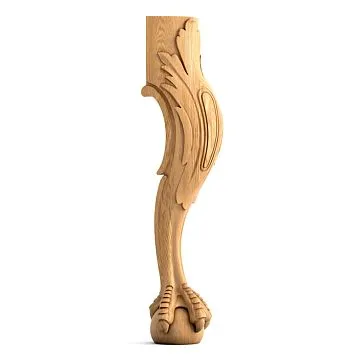
In the dining area, status is primarily defined by the choice of furniture.Designer furniture tables— are not mass production, not conveyor-stamped identical forms. It is an author's work where every line is considered, every detail has meaning. A carved solid wood table becomes not just a piece of furniture, but a central art object of the space.
But the table is only half the success. The gaze of a person entering the room involuntarily drifts upward. And here begins the second act of the drama — the ceiling. A beautiful ceiling with molding can transform even the most modest room, giving it scale and nobility. And in combination with a luxurious table, it creates that very effect of integrity, where everything is in its place, everything is subordinated to a single vision.




Anatomy of the wow-effect: what makes us admire?
The wow-effect is not loudness or excess. It is admiration for the harmony seen, for an unexpected but absolutely logical combination of elements. It is the moment when the gaze finds a point of both calm and excitement — when beauty is obvious but not intrusive.
Our factory also produces:


Vertical composition: dialogue between floor and ceiling
Professional designers know: an interior is built vertically. The floor, walls, ceiling — these are three levels that must engage in a dialogue with each other. In the dining area, this dialogue is especially important.
The lower level is designer furniture tables, solidity and materiality. A massive table made of oak or beech creates a sense of reliability, weight, and connection to the earth. Natural wood with its living texture, with patterns of annual rings, with natural shade transitions — is the embodiment of natural beauty.
The upper level — a beautiful ceiling with molding, lightness and airiness. Here reign lacy forms, elegant lines, play of light and shadow. Reliefceiling rosettesaround the chandelier, exquisite moldings along the perimeter, coffers or cornices — all this creates a sense of height and volume.
When these two poles — the material massiveness of the table and the airy elegance of the ceiling decor — work in unison, a vertical composition arises that holds the gaze, creates tension and simultaneously resolution.
Get Consultation
Stylistic unity: when form meets form
The wow-effect is impossible without stylistic unity. You cannot place an ultra-modern glass and metal table under a ceiling with Baroque molding — it would create cacophony. But you can and should create echoes of forms, repetition of motifs, visual rhymes.
If you have chosen a classic carved table with floral ornaments, then the ceiling decor should speak the same language. The rosette under the chandelier can repeat the floral motifs of the table's carving.Crown Moldingalong the perimeter of the ceiling can have a similar profile to the profiling of the tabletop or the table base.
A modern minimalist table with clear geometric lines requires a corresponding ceiling — laconic moldings, simple forms, possibly hidden lighting instead of a classic chandelier. Here, a beautiful ceiling with molding is created not by opulence, but by precision of lines, play of planes, architectural graphics.
Designer furniture tables: how to choose the center of the composition?
The table is the absolute center of the dining area. Everything else is built around it. Therefore, choosing a table is a strategic decision requiring consideration of many factors.
Material: from solid wood to composites
Natural wood is beyond competition. Solid oak, beech, walnut — this is not just a material, it is a living substance with its own character. Each board is unique, each pattern is unrepeatable.Designer furniture for an apartmentmade of solid wood creates a sense of solidity and durability.
Oak tables are distinguished by special strength and expressive texture. Dark tones of stained oak create an atmosphere of an English club or an aristocrat's study. Light, bleached shades are suitable for Scandinavian and Provence interiors.
Beech wood is more uniform and light, it is ideal for complex carving — all details of the ornament are clearly visible on it. A beech table in a classic interior looks solemn and exquisite.
But there are also alternatives. High-density MDF with carved solid wood overlays allows creating complex forms at a lower cost. Tabletops made of natural stone (marble, granite) or engineered stone in combination with a wooden base create interesting texture combinations.
Shape: round, oval, rectangle?
The shape of the table determines not only aesthetics but also the functionality of the space. Rectangular tables are a classic for elongated rooms. They allow seating the maximum number of guests, create a formal, almost solemn atmosphere.
Round tables are a symbol of equality and warmth. At a round table, there is no head or subordinates, everyone is equal. This shape is ideal for family dinners, for intimate gatherings. Moreover, a circle visually softens the space, making it more cozy.
Oval tables are a compromise between rectangular and round shapes. They accommodate a sufficient number of people while maintaining soft lines. The oval shape is especially good in classic and neoclassical interiors.
Square tables are a choice for compact spaces or for modern interiors. The clear geometry of a square creates a sense of order and organization.
Thread and Ornament: The Language of Forms
Carving on a wooden table is its speech, its way of communicating with space. Floral ornaments - grapevines, oak leaves, roses - speak of classicism, tradition, and connection with nature.
Geometric patterns - meanders, squares, rhombuses - refer to antiquity, to the strictness of classicism. Such carving is suitable for formal, official interiors.
Baroque curls and rocaille create a sense of luxury and excess - in a good sense of the word. Such a table will be the centerpiece of a palace interior.
Concise profiled edges without complex ornaments are suitable for modern interiors, where designer furniture tables should be expressive but not loud.
Beautiful ceiling with stucco: the architecture of the fifth wall
The ceiling is often called the fifth wall of a room. And this wall deserves no less attention than the four vertical ones. Especially in the dining area, where people spend a lot of time sitting at the table, meaning their gaze naturally goes upward.
Central rosette: a frame for the chandelier
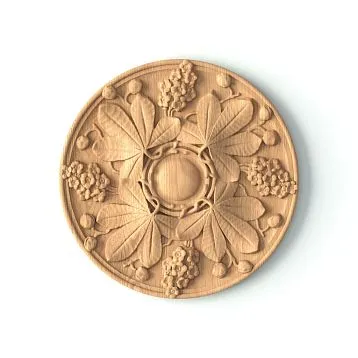
The main element of ceiling decor in the dining area is the ceiling rosette for the chandelier. It performs several functions simultaneously: it masks the mounting point of the light fixture, visually increases the size of the chandelier, and creates a focal point on the ceiling.
When it comes tobuy ceiling molding for chandeliers, it is important to consider proportions. The rosette should be proportionate to both the chandelier and the room as a whole. One that is too small will get lost, one that is too large will overwhelm the space.
The diameter of the rosette is usually from one third to half the diameter of the table located beneath it. This creates a visual connection between the upper and lower levels of the composition.
The style of the rosette should echo the table. If the table is adorned with floral carving, a rosette with acanthus leaves and floral rosettes will be an ideal choice. For a geometric table, a rosette with concentric circles and radial rays is suitable.
Perimeter decor: cornices and moldings
Framing the ceiling around the perimeter is the second most important element of the composition.Moldingsand cornices create a transition between the wall and the ceiling, visually increase the height of the room, and add volume.
Wide cornices with expressive relief are suitable for rooms with high ceilings - from 3 meters and above. They create a solemn, almost palatial impression.
Medium cornices are a universal solution for standard apartments with ceilings of 2.7-2.9 meters. They are noticeable enough to create an effect but do not overwhelm the space.
Thin moldings are a choice for modern interiors or for rooms with low ceilings. They delicately mark the boundary without visual overload.
Coffers and panels: creating volume
For a truly luxurious dining area, you can create a coffered ceiling system - dividing the plane into squares or rectangles using intersecting beams (or their imitation made of stucco decor).
Coffers visually raise the ceiling, create a play of light and shadow, and add architectural complexity. Inside each coffer, a decorative rosette or ornament can be placed.
This solution ideally combines with a massive rectangular table made of dark wood - resulting in a classic interior in the style of an English manor or an Italian palazzo.
Stucco materials: choosing between tradition and modernity
When you decide to create a beautiful ceiling with stucco, the question of the decor material arises. Each option has its advantages and features.
Polyurethane: practicality and versatility
Polyurethane stucco is the choice of a modern pragmatist who values beauty but is not willing to sacrifice practicality. This material is several times lighter than plaster, which simplifies installation and does not create a load on the floor slabs.
Polyurethane is completely moisture-resistant, so a dining area combined with a kitchen can be safely decorated with such stucco - it is not afraid of steam or temperature fluctuations. The material does not crack, does not crumble, and retains the clarity of its relief for decades.
Modern technologies allow creating polyurethane elements of any complexity—from simple smooth profiles to the most intricate Baroque compositions with minute details. All items in a batch are identical to each other, which is important when installing extended elements.
Plaster: Classic and Noble
Plaster molding is a traditional material that has been used for centuries. Plaster possesses a special aura of nobility; its slightly grainy texture creates a sense of handmade craftsmanship and uniqueness of the item.
Plaster is heavier than polyurethane, requiring more careful installation using mechanical fasteners. But this drawback is compensated by its aesthetic qualities—plaster has a matte, velvety surface that interacts beautifully with light.
For restoration work or creating interiors in historical styles, plaster is often preferable—it is authentic and corresponds to the spirit of the era.
Polystyrene: budget solution
For those who want to create a beautiful ceiling with molding on a limited budget, there is an option of decor made from high-density polystyrene. This material is even lighter than polyurethane, mounts with regular glue, and is easy to cut and process.
Of course, polystyrene does not provide the depth of relief that polyurethane or plaster does, but for simple forms—smooth cornices, concise moldings—it is a quite worthy solution.
Color Solutions: Monochrome or Contrast?
When creating a dining area with a wow effect, one must not forget about color. The color scheme can enhance or weaken the impression of designer furniture and ceiling decor.
Classic Scheme: Dark and Light
The traditional solution is a dark table and a light ceiling with white molding. This creates maximum contrast, emphasizing both elements of the composition. Dark wood (stained oak, walnut, wenge) looks noble and substantial. A snow-white ceiling with white molding creates a sense of height and airiness.
This scheme works practically always—it has been tested for centuries and does not go out of fashion. It is a fail-safe option for classic, neoclassical, and English interiors.
Monochrome Solutions: Playing with Shades
A more complex but very elegant approach is using different shades of the same color. For example, a table made of light oak, walls in ivory color, and a ceiling in a cream shade with molding a tone darker or lighter.
This solution creates a calm, harmonious atmosphere, suitable for Scandinavian, Provencal, and modern interiors. There are no sharp contrasts here, but there is a subtle play of halftones, which requires good taste and a sense of proportion.
Bold Accents: Colored Molding
For those not afraid to experiment, one can try painting the molding in a contrasting color. For example, gray or black molding on a white ceiling will create a modern graphic effect. Golden or silver molding will add luxury and shine.
It is important that the color of the molding echoes other elements of the interior—upholstery of chairs, textiles, accessories on the table. Then a cohesive picture will emerge, not disjointed spots.
Lighting: Light as Part of the Composition
The dining area requires a special approach to lighting. Bright but not harsh light is needed here, which will create a cozy atmosphere and highlight the beauty of the designer furniture and ceiling decor.
Central Chandelier: The Main Light Source
A chandelier over the dining table is not just a lighting fixture but a crucial decorative element. It must be proportionate to both the table and the ceiling rosette, and the room as a whole.
For classic interiors, crystal or metal chandeliers with numerous arms are chosen. They create a play of highlights, reflections, and add festivity.
Modern interiors prefer concise chandeliers—glass spheres, metal structures, sculptural forms. Here, the purity of lines and correspondence to the overall aesthetic are important.
The hanging height of the chandelier is critically important. Over the dining table, it should hang so as not to obstruct the view of seated people, but also not be too high. The optimal height is 70-90 cm from the tabletop to the lowest point of the chandelier.
Additional Lighting: Creating Scenarios
Often, one central chandelier is not enough. To create various lighting scenarios, additional sources are used—wall sconces, floor lamps, hidden lighting.
Hidden LED lighting, built into the cornice around the perimeter of the ceiling, is especially effective. It creates a floating ceiling effect, softly illuminates the molded decor, and visually increases the height of the room.
Wall sconces on the sides of a sideboard or display cabinet will complement the lighting, creating cozy pools of light. They can be turned on separately to create an intimate atmosphere during a romantic dinner.
Companion Furniture: What Surrounds the Table?
Designer furniture tables do not exist in a vacuum. An entire ecosystem of companion furniture forms around the table, which must be stylistically and functionally connected to the central element.
Chairs: continuing the theme
Chairs are the obvious companions to a table. They can be made from the same wood and in the same style, creating a classic set. Or they can be deliberately different, creating an interesting contrast.
For example, a massive dark table with carving can be surrounded by light chairs with soft upholstery in pastel tones. This creates a balance between massiveness and lightness.
Or, conversely, a simple modern table can be surrounded by chairs with rich upholstery and decorative elements—resulting in an eclectic but very lively interior.
Sideboards and display cabinets: verticals of space
Sideboards, cabinets, and display cabinets are often placed along the walls of the dining area. These furniture pieces create vertical accents, balancing the horizontality of the table.
If the table is classic carved, then the sideboard should speak the same language—carving, glass, possibly stained glass. Unity of style creates a sense of completeness and thoughtfulness in the interior.
Consoles and stands: additional surfaces
In a spacious dining area, console tables against the walls are appropriate—for placing decor, vases, lamps. They are not only functional but also create additional horizontals that visually expand the space.
Decor and accessories: living content
Even the most beautiful furniture and luxurious ceiling need living content—those little things that make the interior lived-in and real.
Textiles: softness and color
Tablecloths, napkins, cushions on chairs—this is an opportunity to add color, texture, seasonality. In summer—light linen fabrics in light tones, in winter—dense fabrics with rich patterns.
Textiles can become a connecting link between the table and the ceiling—for example, repeating the color of the molding or the carving pattern of the table.
Dishes and tableware: functional beauty
Beautiful dishes on the table are not only about convenience but also about aesthetics. A porcelain set, crystal glasses, silver cutlery on a beautiful wooden table create a picture worthy of a still life by old masters.
Live flowers and greenery: nature in the interior
A vase of flowers in the center of the table is a classic technique that never goes out of style. Live plants add freshness, connect the interior with nature, and create a sense of care and attention to detail.
Practical advice: from idea to implementation
Creating a dining area with a wow effect is a process that requires planning and a sequence of actions.
Step 1: Defining style and concept
Before buying furniture and decor, you need to clearly define the style. Classic, neoclassical, Baroque, Art Nouveau, modern minimalism, Scandinavian style—each direction requires its own approach.
Collect visual references—photos of interiors you like. Find common features, recurring elements—this will be the basis of your concept.
Step 2: Measurements and proportions
Accurate room measurements are critically important. You need to know the area, ceiling height, and the location of windows and doors. This will help correctly choose the table size, the diameter of the ceiling rosette, and the width of the cornices.
Proportions are the key to harmony. A large table in a small room will look absurd, as will a miniature rosette on a high ceiling.
Step 3: Selection and ordering of furniture
Designer furniture for an apartment is often custom-made or has long delivery times. You need to start with this—selecting and ordering the table. While it is being made, you can work on the other elements.
Step 4: Selection of ceiling decor
Once the table design is clear, you can precisely select the molding. Turn to trusted manufacturers who offer a wide selection and guarantee quality. It's important not just to choose beautiful elements, but also to ensure they harmonize with each other and with the table.
Step 5: Installation and Finishing
It's best to entrust the installation of ceiling molding to professionals or thoroughly study the technique if doing it yourself. The quality of installation determines how long the decor will last and how neat it will look.
After installation, the molding needs to be painted — usually white, but other options are possible depending on the concept.
Step 6: Lighting and Final Touches
Installing the chandelier, connecting additional lighting, arranging companion furniture, hanging textiles, setting the table — all these are the final touches that bring the space to life.
Stylistic Scenarios: From Idea to Implementation
Let's consider several specific scenarios for decorating a dining area in different styles.
Scenario 1: Classic Luxury
Table: massive oval made of dark oak with carved baluster-style legs, tabletop with a shaped edge, the apron decorated with a floral ornament.
Ceiling: high (3 meters), painted white. In the center — a large ceiling rosette 80-100 cm in diameter with lush floral decor (acanthus leaves, roses). Around the perimeter — a wide cornice with modillions.
Chandelier: crystal multi-arm, with pendants and light reflections.
Chairs: eight pieces as a set with the table, with high backs and soft velvet upholstery in dark green or burgundy.
Color: walls painted in warm beige, ceiling white, all molding white, table dark brown.
Result: a solemn, impressive dining area in the style of an English manor or French chateau.
Scenario 2: Modern Elegance
Table: rectangular with clear geometry, tabletop made of light oak or ash, legs metal or wooden with a simple shape.
Ceiling: standard height (2.7 m), painted light gray. Rosette is laconic, with concentric circles, diameter 60 cm. Cornice with a simple profile, medium width, possibly with a niche for hidden lighting.
Chandelier: modern — glass spheres on metal rods or a sculptural metal form.
Chairs: with soft seats and backs, upholstery in light gray or pastel tones, legs wooden or metal.
Color: monochrome palette — shades of gray, beige, white. Molding painted the color of the ceiling or a shade darker.
Result: a calm, elegant dining area in a modern style, where designer furniture tables and a beautiful ceiling with molding work in unison, not competing with each other.
Scenario 3: Provençal Lightness
Table: round or oval made of light wood (bleached oak, pine), possibly with a distressed effect, legs curved, carving delicate, floral.
Ceiling: white or ivory. Medium-sized rosette with floral ornament. Simple cornice but with a soft profile.
Chandelier: wrought iron or wooden, possibly with candle-style shades, creating an antique effect.
Chairs: wooden with soft seats, upholstery in floral or striped patterns, in pastel tones.
Color: light palette — white, cream, lavender, blue. Molding white or cream.
Result: a cozy, homely dining area with a touch of the French province, where every detail speaks of simplicity and elegance.
Common mistakes and how to avoid them
Even with the best intentions, it's easy to make mistakes that will spoil the impression of the dining area.
Error 1: Disproportionate Elements
A huge ceiling medallion on a low ceiling or a tiny one on a high ceiling, a giant table in a tiny room or a miniature one in a huge hall — all these are examples of disproportion that destroys harmony.
Solution: always work with precise measurements and proportions. Before purchasing, visualize the element in the space — you can use painter's tape to outline the diameter of the future ceiling medallion on the ceiling.
Error 2: Stylistic Mismatch
Baroque stucco above a minimalist table, a high-tech chandelier in a classic interior — examples of stylistic inconsistency.
Solution: decide on a style at the concept stage and stick to it in all elements. Eclecticism is possible but requires a professional approach.
Error 3: Ignoring Lighting
A beautiful table and ceiling lose half their effect with poor lighting. A dim bulb won't let you appreciate the carving; the relief of the stucco will go unnoticed.
Solution: plan lighting as part of the composition. Use sufficiently bright light sources, add hidden lighting to create volume.
Error 4: Overloading with Details
Too much carving, overly ornate stucco, an excess of accessories — all this creates visual noise and tires the eye.
Solution: remember the principle 'less is more.' Leave space for the eye to rest; don't fill every centimeter with decor.
Questions and Answers: FAQ on Creating a Dining Area
What size ceiling medallion should I choose for a standard apartment?
For apartments with ceilings 2.7-2.9 meters high and a dining area of 10-15 sq.m, the optimal medallion diameter is 50-70 cm. It should be approximately 1.5 times smaller than the diameter or width of the table.
Is it necessary to order a table and chairs as a set?
Not necessary, but desirable for classic interiors. In modern and eclectic styles, different chairs can even add interest. The main thing is that they match the table in style and height.
Can stucco be mounted on a suspended ceiling?
Yes, but with specifics. The medallion is mounted on the main ceiling before installing the stretch fabric, in which a cutout is then made. Cornices are installed on the wall, creating a niche for the stretch fabric.
How much does it cost to create a dining area with a wow effect?
The cost varies from 200 thousand rubles (budget option with MDF furniture and polystyrene stucco) to several million (exclusive carved furniture made from solid valuable wood and custom-designed plaster stucco).
How to care for a wooden table and stucco?
Wipe the wooden table regularly with a soft cloth; treat it once a year with special wood care products. For stucco, it's enough to clean dust with a dry brush or a vacuum with a soft attachment. If necessary, you can wipe it with a damp cloth.
Can stucco be repainted a different color?
Yes, polyurethane stucco can be repainted an unlimited number of times with water-based or acrylic paints. This allows you to update the interior without changing the decor itself.
Do I need a designer to create a dining area?
Not necessarily, but advisable, especially if you are unsure of your taste or are working with complex styles. A designer will help avoid mistakes, select proportions, and create a harmonious composition. If you have a clear vision and understanding of the style, you can manage on your own.
How long will designer furniture made from solid wood last?
With proper care, wooden furniture made from solid oak or beech lasts for decades and is often passed down as an heirloom. This is not just a purchase but an investment in long-term beauty and comfort.
What mistakes are most often made when choosing a table?
The main mistake is the wrong size. The table should be proportionate to the room and the number of people. Second — ignoring the shape: a round table requires more space than a rectangular one of the same capacity. Third — choosing a table without considering the overall style of the interior.
How long does it take to create a dining area from scratch?
From concept to final implementation usually takes 2-4 months. Manufacturing custom designer furniture can take 1.5-2 months, selecting and delivering molding — 2-4 weeks, installation and finishing — another 2-3 weeks.
Conclusion: Investment in quality of life
Creating a dining area where designer furniture tables harmoniously combine with a beautiful ceiling with molding is not just a design project. It's creating a space for living, for communication, for making memories. Family lunches and festive dinners, quiet breakfasts and noisy feasts will take place here. And the quality of this space directly affects the quality of all these moments.
The wow-effect we strive for is not just an external impression. It's a deep satisfaction from being in a harmonious, thoughtful, beautiful space. It's the pride of the owner and the admiration of guests. It's the feeling that everything is in its place, everything is right, everything is as it should be.
Don't skimp on central elements — the table and ceiling decor. They shape the image of the entire zone. It's better to choose a quality table and good molding, and add the rest gradually, than to buy everything at once, but of mediocre quality.
Turn to professionals who know about designer furniture and architectural decor. The company STAVROS has been helping create interiors that evoke admiration for over two decades. In the STAVROS assortment — uniquesolid wood tableswith hand carving, capable of becoming the center of any dining area. Each product is made by experienced craftsmen who put not only skill but also soul into their work.
For creating a beautiful ceiling with molding, STAVROS offers a huge selectiondecorative elements made of polyurethane— rosettes, cornices, moldings of any styles and sizes. The highest quality materials, precision execution, durability — all this is guaranteed by STAVROS. The company works with both private clients and designers and architects, offering professional consultations, assistance in selecting elements and calculating the required amount of materials.
By choosing STAVROS, you choose reliability, quality and beauty for many years. Let your dining area become that very place you'll want to show to friends, that the whole family will be proud of, that will bring joy every day. Create a space with a wow-effect — it's worth it.