












































































Article Contents:
- Why exactly the combination of solid wood and polyurethane?
- Designer solid wood furniture: the foundation of a stylish interior
- Uniqueness of each item
- Technology and Tradition
- Where is solid wood furniture appropriate?
- Polyurethane molding: a modern alternative to plaster
- Advantages of polyurethane molding
- Types of polyurethane decor
- Molding for furniture
- Harmony of contrasts: how to combine wood and polyurethane
- Principle of balance
- Color solutions
- Textural combinations
- Project Planning: Where to Start
- Defining the style
- Care and Maintenance of Decorative Elements
- Budget and timelines
- Practical Solutions for Different Rooms
- Living Room: The Center of Attention
- Bedroom: an atmosphere of coziness
- Kitchen and dining room: practicality and beauty
- Study: a working atmosphere
- Furniture components: details that create the whole
- Furniture Legs and Supports
- Furniture frames
- Decorative elements
- Furniture handles
- Production technologies: from idea to implementation
- Wood preparation
- Machine Processing
- Manufacturing of polyurethane elements
- Quality Control
- Installation and mounting: process nuances
- Installation of solid wood furniture
- Mounting of polyurethane decor
- Finishing
- Stylistic solutions: From classic to modern
- Classic: Luxury and Traditions
- Neoclassicism: simplified elegance
- Modern classic: balance of tradition and novelty
- Minimalism: restraint and purity
- Scandinavian style: comfort and functionality
- Care and Maintenance: Preserving Beauty
- Care for solid wood furniture
- Care for Polyurethane Moldings
- Durability and Repairability
- Ecological Safety
- Naturalness of wood
- Safety of polyurethane
- Waste disposal and recycling
- Economic feasibility
- Cost and value
- How to Choose the Perfect Classic Set: Expert Advice
- Investment in quality of life
- Answers to popular questions
- Can different wood species be combined in one interior?
- How to choose the right color for molding?
- Does solid wood furniture require special care?
- Can polyurethane molding be installed by yourself?
- How Long Does Solid Wood Furniture Last?
- Can Polyurethane Moldings Be Used in Humid Areas?
- Which wood species is better for furniture — oak or beech?
- Can solid wood furniture be painted any color?
- Conclusion: creating a dream space

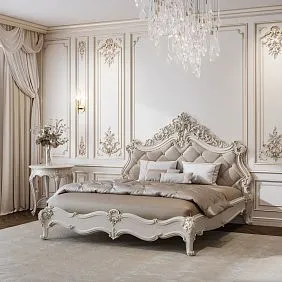
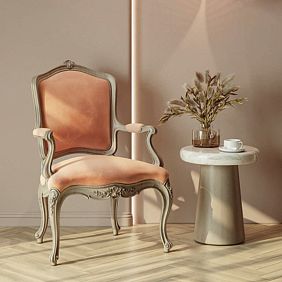
When it comes to creating a truly cohesive interior, designers and homeowners always face a choice: to favor classic naturalness or modern practicality? But what if compromise isn't necessary? Today, these two approaches can be combined in one space, creating an interior wheredesigner furniture made of solid woodharmoniously coexists with elegantwith polyurethane moldings. This combination opens incredible possibilities for realizing the boldest ideas, allowing you to enjoy both the luxury of natural wood and the technological advantages of modern materials.



Why specifically the combination of solid wood and polyurethane?
When choosing materials for an interior, we often face a dilemma: either beauty and prestige, or affordability and versatility. Wood has always been considered a symbol of nobility, warmth, and durability. But it is finicky to care for, requires special operating conditions, is heavy, and expensive. Polyurethane, on the other hand, is lightweight, moisture-resistant, does not deform from temperature fluctuations, and is affordable. However, it often lacks that warmth and living character inherent in natural wood.
By combining these materials in one project, we achieve the perfect balance. Moderndesigner furniture made of solid woodbecomes the central element of the space, setting the tone and creating an atmosphere of coziness. And polyurethanepolyurethane moldings buy, which can be used for ceilings, walls, and even furniture fronts, complements this picture, adding sophistication and completeness without unnecessary load on the structures.




Designer solid wood furniture: the foundation of a stylish interior
Furniture made from natural wood has always been and remains the pinnacle of furniture art. It doesn't just serve a functional role — it lives in the space, breathes, changes over the years, acquiring a noble patina of time. When we talk about designer solid wood furniture, we mean more than just tables and chairs. These are authorial pieces, created considering individual requests, room proportions, and the owner's personal taste.
Our factory also produces:




Uniqueness of each item
Wood is a living material. Each board has its own texture, its pattern of annual rings, its shade. Therefore, designer solid wood furniture is always unique. Even if two pieces are made from the same blueprint, they will differ from each other — just as leaves on the same tree differ. This individuality gives the interior a special character, making it one-of-a-kind.
Most often, oak and beech are used to create furniture — species tested by time. Oak is famous for its strength, density, and expressive texture. Beech is distinguished by a lighter shade, uniform structure, and is excellent for making complex carved elements. Both materials are ideal for making furniture frames, legs, countertops, fronts, and decorative elements.
Get Consultation
Technology and tradition
The production of solid wood furniture is a symbiosis of modern technology and centuries-old traditions of carpentry. The wood undergoes thorough drying, after which it is processed on high-precision CNC machines. But the final sanding and finishing are done by hand — only this way can perfect surface smoothness be achieved and the full beauty of the natural pattern be revealed.
Solid wood productsinclude not only finished furniture but also components for its creation: legs, supports, frames, decorative overlays, handles. This opens wide possibilities for individual design. You can create custom furniture, selecting each element in accordance with the overall interior concept.
Where is solid wood furniture appropriate?
Designer solid wood furniture looks equally good in both classic and modern interiors. In classic styles, it reveals itself fully: carved elements, massive legs, noble shades of dark oak create an atmosphere of aristocracy and respectability. In modern styles, wooden furniture acts as a contrasting accent, adding warmth and coziness to minimalist spaces.
Dining tables made of solid wood become the center of family gatherings. Dressers and wardrobes serve for decades without losing relevance. Beds made of natural wood create a special atmosphere of calm and tranquility. Armchairs and sofas on wooden frames demonstrate the owner's taste and status.
Polyurethane molding: a modern alternative to plaster
Molded decor has always been associated with palace luxury, classic interiors, and high artistic taste. Traditionally, molding was made from plaster — a finicky, heavy material requiring qualified installation. Today, plaster is being replaced by polyurethane — a new-generation material that combines the beauty of classicism and the practicality of modern technology.
Advantages of Polyurethane Molded Decoration
Polyurethane possesses a whole range of qualities that make it the optimal choice for decorative finishing:
-
Lightweight: polyurethane elements are several times lighter than plaster ones, which simplifies transportation, storage, and installation.
-
Durability: the material does not crumble, does not crack upon impact, and retains its shape for decades.
-
Moisture resistance: unlike plaster, polyurethane is not afraid of moisture, so it can be used in bathrooms and kitchens.
-
Versatility: easily painted any color, patinated, or gilded.
-
Easy installation: attaches with adhesive, requires no special equipment.
-
Durability: does not fade in sunlight, does not deform from temperature fluctuations.
When you decideBuy polyurethane molding, you choose a modern solution that allows you to realize any design ideas without limitations.
Types of polyurethane decor
The range of polyurethane products is vast. This includes ceiling cornices, wall moldings, rosettes for chandeliers, decorative panels, and furniture overlays. Each element can be selected in accordance with the overall interior style — from lavish Baroque to strict Minimalism.
Ceiling molding creates the effect of high ceilings, visually zones the space, and highlights lighting fixtures. Wall elements form panels, frame door and window openings, and create accent zones. Polyurethane facade decor is used for exterior finishing, giving the building architectural expressiveness.
Furniture Molding
The use of polyurethane decor for furniture deserves special attention. Small overlays, rosettes, corners, and frames allow you to transform ordinary cabinets and dressers, giving them the appearance of expensive designer furniture. This technique is especially relevant when restoring old furniture or creating furniture in a classic style.
Polyurethane elements are easily attached to furniture fronts, painted to match the main finish or in contrasting colors. They do not weigh down the structure or create extra load on hinges and guides. At the same time, the visual effect is impressive — the furniture gains volume, depth, and artistic expressiveness.
Harmony of Contrasts: How to Combine Wood and Polyurethane
It may seem that natural wood and artificial polyurethane are materials from different eras and philosophies. But it is precisely in their combination that the secret lies to modern interiors that look both luxurious and contemporary.
The Principle of Balance
The main rule when combining these materials is maintaining balance. If the furniture is massive, dark, with a pronounced wood texture, the molding should be lighter, more delicate, and neutral in color. Conversely, for laconic modern furniture made of light beech, you can choose more expressive decor with large relief.
It is also important to consider the style. In a classic interior, bothDesign furnitureand molding can be richly decorated — carving, gilding, patina will create a unified luxurious space. In modern styles, it is better to emphasize the purity of lines: simple furniture forms and laconic moldings without excess.
Color Solutions
Color plays a key role in creating harmony. The classic combination is dark wood and white molding. This contrast always looks advantageous, emphasizes the architecture of the space, and creates graphic quality and clarity of composition.
You can take the path of nuance: paint the polyurethane molding to match the wood tone or choose close shades. This approach creates a sense of integrity, monolithic interior. The space looks calm, peaceful, and conducive to rest.
A bold solution is the use of bright colors. Furniture made of natural wood with its natural shades becomes an ideal backdrop for colored decor. Blue, green, terracotta molding creates dynamics, adds character, and makes the interior memorable.
Textural Combinations
Texture is another important aspect. Wood has a pronounced structure, pattern, and tactility. Polyurethane is initially smooth, but it can be processed: patinated, given an aged effect, or imitated to look like wood or stone.
An interesting effect is created by combining glossy and matte surfaces. For example, lacquered solid wood furniture and matte molding create an exquisite play of light. Or vice versa: matte wood finished with wax and glossy decor with a slight sheen.
Project Planning: Where to Start
The decision to combine in one interiormodern designer furnituremade of solid wood and polyurethane molding requires a thoughtful approach. Improvisation is inappropriate here — a clear plan is needed, taking into account all the nuances of the space.
Defining the style
The first step is determining the overall interior style. This influences the choice of specific shapes, proportions, and decorative elements. Classicism implies symmetry, clarity of lines, and an abundance of decor. Neoclassicism — simplified forms while maintaining overall architectonics. Modern styles — minimal decor, purity of lines, functionality.
It is important to understand that designer furniture made of solid wood is appropriate in any style. Only its form and degree of decoration change. The same applies to polyurethane molding — it can be selected for any concept.
Space Analysis
The second step is analyzing the room. Ceiling height, area, natural lighting, architectural features — all this influences the choice of materials and elements. In rooms with low ceilings, massive furniture and abundant decor will create a feeling of crampedness. Here, it is better to choose light forms, light tones, and minimal molding.
Spacious rooms with high ceilings, on the contrary, require more saturated decor. Here, massive tables, cabinets, wide cornices, and large rosettes are appropriate. Empty walls can be decorated withwooden moldings and cornices, creating architectural panels.
Budget and Timelines
Step three — budget determination. Solid wood designer furniture is a significant but long-term investment. Such furniture lasts for decades without losing its appearance or functionality. Polyurethane molding is more affordable, but its quantity and complexity also affect the overall project cost.
It is also important to consider timelines. Solid wood furniture is often custom-made, which requires time. Polyurethane decor is usually in stock and installs quickly. When planning a renovation, these nuances must be taken into account so that all elements are ready by the time of final finishing.
Practical solutions for different rooms
Each room in the house has its own specifics, its own requirements for materials and functionality. Let's consider how the combination of designer solid wood furniture and polyurethane molding can be applied in different rooms.
Living room: the focal point
Living room — the main room of the house, a place for meetings, communication, and relaxation. Here, the combination of natural wood and elegant decor is fully revealed. The central element is a solid wood dining table or coffee table. It sets the tone for the entire space.
Walls can be decorated with architectural panels made of polyurethane moldings. The ceiling — with wide cornices and a rosette for the central chandelier. This creates volume and emphasizes the height of the room. Furniture — sofas and armchairs on wooden frames, dressers with carved fronts, cabinets with decorative overlays.
The color palette can vary: a classic combination of dark wood and white decor, monochrome solutions in beige or gray tones, bold accents in the form of colored molding. The main thing is that all elements work towards a unified concept.
Bedroom: an atmosphere of coziness
The bedroom requires a special atmosphere — calm, coziness, relaxation. Wood is indispensable here. A solid wood bed with a carved headboard becomes the compositional center. Bedside tables, a dressing table, a wardrobe — all made of natural wood create a sense of security and warmth.
Polyurethane molding in the bedroom should be delicate and unobtrusive. Elegant moldings frame the bed's headboard, creating a canopy effect. A ceiling cornice with soft lighting creates diffused illumination. Decorative rosettes and pilasters can be used if space allows.
Kitchen and dining room: practicality and beauty
The kitchen is a room with high humidity, temperature fluctuations, and active use. Therefore, the choice of materials here is especially important. A dining set made of solid wood — table and chairs — becomes the functional and aesthetic center. Wood coated with protective compounds withstands daily use and is easy to clean.
Polyurethane decor in the kitchen is appropriate in the dining area. Moldings frame the dining area, creating a visual division of space. Cornices hide transitions between the wall and ceiling, adding completeness. Importantly, polyurethane is not afraid of moisture, does not absorb odors, and is easy to wash.
If the kitchen is combined with the dining room, solid wood furniture and decor help zone the space. The dining area is highlighted with more saturated decor, while the kitchen area remains functional and concise.
Study: a working atmosphere
A home study is a place where concentration, focus, and a work mindset are important.Solid wood furnitureSolid wood is especially appropriate here. A massive writing desk, bookcases, an armchair — all this creates an atmosphere of solidity and seriousness.
Molding in the study can be more strict and geometric. Moldings form panels on the walls, creating a classic English study look. Ceiling cornices emphasize the architecture. Pilasters and columns can be used if space allows.
The color palette is usually restrained — dark wood, white or beige decor, possible accents in green, burgundy, or blue. It is important to create a space that sets the mood for work but does not feel overly strict.
Furniture components: details that create the whole
When we talk about designer solid wood furniture, it is important to understand that we are not only talking about finished products. Often, furniture is created from individual components, which allows for maximum individuality and conformity to a specific interior.
Furniture legs and supports
Solid wood furniture legsLegs are the foundation of any furniture. Their shape, size, and style determine the overall appearance of the product. Classic turned legs with carving are suitable for furniture in Baroque, Rococo, and Classicism styles. Simple straight legs are appropriate in modern interiors. Curved legs are characteristic of Art Nouveau and Art Deco.
High-quality legs made of oak or beech withstand significant loads while maintaining structural stability. They undergo thorough processing, are hand-sanded, and are ready for any type of finishing — painting, tinting, varnishing. The variety of shapes allows for selecting legs to match any furniture style.
Furniture frames
The frame is the foundation of upholstered furniture. Its quality determines the durability of a sofa or armchair. Frames made of solid wood provide maximum strength and stability. They do not creak, do not become loose over time, and withstand intensive use.
Modern frames are designed with ergonomics and aesthetics in mind. Universal dimensions allow for the use of standard upholstery materials. A concise design easily fits into any interior. Precise geometry of parts ensures ease of assembly.
Decorative elements
Carved overlays, rosettes, corners, medallions — all these elements turn ordinary furniture into a work of art. They are attached to fronts, aprons, headboards, adding volume and artistic expressiveness. Made from solid wood, these details have clear relief and carefully crafted ornamentation.
Decor can vary in style: from floral motifs to geometric patterns. It can be painted, patinated, gilded — any finishing treatment will emphasize the beauty of the carving. The combination of wooden decor on furniture and polyurethane molding on walls creates stylistic unity in the interior.
Furniture handles
Handles — a small but important detail. They are constantly in view and touched daily. Handles made of solid wood are pleasant to the touch, durable, and aesthetic. They can be simple and concise or carved and decorative.
A variety of shapes and sizes allows for selecting handles to match any furniture style. For classic styles, handles with carving are suitable; for modern styles — smooth geometric shapes. Any color can be chosen — from natural wood to painted to match the fronts.
Production technologies: from idea to realization
Creating designer furniture from solid wood and polyurethane molding is a complex process that requires modern equipment and highly skilled craftsmen. It's important to understand how production works to assess the quality of the finished products.
Wood preparation
It all starts with the selection of raw materials. For furniture, premium wood species are used—oak and beech. The wood must be free of large knots, cracks, and rot. After selection, the drying process begins—a key stage that determines the stability of the finished product.
Drying takes place in special chambers with controlled temperature and humidity. The process lasts several weeks until the wood moisture content reaches 8-10%. This is the optimal indicator for furniture production. Properly dried wood does not warp or crack during further processing and use.
Machine Processing
After drying, the wood goes for processing. Modern CNC machines allow cutting parts of any complexity with millimeter precision. This is especially important when making carved elements, furniture legs, and overlays. Computer control ensures part uniformity, which is crucial for serial production.
But even the most advanced equipment cannot replace manual work. After machine processing, each part undergoes hand sanding. The craftsman removes the smallest imperfections, reveals the wood grain, and prepares the surface for finishing. This is a meticulous process, but it determines the final quality of the product.
Manufacturing polyurethane elements
Producing polyurethane molding is a technological process. Two-component polyurethane of European production is used, which ensures high strength and detailed relief. The material is poured into molds where it takes the desired configuration.
After curing, the elements are removed from the molds and undergo quality control. The clarity of the relief, absence of cavities, bubbles, and deformations are checked. The finished products are white, without additional coating, ready for finishing on-site.
Quality control
Each product undergoes multi-stage control. Geometric parameters, surface quality, strength, and compliance with the sample are checked. Only after passing all inspections does the product go to the finished goods warehouse.
This approach guarantees consistently high quality. The customer receives a product that fully meets the stated characteristics, requires no rework, and is ready for installation or further processing.
Installation and assembly: nuances of the process
Even the highest quality materials won't give the desired effect if installation is unprofessional. Installing furniture and decor requires specific knowledge and skills.
Installing solid wood furniture
Furniture made from natural wood is heavy and requires proper installation and leveling. Tables, wardrobes, and dressers must stand level, without tilting. This is important not only aesthetically but also for the product's durability. Tilting creates uneven loads, which can lead to deformations.
During installation, it's important to consider the room's microclimate. Wood reacts to humidity and temperature. In rooms with unstable climates, furniture can 'move'—expand or contract. Therefore, it's important to maintain relative humidity at 40-60% and temperature at 20-24°C.
Installing polyurethane decor
Installing polyurethane molding is much simpler than gypsum molding. Due to its light weight, elements are easily attached with special adhesive. No structural reinforcement or additional fasteners are needed. The installation process is quick and doesn't create much dirt or dust.
Before installation, the surface must be prepared—cleaned, degreased, and primed. Adhesive is applied to the back of the element, which is then pressed against the wall or ceiling. Joints between elements are filled with putty and sanded. After installation, the molding is painted in the chosen color.
It's important to properly plan the layout of elements to avoid narrow cuts and asymmetrical joints. A professional installer will consider all the nuances of the room and propose an optimal solution.
Final finishing
After installation, both furniture and decor require finishing. Wood is coated with oil, wax, or varnish—depending on the desired effect. Oil highlights the grain, creating a matte surface. Wax provides a soft sheen and pleasant tactile feel. Varnish offers maximum protection and can be matte, semi-matte, or glossy.
Polyurethane molding is painted with acrylic paints. Any effect can be created—from simple single-color painting to complex techniques like patination, gilding, or imitation of stone or wood. High-quality finishing will highlight the beauty of the materials and protect them from external influences.
Stylistic Solutions: From Classic to Modern
The combination of designer solid wood furniture and polyurethane molding is versatile—it works in different stylistic directions. Let's consider the main options.
Classic: luxury and traditions
Classical interior—this is symmetry, clear proportions, rich decor. Here, both furniture and molding are maximally decorative. Carved fronts, turned legs, and gilding on wood harmonize with lavish cornices, rosettes, and pilasters made of polyurethane.
The color palette is traditional: white, cream, gold, dark brown. Furniture made of dark oak contrasts with white or cream decor. Gilding ties all elements into a unified composition. Such an interior looks solemn, respectable, and emphasizes the owner's status.
Neoclassicism: simplified elegance
Neoclassicism takes the foundations of classicism but simplifies forms, making them lighter and more contemporary. Furniture retains the proportions of classical models, but the decor becomes more minimalist. Molding is also simplified—clear lines, geometric shapes, absence of excessive decorativeness.
Colors remain in the classical palette but can be more diverse. Gray, blue, and green shades are allowed. The combination of light wood and white decor creates an airy, bright space. Such an interior is elegant but not overloaded with details.
Modern classic: balance of tradition and novelty
Modern classic is a free interpretation of classical canons. Furniture may be simplified in form but made from expensive materials. Molding is used locally, as an accent, not as continuous coverage.
The color palette can be bold: dark blue, emerald, terracotta. Wood in natural shades becomes a background for bright accents. Decor is painted to match the walls or, conversely, contrasts with them. This approach creates a dynamic, modern interior with classical roots.
Minimalism: Restraint and Purity
Minimalism does not tolerate excess, but that doesn't mean there's no place for natural materials and decor. Their role simply changes. Solid wood furniture becomes an accent thanks to the wood grain and its natural beauty. The forms are simple, concise, without carvings or ornamentation.
Moldings are used minimally in minimalism — simple cornices, moldings with clear geometric shapes. They are not for decoration, but for creating spatial architecture, zoning, and concealing technical elements. Colors are neutral: white, gray, beige, natural wood.
Scandinavian style: Coziness and functionality
Scandinavian style values naturalness, simplicity, and functionality. Furniture made of light wood — birch, beech, ash — creates a warm, cozy atmosphere. The forms are simple, without excess, and comfortable to use.
Moldings are used delicately — simple moldings, cornices without decoration. Often the decor is painted white, creating a contrast with the wood. This combination creates a light, airy space conducive to rest and relaxation.
Care and maintenance: preserving beauty
For solid wood furniture and polyurethane decor to last long and maintain their original appearance, proper care is important.
Caring for Solid Wood Furniture
Wood is a living material that requires attention. The main rule is maintaining a stable microclimate. Avoid sudden temperature and humidity fluctuations. Do not place furniture near heating appliances or in direct sunlight.
Regularly wipe furniture with a soft, dry cloth to remove dust. Every few months, use special wood care products — oils, waxes, polishes. They nourish the wood, protect it from drying out, and maintain its natural shine.
If scratches or scuffs appear, local restoration can be performed. Minor damage is sanded and coated with an appropriate compound. More serious defects require professional intervention.
Care for polyurethane molding
Polyurethane is low-maintenance. It is enough to periodically wipe the elements with a damp cloth to remove dust. Mild cleaning agents that do not contain abrasives or solvents can be used.
If the decor is painted, it can be repainted if necessary. The surface is lightly sanded, primed, and a new coat of paint is applied. This allows updating the interior without replacing elements.
Polyurethane is not afraid of moisture, but in rooms with high humidity (bathrooms, kitchens), it is recommended to use moisture-resistant paints and varnishes for the final coating.
Durability and repairability
Both solid wood furniture and polyurethane moldings are highly durable. With proper use, they last for decades. Wood can acquire a noble patina over time, which only adds to its value. Polyurethane retains its shape and color, does not deform, and does not crack.
If necessary, both materials can be repaired. Wooden furniture can be restored, refinished, or have damaged parts replaced. Polyurethane decor is easily dismantled and replaced with new if the need arises.
Oak skirting boards are an indispensable element of classic interior styles. In the English style, oak skirting boards with rich carving emphasize the aristocracy and solidity of the space. Dark wood tones harmonize beautifully with traditional materials — natural stone, leather, bronze.
Modern consumers are paying more and more attention to the environmental friendliness of materials and their safety for health. How do wood and polyurethane fare in this regard?
The Naturalness of Wood
Wood is an absolutely natural material. It does not emit harmful substances, does not cause allergies, and creates a healthy microclimate indoors. Wood 'breathes,' regulates humidity, and has bactericidal properties.
It is important that the finishing coatings are also safe. Modern water-based oils, waxes, and varnishes do not contain toxic components and have no strong odor. After drying, they are absolutely safe and do not emit volatile compounds.
Safety of Polyurethane
High-quality polyurethane used for producing moldings is also safe. It does not contain phenols, formaldehydes, or heavy metals. After polymerization, the material becomes inert and does not react with the environment.
It is important to choose products from trusted manufacturers using certified raw materials of European production. Such products have all the necessary hygiene certificates confirming their safety.
Disposal and recycling
From an ecological standpoint, not only safety during use is important, but also the possibility of disposal. Wood is a biodegradable material that does not harm the environment. Old furniture can be recycled and reused.
Polyurethane is also recyclable. Technologies exist for grinding and reusing polymer materials. However, due to the durability of polyurethane products, the disposal issue arises extremely rarely.
Economic feasibility
The question of price is always important when planning an interior. Designer solid wood furniture and polyurethane moldings are an investment. How justified is it?
Cost and Value
Furniture made from natural wood is more expensive than items made from chipboard or MDF. But its service life is many times longer. High-quality solid wood furniture lasts not for years, but for decades. It can be restored, updated, and passed down as an heirloom. Over the years, it does not lose value and often becomes even more valuable.
Polyurethane moldings are more affordable than plaster ones, while not inferior in aesthetic qualities and superior in practicality. Installation is simpler and faster, which also reduces overall costs. The material's durability means no repairs will be needed for many years.
Versatility and Adaptability
Both solid wood furniture and polyurethane decor are versatile. They suit different styles and easily adapt when the design changes. By repainting the moldings or refinishing the furniture, you can completely change the look of the interior without replacing the main elements.
This adaptability is an important economic advantage. There's no need to change everything when stylistic preferences shift. Minor adjustments are enough — and the interior looks new.
Investment in Quality of Life
Finally, it's worth remembering that interior design is not just about furnishings. It's the environment where we spend most of our lives. Quality materials, beautiful furniture, and thoughtful decor create comfort, improve mood, and enhance quality of life. And this cannot be measured in monetary terms.
Answers to Popular Questions
Can different types of wood be combined in one interior?
Yes, it's possible. The main thing is that the shades harmonize with each other. Wood types with similar tones go well together: oak and walnut, beech and ash. Contrasting combinations can also be used: dark and light wood. It's important not to overdo it—two to three types of wood in one room are sufficient.
How to choose the right color for molding?
The color depends on the overall interior concept. White molding is universal and suits any style. Molding that matches the wall color creates spatial unity. Contrasting molding (e.g., dark on light walls) creates accents and emphasizes architecture. Colored molding is a bold choice for modern interiors.
Does solid wood furniture require special care?
No special care is required; it's enough to follow simple rules: maintain a stable microclimate, regularly remove dust, and use wood care products. Avoid aggressive cleaning agents, abrasives, and excessive moisture.
Can polyurethane molding be installed independently?
Yes, installing polyurethane decor is relatively simple. You'll need special adhesive, putty for joints, and tools for cutting and fitting elements. It's important to plan the layout correctly, cut elements precisely, and carefully seal the joints. If you lack experience, it's better to consult professionals.
How long does solid wood furniture last?
With proper care, solid wood furniture lasts for decades. There are known cases where furniture is passed down through generations, remaining functional and beautiful. Natural wood may require restoration over time, but the structure itself remains strong and reliable.
Can polyurethane moldings be used in humid areas?
Yes, polyurethane is moisture-resistant, does not deform from moisture, and does not develop mold. This makes it an ideal choice for bathrooms, toilets, and kitchens. It's important to use moisture-resistant paints for the final coating and ensure good ventilation in the room.
Which wood type is better for furniture—oak or beech?
Both types are excellent for furniture but have their characteristics. Oak is stronger, heavier, has a pronounced grain, and darkens over time. Beech is slightly softer, lighter, and has a more uniform grain. The choice depends on aesthetic preferences and usage conditions.
Can solid wood furniture be painted any color?
Yes, wood can be easily painted. You can preserve the natural color by coating the furniture with clear varnish or oil. You can tint it with stains to achieve shades from light honey to almost black. You can also paint it with opaque paints in any color. It's important to properly prepare the surface and choose suitable products.
Conclusion: Creating a Dream Space
An interior where harmoniously combineddesigner furniture made of solid woodandbuy polyurethane moldingwhich can be used to fully realize the envisioned design—is a space that is pleasant to live in. Here, naturalness and practicality do not contradict each other but complement each other, creating a perfect balance. The warmth of wood comforts, the elegance of decor inspires, and thoughtful details ensure comfort.
Creating such an interior requires time, attention, and investment. But the result is worth it. You don't just get a beautiful setting—you create an environment you want to return to, where every detail is in its place, and everything works to enhance your life.
The company STAVROS has been creating premium-quality interior products for over twenty years. Full-cycle production, modern equipment, and highly skilled craftsmen—all this guarantees impeccable product quality. In the ass


