Article Contents:
- Challenges of modernity: why return to the roots?
- Psychology of choice: what does science say?
- Social aspect: home as a center of attraction
- Investment attractiveness
- Languages of architecture: decoding the Russian code
- Philosophy of proportions
- Semantics of ornament
- Color symbolism
- Material Foundation of Beauty
- Wood as a living material
- Modern Processing Technologies
- Additional materials
- Spatial organization: from izba to mansion
- Centric composition
- Connection with Nature
- Functional zoning
- Decorative systems: art in details
- Facade decoration
- Interior decoration
- Textile furnishings
- Technological progress in traditional forms
- Engineering Systems
- Energy efficiency
- Modern materials
- Regional specificity: diversity of traditions
- North Russian traditions
- Middle Russian school
- Volga motifs
- Siberian characteristics
- Modern trends: evolution of style
- Ecological approach
- Minimalist trends
- Technological Integration
- Psychology of color in Russian interior
- Basic palette
- Accent colors
- Seasonal adaptation
- Furniture: function and beauty in unity
- Principles of selection
- Traditional items
- Modern interpretation
- Lighting: play of light and shadow
- Natural Lighting
- Artificial Lighting
- Atmospheric lighting
- Conclusion: home as a work of art
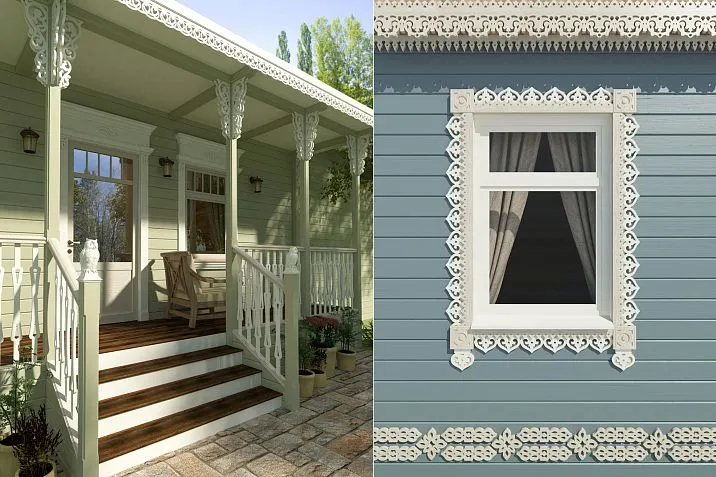
Have you ever wondered why, upon seeing carved casings and wooden patterns, your heart begins to beat faster? Why, in the age of glass and metal, does the soul yearn for the warmth of natural wood and the wisdom of ancient forms? Design of a house in Russian style It is not just an architectural direction, but a code of national soul, encoded in proportions, ornaments, and materials.
The modern world offers thousands of ways to decorate a home, but why is the Russian style experiencing a true renaissance? The answer lies deeper than aesthetic preferences — in the genetic memory of the people, in the desire to return to the roots of authenticity and create a home that becomes not just shelter, but a family nest for generations.
Today, design of houses in Russian style represents a remarkable synthesis of ancient traditions and modern technologies, where every detail carries semantic meaning, and the overall composition creates a harmonious space for living across generations.


Challenges of Modernity: Why Return to the Roots?
In a world of standardized construction and global uniformity, choosing Russian style for one's home is a bold statement of personal identity. But what drives people who reject trendy trends in favor of centuries-old traditions?




Psychology of Choice: What Science Says
Studies show that the surrounding environment directly affects a person's mental state. Architectural Design of a Home in Russian Style creates a special atmosphere of protection and stability, which is so lacking in today's world of constant change.
Natural materials, harmonious proportions, symbolic ornamentation — all of this works on a subconscious level, creating a sense of 'rightness' in the space. A person intuitively feels a connection to ancestors, to the earth, to cultural roots.
Tactile contact with wood plays a special role. Scientifically proven, touching natural wood reduces stress levels, normalizes blood pressure, and improves emotional state. The home becomes not just a place of residence, but a therapeutic space.
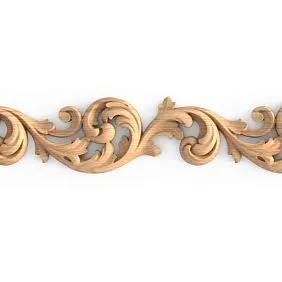
Our factory also produces:

Social Aspect: Home as a Center of Attraction
Design of a home in Russian style is inseparably linked to traditions of hospitality and family values. A large kitchen-hearth, spacious living room with a fireplace, cozy bedrooms — all of this creates conditions for a full family life.
In such a home, relatives, friends, and neighbors naturally gather. Architecture promotes communication, not isolation. Children grow up in an atmosphere of cultural continuity, while adults find relief from urban stress.
Get Consultation
Investment attractiveness
Beyond its emotional component, Russian style also possesses high investment attractiveness. Unique homes with authentic decor are always in demand in the luxury real estate market. They are not subject to fashion and do not lose relevance over time.
Languages of Architecture: Decoding the Russian Code
To create a genuine design of a home in Russian style, one must understand the symbolic language of traditional architecture. Each element has its own history and meaning.
Philosophy of Proportions
Russian masters intuitively followed the laws of the golden ratio, creating structures perceived as natural and harmonious. The height of the house related to its width in the proportions 1:1.618, creating a sense of stability and calm.
Facade Composition in Russian Style was built on the principle of symmetry and rhythmic repetition. The central axis passed through the main entrance, creating the compositional core of the entire building.
The size of windows, their placement, the height of the foundation — all were governed by a single mathematical logic, perceived as beauty. Modern architects working in Russian style must feel these proportions and adapt them to contemporary needs.
Semantics of Ornament
Carved patterns on Russian houses are not merely decoration, but a complex system of symbols. Solar signs protected against evil forces, plant motifs attracted fertility, geometric patterns symbolized the order of the universe.
Folk Motifs in Home Design can be used today both traditionally and in stylized forms. It is important to understand the original meaning of each element and apply them consciously.
Modern technologies allow reproducing the most complex ornaments with jewel-like precision. Laser cutting and CNC milling open new possibilities for decorative finishing while preserving the connection to traditions.
Color Symbolism
The traditional palette of the Russian home was not formed by chance. Each color carried a specific semantic load and evoked specific emotions. The base was natural wood tones — from light honey to dark brown.
White symbolized purity and light, red — life force and celebration, blue — heavenly heights and spirituality, green — nature and fertility. These colors were used sparingly, creating bright accents against a neutral background.
Material Foundation of Beauty
Material selection is a fundamental aspect in creating a home design in Russian style. The quality and authenticity of materials not only affect the appearance but also the atmosphere of the home.
Wood as a living material
Natural Materials in Russian Style Starts with the right choice of wood. Each species has its own features and area of application. Pine is ideal for walls — it is easy to process, has a beautiful texture, and natural antiseptic properties.
Oak has traditionally been used for elements requiring special strength — beams, posts, doors. Its hardness and noble texture make it ideal for creating accent interior elements.
Birch was valued for its light color and fine texture. It was used to make furniture, tableware, decorative elements. Lime was indispensable for delicate carved work due to its softness and uniformity.
Modern processing technologies
Modern wood processing methods have significantly expanded the possibilities of using traditional materials. Thermal treatment increases wood's resistance to moisture and biological effects. Glued timber combines the beauty of natural wood with improved technical characteristics.
New protective compositions extend the service life of wooden structures several times over, while preserving their natural appearance and ability to 'breathe'. Modern lacquer and paint materials allow creating various effects — from natural matte finishes to glossy surfaces.
Additional materials
Besides wood, traditions of Russian housebuilding include the use of stone, metal, and ceramics. Natural stone is used for foundations, steps, and landscape elements. Its texture and color should harmonize with wood.
Wrought metal is used to make lamps, handles, hinges, railings. Hand-forging creates unique items that become works of art.
Ceramics — tiles, plates, dishes — add brightness and uniqueness to interiors. Modern ceramics can reproduce traditional patterns and shapes, adapting them to contemporary usage requirements.
Spatial organization: from izba to mansion
House layout is the foundation upon which the entire design of a house in the Russian style is built. Traditional principles of space organization remain relevant today.
Central composition
The traditional Russian house was based on a central hearth — the largest and brightest room, around which other rooms were grouped. This principle can be adapted for modern homes by creating a central living hall.
Interior of a country house in the Russian style The house should have a clear hierarchy of spaces. Formal rooms differ from private ones in size, finish, and furniture. This creates variety in impressions and functional convenience.
Connection with nature
A Russian house is always closely connected with the surrounding nature. Large windows provide visual contact with the garden, terraces and verandas create transitional spaces between the house and the landscape.
Orientation of the house according to cardinal directions takes into account the movement of the sun and prevailing winds. Main rooms are located on the southern side, utility rooms — on the northern side. This ensures maximum comfort and energy efficiency.
Functional zoning
A modern house must consider the needs of all family members and provide zones for different purposes. Public areas include the living room, dining room, and kitchen. Private areas — bedrooms, offices, children's rooms. Utility areas — technical rooms, storage.
Each zone should have appropriate decoration, but all are united by a common stylistic approach and material base. Designing a house in the Russian style implies unity in diversity.
Decorative systems: art in details
It is precisely decorative elements that transform an ordinary house into a work of architectural art. Each detail should be thoughtfully designed and harmoniously integrated into the overall composition.
Facade decoration
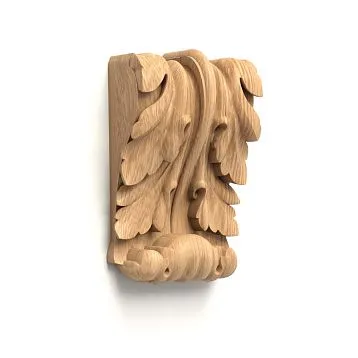
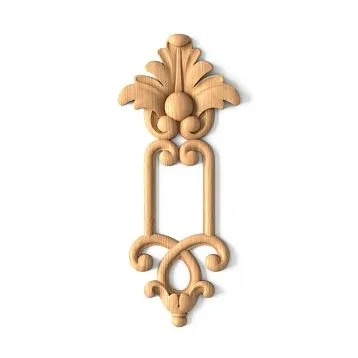
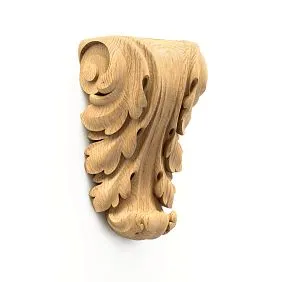
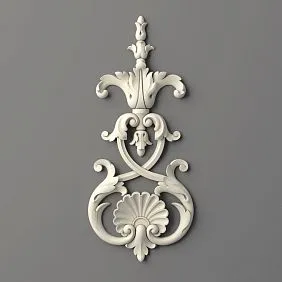
Carved wooden ornaments for the house — the hallmark of Russian style. Moldings, cornices, gables, and eaves create a rich play of light and shadow and give the facade individuality.
Modern technologies allow creating elements of any complexity. It is important to maintain proportions and avoid overloading the facade with excessive decoration. Each element should have its place and purpose.
Painting decorative elements requires special attention. Colors should highlight the beauty of carving, create contrasts, but not be overly bright. Traditional combinations — white on brown, red on gray — have stood the test of time.
Interior decoration
The interior furnishings of a house are no less important than exterior decoration. Elements of Russian decorative art include carved panels, balusters, ceiling outlets, door frames.
Each element must correspond to the scale of the room and the overall interior style. Large details in small rooms will look out of place, while small details in large rooms will be lost.
Textile decoration
Textiles in Russian style plays an important role in creating a cozy atmosphere. Natural fabrics — linen, cotton, wool — provide tactile comfort and visual warmth.
Traditional techniques — embroidery, lace, weaving — can be used in authentic forms or modern interpretations. It is important to maintain color harmony and avoid overloading the interior with textiles.
Curtains, blankets, cushions, tablecloths should complement the interior, not dominate it. Their role is to create completeness and coziness, highlighting the beauty of architectural elements.
Technological progress in traditional forms
Modern Russian architectural style is impossible without integrating advanced technologies. It is important to find a balance between authenticity and modern comfort.
Engineering systems
Heating, water supply, electricity, ventilation — all these systems must operate flawlessly but remain unnoticed. Modern technologies allow hiding all utilities while preserving the purity of architectural lines.
Heated floors replace bulky radiators, supply-exhaust ventilation operates silently, "smart home" systems are controlled via a mobile device. All this enhances living comfort without compromising interior style.
Energy efficiency
A modern home must be energy-efficient. Quality insulation, energy-saving windows, efficient heating systems reduce operating costs.
Renewable energy sources — solar panels, geothermal systems — can be organically integrated into the house architecture. It is important to plan these systems during the design stage.
Modern Materials
New materials expand design possibilities while preserving traditional aesthetics. Composite materials imitate natural wood but have improved characteristics.
Modern coatings protect wood from all types of exposure while preserving its natural appearance. New types of insulation provide excellent thermal insulation at minimal thickness.
Regional specificity: diversity of traditions
Russia is a vast country, and home design in Russian style can vary significantly depending on the region. Each region has its own traditions, shaped by climate, available materials, and cultural influences.
Northern Russian traditions
Arkhangelsk and Vologda regions, Karelia have gifted particularly expressive examples of wooden architecture. The harsh climate required special attention to insulation and structural strength.
Northern houses are distinguished by monumental forms and rich decorative furnishings. Large logs, high basements, steep roofs — all this creates an impression of reliability and solidity.
Northern house decoration is especially refined. Carved casings resemble stone lace, and their motifs are often borrowed from church art.
Middle Russian school
Central regions of Russia have developed a more moderate, yet no less expressive style. Here, Russian-style home design is distinguished by exceptional harmony of proportions and refinement of details.
Houses often have two floors, mezzanines, balconies, and terraces. Decoration is more restrained but very high-quality. Special attention is paid to proportions and detailing.
Volga region motifs
The Volga region presents a unique variant of Russian architecture enriched by influences of other cultures. Here, polychrome painting, bright colors, and complex ornaments were widely used.
Volga-region houses are distinguished by particular decorative richness and festivity. Carving combines with painting, creating a unique color palette.
Siberian characteristics
Siberia has developed its own variant of Russian style, adapted to the extreme climate. Houses here are especially sturdy, with reinforced structures and efficient heating systems.
Siberian carving has its own distinctive features — larger elements, strict geometric motifs, restrained color palette.
Modern Trends: Evolution of Style
Russian-style home design continues to evolve, absorbing modern trends and adapting to new needs.
Ecological Approach
Growing interest in ecology makes Russian style especially relevant. Use of natural materials, traditional technologies, and connection with nature align with modern concepts of a healthy lifestyle.
Modern eco-homes can be fully autonomous, using renewable energy sources, water purification systems, and waste recycling.
Minimalist Trends
Modern interpretation of Russian style may be more minimalist. Core principles are preserved, but the amount of decoration is reduced. Beauty lies in material quality and form purity.
Technological integration
Smart home systems, modern appliances, and multimedia seamlessly integrate into traditional interiors. It is important to maintain a balance between functionality and aesthetics.
Color Psychology in Russian Interiors
Color solutions play a key role in creating the atmosphere of a home. Russian-style home design implies intentional use of color as an emotional and symbolic tool.
Base Palette
Natural wood tones — from light honey to dark chocolate — form the base. These tones create a sense of warmth, coziness, and stability. They harmonize well with any accent colors.
White is used to create contrasts and highlight architectural details. It symbolizes purity, light, and spirituality. In interiors, white can be warm (ivory) or cool (snow-white).
Accent Colors
Red in Russian tradition signifies beauty, life, and celebration. It is used sparingly — in textiles, ceramics, decorative elements. Red energizes space and creates focal points.
Blue symbolizes sky, water, and infinity. It calms and creates a sense of spaciousness. In interiors, blue harmonizes well with white and wood.
Green, representing nature, is used to create a connection with the outside world. Live plants, green textiles, and decorative elements bring freshness and vitality.
Seasonal Adaptation
Color solutions may vary depending on the season. Light, fresh tones dominate in summer, while warm, saturated tones prevail in winter. Textiles play a key role in seasonal interior transformations.
Furniture: Function and Beauty in Unity
Furniture in Russian-style home design should combine practicality with aesthetics, modern functions with traditional forms.
Selection Principles
Primary material — solid wood or high-quality veneer. Forms are simple, functional, and free of excess. Decoration focuses on individual elements — carved backs, shaped legs.
Furniture sizes should match the proportions of the room. Large, solid furniture suits a spacious living room, while compact furniture is better for a small bedroom.
Traditional Items
Dining table — the center of family life. It should be large enough for the whole family, made of quality wood. Shape — rectangular or oval.
A chest — a traditional item of Russian household. A modern chest can be used for storing linens, as a coffee table, or as a seating area.
Buffet or sideboard for dishes emphasizes the status of the hosts and displays beautiful tableware and decorative items.
Modern Interpretation
Modern furniture can combine traditional aesthetics with current functionality. Built-in storage systems, transformable furniture, and modern hardware enhance usability.
It is important to preserve the sense of craftsmanship and individuality. Furniture should appear as if it was made for a specific home and family.
Lighting: play of light and shadow
Proper lighting can dramatically change the perception of an interior. In Russian-style home design, light plays a special role.
Natural Lighting
Large windows are a characteristic feature of a Russian house. They should allow maximum light while not compromising the home's insulation. Modern energy-efficient windows solve this problem.
The orientation of windows relative to the cardinal directions affects the lighting of rooms throughout the day. The living room is better lit from the south or west, the kitchen from the east, and bedrooms from the east or north.
Artificial Lighting
Lighting should be multi-level — general, local, and decorative. Chandeliers, floor lamps, and table lamps create different lighting scenarios for various situations.
Light fixtures should match the interior style. Ideal are items made of wood, ceramics, or wrought metal. Shades made of natural fabrics create warm, diffused light.
Atmospheric lighting
Candles create a special, romantic atmosphere. Candlesticks become decorative elements of the interior. A fireplace not only provides warmth but also a lively, dancing light.
Accent lighting of architectural elements — beams, arches, niches — highlights the beauty of the structures and creates depth in space.
Conclusion: the house as a work of art
Designing a house in the Russian style is not merely a way of decorating a dwelling, but a philosophy of life based on harmony with nature, respect for traditions, and a pursuit of beauty and functionality.
Creating such a house requires deep knowledge, refined taste, and understanding of cultural context. Every detail must be thoughtfully considered and justified. The result is a unique space that becomes a family heirloom, passed down from generation to generation.
In today's world, the Russian style gains particular relevance. It offers an alternative to anonymity and mass production, returning people to their roots and authentic values. The house becomes not merely a place of residence, but the spiritual center of family life.
Technological progress does not destroy traditions but serves their development. Modern materials and methods allow us to create homes that surpass historical analogs in comfort and durability, while preserving their spiritual foundation and aesthetic principles.
Choosing the Russian style for your home is a choice in favor of individuality, quality, and cultural continuity. Such a home raises children with respect for traditions, gives adults a sense of stability and pride, and creates an atmosphere that unites the family and attracts friends.
For over a quarter of a century, the company STAVROS has been creating decorative elements in the Russian style. Our masters deeply understand the traditions of national architecture and masterfully employ modern technologies. Each item is crafted with love and attention to detail, becoming part of the great symphony of the Russian home. Choosing STAVROS products means acquiring not just decorative elements, but a piece of Russian soul that will fill your home with warmth, beauty, and the unique atmosphere of national culture.