Article Contents:
- Anatomy of Perfection: What Are Wooden Profiles
- Geometric Precision as the Basis of Quality
- Variety of Shapes and Cross-Sections
- Wood species: character in every fiber
- Oak: The Standard of Nobility and Strength
- Beech: Stability and Uniformity
- Ash: modern classic
- Spruce: Economy Without Compromise
- Production Technologies: From Log to Masterpiece
- Drying: the art of moisture control
- Profiling: Precision to the Micron
- Quality Control: Perfection in Every Detail
- Functional Purpose: Where and How Profiles Are Applied
- Architectural Interior Elements
- Furniture manufacturing
- Construction structures
- Design Possibilities: Creativity Without Limits
- Stylistic directions
- Color solutions
- Combining materials
- Ecological aspects: Responsibility to nature
- Certified Raw Material
- Zero-waste technologies
- Ecologically clean coatings
- Technical Specifications: Science Serving Quality
- Moisture and dimensional stability
- Strength characteristics
- Fire and Biological Resistance
- Installation: Mastery in Details
- Foundation Preparation
- Mounting methods
- Joint Processing
- Care and maintenance: preserving beauty for years
- Preventive care
- Restoration and renewal
- Controlling microclimate
- Economic aspects: investment in quality
- Ownership cost
- Impact on property value
- Ecological Award
- About the Company STAVROS
- Frequently Asked Questions

Imagine a world where every detail of your home speaks of your impeccable taste and understanding of true quality. Where architectural elements do not merely serve a functional role, but become works of art. This is the magic thatWooden profile— a material that combines ancient craftsmanship traditions with modern wood processing technologies.
In an era when synthetic materials dominate the construction technology market, natural wood remains an unshakable symbol of elegance, eco-friendliness, and durability. But what makes wooden profiles so popular among architects, designers, and discerning homeowners? The answer lies in the unique combination of aesthetic and functional qualities that cannot be replicated by artificial analogs.



Anatomy of Perfection: What Are Wooden Profiles
When we talk about wooden profiles, we mean much more than simply processed pieces of wood. It is the result of careful raw material selection, precision processing, and deep understanding of the characteristics of different wood species. EachProfile made of woodrepresents the ideal balance between form and function, where geometric precision combines with the natural beauty of wood grain.




Geometric Precision as the Basis of Quality
Modern wooden profiles are manufactured using high-precision equipment capable of ensuring dimensional deviations no greater than fractions of a millimeter. This precision is critically important for creating flawless joints, perfect connections, and harmonious architectural compositions.
The profiled shape of wood is achieved using special milling cutters, each designed for a specific cross-section type. Radii of curves, angles of bevels, depths of grooves — all these parameters are calculated with mathematical precision, ensuring not only aesthetic appeal but also functional reliability of the finished product.
Our factory also produces:




Variety of Shapes and Cross-Sections
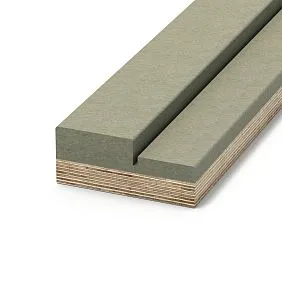
The modern market offers an enormous variety of profiles with different configurations. From simple rectangular planks to complex multi-step compositions — each shape has its own purpose and application area.Beech strip profilescan be flat, convex, concave, or combinations of these elements.
Classification by cross-section type includes simple geometric shapes — square, rectangle, circle, oval — and complex composite profiles combining several basic elements. Profiles with chamfers, rounds, quarter-rounds, and other constructive elements are especially popular, giving the finished product a distinctive character.
Get Consultation
Wood Species: Character in Every Fiber
The choice of wood species for profile manufacturing is determined not only by aesthetic preferences but also by technical requirements for the finished product. Each species possesses a unique set of physical and mechanical properties that significantly affect the performance and durability of profiles.
Oak: the standard of nobility and strength
Oak profiles are rightfully considered the pinnacle of joinery art. The high density of oak wood ensures exceptional strength and wear resistance, while its expressive texture with distinctive growth rings creates a unique visual effect. Oak’s natural tannin impregnation provides inherent resistance to decay and insect damage.
Oak’s color palette is strikingly diverse — ranging from light golden hues of the sapwood to rich brown tones of mature wood. Stained oak acquires a noble dark brown, almost black color, highly prized in luxury interiors.
Beech: stability and uniformity
Beech wood is distinguished by exceptional structural uniformity and dimensional stability, making it ideal for manufacturing precise profiles of complex configurations. Beech’s fine-grained texture provides a smooth surface without a pronounced grain, enabling the creation of elements with clear geometry.
The rose-tinted hue of natural beech is versatile and easily complements various interior design solutions. High density ensures longevity and resistance to mechanical impacts, while excellent workability allows creating profiles of the most complex configurations.
Ash: modern classic
Beech profiles embody a harmonious blend of traditional qualities and modern aesthetics. Beech’s contrasting texture with clearly defined growth layers creates a dynamic pattern, especially striking under specific lighting conditions.
The natural elasticity of beech wood allows creating profiles with thin elements that would be impossible with other species. The light color with a subtle greenish tint harmonizes beautifully with modern finishing materials and color schemes.
Spruce: economical without compromise
Spruce profiles offer the optimal price-to-quality ratio for a wide range of applications. Ease of processing, relatively low cost, and pleasant resinous texture make spruce a popular choice for interior and facade work.
Spruce’s natural resinous quality provides additional protection against moisture and biological influences. The light yellow color with characteristic resin pockets creates a warm, cozy atmosphere, especially valued in country homes and cottages.
Production technologies: from log to masterpiece
The process of transforming raw wood into a high-precision profile involves numerous technological operations, each affecting the final product’s quality. Modern technologies enable the full realization of wood’s natural qualities while simultaneously eliminating its shortcomings.
Drying: the art of moisture control
Proper wood drying is the foundation of quality for any wooden product. Freshly cut wood contains up to 50-60% moisture, most of which must be removed to prevent deformation and cracking of finished products.
Kiln drying in specialized installations allows precise control of moisture removal, reducing moisture content to optimal 8-12%. Gradual drying eliminates internal stresses that could manifest during the use of finished profiles.
Profiling: precision to the micron
Creating a profiled surface requires the use of high-precision equipment and specialized tools. CNC routers ensure perfect geometric repeatability along the entire length of the profile.
The quality of cutting tools directly affects the cleanliness of the processed surface. Carbide-tipped cutters provide long service life without losing sharpness, ensuring consistent product quality throughout the entire production cycle.
Quality control: perfection in every detail
Modern quality control systems include automatic measurement of geometric parameters, moisture control, and detection of wood defects. Laser scanners can detect dimensional deviations in fractions of a millimeter, ensuring compliance with the strictest standards.
Sorting finished products by quality classes allows offering consumers the optimal price-to-quality ratio for each specific application.
Functional application: where and how profiles are used
Wooden profileFind application in the most diverse fields — from luxury furniture manufacturing to large-scale construction. The versatility of this material enables solving tasks of any complexity while creating a unique aesthetic effect.
Architectural interior elements
Interior use of wooden profiles includes creating casings, baseboards, cornices, moldings, and other decorative elements.Wooden profilesCapable of radically changing the perception of space, creating architectural expressiveness where previously there were merely flat surfaces.
Walls with profiled elements add depth and volume to interiors. Various profile types — from simple rectangular planks to complex multi-tiered compositions — allow creating unique design solutions for any stylistic direction.
Furniture manufacturing
In the furniture industry, wooden profiles are used to create facades, frames, decorative inserts, handles, and other functional and decorative elements. The precision of profiled elements’ geometry ensures perfect fitting of parts and flawless appearance of finished products.
Edge profiles conceal the ends of panel materials, creating the impression of a monolithic wooden structure. Decorative profiles add expressiveness and individuality to furniture, transforming utilitarian items into works of applied art.
Structural constructions
In construction, wooden profiles are used to create load-bearing and enclosing structures, finishing elements, window and door units. Special construction profiles — beams, boards, battens — form the basis of frame construction.
Laminated profiles made of lamellas have increased strength and dimensional stability compared to solid wood. The gluing technology allows creating profiles of large cross-section from high-quality wood without natural defects.
Design possibilities: creativity without limits
Wooden profiles open up boundless opportunities for creative expression for designers and architects. The variety of species, shapes, sizes, and finishing methods allows creating unique solutions for any project.
Stylistic directions
Each design style imposes specific requirements on architectural decoration. Classic style requires profiles with complex configurations and rich plasticity, modern minimalism — clear geometric forms, country style — deliberately rough, "handcrafted" elements.
wooden wall profileCan be adapted to any design style thanks to the ability to choose wood species, surface treatment type, and finish coating.
Color Solutions
The natural color of wood can be preserved or altered using various finishing methods. Staining, toning, and patination allow achieving any desired shade while maintaining the natural wood texture.
Covering finishes — paints, enamels — completely conceal the wood texture, transforming the profile into an element of pure color and form. This approach is especially popular in modern interiors, where materiality is less important than geometry and proportions.
Combining materials
Wooden profiles combine beautifully with other materials — metal, glass, stone, ceramic. Contrasting combinations create expressive compositions where each material highlights the strengths of the others.
Inlay with metallic elements, inserts of colored glass, combinations of different wood species — all these techniques allow creating unique decorative elements without analogs in mass-produced products.
Ecological aspects: responsibility toward nature
Modern production of wooden profiles increasingly focuses on ecological aspects — from raw material processing to waste disposal. Principles of sustainable development have become an integral part of the corporate philosophy of leading manufacturers.
Certified raw material
Using wood from certified forests guarantees that harvesting follows sustainable forestry principles. International standards FSC and PEFC ensure forest resource regeneration and biodiversity conservation.
Supply chain control allows tracing the origin of each log from the harvesting site to the finished product. This ensures process transparency and confirms the manufacturer's ecological responsibility.
Zero-Waste Technologies
Modern wood processing plants strive to minimize production waste. Sawdust and shavings are used to produce wood panels, fuel briquettes, and as compost fillers.
Optimizing raw material cutting using computer programs allows maximum efficient use of each cubic meter of wood. Modern technologies enable raw material utilization efficiency to reach 85–90%.
Ecologically Safe Coatings
Water-based finish coatings contain no toxic solvents or heavy metals. They are safe for human health and do not harm the environment during production and disposal.
Natural oils and waxes create a breathable coating that does not hinder the natural moisture exchange of wood. Such coatings highlight the natural beauty of wood and can be renewed easily without completely removing the old layer.
Technical specifications: science serving quality
A quality wooden profile must meet strict technical requirements ensuring durability and reliability in operation. Modern standards regulate all aspects of production — from raw material moisture content to geometric dimension accuracy.
Moisture and dimensional stability
The optimal moisture content of wood for profile production is 8–12%, depending on operating conditions. Exceeding this value may lead to deformation, cracking, or warping of finished products.
Stabilized wood maintains geometric stability across a wide range of climatic conditions. Special impregnations and heat treatment further enhance dimensional stability.
Strength characteristics
The strength of wooden profiles depends on wood species, fiber orientation, and presence of defects. Laminated profiles made of lamellas may exceed solid wood in strength by eliminating large wood defects.
Tests for bending, compression, and tension allow determining allowable loads for each profile type. These data are essential for correct structural design and ensuring reliability.
Fire and biological resistance
Natural wood has certain fire resistance, which can be significantly enhanced using special impregnations. Fire-retardant compositions slow down ignition and flame spread across the wood surface.
Antiseptic treatment protects wood from fungal, bacterial, and insect damage. Modern bioprotective compositions provide long-term protection without altering the wood's appearance.
Installation and mounting: craftsmanship in details
Quality installation of wooden profiles requires professional skills, specialized tools, and adherence to technical requirements. Even the highest-quality materials can be damaged by improper installation.
Foundation Preparation
The surface for installing profiles must be flat, dry, and free of dust and contaminants. Significant irregularities in the base must be corrected before installation, as profiles can only compensate for minor defects.
Priming the base improves the adhesion of adhesive compositions and prevents moisture from the adhesive from being absorbed into the base. The choice of primer depends on the type of base and the adhesive used.
Methods of mounting
Mechanical fastening with screws or nails ensures a secure connection but requires subsequent filling of the fastener heads. Hidden fastening eliminates visible installation marks but demands higher precision in installation.
Adhesive bonding ensures even load distribution along the entire length of the profile. Modern polyurethane adhesives create a strong, elastic bond that compensates for thermal deformations.
Joint Treatment
The quality of corner joints is a measure of the installer's professionalism. Precise trimming "on the nose," careful fitting of elements, filling of micro-gaps — all these operations require experience and patience.
Special corner elements simplify installation and guarantee high-quality results even when working with profiles of complex configuration. External and internal angles, connectors, and caps — all this hardware must precisely match the profile of the main elements.
Maintenance and care: preserving beauty for years
Proper care extends the service life of wooden profiles and preserves their original appearance. Different types of finishes require specific maintenance approaches.
Preventive Care
Regular dry cleaning with soft cloth removes dust and surface contaminants. Wet cleaning should be done with a well-wrung cloth using specialized wood cleaning agents.
Avoid using aggressive cleaning agents, abrasive materials, or solvents. These substances may damage the finish and spoil the appearance of the product.
Restoration and renewal
Minor damage — scratches, chips, scuffs — can be repaired by sanding and local application of finish. Serious defects may require replacement of individual elements.
Periodic renewal of protective coating maintains appearance and protective properties. The frequency of renewal depends on usage intensity and environmental conditions.
Microclimate control
Stable air temperature and humidity minimize wood deformation. Sudden changes in temperature and humidity may cause cracking and warping of profiles.
Using humidifiers and dehumidifiers helps maintain optimal microclimate. This is especially important during the heating season, when indoor air humidity significantly decreases.
Economic Aspects: Investment in Quality
Buy wooden profiles— is an investment in long-term quality and comfort. With proper selection and installation, wooden elements serve for decades, paying for initial costs.
Ownership cost
When assessing economic efficiency, consider not only initial cost but also operating, maintenance, and possible restoration expenses. High-quality wooden profiles require minimal maintenance and are easily restorable.
The possibility of partial repair allows maintaining an attractive appearance without full replacement of elements. This significantly reduces long-term costs compared to non-restorable materials.
Impact on property value
Quality finishing with natural materials increases the market value of real estate. Buyers are willing to pay more for homes and apartments with thoughtful design and quality materials.
Wooden architectural elements create an impression of solidity and prestige, which is especially important for luxury real estate. Investments in quality finishing pay off when selling the property.
Ecological Premium
Rising consumer environmental awareness makes natural materials increasingly attractive. "Green" technologies and eco-friendly materials can become a decisive factor when choosing between alternatives.
Ecological safety certificates confirming the use of renewable resources and safe technologies are becoming an additional competitive advantage.
About the company STAVROS
STAVROS holds leading positions in the Russian market for manufacturing elite wooden trim products. Decades of experience working with valuable wood species, modern high-precision equipment, and a team of skilled specialists enable the creation of world-class products.
STAVROS offers a full range of wooden profiles — from standard solutions to unique custom-made items. In-house production ensures full quality control at every stage — from raw material preparation to packaging of finished products.
The company's philosophy is based on combining traditional woodworking technologies with modern innovations. Every STAVROS product is the result of deep understanding of wood properties and a commitment to perfection in every detail.
Frequently asked questions
Which wood species is best suited for making profiles?
The choice of wood species depends on specific application and product requirements. Oak provides maximum strength and prestige, beech — dimensional stability and uniform texture, ash — modern aesthetics and elasticity, pine — optimal price-to-quality ratio. Consulting with specialists will help select the optimal option for your project.
Can wooden profiles be used in humid rooms?
Yes, but with appropriate treatment. Special water-resistant impregnations and coatings protect wood from moisture. It is also important to ensure adequate ventilation and avoid direct contact with water. Some species, such as teak or oak, have natural moisture resistance.
The calculation is based on the exact dimensions of the room, taking into account all architectural features. Add 10-15% to the obtained length for trimming and possible errors. For complex configurations, it is recommended to create a detailed plan indicating the dimensions of each element. Professional consultation will help avoid calculation errors.
Quality wooden profiles can last several decades when properly manufactured, installed, and maintained. Their longevity depends on the wood species, processing quality, operating conditions, and regular maintenance. The possibility of restoration significantly extends their service life.
How long do quality wooden profiles last?
Yes, wooden profiles can be repainted, stained, or covered with new finishes. Proper surface preparation — removing old coatings and sanding — ensures a quality result. The choice of new finish must match the operating conditions and compatibility with the substrate.
What tools are needed for installing wooden profiles?
Basic set includes a miter saw for precise cutting, a drill for fastening, a level for geometry control, measuring tools. For professional quality, specialized tools may be required — a router for joint fitting, a pneumatic stapler for fastening, templates for corner joints.
Can the color of wooden profiles be changed after installation?
Yes, wooden profiles can be repainted, stained, or covered with new finishes. Proper surface preparation — removing old coatings and sanding — ensures a quality result. The choice of new finish must match the operating conditions and compatibility with the substrate.