












































































Article Contents:
- Advantages of Wooden Skirting Boards: Why Natural Wood is Unbeatable
- Ecological purity and safety
- Durability Measured in Decades
- Repairability and Restoration Potential
- Versatility of Finishing
- Tactile Warmth and Acoustic Properties
- Status and Investment Appeal
- Types of Wooden Skirting Boards: From Solid Wood to Composite Solutions
- Solid Wood Skirting Board: The Benchmark of Naturalness
- Veneered Skirting Board: Balance of Naturalness and Stability
- MDF Skirting Board with Film: Wood Imitation
- Wooden Skirting Board Profiles: From Minimalist to Ornate
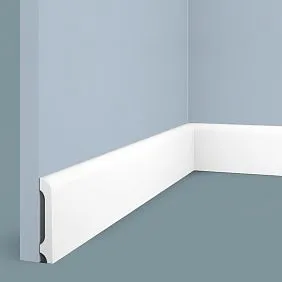
- Simple Rectangular Profile: Minimalism of Forms
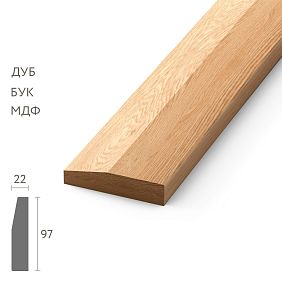
- Profile with Chamfer: Soft Elegance
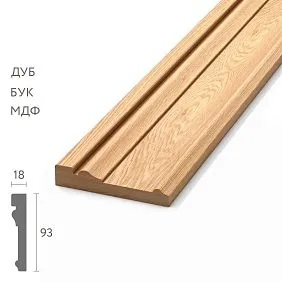
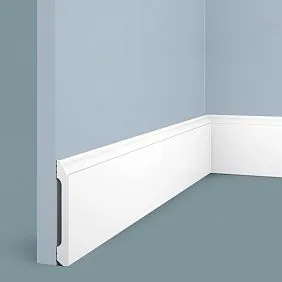
- Shaped (Molded) Profile: Classic Expressiveness
- Euro Skirting Board (Skirting with Cable Channel): Functionality and Aesthetics
- Height of Wooden Skirting Board: From Modest 40 mm to Monumental 150 mm
- Low Skirting Boards 40-60 mm: Inconspicuous Functionality
- Medium Skirting Boards 80-100 mm: Universal Classic
- High Skirting Boards 120-150 mm: Prestigious Monumentality
- Wood Species for Skirting Boards: From Affordable Pine to Elite Ash
- Pine: Budget-Friendly Naturalness
- Oak: Monumentality and Durability
- Beech: Pinkish Warmth and Uniformity
- Ash: Strength and Contrasting Texture
- Skirting Board with Cable Channel: Hidden Infrastructure
- Installation of Wooden Skirting Board: Technology of Flawless Installation
- Preparation Stage: Acclimatization and Marking
- Installation Tools
- Fastening Methods: Screws, Glue, Clips
- Corner Processing: The Art of 45° Joining
- Processing and Finishing Wooden Skirting Boards: Protection and Aesthetics
- Clear Varnishes: Highlighting the Grain
- Oils: Tactile Surface
- Paints: Color Solutions
- Wooden Skirting Board Care: Easy Beauty Maintenance
- Comparing Wooden Skirting Boards with Plastic and MDF
- Prices for Wooden Skirting Boards per Linear Meter in 2026
- Frequently Asked Questions About Wooden Skirting Boards
- What Skirting Board Height to Choose for a 2.7-Meter Ceiling?
- Can Wooden Skirting Boards Be Installed in Damp Rooms?
- How to Attach Wooden Skirting Boards to Drywall?
- Should Wooden Skirting Boards Be Painted Before Installation?
- How to Remove Gaps Between Skirting Board and Wall?
- How Long Does a Wooden Skirting Board Last?
- Can You Paint an Already Installed Wooden Skirting Board?
- What's Better: Solid Wood or Veneered Skirting Board?
- How to Match Skirting Board Color?
- Where to Buy Quality Wooden Skirting Boards?
- Company STAVROS: A Quarter Century of Woodworking Craftsmanship

The finishing touch can change everything. A room with perfect renovation but without skirting boards looks unfinished, raw, lacking that very feeling of home. A wooden skirting board is not just a strip covering the gap between wall and floor. It is an architectural element that frames the space, protects walls from damage, conceals utilities, and sets the tone for the entire interior. Choosing between cheap plastic and noble wood is a choice between momentary savings and a long-term investment in beauty and comfort.
Why doesWooden baseboardremain the benchmark, despite the abundance of alternatives? Wood breathes with the home, responds to humidity changes, ages with nobility, preserving dignity. The natural grain of solid oak or beech needs no imitation—it is self-sufficient. The tactile sensation of touching real wood cannot be replaced by any polymers. In 2026, when eco-friendliness and durability are valued above fleeting trends,wooden skirting board purchasemeans making a choice in favor of timeless values.





Advantages of Wooden Skirting Boards: Why Natural Wood is Unrivaled




Ecological purity and safety
Solid wood is a material created by nature. No synthetic resins, formaldehydes, phthalates.wooden baseboarddoes not emit volatile organic compounds even when heated, which is critical for homes with underfloor heating. In children's rooms, bedrooms, kitchens—everywhere where air safety is important, wood remains the unsurpassed choice.
Wood has natural antibacterial properties. Oak contains tannins that inhibit the development of bacteria and mold. Beech has a fine-porous structure that does not trap dirt. This is not just decor—it's a contribution to the healthy microclimate of your home.
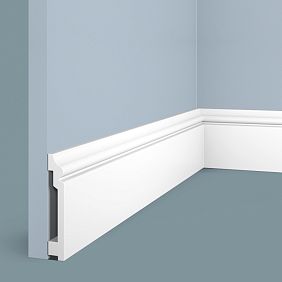
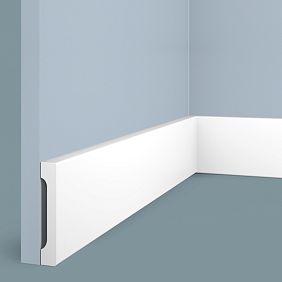
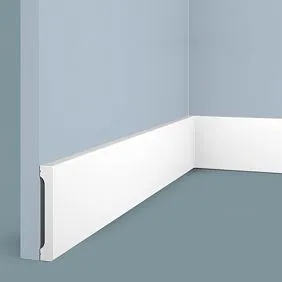
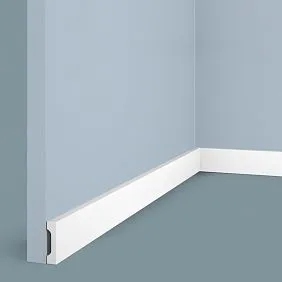
Our factory also produces:

Durability Measured in Decades
A properly installed and finished wooden skirting board lasts 30-50 years without losing aesthetic qualities. Hardwoods (oak, ash, beech) withstand mechanical impacts, do not deform from accidental bumps, and maintain geometry even with significant humidity fluctuations.
Plastic skirting boards yellow after 5-7 years, crack from UV exposure, lose their gloss. MDF with film chips at joints, and the film peels from moisture. Wood ages nobly: the patina of time only adds character. Even scratches on an oak skirting board look like evidence of a life lived, not as a defect.
Get Consultation
Repairability and restoration potential
A scratched wooden baseboard can be sanded with fine sandpaper and refinished with varnish or oil—it will return to its original appearance. A chip is easily restored with wood filler followed by tinting. A section faded by the sun is renewed through local sanding and refinishing.
Plastic and MDF are not repairable: a chip in the film cannot be restored, yellowed plastic cannot be bleached, and a cracked section requires replacing the entire plank.
Versatility of finishing
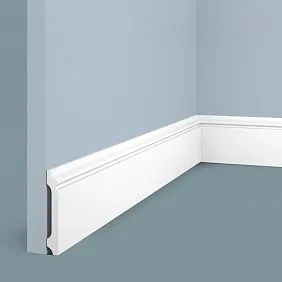
with a classic profile creates a sense of solidity, reliability.accepts all types of coatings: clear varnishes (highlight the texture), tinting stains (change the shade), opaque paints (create colored solutions), oils and waxes (provide a matte tactile surface), patination and brushing (create an aged effect).
This finishing flexibility allows wooden baseboards to fit into any style—from classic to high-tech. Light, bleached oak with oil for Scandinavian interiors, dark wenge for contemporary, black paint for loft, white enamel for Provence—wood adapts to any concept.
Tactile warmth and acoustic properties
Wood is warm to the touch. Touching a wooden baseboard is pleasant even in winter—it does not radiate cold like plastic or ceramic. This tactile warmth creates a subconscious sense of coziness.
Wood absorbs sound waves, reducing room reverberation. A room with wooden baseboards is acoustically more comfortable than one with plastic—less reflected noise, softer footsteps.
Prestige and investment appeal
Solid oak or beech wooden baseboards emphasize the status of an interior. When selling real estate, the presence of high-quality wooden finishing elements increases the perceived value of the property. Buyers are willing to pay more for an apartment where natural materials are used instead of imitations.
Types of wooden baseboards: from solid wood to composite solutions
Solid wood baseboard: the benchmark of naturalness
A solid baseboard is cut from a solid board—it is a monolithic piece of wood without gluing or extensions. Production technology: the board is sawn into blanks, dried in a chamber to 8-12% moisture content, planed on four-sided machines, milled to create the profile, sanded, and coated with protective compounds.
Advantages of solid wood: maximum strength and durability, possibility of multiple restorations (can remove a layer up to 3-5 mm), complete eco-friendliness, uniqueness of each plank's texture.
Disadvantages: high price (2-3 times more expensive than MDF), sensitivity to humidity fluctuations (may slightly shrink/swell), limited plank length (usually 2-2.5 meters due to the length of the original boards), presence of natural texture defects (knots, swirls, which some consider a flaw and others—uniqueness).
Veneered baseboard: balance of naturalness and stability
A veneered baseboard has a base made of MDF or finger-jointed wood, covered with a thin layer of natural veneer (a wood slice 0.5-3 mm thick). The veneer is glued under pressure, creating a monolithic bond.
Advantages of veneer: natural wood texture on the surface, high geometric stability (MDF base does not react to humidity), more affordable price (30-40% cheaper than solid wood), possibility of producing long planks (up to 3 meters), absence of natural defects (veneer is selected from the best sections).
Disadvantages: limited repairability (sanding may remove the veneer), lower durability compared to solid wood (20-30 years vs. 30-50), tactile feel still differs from solid wood (the base does not breathe like solid wood).
MDF baseboard with film: imitation of wood
An MDF base (medium-density fiberboard) is covered with a decorative film imitating wood texture or painted with enamel. Technology: MDF is milled to create the profile, a film (melamine, PVC, eco-veneer) is glued to the surface or a layer of paint is applied.
Advantages of MDF: affordable price (2-3 times cheaper than solid wood), perfect geometry without defects, wide color range (any shades, including bright ones), stability during humidity fluctuations, ease of installation (easier to cut, does not require special skills).
Disadvantages: artificiality (even high-quality film cannot replace wood texture), low repairability (scratches on the film cannot be fixed), lower durability (10-15 years), low eco-friendliness (MDF contains synthetic resins), lack of wood's tactile warmth.
Profiles of wooden baseboards: from laconic to ornate
Simple rectangular profile: minimalism of forms
A baseboard with a rectangular cross-section—a block without shaped elements, all edges at 90°. This is the most laconic profile, ideal for modern interiors (minimalism, Scandinavian, loft, contemporary).
Visually, a straight profile creates strict graphics, does not distract attention, works as part of the architecture rather than decoration. Technically, it is the simplest profile to produce and install—does not require complex miter cuts in corners, joins easily.
Dimensions of straight profiles: height from 40 to 120 mm, thickness 15-20 mm. For minimalist interiors, narrow options (40-60 mm) are suitable; for more expressive ones—medium and tall (80-120 mm).
Profile with a chamfer: soft elegance
The top front edge of the skirting board is cut at a 30-45° angle, creating a beveled edge (chamfer). This softens the rigidity of the rectangle, adding elegance without excessive decoration.
The chamfered profile is versatile: it works in both modern and classic interiors. The play of light on the chamfer creates subtle shadows, making the skirting board appear more voluminous. Installation is slightly more complex than a straight profile (precision is needed for miter cuts), but it is still accessible to non-professionals.
Figurative (molded) profile: classic expressiveness
A molded profile has a complex cross-section with protrusions, recesses, and curves—these can be classic coves (concave semicircular transitions), beads (convex semicircles), shelves, or flutes. Such profiles replicate the architectural details of classical orders.
Figurative skirting boards are suitable for classic, neoclassical, and Baroque interiors. They create a rich play of light and shadow, giving the room a formal appearance. The height of molded skirting boards is typically from 80 to 150 mm—a smaller height does not allow the complex relief to fully reveal itself.
Installing figurative skirting boards requires professionalism: 45° miter cuts are complex due to the curved profile, requiring precise fitting and sealing of joints.
Euroskirting (skirting board with cable channel): functionality and aesthetics
Euroskirting is a skirting board with a technological cavity on the back side for running cables (electrical wiring, internet, telephone, TV antenna). Construction: main decorative part + removable or non-removable back strip, between which the wires pass.
Advantages of Euroskirting: hidden routing of utilities (wires are not visible, do not spoil the interior), possibility of later adding/replacing cables without dismantling walls, protection of wires from mechanical damage.
Wooden Euroskirting boards are less common than plastic ones (wood is more difficult to mold), but there are options with a milled groove on the back side for 2-4 cables. For larger volumes of wiring, combined solutions are used: wooden skirting board + plastic insert with a cable channel.
Height of wooden skirting board: from modest 40 mm to monumental 150 mm
The height of the skirting board critically influences the perception of space. Rule: the height of the skirting board should be 3-5% of the wall height (from floor to ceiling). For a 2.7-meter ceiling, the optimal skirting board height is 81-135 mm, with realistically available standards being 80, 100, 120 mm.
Low skirting boards 40-60 mm: discreet functionality
Skirting boards with a height of 40-60 mm are the choice for minimalist modern interiors with ceilings of 2.4-2.6 meters. They perform the function of protecting the wall and closing the gap, but are visually almost imperceptible—creating the effect that the wall continues all the way to the floor.
Such skirting boards are ideal for small rooms where every centimeter of visual height is important. A narrow skirting board does not steal space and does not break up the wall with a horizontal line.
Disadvantage of low skirting boards: they provide less protection for the wall from damage (vacuum cleaners, mops easily reach the wallpaper/paint), and visually may seem insufficient in spacious rooms.
Medium skirting boards 80-100 mm: universal classic
A height of 80-100 mm is the most in-demand range, suitable for most living spaces with ceilings of 2.5-2.9 meters.and paint it to the desired shade — standard practice in modern design. It is important to use special wood finishes that allow the material to breathe.A skirting board with a height of 80 or 100 mm is a solution tested by decades.
Such skirting boards create a harmonious proportion: noticeable enough to frame the room, but not dominant, not drawing excessive attention. They protect the lower part of the wall well, hide irregularities at the floor junction, and accommodate small cable channels.
Visually, a 100 mm skirting board creates a classic atmosphere, rhymes with standard-width door casings (90-110 mm), and harmonizes with furniture. This is a fail-safe choice for neoclassical, classic, and transitional styles.
High skirting boards 120-150 mm: status monumentality
Skirting boards with a height of 120-150 mm are the choice for rooms with high ceilings (from 3 meters) or for creating an accent in interiors with a specific stylistic theme (classic, Baroque, Art Deco). A tall wooden skirting board creates a sense of monumentality, solidity, and respectability.
In classic interiors, a high skirting board is essential: it balances wide ceiling cornices, tall doors, and massive furniture. Without a proportionate skirting board, the lower part of the room looks unfinished.
Disadvantage of high skirting boards: in rooms with low ceilings (2.4-2.6 meters), they visually reduce the height, creating a feeling of pressure. A high skirting board occupies more wall area—this is critical in small rooms.
Wood species for skirting boards: from affordable pine to elite ash
Pine: budget-friendly naturalness
Pine is the most affordable wood species for wooden skirting boards. Light wood with a yellowish tint, pronounced annual ring texture, characteristic knots.
Advantages of pine: low price (basic level), good availability, ease of processing (soft wood is easy to saw, mill), natural resinousness (protects from moisture and biological damage), pleasant coniferous aroma.
Disadvantages: softness (dents from impacts and scratches from sharp objects appear easily), knotty grain (many small knots that may fall out or darken), resinousness may manifest as resin droplets when heated (a problem with underfloor heating).
Pine skirting boards are ideal for country houses, suburban cottages in country, Provence, or Scandinavian interiors intended for painting (paint will hide the texture, leaving only the shape).
Oak: monumentality and durability
Oak is the king among woods. It is a hard, heavy, dense wood with an expressive texture of large pores and characteristic medullary rays (radial lines on the cross-section). Color ranges from light brown to dark chocolate.
Advantages of oak: maximum hardness and wear resistance (resistant to impacts, abrasion), moisture resistance (tannins protect against rot), noble expressive texture, longevity (centuries), high status.
Disadvantages: high price (3-5 times more expensive than pine), significant weight (density 700 kg/m³), difficulty in processing (hard wood quickly dulls tools), tendency to crack if dried improperly.
Oak skirting boards are the choice for premium interiors, classic studies, libraries, living rooms, where visual solidity and guaranteed durability are important. Oak is ideal for transparent oil or varnish — the texture should be visible.
Beech: pinkish warmth and uniformity
Beech is a hardwood species, close to oak in strength. Color is light with a characteristic pinkish or peach tint, texture is fine and uniform without large pores.
Advantages of beech: high density and strength, beautiful warm hue (especially under oil or wax), uniform structure (absence of pronounced pores facilitates sanding and painting), good workability (cuts cleaner than oak).
Disadvantages: hygroscopicity (beech actively reacts to humidity changes, can warp), price (2-3 times more expensive than pine), lower durability in humid conditions (not recommended for bathrooms, kitchens without protective coating).
Beech skirting boards are ideal for interiors in warm pastel tones — bedrooms, living rooms, studies. The pinkish tint of beech harmonizes with beige, cream, peach walls. Under white paint, beech creates a dense, opaque coating due to its fine-pored structure.
Ash: strength and contrasting texture
Ash surpasses oak in hardness, has a striking contrasting texture with pronounced annual rings. Color ranges from light beige to grayish-brown.
Advantages of ash: maximum strength and elasticity (traditionally used for tool handles, sports equipment), expressive dynamic texture (especially with radial cut), resistance to loads, light shade (suits modern interiors).
Disadvantages: high price (comparable to or higher than oak), demanding protective treatment (can darken without coating), limited availability (less ash is harvested than oak).
Ash skirting boards are the choice for dynamic modern interiors, where the visual energy of the texture is important. Ash under transparent oil creates striking striped patterns, especially expressive in oblique light rays.
Skirting board with cable channel: hidden infrastructure
The modern home is saturated with electronics: charging outlets, internet cables, TV antennas, audio wires. Running these utilities along walls spoils the aesthetics. A skirting board with a cable channel solves the problem elegantly.
Wooden skirting boards with cable channels come in two types:
With a removable back strip: the main wooden profile is attached to the wall, leaving a 10-15 mm gap behind it where wires are laid. After laying the cables, the gap is covered with a narrow strip on clips or screws. Advantage: easy access for adding/replacing wires. Disadvantage: visible joint line (minimal, but noticeable up close).
With a milled groove: longitudinal grooves for 2-4 cables are milled on the back side of a solid skirting board. Wires are laid into the grooves before installation, the skirting board is attached to the wall. Advantage: solid monolithic appearance without joints. Disadvantage: inability to add wires after installation (requires dismantling).
For large volumes of wiring (home theater, complex audio system, multiple outlets), a combined solution is used: wooden skirting board + plastic cover with a wide cable channel. Visually this is less elegant, but functionally justified.
Installation of wooden skirting board: technology for flawless installation
Preparation stage: acclimatization and marking
Wooden skirting board must 'acclimate' to the room's microclimate. Delivered planks are unpacked and laid horizontally in the room where they will be installed. Acclimatization takes 2-3 days — the wood absorbs or releases moisture, reaching equilibrium with the room's humidity. This prevents deformation after installation.
Marking is done with a tape measure and pencil. The room's perimeter is measured, the number of planks is calculated with a 5-7% allowance for cutting and defects. Mounting points are marked: for wooden skirting boards, the spacing between mounting points is 50-70 cm (more frequent than for plastic, due to greater weight).
Tools for installation
Required set: miter saw or fine-toothed saw + miter box (for precise 45° angle cuts), drill or hammer drill (for drilling holes for dowels), screwdriver (for driving screws), tape measure, level, pencil, nail set (for countersinking screw heads), spatula and wood filler (for filling holes), sandpaper P180-P220.
Mounting methods: screws, adhesive, clips
Mounting with screws — a classic reliable method. Holes for dowels are drilled in the wall (for concrete/brick) or without dowels (for wooden walls). Thin pilot holes for screws are pre-drilled in the skirting board to prevent the wood from cracking. Screws are driven in, heads are countersunk 2-3 mm below the surface with a nail set. Holes are filled with wood-tone filler, sanded after drying.
Advantages: maximum mounting strength, possibility of dismantling and reinstallation, suitable for uneven walls (skirting board is pulled tight to the surface with screws).
Disadvantages: visible mounting points (even filled holes are noticeable up close), labor-intensive (many operations: drilling, filling, sanding).
Adhesive mounting — a method for perfectly flat walls. Mounting polyurethane adhesives ('liquid nails') or specialized wood adhesives are used. The adhesive is applied to the back of the skirting board in a zigzag line or dots at 10-15 cm intervals. The skirting board is pressed against the wall, held for 30-60 seconds until initial setting, and secured with painter's tape for 12-24 hours until completely dry.
Advantages: no visible fasteners (clean surface), quick installation (no need to drill dozens of holes).
Disadvantages: impossible to remove without damage (the adhesive holds permanently), requires perfectly flat walls (on uneven surfaces, the skirting board pulls away, creating gaps), less reliable on curved sections.
Clip mounting (hidden installation) — a modern system. Metal or plastic clips (clamps) are attached to the wall at 40-50 cm intervals. A groove is milled on the back of the skirting board. The skirting board snaps onto the clips, held by mechanical engagement.
Advantages: completely hidden fastening (no screws or holes), easy removal (for cable access, skirting board replacement), clean aesthetics.
Disadvantages: requires a special skirting board with a groove (standard planks are not suitable), more expensive than standard fasteners (cost of clips), only suitable for flat walls.
Corner processing: the art of 45° joining
Room corners are the most complex part of installation. A perfect 45° corner joint of skirting boards requires precision.
Miter cutting technique: the room angle is measured with a protractor (often corners are not exactly 90°, but 88° or 92°), the angle is halved (for joining planks), the required angle is set on a miter saw, and the plank is cut. The first plank is cut at a positive angle, the second at a negative angle. The planks are placed against the wall, and the tightness of the joint is checked. Fine-tuning is done with fine-grit sandpaper or recutting if necessary.
The joint is glued with wood glue, excess is removed with a damp cloth. After drying, any remaining micro-gap is filled with wood-tone acrylic sealant or wood filler.
Alternative method — 90° butt joint (one plank is cut straight, butts into the corner, the second is cut straight and placed against the end of the first). Simpler to execute but less aesthetic — the end of one plank is visible.
Processing and finishing wooden skirting boards: protection and aesthetics
Clear varnishes: highlighting the grain
Varnish creates a hard protective film, highlights the wood grain, and adds depth to the color. Polyurethane (maximum strength, abrasion resistance), alkyd (fast-drying, affordable), and water-based acrylic (odorless, eco-friendly) varnishes are used.
Varnishing technique: skirting boards are sanded with P180-P220, dusted, primed (acrylic wood primer), after the primer dries, light intermediate sanding with P320 to remove raised fibers, application of the first coat of varnish (thinned 10% for deep penetration), drying, sanding with P400, second coat of unthinned varnish, drying, third coat (optional for high-traffic areas).
Varnish can be glossy (highlights grain, creates shine, but scratches are visible), semi-matte (balance of shine and practicality), or matte (noble restraint, scratches are less noticeable).
Oils: tactile surface
Oil penetrates the wood pores without creating a surface film. Oil finish highlights the grain, deepens the color, and provides a matte, silky surface that is pleasant to the touch.
Oil treatment technique: skirting boards are sanded with P220, dusted, oil is generously applied with a brush or rag, rubbed into the wood in circular motions, after 15-20 minutes excess is removed with a dry cloth, drying for 12-24 hours, second coat (optional).
Oil requires periodic renewal (light application of a new coat every 2-3 years), but allows for local restoration: the damaged area is sanded and re-oiled — repair marks are invisible.
Paints: color solutions
Opaque paint hides the wood grain, creating a uniform colored surface. Water-based acrylic enamels (odorless, fast-drying) or alkyd enamels (more durable but with odor) are used.
Painting technique: skirting boards are sanded, primed with an opaque primer (white or tinted), after drying light sanding with P320, first coat of paint (semi-transparent, reveals defects), filling of revealed defects, sanding, second coat of paint (opaque), drying, third coat (for perfect opacity).
Colored skirting boards allow for creating contrasts: white skirting on dark walls (classic technique), black on light walls (modern drama), bright colors (eclectic, children's rooms).
Caring for wooden skirting boards: simplicity of preserving beauty
Wooden skirting boards with a quality finish do not require complex care. Regular dry cleaning: once a week, dust is removed with a vacuum cleaner with a soft attachment or a dry soft cloth. Wet wiping: once a month, the surface is wiped with a slightly damp (not wet!) cloth. Do not use aggressive cleaning agents, abrasives, or stiff brushes.
For varnished skirting boards: every six months, you can wipe with a special wood polish — refreshes shine, adds extra protection. For oiled skirting boards: every 2-3 years, renew the oil finish (light application of a new coat without sanding) — maintains protection and appearance.
Scratches on varnished skirting boards: minor ones — polished with felt and polish; deep ones — locally sanded with P400, coated with varnish using a brush. Scratches on oiled skirting boards: sanded with P320, wiped with oil — the mark disappears.
Dents from impacts: moistened with water, ironed with a hot iron through a damp cloth — wood fibers swell, the dent partially evens out. Any remaining depression is filled, sanded, and locally refinished.
Comparison of wooden skirting boards with plastic and MDF
| Parameter | Wood (solid wood) | Veneer on MDF | MDF with film | Plastic |
|---|---|---|---|---|
| Ecological | Maximum | High | Medium | Low |
| Durability | 30-50 years | 20-30 years | 10-15 years | 5-10 years |
| Repairability | Good | Medium | Poor | Poor |
| Moisture resistance | Medium* | Good | Good | Good |
| Material Price | High | Medium | Low | Very low |
| Status/prestige | Maximum | High | Medium | Low |
| Tactile | Warm | Pleasant | Cold | Cold |
| Finishing variability | Any | Good | Limited | Limited |
*With protective coating (varnish, oil), wood's moisture resistance is high.
Conclusion: wood wins in terms of eco-friendliness, durability, repairability, and status. Plastic and MDF with film win in price and moisture resistance. Veneer on MDF is a compromise solution, combining a natural surface with a stable base.
Prices for wooden skirting boards per linear meter in 2026
Prices depend on wood species, height, profile complexity, and coating type.
Pine:
-
Simple profile 80 mm: 300-500 RUB/m
-
Simple profile 100 mm: 400-650 RUB/m
-
Figural profile 100 mm: 600-900 RUB/m
Oak:
-
Simple profile 80 mm: 900-1400 RUB/m
-
Simple profile 100 mm: 1200-1800 RUB/m
-
Figural profile 100 mm: 1800-2800 RUB/m
-
Tall figural 120-150 mm: 2500-4500 RUB/m
Beech:
-
Simple profile 80 mm: 600-900 RUB/m
-
Simple profile 100 mm: 800-1300 RUB/m
-
Figural profile 100 mm: 1200-2000 RUB/m
Ash:
-
Simple profile 80 mm: 950-1500 RUB/m
-
Simple profile 100 mm: 1300-2000 RUB/m
-
Figural profile 100 mm: 1900-3000 RUB/m
Veneered on MDF:
-
Oak, simple profile 80 mm: 500-800 RUB/m
-
Oak, simple profile 100 mm: 700-1200 RUB/m
-
Beech, simple profile 100 mm: 600-1000 RUB/m
MDF with film:
-
Any color, simple profile 80 mm: 200-400 RUB/m
-
Any color, simple profile 100 mm: 300-500 RUB/m
Installation cost: 250-600 RUB/m depending on complexity (simple straight sections are cheaper, corners and shaped profiles are more expensive).
Frequently Asked Questions about Wooden Skirting Boards
What skirting board height to choose for a 2.7-meter ceiling?
For a 2.7 m ceiling, skirting boards 80-120 mm are optimal. The 80 mm size is suitable for minimalist interiors, 100 mm is a universal choice for classic and neoclassical styles, 120 mm is for more expressive interiors with tall furniture.
Can wooden skirting boards be installed in damp rooms?
Yes, but with mandatory moisture protection treatment. Use hardwoods (oak contains tannins that protect against rot), cover with yacht varnish or oil-wax with a high wax content. In bathrooms, it is better to avoid direct contact of the skirting board with water.
How to attach a wooden skirting board to drywall?
Use special 'butterfly' anchors for drywall or, if accessible, attach with self-tapping screws directly to the metal frame of the drywall structure. Fastening spacing 40-50 cm.
Should a wooden skirting board be painted before installation?
Preferably. Pre-installation treatment is more convenient — all edges are accessible, and there is no risk of staining walls and floors. Skirting boards are primed, painted/varnished, and installed after complete drying. Fastening points are touched up after installation.
How to remove gaps between the skirting board and the wall?
Small gaps (up to 3 mm) are filled with acrylic sealant matching the wood tone. The sealant is applied in a thin line and smoothed with a wet finger. Large gaps (3-10 mm) are first filled with foamed polyethylene (laminate underlay cut into strips), then sealed. Very large gaps (over 10 mm) indicate severely uneven walls — wall leveling is needed before skirting board installation.
How long does a wooden skirting board last?
Solid oak or ash with quality varnish coating lasts 30-50 years without loss of functionality and aesthetics. Pine — 20-30 years. Veneered skirting boards — 20-30 years. Critical factors are wood drying quality and proper installation.
Can an already installed wooden skirting board be painted?
Yes, but it is more difficult. The bottom (near the floor) and top (near the wall) of the skirting board are hard to reach. Use protective film for floors and walls, painter's tape along the skirting board edges. Paint with a narrow brush or mini roller. Drips are possible — work carefully.
What is better: solid wood or veneered skirting board?
Solid wood is better for durability, repairability, eco-friendliness, and tactile feel. Veneer is better for stability (does not react to humidity), price, and absence of natural defects. For prestigious interiors — solid wood; for practical modern ones — veneer on MDF.
How to choose the skirting board color?
Classic approach: skirting board matching the color of doors and trims (creates a unified architectural ensemble). Modern approach: skirting board matching the floor color (visually extends the flooring) or matching the wall color (skirting board blends with the wall, making the wall appear taller). Contrast approach: white skirting board on dark walls or dark on light.
Where to buy quality wooden skirting boards?
From specialized wood product manufacturers. Company STAVROS offers skirting boards made of solid oak, beech, ash — various heights (60-120 mm), profiles (simple, shaped), finishes (under varnish, for painting, pre-tinted).
Company STAVROS: a quarter century of woodworking craftsmanship
When you choose wooden products for your home, you entrust the company not just with material, but with a piece of your life. STAVROS understands this responsibility. 24 years in the market, thousands of completed projects, impeccable reputation among architects, designers, builders — this is the result of unwavering commitment to quality.
STAVROS production in the Moscow region features high-precision European-level woodworking equipment. Four-sided planers create perfect baseboard geometry with a tolerance of ±0.3 mm. CNC milling centers form complex shaped profiles, reproducing classic ornaments with museum precision. Wide-belt sanding machines bring the surface to furniture grade — smooth, lint-free, ready for finishing.
Raw materials are selected with special care. Oak from environmentally clean regions of Krasnodar Krai is large-pored wood with a pronounced texture of noble shades. Beech from the Caucasus has a uniform fine-pored structure with a warm pinkish tone. Ash from the central zone features contrasting striped texture with maximum strength. Pine from northern regions is dense fine-grained wood with minimal knots.
The technological process begins with drying. In-house drying chambers operate in a gentle condensation drying mode — wood is brought to 8-10% moisture content without cracking or internal stress. Dried material is stored for at least a week for final stabilization. Only after this does mechanical processing begin.
Quality control permeates every stage. Incoming raw material control rejects boards with rot, deep cracks, loose knots. Operational control checks geometry after planing — every tenth strip is measured with calipers. Final control assesses surface cleanliness, absence of defects, profile conformity to the standard.
The STAVROS baseboard range includes dozens of models: height from 60 to 150 mm, profiles from minimalist straight to luxurious shaped, wood species from affordable pine to elite ash, finishes from natural wood under varnish to ready-made tinted and painted. Standard strip length 2-2.5 meters, custom cutting to any size available. Minimum shipping batch — from 1 piece.
Delivery is organized professionally: in Moscow and the region — by own transport on the day of order or the next day, to Russian regions — by reliable transport companies with cargo tracking. Packaging protects baseboards from damage: shrink wrap, cardboard corners on ends, palletizing for large batches.
Technical support is what distinguishes STAVROS from faceless suppliers. Consultants will help calculate the quantity of baseboards for your room considering all corners and openings, suggest optimal height and profile for your interior, explain nuances of installation and finishing, recommend compatible moldings, trims, cornices to create a unified style.
The Moscow showroom displays samples of all products: you can see real baseboards in interior compositions, touch the wood, assess processing quality, compare profiles and wood species. Designers are provided with samples for creating collages and project presentations.
Choosing STAVROS means choosing confidence in quality. Every baseboard is the result of professional craftsmanship, embodying attention to detail and respect for woodworking traditions. Create interiors where every detail is in its place, where wood breathes and lives, where beauty is measured not by trends but by eternity. With STAVROS products, your home gains completeness and the nobility of natural materials.


