Article Contents:
- Ceiling as the fifth wall: design philosophy
- Colored ceiling: boldness and character
- Textured ceiling: textures and materials
- Multi-level ceiling: architectural complexity
- Bold solutions: color as a tool
- Contrasting cornices: graphic framing
- Cornices matching wall color: visual continuity
- Cornices matching ceiling color: floating effect
- Natural wood: organic accent
- Gilded and metallic cornices: luxury and shine
- Sculptural profiles: volumetric expressiveness
- Classic profiled cornices: multi-tiered complexity
- Carved cornices: artisanal detailing
- Minimalist profiles: clean geometry
- Asymmetric and sculptural profiles: avant-garde form
- Built-in lighting: light architecture
- Hidden backlighting: floating ceiling
- Directional backlighting: accent lighting
- Two-level backlighting: upper and lower light
- Colorful dynamic backlighting: lighting scenarios
- Synchronization with music and video: immersive experience
- Materials: solid wood and alternatives
- Solid wood: premium organic quality
- Polyurethane: moldable practicality
- MDF and plywood: paintability and practicality
- Gypsum: classical moldings
- Sizes and proportions
- Cornice width: proportion to height
- Projection from wall: volume and shadows
- Length: perimeter or fragmented
- Stylistic solutions
- Classic: wide carved gilded
- Neoclassical: white profiled
- Scandinavian: light wood, minimalism
- Loft: minimalist or absent
- Eclecticism: combinations, color, sculptural form
- Installation and practicality
- Mounting methods
- Corner joints
- Surface Preparation
- Painting
- Maintenance
- Frequently asked questions
- Conclusion: a ceiling worthy of attention

By 2026, the ceiling is no longer an overlooked white surface, a functional covering that goes unnoticed. It becomes the fifth wall — a full-fledged design element capable of radically altering the perception of space, creating volume, adding character, becoming an accent that defines the style of the entire interior. The wooden cornice is the main tool of this transformation, framing the ceiling, creating a transition between the verticality of walls and the horizontal plane of the ceiling, adding architectural structure, decorative appeal, and visual completeness. The wooden cornice no longer remains a modest white molding, neutrally outlining the perimeter — it becomes a bold solution, a sculptural profile, a technological element with built-in lighting.
Bold solutions abandon traditional white in favor of saturated colors — deep blue, emerald green, terracotta, black — transforming the cornice into a color accent, a graphic frame for the ceiling. Sculptural profiles create volumetric expressiveness — carved ornaments, multi-tiered moldings, complex geometric sections, creating play of light and shadow, architectural monumentality. Built-in lighting integrates LED strips, creating hidden backlighting, a floating ceiling effect, light architecture, transforming the cornice into a functional luminaire. The wooden cornice of 2026 is an architectural element, decorative object, lighting system all in one, working on visual expressiveness, functionality, emotional impact.


Ceiling as the fifth wall: design philosophy
Traditionally, interior design focuses on four walls — their color, decor, finish. The ceiling remains white, neutral, 'invisible'. The concept 'ceiling as the fifth wall' proposes an equal approach: the ceiling deserves the same attention as walls, becoming an active participant in the composition.




Colored ceiling: boldness and character
Colored ceiling — one of the main trends of 2026, creating drama, coziness, visual complexity. A dark ceiling (graphite, black, dark blue) in a light room creates intimacy, a sense of protection, visually lowers high ceilings, making the space cozier. A bright ceiling (terracotta, emerald, mustard) becomes a color accent, drawing the eye upward, creating energy, dynamism.
A wooden cornice on a colored ceiling acts as framing, emphasizing the boldness of the solution. A contrasting cornice — white on a dark ceiling, black on a light one — creates a clear boundary. A cornice matching the ceiling color — dark on dark — creates monochromatic elegance, where color is perceived as a whole. A wooden cornice with preserved natural texture on a colored ceiling adds organic warmth, material contrast.
Our factory also produces:


Textured ceiling: textures and materials
Textured ceilings abandon smooth paint in favor of textured materials: wooden planks creating rhythmic structure, decorative relief plaster, patterned wallpaper, fabric stretch ceilings. Texture adds tactility, visual complexity, sound absorption.
A wooden cornice on a textured ceiling creates a transition between smooth walls and textured ceiling, frames the texture, emphasizes it. A massive cornice made of the same wood as the ceiling planks creates material continuity. A contrasting cornice — smooth on textured — emphasizes the difference.
Get Consultation
Multi-level ceiling: architectural complexity
Multi-level ceilings — height variations, niches, protrusions — create architectural complexity, zoning, volume. Each level requires framing with a cornice, creating a clear boundary, visual completeness. The first level (perimeter of the room) is framed by the main cornice, the second level (central part) — by a smaller cornice or without one.
Wooden cornices of different widths on different levels create hierarchy, emphasize geometry. Backlighting between levels, integrated into cornices, enhances the effect, creating floating elements.
Bold solutions: color as a tool
Colored cornices abandon traditional white, transforming a utilitarian element into a decorative accent, color frame, graphic element.
Contrasting cornices: graphic framing
A contrasting cornice creates a clear boundary between wall and ceiling, attracts attention, emphasizes geometry. A black cornice on white walls and ceiling creates a graphic frame, modernity, clear lines. A white cornice on dark walls and ceiling creates a light border, visually lifting the ceiling. A colored cornice (blue, green, terracotta) on neutral walls becomes a color accent, supporting the interior palette.
Contrasting wooden cornices are painted with enamel, preserving or hiding the wood texture. Glossy enamel creates shine, attracting attention. Matte — refined restraint. Contrasting cornices suit modern, minimalist, eclectic interiors, where graphic quality is valued.
Cornices matching wall color: visual continuity
A cornice painted to match wall color creates visual continuity of vertical lines, making walls appear taller and ceilings farther. This technique visually increases the height of rooms with low ceilings (2.4–2.6 m). The wall color 'extends' onto the ceiling through the cornice, creating an illusion that the wall does not end at the usual height.
A wooden cornice matching wall color can be painted in the same shade (beige, gray, blue) or stained, preserving the texture. This technique suits monochromatic, Scandinavian, minimalist interiors, where unity and subtlety are valued.
Cornices matching ceiling color: floating effect
A cornice painted to match the ceiling color visually merges with it, creating an effect that the ceiling descends onto the walls, enveloping the space. This technique is enhanced by built-in backlighting — light emanates from under the cornice, creating an illusion that the ceiling floats, separated from walls by a light gap.
The floating ceiling visually rises, creating lightness, airiness, modernity. A wooden cornice matching the ceiling color (white, gray, colored) with built-in LED strip — a popular solution for modern interiors. It combines the decorative quality of the cornice with the technological aspect of lighting.
Natural wood: organic accent
A cornice made of natural wood with preserved texture, natural or stained color on painted walls and ceiling creates an organic accent, natural warmth, material contrast. Light wood (oak, birch) on white walls creates Scandinavian organic quality. Dark wood (walnut, stained oak) on light walls — contrasting frame. Natural oak on beige walls — warm harmony.
A natural wooden cornice is suitable for Scandinavian, eco, country, and Japanese interiors, where a connection with nature and natural materials is valued. It harmonizes with wooden floors and furniture, creating a material continuity. The company STAVROS offerssolid wood cornicesof various species with natural finishes.
Gilded and metallic cornices: luxury and shine
Gilded cornices — with electrum gold, gold paint, patina — create luxury and reference to classical interiors, palace aesthetics. Full gilding creates maximum shine and luxury. Accent gilding — only carved elements and moldings are gilded — creates selective decorative effect.
Metallic cornices — with silver, copper, or bronze paint — create shine, modernity, industrial chic. They suit art deco, maximalist, eclectic interiors. A carved gilded wooden cornice transforms the ceiling into a work of art, a museum piece.
Sculptural profiles: volumetric expressiveness
Sculptural cornices abandon the simple rectangular cross-section in favor of complex profiles that create volume, relief, and play of light and shadow.
Classic profiled cornices: multi-tiered complexity
Classic cornices consist of several elements stacked on top of each other, creating multi-tiered complexity: the projecting cornice (soffit) — the lower element projecting from the wall, the frieze — a vertical relief strip, the molding — a decorative plank with ornamentation, the ovolo (quarter-round) — a rounded element, the cove — an S-shaped curve.
Combining these elements creates a complex profile 10–20 cm wide, 8–15 cm high, with a pronounced relief of 2–5 cm. Classic profiles create grandeur, architectural monumentality, reference to antiquity, Renaissance, and Baroque. They suit classical, neoclassical, Empire, and art deco interiors.
Classic wooden cornices are made from solid wood (oak, beech, lime for carving), milled on CNC machines or hand-carved for exclusive pieces. They are painted white, gilded, or patinated, creating luxury. The company STAVROS offersclassic cornices from solid woodwith milled profiles.
Carved cornices: artisanal detailing
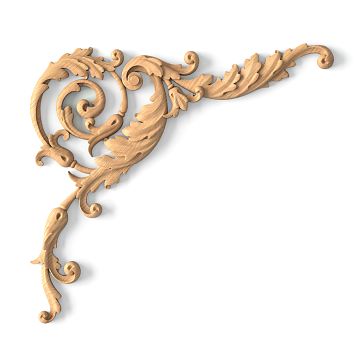
Carved cornices are adorned with ornaments — vegetal (acanthus leaves, grapevines), geometric (meanders, zigzags), zoomorphic (lion heads, griffins), abstract (original compositions). Carving is done manually by master carvers or on CNC machines based on 3D models.
Carved cornices create artisanal detailing, artistic value, uniqueness. Carving depth of 5–20 mm creates expressive relief, readable from a distance. Carving may cover the entire cornice or only the frieze, corners, creating accents. A carved wooden cornice suits classical, baroque, oriental, and eclectic interiors.
Minimalist profiles: clean geometry
Minimalist cornices have a simple rectangular or square cross-section without decoration, moldings, or relief. Width 5–10 cm, height 3–5 cm, clean lines, sharp or rounded edges. Surface is smooth — painted with matte enamel, or natural wood with oil.
Minimalist cornices create clean lines, minimalism, modernity. They do not compete with the interior, creating subtle framing. A narrow cornice visually does not lower the ceiling, suitable for low rooms. Minimalist cornices suit Scandinavian, minimalist, high-tech, and Japanese interiors.
Asymmetric and sculptural profiles: avant-garde form
Asymmetric cornices abandon the standard horizontal profile in favor of arbitrary forms: wavy — with curves creating dynamism, broken — with angles creating graphic effect, variable height — low on some sections, high on others, fragmented — interrupted, not forming a closed contour.
Sculptural cornices become three-dimensional objects protruding from the wall 10–20 cm, creating volumetric expressiveness. They are manufactured according to individual sketches using CNC milling, carving, or 3D printing. Asymmetric cornices suit avant-garde, art interiors, galleries, spaces where artistic boldness is valued.
Built-in lighting: architectural lighting
Integrating LED lighting into cornices transforms them into light elements, creating hidden backlighting, architectural lighting graphics, functional illumination.
Hidden backlighting: floating ceiling
Hidden backlighting — LED strip installed in a niche behind the cornice, directed upward toward the ceiling — creates a floating ceiling effect, separated from walls by a light slit. Light reflects off the ceiling, softly filling the room with diffused illumination. This technique visually raises the ceiling, creating a sense of airiness and modernity.
A cornice for hidden backlighting is mounted 5–15 cm from the wall, creating a niche for LED strips. Cornice width 8–15 cm hides the strip from direct view. Warm white LED strip (2700–3000K) creates coziness, cool white (5000–6000K) — modernity, RGB — color scenarios. Control via dimmers, remote controls, smart home systems allows adjusting brightness and color.
A wooden cornice with hidden backlighting combines the organic warmth of wood with the technology of LED. This is a popular solution for modern, Scandinavian, and neoclassical interiors. The company STAVROS offerscornices for hidden backlightingwith a prepared niche.
Directional backlighting: accent lighting
Directional backlighting — LED spotlights embedded in the lower part of the cornice, directed downward toward the walls — creates accent lighting, illuminating wall decor, textures, artworks. Spotlights are installed at 50–100 cm intervals, creating rhythmic light accents around the room perimeter.
Directional backlighting can be soft — with diffusers creating even light, or pinpoint — creating sharp light spots. Adjustable spotlights allow directing light onto specific objects. Directional backlighting suits galleries, living rooms with artworks, spaces requiring accent lighting.
Two-level backlighting: upper and lower light
Two-level backlighting combines hidden backlighting upward (to the ceiling) and directional downward (to the walls), creating comprehensive lighting. Upper light creates general diffused illumination, lower light — accent. Two independent LED strips are controlled separately, allowing to create lighting scenarios: only upper light — for general illumination, only lower — for intimate atmosphere, both — for maximum brightness.
Two-level backlighting requires a wide cornice (12–20 cm), accommodating two niches for strips. It is a complex but effective solution, creating architectural lighting, adaptive illumination.
Color dynamic backlighting: lighting scenarios
RGB LED strips allow changing backlight color, creating lighting scenarios according to mood, event, time of day. In the morning — cool white, invigorating. In the evening — warm amber, relaxing. Party — bright changing colors. Romantic evening — pink, purple. Control via app, voice assistants allows changing color with one command.
Color backlighting suits entertainment zones — home theaters, game rooms, bars — creating a fairy-tale atmosphere, for modern interiors — technological sophistication, interactivity.
Synchronization with music and video: immersive experience
Smart LED systems synchronize with music, changing color and brightness in rhythm, or with video, creating backlighting matching the film scene. This creates an immersive experience, immersion, emotional enhancement. During movie viewing, backlighting becomes an extension of the screen, filling peripheral vision with scene colors.
Synchronization requires a smart controller connected to the audio/video system. It is an advanced solution for home theaters, gaming rooms, spaces where technology creates atmosphere.
Materials: solid wood and alternatives
Solid wood: premium organic quality
Solid wood — the benchmark material for cornices, creating organic warmth, natural texture, durability, and ability for detailed processing. Species: oak — hard, strong, with pronounced texture, for classical cornices, beech — light, elegant, for Scandinavian, lime — soft, ideal for carving, classical carved cornices, pine — budget-friendly, lightweight, for painting, ash — dense, uniform, for smooth profiles.
Solid wood allows any processing: milling complex profiles, carving, brushing, painting, gilding. It is eco-friendly, tactilely pleasant, long-lasting (50–100 years). A solid wood cornice is an investment, an element that survives renovations. The downside — higher price than polyurethane, MDF, requires quality drying (humidity 8–12%).
The company STAVROS offerssolid wood cornicesof various species, profiles, sizes — from classic wide carved to minimalist narrow.
Polyurethane: plaster-like practicality
Polyurethane cornices imitate plaster, creating classical profiles with less weight, cost, and moisture resistance. Polyurethane is molded in molds, creating complex ornaments. Surface is smooth, painted, gilded. Polyurethane cornices suit classical, neoclassical interiors on limited budgets, for bathrooms, kitchens — moisture resistance.
The downside — artificiality, absence of natural wood texture. But for painted cornices this is not critical. Polyurethane — a practical alternative to wood.
MDF and plywood: painting and practicality
MDF cornices are milled and primed for painting in any color. Plywood is lightweight with distinct layers. MDF/plywood are more stable than solid wood, cheaper, allowing vibrant color solutions. They suit minimalist, modern interiors where color matters more than wood texture.
Gypsum: classical plasterwork
Gypsum cornices — traditional plasterwork, creating authentic classical profiles, detailing, and restoration possibility. Gypsum is heavy, fragile, expensive to install, but creates authentic museum aesthetics. Gypsum cornices suit premium classical, palace interiors.
Dimensions and Proportions
Cornice width: proportionality to height
Rule: the higher the ceiling, the wider the cornice can be. For standard ceilings 2.5–2.7 m — width 5–10 cm. For high ceilings 2.8–3.2 m — 10–15 cm. For very high ceilings 3.3 m and above — 15–20 cm and more. A wide cornice in a low room visually presses down, lowering the height. Narrow in a high room — disappears, does not create proportionality.
Projection from the wall: volume and shadows
Cornice projection from the wall (profile height) creates volume and shadows. Minimalist cornices project 3–5 cm, classical — 8–15 cm. Large projection creates pronounced shadows, architectural monumentality, but requires high ceilings.
Length: perimeter or fragmented
Traditionally, cornices are installed around the entire room perimeter, creating a closed frame. Modern approach allows fragmented use: only on one wall — accent, only on two opposite walls — creating rhythm, intermittent cornice — with gaps, creating dynamism.
Stylistic solutions
Classic: wide carved gilded
Classic interiors require wide (12–20 cm) carved cornices with multi-tiered profiles, gilding, patina. Ornaments — acanthus, meanders, rocaille. Color — white, gold, natural wood. Classic cornices create grandeur, palace aesthetics.
Neoclassical: white profiled
Neoclassical uses white painted cornices of medium width (8–12 cm), simplified profile with light moldings. Surface is smooth matte. Neoclassical cornices create elegance, freshness, modern interpretation of classicism.
Scandinavian: light wood, minimalism
Scandinavian cornices are made of light wood (beech, birch) or white, narrow (5–8 cm), simple profile. Finish — matte oil. Scandinavian cornices create lightness, organic feel, connection with nature.
Loft: minimalist or absence
Lofts often do without cornices — the ceiling merges into walls without framing, preserving an industrial look. If a cornice is used, it is minimalist, narrow, black or metallic, and does not create decorative elements.
Eclecticism: combinations, color, sculptural forms
Eclectic cornices combine styles: a classic profile in bright color, minimalist with gilding, carved in black. Eclecticism creates individuality, visual richness, and authorship.
Installation and Practicality
Methods of mounting
Adhesive: liquid nails for lightweight polyurethane and MDF cornices. Fast, simple.
Screws: for heavy wooden and plaster cornices. Reliable, requires filling screw heads.
Combined: adhesive + screws for maximum reliability of heavy cornices.
Corner Joints
Butt Joint at 45 Degrees: classic method for profiled cornices. Requires precise miter cut with a miter saw.
Corner Elements: ready-made corner caps that cover joints, simplifying installation.
Butt Joint at 90 Degrees: for minimalist rectangular cornices.
Surface preparation
Walls and ceiling must be flat and primed. Irregularities create gaps between the cornice and surface. Primer improves adhesive bond.
Painting
Cornices are primed, spackled (joints, screw heads), sanded, and painted with 2-3 layers of enamel. Painting after installation creates a monolithic look — the cornice blends with the wall/ceiling.
Maintenance
Wooden: wipe with dust, do not soak excessively, renew finish every 5-10 years.
Polyurethane: wipe with damp cloth, do not use abrasives.
Painted: touch up chips and scratches with matching paint.
Durability: solid wood — 50-100 years, polyurethane — 20-30 years, MDF — 15-20 years.
Frequently Asked Questions
What width of cornice is optimal for a standard apartment?
For ceilings 2.5-2.7 m — 7-10 cm. This creates proportionality without overwhelming.
Wood or polyurethane — which to choose?
Wood — for premium, naturalness, longevity, carving possibilities. Polyurethane — for budget, moisture resistance, molded decorative features.
Can I install a cornice myself?
Lightweight polyurethane and MDF — yes, with adhesive. Heavy wooden, with built-in lighting — professional installation is recommended.
Is hidden lighting necessary?
If you want to visually raise the ceiling, create modernity, light architecture — yes. If you prefer classic without technology — not necessary.
How much do wooden cornices cost?
Simple pine — from 800-1500 rubles/meter, oak — from 1500-3000 rubles/meter, carved — from 3000-6000 rubles/meter, classic wide — from 5000-10000 rubles/meter.
Where to buy quality cornices?
From specialized manufacturers: STAVROS, offering cornices in solid wood, polyurethane of various profiles and sizes.
Conclusion: a ceiling worthy of attention
A wooden cornice in 2026 is not a utilitarian trim hiding the wall-ceiling joint, but an architectural element transforming the ceiling into a fifth wall, a full participant in design. Bold color solutions abandon white, creating graphic frames, color accents, contrasting frames. Sculptural profiles — carved, multi-level, asymmetrical — create volumetric expressiveness, play of light and shadow, architectural monumentality. Built-in lighting integrates LED technology, creating floating ceilings, light architecture, adaptive scenarios.
The ceiling stops being an overlooked surface — it is painted in bright colors, covered with textured materials, structured with multi-level constructions. A wooden cornice frames these solutions, emphasizes, enhances, transforms the ceiling into an object of admiration. Natural wood adds organic warmth, tactile quality, ecological purity. Solid oak, ash with preserved texture or painted in bright colors creates contrast between natural and man-made, traditional and modern.
Built-in lighting transforms the cornice into a lighting element working on atmosphere, functionality, visual effects. Hidden lighting creates floating ceilings, visually increasing height. Directional lighting highlights wall decor. Color dynamic lighting creates lighting scenarios according to mood. Synchronization with music and video transforms the cornice into part of an immersive experience.
Company STAVROS — manufacturer of solid wood and polyurethane products, offering a wide rangecrown moldings— from classic wide carved to minimalist narrow, in oak, ash, pine, polyurethane, various profiles and sizes. Here you can find ready-made solutions and order cornices to custom sizes, sketches, with pre-prepared niches for LED lighting.
Other products— baseboards, door casings, moldings, frames — for creating a cohesive architectural composition in interior design.By consulting professionals with years of experience in woodworking, you receive advice on selecting width, profile, wood species, installation method, lighting integration, interior design recommendations, possibility of ordering non-standard solutions, and quality guarantee. Cornices from STAVROS — an investment in beauty, functionality, creating interiors where the ceiling deserves admiration.
A cornice is the final touch, transforming the ceiling from a functional surface into an architectural element, creating completeness, proportionality, stylistic definition. It is an element that works on spatial perception, its height, coziness, character. Create interiors where the ceiling — not an overlooked plane — is a fifth wall, framed appropriately, illuminated effectively, decorated beautifully — interiors where the gaze rises upward and finds beauty there.
The cornice is the final touch, transforming the ceiling from a functional surface into an architectural element that creates completeness, proportion, and stylistic definition. It is an element that shapes the perception of space, its height, coziness, and character. Create interiors where the ceiling is not an overlooked plane, but a fifth wall, framed appropriately, dramatically lit, and beautifully adorned — interiors where the gaze rises upward and finds beauty there.