Article Contents:
- Minimalism: geometric purity and functional perfection
- Scandinavian minimalism: warmth in simplicity
- Japanese minimalism: wabi-sabi philosophy
- Maximalism: decorative excess and emotional richness
- Baroque and Rococo: historical luxury
- Art Deco: geometric maximalism
- Transitional styles: balance between minimalism and maximalism
- Modern classic: restrained ornamentation
- Eco-style: naturalness as the main accent
- Industrial chic: combination of wood and metal
- Materials and textures: from smooth polishing to brutal brushing
- Polished surfaces: glossy sheen
- Matte surfaces: noble restraint
- Brushed surfaces: emphasized texture
- Carved surfaces: handcrafted by master
- Color trends 2026: from natural shades to bold experiments
- Natural shades: connection with nature
- Monochromatic solutions: black and white
- Saturated colors: emerald, sapphire, terracotta
- Metallic finishes: gold, copper, bronze
- Sizes and Proportions: From Miniature Buttons to Monumental Handles
- Miniature buttons: delicate accent
- Medium hinges: universal solution
- Long handles: architectural expressiveness
- Practical aspects: selection, installation, care
- How to choose ideal wooden handles
- Installing wooden handles: step-by-step guide
- Caring for wooden handles: preserving beauty
- Frequently asked questions about wooden furniture handles
- Conclusion: Wooden Handles as an Investment in Beauty and Durability

Furniture hardware is no longer a discreet element hiding in the shadow of the main design. In 2026, wooden furniture handles take center stage in interior drama, balancing between two aesthetic poles: restrained minimalism with its clean geometric forms and the exuberance of maximalism, where every detail screams its uniqueness. This paradox is not accidental — modern design rejects uniformity, offering a wide range of solutions for different temperaments, tastes, and lifestyles. Wooden handles become a tool of self-expression, a way to tell a story through small details that, in reality, turn out to be decisive.
Wood as a material perfectly embodies both philosophies. Its natural texture can be emphasized or concealed, its form can be extremely minimalist or intricately decorated, its color — from Scandinavian bleached to deep chocolate. Wooden handles in 2026 are not a compromise between beauty and functionality, but their ideal synthesis, where every line is thought out, every texture meaningful, and every touch brings tactile pleasure.


Minimalism: Geometric Purity and Functional Perfection
Minimalist design is not the absence of decoration, but its absolute precision. Every line, every angle, every proportion is calibrated to the millimeter, creating a sense of calm, order, visual harmony. Minimalist furniture handles are pure geometry: cylinders, rectangular pulls, flat strips with sharp or rounded edges. No scrolls, reliefs, ornaments — only form in its original simplicity.
Minimalist wooden handles are often made from light-colored woods — ash, birch, beech, beech. Light wood creates a sense of lightness, airiness, visually expands space. The surface may be matte, oiled or waxed, highlighting natural texture without excessive gloss. Minimalism does not mean dullness — the beauty of a minimalist handle lies in perfect proportions, quality of finish, and tactile sensations.
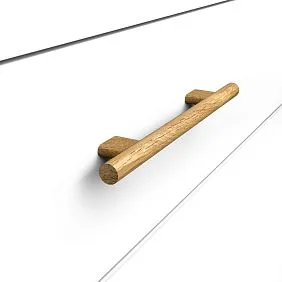
Geometric shapes are especially popular in modern kitchens, where facades are smooth, without panels, often matte, in monochrome tones. Long rectangular handles, placed horizontally or vertically, emphasize cabinet lines, adding graphic elements. Cylindrical handles with a 20-30 mm diameter create a delicate accent without visual overload. Integrated handles, where wood becomes part of the facade, recessed into a special groove — the pinnacle of minimalist aesthetics.
Functionality is a key requirement of minimalism. A wooden handle must be not only beautiful but also comfortable. Smooth surface without burrs, correct diameter or width for comfortable grip, secure mounting — all these are mandatory parameters. Buying minimalist wooden handles means investing in calmness, order, aesthetics that do not become outdated. The company STAVROS offers a wide selectionfurniture handlesof minimalist forms.




Scandinavian Minimalism: Warmth in Simplicity
The Scandinavian approach to minimalism differs from strict industrial design. Here, the coldness of geometry is not important, but the warmth of natural materials, connection with nature, coziness. Wooden handles in Scandinavian style are made from light-colored woods, treated with oil that preserves natural texture and color. Forms are simple, but with soft rounded edges — no sharp angles, pleasant to the touch.
Scandinavian handles often have organic shapes inspired by nature: oval cross-sections, teardrop silhouettes, smooth curves. They do not shout about their presence, but create a sense of thoughtfulness, attention to detail. Color palette — natural wood tones, sometimes bleached, but without artificial coloring. Such handles perfectly match light furniture, textiles made of natural fabrics, abundance of plants.
Our factory also produces:



Japanese Minimalism: The Philosophy of Wabi-Sabi
Japanese aesthetics of wabi-sabi value imperfection, asymmetry, traces of time. In the context of furniture handles, this means preserving natural wood characteristics — knots, color transitions, slight texture irregularities. A wabi-sabi wooden handle may be asymmetrical, with an imperfect surface, but it is precisely this that makes it unique.
Japanese handles are often made from dark woods — walnut, wenge, stained oak — or from light woods with contrasting grain. The form is maximally simple, without decoration, but with special attention to tactility. Touching such a handle is a meditative experience, a reminder that beauty lies in simplicity and naturalness. Working withwooden handle manufacturer, you can select items with the philosophy of wabi-sabi.
Get Consultation
Maximalism: Decorative Excess and Emotional Richness
If minimalism is silence, then maximalism is a symphony. Maximalist furniture handles do not shy away from attracting attention, declaring themselves, becoming the center of composition. Here, everything is allowed: complex forms, abundance of decoration, carving, inlays, bold color solutions, material combinations. Wooden handles in a maximalist style are miniature works of art, where every detail is thought out to create a wow effect.
Maximalism does not mean chaos — it is deliberate excess, where every decorative element has its place and meaning. A carved handle with plant ornaments, scrolls, geometric patterns requires craftsmanship and time to create. Inlay with metal, stone, mother-of-pearl adds luxury. Combining different wood species in one handle creates color and texture contrasts.
Sculptural forms — another manifestation of maximalism. The handle may resemble a petal, a shell, an abstract sculpture, an architectural element. Three-dimensional, with reliefs and protrusions, it becomes not just a functional element, but a tactile object that you want to examine and touch. Such a handle turns an ordinary chest into an art object, a kitchen set into an exhibition sample.
Color solutions in maximalism are bold and saturated. A wooden handle can be painted in deep shades — emerald, sapphire, ruby, amethyst — or covered with metallic paint — gold, silver, copper, bronze. Patina, gradients, aging effects add complexity and depth. Buying maximalist wooden handles means choosing a path of boldness, individuality, and rejection of dullness. The company STAVROS offersexclusive handleswith rich decoration.
Baroque and Rococo: Historical Luxury
Classic baroque and rococo styles are the quintessence of maximalism. Furniture handles in these styles are rich in decoration: carved scrolls, acanthus leaves, rosettes, garlands. A wooden handle may be fully covered with ornament, leaving no free space. Gilding, patina, artificial aging add a sense of historical value.
Such handles suit antique furniture, modern sets in classic style, luxurious interiors with stucco, crystal, velvet. They create an atmosphere of a palace, castle, aristocratic mansion. Every detail must be perfectly executed — carving sharp, gilding even, surface smoothly polished. Only then will the handle be perceived as part of true luxury, not cheap imitation.
Art Deco: Geometric Maximalism
Art Deco combines love for decoration with geometric strictness. Furniture handles in the Art Deco style have symmetrical forms but are richly adorned: stepped silhouettes, sun rays, zigzags, rhombuses. Wood combines with metal, creating a contrast between warm wood and cold sheen of brass or chrome. The color palette includes deep shades — black, emerald, burgundy — combined with gold or silver.
Art Deco suits interiors where glamour, elegance, and light theatricality are valued. Wooden handles become jewelry for furniture, attracting attention and evoking admiration. They perfectly match glossy facades, mirrors, crystal chandeliers, marble countertops. Working withitems from the solid woodhigh quality guarantees durability and aesthetics.
Transitional styles: balance between minimalism and maximalism
Not all interiors are unambiguously minimalist or maximalist. Many modern spaces balance between these poles, combining elements of both aesthetics. Handles in transitional styles combine minimalist forms with interesting details — texture, color, material.
Modern Classic: restrained ornamentation
Modern Classic rejects the excessive decoration of historical styles, but retains their nobility and proportionality. Wooden handles in this style have classical shapes — balusters, ovals, etc. — but simplified, without fine details. The surface is smooth, lacquered or oiled, color natural or tinted in noble shades — walnut, mahogany, dark oak.
Modern Classic suits interiors where elegance without flamboyance, quality without ostentation is valued. Furniture handles should be sturdy, pleasant to the touch, but not flashy. They complement furniture, rather than compete with it. Such handles are universal — suitable for kitchen sets, bedroom chests, and living room cabinets.
Eco-style: naturalness as the main accent
Eco-style values natural materials, minimal processing, visible wood texture. A wooden handle in eco-style may be slightly rough, brushed, with preserved knots and irregularities. The shape is simple, ergonomic, without excess. Finish — natural oil or wax, highlighting the grain pattern and preserving the tactile quality of wood.
Eco-handles suit interiors with abundant plants, natural fabrics, ceramics, stone. They create a connection with nature, reminding of forests, earth, natural cycles. Color — natural wood shades, from light to dark, without artificial coloring. Such handles are especially relevant in country homes, eco-friendly apartments, spaces where the atmosphere of calm and harmony is important. Working withwooden furniture handles, you can select items for eco-style.
Industrial Chic: combination of wood and metal
Industrial style, or loft, combines rough textures with functionality. Furniture handles in this style often combine wood and metal: wooden base with metal fittings, pipes, chains. Wood may be intentionally rough, with an aged effect, stained in dark tones or left natural.
Handle shapes are minimalist — straight brackets, T-shaped handles, cylinders. Metal elements are usually black, made of steel or cast iron, creating an industrial aesthetic. Such handles suit furniture made of rough wood, metal, open shelves, industrial cabinets. They create a brutal, masculine atmosphere, emphasizing the character of the space. Wooden handles with industrial elements become a bridge between nature and technology.
Materials and textures: from smooth polish to rough brushing
The texture of the wooden handle surface affects not only visual perception but also tactile sensations. Modern wood processing technologies allow creating various textures — from mirror-smooth to intentionally rough.
Polished surfaces: glossy sheen
Polishing creates a smooth, shiny surface that highlights the color and texture of the wood. Polished wooden handles look elegant and formal, suitable for classic and glamorous interiors. The polishing technology includes multi-stage sanding, application of lacquer in multiple layers, and final polishing with special compounds.
Polished handles require careful handling — fingerprints and minor scratches are visible on the shiny surface. However, they create a sense of luxury, quality, attention to detail. Polishing is especially effective on valuable woods — walnut, redwood, rosewood — where deep color and expressive texture are enhanced by the gloss.
Matte surfaces: noble restraint
Matte finish creates a soft, velvety surface without shine. Matte wooden handles look restrained, elegant, suitable for minimalist, Scandinavian, and eco-interiors. Oil or wax finish preserves the natural wood texture, adds silkiness, and protects against moisture and dirt.
Matte surfaces are more practical than polished ones — fewer fingerprints and scratches are visible, and they are more pleasant to the touch. Wood breathes under oil finish, no lacquer film forms, and natural tactile quality is preserved. Matte handles are ideal for daily use — in kitchens, closets, children's rooms.
Brushed surfaces: emphasized texture
Brushing is a wood processing technique using a stiff brush that removes soft fibers and emphasizes the structure of annual rings. A brushed wooden handle has a pronounced relief, visible grooves, creating an aged wood effect. This technique is especially effective on oak, ash, larch — species with contrasting textures.
Brushed handles suit lofts, country, industrial interiors, where rough naturalness is valued. After brushing, wood can be stained, patinated, or oiled. Contrast staining — when grooves are dark and raised areas are light — creates especially striking appearance. Buying wooden handles with brushing means obtaining an item with character, history, individuality.
Carved surfaces: handmade by the craftsman
Wood carving is the oldest decorative technique requiring high craftsmanship. Carved furniture handles have three-dimensional ornaments, patterns, figures, carved by hand or on milling machines. Carving can be geometric, floral, or narrative. Each carved handle is unique, even when repeating a pattern — tool marks, depth of carving, details may differ.
Carved handles — the pinnacle of maximalist aesthetics, suitable for classic, ethnic, eclectic interiors. They become jewelry for furniture, attracting attention and evoking admiration for craftsmanship. Carving can be painted, patinated, or gilded, creating additional effects. Working withwooden item manufacturerguarantees the quality of the grip and durability.
Color Trends 2026: from natural shades to bold experiments
The color of furniture handles is a statement of style, mood, and character of the interior. In 2026, both natural wood tones and bold painted solutions are trending.
Natural shades: connection with nature
Natural wood color — classic, never going out of style. Light woods — beech, birch, maple — create a sense of freshness and purity, suitable for Scandinavian and minimalist interiors. Medium tones — oak, ash, cherry — are versatile, warm, and match most color palettes. Dark woods — walnut, wenge, stained oak — are noble and luxurious, suitable for classic interiors.
Natural shades are enhanced by oil or lacquer finishes, which intensify the color and make the texture more pronounced. Wood can be slightly stained to adjust the tone while preserving visible texture. Natural wooden handles create an atmosphere of coziness, warmth, and connection with nature.
Monochromatic solutions: black and white
Black and white wooden handles — a graphic solution suitable for modern minimalist interiors. Black color creates contrast on light facades, adding strictness and graphic appeal. White color is universal, suitable for Scandinavian, Provencal, and shabby chic interiors. Painting wood black or white hides the texture, emphasizing the handle’s shape.
Matte black and white handles look modern and elegant. Glossy finishes are more ornate, suitable for classic interiors. Patinated finishes — with an aged effect, where dark or light tones remain in recesses — add vintage charm. Wooden handles painted in monochrome retain the warmth and lightness of wood, unlike metallic counterparts.
Saturated colors: emerald, sapphire, terracotta
Bold color solutions — a trend for those who are not afraid of experiments and want to make furniture an interior accent. Furniture handles painted in saturated shades — emerald, sapphire, ruby, mustard, terracotta — become the main decorative element. They transform an ordinary chest into an art object, a kitchen set into a colorful focal point that attracts attention.
Colored handles require thoughtful planning — they should either match the overall interior color palette or create contrast. Matte colored handles look noble, glossy ones — bright and dynamic. A wooden handle painted in deep color retains texture under paint or hides it, depending on the painting technique. Buying brightly colored wooden handles means choosing a path of individuality and boldness.
Metallic finishes: gold, copper, bronze
Metallic finishes add luxury and glamour to wooden handles. Gold, silver, copper, bronze — tones associated with wealth, quality, and premium status. The wooden base is covered with metallic paint or foil, creating an illusion of a metallic handle while preserving the warmth and lightness of wood.
Metallic handles suit classic, art deco, and glamorous interiors. They pair well with mirrors, crystal chandeliers, and velvet textiles, creating a luxurious atmosphere. Matte metallic finishes look noble, glossy ones — more ornate and striking. Working withfurniture handlespremium quality guarantees the longevity of the finish.
Sizes and Proportions: from miniature buttons to monumental brackets
The size of furniture handles affects the visual perception of furniture and ease of use. In 2026, both miniature buttons and long monumental handles are trending.
Miniature buttons: delicate accent
Buttons with a diameter of 20–40 mm — a delicate solution for furniture with many drawers or vintage interiors. Wooden buttons can be turned, carved, painted, or with metal inserts. They do not visually overwhelm, creating a sense of neatness and vintage charm.
Miniature handles suit chests, bedside tables, secretaire, desks. They are especially effective when all buttons are different — in color, shape, or decoration — creating an eclectic composition. This solution is typical for boho, shabby chic, and vintage interiors. A wooden button handle, despite its modest size, can become a distinctive feature of furniture.
Medium handles: universal solution
Handles 96–160 mm long — the most common size, suitable for most kitchen sets, cabinets, chests. They provide comfortable grip, are reliable, and universal. Wooden handles of medium size can be straight or curved, smooth or textured, in any style — from minimalism to classic.
Medium handles are the golden middle ground between the delicacy of buttons and the monumentality of long handles. They do not dominate, yet they are not lost, creating balance. Such handles suit most interiors, ensuring comfortable furniture use. Working withwooden handleshandles of medium size, you can select the optimal option for any furniture.
Long handles: architectural expressiveness
Long handles 300–960 mm — a 2026 trend, especially relevant for tall facades, minimalist kitchens, wardrobe systems. Such a handle visually elongates furniture, making it slimmer and more graphic. A long wooden handle can be rectangular or cylindrical in cross-section, with variable cross-section, adding additional expressiveness.
Long handles are installed vertically or horizontally, becoming a dominant element of the facade. They are functional — ensuring convenient opening at any height or width. Long handles are especially effective on smooth matte facades, where their line becomes the only decorative element. Buying long wooden handles means choosing modernity, minimalism, and an architectural approach to design.
Practical aspects: selection, installation, care
How to choose ideal wooden handles
Choosing furniture handles requires consideration of interior style, furniture type, ergonomics, and budget. For minimalist interiors, choose simple geometric shapes in light wood with matte finish. For maximalist interiors — carved, sculptural, colorful handles with decoration. For transitional styles — balanced solutions with interesting texture or color.
Consider the size of the furniture: for small cabinets, use buttons and short knobs 32-96 mm; for kitchens and cabinets — medium knobs 96-160 mm; for tall drawers — long handles 300-960 mm. Assess ergonomics — hold the handle in your hand, it should be comfortable, non-slip, and not press too hard. Choose the wood species: for heavy use — hardwoods (oak, beech, ash); for decorative furniture — any species.
Decide on the color: natural tones are universal, monochrome suits modern interiors, bright colors — for eclectic and boho styles, metallic — for classic and glam. Check the quality: the handle should be well-sanded, free of defects, with even coating. Working withmanufacturer of furniture handlesyou can be sure of the quality.
Installing wooden handles: step-by-step guide
Installing furniture handles is not difficult, but requires precision. Determine the installation points, mark the mounting holes considering the center-to-center distance (distance between hole centers). Use a template or guide for accuracy. Drill holes with a drill bit slightly smaller than the screw diameter to prevent wood cracking.
Align the handle with the facade, matching it with the holes. Insert screws from the back of the facade through the holes in the handle, tighten with a screwdriver or drill. Do not over-tighten — wood may crack. Check that the handle is installed level, without tilting. For heavy doors, use two handles or additional fasteners.
Care for wooden handles: preserving beauty
Wooden handles require minimal care. Regularly wipe them with a damp soft cloth, removing dust and dirt. Do not use abrasive agents or aggressive chemicals. For handles coated with oil or wax, apply a thin layer of oil or wax once every one to two years, rub in, and wipe off excess. This refreshes the color, protects against moisture, and highlights the texture.
Lacquered handles do not require reapplying the coating, but if scratches appear, sand the damaged area and apply a new layer of lacquer. Protect handles from prolonged water contact — wipe up spills immediately. For humid areas, choose moisture-resistant species — oak, teak, larch. With proper care, wooden handles last decades, acquiring a noble patina.
Frequently asked questions about wooden furniture handles
What makes wooden handles better than metal ones?
Wooden handles feel more pleasant to the touch, do not heat up or cool down, are eco-friendly, and create a cozy atmosphere. Wood is a natural material with a unique texture, each handle is individual. They are lighter than metal, do not rust, and are easy to restore if damaged.
Are wooden handles suitable for the kitchen?
Yes, if they are coated with a protective finish — oil, wax, or lacquer. Choose moisture-resistant species — oak, beech, ash. Regularly wipe handles to remove spills and grease, periodically renew the coating. Properly treated wooden handles last decades in the kitchen.
What size handles to choose for a kitchen set?
For standard kitchen facades 400-600 mm wide, use knobs 96-128 mm. For wide facades 800-900 mm — 128-160 mm. For narrow drawers — 64-96 mm. For tall drawers, use long vertical handles 300-600 mm.
Can wooden handles be painted yourself?
Yes, wooden handles can be repainted. Remove the old coating with sandpaper, degrease, and prime. Apply paint in 2-3 thin layers, allowing each to dry. Finish with lacquer or wax for protection. This allows updating the interior without replacing the handles.
How to choose handle color to match furniture?
Handles in the same tone as furniture create a monochrome harmony, contrasting handles — graphic effect and accent. For light furniture, choose black, dark brown, or bright colored handles. For dark furniture — light, white, gold, or copper. Natural wood tones are universal.
The cost depends on the type of wood, complexity of shape, type of finish, and manufacturer. Simple turned handles from pine cost from 200-300 rubles each. Handles from oak or ash — from 500-800 rubles. Complex sculptural handmade handles — from 1500-3000 rubles and more. Long handles for tall facades — from 2000-5000 rubles. Custom designer handles may cost 5000-15000 rubles.
Cost depends on wood species, complexity of shape, decor, and manufacturer. Simple turned handles — from 200-500 rubles, medium knobs — from 500-1000 rubles, long handles — from 2000-5000 rubles, carved and sculptural — from 1500-3000 rubles, exclusive handmade — from 5000-15000 rubles.
Which wood species are the strongest for handles?
The strongest species — oak, beech, ash, walnut. They withstand heavy use, do not deform, and do not scratch. For decorative furniture, softer species — birch, pine, cherry — are suitable. Exotic species — teak, mahogany, rosewood — combine strength with luxurious appearance.
How long do wooden handles last?
With proper care and quality manufacturing, wooden handles last 20-30 years or more. Wood is a durable material that develops a patina over time, becoming even more beautiful. They can be restored and re-coated, extending their service life.
Conclusion: wooden handles as an investment in beauty and longevity
Furniture handles in 2026 — they are not just a functional detail, but a full-fledged design element capable of transforming the appearance of furniture and interiors. Choosing between minimalist geometric forms and maximalist expressiveness — it’s choosing between philosophies, between calm and emotion, between restraint and boldness. Both paths are legitimate, both are relevant, both can create a harmonious space.
Wooden handles embody the values of modern design: naturalness, eco-friendliness, tactile quality, durability. Wood is a living material, preserving a connection to nature, conveying warmth and coziness. Wooden handles feel pleasant to the touch, do not heat up or cool down, are easy to restore, and last decades. Each handle is unique due to the unique grain pattern, making your furniture individual.
Buying wooden handles means investing in quality, beauty, and comfort. It’s an investment in details that create a sense of home, making space personal, reflecting your tastes and values. In a world of mass production, a wooden handle is a sign of respect for craftsmanship, materials, and the traditions of artisanry.
Company STAVROS —wooden furniture handles manufactureroffering a wide range of items in various shapes, sizes, styles, and wood species. Here you can find minimalist, sleek handles as well as maximalist carved models, both classic precision solutions and modern sculptural forms. STAVROS works with the finest wood species — oak, beech, ash — using modern processing technologies, guaranteeing the quality of each item.
In the company's assortment are also availableSolid wood decorative elementsallowing you to create unique interiors. By consulting with professionals with years of experience in woodworking, you receive not just a product, but a meticulously thought-out solution aligned with 2026 trends and your individual needs. Wooden furniture handles from STAVROS are an investment in beauty, quality, and longevity, paying off every day when you touch your furniture and feel the pleasure of perfect details.