












































































Article Contents:
- Psychology of Decorative Space: Why Decorations Are So Important?
- Emotional Impact of Decoration on a Person
- Creating a Personal Atmosphere
- Architectural Elements as the Basis of Decorative Solutions
- Moldings: Classic Elegance That Never Goes Out of Style
- Moldings and Cornices: The Art of Lines
- Furniture Decor: Details That Create Character
- Applied Elements: Jewelry Work with Details
- Hardware as a Decorative Accent
- Ornamental Traditions in a Modern Home
- Botanical Motifs: Eternal Beauty of Nature
- Geometric Ornaments: Mathematics of Beauty
- Color Palette of Decorative Accents
- Monochromatic Elegance
- Vibrant Accents and Their Role
- Stylistic Directions in Home Decoration
- Classic Interiors: Time-Tested Solutions
- Modern Directions: New Forms of Beauty
- Zoning Space Using Decoration
- Living Room: Theater of Everyday Life
- Bedroom: Oasis of Peace and Coziness
- Kitchen: Functionality Plus Beauty
- Technologies for Manufacturing Modern Decorative Elements
- From Sketch to Finished Product
- Quality control at all stages
- Installation and Mounting: Final Stage of Transformation
- Surface Preparation
- Joining technologies
- Ecological and Safe Decorative Materials
- Modern Requirements for Materials
- Durability and Repairability
- Trends and development prospects
- Personalization and uniqueness
- Integration with smart technologies
- Practical tips on selection and placement
- Composition rules
- Style combination
- Care and restoration of decorative elements
- Regular Maintenance
- Restoration and renewal
- Frequently Asked Questions
- Conclusion: STAVROS – your guide to the world of beauty
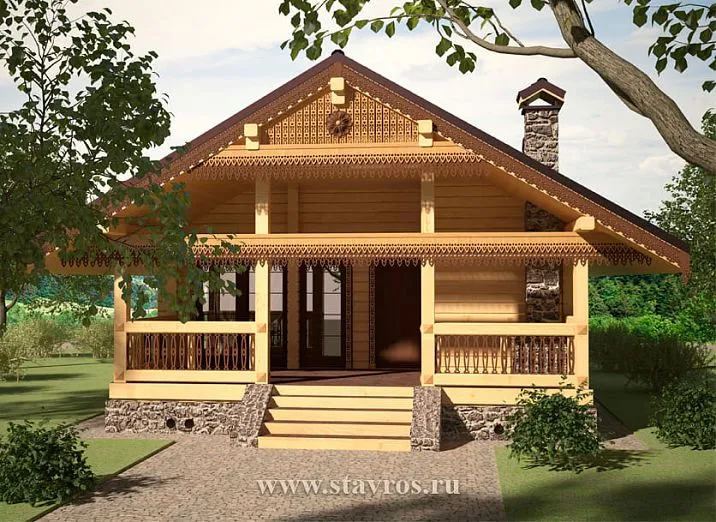
Your home speaks more about you than thousands of words. Every detail, every element tells a story about your preferences, character, and life values. But what turns an ordinary dwelling into a true home? What makes your heart beat faster as you step over the threshold? The answer is simple yet complex – decorative home ornaments.
Imagine a theatrical stage without decorations. Bare walls, simple furniture, no accents. Technically, everything is functional, but where is the soul? Where are the emotions? It is precisely decorative elements that breathe life into space, transforming it from a mere set of rooms into a living, breathing organism that reflects the inner world of its inhabitants.
But how not to get lost in the ocean of possibilities? How to choose exactly those ornaments that will make your home unique? Let’s embark on an exciting journey through the world of interior solutions and uncover the secrets of masterful decoration.


Psychology of decorative space: why ornaments are so important?




Emotional impact of decor on a person
Have you ever wondered why you feel at home in some interiors, but like in a museum in others? The secret lies in the proper use of decorative elements, which create an emotional connection between a person and space.
Scientific research confirms: the surrounding environment directly affects our mood, productivity, and even health. Warm tones of decor stimulate communication and create a cozy atmosphere. Cool tones promote concentration and rest. Properly chosen decorative interior ornaments can radically change the perception of space.
Shape also plays a key role. Smooth, rounded lines soothe the nervous system, creating a sense of security. Sharp angles and geometric forms, on the contrary, activate attention and add dynamism. That is why it is so important to find a balance between different types of decorative elements.
Our factory also produces:


Creating a unique atmosphere
Every home should tell a unique story. Your travels, hobbies, memories – all of this can be reflected in the decorative design. Do not blindly copy trendy trends. Create your own style that will delight you for years.
Wall decorative ornaments become unique accent points that attract attention and set the mood for the entire room. They can visually alter the proportions of the room, making it appear taller, wider, or cozier.
Get Consultation
Architectural elements as the basis of decorative solutions
Moldings: classic that never goes out of style
When it comes to refined decor, it is difficult to overlook molded elements. Ceiling molding can transform an ordinary room into a luxurious salon, where every detail speaks of good taste and a pursuit of beauty.
Modern technologies allow creating molded ornaments from various materials. Polyurethane ensures lightness and ease of installation. Gypsum provides authenticity and the possibility of creating unique shapes. MDF combines affordability with high-quality execution.
Rosettes, cornices, moldings, pilasters – each element performs its role in the overall composition. A ceiling rosette under a chandelier becomes a focal point of attention. Wall moldings create rhythm and structure space. Corner elements ensure harmonious transitions between planes.
Moldings and cornices: the art of lines
Linear decorative elements are a kind of grammar of interior design. They help 'read' space, creating visual connections between different zones of the room. Horizontal moldings can visually expand a narrow room. Vertical elements add height and grandeur.
Cornices serve not only a decorative function. They create a smooth transition from the vertical wall to the horizontal ceiling, softening the sharpness of the angle. A properly chosen cornice can visually raise the ceiling or, conversely, make a high room feel cozier.
Furniture Decor: Details That Create Character
Applied Elements: Jewelry-like Detail Work
Decorative Accents for Furniture They transform ordinary items into works of art. Carved appliqués on cabinet facades, decorative table legs, elegant handles—all of this creates a unique furniture appearance.
Modern manufacturers offer a vast selection of ready-made elements in various styles. Baroque scrolls for classic interiors, geometric forms for contemporary solutions, botanical motifs for romantic aesthetics. Everyone can find elements matching their vision of the ideal home.
Special attention should be given to corner decorative elementsThese small details ensure professional finishing quality, conceal joints, and create a finished look for furniture compositions.
Hardware as a Decorative Accent
Do not underestimate the role of furniture hardware in creating the overall interior image. Handles, hinges, locks—all these elements must harmonize with each other and support the chosen style.
Bronze hardware adds nobility and warmth to the interior. Chrome elements emphasize modernity and technology. Black matte hardware creates contrasts and adds drama.
Ornamental Traditions in the Modern Home
Botanical Motifs: Eternal Beauty of Nature
Decorative ornaments patterns Botanical motifs possess special appeal. They resonate with humans on an intuitive level, evoking associations with nature, growth, and life.
Acanthus leaves—symbol of classical architecture. Grapevines—sign of abundance and celebration. Roses—embodiment of beauty and romance. Oak leaves—symbol of strength and longevity. Each botanical motif carries a specific meaning and creates the corresponding mood.
Modern designers creatively reinterpret classical motifs, adapting them to the aesthetics of the 21st century. Styling can be barely noticeable or radical, transforming recognizable forms into abstract compositions.
Geometric Ornaments: Mathematics of Beauty
Geometric decoration is based on different principles of perception. If botanical ornaments appeal to emotions, geometric ones appeal to reason. Correct proportions, mathematical precision, rhythmic organization create a sense of order and stability.
Meanders, rhombuses, stars, circles—geometric forms have been used in decorative arts for millennia. They are universal and timeless, easily combining with various styles and materials.
Color Palette of Decorative Accents
Monochromatic Elegance
The color of a decorative element significantly affects its perception. White accents create a sense of lightness and airiness, ideal for small spaces. They do not overload the space, allowing focus on form and texture.
Black decorative elements function as graphic accents. They can radically alter the character of the interior, making it more modern and dynamic. Especially striking is black decor against contrasting compositions with white walls.
Natural wood tones create an atmosphere of warmth and coziness. They are universal and easily combine with most interior color schemes.
Vibrant Accents and Their Role
Colorful decorative elements require a special understanding of interior color theory. They can become a space’s standout feature or, if poorly used, disrupt its harmony.
Gold and bronze tones impart luxury and grandeur to the interior. They are especially suitable for classical styles, where they emphasize status and refinement.
Silver tones create a sense of coolness and modernity. They pair well with minimalist interiors and high-tech materials.
Decorative styles for home interiors
Classic interiors: time-tested solutions
Classic style never goes out of fashion. It is based on principles developed by European art over centuries: symmetry, proportionality, use of the order system, and reference to classical motifs.
Baroque interiors are characterized by opulence and dynamism. Asymmetric compositions, abundance of scrolls and volutes, and moving plant motifs create a sense of festivity and abundance. Here, large decorative elements with deep relief, gilded details, and rich ornaments are appropriate.
Neoclassicism leans toward strictness and geometry. Correct proportions, symmetrical compositions, and restrained color palettes emphasize the status and good taste of the owners.
Modern directions: new forms of beauty
Modernism brought a fundamentally new approach to decorative art. Abandonment of historical canons, reference to natural forms, and asymmetry as an artistic technique radically changed perceptions of beauty.
Art Deco synthesized modernist innovations with classical solidity. Geometric forms, stylized plant motifs, and use of new materials made this style ideal for contemporary interiors.
Minimalism took functionalist ideas to their logical conclusion. Simplicity of forms, absence of unnecessary details, focus on material quality and perfection of proportions require special skill from the designer.
Zoning space with decor
Living room: the theater of everyday life
The living room is the home’s calling card. Here, decorative elements should create an atmosphere of hospitality and comfort. The fireplace traditionally becomes the compositional center. Its frame transforms a functional element into a work of art.
Ceiling rosettes under chandeliers add grandeur. Even a simple modern chandelier, framed by a classical rosette, acquires a completely different character.
Wall panels with decorative elements create rhythm and structure space. They can visually divide a large room into zones or, conversely, unite scattered elements into a single composition.
Bedroom: oasis of peace and comfort
The bedroom requires a special approach to decoration. Here, overly active, dynamic forms are inappropriate. Decorative elements should promote relaxation and rest.
The headboard of the bed is a natural place for placing decorative accents. Carved appliqués, soft shapes, pastel tones create an atmosphere of coziness and safety.
Textile decor in the bedroom is especially important. Decorative elements must harmonize with curtains, throws, and pillows, creating a unified ensemble.
Kitchen: functionality plus beauty
A modern kitchen is not only a place for food preparation, but also the center of family life. Decorative elements here must combine beauty with practicality.
A decorative tile backsplash can become a true work of art. Decorative strips and moldings structure kitchen facades. Cornices hide lighting and create soft illumination for work zones.
Technologies for manufacturing modern decorative elements
From sketch to finished product
Creating a quality decorative element is a synthesis of art and technology. The process begins with design development, which must consider not only aesthetic but also technological requirements.
Computer modeling allows visualizing the future element in three-dimensional space, assessing its proportions, and refining details. CAD systems ensure precision unattainable with manual design.
Manufacturing is carried out on high-precision equipment with numerical control. Milling centers can process parts with accuracy down to hundredths of a millimeter, creating elements of perfect geometry.
Quality control at all stages
The quality of a decorative element is established at all stages of production. Incoming raw material inspection ensures uniformity and stability of material properties. Operational control guarantees compliance with technological parameters.
Final inspection includes checking geometric dimensions, surface quality, and conformity to the design project. Each element undergoes visual assessment by an experienced inspector.
Installation and mounting: the final stage of transformation
Surface preparation
Quality installation of decorative elements begins with careful surface preparation. Walls must be perfectly flat, clean of dust and contaminants.
Marking is a critically important stage of installation. Decorative elements must be placed strictly along symmetry axes, with equal intervals, at the same height.
Mounting technologies
The choice of mounting method depends on the size and weight of the decorative element, the material of the base, and operating conditions. Lightweight parts can be mounted using special adhesives, while heavier ones require mechanical fastening.
Modern adhesive compositions provide reliable bonding with most construction materials. Polyurethane adhesives are distinguished by high adhesion and the ability to compensate for minor surface irregularities.
Ecological and safety of decorative materials
Modern requirements for materials
In the era of ecological awareness, special attention is paid to the safety of interior materials. Decorative elements are no exception. All materials must comply with strict sanitary and hygienic standards.
MDF class E1 ensures minimal formaldehyde emission. Water-based paints exclude harmful solvents. Natural materials — wood, stone, ceramic — remain the benchmark for ecological safety.
Durability and repairability
Quality decorative elements serve for decades without losing their appearance. Modern coatings provide resistance to fading, mechanical impacts, and moisture.
Repairability is an important characteristic of decorative elements. The possibility of local repair, repainting, and replacing individual parts significantly extends the service life of decorative finishes.
Trends and development prospects
Personalization and uniqueness
The era of mass production gives way to individual solutions. Consumers want unique interiors that reflect their personality and tastes. This creates demand for customized decorative elements.
Modern technologies make it possible to produce small batches according to individual projects. 3D printing, laser cutting, and custom milling open up boundless opportunities for creativity.
Integration with smart technologies
The future of decorative elements may include integration with smart home systems. Lighting embedded in relief ornamentation, motion sensors hidden in decorative outlets — these technologies open new possibilities for designers.
Practical tips for selection and placement
Composition rules
Successful decoration is based on understanding the basic principles of composition. The golden ratio helps determine optimal proportions and placement of elements. The principle of contrast creates visual accents. Rhythm and repetition ensure harmony.
Do not overdo the number of decorative elements. Better to have fewer, but higher quality. Each element should have its own place and purpose within the overall composition.
Style mixing
Eclecticism can create a rich, multi-layered interior, but may also lead to chaos. When combining elements of different styles, it is important to find a unifying idea — color, material, proportions.
Start with one basic style and gradually add elements from other directions. Follow the principle of dominance — one style should be the leading one.
Care and restoration of decorative elements
Regular Maintenance
Decorative elements require regular but gentle care. Dust is the main enemy of relief surfaces. It accumulates in ornament recesses, gradually depriving decoration of expressiveness.
Dry cleaning with soft brushes remains the primary method of care. For hard-to-reach areas, special brushes with curved working parts are used.
Restoration and renewal
Even with careful handling, decorative elements may sustain damage. Chips, scratches, and surface wear — all of this can be restored with appropriate skills.
Professional restoration allows decorative elements to regain their original appearance even after many years of use. This is much more economical than complete replacement.
Frequently asked questions
Where to start decorating your home?
Start by defining the overall concept and style. Analyze the architectural features of the room, natural lighting, and functional purpose. Create a mood board with preferred solutions. Plan decoration comprehensively, taking into account the interrelation between different elements.
How to avoid overdoing decorative elements?
Follow the rule 'better less, but better'. Start with a few key elements and gradually add details, evaluating the result. In small rooms, limit yourself to 2-3 accents. Remember: decoration should accentuate architecture, not compete with it.
Can decorative elements of different styles be combined?
Combining is possible, but requires a professional approach. Use no more than 2-3 stylistic directions with a clear dominance of one. Find a unifying element — color, material, proportions. Avoid direct stylistic conflicts.
What budget should be allocated for decorative ornaments?
The budget for decoration usually amounts to 10-15% of total renovation costs. Prioritize quality over quantity. It is better to purchase a few expensive but quality items than many cheap ones. Invest in basic elements — moldings, cornices, quality hardware.
How to choose the color of decorative elements?
The color should harmonize with the overall color scheme of the interior. White is universal and suitable for most styles. Natural wood tones create warmth and coziness. Black adds contrast and modernity. Use bright colors cautiously, preferably as small accents.
Is it necessary to consult a designer?
For complex projects, consulting a professional is advisable. A designer will help avoid mistakes, select optimal solutions, and create a harmonious composition. For simple tasks, you can handle them yourself after studying the basics of composition and color theory.
How to care for decorative elements?
Regular dry cleaning with soft brushes is the basis of care. Avoid aggressive cleaning agents. For lacquered surfaces, use special polishes. Gilded elements require especially delicate handling. In case of serious damage, consult restorers.
Can decorative elements be installed by oneself?
Simple, lightweight elements can be installed by oneself with basic skills. For complex compositions, heavy details, or high-altitude work, it is better to consult professionals. Incorrect installation may damage both the element and the surface.
Conclusion: STAVROS – your guide to the world of beauty
The world of decorative ornaments is infinitely rich and diverse. From ancient canons to avant-garde interpretations, from handcrafted masterpieces to high-tech production — the art of decorating a home knows no boundaries and does not age with time.
In this kaleidoscope of possibilities, it is important to find a reliable partner who will help you turn your dreams into reality. The company STAVROS has been a leader in creating decorative elements for homes for many years, combining respect for traditions with openness to innovation.
Our production is equipped with the most modern equipment, allowing us to create elements of any complexity with flawless execution quality. A team of experienced designers, technologists, and craftsmen is ready to bring to life the most daring ideas, whether it's an exact replica of a historical ornament or a revolutionary original solution.
STAVROS offers a full range of services — from initial consultation and design project creation to professional installation of ready-made elements. We understand that every home is unique, and we approach each project with maximum attention to detail and client preferences.
Our decorative elements are made from eco-friendly materials, adhering to all technological standards. We guarantee the longevity, beauty, and safety of our products. Choosing STAVROS means investing not just in decoration, but in the quality of life, the atmosphere of your home, and the emotions that will delight you every day.
Let us help you create your dream home, where every detail will speak of your impeccable taste and pursuit of beauty. After all, it is precisely the details that create magic, transforming a simple dwelling into a true home.


