












































































Article Contents:
- Philosophy of Decorative Design: More Than Just Beauty
- Psychological Impact of Decoration
- Cultural Codes in Decorative Elements
- Material Science of Decorative Accents: Choosing the Foundation for Beauty
- Natural Wood: Classic Beyond Time
- Composite Materials: Technologies Serving Design
- Polymer Materials: Revolution in Decoration
- Stylistic Palette: From Classicism to Avant-Garde
- Historical Styles: Dialogue with the Past
- National Traditions: Preserving Identity
- Modern Directions: New Forms of Beauty
- Production Technologies: From Craft to Art
- Hand Carving: Traditions of Craftsmanship
- Mechanized Production: Precision and Reproducibility
- Hybrid Technologies: The Best of Two Worlds
- Typology of Decorative Elements: Variety of Forms and Functions
- Applied Elements: Universality of Use
- Three-Dimensional Elements: Play of Light and Shadow
- Profile Elements: Framing and Finishing
- Application of Decorative Accents: From Function to Art
- Furniture with Decorative Elements: Transforming Standard Solutions
- Bedroom Furniture: Creating an Intimate Atmosphere
- Children's Furniture: Fairy Tale in the Interior
- Technical Aspects of Installation: Mastery in Details
- Surface Preparation
- Mounting methods
- Final finishing
- Care and maintenance: Preserving beauty for years
- Regular Maintenance
- Protection against damage
- Restoration and renewal
- Economic aspects: investments in beauty
- Impact on Furniture Cost
- Long-term perspective
- Trends in development: looking into the future
- Personalization and customization
- Ecological innovations
- Technology integration
- Frequently Asked Questions About Decorative Furniture Accents
- Conclusion: The Art of Creating Unique Interiors
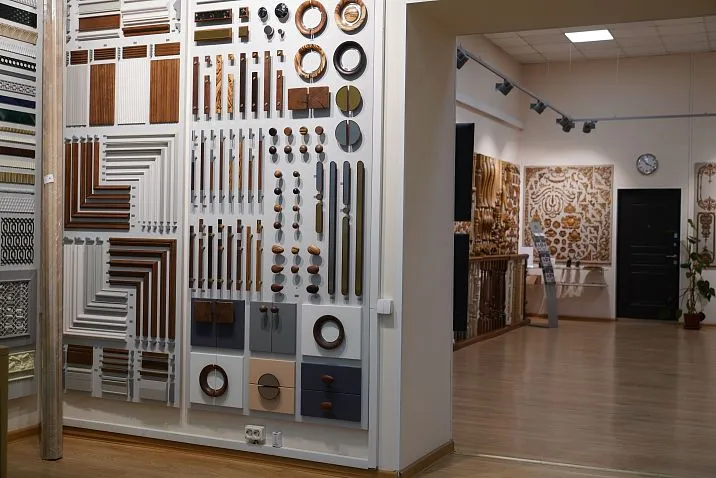
Furniture without decorative elements is like a painting without a frame — functional, but lacking soul and expressiveness. Decorative Accents for Furniture They can radically change the perception of any interior item, turning an ordinary cabinet into a work of art, and a simple chest into an elegant antique piece. These small details possess incredible power — they can tell a story, emphasize style, create an atmosphere, and even alter the character of the entire room.
In the modern world of mass production, where standardization often triumphs over individuality, decorative accents become the last bastion of uniqueness in interior design. They allow the owner to express their personality, demonstrate taste, and create a space that reflects their inner world. From classic carved elements to modern minimalist forms — each accent carries a piece of history and culture, harmoniously uniting the past with the present.


Philosophy of Decorative Design: More Than Just Beauty
The art of decorating furniture traces its roots to deep antiquity, when the first craftsmen began to understand that household items could be not only functional but also beautiful. Each era introduced its own characteristics in understanding beauty, creating unique stylistic directions and material processing techniques.




Psychological impact of decoration
Modern neuropsychology confirms what our ancestors intuitively understood: beautiful objects positively affect a person's emotional state. Contemplation sets of wooden decor with their harmonious proportions and precisely shaped forms activate pleasure centers in the brain, promote the production of serotonin and endorphins.
Decorative elements act as visual anchors, creating focal points in the interior. They direct the gaze, structure space, create rhythm and movement in a static environment. Properly chosen ornaments can visually alter the proportions of a room: elongate low ceilings, expand narrow rooms, add coziness to overly spacious halls.
Our factory also produces:


Cultural codes in decorative elements
Each decorative motif carries a certain symbolic load formed over centuries of cultural development. Plant ornaments symbolize life force and fertility, geometric patterns — order and harmony, animal motifs — connection with nature and primal power.
wooden masks Traditionally used as protective symbols, repelling evil spirits and attracting luck into the home. Today they retain their symbolic power, creating a sense of protection and stability in modern interiors.
Get Consultation
Materials science of decorative ornaments: choosing the base for beauty
The choice of material for decorative elements determines not only their appearance, but also durability, practicality of use, and possibilities for creative interpretation.
Natural wood: classic beyond time
Wood remains the most popular material for creating furniture ornaments due to its versatility, workability, and natural beauty. Each species possesses unique characteristics determining its area of application.
Oak is the king among decorative wood species. Its exceptional hardness allows creating the finest carving details that retain sharp contours for decades. Oak texture, with its expressive growth rings, creates a natural decorative effect even without additional processing. Over time, oak develops a noble patina, becoming even more attractive.
Beech attracts craftsmen with its uniformity and stability of dimensions. Its light, almost cream-colored wood is ideal for painting in any color, and its dense structure ensures the longevity of items. Beech ornaments are characterized by smooth surfaces and the ability to achieve fine detailing.
Ash, with its dynamic, contrasting texture, is ideal for modern interiors where the natural beauty of the material is valued. Clearly defined grains create striking visual compositions, emphasizing the organic origin of the material.
Composite materials: technologies serving design
Modern composite materials — MDF, plywood, wood-polymer composites — provide designers with new opportunities for creativity. They combine the ecological properties of natural materials with the technological advantages of industrial production.
MDF provides an ideally smooth surface without knots or irregularities, allows creating complex profiles with high precision, does not deform from humidity and temperature fluctuations. The ability to create elements of any size and configuration makes MDF indispensable for implementing avant-garde design projects.
Polymer materials: revolution in decor
Polyurethane has brought a true revolution to the production of decorative elements. It allows precisely reproducing the most complex carved forms with perfect repeatability, possesses water resistance, lightness, ease of processing and coloring.
Modern polyurethane compositions are capable of imitating the texture of various materials — from wood to metal and stone. This opens up boundless possibilities for styling, allowing to create historically accurate replicas of antique items at affordable prices.
Stylistic palette: from classicism to avant-garde
The world of decorative furniture ornaments is amazed by the diversity of stylistic directions. Each style has its own philosophy, aesthetic principles, characteristic motifs, and execution techniques.
Historical styles: dialogue with the past
Classicism requires strict adherence to canonical proportions and the use of time-tested motifs. Decorative appliqués in the classic style are characterized by symmetrical compositions, use of ancient elements — palmettes, meanders, Ionic. Each detail must be flawlessly executed, as classicism does not tolerate carelessness.
Baroque impresses with its opulence and theatricality. Complex multi-level compositions, abundance of gilding, dynamic forms create a sense of movement and energy. Baroque elements require appropriate scale — they look best in spacious rooms with high ceilings.
Rococo brought French elegance and lightness to decorative art. Asymmetrical compositions, pastel tones, delicate plant motifs create the atmosphere of an 18th-century boudoir. Rocaille elements are especially suitable for feminine interiors, where refinement and romance are valued.
National traditions: preserving identity
Russian wood carving represents a unique phenomenon in world decorative art. Each region of Russia developed its own motifs and techniques, creating an unmistakable stylistic signature. Northern carving is characterized by minimalism and geometry, central carving by richness of plant ornamentation, southern carving by vividness and decorativeness.
The symbolism of Russian carving is deeply rooted in folk consciousness. Solar signs symbolize life energy, rosettes — protection from evil, grapevines — fertility and abundance. Modern interpretations of Russian motifs preserve this symbolic depth, adapting forms to contemporary requirements.
Modern directions: new forms of beauty
Art Nouveau revolutionized the understanding of decorative art by turning to natural forms as a source of inspiration. Asymmetric compositions, stylized plant motifs, flowing lines create a sense of organicness and naturalness.
Art Deco combines luxury materials with geometric stylization of forms. Zigzag lines, stepped compositions, metallic accents create an atmosphere of the dynamic 20th century.
Minimalism uses decorative elements extremely sparingly. Here, every detail must be functionally justified and impeccably executed. Simple geometric forms, ideal proportions, absence of excess — these are the principles of minimalist decor.
Production technologies: from craft to art
Creating quality decorative furnishings for furniture requires combining traditional craftsmanship with modern production technologies.
Hand carving: traditions of craftsmanship
Hand carving remains the benchmark of quality and individuality in the world of decorative furnishings. Every item created by a master’s hands is unique and bears the imprint of the creator’s personality. An experienced carver feels the material, understands its structure, and is able to extract maximum beauty from each piece of wood.
The process of hand carving requires not only technical skill but also artistic vision. The master must see the future item in the unprocessed blank, plan the sequence of operations, anticipate possible difficulties. Every movement of the chisel is meaningful and precise — errors are practically impossible to correct.
Mechanized production: precision and repeatability
Modern CNC routers ensure the highest precision in reproducing complex forms. Computer control allows creating items with micron-level accuracy, perfect repeatability of parameters, flawless surface quality.
3D modeling and CAM systems automatically generate control programs for machines, optimizing tool movement trajectories. This enables creating details of any complexity and reproducing the finest nuances of original samples.
Hybrid technologies: the best of two worlds
The highest quality items are produced by combining machine production with hand finishing. Machines perform rough processing and forming basic contours, while master carvers add individuality, eliminate minor defects, and emphasize the most expressive details.
Typology of decorative elements: diversity of forms and functions
The world of furniture ornaments includes numerous different types of elements, each with its own purpose and area of application.
Applied elements: versatility of use
Horizontal appliqués are ideally suited for decorating furniture facades, creating horizontal accents, visually expanding narrow surfaces. They can be used individually or in compositions with other elements.
Round appliqués create soft accents, soften the angularity of furniture forms, bring a sense of harmony and completeness to interiors. They are especially effective on large flat surfaces — cabinet doors, bed backs, chest facades.
Three-dimensional elements: play of light and shadow
Three-dimensional decorative elements create deep shadows, add relief and expressiveness to surfaces. They are especially effective under directional lighting, which highlights the volume and detail of carving.
Masks, rosettes, cartouches — classical three-dimensional elements used in decorative art for centuries. Their symbolic meaning is complemented by purely aesthetic function — they become compositional centers, drawing attention and structuring space.
Profiled elements: framing and completion
Moldings, baseboards, cornices serve to frame surfaces, create transitions between different materials, and give furniture forms a sense of completion. Their profile can be simple geometric or complex figurative, depending on stylistic requirements.
Application of decorative ornaments: from function to art
The area of application of furniture ornaments is limited only by the designer’s imagination and the requirements of a specific project.
Solid furniture: transforming standard solutions
Modern solid furniture often suffers from excessive simplicity and functionality. Decorative elements can radically change its perception, turning a utilitarian item into a work of art.
Cabinet facades with applied elements acquire character and individuality. Simple flat doors transform into elegant panels with classic or modern motifs. It is important to maintain moderation — excessive decoration may make the kitchen overloaded and impractical.
Cabinets and chests gain new life thanks to thoughtful decoration. Central appliqués draw attention to the compositional center, corner elements emphasize structural features, horizontal appliqués visually expand narrow items.
Bedroom furniture: creating an intimate atmosphere
Bedroom furniture requires a special approach to decoration. Here, soft, soothing shapes are appropriate, creating an atmosphere of calm and relaxation. Botanical ornaments, smooth lines, muted colors contribute to creating a comfortable environment.
Headboards of beds provide excellent opportunities for decorative styling. Large central elements create a focal point in the interior, symmetrical compositions emphasize the importance of this zone in the bedroom.
Children's furniture: fairy tale in the interior
Children's furniture allows using brighter, more playful decorative motifs. Animal-themed scenes, fairy tale characters, vivid colors create an atmosphere of play and creativity. It is important to remember safety — all elements must be securely fastened, have no sharp edges or small parts.
Technical aspects of installation: craftsmanship in details
Quality installation of decorative elements is no less important than their manufacturing. Even the best ornaments can be ruined by unskilled mounting.
Surface preparation
The surface of the furniture must be carefully prepared before installing decorative elements. It should be flat, clean, dry, and degreased. Any unevenness, dust, or oil stains may disrupt the adhesion of adhesive joints.
Marking for installation requires special precision, especially when creating symmetrical compositions. Even minor deviations will be noticeable and spoil the overall impression. Using templates, laser levels, and precise measuring tools ensures a professional result.
Methods of mounting
The choice of mounting method depends on the material of the decorative element, its weight, dimensions, and the operating conditions of the furniture.
Adhesive bonding is suitable for lightweight, small-sized elements. Modern polyurethane and epoxy adhesives provide strong bonding with most materials. It is important to correctly select the type of adhesive depending on the materials of the bonded surfaces.
Mechanical mounting with screws or bolts is used for heavy elements. Fasteners must be selected according to the base material and thickness of the decorative element. Mounting locations should be as hidden or decoratively integrated as possible.
Combined mounting combines the reliability of mechanical connections with the aesthetics of adhesive bonding. Initial fixation is done with screws, final securing — with adhesive. This method is especially effective for complex multi-element compositions.
Final finishing
After installing decorative elements, finishing work on joints, repainting damaged areas, and applying protective coatings may be required.
Sealing joints requires special care. Sealants and putties must exactly match the color of the base material. Excess material must be immediately removed, and the surface leveled.
Care and Maintenance: Preserving Beauty for Years
Proper care of decorative elements extends their lifespan and preserves their original beauty.
Regular Maintenance
Decorative elements require regular cleaning from dust and dirt. Dust is especially noticeable in recesses of carving, where it is difficult to remove. Cleaning is done with soft brushes, vacuum cleaners with adjustable power, and special wood care products.
Humidity control is especially important for wooden elements. Optimal air humidity of 45-65% prevents cracking and deformation of wood. In dry rooms, it is recommended to use humidifiers.
Protection against damage
Decorative elements require protection from mechanical damage, exposure to sunlight, and temperature fluctuations. Direct sunlight may cause fading and drying of the material. UV filters on windows or periodic shading help preserve color.
Temperature fluctuations may cause deformation of elements, especially wooden ones. A stable temperature of 18-22°C is optimal for most materials.
Restoration and renewal
When damage appears, it is important to promptly carry out restoration work. Minor scratches, chips, and scuffs can be removed using special compounds and paints.
Serious damage requires professional intervention. Restoration of lost carved fragments and replacement of damaged elements must be performed by qualified specialists.
Economic aspects: Investment in beauty
Decorative Accents for Furniture represent not only aesthetic value, but also a profitable investment.
Impact on furniture cost
Well-decorated furniture has significantly higher market value compared to ordinary items. Unique decorative elements make furniture exclusive, increasing its appeal to buyers.
Antique and vintage furniture with original decoration is especially valued by collectors. Restoration of such items using authentic decorative elements can multiply their value many times.
Long-term perspective
Quality decorative elements serve for decades, retaining their attractiveness and functionality. This makes them a worthwhile long-term investment, especially compared to trendy but short-lived fads.
The possibility of restoration and updating allows the lifespan of decorated furniture to be extended almost indefinitely. Repainting, patination, and replacing individual components give new life to old items.
Trends in development: looking toward the future
The industry of decorative furniture embellishments is constantly evolving, absorbing new ideas and technologies.
Personalization and Customization
Modern consumers increasingly seek individuality in their interiors. This stimulates the development of custom decorative element manufacturing services that take into account specific client requirements and preferences.
3D modeling allows clients to see the future result even at the design stage, make adjustments, and achieve perfect alignment with expectations.
Ecological Innovations
Growing environmental awareness stimulates the development of new materials and technologies. Bio-composites based on plant fibers, secondary processing of wood waste, and eco-friendly coatings are becoming increasingly popular.
Integration of technologies
Smart materials capable of altering their properties under external influences open new possibilities for creating interactive decorative elements. Thermochromic coatings, integrated lighting, and touch-sensitive surfaces transform static ornaments into dynamic interior elements.
Frequently Asked Questions about decorative furniture embellishments
How to choose the right style of decorative elements?
The choice of style should be based on the overall interior concept, architectural features of the space, and personal preferences. Classic styles suit traditional interiors, while modern styles suit urban spaces. It is important to maintain stylistic unity and avoid mixing radically different directions.
Can decorative elements be installed on ready-made furniture?
Yes, most decorative elements can be installed on ready-made furniture. It is important to properly prepare the surface, choose the appropriate mounting method, and ensure secure fixation. Some elements may require preliminary furniture modification.
What materials are best suited for children's furniture?
For children's furniture, it is recommended to use eco-friendly materials — natural wood, E0-grade MDF, polyurethane without harmful additives. All elements must be securely fastened, free of sharp edges and small parts that a child could detach.
How to calculate the required quantity of decorative elements?
The calculation depends on the furniture size, chosen design, and type of elements. It is recommended to create a detailed sketch indicating the dimensions and placement of all elements. A small allowance should be provided for potential damage or installation errors.
Can damaged decorative elements be restored?
Most damage can be restored using special compounds and restoration techniques. Small chips are filled with putty, scratches are removed by sanding and repainting. Severe damage may require manufacturing new elements based on the original ones.
How long do quality decorative elements last?
With proper care, quality decorative elements can last 20–30 years or more. Elements made of hardwood are especially durable. Polymer materials also exhibit high resistance to aging and external influences.
Conclusion: the art of creating unique interiors
Decorative Accents for Furniture — these are not merely beautiful additions to interiors, but tools for creating unique spaces that reflect the individuality of their inhabitants. In a world of mass production and standardization, they offer the opportunity to stand out, create something special and memorable.
Each decorative element carries a piece of history — the history of craftsmanship, culture, artistic traditions. Choosing ornaments for your furniture means becoming part of this long chain connecting us to artisans of the past and future.
Modern technologies open previously unseen creative possibilities, but they cannot replace human understanding of beauty, sense of proportion, and pursuit of perfection. The best decorative elements will always be the result of a union of technical skill and artistic vision.
Investing in quality decorative embellishments is investing in long-term enjoyment of beauty, emotional comfort in daily life, and the creation of family traditions and memories. Quality decorated furniture becomes not just a piece of furniture, but part of family history passed down from generation to generation.
Choosing decorative elements is a creative process requiring time, attention to detail, and understanding of general design principles. It is important not to rush, carefully plan the concept, consider all interior nuances, and provide for future development and changes.
STAVROS — a recognized leader in creating high-quality decorative furniture embellishments. For many years, STAVROS has set new quality standards in the industry, combining traditional craftsmanship with modern manufacturing technologies.
STAVROS understands that each client is unique, and each project has its own features and requirements. Therefore, the company offers not only a wide range of ready-made solutions but also opportunities for personalization and creating exclusive elements based on individual projects.
The STAVROS team combines experienced master carvers preserving Russian decorative art traditions and young designers open to modern trends and technologies. This combination of experience and innovation allows creating items that meet the most diverse client needs.
STAVROS’s own production is equipped with modern, high-precision equipment enabling the production of world-class quality products. Strict control at all production stages, use of only tested materials, and continuous improvement of technological processes ensure consistently high product quality.
STAVROS offers a comprehensive service — from consultations on selecting appropriate elements to their professional installation. Experienced designers will help create a unique design concept, technical specialists will ensure accurate material calculations and installation, and customer support will provide quality after-sales service.
Choosing STAVROS, clients receive a quality guarantee based on years of experience and impeccable reputation. STAVROS is not just a manufacturer of decorative elements — it is a partner in creating beautiful and functional interiors, a design advisor, and a guarantor of successful implementation of the most ambitious projects.
STAVROS continues to grow, adopting new technologies, expanding its product range, and perfecting customer service quality. The company remains true to its mission — to make beautiful interiors accessible to everyone who values quality, beauty, and craftsmanship.
STAVROS is the choice for those who understand that beauty lies in the details, who strive for perfection in everything, who wish to create their dream home. By choosing STAVROS, you are not merely acquiring decorative elements, but gaining the opportunity to experience true artistry and become the creator of a unique and unparalleled interior.


