












































































Article Contents:
- Aesthetic Philosophy of Modern Decorative Planks
- Material Science: Why MDF Wins the Technology Race
- Production Technology: From Wood Fiber to Designer Masterpiece
- Surface Treatment: Where Beauty is Born
- Design Possibilities: Symphony of Lines in Space
- Playing with Rhythm and Intervals
- Technical Installation: Mastery in Details
- Mounting methods: reliability for decades
- Aesthetic Solutions for Various Interior Styles
- Classic Interior: Nobility in Every Detail
- Functional Aspects: Beauty Serving Practicality
- Acoustic Properties: Comfort for the Ears
- Modern Trends: What Dictates Fashion in Interior Design
- Technological innovations in production
- Comparative analysis of costs for different materials
- Comparative Analysis of Alternative Solutions
- Regional specificity of application
- Logistical Aspects of Deliveries
- Technologies of the Future: What Lies Ahead
- Integration with smart home systems
- Ecological aspects and sustainable development
- Recycling and disposal
- Conclusion: choice of professionals
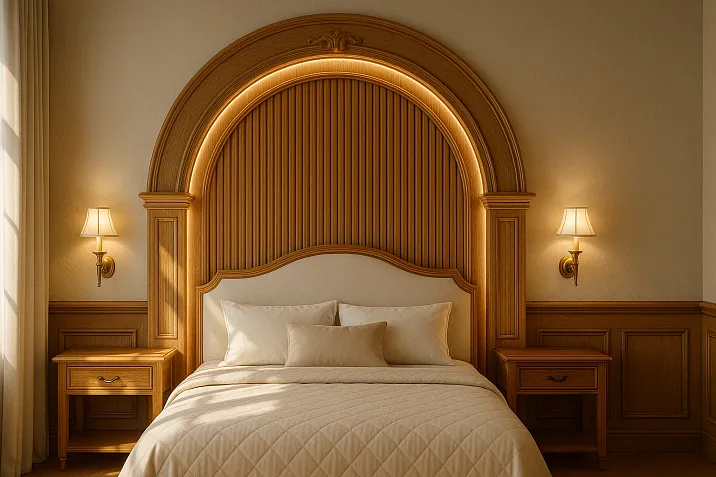
When it comes to transforming living space, many of us face a choice between expensive designer solutions and affordable, yet sometimes dull, finishing options. However, there is a decorative element that can radically change the perception of any room without draining the family budget. Decorative Wall MDF Planks have become a true discovery for those who aim to create a stylish, modern interior with minimal time and cost.
A true revolution is taking place in the world of interior design. If, in the past, creating a truly stylish space required significant investments and the involvement of professional designers, today anyone can become the creator of their own unique interior. The key to this transformation lies in understanding the power of details capable of turning an ordinary room into a work of art.


Aesthetic Philosophy of Modern Decorative Planks
Modern interior design is moving toward minimalism, functionality, and natural beauty. In this context MDF rail becomes not just a decorative element, but a philosophical statement on how residential space of the 21st century should look. Clean lines, natural textures, play of light and shadow — all of this is embodied in simple, seemingly plain wooden planks.
Psychology of spatial perception tells us that vertical lines visually increase the height of a room, while horizontal lines expand it. Decorative planks allow skillfully playing with these visual effects, creating an illusion of spaciousness even in the most compact rooms. Proper use MDF rail for interior use can transform a standard apartment into a designer object.




Material Science: Why MDF Wins the Technology Race
Choosing a material for decorative elements is always a compromise between beauty, durability, and cost. MDF (Medium Density Fiberboard) is a medium-density wood fiberboard that surpasses both natural wood and other composite materials on many parameters.
What makes MDF the ideal material for producing decorative planks? Primarily, it is the uniformity of structure. Unlike solid wood, MDF does not have knots, cracks, or other natural defects that may appear during use. This means that each MDF plank will have a perfectly smooth surface and predictable characteristics.
Dimensional stability is another indisputable advantage of MDF. This material is practically immune to thermal deformation and humidity changes, which is critically important for elements that will be installed in living spaces for many years. Imagine the disappointment of a homeowner if decorative elements begin to warp or crack just a few months after installation.
Our factory also produces:


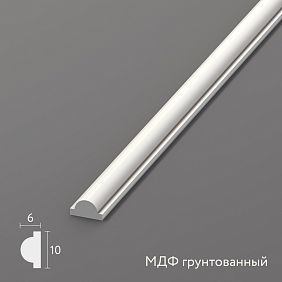
Production technology: from wood fibers to designer masterpieces
The process of manufacturing high-quality decorative MDF strips is a high-tech operation requiring precise adherence to numerous parameters. It all begins with raw material preparation: wood fibers are ground to a specific fraction, mixed with binders, and formed under high pressure and temperature.
Modern production lines allow creating MDF panels of various densities and thicknesses, enabling the manufacture of strips with specified technical characteristics. For decorative elements, material density is especially important — it must be sufficient to ensure strength, but not excessive, so that the strips are easy to process.
After molding, the process of cutting strips to specified dimensions begins. High-precision equipment ensures perfectly straight cuts and exact geometry for each element. This is especially important when creating MDF Racks 40×40 or other standard cross-sections, where even millimeter deviations may affect the quality of installation.
Get Consultation
Surface treatment: where beauty is born
True magic begins at the surface treatment stage. It is here that the plain MDF blank transforms into a decorative element capable of enhancing the most sophisticated interior. There are several main methods of finishing decorative strips.
Veneering — the process of applying a thin layer of natural wood to the MDF surface. MDF Planks Oak They acquire their unique texture precisely due to this technology. Oak veneer gives strips a noble appearance and the tactile feel of natural wood, while retaining all the advantages of the MDF base.
An alternative option is producing strips for painting. Such items undergo special surface preparation, including priming and sanding, after which they are ready for any paint coating. This opens up boundless creative possibilities — from classic white and black tones to vibrant accent colors.
Design possibilities: symphony of lines in space
Every interior is a story told in the language of forms, colors, and textures. Decorative Wall MDF Planks Become one of the main tools of this narrative, allowing the creation of visual rhythms, directing the viewer's gaze, and shaping the overall mood of the room.
Vertical installation of strips — a classic solution for rooms with low ceilings. Lines directed upward create an illusion of height, making the room appear more grand and spacious. This technique is especially effective in hallways and corridors, where the feeling of confinement is most acute.
Horizontal orientation of strips works to expand space. It is ideal for narrow rooms that need to be visually widened. Moreover, horizontal lines create a sense of calm and stability, making them an excellent choice for bedrooms and living rooms.
Playing with rhythm and intervals
Professional designers know the secret to creating dynamic compositions — it all comes down to rhythm. Evenly spaced strips create a calm, meditative effect, suitable for relaxation zones. Variable rhythm, where intervals between strips change according to a specific pattern, adds dynamism and modernity to the interior.
Finishing MDF rails Allows creating complex geometric patterns. Combining vertical and horizontal elements enables forming grid-like structures that are not only beautiful but also functional — they can serve as a base for placing decorative elements or even small shelves.
Special attention should be given to the technique of creating accent walls. A single wall decorated with decorative strips can dramatically change the perception of the entire room. It becomes a focal point, drawing the viewer's gaze and setting the tone for the entire interior.
Technical side of installation: mastery in details
The beauty of decorative strips is fully revealed only under professional installation. This process requires not only technical skills but also artistic sense, understanding of proportions, and a sense of rhythm.
Surface preparation — the first and critically important stage. The wall must be perfectly flat, clean of dust and dirt. Any irregularities in the base surface will be noticeable after installing the strips, so preliminary leveling is not a luxury but a necessity.
Marking — the stage where mathematical precision meets designer vision. Each strip must be installed in a precisely defined location, with exactly maintained intervals. Professionals use laser levels and special templates to ensure ideal composition geometry.
Methods of mounting: reliability for decades
The choice of mounting method depends on several factors: weight of the strips, type of wall, and expected loads. For lightweight MDF rail for painting often a special adhesive is sufficient, which ensures strong bonding with most types of surfaces.
Mechanical mounting with screws or anchors is used for heavier structures or when periodic disassembly is planned. Modern concealed mounting systems allow installing strips without visible fasteners, ensuring a flawless appearance of the finished composition.
Combined mounting, combining adhesive bonding with mechanical fastening, ensures maximum reliability and longevity of the structure. This method is especially recommended for rooms with high humidity or temperature fluctuations.
Aesthetic solutions for various interior styles
The versatility of decorative MDF planks is demonstrated by their ability to seamlessly integrate into various stylistic concepts. From strict minimalism to luxurious classicism — properly selected and installed planks become a harmonious part of any interior.
Scandinavian style MDF veneer strip Light tones create a sense of closeness to nature, emphasizing the naturalness of materials and simplicity of forms. White or light-gray planks against white walls create a subtle play of textures, adding depth to the interior without excessive complexity.
Modern loft style opens up wide opportunities for experimenting with decorative planks. Here, contrasting solutions are appropriate: dark planks on a light background or, conversely, light elements on a dark wall. The rough texture of brickwork combines beautifully with the clean lines of wooden planks.
Classic interior: nobility in every detail
Classic interior style requires a special approach to selecting and placing decorative elements. Here, beauty is important, but so is adherence to historical traditions, proportions, and canons. decorative interior MDF planks with quality veneering under valuable wood species, they become a worthy alternative to expensive solid wood.
In classic interiors, planks are often used to create panel structures reminiscent of traditional boiserie. Such finishing is especially effective in offices, libraries, and formal living rooms, where it is important to emphasize the solidity and respectability of the setting.
French Provence and English classicism also find expression in decorative planks. Here, preference is given to more delicate, elegant profiles, painted in pastel tones or retaining the natural color of light wood.
Functional aspects: beauty serving practicality
Decorative MDF planks are not just interior decoration. Proper use of these elements allows solving numerous practical tasks, making living space not only beautiful but also more functional.
Zoning space — one of the key functions of decorative planks in modern interiors. In the era of studio layouts and open spaces, it is important to visually separate functional zones without creating a sense of confinement. MDF planks for walls handle this task perfectly.
A partial partition made of vertical planks can separate a work area from a resting zone in a bedroom, or highlight a dining area in a combined living-kitchen space. At the same time, the feeling of a single space is preserved, but each zone acquires its own individuality and functional orientation.
Acoustic properties: comfort for the ears
Modern room acoustics is a complex science taking into account numerous factors affecting sound quality. Decorative planks can contribute to creating a comfortable acoustic environment. A properly designed plank structure can improve the acoustic characteristics of a room, reducing echo and reverberation.
This is especially relevant for large rooms with high ceilings, where sound may 'linger,' creating discomfort for people in the room. MDF planks for ceiling not only decorate the interior, but also contribute to creating a more cozy acoustic atmosphere.
In home theaters and music rooms, properly installed decorative planks can become part of the room's acoustic system, improving sound reproduction quality and creating a more realistic acoustic space.
Modern trends: what dictates fashion in interior design
The world of interior design is constantly evolving. What was relevant yesterday may look outdated today, and tomorrow — again enter fashion. Understanding current trends helps make the right choice of decorative elements that will delight the eye for many years.
One of the leading trends of recent years has been eco-friendliness. Consumers are paying more attention to the origin of materials, their impact on the environment and human health. MDF veneer planks meets these requirements, combining the eco-friendliness of natural wood with the practicality of modern technologies.
Biophilic design — another important trend, based on the human desire for closeness to nature. Decorative planks with natural textures help create a sense of nature's presence in the interior, which is especially important for residents of large cities.
Technological innovations in production
Advancements in manufacturing technology open up new possibilities for creating unique decorative elements. Modern equipment allows creating planks with complex profiles, relief surfaces, and unusual textures.
Digital printing technologies allow applying any images and patterns onto the surface of MDF planks. This opens up unlimited opportunities for personalizing interiors, creating unique design solutions that cannot be replicated using traditional methods.
Innovative coatings provide additional protection for plank surfaces against mechanical damage, ultraviolet radiation, and moisture. This significantly extends the service life of decorative elements and broadens their application possibilities.
Economic efficiency: beauty without extra cost
In today's economy, the importance of prudent spending on home furnishings is difficult to overestimate. MDF Lathes Price which are significantly lower in cost compared to similar elements made of solid wood, allowing you to create a stylish interior without substantial financial outlay.
The economic efficiency of using decorative MDF lathes is evident not only at the time of purchase but also in the long term. The high stability of the material means that lathes will not require replacement or major repairs for many years.
The ease of installation allows you to save on professional installation services. With basic skills in using tools, you can install decorative lathes yourself, further reducing the overall project cost.
Comparative Analysis of Alternative Solutions
The market for decorative finishing materials offers numerous alternatives to MDF lathes. Each solution has its own advantages and disadvantages, which must be considered when choosing.
Solid wood possesses unparalleled natural beauty and prestige, but requires significant financial investment and special care. Moreover, natural wood is susceptible to deformation under the influence of humidity and temperature.
Plastic lathes are characterized by low cost and moisture resistance, but cannot compete with MDF in terms of appearance and tactile feel. They are more suitable for technical spaces than for residential interiors.
Metal lathes create a modern, industrial look, but their application is limited to specific interior styles. Additionally, they require special tools for installation and processing.
Regional Specificity of Application
Climate conditions in various regions leave their mark on the choice of finishing materials. MDF Lathes St. Petersburg must take into account the specifics of the St. Petersburg climate, with its high humidity and sharp temperature fluctuations.
In northern regions, special attention is paid to the thermal insulation properties of finishing materials. MDF has low thermal conductivity, making it a suitable choice for creating an additional thermal barrier on walls.
Southern regions require increased attention to the resistance of materials to ultraviolet radiation. Quality coating of lathes must protect them from fading and degradation due to sunlight.
Logistical Aspects of Delivery
Modern logistics allows delivering decorative lathes to any region of the country with minimal time expenditure. However, it is important to consider the specifics of transporting long items, which require a special approach to packaging and transportation.
MDF Planks Moscow and other major cities have the advantage of a well-developed distribution network, ensuring fast delivery and a wide range of sizes. In regional areas, reliable partner suppliers play an important role, guaranteeing quality and timely deliveries.
Optimizing logistics chains allows reducing the final product cost for consumers, making high-quality decorative lathes accessible to a broad range of buyers.
Technologies of the Future: What Lies Ahead
The development of technologies for producing construction and finishing materials is not standing still. Today, we can already speak of promising developments that may radically change approaches to creating decorative interior elements in the near future.
Nanotechnologies open up possibilities for creating coatings with fundamentally new properties: self-cleaning, antibacterial, color-changing depending on lighting or temperature. Such solutions may make MDF lathes for interior not just decorative, but also functional elements of a smart home.
Additive technologies (3D printing) already today allow creating decorative elements of complex shapes that cannot be obtained by traditional methods. In the future, this may lead to the emergence of fully personalized decorative elements, created according to individual customer sketches.
Integration with Smart Home Systems
Current trends in technology development indicate growing popularity of the smart home concept. Decorative interior elements are not left out of this process. Today, there are developments that allow integrating various technological solutions into lathes.
Built-in LED lighting can turn ordinary decorative lathes into elements of an illumination system. Controlling such lighting via a mobile app allows creating various lighting scenarios, changing color and brightness depending on time of day or mood.
Sensory technologies can make the surface of lathes interactive, capable of responding to touch and even contactless gestures. This opens up new possibilities for controlling various home systems directly from the surface of decorative elements.
Ecological aspects and sustainable development
Environmental and sustainable development issues are becoming increasingly relevant for modern society. Manufacturers of decorative MDF strips are not standing aside from these global trends, implementing technologies aimed at reducing environmental impact.
The use of wood waste and recycled materials in MDF production contributes to more rational use of forest resources. Modern adhesives used in MDF panel production contain low levels of formaldehyde or none at all, making the finished product safe for human health.
FSC (Forest Stewardship Council) certification programs guarantee that the wood raw material used for producing strips is sourced from forests managed according to the principles of sustainable forestry.
Recycling and disposal
The life cycle of decorative strips does not end with their removal. MDF is a material that can be recycled and reused. This is especially important in the context of growing attention to the issue of construction waste disposal.
Modern recycling technologies allow grinding MDF products that have served their purpose and using the resulting raw material to produce new panels. Thus, decorative strips participate in a closed production cycle, minimizing environmental impact.
Biodegradable adhesives, being developed by leading chemical companies, may in the future make MDF a fully environmentally neutral material capable of natural decomposition under natural conditions.
Conclusion: choice of professionals
The modern market of decorative finishing materials offers consumers a vast variety of solutions. In this diversity, Decorative Wall MDF Planks decorative strips stand out, combining aesthetic appeal, functionality, and accessibility.
Choosing high-quality decorative strips is an investment in the beauty and comfort of your home for many years. Properly selected and professionally installed strips can dramatically transform any room, making it more stylish, cozy, and functional.
For many years, STAVROS has held leading positions in the production and supply of high-quality wooden and MDF finishing materials. Rich experience, modern production technologies, and strict adherence to the highest quality standards make STAVROS products a choice for professional designers and discerning consumers.
Investing in decorative strips from STAVROS means you are not just acquiring a finishing material, but a tool for creating a unique, stylish, and comfortable living space. This is the choice of those who value quality, beauty, and reliability — the choice of those who are not willing to compromise when it comes to their dream home.


