












































































Article Contents:
- From Ancient Technologies to Modern Solutions
- Evolution of Materials: From Solid Wood to Composites
- Technological Breakthrough of the 21st Century
- Variety of Forms and Solutions
- Geometric Diversity
- Surfaces and Textures
- Color Palette: From Natural Tones to Avant-Garde
- Natural Wood Tones
- Modern Color Palette
- Architectural Styles and Design Concepts
- Scandinavian minimalism
- Loft and industrial aesthetics
- Neoclassicism and Modern Interpretation of Traditions
- Installation Technologies: From Simple to Complex
- Frame Installation Method
- Adhesive Mounting
- Mechanical Fastening
- Functional Capabilities of Panels
- Zoning and Space Division
- Acoustic Correction
- Integration of Lighting
- Production Technologies
- Resistance to Mechanical Impact
- Moisture Resistance and Climate Effects
- Fire Resistance and Safety
- Maintenance and care
- Daily Cleaning
- Protection against damage
- Economic aspects of selection
- Initial costs
- Long-Term Savings
- Innovations and Development Trends
- Ecological innovations
- Smart materials
- Digital technologies
- Conclusion
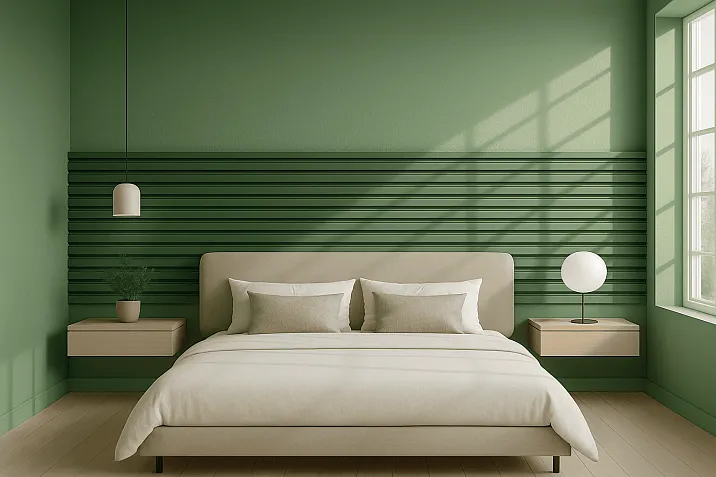
Have you ever thought about what could dramatically change the atmosphere of your home with just one move? Decorative MDF Panel Recesses have become that magical tool capable of transforming a dull space into a designer masterpiece. Imagine: a few hours of work, and your living room transforms from a standard box into a stylish space worthy of an architectural magazine cover.
This material has captured the hearts of millions of designers around the world for a reason. It combines the practicality of modern technologies with the aesthetics of natural wood, economy with a luxurious appearance. But what makes MDF recess panels so special? Let's dive into the amazing world where architecture meets art.


From Ancient Technologies to Modern Solutions
The history of recessed structures goes back to ancient times. Ancient Romans used wooden planks to create decorative panels in their villas. However, what we see today is the result of centuries of technological and design evolution.




Evolution of Materials: From Solid Wood to Composites
Traditionally, solid wood was used to manufacture recessed panels. These were expensive, elite solutions accessible only to the select few. Each plank required careful selection of wood, long drying, meticulous processing. The result was magnificent, but the process was labor-intensive and costly.
The revolution came with the appearance of MDF materialThis composite material combined the best qualities of natural wood with the advantages of industrial production. Dimensional stability, absence of wood defects, ability to precisely reproduce any texture — all of this made MDF an ideal base for decorative panels.
Our factory also produces:


Technological breakthrough of the 21st century
Modern production technologies have enabled the creation of a material that surpasses natural wood in many parameters. The density of MDF 650-850 kg/m³ ensures structural strength while maintaining relatively low weight. The moisture content is stabilized at 6-9%, eliminating warping and cracking.
The production process includes grinding wood into fibers sized 0.1-3 mm, mixing with binders, and hot pressing at 210°C under 40 MPa pressure. The result is a uniform material with predictable properties.
Get Consultation
Variety of forms and solutions
Modern Decorative MDF Panel Recesses Impress with variety of forms, sizes, and finishing options. These are not just standard planks, but a full system of modular elements for creating unique interiors.
Geometric diversity
Classic rectangular planks remain the most popular due to their versatility. Standard sizes range from 10×20 mm to 60×80 mm in cross-section, with lengths of 2700-3000 mm. These proportions, refined over years of practice, provide optimal visual effect.
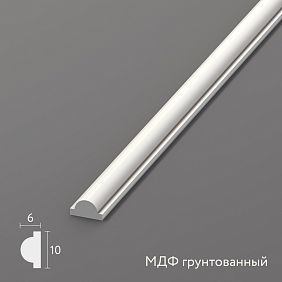
But modern design is not limited to rectangles. Triangular planks create dynamic surfaces with sharp shadows. Semi-circular profiles add softness to interiors. Trapezoidal cross-sections form interesting light transitions.
Surfaces and textures
Smooth surfaces suit modern minimalist interiors. They reflect light evenly and create a sense of cleanliness and order. MDF planks Surfaces with smooth finish are easily painted in any color.
Textured surfaces imitate various types of wood, stone, and metal. Deep embossing technology creates relief up to 0.5 mm deep, indistinguishable from natural material. Such panels require no additional finishing and are ready for installation.
Brushing creates an aged wood effect. Soft fibers are removed with special brushes, leaving a textured surface with distinct annual rings. This effect is especially popular in loft and country style interiors.
Color palette: from natural tones to avant-garde
Natural wood tones
Oak, ash, walnut, wenge — classic wood species find new life in MDF panels. Modern printing technologies convey not only color but also the characteristic texture of each species. Digital printing with up to 300 dpi reproduces the finest details of wood grain.
Light-colored species — birch, maple, pine — visually expand space and suit rooms with insufficient lighting. Dark tones — wenge, ebony, rosewood — create a luxurious atmosphere and emphasize the status of the interior.
Modern color palette
White and gray tones dominate modern design. They serve as an ideal backdrop for bright accents and allow furniture and decor to become the main focus of the interior. Gradients of gray — from pearl to graphite — create refined monochromatic compositions.
Vibrant colors are used to create accent walls and space zoning. Red adds energy, blue calms, green harmonizes. Modern paints retain color saturation throughout the entire service life of the panels.
Architectural styles and design concepts
Each architectural style finds its embodiment in plank constructions. MDF interior planks Adapt to any stylistic concept, from strict classicism to avant-garde.
Scandinavian minimalism
Scandinavian style values simplicity, functionality, and connection with nature. Light MDF planks with birch, pine, or bleached oak imitation are ideal for creating the characteristic atmosphere of a northern home.
Vertical planks emphasize room height, which is especially important in Scandinavian interiors that strive for light and air. The 10-20 mm spacing between planks creates a delicate play of light and shadow without compromising the overall sense of lightness.
Loft and industrial aesthetics
Industrial style uses plank constructions as a contrast to rough textures of brick and concrete. Dark planks with metallic coating or burnt wood imitation add warmth to the brutal loft environment.
Horizontal planks emphasize space extension and evoke associations with industrial architecture. Intentionally rough processing, visible fasteners, contrasting material combinations — all are characteristic of loft applications of plank panels.
Neoclassicism and modern interpretation of traditions
use MDF planks For creating a modern version of traditional wall panels. Noble tones of oak, walnut, and redwood combined with gold moldings create an atmosphere of aristocratic luxury.
Panel height is calculated according to classical proportions — 1/3 of room height. This creates harmonious proportions and emphasizes connection with historical traditions.
Installation Technologies: from simple to complex
Installing decorative panels requires understanding the material's properties and selecting the correct mounting technology. Each method has its advantages and areas of application.
Frame Mounting Method
The frame system ensures maximum reliability and longevity of the structure. Wooden beams 40×20 mm or metal profiles form the base for mounting panels. The frame installation spacing is 400-600 mm depending on panel size.
Advantages of the frame mounting method:
- Ability to level uneven walls
- Hidden installation of utilities
- Additional thermal insulation
- Ease of dismantling if necessary
The frame is set to level with accuracy ±2 mm. This ensures ideal geometry of the finished surface. A vapor barrier is laid between the frame and the wall to protect against condensation.
Adhesive mounting
Direct gluing to the wall is suitable for flat surfaces with deviations no more than 3 mm per linear meter. Polyurethane adhesives are used, providing a connection strength of 8-12 MPa.
The wall surface is primed to improve adhesion. Adhesive is applied in a zigzag pattern to the back of the panel. The 15-20 minute setting time allows for adjusting the position of elements.
Mechanical mounting
Self-tapping screws and anchors provide maximum mounting reliability. For MDF, self-tapping screws with sharp tips are used, requiring no pre-drilling. Screw heads are recessed into the material by 1-2 mm.
Hidden mounting is achieved through special clips or grooves at the ends of panels. This method ensures a perfect surface appearance without visible mounting elements.
Functional capabilities of panels
Modern Decorative MDF rails — is not just a decorative material, but a multifunctional system for organizing space.
Zoning and space division
Louvered structures allow dividing large rooms into functional zones without erecting load-bearing partitions. Changing the direction, density, or color of the louvers creates visual boundaries between zones.
In studio apartments, vertical louvers separate the sleeping area from the living room. Horizontal panels in the kitchen create the impression of a separate room. Such zoning preserves the overall volume of space but organizes it functionally.
Acoustic correction
Perforated panels with acoustic fillers effectively absorb sound. The sound absorption coefficient reaches 0.8-0.9 in the speech frequency range. This is especially important in open-space offices and public areas.
The distance between louvers also affects acoustic properties. Gaps of 20-30 mm create resonant cavities that absorb sound at specific frequencies. Selecting dimensions allows tuning the room’s acoustics to specific tasks.
Integration of lighting
Hidden lighting transforms louvered panels into architectural lighting elements. LED strips installed behind translucent panels or between louvers create even surface illumination.
Color-changing lighting allows changing the room’s atmosphere with one button press. RGB strips controlled via smartphone open limitless possibilities for creating lighting scenes.
Operational characteristics
Durability and reliability are key factors in selecting decorative materials. MDF laths for interior demonstrate excellent operational characteristics with proper care.
Resistance to mechanical impacts
The surface hardness of MDF panels ranges from 2.5-4.0 HV depending on material density and coating type. This ensures resistance to scratches and dents under normal use.
Impact resistance depends on panel thickness and mounting method. Elements 16-20 mm thick withstand moderate impacts without damage. Frame mounting distributes load and increases overall structural strength.
Moisture resistance and climatic influences
Standard MDF withstands air humidity up to 70% without deformation. Moisture-resistant material grades with special additives work at humidity up to 85%, allowing their use in bathrooms and kitchens.
Temperature stability is ensured by the material's homogeneous structure. The linear expansion coefficient of 8-12×10⁻⁶ 1/°C minimizes deformation under temperature changes.
Fire resistance and safety
MDF belongs to the Group G4 (highly flammable materials). However, special fire-retardant coatings can increase the fire safety class to G2-G3. Fire-retardant impregnations release non-flammable gases when heated.
Smoke production during burning is minimal due to the absence of synthetic fillers in MDF composition. Toxicity of combustion products corresponds to the level of natural wood.
corner trim
Proper care extends the service life of panels and preserves their original appearance. Finishing MDF rails Does not require complex maintenance, but requires regular attention.
Daily cleaning
Dry cleaning with soft cloth or vacuum cleaner with soft attachment removes surface dust. Movements should follow the direction of the texture to avoid scratches. Cleaning frequency depends on operating conditions.
Furniture pads prevent scratches from chairs and tables. Rugs in high-traffic areas protect the lower part of panels from mechanical damage.
Protection from Damage
Furniture pads prevent scratches from chairs and tables. Rugs in high-traffic areas protect the lower part of panels from mechanical damage.
Humidity control is especially important in rooms with variable microclimate. Using humidifiers in winter and dehumidifiers in summer maintains stable operating conditions.
Economic aspects of selection
Analysis of total cost of ownership shows the economic efficiency of MDF panels compared to alternative materials.
Initial costs
Material cost accounts for 40-60% of total finishing expenses. The price per linear meter of panels varies from 200 to 1500 rubles depending on size, coating type, and manufacturer.
Installation costs account for 30-50% of material cost when using professional crews. DIY installation reduces costs but requires skills and special tools.
Long-term savings
Service life of quality panels is 15-25 years in interior conditions. No need for regular repairs or coating renewal reduces operating expenses.
Energy efficiency increases due to additional insulation during frame installation. Heating savings may reach 10-15% depending on climatic conditions.
Innovations and development trends
The industry of decorative panels continuously develops, introducing new technologies and materials.
Ecological Innovations
Formaldehyde-free binders based on natural resins make the material fully eco-friendly. Biodegradable coatings allow panels to be disposed of without harming the environment.
Use of recycled wood and paper reduces pressure on forest resources. Closed production cycle minimizes waste and increases raw material efficiency.
Smart Materials
Integration of electronics transforms panels into "smart home" elements. Built-in sensors monitor temperature, humidity, and air quality. Touch elements allow control of lighting and climate.
Photocatalytic coatings purify air from harmful impurities and unpleasant odors. Antibacterial additives suppress microbial growth and ensure hygienic safety.
Digital Technologies
3D printing allows creating panels with unique relief surfaces. Each element can have an individual pattern, opening up limitless possibilities for interior customization.
Virtual reality helps visualize results even before work begins. Clients can "walk through" their future interior and make adjustments during the design stage.
Conclusion
World decorative MDF panel rails continues to amaze with its possibilities. This material has become a symbol of a modern approach to interior design, where technology serves beauty, and functionality does not contradict aesthetics.
From humble wooden planks of the past to high-tech composite panels of today — the path of evolution reflects humanity's pursuit of perfection. Each new generation of materials is better than the previous one: stronger, more beautiful, more eco-friendly, smarter.
Today, decorative MDF panels are accessible to anyone who wishes to create a unique interior. Variety of sizes, colors, textures allows realizing any design idea. Ease of installation makes this material attractive not only to professionals but also to DIY enthusiasts.
The future promises even more innovations. Smart materials, eco-technologies, personalized design — all of this already today changes our perception of possibilities in interior finishing.
Choosing decorative MDF panels means investing not only in the beauty of your home, but also in its functionality, comfort, energy efficiency. This solution will delight you for many years, adapting to changing needs and design trends.
65.97 $ r.


