Article Contents:
- Decorative elements style: how decor forms the visual code of an interior
- Modern furniture and wall slats for interior finishing
- Polyurethane moldings: subtle graphics on walls in a contemporary style
- Finishing with decorative elements: balancing slats, moldings, and furniture
- Application of decorative elements in minimalism and neoclassicism
- Layout examples: TV zone, bedroom accent wall, home office

The visual code of an interior is formed through the combination of architectural lines, textures, and shapes, where each element enhances the overall composition. Properly selecteddecorative elements styledefines the character of a space: vertical slats create dynamism and visually raise ceilings, moldings create graphic structure, and modern furniture completes the look with its clean geometry.




Decorative elements style: how decor forms the visual code of an interior
The visual identity of an interior is built from repeating forms, rhythms, and accents that create a recognizable character for the space. The use ofdecorative elements stylefunctions as the language of architecture: vertical lines visually increase room height, horizontal lines expand space, geometric panels made from moldings organize the wall plane. The contemporary approach of 2026 is built on the principle of layering, where base surfaces are complemented by architectural details, which in turn interact with furniture and lighting.
Tactility becomes an important aspect of the decorative system: smooth painted walls coexist with the relief texture of wood, polyurethane moldings create a subtle volume that is revealed through the play of light. Monochromatic compositions allow focus on form and texture without color noise. Skillful distribution of decorative accents transforms flat space into a three-dimensional architectural composition with depth and character.




Modern furniture and wall slats for interior finishing
Choosingmodern furnituredefines the overall character of the interior: functional geometry without decorative excess, clean lines of case furniture, sofas on metal legs, floating consoles, and storage systems with concealed hardware. SuchModern Furniturepairs perfectly with slatted constructions, where the rhythm of wooden slats echoes the clean forms of modern furnishings. The composition is built on the contrast of textures: smooth glossy kitchen fronts coexist with the texture of natural wood, creating visual vibration.
ApplicationLath for walls for interior finishingserves a dual role: it zones open-plan layouts without physical barriers and creates accent surfaces. In the living room, a slatted wall behind the sofa becomes an expressive backdrop for a modular sofa and a coffee table with a glass top. In the bedroom, verticalRacks for internal wall claddingbehind the bed headboard visually raises the ceiling and creates an intimate atmosphere, especially with integrated lighting between the slats.
Horizontal layout of slatted panels expands narrow rooms, working in tandem with low-profile Scandinavian-style furniture. Color solutions range from monochromatic elegance to graphic contrasts: light slats on a white background create a delicate texture, dark walnut on a light wall forms an expressive accent. Natural wood with pronounced texture harmonizes with solid wood furniture, while painted MDF suits modern glossy kitchens.
Our factory also produces:



Polyurethane moldings: subtle graphics on walls in a contemporary style
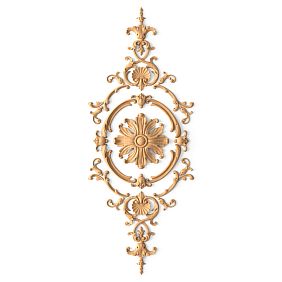
Useof polyurethane moldingsin 2026 has ceased to be an attribute of only classical interiors and has become a tool for creating architectural graphics in minimalism and neoclassicism. Thin profiles 40-80 millimeters wide form frames, grids, and panels on walls, creating visual rhythms without overloading the space. Painted to match the wall color,Moldings made of polyurethanecreates a subtle relief that is revealed through the play of light and shadow.
The contemporary aesthetic of moldings is built on asymmetry and unconventional compositions: a frame is offset to one-third of the wall to the right, vertical stripes are grouped on one side, leaving the other empty. This approach breaks the academic rigidity of classicism and introduces dynamism. Contrast painting turns a relief element into a graphic drawing, especially effective in minimalist interiors.
Polyurethane easily combines with other materials: a molding frame is filled with wooden slats, creating a panel with a two-layer texture. Metallic paints in copper, bronze, or graphite shades on moldings imitate real metal, adding an industrial touch to Scandinavian and loft interiors. In wet areas like kitchens and bathrooms, polyurethane moldings are indispensable due to their moisture resistance and shape stability.
Get Consultation
Finishing with decorative elements: balancing slats, moldings, and furniture
requires compositional balance: overloading with details destroys integrity, while a lack makes the interior flat. The distribution rule states: one wall gets one type of decorative element—either slats or moldings—while the other walls remain neutral or painted in a base color. Exceptions are symmetrical compositions in spacious rooms, where a slatted TV zone can echo molding frames on the opposite wall.Decorative FinishingRequires compositional balance: overloading with details destroys integrity, while a lack makes the interior flat. The distribution rule states: one type of decorative element per wall—either slats or moldings—with the remaining walls kept neutral or painted in a base color. An exception is symmetrical compositions in spacious rooms, where a slatted TV zone can echo molding frames on the opposite wall.
Furniture in such a composition serves as a visual anchor: large items like sofas, beds, and wardrobes are placed against decorated walls, while small forms such as armchairs, side tables, and shelving units are positioned against neutral surfaces. This creates a hierarchy of perception: the eye first reads the architectural graphics, then moves to the furniture. The color scheme is built through the repetition of shades: if the slats are made of dark walnut, the furniture may include elements of the same wood.
ProfessionalDecorative FinishingIt involves layered lighting: directional spotlights highlight the relief of moldings, LED strips between slats create light lines, and floor lamps with geometric shades continue the graphic theme. Such lighting changes the perception of space depending on the time of day: during the day, the decor is read through natural shadows; in the evening, through accent lighting.
Application of decorative elements in minimalism and neoclassicism
Minimalism uses decorative elements as functional tools for zoning and creating visual rhythms without ornamental overload. Slats in a minimalist interior are painted in monochrome colors—white, gray, graphite—and form a strict geometry with uniform spacing. Moldings are applied as thin lines, forming frames or grids on walls, painted tone-on-tone with the surface. Furniture is laconic: low sofas on metal frames, floating consoles, built-in storage systems without visible hardware.
Neoclassicism combines classical symmetry with modern restraint:Moldings made of polyurethaneThey form classical panels and frames, but the profiles are refined, without baroque excess. Slats are used less frequently in neoclassicism, but when applied, they take the form of vertical panels framed by moldings, creating a hybrid of tradition and modernity. Neoclassical furniture is a reinterpreted classic: button-tufting on a bed headboard coexists with simple wooden slats on the wall.
The color palette of minimalism is cool—white, gray, black, concrete; neoclassicism is warm—beige, cream, dusty pastel tones. Textures in minimalism are contrasting—smooth glass plus rough wood; in neoclassicism, they are harmonious—silky fabrics plus polished wood plus smooth polyurethane. Both styles require quality execution: careless installation of slats or crooked molding joints ruin the entire effect.
Example layouts: TV area, bedroom wall, home office
The television area is resolved through a combination ofLath for walls for interior finishingand floating furniture: behind the TV, a panel of vertical slats 40 millimeters wide with an 80-millimeter spacing, painted in graphite, is mounted. The TV is attached to an invisible bracket over the slatted panel, creating a floating effect. Below, a console made of white glossy MDF, 2400 millimeters long, is suspended without visible fasteners, with built-in warm-spectrum LED lighting inside.
The bedroom wall behind the bed headboard is decorated with a symmetrical composition ofof polyurethane moldingsanddecorative elements style: a central panel measuring 1800 by 2400 millimeters is framed by a molding 60 millimeters wide; inside, the panel is filled with horizontal slats spaced 100 millimeters apart. The moldings are painted in the cream shade of the wall, while the slats are tinted to resemble light oak. A bed 1800 millimeters wide with a soft headboard 1200 millimeters high is placed flush against the wall; bedside tables are floating and match the color of the slats.
The home office is organized through zoningmodern furnitureandfinishing with decorative elements: the work wall is highlighted with vertical slats from floor to ceiling, painted in dark blue. A built-in desk made of solid oak, 1600 millimeters wide, is cantilevered between slatted sections without support legs. Above the desk, open shelves made of the same oak, 300 millimeters deep, are mounted on hidden brackets. A work chair on a metal frame with cognac-colored leather upholstery creates a color accent against the blue slats.