












































































Article Contents:
- History of window decoration
- From functionality to aesthetics
- Evolution of Framing Styles
- Modern trends
- Elements of window frame decoration
- Main Components of the Frame
- Stylistic Variations
- Materials for window decoration
- Natural Wood
- Stone and concrete
- Polyurethane and polystyrene
- Metal and Glass
- Practical aspects of window frame decoration
- Design and style selection
- Installation and mounting
- Maintenance and care
- Window frame decoration in various architectural styles
- Classic style
- Baroque and Rococo
- Modern and art deco
- Modern styles
- Window frame decoration as a way to transform the facade
- Visual effects and optical illusions
- Creating accents and focal points
- Integration with the overall facade design
- Conclusion
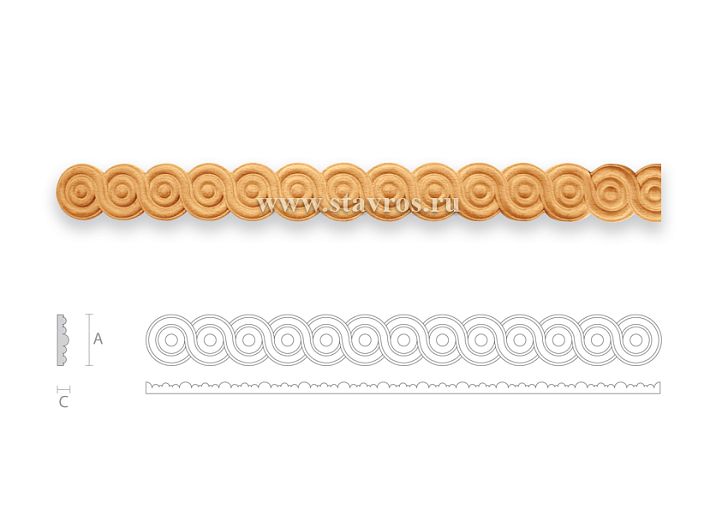
Windows are not just functional elements of a building, they are the eyes of the house through which it looks at the world. Just as human eyes require expressive framing, window openings require special attention to their design. Window frame decoration is an architectural element capable of transforming the appearance of any building, giving it individuality and character, emphasizing its stylistic affiliation and status.
In the world of architecture and design, there are numerous approaches to window decoration, ranging from minimalist solutions to complex compositions with rich ornamentation. The choice of a specific variant depends on many factors: the architectural style of the building, its purpose, facade materials, regional climatic conditions, and, of course, the owner's taste.


History of window decoration




From functionality to aesthetics
History window frame decoration has a history of more than one century. Initially, window framing was purely practical — it protected the joints between the window frame and the wall from moisture and cold penetration, preventing damage to the masonry around the opening. However, over time, this functional element transformed into an important decorative detail that reflected the artistic tastes of the era and the social status of the building's owner.
In Russian architecture of the XV–XVIII centuries, window sills exhibited incredible variety of forms: from simple rectangular frames protruding from the wall surface to complex, richly decorated compositions with cornices, columns, and kokoshniks. Each region of Russia had its own traditions of window decoration, creating a unique architectural appearance for cities and villages.
Our factory also produces:


Evolution of trim styles
In European architecture, the evolution of window framing is closely linked to the development of architectural styles. In the Renaissance, windows were framed with classical architectural elements — pilasters, columns, and pediments. Baroque introduced opulence and theatricality into window decoration, complex curved forms, and an abundance of decorative details. Classicism returned to strictness and symmetry, but retained elegance and refinement in details.
Modernism of the early 20th century proposed a new approach to window decoration, inspired by natural forms and national motifs. Constructivism and functionalism of the mid-century practically abandoned decorative framing, focusing instead on the purity of lines and functionality.
Get Consultation
Modern trends
In our day, we observe a revival of interest in window frame decoration. Modern architects and designers draw inspiration from historical styles as well as from new technologies and materials, creating original and expressive solutions.
One of the main trends of 2024–2025 is the desire for individualization and personalization of a building's architectural appearance. Homeowners increasingly reject standard solutions in favor of unique projects that reflect their personality and taste. And decorative window framing plays a key role in this process.
Elements of window frame decoration
Main Components of the Frame
Window frame decoration may include various elements, each performing its own function and contributing to the overall composition. Let us consider the main ones:
Soffits are the side surfaces of the window opening. They can be finished with various materials, from plaster to decorative panels. Properly finished soffits not only beautify the window but also protect it from freezing and drafts.
Casings are profiled strips located around the window opening. They can form a closed contour or have the shape of the letter 'P'. Casings conceal the joints between the frame and the wall, protect them from moisture, and give the window a finished look.
Sill is a horizontal slab attached to the lower edge of the window frame. In addition to its practical function — providing additional interior surface area — the sill is an important decorative element that can be adorned with profiling, carving, or other decorative details.
Casing is a small cornice located above the upper part of the window. It not only decorates the window but also protects it from precipitation by diverting water away from the window opening.
Brackets are decorative elements supporting the casing or sill. They can have various shapes, ranging from simple geometric forms to complex sculptural compositions.
Keystone is a decorative element located at the center of the upper part of the window opening. It symbolizes the keystone of an arch, which holds the entire structure.
Mullions are decorative panels located below the window or along its sides. They can be adorned with relief ornamentation, carving, or other decorative elements.
Stylistic Variations
Depending on the architectural style of the building, Window frame decoration it may take various forms and include different elements.
In the classical style, window framing often includes casings with pilasters or half-columns, casings with a pediment, brackets, and a keystone. All elements are characterized by strict proportions, symmetry, and restrained decoration.
In the baroque style, framing becomes more ornate and theatrical. Curvilinear forms, complex profiles, and an abundance of decorative details appear. Casings may have broken pediments, and brackets may take the form of volutes or cartouches.
In the modern style, window framing acquires smooth, flowing forms inspired by natural motifs. Plant ornamentation, asymmetrical compositions, unusual materials, and textures are often used.
In the modern minimalist style, window framing becomes more concise and functional. Emphasis is placed on the purity of lines, quality of materials, and precision of execution. Often, contrasting color solutions are used to highlight the window's geometry.
Materials for decorative window framing
Natural wood
Wood is one of the most traditional and eco-friendly materials for window frame decorationIt possesses natural beauty, warmth, and a unique texture that cannot be replicated artificially.
Wooden framing can be made from various types of wood, each with its own characteristics. Oak is distinguished by its strength and expressive texture, pine by its lightness and accessibility, and larch by its moisture resistance and durability.
Wooden framing can be simple and minimalist or richly decorated with carving. Wood carving techniques allow creating incredibly complex and detailed patterns, transforming window framing into a true work of art.
However, wood requires regular maintenance and protection from moisture, ultraviolet radiation, and insects. To extend the service life of wooden framing, protective coatings — varnish, paint, or oil — must be regularly renewed.
Stone and concrete
Stone is a material associated with strength, durability, and status. Stone window framing can be made from various types of stone — limestone, sandstone, granite, marble.
Limestone and sandstone are easy to work with, allowing the creation of complex profiles and decorative elements. Granite and marble are stronger and more durable, but also more difficult to process.
Concrete is a modern alternative to natural stone. It allows creating framing of any shape and complexity at relatively low cost. Modern technologies enable concrete to have various textures and shades that imitate natural stone.
Stone and concrete window framing is characterized by durability and requires little maintenance, but it is significantly heavier than wooden framing, which must be considered during design and installation.
Polyurethane and polystyrene
Polyurethane and polystyrene are modern materials increasingly used for window frame decorationThey are lightweight, strong, resistant to moisture and temperature fluctuations, do not rot, and are not susceptible to insect damage.
These materials allow creating framing of any shape and complexity, from simple casings to complex architectural compositions with numerous decorative elements. At the same time, their cost is significantly lower than that of natural stone or wood.
Polyurethane and polystyrene framing can be painted in any color or coated with special finishes that imitate the texture of wood, stone, or metal. This allows creating striking decorative solutions at relatively low cost.
However, it should be remembered that these materials are less eco-friendly than natural ones and may emit harmful substances when heated. Therefore, when selecting them, attention should be paid to quality and safety certificates.
Metal and glass
Metal and glass are materials frequently used in modern architecture to create original and expressive window framing. They allow creating light, airy structures that contrast with the massiveness of walls.
Aluminum, steel, brass — each of these metals has its own characteristics and aesthetic qualities. Aluminum is lightweight and corrosion-resistant, steel is strong and durable, brass has a noble golden hue that develops a beautiful patina over time.
Glass can be used as a standalone material for window framing or in combination with metal. It can be transparent, matte, colored, with a pattern or texture. Modern technologies allow creating glass structures of any shape and complexity.
Metal and glass window framing require minimal maintenance and are characterized by durability, but they may create insulation issues that must be considered during design.
Practical aspects of decorative window framing
Design and style selection
Design window frame decoration — is a complex process requiring consideration of multiple factors: building architectural style, its proportions, facade materials, regional climatic conditions, and project budget.
The first step in design is selecting the framing style. It must harmonize with the building’s overall architectural solution and surrounding structures. Avoid choosing ornate Baroque framing for a minimalist modern house or rigid classical framing for a building in the modern style.
The second step is determining the proportions and dimensions of the framing. They must correspond to the window opening and overall facade dimensions. Excessively heavy framing may visually weigh down the building, while overly light framing may become lost against the wall.
— is a critical stage, the quality of which affects not only the aesthetic appearance of the window but also its functionality, durability, and safety.
Installation and mounting
Installation window frame decoration — This is a responsible stage, the quality of which not only affects the aesthetic appearance of the window, but also its functionality, durability, and safety.
The installation process depends on the selected framing material and construction. Wooden framing is typically mounted to the wall using screws or special fasteners. Stone and concrete framing uses anchors or embedded parts. Polyurethane and polystyrene framing uses special adhesive and additional fasteners.
It is important to ensure secure mounting of all framing elements, their correct mutual positioning, and joint sealing. This will prevent issues with leaks, freezing, and premature structural damage.
Framing installation is typically performed after window frame installation but before facade finishing. This ensures proper alignment of the framing with the frame and wall, as well as concealing fasteners under the finish layer.
corner trim
Care for decorative window opening framing depends on the material it is made of. Wooden framing requires regular renewal of protective coating — varnish, paint, or oil. This protects wood from moisture, UV radiation, and insects.
Stone and concrete framing requires minimal maintenance. It is sufficient to periodically clean it from dust and dirt using a soft brush or damp cloth. In case of cracks or chips, they must be promptly filled to prevent further damage.
Polyurethane and polystyrene framing also requires minimal maintenance. It is sufficient to periodically clean it from dust and dirt. In case of coating damage, it must be restored to prevent moisture penetration into the material.
Metal framing may require corrosion protection, especially in humid regions or near the sea. Special anti-corrosion coatings are used, which must be periodically renewed.
Decorative window framing in various architectural styles
Classic Style
Classical architectural style is characterized by strict proportions, symmetry, and restrained decoration. Window frame decoration in classical style usually includes pilasters or half-columns, a frieze with a pediment, brackets, and a keystone.
Proportions of framing in classical style are strictly defined and based on ancient canons. The height of the casing is usually 1/5–1/6 of the window height, the width — 1/8–1/10 of the window width. The frieze usually has a triangular or semi-circular pediment, whose height is 1/4–1/5 of the window height.
Decor in classical style is restrained and elegant. It may include fluting on pilasters, modular elements under the frieze, vegetal ornament on the frieze. All decorative elements are subordinate to the overall composition and do not disrupt its harmony.
Color scheme in classical style is usually monochromatic or with slight contrast. Often, white, beige, light gray colors are used, which emphasize the framing’s plasticity and create a marble or stone surface effect.
Baroque and Rococo
Baroque and Rococo styles are characterized by opulence, theatricality, and abundance of decorative details. Window frame decoration in these styles becomes a complex architectural composition that may occupy a significant part of the facade.
Framing in Baroque style often includes casings with volutes, a frieze with a broken pediment, brackets in the form of cartouches or mascarons, rich vegetal or geometric ornament. All elements are characterized by plasticity, dynamism, and play of light and shadow.
Framing in Rococo style becomes even more elegant and refined. Asymmetric compositions, rocaille motifs, floral garlands appear. Decoration becomes lighter and more airy, but no less rich.
Color scheme in Baroque and Rococo styles can be monochromatic or polychromatic. Often, gilding, marble imitation, mother-of-pearl, precious stones are used. This creates an effect of luxury and richness, characteristic of these styles.
Modern and Art Deco
Modern and Art Deco styles offer a new perspective on Window frame decoration. They abandon historical forms in favor of new ones inspired by nature or geometry.
In the modern style, window frames acquire smooth, flowing shapes reminiscent of plant stems, waves, and clouds. Plant motifs — flowers, leaves, branches — are often used. Decoration becomes more organic and natural, yet no less expressive.
In the art deco style, framing becomes more geometric and abstract. Zigzag, stepped, and radial forms appear. Decoration includes stylized plant and animal motifs, as well as geometric patterns — circles, triangles, rhombuses.
Color solutions in modern and art deco styles can be very diverse. In modern style, muted, natural tones — green, brown, purple — are often used. In art deco — bright, contrasting colors — black, white, gold, silver.
Modern Styles
Contemporary architecture offers numerous approaches to window frame decoration — from minimalist to experimental. Each reflects a certain philosophy and aesthetics.
In minimalism, window framing becomes maximally concise and functional. It may be executed as a simple frame that emphasizes the window’s geometry and creates a clear contrast with the wall’s flatness. Contrasting color solutions — black and white, dark and light — are often used.
In high-tech, window framing may include elements of engineering construction — metal profiles, rivets, bolts. This creates a technological and industrial effect characteristic of this style.
In eco-style, window framing is made from natural materials — wood, stone, clay. It may have an irregular, organic shape that emphasizes the connection with nature and naturalness.
In deconstructivism, window framing may disrupt traditional notions of symmetry and proportion. It may be asymmetrical, fragmented, as if disassembled into parts and reassembled in a new order.
Decorative window framing as a means of transforming the facade
Visual effects and optical illusions
Window frame decoration can be used not only for decorating the facade, but also for creating various visual effects and optical illusions that may alter the perception of the building.
With framing, one can visually alter the proportions of a window — make it taller, wider, or conversely, narrower. For example, vertical casings with a high sash visually elongate the window upward, while a wide sill with side brackets makes it appear wider.
Framing can also visually alter the shape of a window. For example, a rectangular window with an arched sash is perceived as arched, and a square window with a round medallion above it — as round.
With framing, one can create a sense of depth on the facade, highlight certain zones or floors, emphasize the rhythm and structure of the building. This is especially important for large and extended facades, which may appear monotonous without additional division.
Creating accents and focal points
Window frame decoration can be used to create accents and focal points on the facade, which attract attention and create a memorable image of the building.
Accent framing may differ from the main one in more complex form, richer decoration, contrasting color or material. It is usually used to highlight important windows — central, corner, or windows of main rooms.
Focal points are elements of the facade that first attract attention and set the tone for the perception of the entire building. These may be windows with especially rich or unusual framing, windows of unusual shape or size, windows with stained glass or other decorative elements.
Creating accents and focal points requires a sense of proportion and understanding of the overall facade composition. Too many accents may create a sense of chaos and overload, while their absence may create a sense of monotony and boredom.
Integration with the overall facade design
Window frame decoration must be integrated into the overall facade design, creating a unified, harmonious whole. This requires consideration of multiple factors: the building’s architectural style, facade materials and colors, other decorative elements.
Framing must correspond to the building’s architectural style not only in form and decoration, but also in proportions, scale, rhythm. It must support and emphasize the main lines and forms of the facade, rather than contradict them.
Framing materials and colors must harmonize with facade materials and colors. They may be identical, creating a sense of unity, or contrasting, creating a sense of emphasis. It is important that this contrast is intentional and purposeful, not random.
Framing must also harmonize with other decorative facade elements — cornices, pilasters, rustication, balconies. They should form a unified system in which each element supports and complements the others.
Conclusion
Window frame decoration — it is not merely a decorative element, but an important architectural detail that can radically alter the appearance of the building. It can emphasize its stylistic affiliation, highlight important zones, create a memorable image.
The choice of a specific framing variant depends on many factors: the building’s architectural style, its purpose, facade materials, regional climatic conditions, project budget. It is important that this choice is intentional and justified, not random.
The modern market offers numerous materials and technologies for creating decorative window framing — from traditional to innovative. Each has its advantages and limitations that must be considered during design.
Regardless of the chosen style and material, quality Window frame decoration will always attract attention, create a certain atmosphere, and enhance the aesthetic value of the building. It is the element that transforms a simple structure into an architectural masterpiece worthy of admiration and emulation.
In a world where individuality and uniqueness are increasingly valued, decorative window framing becomes a way to express one’s personality and taste through the architecture of one’s home. And this makes it not merely a decorative element, but true art that will delight the eyes and soul for many years.


