Article Contents:
- Psychology of the color white in interior design
- Optical illusions of white decorative elements
- Influence on Emotional State
- Technological features of producing white decorative planks
- Preparation of the wooden base
- Systems for painting in white
- Design concepts for using white decorative planks
- Scandinavian Philosophy of Simplicity
- Minimalism and white accents
- Neoclassicism in modern interpretation
- Technical aspects of installing white decorative planks
- Surface preparation for white planks
- Selection of fastening elements
- Final processing of joints
- Lighting solutions for white decorative planks
- Natural Lighting
- Artificial Lighting
- Colored accent lighting
- Stylistic combinations of white planks with other interior elements
- Combination with natural wood
- Metallic Accents
- Textile combinations
- Functional capabilities of white decorative planks
- Space zoning
- Hiding utilities
- Concealment of utilities
- Features of operation and maintenance of white planks
- Protection against contamination
- Restoration of whiteness
- Economic aspects of using white decorative planks
- Production Cost
- Long-Term Economic Efficiency
- Impact on property value
- Trends and innovations in white decorative planks
- Smart Coatings
- Ecological innovations
- Integration with smart home systems
- Regional characteristics of applying white decorative planks
- Northern Regions
- Hot climates
- Cultural traditions
- Conclusion: white plank as a symbol of modern design
- Frequently Asked Questions
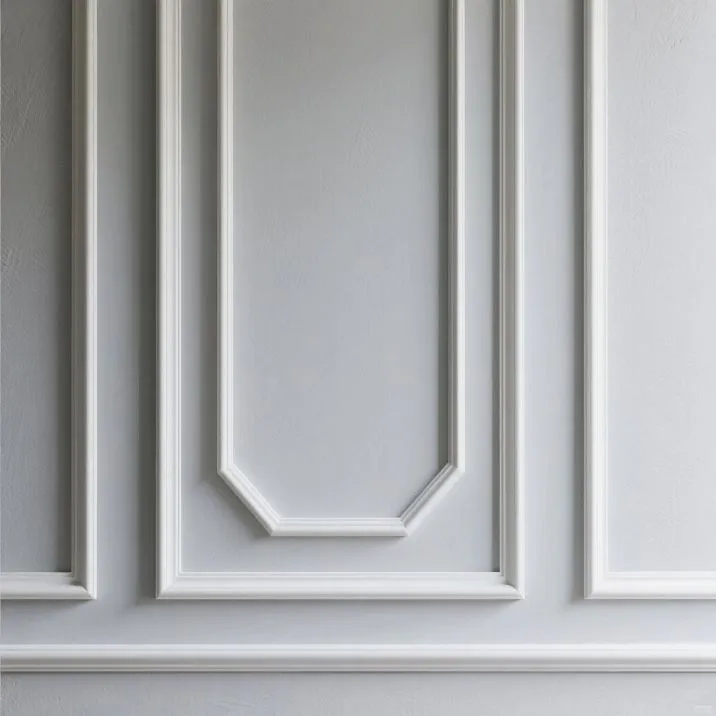
White color in interior design never goes out of fashion. It symbolizes purity, freshness, spaciousness, and endless creative possibilities. When talking aboutwhite decorative plankWe are not simply talking about a decorative element, but a powerful tool for transforming space, capable of turning an ordinary wall into a work of art.
Why has white trim captured the hearts of designers and homeowners around the world? The answer lies in its versatility and ability to create visual illusions that expand space and fill it with light. In the era of urbanization, when every square meter counts,Decorative slats on the wallwhite becomes a true salvation for small apartments.


Psychology of the color white in interior design
Human perception of color has been shaped over millennia. White is associated with daylight, clouds, snow — everything that evokes a sense of purity and infinity. In interior design, whitedecorative plankacts as a visual space-expanding element, reflecting maximum light and creating an airy effect.




Optical illusions of white decorative elements
White surfaces possess a unique ability to 'dissolve' into space under proper lighting. This property makesDecorative strips in interior designwhite color an ideal choice for rooms with low ceilings. Vertically placed white trim creates an illusion of height, making the viewer's gaze glide upward along the white lines.
Horizontally placed white decorative elements visually expand narrow spaces. This technique is especially effective in hallways, entryways, and elongated rooms, where it is necessary to adjust the proportions of the space.
Our factory also produces:


Influence on emotional state
White color in psychology symbolizes new beginnings, a clean sheet of possibilities. An interior dominated by white tones creates a sense of calm and tranquility.Frame profileWhite color can become a therapeutic element for people experiencing stress in daily life.
However, it is important to remember that a completely white interior may appear cold and lifeless. That is why designers recommend combining white decorative trim with warm accents, creating a balance between purity and coziness.
Get Consultation
Technological features of producing white decorative trim
Creating quality white trim is a complex technological process requiring a deep understanding of wood properties and modern surface treatment methods.
Preparation of the wooden base
For producing white decorative trim, carefully selected wood with minimal knots and defects is used. The surface must be perfectly smooth, as white color does not tolerate even the slightest imperfections.Buy decorative planksHigh-quality production is possible only from manufacturers who pay special attention to the preparation stage of the base.
Sanding is performed in several stages with gradually decreasing abrasive grit. Final sanding is done with 220-240 grit abrasive, ensuring a mirror-smooth surface.
Priming is a critically important stage for white items. Special isolating primers prevent the penetration of wood resins and tannins, which may alter the whiteness of the coating over time.
White coating systems
Modern technologies offer several approaches to creating a white coating. Each method has its advantages and specific applications.
Water-based acrylic enamels provide a deep, rich white color with excellent coverage. They are environmentally safe, dry quickly, and have virtually no odor. Modern formulations exhibit high resistance to abrasion and yellowing.
Polyurethane enamels create a more durable coating, resistant to mechanical impacts. They are ideal fordecorative plank panelsthat will be subjected to intensive use.
Nitrocellulose enamels provide an ideally smooth surface with high gloss. They require professional application in specially equipped rooms, but the result justifies the cost.
White decorative rails open up boundless creative possibilities. They can serve as a neutral background or as an active compositional element.
WhiteDecorative wooden stripWhite decorative rails can be both a neutral background and an active compositional element.
Scandinavian philosophy of simplicity
Scandinavian design is based on principles of functionality, naturalness, and maximum use of light. White decorative rails perfectly fit into this philosophy, creating clean, minimalist lines without excessive ornamentation.
In Scandinavian interiors, white planks are often used to create accent walls behind beds or sofas. The vertical placement of elements emphasizes the ceiling height, characteristic of northern homes, while the white color maximally reflects the scarce northern light.
Combining white planks with natural materials—light wood, linen, wool—creates an atmosphere of coziness and harmony with nature.Decorative planks on the wallof white color serves as a connecting element between different textures and materials.
Minimalism and white accents
Minimalist design requires special care in selecting decorative elements. Each detail must carry functional load and be justified aesthetically. White decorative planks in a minimalist interior serve as structuring elements, creating rhythm and order in the space.
The geometric clarity of white planks highlights the architectural features of the room, delineating functional zones without using color contrasts. This is especially important in studio apartments, where it is necessary to visually divide the space into zones.
Neoclassicism in modern interpretation
The neoclassical style is experiencing a second life in modern design. Traditional elements of classical architecture are reinterpreted and adapted to contemporary realities.Decorative plank on the wallof white color allows creating latticed panels, characteristic of classical interiors, but in a simplified, modern interpretation.
White moldings and planks create an elegant play of light and shadow on walls, adding depth and volume to flat surfaces. Combining different profiles—from simple rectangular sections to complex decorative shapes—allows creating rich decorative compositions.
Technical aspects of installing white decorative planks
Installationplanks wall decorativeof white color requires special care and precision. White color does not forgive mistakes—every installation defect will be noticeable and spoil the overall impression.
Surface preparation for white planks
The wall to be fitted with white decorative elements must be perfectly flat and clean. Any stains, unevenness, or defects will show through the white coating or create unsightly shadows.
Priming the wall with white primer ensures better adhesion of adhesive compositions and prevents stains. Special attention should be paid to corners and junctions—problems during installation often arise here.
Marking must be done with maximum precision. Use a laser level to create horizontal and vertical lines. Even minor deviations will be noticeable on white surfaces.
Selection of fastening elements
For white decorative planks, choosing the right fastening elements is especially important. Visible metal parts must be made of stainless steel to avoid rust stains over time.
Hidden mounting is the preferred method for white planks. Special clamps and hidden mounting systems allow avoiding visible holes and preserving the purity of white surfaces.
When using adhesive connections, choose adhesives that do not yellow over time. Low-quality compositions may change the color of the white coating, especially at contact points.
Final processing of joints
Joints between white planks require special attention. Use white acrylic sealants to fill gaps. Avoid silicone compositions—they may yellow over time.
Choosing the shade of white for sealant is a delicate task. There are many shades of white, and the sealant must exactly match the color of the planks. It is recommended to purchase sealant from the same manufacturer as the planks.
Lighting solutions for white decorative planks
White surfaces have unique light-reflecting properties that can be used to create striking lighting compositions.Decorative planks for walls to buywith a thoughtfully designed lighting system means achieving maximum decorative effect from invested funds.
Natural lighting
White decorative planks effectively utilize natural light. They reflect and diffuse sunlight, creating soft, even illumination in the room. This is especially important for rooms with limited window space.
The placement of planks relative to natural light sources requires careful planning. Vertical planks perpendicular to the window create an interesting play of light and shadow throughout the day. Horizontal elements act as light reflectors, directing light deeper into the room.
Seasonal lighting changes also affect the perception of white decorative elements. In summer, they help soften bright sunlight, while in winter, they maximize the use of scarce daylight.
Artificial lighting
Combining white decorative slats with artificial lighting systems opens up limitless possibilities for creating various lighting scenarios. LED strips embedded between the slats create an effect of floating elements.
Warm light (2700-3000K) gives white slats a cozy, homey character. Neutral white light (4000K) emphasizes the purity and modernity of the composition. Cool light (5000K and above) creates a sense of sterile cleanliness, suitable for minimalist interiors.
Controlling lighting brightness allows transforming the space depending on the time of day and mood. Bright lighting in the morning helps to wake up, while dimmed light in the evening creates a relaxing atmosphere.
Color accent lighting
RGB lighting of white decorative slats allows creating festive and thematic compositions. The white surface serves as an ideal screen for colored light, softly diffusing and reflecting it.
Blue lighting creates a sense of coolness and freshness, red adds warmth and energy, green calms and relaxes. Dynamic color changes can synchronize with music or follow preset programs.
Stylistic combinations of white slats with other interior elements
The universality of the white color allowsdecorative slats photowhich adorn the best designer projects, harmoniously combine with any materials and colors.
Combination with natural wood
The contrast between white slats and natural wood creates one of the most popular and effective decorative techniques. The warmth of wood softens the coldness of white, while white highlights the natural beauty of the wood grain.
Wooden baseboardMade from the same wood species as the base of the white slats, it creates material unity despite the color contrast. This solution is especially effective when combined with parquet or wood-effect laminate.
Different wood species combine with white in various ways. Oak creates a classic, solid look, pine adds Scandinavian coziness, walnut brings aristocratic elegance.
Metallic accents
Combining white decorative slats with metallic elements creates a modern, technological look. Stainless steel emphasizes the purity and minimalism of the composition, brass adds warmth and luxury, blackened metal creates a dramatic contrast.
Metallic profiles can be used as decorative inserts between white slats, creating rhythmic compositions. Thin metallic strips contrasting with white wooden elements look especially striking.
Textile combinations
White decorative slats serve as an ideal backdrop for textile interior elements. They do not compete with bright fabrics, allowing them to be the focal point of the composition.
Natural fabrics — linen, cotton, wool — harmonize with white wooden surfaces. Artificial materials can create interesting texture contrasts, adding a modern touch to classic combinations.
Functional capabilities of white decorative slats
Besides obvious aesthetic qualities,Decorative wooden plankswhite color possesses a range of practical functions, making them indispensable in modern interiors.
Space Zoning
White decorative slats are an ideal tool for visual zoning of open spaces. They create boundaries between functional zones without cluttering the space or obstructing air and light circulation.
In studio apartments, white slat partitions can separate the sleeping area from the living room, the workspace from the relaxation zone. The semi-transparent structure preserves the feeling of a single space while creating the necessary privacy.
The height of zoning elements can vary depending on the task. Low slats create symbolic separation, while high slats form a full visual boundary.
Hiding utilities
White decorative slats can effectively conceal various utilities — electrical wiring, heating pipes, internet cables.Decorative wooden plankWhite color blends with the wall, making technical elements practically invisible.
Removable sections allow access to hidden utilities for maintenance or repair when needed. This is especially important in modern homes with numerous utility systems.
Acoustic properties
Wooden decorative slats have certain sound-absorbing properties. The structured surface breaks up sound waves, reducing reverberation in the room.
To enhance acoustic properties, special sound-absorbing materials can be placed behind the slats. The white color of the slats allows for an acoustic finish that does not appear as a technical solution.
Features of operation and care for white slats
The white color requires special attention to maintenance and operation. Any dirt or defects on white surfaces are more noticeable than on dark ones.
Protection from dirt
Modern paint coatings for white decorative slats have dirt-repellent properties. Special additives create a microfilm on the surface that prevents dirt from penetrating into the coating structure.
Anti-static properties of coatings reduce dust attraction to white surfaces. This is especially important in urban conditions, where air pollution levels are relatively high.
Regular preventive cleaning is easier and more effective than dealing with stubborn stains. Weekly dry cleaning with a soft cloth preserves the whiteness and freshness of the surface.
Restoring whiteness
Over time, white surfaces may acquire a yellowish tint due to exposure to ultraviolet light, temperature fluctuations, or dirt. Modern technologies allow restoring the original whiteness without fully replacing the coating.
Special whitening agents for wood can remove yellowing and restore the coating to a fresh white color. It is important to use only specialized products designed for treated wood.
In some cases, local coating restoration may be required. Modern repair compounds allow restoring small areas without noticeable color transitions.
Economic aspects of using white decorative slats
Choosing white decorative slats as an interior element requires a balanced approach to the cost-benefit ratio.
Production cost
Creating a high-quality white coating requires additional technological operations compared to transparent or dark coatings. This affects the final product cost but ensures high quality and durability.
Using high-quality primers, enamels, and varnishes increases production costs but significantly extends the lifespan of the products. Saving on materials may lead to rapid loss of appearance and the need for replacement.
Long-term economic efficiency
White decorative slats have high versatility, making them cost-effective for long-term use. They easily adapt to interior changes without requiring replacement when changing style or color scheme.
The light-reflecting properties of white surfaces can contribute to energy savings by more efficiently utilizing natural lighting. Rooms with white decorative elements often require less artificial lighting.
Impact on property value
Properly executed white decorative slat finishing increases the attractiveness of real estate to potential buyers. The white color creates an impression of cleanliness, freshness, and maintenance, positively influencing the property's evaluation.
The versatility of white design means that new owners can easily adapt the interior to their preferences without major changes to the basic finishing elements.
Trends and innovations in white decorative slats
The industry of decorative materials is constantly evolving, offering new solutions and technologies for creating white surfaces.
Smart coatings
Modern developments include self-cleaning coatings capable of breaking down dirt under light exposure. Photocatalytic additives in white enamels can significantly simplify maintenance of decorative elements.
Some modern coatings have antibacterial properties, making white slats not only beautiful but also hygienic. This is especially important for use in children's rooms and medical facilities.
Ecological Innovations
Growing consumer environmental awareness stimulates the development of more eco-friendly coatings. Water-based white enamels with low volatile organic compound content are becoming industry standards.
Using recycled materials in the production of decorative slats reduces the environmental footprint of the product.wooden skirting board purchaseSlats made from recycled wood are becoming an increasingly popular choice among environmentally conscious consumers.
Integration with smart home systems
The future of decorative slats is linked to their integration into smart home systems. Built-in sensors can monitor air quality, temperature, and humidity. White surfaces ideally conceal technological elements while preserving interior aesthetics.
Interactive capabilities of white panels may include touch-based control of lighting, climate, and multimedia systems. The white color provides a neutral background for any technological solutions.
Regional characteristics of applying white decorative planks
Climate and cultural characteristics of various regions influence the perception and use of white decorative elements in interior design.
Northern regions
In regions with long winters and short daylight hours, white decorative planks play a particularly important role in creating bright, cheerful interiors. They help compensate for the lack of natural light and create a sense of spaciousness.
Scandinavian design traditions, based on maximizing the use of light and natural materials, find their ideal embodiment in white wooden decorative elements.
Hot climates
In hot regions, the color white is associated with coolness and freshness. White decorative planks help create a sense of comfort even under high temperatures.
The light-reflecting properties of white surfaces can contribute to reducing room heating, which is especially important for energy efficiency in hot climates.
Cultural traditions
In different cultures, the color white has different symbolism and perception. In Western culture, it is associated with purity and modernity, while in Eastern cultures, it is associated with spirituality and harmony.
Adapting the design of white decorative planks to local cultural traditions may include using traditional ornaments, proportions, or methods of placing elements.
Conclusion: white plank as a symbol of modern design
White decorative plankhas become a symbol of a modern approach to interior design, where functionality combines with aesthetics, and universality does not exclude individuality. It embodies the philosophy of modern life — striving for simplicity, purity, and harmony with the surrounding space.
In a world where technology develops at dizzying speed, the white wooden plank remains an island of stability and naturalness. It connects us with nature, reminding us of the beauty of natural materials, carefully crafted by human hands with love and skill.
The future of white decorative planks lies in their integration with new technologies while preserving traditional qualities of beauty and eco-friendliness.wooden baseboardand other wooden decor elements continue to evolve, adapting to the changing needs of modern people.
The company STAVROS understands the importance of quality and innovation in producing decorative elements. Decades of experience working with natural wood, attention to detail, and a pursuit of perfection allow us to create products that serve not only as interior decoration but also as an investment in home comfort and beauty.with a classic profile creates a sense of solidity, reliability.and decorative planks STAVROS — are a guarantee of quality, durability, and unique beauty of natural wood.
Frequently asked questions
Why are white decorative planks more expensive than regular wooden ones?
Producing high-quality white planks requires additional technological operations: special priming to prevent resin seepage, multi-layer application of white enamel, careful sanding between layers. More expensive materials are used — high-quality primers, enamels with high opacity and resistance to yellowing. Quality control is also stricter, since any defects are noticeable on white surfaces.
Can ordinary planks be painted white at home?
Theoretically yes, but the result will likely not be comparable to factory quality. DIY painting requires perfect surface preparation, use of special primers, quality enamels, and professional equipment. Without experience and proper materials, the coating may yellow, peel, or have an uneven texture. It is recommended to purchase pre-painted white planks from reputable manufacturers.
How long do white planks retain their color?
When using quality materials and proper care, white decorative planks retain their original color for 10-15 years. Service life depends on the quality of the coating, operating conditions, and maintenance. UV stabilizers in modern enamels prevent yellowing from sunlight. In rooms with high humidity or pollution, the lifespan may be reduced.
What type of lighting is best for white planks?
White planks are versatile and look good under any lighting. Warm light (2700-3000K) creates a cozy atmosphere, neutral white (4000K) provides natural color perception, cool light (5000K+) emphasizes modernity and purity. It is important to avoid light sources with poor color rendering, which may distort the perception of white.
Are white planks suitable for children's rooms?
White decorative planks are ideal for children's rooms. They create a bright, clean atmosphere, visually expand the space, and serve as a neutral background for vibrant children's decor. It is important to choose planks with eco-friendly coatings free of harmful volatile substances. Modern water-based enamels are completely safe for children.
How to care for white planks in daily life?
Regularly wipe the surface with a dry, soft cloth to remove dust. Once a week, you can use a slightly damp cloth with a mild detergent. Avoid abrasive materials and aggressive chemical cleaners. Immediately remove stains before they soak into the coating. For stubborn stains, use specialized care products for painted wooden surfaces.
Can white rails be used in the kitchen?
White decorative planks can be used in the kitchen, but not in the working zone where they may be exposed to grease, steam, and high temperatures. They are ideal for dining area decoration or as a zoning element. When installing in the kitchen, choose planks with enhanced moisture resistance and easy-to-clean finishes.
What width of white planks is optimal for small rooms?
For small rooms, thin planks 20-40 mm wide are recommended. They create a visual rhythm without overcrowding the space. Too wide planks may visually reduce an already small room. The distance between planks should be proportional to their width—usually equal to or slightly less than the width of the planks themselves.