












































































Article Contents:
- Why classical style conquers time
- Walls as the foundation of classical interior
- Moldings: geometry of nobility
- Planks and panels: modern classic
- Cornices: volume and relief
- Color palette of classical walls
- Furniture: the heart of classical interior
- What is classical furniture?
- Baroque: grandeur and luxury
- Carved furniture: art in wood
- Classical interior ready-made: comprehensive approach
- Room after room: features of classical finishing
- Living room: grandeur and representativeness
- Bedroom: comfort and intimacy
- Office: strictness and functionality
- Dining room: traditions and hospitality
- Materials and technologies: how classicism is created
- Natural wood: warmth and nobility
- Polyurethane: practicality and beauty
- Textiles: softness and luxury
- Stone and marble: cold beauty
- Details that create atmosphere
- Mirrors: space and light
- Paintings and engravings: art on the walls
- Clocks and candelabras: function and decoration
- Live flowers and plants: breath of nature
- Frequently asked questions about classical interior
- Can a classical interior be created in a small apartment?
- How much does creating a classical interior cost?
- How long does it take to create a classical interior?
- Is a designer needed to create a classic interior?
- How to care for a classic interior?
- Can classic style be combined with modern technologies?
- Is classic style out of fashion?
- STAVROS: embodiment of classical tradition

thoughtfulWall room finishingand refined furniture, which becomes not just a functional element, but a work of art.


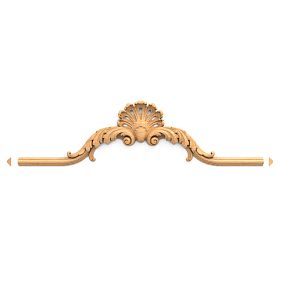
Why classic style conquers time
Before diving into the intricacies of finishing and furnishing, it is worth asking: what is the secret to the enduring popularity of classic style? The answer lies in the very nature of this style. A classic interior is a balance of proportions, symmetry of composition, quality of materials, and craftsmanship. There is no room for chance or carelessness. Every detail, whether a molded cornice or carved leg of a chest, is carefully thought out and executed with respect for tradition.
Classic style requires investment — both time and financial. But in return, it offers more than a trendy interior: it creates an atmosphere of permanence, nobility, calm dignity. In such a space, one wants to live, work, and entertain guests. It does not tire the eyes with bright colors or irritate with eclectic combinations. On the contrary, it soothes, sets a contemplative mood, allows one to focus on what matters most.
Classic style is universal. It looks equally good in an urban apartment and a country mansion, in a grand hall and a cozy bedroom. It can be adapted to any room size, any budget, any personal preferences. The main thing is to adhere to basic principles: harmony of lines, restrained color palette, quality finishing, and, of course, attention to details.




Walls as the foundation of a classic interior
Any interior begins with walls. They set the tone for the entire space, define its character and mood. In classic styleWall finishingwalls play a special role. Here, it is not enough simply to paint the surface in a neutral color or cover it with wallpaper. Classic style requires structure, volume, relief. It requires decorative elements that transform a flat wall into a work of architectural art.
Our factory also produces:


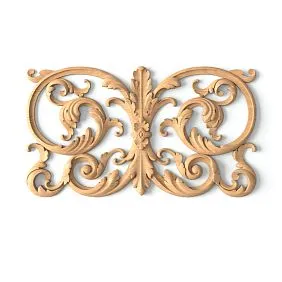

Moldings: geometry of nobility
What comes to mind first when mentioning a classic interior? Correct — moldings. These narrow decorative strips framing the walls create the famous 'panel division,' characteristic of palace interiors of past centuries.Wall finishing with moldingsThis is not just a tribute to tradition. It is a way to structure space, give it order and completeness.
Moldings can be wide or narrow, simple or adorned with ornament. They are made from different materials: polyurethane, wood, plaster, MDF. Each material has its advantages. Polyurethane moldings are lightweight, moisture-resistant, easy to install and paint. Wooden ones are natural, warm to the touch, with a beautiful texture. Plaster moldings are traditional, with unique relief and depth. MDF — practical and affordable.
The classic scheme of wall decoration with moldings involves creating rectangular or square 'frames' at a height of approximately 80 to 160 centimeters from the floor. These frames can be filled with contrasting paint, fabric, wallpaper with a subtle pattern, or decorative plaster. Such a solution visually raises the ceiling, makes the room more proportionate, creates a sense of volume and depth.
Get Consultation
Racks and panels: modern classic
Racks and panels: modern classicPlank wall claddingorDecorative wall panelsThese elements fit perfectly into a classic interior, adding freshness and relevance without compromising the overall style.
Wooden racks on walls — this is an opportunity to create a rhythmic vertical or horizontal structure that makes the room visually higher or wider.wall finishing with lathsRacks can be used to zone space, to accentuate a certain area — for example, the headboard of a bed in a bedroom or the fireplace area in a living room. Racks can be painted in the same tone as the main finish or, conversely, made contrasting. They can be placed closely together or with gaps, creating a play of light and shadow.
Wall panels, or boiserie, are classic in its purest form. This is a method of finishing the lower part of the wall with wooden panels usually 90 to 120 centimeters high. Boiserie protects walls from mechanical damage, hides imperfections, creates additional sound and thermal insulation. But the main thing — they give the interior that aristocratic charm associated with classic style.
Stucco: volume and relief
You cannot imagine a classic interior without stucco.Sculptural decorationsStucco is not just decoration. It is the language in which classical architecture speaks. Ceiling rosettes, ceiling cornices, pilasters on walls, consoles, brackets, moldings — all these elements create volume, complicate space, make it multi-layered and interesting.
Modern stucco is most often made of polyurethane. This material is lightweight, strong, does not fear moisture and temperature fluctuations. Polyurethane stucco is easy to install, does not crumble or crack over time. It can be painted any color, covered with patina or gold leaf, creating the effect of old plaster stucco. At the same time, the cost of polyurethane items is significantly lower than plaster ones, and the appearance is practically indistinguishable.
Stucco requires a sense of measure. An overly decorated interior looks heavy and tasteless. It is important to maintain balance: use stucco elements where they are truly needed — to highlight architectural features of the room, to create accents, to frame mirrors, paintings, door and window openings.
Classic Wall Color Palette
The classic style tends toward restrained, noble shades. This does not mean the interior must be dull or monotonous. On the contrary, the play of half-tones, combination of textures, use of different materials create a rich, complex picture. The main colors of the classic palette are white, cream, beige, gray, blue, green, terracotta. These colors may vary in saturation, warmth, and lightness, but always remain within a calm, harmonious range.
Beige and cream tones create a sense of warmth and coziness. They are ideal for walls, especially when combined with white decor. Gray is a choice for those who prefer a more modern, restrained interpretation of classicism. Gray can be warm or cool, light or saturated. It pairs beautifully with wood, metal, glass, and textiles.
Blue and green are traditional colors for classic interiors. They are associated with nature, creating a sense of freshness and calm. These colors are often used in bedrooms, offices, and libraries. Terracotta and other warm earth tones give interiors a southern, Mediterranean character. They work well for dining rooms, living rooms, and halls.
Furniture: The Heart of the Classic Interior
If walls are the backdrop, then furniture is the main character of the classic interior. It is the furniture that defines the style, creates the atmosphere, tells the story of the home and its inhabitants.
If walls are the backdrop, then furniture is the main character of a classic interior. It is precisely the furniture that defines the style, creates the atmosphere, tells the story of the house and its inhabitants.Buy Classic Furniture— means investing in quality, beauty, and longevity. These are not just decorative items, but true masterpieces of furniture art, passed down from generation to generation.
What is Classic Furniture?
Classic furniture is furniture made according to the canons of European furniture art from the 17th to 19th centuries. It is characterized by certain features: use of natural materials (wood, marble, bronze), symmetry of forms, presence of carved or inlaid decoration, meticulous finishing. Classic furniture can be made in different stylistic directions — Baroque, Rococo, Classicism, Empire, Neoclassicism — but all these directions share a common approach to beauty, proportions, and quality.
The main material of classic furniture is solid wood. Oak, beech, ash, walnut, cherry, mahogany — each species has its own characteristics of texture, color, and strength. Natural wood lives, breathes, changes over time, acquiring a noble patina. Solid wood furniture is heavy, sturdy, reliable. It is designed for long service, daily use, and inheritance.
Carving is a key element of classic furniture. Carved elements can be modest and restrained or lavish and baroque. These can be plant ornaments (acanthus leaves, grapevines, flowers), geometric patterns (meander, braiding), figurative images (mascarons, putti, griffins). Carving is done by hand or with CNC machines, but in either case requires high craftsmanship.
Baroque: Grandeur and Luxury
baroque furniture— is the peak of ornamentation. Plush forms, curved lines, abundant gilding, velvet and silk, inlays and marquetry — all of this is characteristic of Baroque furniture. Baroque emerged in Italy at the end of the 16th century as a style of Catholic Counter-Reformation, intended to impress the imagination, delight, and demonstrate the power of the Church and monarchy.
Baroque furniture is massive and monumental. Tables, cabinets, commodes, beds — all are distinguished by imposing dimensions and weight. Furniture legs are often shaped like lion paws, scrolls, balusters. Facades are adorned with carving, gilding, and painting. Upholstery of chairs and sofas — these are expensive, richly colored fabrics: burgundy, emerald, sapphire, gold. Baroque furniture is furniture for palaces, grand halls, receptions, and balls.
Baroque is experiencing a new wave of popularity today. Modern interpretations of this style are more restrained and adapted to the realities of city apartments, but retain the essence — a sense of luxury, theatricality, festivity. Baroque furniture combines beautifully with modern finishes, creating an interesting contrast between history and modernity.
Carved Furniture: Art in Wood
Carved Furniture and Decoration— is a separate category of classic furniture. Here, carving plays not a secondary, but a primary role. Each piece of furniture becomes a sculpture, each detail — a work of art. Carved chair backs, carved cabinet pediments, carved table legs — all of this requires immense skill and patience.
Carving can be relief (elements protrude above the background), contour (pattern is executed with incised lines), pierced (background is completely removed, forming an openwork pattern), sculptural (three-dimensional figures). Each type of carving has its own characteristics and applications. Relief carving is good for decorating furniture facades, contour carving — for creating delicate patterns, pierced carving — for chair and sofa backs, sculptural carving — for legs, armrests, and finishes.
Quality of carving is easily assessed by the clarity of lines, depth of relief, and detail work. Good carving looks alive, three-dimensional, expressive. Poor carving appears flat, unclear, mechanical. Hand-carved carving is always valued higher than machine-made, although modern technologies allow achieving very high quality with CNC machines.
Classic Interior Design: Comprehensive Approach
Creating a full-scaleclassic interior design— is a complex, multi-stage process requiring the involvement of professionals: designer, architect, builders, carpenters, decorators. A classic interior does not tolerate improvisation or randomness. Here, every detail must be thought out, all elements must be coordinated, proportions and stylistic unity must be maintained.
The first stage is creating a design project. The designer studies the space, talks to the client, determines their preferences, lifestyle, and needs. Based on this information, an interior concept is developed: color palette is defined, materials are selected, furniture placement is planned, lighting is designed. The design project includes floor plans, wall elevations, 3D visualizations, material and furniture specifications.
The next stage is construction and finishing work. This includes leveling walls and ceilings, installing flooring, mounting moldings and cornices, painting, wallpapering. In a classic interior, the quality of finishing must be flawless. Any unevenness, cracks, or misaligned joints will be noticeable and spoil the overall impression.
Parallel to finishing, furniture is manufactured. Classic furniture, especially custom-made, requires time. From the moment the sketch is approved to the installation of the finished piece, several months may pass. But the result is worth the wait: furniture specifically designed for a particular interior fits perfectly into the space and meets all the client’s requirements and wishes.
The final stage is decoration. This includes selecting textiles (curtains, drapes, cushions, throws), lighting fixtures (chandeliers, wall sconces, floor lamps), accessories (mirrors, paintings, vases, figurines). Decoration gives the interior completeness, individuality, and liveliness. Without properly chosen decoration, even the most meticulously executed interior will appear lifeless and cold.
Room by room: features of classical interior design
Each room in the house has its own purpose, character, requirements for finishing and furnishing. Let's consider the features of decorating different rooms in the classical style.
Living room: grandeur and hospitality
The living room is the face of the house. Here guests are received, family evenings are held, important events are celebrated. A living room in the classical style should be grand but not cold, representative but cozy.Wall room finishingIn the living room, it can be especially luxurious: moldings, boiserie, stucco, gilding — all these elements are appropriate here.
The central composition of the living room is the relaxation zone with a sofa and armchairs. Furniture can be symmetrically arranged around the fireplace (real or decorative) or a coffee table. It is important to maintain balance: furniture should not overcrowd the space, but also should not 'float' in it. Proper arrangement creates a sense of completeness and harmony.
Lighting in a classical living room is multi-level. The central chandelier provides general lighting, wall sconces create local accent lighting, floor lamps and table lamps provide intimate lighting for reading or conversation. A chandelier in the classical style is usually a multi-armed structure with crystal pendants, candle-like imitations, bronze or gold-colored metal elements.
Windows in the living room are dressed with heavy drapes made of velvet, jacquard, or silk. Drapes can be single or multi-layered, with valances, tassels, or fringe. They not only protect from sunlight and prying eyes, but also create a sense of luxury, completeness, and comfort. Light, semi-transparent curtains are usually hung under the drapes, diffusing daylight and creating a soft, pleasant atmosphere.
Bedroom: comfort and intimacy
The bedroom is a personal space, a place for rest and recovery. A classical bedroom should be calm, cozy, and conducive to sleep. The color palette here is usually softer and more muted than in the living room: pastel tones, warm shades, non-contrasting combinations.Internal wall finishingIt may include textile wallpaper, decorative plaster, moldings, creating a panel behind the headboard of the bed.
The bed is the main piece of furniture in the bedroom. A classical bed has a high carved headboard, elegant legs, sometimes a canopy. Bedding is made of high-quality natural fabrics: linen, satin, silk. The bedspread, decorative pillows, bedside rugs — all are chosen in a unified color palette, creating a sense of completeness and harmony.
In addition to the bed, a bedroom usually contains bedside tables, a dressing table with a mirror, a wardrobe or closet. All this furniture is made in a unified style, from one type of wood, with common decorative elements. Such consistency creates a sense of thoughtfulness and completeness of the interior.
Lighting in the bedroom should be soft and adjustable. Upper lighting is usually used rarely, mainly for cleaning or changing clothes. Main lighting is provided by bedside lamps, a table lamp on the dressing table, possibly built-in lighting in the wardrobe or closet. All light sources should have a warm color temperature, creating a cozy, relaxing atmosphere.
Office: strictness and functionality
Home office — is a workspace requiring concentration, focus, and comfort. A classical office is usually more strictly and restrained in style than other rooms. Here, dark wood species, leather upholstery, bookshelves to the ceiling, a large desk are appropriate.Wall Wood FinishingIt gives the office a sense of solidity and respectability.
The workspace should be properly organized. The desk is arranged so that light falls from the left (for right-handed people) or right (for left-handed people), without creating shadows or glare. The chair — comfortable, with adjustable height and backrest angle, with armrests. All necessary items — books, documents, stationery — should be within reach, but without creating clutter.
The library is an important part of a classical office. Bookshelves with glass doors protect books from dust, but allow admiring the spines. Books can be arranged by theme, author, size, or color — the main thing is that the library should look orderly and well-maintained. Between shelves, you can place souvenirs, framed photographs, small sculptures, creating an interesting composition.
The office is a good place to display collections, awards, diplomas, and memorabilia. All these items tell the story of the office owner, creating a personalized, individual interior. The main thing — do not overdo it: an excess of small items creates a sense of clutter and distracts from work.
Dining room: traditions and hospitality
The dining room is a place for family gatherings, a space for meals and banquets. A classical dining room is an embodiment of hospitality traditions, family customs, and the culture of shared meals. The central element of the dining room is a large dining table, where all family members and guests can be seated. The table is usually wooden, solid, on carved legs, sometimes extendable.
Chairs or armchairs are arranged around the table. In the classical style, preference is given to chairs with high backs, soft upholstery, carved elements. It is important that all chairs are identical or at least from the same set. Two end chairs may differ — these are the places of the house owners.
To store tableware, table linens, cutlery, a buffet or sideboard is installed in the dining room. It is a tall cabinet with glass upper sections, where formal tableware is displayed, and closed lower sections, where everyday items are stored. The buffet is not only functional but also decorative: beautiful tableware behind glass, carved facade, marble countertop create a sense of wealth and abundance.
Lighting in the dining room is focused over the dining table. This can be one large chandelier or several pendant lights arranged in a row. It is important that the light is bright enough for comfortable dining, but not harsh or glaring. Additional lighting — wall sconces, buffet lighting — creates a cozy atmosphere.
Materials and technologies: how classic is created
A classical interior requires the use of quality materials and proven technologies. Saving on materials in this case is inappropriate: cheap imitations immediately stand out and destroy the entire concept. Let's consider the main materials used in creating a classical interior.
Natural wood: warmth and nobility
Wood — the main material of classical interior. It is used for making furniture, for wall and ceiling finishing, for doors and windows, for decorative elements. Each wood species has its own characteristics: oak is strong and durable, walnut is beautiful and noble, cherry is warm and cozy, beech is elastic and light.
Wood processing in the classical style implies preserving and emphasizing its natural beauty. Wood is sanded, stained, oiled, or lacquered. Stain allows changing the color of wood, making it darker or giving it a specific shade. Oil emphasizes texture, makes wood velvety to the touch, protects from moisture. Lacquer creates a durable protective coating, can be matte or glossy.
In addition to solid wood, veneer — a thin slice of valuable wood species, glued onto a base made of a cheaper material — is used in furniture production. Veneered furniture looks just like solid wood, but costs significantly less. Modern technologies allow creating very high-quality veneer, practically indistinguishable from solid wood.
Polyurethane: practicality and beauty
Polyurethane is a modern material that has revolutionized the production of decorative interior elements. Polyurethane moldings, cornices, columns, pilasters visually match plaster, but significantly surpass them in performance characteristics. Polyurethane is lightweight, strong, moisture-resistant, does not absorb odors, is easy to install and paint.
Polyurethane items are manufactured by casting into molds. This allows reproducing the most complex ornaments with high precision. After casting, items are primed and ready for painting. Polyurethane can be painted in any color, covered with patina to create an aged effect, or even gilded to imitate expensive plaster moldings.
Using polyurethane decorative elements makes a classical interior more accessible. Previously, moldings were a privilege of palaces and mansions; today, they are available to owners of ordinary city apartments. At the same time, the quality and appearance of polyurethane moldings allow creating interiors that do not fall short of historical examples.
Textile: softness and luxury
Textile plays a major role in a classical interior. This includes curtains and drapes, upholstery of soft furniture, blankets and decorative pillows, tablecloths and napkins, rugs. Properly selected textile creates an atmosphere of comfort, softens the rigidity of lines, adds color and texture.
For a classical interior, natural high-quality fabrics are characteristic: silk, velvet, jacquard, linen, cotton. Synthetic fabrics are used rarely, mainly as an addition to increase durability. Not only material, but also pattern, color, and texture matter. Classic motifs — damask, paisley, stripes, checks, floral ornaments.
Curtains in a classical interior are not just a functional element, but an important decorative detail. They can have complex construction: with valances, swags, tassels, fringe. A valance is a horizontal drapery at the top of the window, concealing the cornice and completing the composition. Swags are decorative elements holding curtains on the sides of the window, allowing light to enter the room.
Stone and marble: cold beauty
Natural stone and marble are used in a classical interior for finishing floors, fireplaces, countertops, window sills, columns. These are expensive, status materials that emphasize the luxury and solidity of the interior. Marble comes in various colors and textures: white Carrara with gray veins, black with gold inclusions, pink, green, beige.
Marble processing requires special skills and tools. Stone is cut, ground, polished to a mirror finish or left matte. Polished marble looks luxurious but can be slippery, especially in wet areas. Matte finish is more practical but less visually striking.
In addition to natural stone, modern interiors use artificial stone and ceramic tiles that imitate marble. These materials are more affordable, easier to process, and more resistant to mechanical damage. Quality imitation is practically indistinguishable from natural stone, especially after installation and grout sealing.
Details that create atmosphere
A classical interior is not only decoration and furniture. It is a multitude of details that together create a unique atmosphere. Let's consider some of them.
Mirrors: space and light
Mirrors are an important element of a classical interior. They visually expand space, increase the amount of light, create interesting optical effects. Classical mirrors usually have heavy carved frames made of wood or plaster, gilded or patinated. The frame may be decorated with floral motifs, scrolls, masks.
Mirrors can be of different shapes and sizes: tall wall-mounted, tabletop on a dressing table, small decorative ones. A large mirror in a formal frame is a characteristic element of a classical living room or hallway. It can hang above a fireplace, console, or on an empty wall. The mirror reflects the interior, doubling its beauty, creating an effect of depth and space.
Paintings and engravings: art on the walls
Painting is an indispensable part of a classical interior. These can be old masterpieces or modern works in a classical style: landscapes, portraits, still lifes, historical scenes. Paintings in a classical interior must be framed — wooden, gilded, carved. The frame should match the style of the painting and interior, not compete with the image, but also not fade into the background.
Paintings can be arranged symmetrically or asymmetrically, individually or in groups. Classical arrangement — a row of paintings at the same height or a composition around a central large painting. It is important to maintain the correct height: the center of the painting should be at eye level of a standing person, approximately 145-150 cm from the floor.
In addition to painting, classical interiors use engravings, lithographs, botanical illustrations. These graphic works are usually smaller than paintings and framed in simple frames with glass. A series of identically framed engravings on a single theme — a wonderful decoration for hallways, staircases, offices.
Clocks and candelabras: function and decoration
A classical interior is unthinkable without clocks. These can be floor clocks with chimes, wall clocks, fireplace clocks, tabletop clocks. Clocks in a classical style are not just timekeeping devices, but works of art. The case can be wooden, marble, bronze, decorated with carving, inlay, gilding. The dial is often enamel, with Roman numerals, elegant hands.
Candelabras and candlesticks are another characteristic element of classical decor. Even if electricity has been used in the house for a long time, candelabras remain an important decorative detail. They are placed on fireplaces, consoles, dining tables. During formal receptions or romantic dinners, candles are lit, creating a unique atmosphere.
Living flowers and plants: breath of nature
Despite its strictness and formality, a classical interior should not be cold and lifeless. Living flowers and plants bring the breath of nature, freshness, dynamism into it. These can be bouquets of cut flowers in vases, potted plants, dried flower compositions.
Vases for flowers in a classical interior — a separate topic. Porcelain, crystal, silver, bronze — each vase can be a piece of decorative applied art. It is important that the vase matches the interior style, does not conflict with other elements, and harmonizes with the bouquet.
Large potted plants — palms, ficus, monsteras — create in the interior the feeling of a winter garden, reminiscent of luxurious greenhouses of the past. They require care, but create a unique atmosphere of a living, inhabited space.
Frequently asked questions about classical interiors
Can a classical interior be created in a small apartment?
Yes, it is possible. Classic style adapts to any room size. In a small apartment, it is advisable to avoid heavy furniture in favor of lighter, more elegant forms. Use light tones, mirrors, and good lighting to visually expand the space. Limit decorative elements, keeping only the most essential. The key is to adhere to the core principles of classic design: symmetry, proportions, and quality finishes.
How much does creating a classic interior cost?
The cost depends on many factors: room size, selected materials, complexity of finishing, and furniture cost. By definition, a classic interior cannot be cheap — quality materials, handcrafted work, and natural wood are expensive. However, it is possible to find a balance between desires and possibilities. For example, use polyurethane moldings instead of plaster, veneered furniture instead of solid wood, quality imitations instead of natural materials.
How long does it take to create a classic interior?
From several months to a year and more. It all depends on the volume of work, the availability of ready-made solutions or the need to manufacture custom, the efficiency of the team's work. Design takes 1-2 months, construction and finishing works — 2-4 months, custom furniture manufacturing — 2-6 months. Rushing in creating a classic interior is inappropriate — it is better to spend more time, but obtain a result that will delight for decades.
Is a designer needed to create a classic interior?
It is desirable. Classic style requires a deep understanding of proportions, knowledge of art history, and a sense of measure. An amateur easily overdoes decoration or, conversely, makes the interior empty and dull. A designer will help avoid mistakes, select appropriate materials, find the balance between beauty and functionality, between tradition and modernity.
How to care for a classic interior?
A classic interior requires regular care. Wooden furniture should be wiped with special cleaners and polished. Moldings should be dusted with a soft brush. Textiles should be washed or cleaned regularly. Marble should be treated with protective compounds and protected from acids and staining substances. With proper care, a classic interior retains its beauty and freshness for many years.
Can classic style be combined with modern technologies?
Not only can it, but it should. Modern technologies make life more comfortable, and rejecting them for the sake of style is unreasonable. It is important to properly integrate technology into a classic interior. A TV can be hidden behind a panel or painting, an air conditioner can be disguised with a decorative grille, outlets and switches can be chosen in a classic design. Smart homes, climate control, and multimedia systems harmonize beautifully with classic finishes and furniture.
Is classic style going out of fashion?
No. Classic style is called classic precisely because it is not subject to fashion trends. It exists outside of time, relying on eternal values: beauty, harmony, quality. Interpretations may change, new materials and technologies may emerge, but the core principles of classicism remain unchanged. An interior created today in classic style will remain relevant and attractive for twenty, or even fifty years.
STAVROS: embodiment of classical tradition
Creating a genuine classic interior requires not only taste and knowledge, but also access to quality materials and products. It is here that the company STAVROS comes to the rescue — one of the leading suppliers of architectural decor, furniture, and interior items in Russia.
STAVROS offers a wide range of products for creating classic interiors: polyurethane and plaster moldings, moldings and cornices, carved wooden elements, boiserie and wall panels, handcrafted classic furniture. Each item is distinguished by high-quality execution, adherence to historical models, and thoughtful detailing.
The company works with both professionals — designers, architects, construction companies — and private clients. STAVROS specialists will help select the necessary elements, calculate the required amount of materials, and advise on installation and usage. The assortment includes both ready-made solutions and the option to manufacture items to order based on individual sketches.
STAVROS is not just a decor store. It is a place where classical tradition comes alive, where history meets modernity, where beauty merges with functionality. By contacting STAVROS, you receive not only high-quality products, but also expert support, professional consultations, and a guarantee of reliability and longevity.
A classic interior is an investment in beauty, comfort, and quality of life. It is a space that will delight you and your loved ones for many years, without losing its relevance or appeal. And to begin creating such an interior, you should start by choosing the right partner — a company that understands and shares your values, that offers the best, and helps turn dreams into reality.


