Article Contents:
- Pricing policy of oak timber: anatomy of cost
- Factors forming the price of oak material
- Unique characteristics of oak wood
- Aesthetic advantages of light wood
- Dimensional range and technical specifications
- Classification by quality and grades
- Economic attractiveness of investing in oak material
- Analysis of long-term ownership value
- Impact on property value
- Regional pricing characteristics
- European manufacturers and their pricing policy
- Eastern European alternatives
- Comparative analysis of cost with alternative materials
- Oak versus other hardwoods
- Advantages over coniferous species
- Technological factors affecting cost
- Modern processing methods
- Glulam technologies
- Application areas and their impact on pricing
- Furniture manufacturing
- Construction applications
- Specialized Applications
- Seasonal price fluctuations and procurement strategies
- Optimal time for purchase
- Cost optimization strategies
- Hidden costs and additional expenses
- Logistical specifics
- Specialized processing
- Criteria for evaluating price offers
- Indicators of suspiciously low prices
- Signs of a reasonable price offer
- Financial instruments and payment schemes
- Installment and credit programs
- Currency risks in imports
- Modern Technologies and Their Impact on Prices
- Innovative Processing Methods
- Production digitization
- Market Development Prospects and Price Forecast
- Demand and Supply Trends
- Impact of Environmental Requirements
- Practical recommendations for choosing a supplier
- Algorithm for Evaluating Offers
- Procurement Budget Optimization
- Quality Control During Delivery
- Incoming Material Inspection
- Storage Rules
- International Experience in Pricing
- North American Market
- Asian Alternatives
- Alternative Solutions and Compromises
- Partial Use of Beech Material
- Secondary use
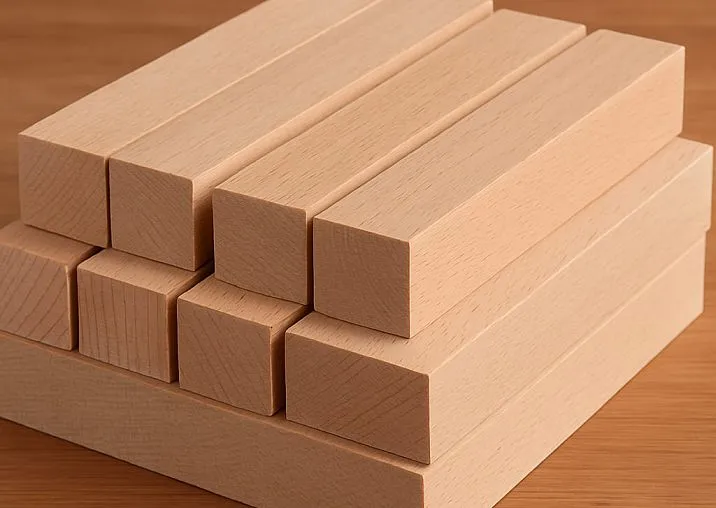
In the world of building materials, there is a special category of beech wood that makes professionals pause and seriously consider long-term investments. When it comes to learning beech price beamit becomes clear: this is not just purchasing building material, but an investment in the future, where every ruble spent is repaid over years of flawless service and aesthetic perfection.


Pricing Policy for Beech Beam: Anatomy of Cost
The modern market for beech beams demonstrates a wide range of price offers, reflecting the diversity of quality factors and production technologies. The cost varies from 25,000 to 85,000 rubles per cubic meter depending on the wood grade, country of origin, and degree of processing. In Kazakhstan, prices range from 450,000 to 700,000 tenge per cubic meter for various quality categories.
A beam with a 50×50 mm cross-section costs from 12,000 tenge per linear meter, a 100×100 mm beam costs 28,000 tenge, and a 200×200 mm element may reach 75,000 tenge per linear meter. These figures reflect not only market conditions but also the complexity of technological processes required to obtain high-quality material.




Factors Forming the Price of Beech Material
Origin and quality of raw material — a decisive factor in pricing. European beech, grown under the climatic conditions of Germany, Austria, or France, is valued significantly higher than Eastern European analogs due to its denser wood structure — 720 kg per cubic meter versus 650 kg for material from other regions.
Drying and processing technology critically affects the final cost. Kiln drying to 8-12% moisture increases price by 35-45% compared to air drying, but guarantees geometric stability and absence of deformation during use.
Material grade determines the final cost. A "Extra" class beam without visible defects may cost 2-2.5 times more than second-grade material, but precisely this quality is required for premium projects.
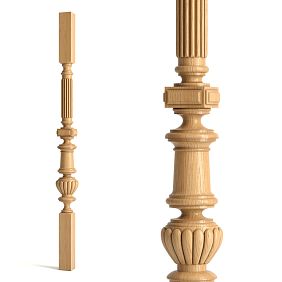
Our factory also produces:





Unique Characteristics of Beech Wood
European beech represents a material of exceptional physical and mechanical properties. The density of the wood reaches 720 kg per cubic meter at 12-15% moisture, placing it in the category of heavy hardwoods. The Brinell hardness rating is 3.8, providing excellent wear resistance for structures.
The static bending strength reaches 104 MPa, the modulus of elasticity — 14.1 GPa. These characteristics allow creating reliable structures even under significant operational loads. A distinctive feature of beech wood is its uniform structure without a clearly defined core, ensuring consistent properties throughout the material volume.
Get Consultation
Aesthetic Advantages of Light Wood
The color palette of beech ranges from soft cream to warm pinkish tones, creating a cozy atmosphere in any space. The texture features a fine-pored structure with evenly distributed heartwood rays, forming an elegant pattern on the surface.
Annual rings are weakly expressed, ensuring visual purity and a sense of calm. This feature makes beech an indispensable material for modern interiors, where minimalist forms and spatial harmony are valued.
Dimensional scale and technical specifications
The modern market offers beech timber in a wide range of sizes. Standard cross-sections vary from 20×20 millimeters for thin decorative elements to 300×300 millimeters for heavy structural applications.
The most in-demand sizes are 40×40, 50×50, 80×80, 100×100, 150×150 millimeters — they optimally combine functionality with economic efficiency. The length of elements can reach 6 meters for solid timber and up to 18 meters for glued constructions.
Classification by quality and grades
Beech timber is divided into several quality categories depending on its intended use. Grade 'A' represents material without visible defects — ideal for luxury furniture and interior elements.
First grade allows for minor natural features — small healthy knots up to 15 millimeters in diameter, light color transitions. Second grade is intended for structural applications where aesthetics play a secondary role while maintaining all strength characteristics.
Economic attractiveness of investing in beech material
Analysis of long-term ownership cost
When considering beech price beamIt is important to understand the economics of long-term operation. Although initial costs exceed coniferous species by 2.5–3 times, the total cost of ownership is significantly lower due to the exceptional durability of the material.
The service life of properly processed beech constructions is 60–80 years with proper use and minimal maintenance. Dimensional stability eliminates deformation, cracking, and the need for costly repairs.
Impact on property value
Using beech timber fundamentally changes the perception of real estate. Homes and commercial buildings with beech elements automatically fall into the category of prestige real estate. Buyers are willing to pay 15–25% more for high-quality natural materials, understanding their long-term value.
Regional pricing features
European manufacturers and their pricing policy
Leading suppliers of beech timber on the global market are Germany, Austria, and France. German manufacturers are known for innovative technologies and flawless product quality, reflected in the price of 70–90 euros per cubic meter for premium-grade material.
Austrian companies specialize in glued constructions with complex geometry, offering products at a price of 80–110 euros per cubic meter. French beech is traditionally considered the benchmark for furniture production and costs 85–120 euros per cubic meter.
Eastern European alternatives
Romanian and Slovenian suppliers offer an optimal price-to-quality ratio — 45–65 euros per cubic meter while meeting all technological requirements. Active equipment modernization allows them to compete with Western European manufacturers.
Comparative cost analysis with alternative materials
Beech versus other hardwoods
When compared to oak, beech demonstrates significant cost advantages. Beech material costs 25–35% less than oak for comparable strength characteristics. Its light tone makes rooms appear more spacious, creating a sense of cleanliness and freshness.
Ash is harder than beech but costs 15–20% more and has lower biostability. Hornbeam is comparable in hardness but significantly more difficult to process, increasing production costs.
Advantages over coniferous species
The main advantage of beech timber over coniferous materials is the absence of resinous exudates. This is critically important for interior applications where surface contamination is unacceptable. High hardness ensures wear resistance of flooring and furniture surfaces.
Technological factors affecting cost
Modern processing methods
Steam treatment at 80–100°C improves material workability, relieves internal stresses, and equalizes the color of sapwood and heartwood. This technology increases cost by 15–20%, but significantly improves service characteristics.
Thermomodification at 160–200°C in a steam environment reduces hygroscopicity by 40–50%, increases biostability, and imparts a noble dark-brown hue to the wood. The cost of such material increases by 1.5–1.8 times.
Glued technologies
Production of glued beech timber requires the use of special adhesive compositions, strict adherence to technological regimes, and multi-stage quality control. The cost of glued material exceeds the price of solid timber by 1.7–2.2 times, but ensures exceptional dimensional stability and enables the creation of elements with complex geometry.
Application areas and their impact on pricing
Furniture manufacturing
In the furniture industry, beech timber is valued for its combination of strength and workability. Material for furniture production must meet the strictest requirements for surface quality, moisture content, and absence of defects. This increases cost by 30–40% compared to structural material.
Construction Applications
For construction purposes, aesthetic requirements are less stringent, allowing the use of second- and third-grade material. However, strength characteristics must meet calculated loads, requiring careful selection of timber.
Specialized Applications
The food industry uses beech timber for producing cutting boards and kitchenware. Such material must comply with sanitary-hygienic requirements, implying special treatment and increasing cost by 25-35%.
Seasonal Price Fluctuations and Procurement Strategies
Optimal Time for Purchase
The beech timber market is subject to seasonal fluctuations. The autumn-winter period is characterized by reduced construction activity, leading to price reductions of 10-20%. Producers aim to clear warehouse space by offering discounts to regular customers.
Planning purchases 6-12 months in advance allows taking advantage of pre-order offers with discounts up to 15%. Large producers are willing to fix prices for orders of 20 cubic meters or more.
Cost Optimization Strategies
Consolidated Purchases — combining orders from multiple buyers to achieve wholesale volumes. Savings may amount to 20-30% of retail price for orders of 50 cubic meters or more.
Direct contracts with manufacturers eliminate intermediary markups, reducing cost by 15-25%. This requires significant volumes and advance payment, but pays off for major projects.
Flexibility in dimensions — adapting the project to standard size ranges allows avoiding additional charges for non-standard items, which may account for 25-40% of base cost.
Hidden Costs and Additional Expenses
Logistical Features
Transportation of beech timber requires special handling due to the material’s significant weight — 720 kg per cubic meter compared to 450-550 kg for coniferous species. Delivery cost may amount to 15-25% of material price for remote regions.
Special packaging for moisture and mechanical damage protection increases transportation costs by 5-8%. Using temperature-controlled containers to maintain stable temperature adds an additional 10-15% to logistics cost.
Specialized Processing
Premium-grade oil-based finishing of beech timber may increase project cost by 12-18%. Thermomodification to improve performance adds 40-60% to the initial material price.
Criteria for Evaluating Price Offers
Indicators of Suspiciously Low Prices
Price significantly below market — reason for careful quality analysis. Unscrupulous suppliers may offer material with elevated moisture content, improper drying technology, or hidden defects.
Absence of quality certificates, technical passports, or wood origin documentation — red flags indicating potential problems. Quality material is always accompanied by complete documentation.
Indicators of Reasonable Price Offers
Price transparency, detailed material specifications, sample inspection availability — signs of a serious supplier. Willingness to provide lab test results and customer recommendations indicates company reliability.
Financial Instruments and Payment Schemes
Installment Plans and Financing Programs
Most major suppliers offer flexible payment schemes. Installment payment over 6-12 months at 8-15% annual interest is especially relevant for private homebuilders. Inventory credit secured by the under-construction project — an option for serious developers.
Leasing schemes are optimal for commercial projects where tax optimization is important. Interest rates vary from 10% to 18% annually depending on amount and contract terms.
Currency Risks in Import
When working with European suppliers, currency risks are critically important to consider. Fixing the exchange rate at contract signing or including currency clauses helps minimize the impact of exchange rate fluctuations on project cost.
Modern Technologies and Their Impact on Prices
Innovative Processing Methods
Vacuum drying allows achieving a moisture content of 6-8% in significantly less time than traditional methods. The cost of such technology increases material price by 25-35%, but ensures exceptional dimensional stability.
Radio frequency drying is the latest technology enabling uniform drying of timber of any cross-section. Investment in such equipment pays off through premium pricing of finished products — 40-50% higher than traditional alternatives.
Digitalization of production
Implementation of automated quality control systems, 3D scanning for optimal cutting, robotic processing — technologies that enhance quality and stability of characteristics. Material produced on modern lines costs 20-30% more, but quality justifies the expense.
Market development prospects and price forecasts
Demand and supply trends
Growing interest in eco-friendly materials, development of premium construction segment, understanding of long-term investment value — factors supporting sustained demand for beech timber.
Limited European forest resources and long growth cycle of beech plantations create conditions for stable price growth in the long term. Forecasted growth — 3-5% annually in real terms.
Impact of environmental requirements
Stricter environmental standards and FSC certification requirements increase production costs by 8-12%. However, demand for certified products is rising, offsetting additional expenses through premium pricing.
Practical recommendations for selecting a supplier
Supplier offer evaluation algorithm
Start with analyzing potential suppliers' reputation. Review customer feedback, portfolio of completed projects, presence of required certifications. Request material samples for detailed inspection and laboratory testing.
Assess production capacity, presence of modern equipment, quality control systems. Visiting the production facility provides full insight into the supplier's technological capabilities.
Procurement budget optimization
Accurate calculation of requirements, accounting for technological waste (typically 5-8% for beech timber), prevents overpayment for excess material or costly delivery of missing elements.
Flexible delivery schedules may provide up to 12% discount. Producers are interested in balanced production load and are willing to offer discounts to clients not bound by rigid deadlines.
Quality control upon delivery
Incoming material inspection
Each batch must be accompanied by a quality certificate specifying all characteristics. Mandatory humidity check using a portable moisture meter — material must match declared parameters within ±1% accuracy.
Visual inspection includes checking geometric parameters, absence of critical defects, color and texture conformity to samples. Any deviations are recorded in the acceptance act for subsequent resolution.
Storage rules
Beech timber requires special storage conditions to preserve its quality characteristics. Material is stored on pads with ventilation gaps, protected from direct precipitation while ensuring natural air exchange.
International pricing experience
North American market
USA and Canada produce limited volumes of beech timber, resulting in high prices — $900–$1,200 per cubic meter. American beech differs from European beech in its lighter shade and lower density.
Asian alternatives
Chinese and Japanese manufacturers offer beech timber at competitive prices — $400–$600 per cubic meter. However, quality control may be inconsistent, requiring careful inspection of each batch.
Alternative solutions and compromises
Partial use of beech material
Combined solutions, where beech price beam Justified only for key elements — stair treads, furniture facades, decorative elements — allow obtaining material advantages within a limited budget.
Secondary Use
Reclaimed beech timber from dismantled structures can cost 30-50% less than new material. With careful inspection, such wood retains all its operational qualities.
STAVROS Company is a recognized leader in supplying elite construction and finishing materials made from premium natural wood. Decades of collaboration with leading European beech timber manufacturers, deep understanding of architects', designers', and builders' needs, enable the company to guarantee optimal price-to-quality ratios for every project.
Choosing beech timber from STAVROS, you get not just a construction material, but a comprehensive solution including professional consultation on optimal characteristics, reliable logistical support, and long-term warranty commitments. Our philosophy is built on the understanding that true economy lies not in minimizing initial costs, but in maximizing the long-term value of investments in quality natural materials.