












































































Article Contents:
- Unique nature of oak material
- Aesthetic advantages of light wood
- Technological features of production
- Quality control at every stage
- Size range and technical specifications
- Classification by grades
- Applications in modern construction
- Furniture production and carpentry items
- Structural elements
- Specialized Applications
- Comparative Analysis with Other Species
- Oak vs. Oak
- Competition with coniferous species
- Processing and finishing of oak products
- Surface Preparation
- Finish Coatings
- Installation and Mounting Features
- Preparation
- Technology of joining elements
- Maintenance and operation of oak structures
- Regular Maintenance
- Moisture Protection
- Ecological aspects of using oak
- Sustainable forestry
- Recycling and disposal
- Economic advantages of oak timber
- Optimal price-to-quality ratio
- Long-Term Economic Efficiency
- Innovative technologies in production
- Thermal Modification
- Glued constructions
- Design solutions and architectural possibilities
- Modern interior trends
- Combining with other materials
- Quality control and certification
- International standards
- Laboratory tests
- Regional characteristics and suppliers
- European manufacturers
- Logistical specifics
- Market development prospects
- Growing demand for eco-friendly materials
- Technological Innovations
- Practical Recommendations for Selection
- Criteria for assessing quality
- Storage recommendations
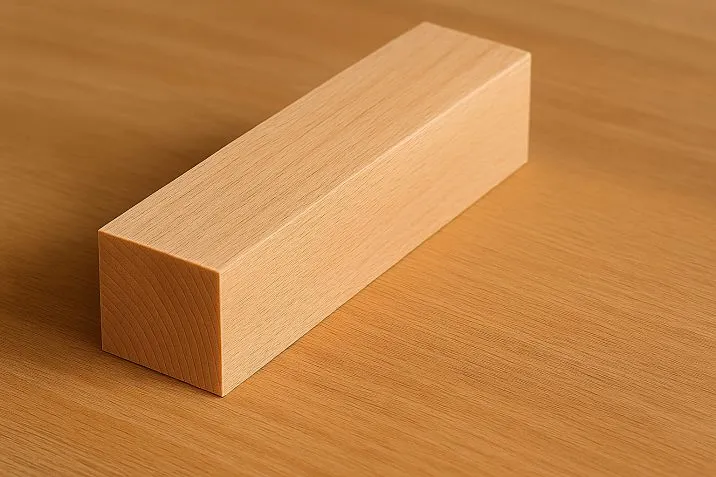
When the craftsman takes up the tool, he feels the material. When the architect creates a project, he sees the future. But when it comes to choosing wood to realize the boldest ideas, oak timber becomes the very material that turns a concept into a masterpiece. The light, noble European oak wood combines centuries-old traditions with the innovative possibilities of modern construction.

Unique nature of oak material
European oak is the embodiment of harmony between strength and elegance. The density of the wood is 650-720 kg per cubic meter, providing excellent mechanical properties while maintaining relatively low weight of structures. The hardness rating by Brinell reaches 3.2 HB, making the material ideal for heavily loaded elements.
The bending strength reaches an impressive 100 MPa, and the modulus of elasticity reaches 14 GPa. These characteristics allow creating structures that withstand significant loads without deformation. At the same time, oak wood has excellent workability — it easily accepts sawing, planing, turning, and gluing.




Aesthetic Advantages of Light Wood
The color palette of oak ranges from cream-white to delicate pink tones, creating a unique atmosphere of warmth and coziness in any interior. The wood texture is characterized by small, evenly distributed pores, which create a pleasant tactile surface and a noble appearance.
The annual rings are faintly expressed, which ensures structural homogeneity and uniform light perception. This quality is particularly valued in creating modern interiors where visual purity and minimalism of forms are important.
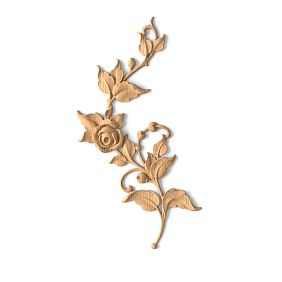
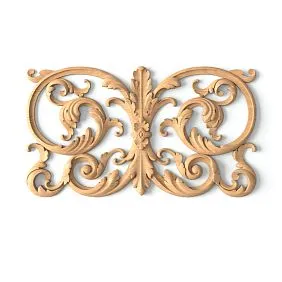
Our factory also produces:


Technological Features of Production
Modern production of oak timber requires a special approach to each processing stage. Timber is harvested during winter, when moisture content is minimal and tree activity is slowed. This ensures material stability and reduces the likelihood of cracking during drying.
The drying process is a critically important stage of production. Oak wood is prone to warping, so it requires a delicate regime. Modern drying chambers with programmable control allow reducing moisture content to 8-12% while maintaining geometric stability. The temperature gradient should not exceed 5°C per meter of chamber length.
Get Consultation
Quality control at every stage
Each element of oak timber undergoes multi-stage quality control. Visual sorting excludes wood with defects — rot, cracks, large knots. Instrumental inspection includes measuring moisture content, density, and geometric parameters with precision down to fractions of a millimeter.
Modern production uses X-ray scanning to detect internal defects invisible to the naked eye. This guarantees the highest quality of the finished product and eliminates defects in critical structures.
Size Range and Technical Specifications
Modern oak timber Available in a wide range of sizes, allowing to meet the needs of the most diverse projects. Standard sections vary from 20×20 mm for thin decorative elements to 200×200 mm for heavy load-bearing structures.
Element lengths can reach 6 meters for solid timber and up to 12 meters for glued laminated products. Dimensional tolerances are ±0.5 mm for cross-section and ±2 mm for length, ensuring perfect fit during installation.
Classification by grades
Beech timber is classified into several grades depending on surface quality and presence of natural defects. Grade "A" — material without visible defects, ideal for luxury furniture and interior elements. Grade "B" allows small healthy knots up to 10 mm in diameter and minor color variations.
Grade "C" is intended for structural applications where aesthetics are secondary. Such material may contain larger knots and natural color transitions, but retains all strength characteristics of the highest grade.
Applications in modern construction
Furniture manufacturing and carpentry products
Beech wood is traditionally considered the benchmark for producing high-quality furniture. Its light color and uniform structure make it an ideal material for modern interiors in minimalist, Scandinavian, and high-tech styles. Beech chairs, tables, and beds last for decades, retaining their original appearance.
Beech timber staircases combine strength with aesthetic perfection. Steps withstand heavy loads, while handrails acquire a pleasant sheen from touch. Beech parquet flooring — a genre classic, proven over time.
Structural elements
In construction, beech timber is used to create medium-load-bearing structural elements. Floor beams with a 150×200 mm cross-section can support loads up to 450 kg/m². Beech roof trusses provide reliable roofing structures with relatively low weight.
Beech timber framing elements are ideal for constructing energy-efficient homes. The low thermal conductivity of wood provides excellent insulation properties, while dimensional stability eliminates cold bridges.
Specialized Applications
The food industry actively uses beech timber for manufacturing cutting boards, kitchenware, and packaging. The wood does not absorb odors, is easy to clean, and possesses natural antiseptic properties.
Sports equipment is another area of application for beech material. Gymnastic apparatus, handles of sports equipment, and parts of exercise machines are made from beech due to the combination of strength and comfort of use.
Comparative analysis with other species
Beech vs. Oak
When compared with oak wood, beech demonstrates several unique advantages. Its light color makes rooms appear visually more spacious and brighter. The uniform structure without pronounced grain allows creating modern-style items where clean lines are essential.
Beech density is 10-15% lower than oak, simplifying transportation and installation of structures. Meanwhile, strength characteristics remain at a high level, sufficient for most construction tasks. Beech timber costs 20-30% less than oak for comparable performance properties.
Competition with coniferous species
The main advantage of beech over coniferous species is the absence of resinous exudates. This is critically important for interior work, where any contamination is unacceptable. High hardness ensures surface durability, which is especially important for floors and staircases.
The aesthetic qualities of beech timber significantly surpass those of coniferous analogs. Its noble light color, pleasant tactile surface, and absence of sharp odors make beech an ideal choice for residential spaces.
Processing and finishing of beech products
Surface preparation
Beech wood is well-suited for all types of mechanical processing. Sanding achieves an ideal smooth surface with a roughness parameter Ra of 1.25–2.5 micrometers. For final finishing, abrasive grits of 220–320 units are used.
Planing beech timber requires sharp tools and correctly selected cutting angles. The optimal angle is 20–25° for longitudinal planing and 45° for end planing. Feed rate should not exceed 8–10 m/min to achieve a quality surface.
Finish coatings
Natural oils are the optimal choice for finishing beech timber in interior applications. Linseed oil enhances the natural grain, forms a protective film, and preserves the wood’s ability to "breathe". Wax coatings provide additional protection against moisture and mechanical impacts.
Lacquering is applied to surfaces subjected to heavy loads. Polyurethane lacquers create a durable glossy finish resistant to abrasion and chemical exposure. Water-based formulations are preferred for children’s furniture and kitchenware.
Features of installation and mounting
Preparation
oak timber Requires careful acclimatization before installation. The material must be left in the conditions of the site for at least 7 days to equalize moisture content. This prevents deformation and cracking during operation.
Marking is performed with great care — beech wood poorly tolerates repeated drilling. Holes are marked with precision to the millimeter, using a sharp marking needle to minimize fiber damage.
Technology of connecting elements
Beech elements are connected using various types of fasteners depending on load and operating conditions. Stainless steel screws are suitable for most structures. The diameter of the pilot hole should be 80% of the screw diameter.
Adhesive joints provide maximum strength and aesthetics. PVA glue class D3 is suitable for interior applications, while polyurethane compositions are used for exterior structures. The pressing time should be at least 12 hours at 20°C.
Beech structures require minimal maintenance when properly initially treated. Regular cleaning with a soft damp cloth removes dust and surface dirt. Use of aggressive cleaning agents is not permitted — they may damage the protective coating.
Regular Maintenance
Oil coating renewal is performed every 2-3 years for heavily used surfaces. A thin layer of natural oil is applied with a lint-free cloth, excess is wiped off after 15-20 minutes. Full drying takes 24 hours.
Beech wood is sensitive to moisture, therefore requires reliable protection in rooms with high humidity. Hydrophobic impregnations create an invisible barrier preventing moisture penetration into the wood structure.
Protection from moisture
Upon appearance of moisture stains, the surface must be immediately dried and treated with a disinfectant. Deep damage is removed by local sanding followed by restoration of the protective coating.
Ecological aspects of beech usage
European beech forests are managed according to sustainable forestry principles. FSC certification guarantees that wood is harvested in compliance with ecological and social standards. Each felled tree is replaced by several saplings.
Sustainable Forestry
The short recovery cycle of beech forests (40-60 years) makes this species one of the most ecologically sustainable construction materials. Rapid tree growth ensures active absorption of carbon dioxide from the atmosphere.
Beech timber production waste is fully recycled. Shavings and sawdust are used to produce wood panels, pellets, and packaging materials. Defective items are used for manufacturing small carpentry items or ground into wood chips.
Recycling and disposal
At the end of their service life, beech structures can be fully recycled or used as biomass fuel. Wood does not contain toxic substances and is safe for the environment.
Economic advantages of beech timber
Optimal price-to-quality ratio
Beech timber occupies a unique position in the construction materials market, offering premium-class characteristics at a price accessible to a wide range of consumers. The cost is 20-30% lower than oak equivalents with comparable performance properties.
High strength characteristics allow using beech timber of smaller cross-section compared to coniferous species. This reduces the overall construction cost by 15-25% while maintaining reliability and longevity.
The service life of beech structures, when properly treated and maintained, is 50-80 years. Minimal maintenance and repair costs make beech an economically advantageous solution for long-term projects.
Long-term economic efficiency
High liquidity of beech products on the secondary market ensures preservation of investment value. Antique beech furniture is valued by collectors, and construction elements find application in restoration projects.
Thermal modification
Innovative production technologies
Modern thermal modification technologies allow improving the performance characteristics of beech timber. Treatment at 160-200°C in a steam environment reduces hygroscopicity by 40-50%, increases biostability, and imparts a noble dark tone to the wood.
Thermally treated beech achieves dimensional stability comparable to tropical species, while retaining all positive qualities of European wood. The process requires no chemical additives and is fully ecological.
The technology of producing glued beech timber opens new possibilities in construction and design. Pressing individual lamellas ensures exceptional strength and dimensional stability of finished products.
Glued constructions
Glued timber can be manufactured in any length and complex geometry. Radiused elements, arched structures, curved details — all of this becomes feasible thanks to modern gluing technologies.
Design solutions and architectural possibilities
Modern interior trends
Light beech wood perfectly fits modern interior trends. Minimalism, Scandinavian style, eco-design — beech finds its place everywhere thanks to its neutral tone and clean lines.
Open beam structures made of beech timber create a sense of spaciousness and lightness. Unlike dark oak, light beech does not 'weigh' on the psyche, but rather creates an atmosphere of calm and harmony.
Beech wood combines beautifully with modern materials — glass, metal, stone, ceramic. Contrasting textures create interesting visual effects and highlight the natural beauty of wood.
Combining with other materials
Combinations with white and gray colors are especially effective in modern interiors. Beech accents against a neutral palette create a sense of warmth and coziness without excessive brightness.
Beech timber production is regulated by strict international standards. EN 338 defines the strength characteristics of structural timber, EN 14081 — requirements for machine sorting, EN 13183 — methods for measuring moisture content.
Quality control and certification
International Standards
CE certification confirms compliance of the material with European safety and quality requirements. CE marking on the product — guarantee that the timber meets all technical regulations.
Laboratory testing
Laboratory testing
Each batch of beech timber undergoes comprehensive laboratory testing. Moisture content, density, strength characteristics, and biostability are determined. Test protocols are attached to each batch and serve as a quality guarantee.
Non-destructive control methods allow assessing the internal wood structure without damaging the products. Ultrasonic flaw detection reveals hidden defects, while X-ray tomography shows density distribution across the cross-section.
Regional characteristics and suppliers
European manufacturers
Leading producers of beech timber are Germany, France, Romania, and Slovenia. German manufacturers are renowned for their highest quality standards and innovative technologies. French beech has traditionally been considered the benchmark for furniture production.
Eastern European suppliers offer competitive pricing with good product quality. Romanian and Slovenian manufacturers actively modernize equipment and implement modern quality control systems.
Logistical Features
Supplying beech timber requires a special approach to packaging and transportation. The material must be protected from moisture and mechanical damage. Special packaging film creates a controlled atmosphere, preventing changes in humidity.
Temperature control during transportation is critically important for maintaining quality. Sudden temperature fluctuations may cause cracking, so insulated containers or covered transport with microclimate control are used.
Market Development Prospects
Growing Demand for Eco-Friendly Materials
Global construction trends demonstrate steady growth in demand for eco-friendly materials. oak timber Fully meets these requirements, offering a combination of natural beauty and modern technology.
The development of 'green' construction, the popularization of a healthy lifestyle, and the desire to create a comfortable living environment — all these factors contribute to the growing popularity of beech wood.
Technological Innovations
The integration of digital technologies in wood processing opens new possibilities for producing beech timber. 3D scanning allows optimal use of each log, minimizing waste. Robotic processing ensures the highest precision and consistency in quality.
Nanotechnologies in protective coatings create materials with unique properties — self-cleaning surfaces, antibacterial coatings, and compositions with adjustable vapor permeability.
Practical Recommendations for Selection
Criteria for quality assessment
When selecting beech timber, attention should be paid to color uniformity and absence of dark spots indicating fungal damage. The surface should be smooth, without cracks or chips. Ends should be flat, without signs of cracking.
Material moisture content is critically important for further use. The optimal value for interior applications is 8-12%, and for exterior structures — no more than 18%. Moisture measurement is mandatory upon receiving each batch.
Storage recommendations
Beech timber should be stored in a dry, well-ventilated space, protected from direct sunlight. Material is laid on spacers with a 2-3 cm gap to ensure air circulation. Stack height should not exceed 2 meters.
Relative humidity in the storage room should not exceed 60%. Higher values may lead to mold growth and material deformation. Use of air dehumidifiers is recommended during periods of high humidity.
STAVROS is a recognized leader in the market of premium construction and finishing materials, offering a wide range of products made from high-quality natural wood. Decades of experience working with leading European beech timber manufacturers, deep understanding of architects', designers', and builders' needs, enable the company to guarantee flawless quality of every product.
By partnering with STAVROS, you receive not just construction material, but a comprehensive solution including professional expert consultation, individualized approach to each project, and long-term technical support. Our philosophy is based on the understanding that high-quality materials are the foundation of durable and beautiful structures that will delight owners for many years and become a source of pride for the entire family.


