












































































Article Contents:
- Superiority of beech material: the science of natural quality
- Aesthetic philosophy of light wood
- Where to find quality beech timber: criteria for a professional's choice
- Material origin as a guarantee of quality
- Production technology: from forest to finished product
- Dimensional assortment and technical specifications
- Classification by grades and purpose
- Application areas: from interior to industry
- Furniture production and carpentry items
- Construction and finishing works
- Specialized Applications
- Economic advantages and investment attractiveness
- Optimal price-to-quality ratio
- Long-Term Economic Efficiency
- Comparative Analysis with Alternative Materials
- Beech versus traditional species
- Advantages over coniferous species
- Processing technology and final finishing
- Surface preparation and mechanical processing
- Protective coatings and decorative finishing
- Installation and Mounting Features
- Preparation of material
- Connection and fastening technology
- Criteria for selecting a supplier and quality assessment
- Signs of a reliable supplier
- Visual assessment of material quality
- Features of storage and operation
- Storage rules
- Long-term durability
- Ecological aspects and sustainable development
- Natural eco-friendliness of the material
- Principles of sustainable forestry
- Innovative technologies in production
- Modern modification methods
- Glulam technologies
- Design solutions and architectural trends
- Integration into modern styles
- Combining materials
- Quality control and international standards
- Certification systems
- Laboratory tests
- Logistical specifics and regional characteristics
- Transportation and packaging
- Regional Manufacturers
- Market development prospects
- Growing demand for natural materials
- Technological Innovations
- Practical recommendations for buyers
- Algorithm for selecting the optimal solution
- Cost Optimization Without Compromising Quality
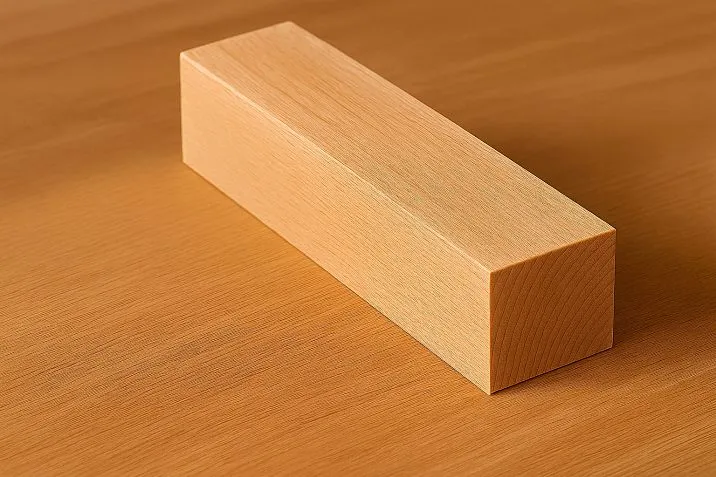
Why settle for compromises when you can choose perfection? In the world of building materials, where every decision affects the final result for decades, buy beech timber It means investing in a material that combines European quality, aesthetic perfection, and unmatched functionality. Beech wood is the choice of those who understand the difference between good and exceptional.

The superiority of beech material: the science of natural quality
European beech represents a unique combination of physical and aesthetic characteristics unattainable by most other species. The density of the wood reaches impressive 650-720 kilograms per cubic meter, classifying the material as premium hardwood. Meanwhile, the Brinell hardness rating reaches 3.8, ensuring exceptional wear resistance and longevity of structures.
The static bending strength reaches 104 MPa, and the modulus of elasticity reaches 14.1 GPa — characteristics that allow creating reliable structures even under significant loads. A distinctive feature of beech wood is its uniform structure without a clearly defined core, ensuring stability of properties throughout the material volume.




Aesthetic philosophy of light wood
The color palette of beech ranges from soft cream to warm pinkish tones, creating an atmosphere of coziness and harmony in any space. The wood texture features a fine-pored structure with evenly distributed medullary rays, which create a delicate, refined pattern on the surface.
Annual rings are weakly expressed, ensuring visual purity and calm perception. This feature makes beech ideal for modern interiors, where minimalist forms and spatial harmony are valued.
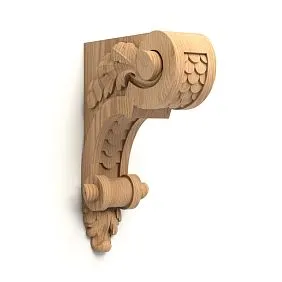
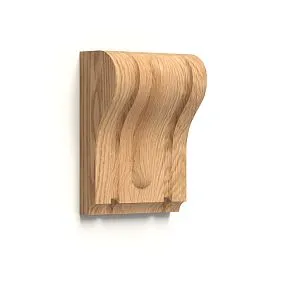
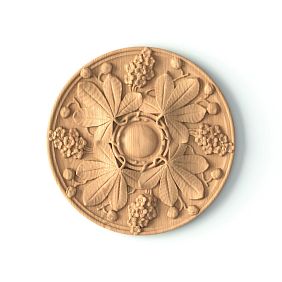
Our factory also produces:




Where to find quality beech timber: criteria for a professional's choice
Get Consultation
Origin of the material as a guarantee of quality
The best beech timber is produced from European-origin wood, where centuries of refinement in logging and processing technologies have been perfected. German, Austrian, and French manufacturers set global quality standards, using trees aged 60-80 years, grown under optimal climatic conditions.
An important criterion is the harvesting season — winter-cut wood is considered the best, as it has minimal moisture content and the tree's biological processes are slowed. This ensures material stability and reduces the risk of deformation during further processing.
Production technology: from forest to finished product
Modern beech timber production is a high-tech process involving several critically important stages. Primary drying is conducted outdoors for 8-12 months, allowing the wood to gradually adapt to humidity changes without forming internal stresses.
Kiln drying requires a particularly delicate approach — beech wood is prone to warping, so the temperature regime must not exceed 60°C, and the process takes 3-4 weeks. The final moisture content of the finished material is 8-12%, ensuring dimensional stability during use.
Dimensional assortment and technical specifications
The modern market offers beech timber in an extensive range of sizes, meeting the needs of the most diverse projects. Standard cross-sections vary from miniature 10×10 millimeters for decorative elements to massive 200×200 millimeters for serious structural tasks.
The most in-demand sizes are 40×40, 50×50, 80×80, 100×100 millimeters — they optimally combine functionality with economic efficiency. Element lengths can reach 6 meters for solid timber and up to 18 meters for glued constructions, opening up limitless architectural possibilities.
Classification by grades and intended use
Beech timber is classified into several quality categories depending on its intended use. The 'Extra' class represents material without visible defects — ideal for luxury furniture, interior elements, exclusive projects.
First grade allows minor natural features — small healthy knots up to 15 millimeters in diameter, light color transitions. Second grade is intended for structural applications where aesthetics play a secondary role.
Application areas: from interior to industry
Furniture manufacturing and carpentry products
Beech wood is traditionally considered the benchmark for producing high-quality furniture. Its light tone and uniform structure make it indispensable for modern interiors in minimalist, Scandinavian, and high-tech design styles.
Chairs made from beech timber withstand intensive operational loads, countertops retain their original appearance for decades, beds provide necessary strength and ecological safety. Beech staircases combine functionality with refined aesthetics.
Construction and finishing works
in the construction industry buy beech timber aim to create load-bearing elements of medium and high load capacity. Beech beams with a cross-section of 150×200 millimeters can support a distributed load of up to 500 kilograms per linear meter.
Beech timber framing elements are ideal for constructing energy-efficient homes, where thermal insulation properties and material ecological purity are crucial. Roof truss systems provide reliable roofing structures with relatively low self-weight.
Specialized Applications
The food industry actively uses beech timber for producing cutting boards, kitchenware, and food storage containers. The wood does not absorb odors, is easy to sanitize, and possesses natural antibacterial properties.
The sports industry values beech for its combination of strength and comfort of use. Gymnastic equipment, handles of sports gear, and components of exercise machines are made precisely from this material.
Economic advantages and investment attractiveness
Optimal price-to-quality ratio
Beech timber occupies a unique position in the construction materials market, offering premium-class characteristics at a reasonable price. The cost of beech material is 25-35% lower than oak equivalents while maintaining comparable strength and aesthetic properties.
High density allows using beech timber with smaller cross-sections compared to coniferous species, reducing the overall project cost by 20-30%. Absence of resinous exudates eliminates additional expenses for protective treatment.
Long-term economic efficiency
The service life of properly treated beech structures is 60-80 years under proper use and minimal maintenance. Dimensional stability eliminates deformation, cracking, and the need for costly repairs.
High liquidity of beech products on the secondary market ensures preservation of invested funds. Antique beech furniture is highly valued by collectors, and construction elements find application in restoration projects.
Comparative analysis with alternative materials
Beech vs. traditional species
Compared to oak wood, beech demonstrates several significant advantages. Its light natural tone visually expands space, creating a sense of cleanliness and freshness. Uniform structure without pronounced grain is ideal for modern minimalist interiors.
Beech density is 8-12% lower than oak, simplifying transportation, installation, and reducing load on building structures. At the same time, strength characteristics remain at the highest level, sufficient for the most demanding applications.
Advantages over coniferous species
The main advantage of beech timber over coniferous materials is the absence of resin pockets and exudates. This is critically important for interior work, where any surface contamination is unacceptable.
High hardness ensures wear resistance of flooring, stair treads, and furniture surfaces. Aesthetic qualities of beech material significantly surpass coniferous analogs due to its noble light tone and pleasant tactile surface.
Processing technology and finishing
Surface preparation and mechanical processing
Beech wood excellently withstands all types of mechanical processing due to its uniform structure and medium hardness. Sanding allows achieving ideal smoothness with a roughness parameter less than 2 micrometers.
Planing requires using sharp tools with correctly selected cutting angles — the optimal value is 20° for longitudinal processing and 45° for end surfaces. Feed rate should not exceed 10 meters per minute to achieve quality results.
Protective coatings and decorative finishing
Natural oils — optimal choice for finishing beech timber in residential spaces. Linseed oil deeply penetrates wood structure, highlights natural grain, and creates a breathable protective coating.
Wax-based compositions provide additional protection against moisture and mechanical impacts, creating a pleasant silk-like gloss on the surface. Polyurethane varnishes are used for high-load surfaces — floors, countertops, stair treads.
Features of installation and mounting
Material pre-preparation
Quality installation of beech structures begins with proper acclimatization of the material. The timber must be left at the site for at least one week to equalize moisture with the surrounding environment. This prevents subsequent deformations and geometric distortions.
Marking is performed with high precision — beech wood poorly tolerates repeated drilling due to high density. Each hole is marked to the millimeter, using sharp marking tools.
Connection and fastening technology
Various types of fasteners are used to connect beech elements depending on operating conditions and expected loads. Stainless steel self-tapping screws are suitable for most structures — the pre-drilled hole diameter should be 75-80% of the screw diameter.
Adhesive joints provide maximum strength and flawless aesthetics. Polyvinyl acetate adhesives are suitable for interior work, while polyurethane compositions are used for exterior structures. The pressure holding time is at least 24 hours at room temperature.
Criteria for selecting a supplier and quality assessment
Signs of a reliable supplier
When selecting a beech timber supplier, it is critically important to pay attention to the company’s reputation, presence of quality certificates, and ability to provide technical documentation. Professional suppliers are always ready to show production facilities and demonstrate samples of various grades.
An important indicator is the presence of own warehouses with controlled microclimate. Beech wood requires special storage conditions — temperature 18-22°C, relative humidity 45-55%, absence of direct sunlight.
Visual quality assessment of the material
When accepting a batch of beech timber, attention should be paid to color uniformity — high-quality wood has a homogeneous cream or slightly pinkish hue without dark spots or streaks. The surface should be smooth, free of cracks, chips, or mechanical damage.
Ends of elements are an indicator of proper drying technology. Absence of cracks, uniform structure, and clearly visible annual rings indicate high material quality. Moisture is checked using an electronic moisture meter at several points on each element.
Storage and Usage Characteristics
Storage Rules
buy beech timber and properly store — equally important tasks. Material is stored on wooden spacers 25-30 millimeters thick with ventilation gaps. Stack height should not exceed 2 meters to prevent deformation of lower rows.
Storage space must have natural or forced ventilation, protection from atmospheric precipitation, and stable temperature. Sudden humidity fluctuations may cause cracking and warping of the material.
Long-term operation
Beech structures, when properly initially processed, require minimal maintenance. Regular cleaning with a soft damp cloth removes surface dust and contaminants. Use of abrasive cleaning agents is strictly prohibited.
Protective coating renewal is performed every 3-5 years depending on usage intensity. Oil-based compositions are applied in a thin layer, excess is removed with a lint-free cloth. Complete drying takes 48 hours at room temperature.
Ecological aspects and sustainable development
Natural Ecological Material
Beech wood is an absolutely ecologically clean material, containing no toxic substances and emitting no harmful compounds. The natural wood structure ensures natural humidity regulation in rooms, creating a comfortable microclimate.
Scientific research confirms the positive impact of natural wood on human psycho-emotional state. Beech belongs to species that create an atmosphere of calm and harmony, which is especially important in residential and workspaces.
Principles of Sustainable Forestry
European beech forests are managed according to sustainable development principles. Each felled tree is replaced by several saplings, ensuring forest resource regeneration. The average regeneration cycle for beech plantations is 60-80 years.
FSC certification guarantees compliance with ecological and social standards during timber harvesting. Producers with this certification are obligated to maintain forest biodiversity and rights of local communities.
Innovative production technologies
Modern Modification Methods
Thermal treatment improves the operational characteristics of beech timber without using chemicals. The process is conducted at 160-200°C in a steam environment, reducing hygroscopicity by 40-50% and enhancing the material's biostability.
Thermally treated beech acquires a noble dark-brown hue, dimensional stability comparable to tropical species. The procedure is fully ecological and does not affect the wood's strength characteristics.
Glued technologies
Production of glued beech timber opens new architectural possibilities. Gluing individual lamellas under high pressure ensures exceptional strength and complete dimensional stability of finished products.
Glued timber can be manufactured in any length and complex geometry — curved elements, arched structures, and curved details become technically feasible. Multi-layered structure eliminates internal stresses typical for large-section solid wood.
Design Solutions and Architectural Trends
Integration into Modern Styles
Light beech wood perfectly fits into current design trends. Minimalism, Scandinavian style, eco-design — beech finds organic application everywhere due to its neutral tone and clean lines.
Open beam structures made of beech timber create a sense of lightness and spaciousness. Unlike dark species, light beech visually does not reduce space, but rather adds lightness and airiness to interiors.
Combining materials
Beech wood combines excellently with modern materials — glass, metal, natural stone, ceramic. Texture contrasts create interesting visual effects and highlight the natural beauty of each component.
Especially effective are combinations with white and gray tones in modern interiors. Beech accents on a neutral background create a sense of warmth and coziness without excessive brightness or clutter.
Quality control and international standards
Certification Systems
Production of high-quality beech timber is regulated by strict European standards. EN 338 defines the strength characteristics of structural timber, EN 14081 sets requirements for machine sorting, EN 13183 regulates methods of moisture measurement.
CE marking confirms compliance of the material with all European safety and quality requirements. Presence of such marking is a guarantee that the timber is manufactured according to the strictest technical regulations.
Laboratory testing
Each batch of high-quality beech timber undergoes comprehensive laboratory testing. Moisture content, density, strength characteristics, and biostability are determined. Test protocols serve as documented confirmation of declared characteristics.
Modern non-destructive control methods allow assessing the internal structure of wood without damaging the products. Ultrasonic flaw detection reveals hidden defects, while X-ray scanning shows density distribution across the element's cross-section.
Delivery of beech timber requires special attention to material preservation. Special packaging film creates a controlled atmosphere, preventing sudden humidity changes. Padding between elements eliminates mechanical damage during transportation.
Transportation and packaging
Temperature control is critically important for maintaining quality. Using refrigerated containers or insulated trucks allows maintaining a stable temperature throughout the entire cargo journey.
Leading suppliers of beech timber on the global market are Germany, Austria, France, and Romania. German manufacturers are renowned for innovative technologies and flawless product quality. Austrian companies specialize in complex geometry glued constructions.
Regional manufacturers
French beech is traditionally considered the benchmark for furniture production due to the unique growing climate conditions. Eastern European suppliers offer the optimal price-to-quality ratio while meeting all technical requirements.
Global trends in construction and design demonstrate steady growth in interest in natural, eco-friendly materials.
Market Development Prospects
Growing demand for natural materials
Not only private developers, but also large developers, understand the value of sustainable development. buy beech timber are pursued not only by private developers but also by major developers who understand the value of sustainable development.
The concept of a healthy lifestyle, promotion of ecological awareness, and the desire to create a harmonious living environment — factors ensuring stable growth in demand for beech wood over the next decade.
Technological Innovations
Digitalization of production, implementation of artificial intelligence for quality control, and development of additive technologies open new opportunities in wood processing. 3D scanning allows optimal use of each log, minimizing production waste.
Nanotechnologies in protective coatings create materials with unique properties — self-cleaning surfaces, antibacterial coatings, compositions with programmable characteristics of vapor permeability and moisture absorption.
Practical recommendations for buyers
Algorithm for selecting the optimal solution
The process of selecting beech timber begins with clearly defining the project's objectives. Analysis of operating conditions, expected loads, and aesthetic requirements allows formulating a technical specification for the supplier.
Comparison of offers from different manufacturers should be based not only on price but also on material quality characteristics, delivery conditions, and warranty obligations. Visiting the production facility provides a full understanding of the supplier's technological capabilities.
Cost optimization without compromising quality
Planning purchases 6-12 months in advance allows taking advantage of pre-order offers with discounts up to 15%. Consolidating orders with other developers ensures achieving bulk volumes and additional discounts.
Flexibility in choosing dimensions — adapting the project to standard size ranges allows avoiding additional payments for non-standard items, which may amount to 25-40% of the base price.
For many years, STAVROS has been a recognized leader in supplying premium construction and finishing materials made from natural wood. Rich experience collaborating with leading European beech timber manufacturers, deep understanding of architects', designers', and builders' needs, enables the company to guarantee flawless quality of every product and professional service at every stage of project implementation.
Beech timber — premium choice for true quality enthusiasts | STAVROS Company


