Article Contents:
- Architecture of a Modern Material Database
- Structural Organization of Information
- Integration with Production Processes
- Wood Materials in the Digital Database
- Solid Wood and Its Digital Representation
- Veneered Materials
- Composite and Artificial Materials
- MDF and Particle Board in Furniture Production
- New Generation Polyurethane Elements
- Hardware and Components
- Hinge and Guide Systems
- Handles and Decorative Hardware
- Finishing Materials and Coatings
- Paint and Coating Materials
- Film Coatings
- Technical Aspects of Working with the Database
- Search and Filtering Systems
- Data Update and Synchronization
- Integration with Suppliers
- Manufacturer's Electronic Catalogs
- Supply Chain Management
- Calculation Functions and Automation
- Cost Calculation
- Cutting Optimization
- Quality control and certification
- Environmental Standards
- Technical Testing
- Training and User Support
- Training Materials
- Technical Support
- Mobile Applications and Remote Access
- Field Work
- Cloud Solutions
- Analytics and Reporting
- Material Consumption Analysis
- KPIs and Efficiency Indicators
- Integration with ERP Systems
- Unified Information Space
- APIs and Integration Capabilities
- Security and Data Protection
- Information Security
- Compliance with Legislative Requirements
- Frequently Asked Questions
- How often is the material database updated?
- Can I add my own materials to the database?
- How does the system control data quality?
- Does the system support importing data from other formats?
- How does the system work without internet?
- Can the system be customized to fit the company's specific needs?
- How does the system ensure the security of commercial data?

The success of any furniture production directly depends on the quality of design and accuracy of calculations. In the era of digital technologiesmaterial database for basis furniture designera modern material database becomes the cornerstone of effective work for design offices and furniture enterprises. This comprehensive data system opens up limitless possibilities for creating high-quality products, optimizing production processes, and reducing costs.
The modern furniture industry requires specialists of the highest level of professionalism and mastery of advanced design tools. The Basis-Furniture Designer program has long proven itself as a reliable partner in creating furniture of any complexity. However, its true power is revealed only when there is a complete and up-to-date material database.
What does a modern material database represent? It is not just a catalog of available components, but a living, constantly updating ecosystem of knowledge about the properties, characteristics, and application possibilities of each element. Each wood grain texture, each laminate shade, each hinge or guide model receives its digital representation in the system.


Architecture of a Modern Material Database




Structural Organization of Information
Effectivematerial database for basis furniture designerrequires clear structural organization. Materials are grouped by categories: sheet materials, edge materials, hardware, fasteners, decorative elements. Each category contains detailed technical documentation, visual samples, and parameters for automatic calculations.
The classification system should be intuitive and logical.Solid Wood Itemsare located in a separate section with information on wood species, moisture content, processing method, and decorative properties. This allows the designer to quickly find the required material and assess its suitability for a specific project.
Each element in the database contains multiple parameters: physical characteristics, cost indicators, technological processing features, environmental certifications. This level of detail ensures design accuracy and eliminates production errors.
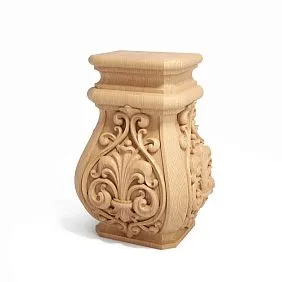
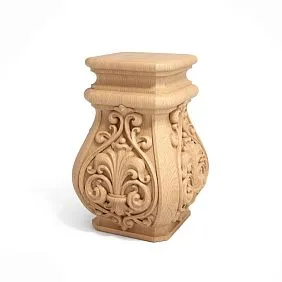
Our factory also produces:


Integration with Production Processes
A modern material database does not exist in isolation — it integrates with warehouse management, procurement, and production planning systems. When a designer selects a material from the database, the system automatically checks its availability in stock, calculates its cost, and generates a purchase request if necessary.
Furniture and interior itemsare created with regard to actual production capabilities. The database contains information on the technological limitations of each material: minimum bending radii, permissible edge processing methods, compatibility with various types of hardware.
The system tracks supplier price changes and automatically updates cost parameters. This ensures the currency of commercial offers and the accuracy of product cost calculations.
Get Consultation
Wood Materials in the Digital Database
Solid Wood and Its Digital Representation
Natural wood remains one of the most popular materials in furniture production.Decorative InsertsSolid wood requires a particularly careful approach to describing its properties in the database.
Each wood species has unique characteristics: density, hardness, texture, color, dimensional stability. The database contains detailed descriptions of all these parameters, as well as recommendations for use. Oak is characterized by high strength and elegant texture, beech has a uniform structure and good workability.
Wood moisture is critically important for the quality of finished products. The database tracks this parameter for each material batch. The system warns of the need for additional drying or acclimatization before processing.
Wood color characteristics are presented not only by textual descriptions but also by digital samples in various color models. This allows accurately conveying the material's color in 3D project visualizations.
Veneered Materials
Veneered panels combine the cost-effectiveness of panel materials with the beauty of natural wood.moldings, cornices, skirting boardsOften manufactured using veneered blanks.
The database contains information on veneer cutting methods: radial, tangential, rustic. Each method produces a different pattern and requires a corresponding approach to cutting and joining elements.
Veneer thickness affects its processability. Thin veneer requires more delicate handling during milling and sanding. The system takes these features into account when calculating technological operations.
Composite and Artificial Materials
MDF and Particleboard in Furniture Production
Particleboard and fiberboard panels form the basis of modern furniture production. The database contains detailed characteristics of each type of panel: density, flexural strength, swelling upon moisture exposure, formaldehyde content.
Laminated panels are presented in the database with decoration samples and indications of their resistance to abrasion, scratches, moisture, and temperature. Each decoration has a digital code and detailed description of its application area.
Edge materials are systematically organized by compatibility with various panel decorations. The database automatically selects suitable edges when choosing the main material, eliminating assembly errors.
New Generation Polyurethane Elements
Polyurethane ItemsThey revolutionized furniture decoration due to the combination of lightness, strength, and ability to reproduce complex shapes. The database contains 3D models of each element with precise dimensions and technical specifications.
Polyurethane moldings, cornices, and overlays are presented in various profiles and sizes. The system allows combining elements to create complex compositions. Each element has information on mounting methods, compatibility with other materials, and paintability.
Modern polyurethane materials have high resistance to mechanical impacts, moisture, and ultraviolet radiation. The database tracks these characteristics and provides recommendations for using finished products.
Hardware and Components
Hinge and Guide Systems
Furniture hardware determines the functionality and durability of products. The database contains detailed characteristics of all types of hinges: surface-mounted, semi-surface-mounted, internal, corner. Each hinge is described with maximum door weight, opening angle, and adjustment method.
Drawer guides are systematically organized by load capacity, length, and mechanism type. The system automatically calculates the number of guides based on drawer size and expected load.
Soft-close and damping systems are presented with activation force characteristics and compatibility with various mechanisms. The database helps select the optimal combination of components to ensure smooth and reliable operation.
Handles and Decorative Hardware
Furniture handles combine functionality with aesthetic qualities.Carved decorative itemsThey include a wide range of handles in various styles and manufacturing materials.
The database contains information on handle sizes, mounting hole center distances, manufacturing materials, and surface treatment methods. Each model is presented with high-resolution photographs and 3D models.
Ergonomic characteristics of handles are described based on anthropometric data. The system warns about handle sizes that do not match furniture facade dimensions or are inconveniently positioned.
Finishing materials and coatings
Paint and coating materials
The quality of finishing largely determines the appearance and durability of furniture. The database contains detailed characteristics of all types of coatings: water-based and polyurethane varnishes, enamels, stains, oils, and waxes.
Each coating is described with indications of its application area, application method, material consumption, drying time, and operational characteristics. The system automatically calculates material requirements based on the area of treated surfaces.
Compatibility of various coatings with each other and with base materials is reflected in special tables. This prevents the use of incompatible materials and guarantees finishing quality.
Film coatings
PVC films allow simulating various materials at relatively low cost. The database contains samples of all available decors with their physical characteristics and application areas.
Film application technology requires adherence to certain temperature and pressure parameters. The system contains technological cards for each type of film and base material.
Technical aspects of working with the database
Search and filtering systems
Effective work with the extensivedatabase of materials for furniture makersis impossible without a well-designed search system. Users can search materials by name, article, technical characteristics, application area, or supplier.
A multi-level filtering system allows quickly finding materials with specific properties. For example, you can filter only moisture-resistant boards 18 mm thick with a specific formaldehyde emission class.
The "smart" search system takes into account the context of the query and suggests alternative options. If the requested material is unavailable, the system will suggest alternatives with similar characteristics.
Data update and synchronization
Furniture frontsand other components are constantly updated by manufacturers, new decors and improved characteristics appear. The database must promptly reflect these changes.
The system automatically synchronizes with supplier databases, receiving up-to-date information on availability, prices, and new items. Critical changes, such as discontinuation of popular materials, are immediately reflected in the system.
Database versioning allows tracking changes and, if necessary, reverting to previous versions. This is especially important when working on long-term projects.
Integration with suppliers
Manufacturer electronic catalogs
Modern material manufacturers provide their catalogs electronically with all necessary technical information.material database for basis furniture designerIt integrates with these catalogs, ensuring data accuracy.
Standardized data exchange formats allow automatically importing new items and updating existing ones. The system controls the quality of imported data and warns about possible errors.
Direct connection to suppliers' warehouse management systems ensures up-to-date information on material availability. This is especially important when working with materials having limited shelf life or seasonal production.
Supply management
The database contains information on delivery times for each material, minimum order quantities, payment and delivery terms. The system automatically calculates optimal order placement times based on the production plan.
Quality monitoring of delivered materials is conducted based on complaint statistics and evaluations from production departments. Materials with low quality ratings are marked with appropriate indicators.
Calculation functions and automation
Accurate cost calculation of products is critically important for production profitability. The database contains not only basic material prices but also coefficients accounting for waste, technological losses, and processing complexity.
The system automatically calculates material requirements based on the product design and selected manufacturing technology. It takes into account blank sizes, cutting methods, and allowances for processing.
Dynamic pricing allows for consideration of volume discounts, seasonal price changes, and currency fluctuations. The system can model various price change scenarios and their impact on product cost.
and other materials require optimal usage to minimize waste. The database contains optimization algorithms for cutting various types of materials.
Cutting optimization
Polyurethane ItemsThe system takes into account the direction of wood grain, symmetry of decorative elements, and limitations on blank sizes. The result is a cutting layout with minimal waste and optimal material usage.
Cutting sequence planning considers production capacity and equipment load. The system can suggest alternative cutting layouts when production conditions change.
Environmental safety of materials is becoming an increasingly important factor. The database contains information on environmental certifications of all materials and their compliance with international quality standards.
Quality control and certification
Environmental standards
Formaldehyde emission classes, heavy metal content, recyclability — all these parameters are considered when selecting materials. The system can automatically exclude materials that do not meet the customer's environmental requirements.
Certification under FSC and PEFC systems for wood materials is tracked with certificate numbers and validity periods. This ensures compliance with "green" construction requirements.
Technical Testing
The database contains results of material technical tests by various parameters: strength, wear resistance, moisture resistance, fire safety. This information is critically important for correct material application.
Periodic testing of material batches allows monitoring of their characteristic stability. Test results are automatically recorded in the database and affect supplier ratings.
Periodic testing of material batches allows monitoring their stability. Test results are automatically recorded in the database and affect supplier ratings.
Training and user support
Training Materials
Working with an extensive materials database requires specific user qualifications. The system includes training modules explaining the characteristics of various materials and rules for their application.
Video tutorials demonstrate practical methods for working with the database, searching for required information, and creating custom reports. Interactive tests check material comprehension.
The knowledge base contains answers to the most frequently asked user questions, examples of solving typical tasks, and recommendations for optimal use of system capabilities.
Technical support
Qualified support service advises users on database usage, helps resolve complex technical issues, and configures the system to meet specific enterprise requirements.
Request tracking system ensures control over problem resolution timelines and service quality. The support knowledge base is continuously updated with new solutions.
Mobile applications and remote access
Working in field conditions
Modern mobile applications allow access tothe materials database for furniture makeranywhere. Managers can check material availability, confirm prices, and generate commercial offers directly in the customer's office.
Offline mode ensures operation even without internet connection. Most frequently used data is synchronized and saved locally.
Integration with the mobile device's camera allows scanning material barcodes and instantly retrieving their specifications. This is especially convenient when working in warehouses or production workshops.
Cloud solutions
Cloud-based database deployment ensures high system reliability, scalability, and accessibility. Users can access up-to-date information from any device at any time.
Automatic backup protects data from loss. Distributed architecture ensures high performance regardless of user location.
Cloud deployment reduces IT infrastructure and system maintenance costs. Updates are installed automatically, ensuring users always work with the latest version.
Analytics and Reporting
Material Consumption Analysis
Detailed material usage statistics help optimize procurement and reduce costs. The system analyzes order history, identifies trends, and forecasts demand.
ABC material analysis shows which positions generate the highest turnover and require special attention for inventory management. XYZ analysis evaluates consumption stability and helps plan purchases.
Seasonal fluctuations in demand for different materials are taken into account when forming procurement plans. The system alerts users to the need to create buffer stocks before peak demand periods.
KPIs and Efficiency Metrics
The system calculates key performance indicators for material management: inventory turnover, waste ratio, and demand planning accuracy. These metrics help manage production efficiency.
Comparative analysis of suppliers by price, quality, and delivery reliability helps make informed decisions about partner selection. A rating system automatically ranks suppliers.
Integration with ERP Systems
Unified Information Space
Integration of the material database with corporate information systems creates a unified enterprise information space. Material data is synchronized with procurement, warehouse, production, and finance modules.
End-to-end traceability of materials from procurement to finished goods ensures full control over the production process. The system can track which products used material from a specific batch.
Document workflow automation eliminates data duplication and reduces the likelihood of errors. Changes to the material database are automatically reflected in all related documents.
API and Integration Capabilities
An open API allows integration of the material database with external systems: e-commerce platforms, electronic document management systems, and analytics platforms.
Standardized data exchange protocols ensure compatibility with systems from different manufacturers. This enables creating complex integrated solutions without dependency on a specific vendor.
Security and data protection
Information Security
The material database contains commercially sensitive information about prices, suppliers, and production technologies. The system provides multi-level data protection against unauthorized access.
Role-based access control allows configuring user permissions according to their job responsibilities. User activity auditing ensures control over system usage.
Data encryption during transmission and storage protects information from interception. Regular penetration tests identify potential system vulnerabilities.
Compliance with Legal Requirements
The system complies with requirements for personal data, commercial confidentiality, and electronic digital signatures. Regular audits confirm compliance with current requirements.
Frequently asked questions
How often is the material database updated?
The material database is updated in real-time upon receiving information from suppliers. Critical changes, such as price adjustments or product discontinuations, are displayed immediately. Scheduled technical specifications updates are performed weekly.
Can I add my own materials to the database?
The system allows creating custom material categories and adding proprietary items. This is especially useful for companies using unique or rare materials. Custom materials have all the same functions as standard ones.
How does the system control data quality?
The system uses multi-level data quality checks: automated algorithms detect obvious errors, an expert group verifies technical specifications, and users can report identified inaccuracies through the feedback system.
Does the system support importing data from other formats?
The system supports importing data from the most common formats: Excel, CSV, XML, JSON. Special converters allow importing data from popular CAD systems and enterprise management systems.
How does the system work without internet?
Mobile apps support offline mode with synchronization of the most frequently used data. The desktop version can work with a local copy of the database, which synchronizes upon restoring the connection.
Can the system be configured to meet the specific needs of a company?
The system provides extensive customization options: creating custom fields, configuring calculation algorithms, adapting the interface, and integrating with corporate systems. The technical support team assists in configuring the system to meet specific requirements.
How does the system ensure the security of commercial data?
The multi-level security system includes data encryption, role-based access control, user activity auditing, and regular backups. The system complies with international information security standards.
material database for basis furniture designerIt is a powerful tool for modern furniture manufacturing, combining extensive knowledge of materials, advanced data processing technologies, and convenient tools for daily work. Proper use of all features of this system allows significantly improving design efficiency, reducing costs, and enhancing the quality of produced products. In the era of fierce competition in the furniture market, such advantages become critically important for business success.
STAVROS Company remains a leader in providing high-quality materials and solutions for the furniture industry. Our database is continuously updated with new entries and current pricing and technical specifications. Choosing STAVROS solutions, furniture manufacturers gain access to the most modern materials, professional technical support, and a guarantee of high product quality. We understand the needs of the furniture industry and provide the tools necessary to create competitive products in today's market.