












































































Article Contents:
- Conceptual solutions in modern interior design
- Material innovations in decorative art
- Avant-Garde Directions
- Technological processes of creating perfection
- Color solutions and decorative effects
- Integration of lighting into decorative compositions
- Functional capabilities in architectural space
- Stylistic integration across various design directions
- Technical aspects of professional installation
- Economic aspects of investments in decorative art
- Care and preservation of artistic value
- Prospects for the development of decorative art
- Conclusion
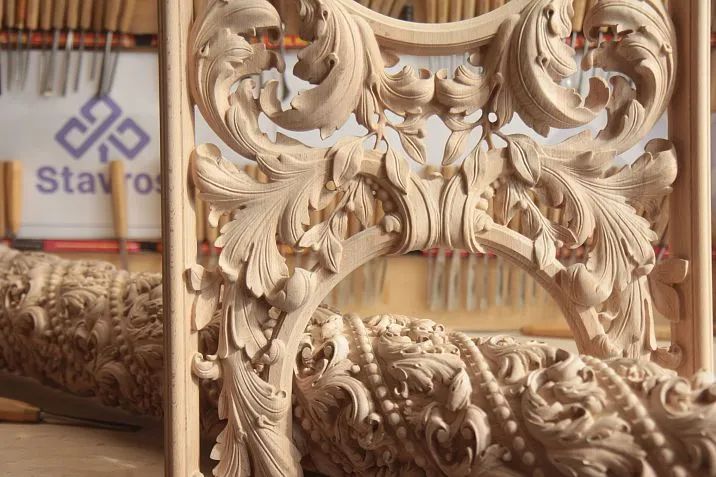
The stunning beauty of three-dimensional sculpture can instantly transform any room, turning an ordinary wall into a work of art. to add depth and volume to your walls. Represent a refined combination of artistic craftsmanship and functional design, allowing to create a unique atmosphere in any residential or commercial space. In an era of individualization and the pursuit of uniqueness, three-dimensional decorative elements have become a powerful tool for self-expression through architectural forms.
Modern production technologies for decorative reliefs have opened up boundless possibilities for designers and property owners. From classical plaster compositions to innovative polyurethane solutions — each material possesses unique characteristics, enabling the realization of the most daring creative concepts under any climatic conditions.


Conceptual solutions in modern interior design
Relief art in modern interiors goes far beyond simple decoration, becoming a philosophy of spatial thinking. Each element carries deep meaning, tells a story, and creates an emotional connection between the person and the architectural environment.
The psychological impact of three-dimensional forms is based on the characteristics of human perception of three-dimensional space. Relief surfaces activate brain areas responsible for tactile sensations, even during visual contact. This is why well-executed reliefs evoke an irresistible desire to touch, explore the texture, and feel the play of light and shadow.
The sociocultural context of modern decorative solutions reflects the desire for individualization of living space. In an era of mass construction and standardized layouts, reliefs become a way to stand out, emphasize status, demonstrate refined taste and cultural level of the owner.
The functional component of three-dimensional decor includes numerous practical tasks: zoning of space, masking structural flaws, improving acoustic characteristics of the room, creating focal points in interior compositions.




Material innovations in decorative art
A revolution in materials science has fundamentally changed the possibilities for creating reliefs for interior decoration. Modern composites surpass traditional materials in all parameters — from durability to artistic realization capabilities.
High-density polyurethane of the latest generation possesses unique properties making it an ideal material for interior reliefs. Density of 180-350 kg/m³ ensures exceptional detail at minimal weight of the finished product. The material withstands temperature fluctuations from -50°C to +80°C without deformation or cracking.
Nanomodified compositions contain special additives that impart self-cleaning properties to the surface. Photocatalytic components break down organic contaminants under natural lighting, ensuring ideal cleanliness of decorative elements for many years.
Reinforcement systems made of carbon or fiberglass fibers increase the strength of products by 3-5 times compared to conventional materials. This allows creating reliefs with extremely fine elements — from delicate botanical ornaments to complex architectural details.
The ecological safety of modern materials is confirmed by international certifications. Absence of volatile organic compounds, hypoallergenic properties, and suitability for use in children's facilities make polyurethane reliefs a universal solution for any interior.
Our factory also produces:


Stylistic Diversity of Decorative Solutions
The richness of artistic directions in modern relief art reflects humanity's cultural heritage and current design trends. Each style offers its own understanding of beauty and methods of its embodiment in three-dimensional forms.
Neoclassical elegance remains an eternal standard of aristocratic taste. Strict proportions, symmetrical compositions, traditional motifs — acanthus leaves, rosettes, palmettes — create an atmosphere of solemn grandeur. Portrait reliefs of historical figures, mythological scenes, allegorical compositions transform walls into galleries of high art.
Nature-themed motifs are expressed in botanical compositions of unprecedented beauty and realism. Each rose petal, each oak leaf is meticulously crafted with scientific precision and artistic sensitivity. Blooming gardens unfolding directly on walls create an atmosphere of eternal spring and harmony with nature.
Animal masterpieces embody the grace and beauty of the animal world. Noble lions symbolizing greatness and strength, elegant horses embodying freedom of movement, exotic birds carrying the energy of distant lands — each piece tells its unique story.
The abstract expressiveness of modern art is manifested in geometric compositions, where beauty arises from the play of forms, proportions, rhythmic repetitions. Smooth organic lines, unexpected texture combinations create works speaking the language of emotions.
Ethnic motifs reveal the richness of global cultural traditions. Celtic patterns, Slavic ornaments, Eastern mandalas, African masks — each culture contributes its unique images and symbols, creating an unparalleled atmosphere of cultural diversity.
Get Consultation
Technological Processes of Creating Perfection
Behind every outstanding relief for interior decoration stand hours of meticulous craftsmanship and precise technological processes. Modern production combines centuries-old traditions of handcraft with high-precision computer equipment.
Computer 3D modeling allows creating projects of unprecedented complexity and detail. Specialized programs enable experimenting with forms, calculating light and shadow interplay, optimizing composition until achieving an ideal artistic result. Virtual reality allows the client to 'walk through' the future interior even before production begins.
Precision CNC machining of master models ensures reproduction accuracy down to 0.01 mm. Such precision allows creating details impossible to produce manually — delicate lace ornaments, complex interweavings, microscopic textures mimicking various natural materials.
Multi-component casting in vacuum chambers at 2-4 atmospheres eliminates the formation of pores, cavities, and other defects. The process occurs at controlled temperature 60-80°C, ensuring perfect filling of the thinnest mold elements without losing details.
Robotized finishing guarantees museum-quality finish for each item. Automated systems control parameters of grinding, polishing, and protective coating application with precision unattainable by manual processing.
Color solutions and decorative effects
The mastery of decorative relief finishing determines the final impression of the artwork. Modern coloring technologies allow creating effects that astonish with their realism and artistic expressiveness.
Multi-layer patination — an ancient art of artificial aging — has reached unprecedented perfection today. Masters use up to 15 different compounds to create complex patinas mimicking natural material aging over centuries. Green copper patina, noble bronze gray, darkened silver — each effect requires special technologies and materials.
Metallic surface coatings create effects of noble metals with remarkable authenticity. Ion spray technology allows applying ultra-thin layers of real gold, silver, platinum, creating coatings indistinguishable from solid metal items. Various gold tones — from warm red to cool white — create different emotional effects.
Pearl-like coatings use special pigments creating color play depending on viewing angle and lighting. The relief surface reflects all colors of the rainbow, creating a captivating spectacle, especially effective under dynamic lighting.
Textile fiber flocking creates incredibly beautiful velvety surfaces. Different colors and fiber lengths allow mimicking the most diverse textures — from delicate peach down to luxurious royal velvet.
Integration of lighting into decorative compositions
Proper lighting can transform even a simple relief into a museum-level artwork. Modern LED lighting technologies open boundless possibilities for creating lighting effects and dramatic compositions.
Directional accent lighting at optimal angles of 25-45 degrees creates clear, expressive shadows highlighting every detail of the relief. Using LED sources with adjustable color temperature 2700K-6500K allows creating various emotional effects — from warm cozy light to cold festive illumination.
Hidden contour backlighting turns the relief into a self-illuminating art object. Ultra-thin LED strips embedded along the perimeter or in relief recesses create an internal glow effect, especially impressive at night or under dim ambient lighting.
Dynamic programmable lighting with microprocessor controllers allows creating real light shows. Smooth color transitions, pulsing effects, synchronization with musical accompaniment transform a static relief into a living, breathing artwork.
Projection technologies open possibilities for creating interactive multimedia compositions. High-precision projectors overlay dynamic images onto relief surfaces, creating volumetric light pictures of incredible beauty and expressiveness.
Functional capabilities in architectural space
Modern decorative reliefs for interior perform multiple functions far beyond simple decoration. They become active elements in organizing space and solving practical design tasks.
Visual zoning of large open spaces is achieved through large-scale relief compositions. Vertical panels can serve as decorative partitions, visually dividing a single space into functional zones — living and dining areas, work and relaxation zones — while preserving the sense of spaciousness and unity.
Architectural correction of room proportions is achieved through proper selection of relief elements' orientation and character. Vertically oriented compositions visually increase ceiling height, horizontal ones expand narrow spaces, creating an illusion of greater volume.
Masking structural flaws — an important practical function of decorative elements. Poorly placed beams, protruding utilities, height differences can not only be concealed but transformed into artistic features of the interior, creating unique relief compositions.
Acoustic optimization is achieved through relief surfaces that facilitate proper sound wave dispersion. This is especially important for home theaters, music rooms, conference rooms, where acoustic quality critically affects user comfort.
Stylistic integration into various design directions
The versatility of reliefs is manifested in their ability to seamlessly fit into the most diverse stylistic directions of modern design. The secret to successful integration lies in understanding the fundamental principles of each style and making the right choice of scale, subject, and color scheme.
In classical interiors, reliefs naturally extend the architectural composition. Cornices, pilasters, friezes, arched openings adorned with relief elements create a unified artistic space where every detail adheres to a harmonious concept of grandeur and aristocracy.
Modern minimalist styles use reliefs as powerful contrasting accents. A concise monochromatic relief composition against perfectly smooth surfaces creates an impressive visual effect, demonstrating refined taste and understanding of contemporary design principles.
Eclectic interiors offer boundless opportunities for creative experimentation. Skillful combination of reliefs from different styles and eras within a single space requires exceptional designer craftsmanship, but the result can surpass even the most daring expectations, creating unique, original interiors.
Ethnic styles find in reliefs the ideal means to create an authentic atmosphere. Scandinavian runes, Mediterranean motifs, Eastern ornaments, Russian folk patterns — each cultural tradition receives a worthy embodiment in three-dimensional forms.
Technical aspects of professional installation
Installing reliefs requires the highest level of professionalism, as even minor errors can disrupt the visual perception of the entire composition. Modern installation technologies ensure an ideal result when all technical requirements are met.
Engineering and technical assessment of the foundation includes analyzing the load-bearing capacity of walls, determining the material of structures, identifying hidden utilities. Using thermal imaging equipment and ultrasonic thickness gauges allows obtaining an accurate picture of the foundation's condition.
Precision marking is performed using laser levels, tachometers, and special mounting templates. For complex multi-element compositions, a detailed mounting drawing to scale is created and transferred to the wall using perforation or laser projection methods.
High-tech new-generation adhesive systems provide joint strength up to 3.5 MPa while maintaining joint elasticity. Two-component polyurethane adhesives compensate for thermal deformations, prevent crack formation, and ensure long-term durability of the mounting for 25-30 years.
Final finishing and protection include meticulous sealing of mounting joints, sanding transitions, and application of protective coatings. Each stage is controlled by master craftsmen using measuring tools that guarantee museum-quality results.
Economic aspects of investments in decorative art
Investments in quality interior reliefs for decoration should be considered as long-term investments in beauty, comfort, and prestige. Modern materials and technologies ensure an operational period exceeding 30 years without loss of aesthetic qualities.
Pricing structure depends on multiple factors: complexity of the artistic solution, size of the composition, materials used, and manufacturing technology. Mass-produced items of medium complexity cost from 3,500 rubles per square meter, exclusive original works may cost up to 75,000 rubles per square meter.
Cost savings on repairs are achieved due to the exceptional durability of modern materials. Unlike wallpapers, decorative paints, or other finishes requiring renewal every 5-7 years, high-quality reliefs retain their original beauty for decades, significantly reducing overall property ownership costs.
Increase in property market value — the most important economic effect of high-quality artistic decoration. Unique interior solutions significantly enhance the property's appeal in the real estate market, providing additional profit of 15-25% upon sale or rental.
Tax advantages in certain jurisdictions allow considering investments in artworks as tax-advantaged assets, further enhancing the economic attractiveness of high-quality reliefs.
Care and preservation of artistic value
Modern reliefs require minimal maintenance due to the use of high-tech materials and coatings. Proper care ensures preservation of the original beauty for many decades.
Regular preventive maintenance involves gentle dust removal using specialized anti-static brushes or vacuum cleaners with adjustable suction power. Complex reliefs require special attention to hard-to-reach areas where dirt may accumulate.
Wet cleaning is permitted only using neutral cleaning agents with pH 6.5-7.5 and soft materials. Aggressive chemicals, abrasive materials, and high water pressure are strictly prohibited, as they may damage decorative coatings.
Climate control of the room contributes to maximum longevity of decorative elements. Optimal parameters: temperature 18-24°C, relative humidity 45-60%, absence of sharp temperature and humidity fluctuations, quality ventilation without drafts.
Professional restoration, when necessary, is performed by specialists using original materials and technologies. Timely elimination of minor defects prevents serious damage, preserving the original beauty of the artwork.
Prospects for the development of decorative art
Modern art of creation decorative reliefs for interior is actively developing, adopting the latest technologies and materials. Trends of the near future are defined by integration of digital solutions and principles of sustainable development.
Interactive technologies transform reliefs into elements of a 'smart home'. Built-in motion, temperature, and humidity sensors allow creating dynamic compositions that respond to human presence by changing lighting, color, even reproducing sound effects.
Ecological innovations have become a priority for industry development. Biodegradable polymers, materials from recycled raw materials, natural dyes and coatings form a new production philosophy oriented toward minimizing environmental impact.
Personalization of mass production reaches unprecedented levels thanks to digital technologies. Each customer receives the opportunity to create an absolutely unique piece reflecting personal preferences, family history, cultural roots, while maintaining economic accessibility.
Multimedia integration opens up horizons for creating comprehensive artistic installations. Reliefs with built-in displays, projectors, and sound systems become centers of next-generation information and entertainment systems.
Conclusion
Art reliefs for interior decoration is experiencing a true renaissance in the modern world, combining centuries-old traditions with innovative technologies. Each piece becomes a unique reflection of the owner's personality, cultural level, aesthetic preferences, and life philosophy.
Modern materials and manufacturing technologies make high art accessible to a broad circle of admirers. The durability, practicality, and ecological safety of modern reliefs combine with unparalleled aesthetic qualities, creating an optimal balance of beauty and functionality.
Investing in quality decorative reliefs is an investment in quality of life, emotional comfort, and personal cultural development. Artworks do not merely decorate a home — they shape worldview, cultivate artistic taste, and provide daily joy from contemplating beauty.
Choosing reliefs for your interior means choosing not just decorative elements, but loyal companions of life who will delight you and your descendants for decades. Beauty is eternal, and properly crafted decorative artworks become worthy custodians of that beauty.
The future of decorative reliefs is linked to further technological development while preserving the core — the pursuit of beauty, harmony, and perfection. Each new artwork will be another step on humanity’s endless path toward creating an ideal living space.
Technological progress opens new horizons for creativity, but the one thing that remains unchanged is the desire to surround oneself with beauty, to create a space that inspires, calms, and elevates the soul. It is precisely this mission that quality reliefs fulfill in modern interiors.
STAVROS, recognized as a leading company in creating exclusive decorative solutions, offers a full range of services for designing, manufacturing, and installing reliefs of any complexity. A team of highly skilled artists, designers, and technicians brings the most daring creative concepts to life, creating works that become true masterpieces of decorative art.
Decades of experience working with various styles and materials, deep understanding of modern design trends, use of advanced manufacturing technologies, individual approach to each project, guaranteed quality of execution — all of this makes STAVROS the ideal partner for creating unique interior solutions. From the first consultation to the grand completion of the project — every stage is accompanied by maximum professionalism and impeccable attention to detail, worthy of true works of art.


