Article Contents:
- Historical Heritage and Modern Interpretation
- Psychology of Perceiving Picture Frame Forms
- Technological Features of Picture Frame Molding Production
- Selection and Preparation of Wood for Picture Frame Profiles
- Modern Technologies for Milling Picture Frame Profiles
- Classification of Picture Frame Profiles and Their Applications
- Protective Treatment and Finishing Coatings
- Traditional Picture Frame Profiles
- Modern Interpretations of Classical Forms
- Specialized Picture Frame Solutions
- Design Solutions Using Picture Frame Molding
- Creating Panel Compositions
- Picture Frame Framing in Furniture Design
- Picture Frame Solutions for Ceiling Decoration
- Wood Species for Picture Frame Molding
- Premium Hardwood Species
- Coniferous Species in Picture Frame Production
- Exotic Species in the Premium Segment
- Technological Aspects of Installing Picture Frame Molding
- Special Tools and Equipment
- Preparation Work and Planning
- Technologies for Joining and Connecting
- Modern Trends in Picture Frame Design
- Personalization and Customization
- Integration with modern technologies
- Ecological Trends and Sustainable Development
- Economic Aspects of Using Picture Frame Molding
- Investment Appeal of Quality Picture Frame Molding
- Pricing Formation for Picture Frame Molding
- Cost Optimization Without Compromising Quality
- Specialized Areas of Application
- Specialized Areas of Application
- Picture molding in yacht design
- Restoration projects
- Premium commercial interiors
- Frequently Asked Questions about picture molding
- How does picture molding differ from regular molding?
- Which wood species are best suited for picture molding?
- Can picture molding be made according to a custom sketch?
- How to properly care for picture molding?
- How long does it take to manufacture custom picture molding?
- What factors affect the cost of picture molding?
- Can picture molding be used in humid areas?
- How to choose the right size of picture molding profile?
- What tools are needed for self-installation?
- What are the advantages of picture molding over regular molding?
- Conclusion: craftsmanship and quality with STAVROS
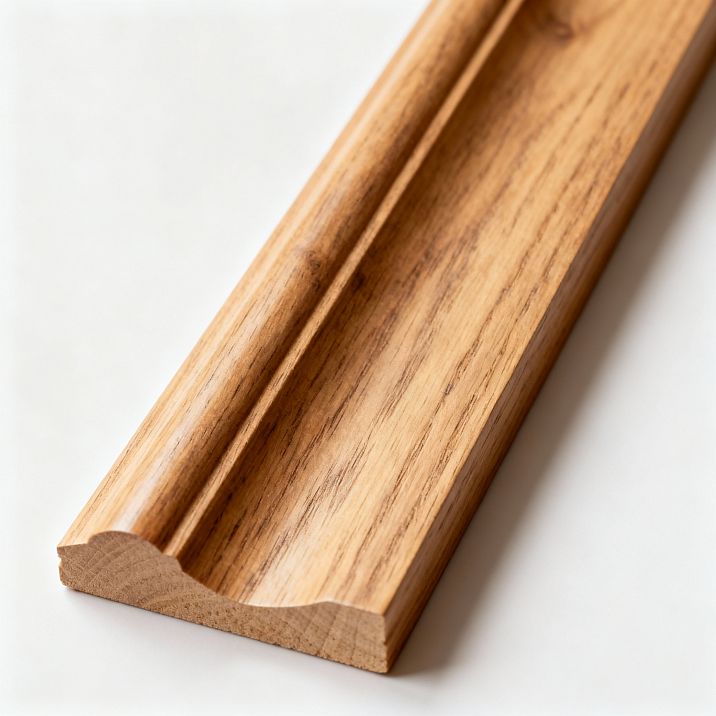
Imagine a world where every line of interior design tells a story, where each decorative element is a work of art, and every detail reflects the owner's impeccable taste.Molded wooden trimThis is precisely the material capable of transforming an ordinary space into a true gallery of sophistication and elegance. In an era of mass production and standardization, when individuality becomes luxury, wooden picture molding remains a symbol of exclusivity and craftsmanship.
What drives world-class designers to repeatedly turn to this material? Why, despite the emergence of numerous modern alternatives,Molded wooden trimcontinues to remain the unrivaled choice for creating luxurious interiors? The answer lies in the unique combination of functionality, aesthetics, and that special charm only natural wood can provide.
Modern interior design is experiencing a true renaissance of picture molding technology. Masters are rediscovering the possibilities offered by high-quality wooden molding, creating spaces where classical elegance harmoniously blends with contemporary functionality.Molded wooden trimBecomes the connecting element that unites various interior elements into a harmonious composition.


The philosophy of picture molding art in modern interiors




Historical heritage and modern interpretation
Picture molding art traces its roots back centuries, when master carpenters created exquisite frames for masterpieces. Each profile, each groove had its own meaning and purpose. TodayWooden moldingscontinue this tradition, adapting classical forms to the needs of modern design.
The evolution of picture molding reflects changes in societal architectural preferences. From the baroque opulence of the 18th century to the minimalist elegance of the 21st century, wooden molding has been able to transform while preserving its essence—the ability to enhance space and impart character.
Wood skirting boardIn picture molding form—this is not merely a functional element concealing the junction between wall and floor. It is an architectural detail that defines the character of the entire room. A high picture molding baseboard creates a sense of grandeur and respectability, while a low one emphasizes modernity and minimalist design.
Our factory also produces:


Psychology of picture molding forms perception
Human perception is structured so that we intuitively respond to certain shapes and proportions. Picture molding profiles, created according to classical architectural canons, evoke a sense of harmony and completeness.Furniture corniceWith the right picture molding profile, furniture can visually appear taller, gaining solidity and respectability.
The play of light and shadow created by the relief surfaces of picture molding adds depth and dynamism to the interior. Each protrusion and each groove functions as a miniature sculpture, altering its appearance depending on lighting. This is especially important in northern latitudes, where natural light is insufficient, and every interior element must work as efficiently as possible with it.
Oak casingThe crown molding does not simply frame the doorway—it creates a majestic portal, emphasizing the importance of transitioning from one space to another. Properly selected proportions of crown molding can visually enlarge or reduce the opening, making it more elegant or, conversely, more substantial.
Get Consultation
Technological Features of Crown Molding Production
Selection and Preparation of Wood for Crown Molding Profiles
Creating High-QualityCrown Molding of WoodenThe process begins with careful selection of raw material. Not every wood is suitable for manufacturing complex crown molding profiles. The material must possess certain characteristics: uniform structure, minimal knots, and dimensional stability under varying humidity levels.
Oak remains the unrivaled material for premium crown molding.oak lumberCrown molding with an oak profile can serve for decades without losing its beauty or the clarity of its geometric forms. The dense structure of oak wood allows for creating the most complex profiles with the finest details, which only become more pronounced over time due to the natural patina.
Beech offers other opportunities for crown molding creativity.Beech parquetIt features a lighter tone and uniform texture, making it ideal for modern interpretations of classic crown molding forms. Beech wood takes staining exceptionally well, allowing for crown molding in any desired shade.
Modern Technologies for Crown Molding Profiles
Creating complex crown molding profiles requires the highest level of craftsmanship and precision equipment. Modern CNC routers allow for reproducing historical profiles with mathematical accuracy while preserving all nuances of classic samples.
Oak BeamUndergoes a multi-stage processing, each stage critically important for achieving a high-quality result. Preliminary planing creates a perfectly flat surface, routing forms the profile, and final sanding imparts an impeccable smoothness.
Quality control at every stage of production ensures that the finished product meets the highest standards.Oak timber beamIt is checked for geometric parameters with precision down to tenths of a millimeter, as even minor deviations may ruin the appearance of the finished product.
Protective Treatment and Final Coatings
Crown molding intended for use in premium-class interiors requires a special approach to protective treatment.Oak skirting boards are an indispensable element of classic interior styles. In the English style, oak skirting boards with rich carving emphasize the aristocracy and solidity of the space. Dark wood tones harmonize beautifully with traditional materials — natural stone, leather, bronze.Must retain their beauty and profile clarity for many years, which is impossible without quality protection against external influences.
Modern eco-friendly varnishes and oils not only protect the wood but also highlight its natural beauty. Multi-layer coating systems create a reliable barrier against moisture, ultraviolet radiation, and mechanical damage, while preserving the wood's ability to 'breathe'.
Staining Crown Molding – is a separate art form.wooden oak casingCan acquire any desired shade—from natural honey to deep chocolate. At the same time, it is important to preserve the visibility of the wood's texture, which is one of the main advantages of natural material.
Classification of Crown Molding Profiles and Their Applications
Traditional Crown Molding Profiles
Classic crown molding art has developed numerous canonical profiles, each with its own name and area of application.Wood MoldingIn crown molding, profiles such as ogee, round, cove, quarter, and many other forms are possible, each creating its own unique visual effect.
Ogee is one of the most elegant and popular profiles, combining concave and convex elements. This profile creates a soft play of light and shadow, imparting a special elegance to the interior.Wooden molding for furnitureWith an ogee profile, it is possible to transform an ordinary cabinet into a piece of furniture art.
A round profile is a convex semicylindrical profile, often used as a standalone element or in combination with other profiles. A cove profile is concave, opposite to the round in shape. Combining these elements creates rich compositional possibilities for designers.
Modern interpretations of classic profiles
Modern design does not reject classic profile forms, but reinterprets them in accordance with current trends.Molding to look like wood for wallsIt may have a simplified profile, where the main proportions of the classic profile are retained, but minor details are omitted.
Minimalist profile – a new direction in the design of molding. Simple geometric shapes, clean lines, absence of excessive ornamentation characterize this direction.Decorative wooden stripIn a minimalist execution, it may have only one or two profile elements, yet still retain the elegance of the profile form.
Asymmetric profiles – another modern trend in profile design. Such profiles create dynamic compositions, highlight the modernity of the interior, while maintaining a connection with classic traditions.
Specialized profile solutions
The development of technology has enabled the creation of specialized profile solutions for specific applications.wooden planks on the wallProfiles can be used to create panel compositions that imitate expensive historical finishes.
Profiles for concealed lighting – an innovative solution that allows integrating LED strips into decorative interior elements.Wooden boards in interiorWith such profiles, they create striking backlighting that highlights architectural details.
Corner profile elements solve the problem of joining straight profiles at room corners. These specialized elements are manufactured taking into account the specific features of a particular profile and ensure perfect alignment without visible seams.
Design solutions using profile molding
Creating panel compositions
Panel compositions are a classic method of wall decoration that is experiencing a new resurgence in modern design.Wall cladding with wooden lathsUsing profile profiles allows creating complex geometric compositions that become the central element of the interior.
Rectangular panels – the most popular solution for classic interiors. The size and proportions of panels should correspond to the scale of the room and ceiling height.Thin wooden lathsWith a profile, they create an elegant frame that does not overload the space.
Rhomboid and polygonal panels add dynamism and originality to the interior. Such compositions require high skill in design and installation, but the result justifies the effort.wooden strips, beamsThey serve as the basis for creating frames of complex geometric shapes.
Profile framing in furniture design
Furniture with profile decoration always looks more expensive and more substantial than ordinary furniture.wooden cornices for furnitureWith a profile, they transform a simple structure into a luxury item. Kitchen facades adorned with profile elements create an atmosphere of handcrafted, high-end furniture.
Profile framing of cabinet doors – a classic method in furniture design.buy wooden cornice for furnitureWith the right profile, it means investing in the long-term beauty of the furniture. A properly selected profile can visually alter the proportions of the furniture, making it more elegant or, conversely, more substantial.
Built-in furniture with profile finish integrates into the interior as an architectural element.Buy wooden cornicesFor built-in structures, it means creating the impression that the furniture is an inseparable part of the room's architecture.
Profile solutions for ceiling decoration
Ceiling profile – a classic element that never goes out of style.Ceiling skirting board woodWith a molding profile, it creates an elegant ceiling frame, visually increases the room's height, and adds grandeur.
Multi-level ceiling compositions using various molding profiles allow creating complex architectural forms. Each level can have its own profile, creating a rich play of light and shadow.Ceiling baseboard woodenLarge-section profiles are suitable for rooms with high ceilings.
Recessed panels and coffered ceilings are ceiling decoration elements that require the use of special molding profiles. These elements are created by combining various profiles and require high craftsmanship.
Wood species for molding trim
Premium hardwoods
The choice of wood species for molding trim is determined not only by aesthetic but also technical considerations.Beech door casingIt has ideal characteristics for creating complex molding profiles. The uniform structure of beech wood allows creating the finest details without the risk of chipping.
Ash offers unique opportunities for molding creativity due to its expressive texture and high strength. Ash molding is especially effective when stained in dark tones, as the contrasting texture creates an additional decorative effect.
Walnut is a species for true connoisseurs. Its natural dark color and noble texture make walnut molding a true work of art.Buy beech casingOr walnut means investing in a material that will only increase in value and beauty over the years.
Coniferous wood species in molding production
Coniferous wood species are also used in molding trim production, especially when creating large-section items or when economic efficiency of the project is important. Properly processed pine can yield excellent results in molding applications.
Larch deserves special attention due to its unique properties. Its natural resinous nature makes this wood resistant to moisture and biological influences, which is especially important for elements operating under harsh conditions.
Cedar, despite its softness, can be used to create large-section molding items, where its natural beauty and aroma add additional value. However, working with cedar requires special skill due to the wood's tendency to chip.
Exotic wood species in the premium segment
Exotic wood species open new horizons for molding creativity. Wenge, ebony, rosewood — these species create molding items of exceptional beauty and value. Their use is justified in projects of the highest level, where every detail must be flawless.
Teak is ideally suited for molding items operating under high humidity conditions. Teak molding for yachts — a genre classic, proven by decades of maritime experience.
Mahogany — a species traditionally associated with luxury and prestige. Mahogany molding items feature a noble reddish-brown hue and the ability to develop a magnificent patina over time.
Technological aspects of installing molding trim
Preparation and planning
Quality installationCrown Molding of WoodenPlanning begins long before the actual installation. Detailed planning, creating working drawings, calculating materials — all these stages are critically important for achieving a flawless result.
Surface preparation requires special attention. Walls must be perfectly flat, as any irregularities will be accentuated by molding profiles.Wide Wooden Skirting BoardThe ceiling is especially demanding in terms of the quality of the base preparation.
Material acclimatization is another important stage. Wooden items must adapt to the conditions of the room where they will be installed. This is especially important for complex molding profiles, which may deform under sudden changes in humidity.
Special tools and fixtures
Installing molding trim requires specialized tools. A miter saw with precise angle adjustment, professional miter gauge, profile routers — all of these are necessary to achieve a quality result.with a classic profile creates a sense of solidity, reliability.Cutting with a molding profile requires especially precise cutting.
Templates and patterns help ensure accuracy when manufacturing complex elements. Special jigs are made for repeating details, ensuring identical elements in the composition.
Fastening systems for molding trim must ensure secure fastening with minimal impact on the face surface. Hidden fasteners, special adhesives, micro-screws — all of these are part of a professional installer's toolkit.
Joining and connection technologies
Joining crown molding elements is the highest level of installer craftsmanship. Complex profiles require precise fitting of each element.Buy wooden ceiling moldingQuality also means finding a craftsman capable of professionally installing it.
Corner joints are the most complex part of installation. Each profile type requires its own approach to creating a corner joint. Some profiles require custom corner elements, while others can be joined at a 45-degree angle.
Expansion gaps are necessary to prevent deformation due to seasonal changes in wood dimensions. These gaps must be calculated based on the wood species, element sizes, and operating conditions.
Modern trends in crown molding design
Integration with modern technologies
Modern crown molding trim does not remain detached from technological progress.Wooden planks for wall decorationcan integrate lighting systems, audio systems, smart home elements.
LED lighting integrated into crown molding profiles creates striking light compositions. Specifically designed profiles allow hiding LED strips, creating even lighting without visible light sources.
Wireless technologies allow integrating motion, temperature, and humidity sensors into crown molding structures.Buy wooden planks for decorationwith built-in technologies means creating an intelligent space.
Growing attention to ecological issues makes wooden balusters even more attractive. Wood is a renewable resource, and its production does not harm the environment when managed sustainably.
Ecological awareness in modern society influences all aspects of design, including crown molding art.form the architecture of walls and ceilings, creating a play of light and shadow.made from certified wood become not just decorative elements, but also a statement of ecological responsibility.
Using local wood species reduces the product's carbon footprint and supports the local economy. Recycling wood waste in crown molding trim production contributes to rational resource use.
Water-based varnishes and eco-friendly protective coatings replace traditional coatings based on organic solvents. This is not only safer for health, but also reduces environmental impact.
Personalization and customization
Modern consumers increasingly seek uniqueness and personalization of their space.Wooden railsare manufactured according to individual projects, taking into account the specific features of the interior and the client's preferences.
Digital design technologies allow creating unique crown molding profiles that perfectly match a specific interior. 3D modeling allows the client to see the result even before production begins.
Customization of traditional profiles is another trend in modern crown molding design. Classic shapes are adapted to modern requirements, preserving their aesthetic value while gaining new functionality.
Economic aspects of using crown molding trim
Investment attractiveness of quality crown molding
QualityMolded wooden trimrepresents a long-term investment in beauty and property value. Unlike many modern finishing materials, wooden crown molding does not lose its appeal over time, but instead gains additional value due to the natural aging of wood.
The impact of quality finishing on property value is difficult to overestimate.Wooden baseboardin crown molding finish can increase the attractiveness of the property to potential buyers or renters by 15-25%.
Possibility of restoration and updating is an important economic advantage of wooden crown molding. Unlike artificial materials that require complete replacement upon wear, wooden trim can be restored, repainted, and its protective coating renewed.
Pricing of crown molding trim
The cost of crown molding trim is influenced by many factors. Profile complexity plays a key role — the more details in the profile, the more expensive its production.wide wooden baseboardwith a crown molding profile may cost several times more than a simple rectangular one.
Wood species significantly affects the cost. Exotic species may cost 5-10 times more than local ones, but their exceptional beauty and unique properties often justify such investments. Order volume also affects the price — large batches allow reducing the unit cost of the product.
Custom-made products are always more expensive than standard ones, but the result fully justifies the cost. A unique profile, created specifically for a particular project, becomes its signature feature.
Cost optimization without compromising quality
There are ways to optimize the cost of molding profiles without compromising the final result's quality. Combining different wood species allows using expensive materials only for visible elements, while hidden parts can be made from more affordable species.
Standardizing profiles within a project reduces overall production costs. Using one or two base profiles for all interior elements creates visual unity and saves money.
Proper planning and accurate material calculation eliminate waste and the need to purchase materials at retail prices.wooden skirting boards for floor purchaseIt's better to have a small surplus than to later search for an exact match profile.
Specialized application areas
Molding profiles in yacht design
Yacht design imposes special requirements on finishing materials.buy wooden lumberFor yachts, this means selecting materials capable of withstanding marine environments, temperature fluctuations, and increased humidity.
Traditionally, teak is used for yachts, but modern processing technologies allow using other species. Special stains and coatings ensure longevity even in aggressive marine environments.
Molding profiles on yachts serve not only decorative but also practical functions. They can act as handrails, protect corners from damage, conceal utilities. Each element must be not only beautiful but also functional.
Irkutsk masters actively participate in the restoration of historical buildings in Siberia. Their rich experience and deep understanding of traditions allow them to create items indistinguishable from historical samples.
Restoring historical objects requires precise reproduction of original molding profiles.Oak wooden planks for wallsFor restoration projects, profiles are manufactured based on preserved samples or historical drawings.
Modern 3D scanning technologies allow precise reproduction of complex historical profiles. A digital model is used to program CNC machines, which recreate the profile with mathematical precision.
The choice of wood for restoration work must correspond to the historical period. Using species not available during the original's creation is unacceptable from a historical accuracy standpoint.
Premium-class commercial interiors
Premium-class commercial objects use molding profiles to create an atmosphere of luxury and prestige.Wooden profileIn molding execution, it becomes a tool for shaping the company's image.
High-end restaurants, luxury brand boutiques, private banks — all these establishments use high-quality wooden molding to create the appropriate atmosphere. Clients subconsciously associate quality finishes with the quality of services provided.
Durability and the possibility of renewal make molding profiles an economically advantageous solution for commercial objects. Initial investments are recouped through the creation of a prestigious image and long service life.
Frequently Asked Questions about Molding Profiles
How does molding profile differ from regular molding?
Molding profile differs from regular molding in profile complexity and execution quality. Molding profiles are created according to classical architectural canons and feature complex geometry with multiple elements. Regular moldings may have simple profiles and are manufactured from various materials, including MDF and plastic. Molding profile is always made from high-quality natural wood.
Which wood species are best suited for molding profiles?
The choice of species depends on the item's purpose and project budget. Oak is considered the optimal choice due to its strength, stability, and elegant appearance. Beech offers an excellent price-to-quality ratio and is easy to process. Ash is suitable for items subjected to mechanical stress. Exotic species (walnut, mahogany, teak) are used in premium projects.
Can a molding profile be manufactured based on an individual sketch?
Modern technologies allow manufacturing molding profiles of virtually any complexity based on individual sketches. The process begins with creating a digital profile model, followed by manufacturing special cutters for the milling machine. The minimum order for an individual profile is usually 50-100 linear meters, due to production setup costs.
How to properly care for molding profiles?
Caring for molding profiles includes regular dust cleaning with a soft cloth, maintaining optimal room humidity (40-60%), and protection from direct sunlight. Protective coatings should be renewed periodically — frequency depends on usage conditions, but typically every 5-7 years. Minor damages should be addressed immediately using special repair compounds.
How long does it take to manufacture custom breadboard trim?
Manufacturing time depends on the profile complexity, order volume, and wood species. Standard profiles made from common species (oak, beech, pine) are produced in 2-3 weeks. Custom profiles require additional time for tool preparation — up to 4-6 weeks. Exotic species may extend lead times due to the need to order special raw materials.
What factors affect the cost of decorative molding?
Main pricing factors: profile complexity (number of elements and transitions), wood species, surface finish quality, order volume, and manufacturing urgency. Custom profiles are always more expensive than standard ones due to costs for manufacturing special tools. Exotic species may cost 5-10 times more than local ones. Final finishing (staining, special coatings) also increases the cost.
Can decorative molding be used in humid rooms?
Using decorative molding in humid rooms is possible, but requires a special approach to material selection and treatment. It is necessary to choose wood species with natural moisture resistance, such as larch or teak, or to provide quality moisture protection for common species. A multi-layer protective coating system and proper room ventilation are mandatory. Regular maintenance and monitoring of coatings will extend the molding’s service life in challenging conditions.
How to choose the right decorative molding profile size?
Choosing the decorative molding profile size depends on room scale, ceiling height, and element purpose. For rooms with 2.5–2.7 m ceilings, profiles 50–80 mm wide are suitable. In rooms with high ceilings, more substantial profiles up to 150 mm and more can be used. It is important to maintain proportions — a too small profile will disappear in a large space, while an overly large one will look out of place in a small room.
What tools are needed for self-installation?
For quality installation of decorative molding, you will need: a miter saw with adjustable angle settings, a professional miter box, a drill with a set of drill bits, a level, a tape measure, and a pencil for marking. Additionally, special fasteners, wood glue, and wood filler for joint sealing are required. For complex profiles, a router may be needed to adjust connections.
What are the advantages of decorative molding over standard moldings?
Decorative molding surpasses standard moldings in several parameters: profile complexity and expressiveness, material quality and finish, durability, and restorability. Decorative profiles are created according to classical architectural canons, ensuring harmonious proportions and aesthetic value. Using only high-grade natural wood guarantees long service life and the possibility of multiple coating renewals.
Conclusion: craftsmanship and quality with STAVROS
Molded wooden trimRepresents the pinnacle of craftsmanship in interior decorative finishing. This unique material combines centuries-old traditions of decorative molding art with modern requirements for functionality and durability. In an era of mass production and standardization, decorative molding remains a symbol of individuality, refined taste, and attention to detail.
Modern production technologies have enabled unprecedented quality of finishing and geometric precision, while preserving all the advantages of handcrafted work.Wooden moldingsDecorative molding profiles are now available not only for palace interiors but also for ordinary apartments and homes, where they create an atmosphere of luxury and respectability.
Ecological aspects of using natural wood are gaining increasing importance in the modern world. Decorative molding is not only safe for health but also contributes to creating a favorable microclimate in rooms. The possibility of multiple restorations and renewals makes it an ecologically responsible choice.
Investing in quality decorative molding is investing in long-term beauty and increased property value. Properly selected and professionally installed decorative elements serve for decades, becoming family heirlooms passed down from generation to generation.
The future of decorative molding art lies in the harmonious combination of classical traditions with innovative technologies. Integration of modern lighting systems, use of eco-friendly coatings, application of digital design technologies — all this serves the development and refinement of this ancient craft.
For many years, STAVROS has remained faithful to the highest quality traditions in wooden molding production. Combining deep knowledge of classical molding techniques with modern production capabilities allows STAVROS to create products that meet the most demanding requirements of designers and architects.
STAVROS uses only carefully selected wood from noble species, each production stage is controlled by experienced masters, and finished products undergo strict quality checks before delivery to clients. Individual approach to each order, possibility of manufacturing unique profiles based on customer sketches, full project support cycle from design to installation — all this makes STAVROS a reliable partner for implementing the most ambitious design projects.