










































































Article Contents:
- Quick navigation through STAVROS catalogs
- What is baguette for skirting: understanding the terms
- What baguette is used for together with skirting
- To complete classic finishing
- To design the transition between wall and ceiling
- For decorative frames and panels on walls
- To combine with wooden or MDF skirting
- To create a unified interior line
- Types of skirting board mouldings: materials and shapes
- Wooden moulding: naturalness as an argument
- MDF moulding: precise geometry, white color, any shade
- Decorative moulding for painting
- Smooth, classic and shaped profile
- Wide and narrow moulding: a question of proportions
- How to choose moulding for skirting board: a systematic approach
- By material
- By interior style
- By size and proportions
- By color and finish
- What to choose better: moulding, molding or cornice
- When moulding is specifically needed
- When it's better to choose molding
- When cornice is more logical
- When rails or panels are better than molding
- Where decorative molding looks best
- In the living room
- In the bedroom
- In the hallway and corridor
- In the study and library
- In classic and modern interiors
- How to combine decorative molding with baseboard without overloading
- Decorative molding installation: practical tips
- Using adhesive
- On mechanical fasteners
- How to finish corners
- How to join molding with baseboard and other profiles
- Decorative molding in interior: style solutions
- Interior with rails
- Art Deco and Neoclassicism
- Minimalism
- Where to buy decorative molding for baseboards
- Why STAVROS is the right choice for decorative molding and baseboards
- FAQ: popular questions about decorative molding for baseboards

It would seem like a simple request — 'molding for baseboards' — but behind it lies a whole labyrinth of decisions. Some are looking for a decorative profile that would match an already installed floor baseboard. Others want ceiling molding to complete the vertical axis of the room. Still others don't even know the exact term, but clearly imagine the result: a neat, finished space where every transition is designed with dignity.
This article is written precisely for such people — thoughtful, demanding, attentive to details. There's no fluff or random advice here. Only specifics: what is molding for baseboards, how to choose it by material, style and proportions, where it is appropriate, and how to buy what you need, not just what was in stock.



Quick navigation through STAVROS catalogs
If you already know what you're looking for — go straight to:
-
wooden skirting board purchase— solid wood, natural wood, classic and modern interior
-
buy MDF skirting board— clean geometry, perfect for painting
-
Buy wooden molding— for frame panels, classic, neoclassical
-
buy wooden cornice— transition from wall to ceiling, accent upper profile
-
wood trim items— full range of solid wood profiles
-
Battens and decorative profiles— for modern wall decoration
-
Rafter panels— ready-made solutions for accent walls




What is skirting board molding: understanding the terms
Before discussing selection, we must honestly admit: the term 'molding' is used broadly and not always strictly in construction and design circles. This word can refer to ceiling profiles, decorative frames, narrow wall moldings, and even complex-section floor skirting boards. Let's clarify what's what.
Molding — in a broad sense, this is any decorative profile with an elongated shape, intended for framing and decoration. The word comes from French and originally meant picture frames. In interiors, molding has become a universal term for shaped profiles — ceiling, wall, door, and frame profiles.
Skirting board — this is a profile that covers the technical gap at the base of the wall (floor skirting) or at the transition to the ceiling (ceiling skirting). Its primary function is practical, but its decorative value has long taken center stage.
Molding — a decorative profile with a shaped cross-section, used primarily on walls: for framed panels, dividing planes, and framing. Molding is a 'relative' of baguette with a clearer design specialization.
A cornice is a wide profile at the transition from wall to ceiling. More massive than a ceiling skirting board, it is often used in classical and neoclassical interiors.
So, a molding for a skirting board is a decorative profile used in conjunction with a skirting board: either as its stylistic continuation at a different level of the wall, or as a ceiling analogue that vertically encloses the space. Sometimes this query refers to the skirting board itself with a pronounced molding (framed) profile.
It's important to understand one thing: a well-designed interior is not a single element, but a system. Floor skirting, wall molding, ceiling cornice, or molding—all of these should work in unity of material, cross-section, and proportions. This is where the real choice begins.
Our factory also produces:


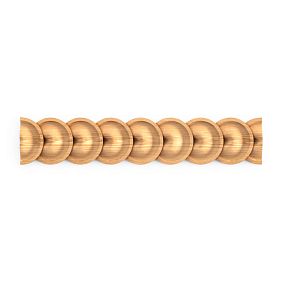
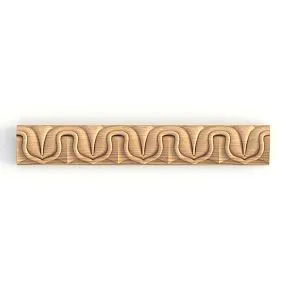

What is molding used for together with a skirting board
Get Consultation
To complete classical finishing
A classical interior is built on a system of horizontal and vertical accents. The floorWooden baseboardmarks the lower boundary of the wall—this is the foundation of the entire decorative system. The ceiling molding or cornice encloses it from above. Between them, there can be moldings, framed panels, horizontal dividing profiles.
Such a scheme—'bottom, middle, top'—is found in any classical interior, from palace halls to urban apartments in the neoclassical style. Molding in this chain is the finishing touch that gives the entire composition completeness.
For decorating the transition between wall and ceiling
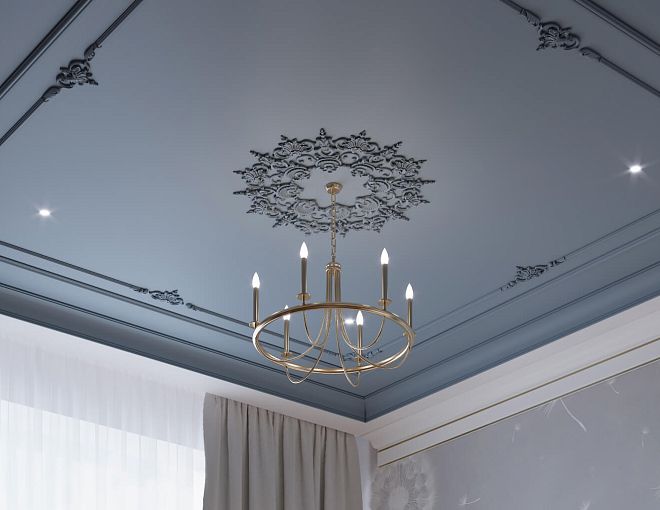
Where the wall meets the ceiling, a transitional element is almost always needed. If you have a wooden skirting board installed at the floor, it's logical to complete the same line at the top:Wooden corniceor a ceiling molding made of solid wood in the same species and finish will create a sense of unified space.
This is not just aesthetics — it's a way to 'align' the perception of the room. Walls with profiles at the top and bottom appear taller, and the space itself — more refined.
For decorative frames and panels on walls
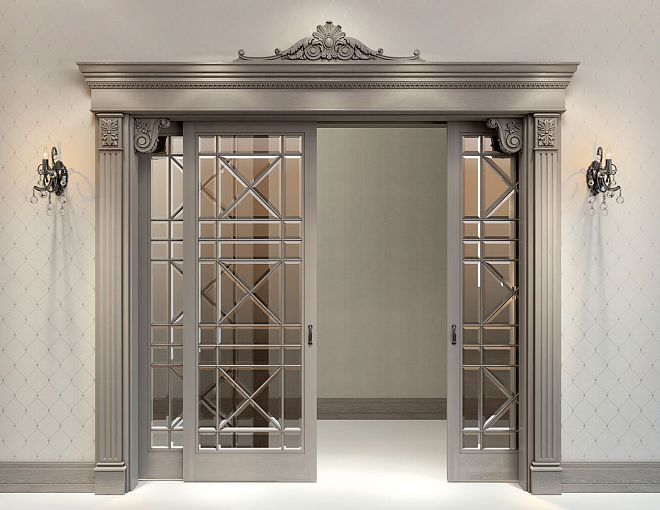
One of the most fashionable techniques in recent years is frame panels made of moldings or picture frame moldings. Rectangular or square frames are created on the wall, inside which there is contrasting paint, textured plaster, or simply a different color. This is a classic European technique that is now being actively reinterpreted in modern apartments.
The decorative molding for such frames should match the proportions of the baseboard: a profile that is too thin against a wide baseboard looks unserious, while one that is too thick overloads the wall.
For pairing with wooden or MDF baseboards
If the baseboard is made of solid wood, then decorative molding in the same species — oak, ash, pine, larch — creates a complete material system. When the baseboard is MDF, the molding can be either MDF or wooden: it is important that they match in color and proportions.
buy MDF skirting boardand selecting a paintable molding to match it is a common and practical solution for modern apartments with white or neutral walls.
For creating a unified interior line
Sometimes the task is set broader: not just to choose one element, but to create a unified interior line around the entire perimeter of the room. The baseboard, the wall molding at dado height, the ceiling molding, the cornice near the ceiling — all these elements 'converse' with each other. If they are selected skillfully, the interior gains scale and depth.
Types of skirting board moldings: materials and shapes
Wooden molding: naturalness as an argument
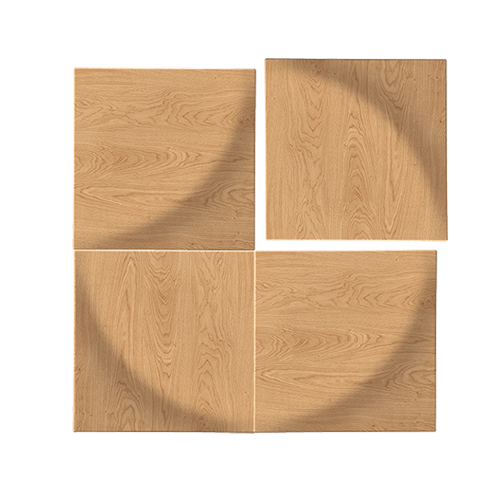
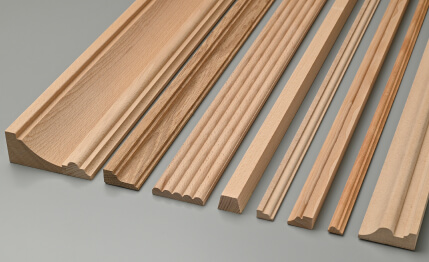
DecorativeWooden Picture Frame— is a product made from solid natural wood with a milled profile. Wood features a living texture, noble appearance, and the ability to harmoniously combine with other wooden elements: doors, furniture, slats, wall panels.
Wooden molding can be sanded, coated with varnish, oil, wax, or painted — each time achieving a different character. It is wood that provides what cannot be achieved with synthetics: warmth, volume, a living feel of the material. For those assembling a wooden interior 'in a single key,' this is the only choice.
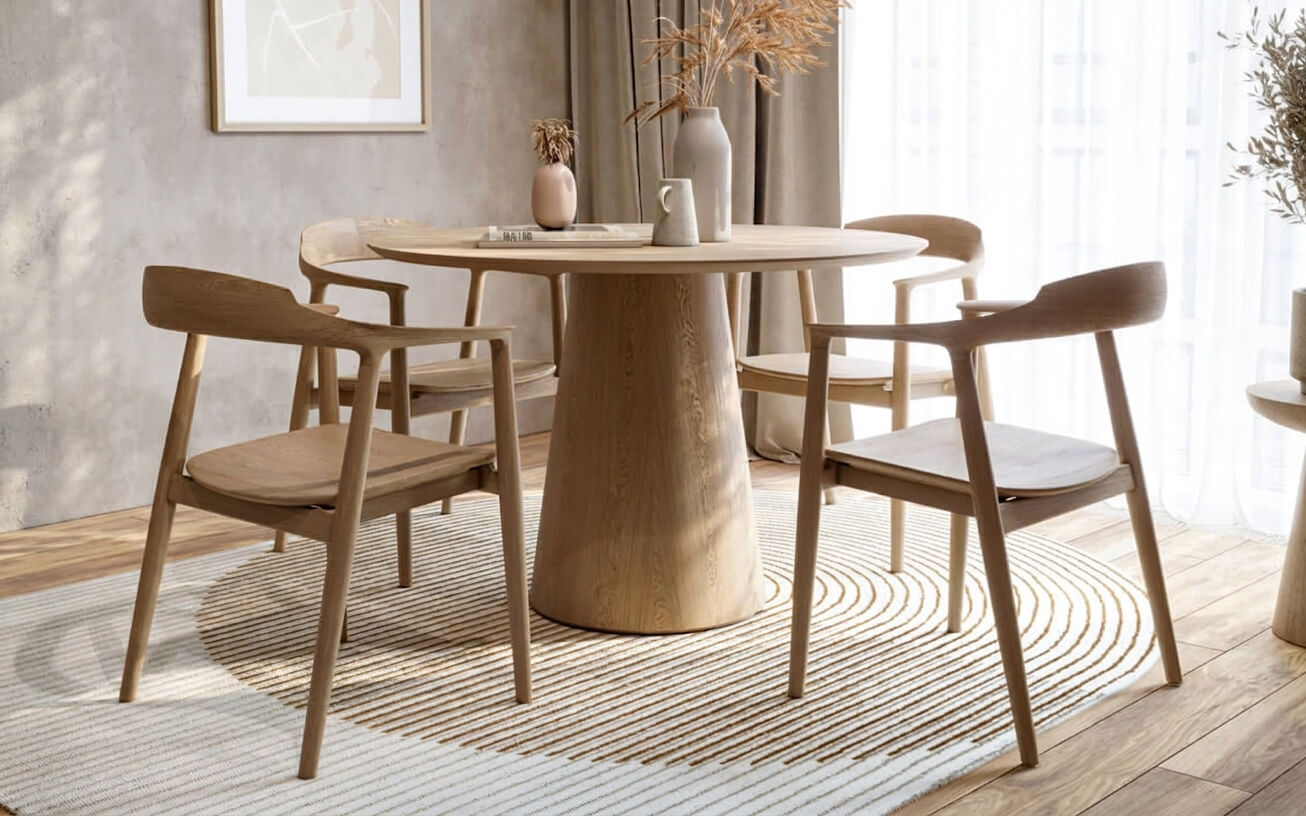
Among the species, oak, ash, pine, and larch are most commonly used. Oak and ash — for formal rooms and studies. Pine — for country houses, Scandinavian style, eco-friendly interiors. Larch — where special durability is needed.
MDF molding: precise geometry, white color, any shade
MDF is a material created for finishing. Its main advantages: a perfectly smooth surface without knots and natural defects, precise milling geometry, high paint adhesion. MDF molding for skirting boards is the choice of those working with modern interiors where everything is white, light, and laconic.
MDF can be easily painted any color. This allows for precise matching of the shade to existing walls, furniture, or doors — without compromise. This is precisely why— is a horizontal element that frames the room at the bottom of the walls where the wall meets the floor. Skirting boards perform several functions: they hide the technological gap between the wall and floor covering (necessary for thermal expansion), protect the lower part of the wall from mechanical damage, create visual completion, and may conceal wiring.and similar molding are so popular in modern apartments.
There are also limitations: MDF does not tolerate constant moisture. For bathrooms and kitchens, special moisture-resistant options or alternative materials are needed.
Decorative molding for painting
A separate story is profiles that are initially supplied with white primer or unfinished, for the customer's painting. These can be MDF or solid wood. Such solutions are convenient where the interior is just being formed: you can first install the profile, and then choose the exact shade along with painting the walls.
Molding for painting is a universal designer tool: it allows fitting a decorative profile into any color concept without limitations.
Smooth, classic, and figured profile
The cross-sectional shape of the molding largely determines the interior style:
-
Smooth profile — a rectangle without relief — is the language of minimalism and contemporary. It does not accentuate itself but creates a clear dividing line.
-
Classic profile with beads, quarters, semicircular rounds — this is neoclassicism, art deco, traditional European interior.
-
Figured profile with complex relief — this is rich classic, imperial style, study interior.
The more complex the profile, the more it 'speaks' about style — and the more demanding it becomes to the overall concept of the room.
Wide and narrow molding: a question of proportions
The width of the molding should be proportionate to the ceiling height, the scale of the room, and the width of the baseboard. Here is an approximate guideline:
-
Ceilings up to 2.7 m — molding width 40–60 mm.
-
Ceilings 2.7–3.2 m — 60–100 mm.
-
Ceilings above 3.2 m — from 100 mm and more.
If the floor baseboard is tall and expressive, the ceiling molding should be no less in 'weight'. If the baseboard is narrow and laconic — the molding is also chosen modestly.
How to choose molding to match the baseboard: a systematic approach
By material
The ideal option is a single material for the entire profile system in the room. If the floor baseboard is made of oak — look forWooden cornicemade of oak. If the baseboard is MDF — the ceiling profile is also MDF, for the same painting.
In practice, mixing materials is often acceptable provided there is unity of color and proportions. For example, a wooden baseboard with a lacquer finish in the color 'bleached oak' and a white MDF molding on the ceiling is an acceptable combination for a modern interior. The main thing is not to mix warm and cool tones simultaneously.
By interior style
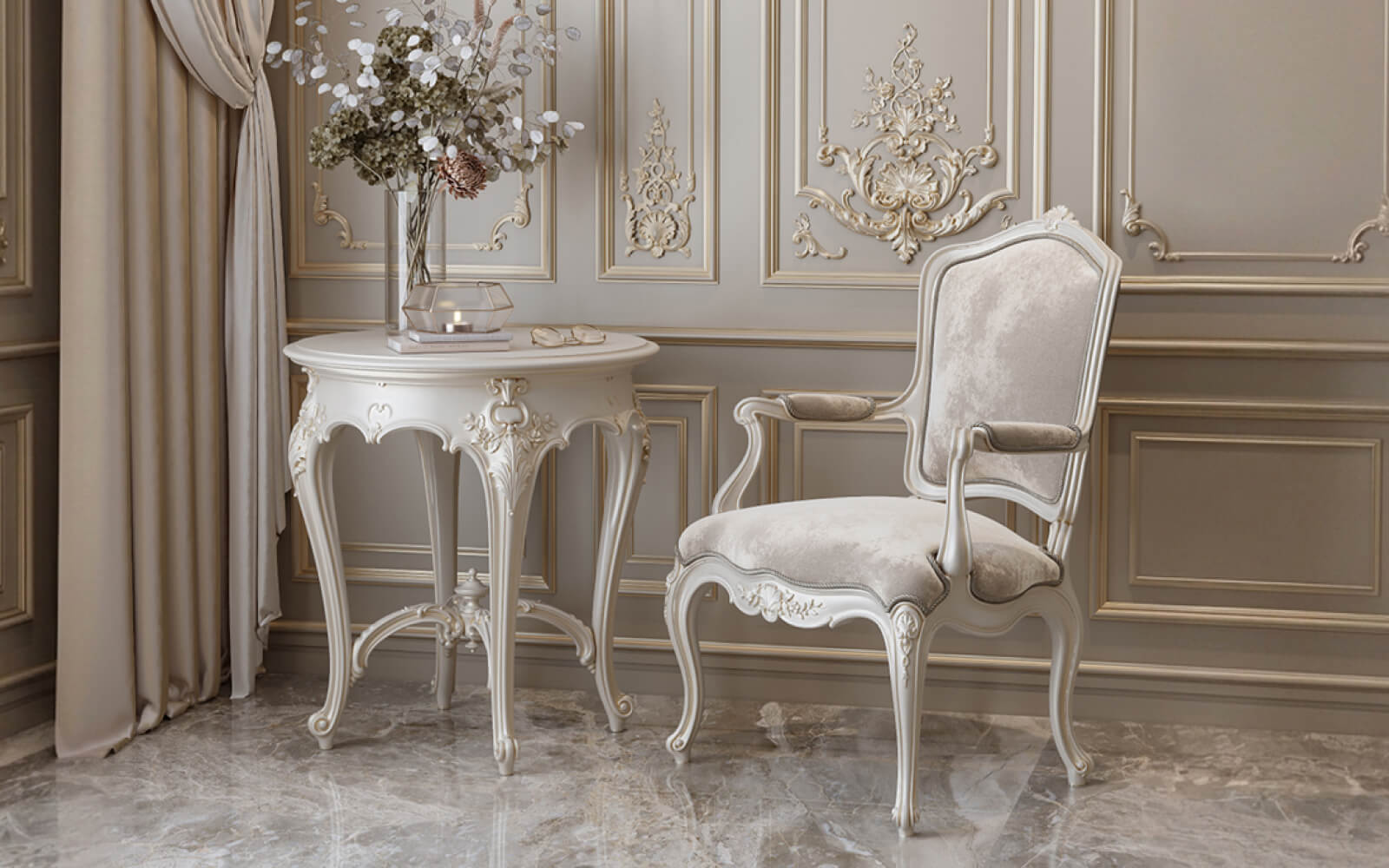
Classic and neoclassical. There are no compromises here: wooden or MDF profile with a pronounced figured cross-section, framed panels on the walls, cornice with coves.Buy wooden moldingCreating frame panels is the number one task in a classic interior.
Modern interior and minimalism. Smooth profiles, white color, minimal relief. Often, the baseboard and molding are intentionally 'dissolved' into the wall, and their role is to define the boundary, not to attract attention.
Scandinavian style. Natural materials, wooden profiles with minimal processing, light shades. Wooden baseboard and wooden molding made of pine or ash are an organic choice.
Interior with slats and panels. If the wall is decorated with wooden slats or slatted panels, the profile system becomes part of a larger finishing concept.Rafter panelsrequire lower finishing (baseboard), upper (cornice or molding), and side (corner piece). All these elements should work together.
By size and proportions
Proportion is one of the most underrated criteria when choosing profiles. The classic rule: decorative profiles in a room should not 'compete' with each other in scale. A wide floor baseboard requires a proportionate ceiling cornice. A narrow, concise baseboard dictates an equally concise molding.
The height of the baseboard is usually 60–120 mm. The width of the ceiling molding is comparable or slightly less. If the floor baseboard is 'substantial,' the ceiling profile should not be as thin as a thread.
By color and finish
Color is the most visible criterion, but not the only one. It's important to distinguish:
-
White — a universal option, suitable for any walls, hides imperfections, creates a clean architectural accent.
-
Natural wood — when warmth and natural texture are important.
-
For painting — when you want to perfectly match the wall color or create a contrasting accent.
-
Patinated, lacquered, waxed — for classic interiors with rich tones.
What to choose: baguette, molding, or cornice
This question is often asked — and rightly so. The answer depends on the specific task.
When you specifically need a baguette
Baguette is the choice for a ceiling profile with a pronounced decorative character. It marks the transition from wall to ceiling, creates a horizontal accent, and visually raises the ceiling. If you're looking for a 'light' element without excessive bulkiness — a narrow or medium baguette will handle it better than a cornice.
When is it better to choose molding?
Molding — the choice for working with walls. It creates framed panels, divides the wall plane into zones, frames niches, mirrors, and decorative inserts.Decorative wooden moldings— it's a designer's tool, not just a 'profile on the wall'.
In combination with a baseboard, molding works as a horizontal divider or as a framing element above the baseboard line. This is a typical technique in classic and neoclassical finishes.
When a cornice is more logical
A cornice is used when a substantial, expressive transition to the ceiling is needed. It is larger and 'richer' than a molding, with a more complex relief. For rooms with high ceilings (from 3 m), for classic and formal interiors, for houses in a historical style — a cornice is indispensable.
See the full rangewooden cornicesto understand the scale of available solutions.
When slats or panels are better than molding
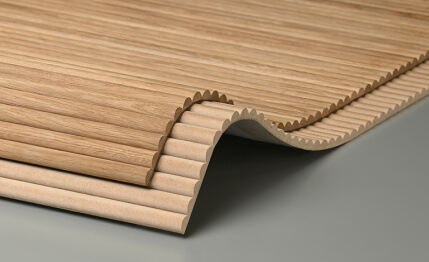
Sometimes an interior requires not a dividing profile, but a textured decor. Wooden slats on the wall, a slatted panel behind a sofa or bed — this is a completely different tone. HereDecorative wooden stripbecomes the main element, and the baseboard and molding become its frame.
Where decorative molding looks best
In the living room
The living room is a space where decor works to its fullest. High ceilings, an expressive cornice or ceiling molding, molding frames on an accent wall, a wooden floor baseboard — all this creates an atmosphere where you want to be. It is in the living room that any decorative profile pays off: it will be seen every day.
Decorative wall molding here can frame the TV zone, create a frame around the sofa, or act as a 'belt' — a horizontal wall divider at a height of 90–120 cm.
In the bedroom
The bedroom is a space of coziness. Here, decorative molding works subtly: a narrow profile above the bed headboard, a molding frame on the wall, a small ceiling cornice. Nothing superfluous, everything speaks of attention to detail.
The combination of 'wooden baseboard at the floor + wooden molding at the ceiling' creates a frame-like effect around the entire room—and visually raises the ceiling, which is especially valuable in standard apartments.
In the hallway and corridor
The hallway is the apartment's calling card. It's here that a guest forms their first impression. Decorative molding in the hallway should be durable (a high-traffic area), match the apartment's overall style, and be installed neatly—especially in the corners.
For corridors with limited width, it's important not to overload the space: a narrow profile without complex relief works better here.
In the study and library
A home office is an interior where decorative details play a crucial role. Wooden shelves, oak or ash profiles, a massive cornice at the ceiling, a wide baseboard at the floor—this is the 'English' style, which never goes out of fashion.
Here, wooden decorative molding in combination withmolding elements made of woodforms a cohesive atmosphere. Unity of material is the key condition.
In classic and contemporary interiors
Classic style demands rich relief and wood—or MDF painted with enamel. Contemporary interiors accept only simplicity: a smooth profile, white or light color, minimal cross-section. Choosing a profile is essentially choosing the language your interior 'speaks'.
How to combine decorative molding with baseboard without overloading
An overloaded interior is when every element shouts for attention, and in the end, no one is heard. A skillful combination of molding and baseboard is based on several principles.
Unified material or unified color. Wood to wood. MDF to MDF. If you mix — let the color be the same. This is a law that works without exceptions.
Proportionality of profiles. Do not place a wide baseboard next to a thread-like molding. They will look like random companions, not a thoughtful system.
Repetition of motif. If the baseboard has a horizontal groove — let a similar element be in the molding profile. A repeating motif is a signal of design maturity.
Coordination with doors, panels, and slats. All wooden finishes in a room — doors, baseboards, trims, panels, slats, cornices — are a unified system. If it is assembled in one style, the space gains integrity. If elements were selected spontaneously — it is always noticeable.
For those building a comprehensive wooden interior, the section solid wood trim allows you to find all necessary elements in a unified collection.
Installation of decorative molding: practical tips
Installation of decorative profile is work where precision is more important than speed. Even the most beautiful molding, installed with crooked joints and gaps in corners, loses its meaning.
For adhesive
Mounting adhesive is the primary method for attaching moldings and ceiling profiles. Adhesive is applied in a zigzag pattern to the back of the profile, the element is pressed against the surface and held for several seconds. Important: the base must be clean, dust-free, without crumbling plaster.
For lightweight MDF profiles, adhesive is usually sufficient. For heavy wooden cornices and wide moldings, a combination of adhesive and finishing nails is recommended.
On mechanical fasteners
Massive wooden profiles — especially wide cornices and baseboards — are fastened with screws or nails. The fastener heads are countersunk and filled with putty, selecting putty or filler to match the profile color.
How to finish corners
Corners are the main point of vulnerability when installing profiles. Two methods:
-
45° cut — a professional method, requires a miter saw with a precise angle stop. Creates a neat 'closed' corner without gaps.
-
Corner elements — overlay corner pieces or inserts that cover the joint of two profiles. Suitable for those installing themselves who want to insure against inaccuracies.
For internal and external corners, it's always better to have a small surplus of material — for fitting and trimming.
How to join molding with baseboard and other profiles
If a wall is decorated comprehensively (baseboard + wall molding + ceiling molding), the installation sequence is important. Usually the order is: first the floor baseboard, then the wall moldings, and finally the ceiling molding or cornice. This allows each element to neatly join with the adjacent one.
Decorative molding in interior: style solutions
Interior with battens
If a wall is decorated with wooden battens, the molding becomes the finishing element of the entire structure. It 'closes' the top end of the batten panel and creates a horizontal line that organizes the space. For these tasks, woodenWooden baseboardand a similar molding are selected from the same wood species.
Detailed information about batten interiors — in the catalogwooden slatted panels.
Art Deco and Neoclassicism
Here, profiles with clear geometric relief, symmetrical cross-sections, and pronounced horizontal lines work well. Gold, white enamel, black graphite — Art Deco colors require profiles with 'weight'. Wooden or MDF molding with a shaped profile is an organic choice.
Minimalism
Minimalist interiors do not tolerate excess. Here, molding is a thin line, barely noticeable but creating a sense of completeness. A smooth white MDF profile 30–40 mm wide, installed precisely and neatly — that's the ideal minimalist molding.
Where to buy decorative molding for baseboards
Buying decorative molding for baseboards means making a decision about the aesthetics of the entire room. This is not a case where you should take 'whatever you find' at the nearest building materials store.
When choosing, it's important to consider:
-
Compatibility with existing baseboards — by material, color, profile style;
-
Availability of adjacent elements — moldings, cornices, corners, battens from the same collection;
-
Surface quality — even cut, clear milled profile, absence of defects;
-
Ability to order the required linear footage — with allowance for wall length and corner trimming.
STAVROS has it all: a full range of wooden linear moldings, MDF profiles, moldings, cornices, battens, and baseboards — all in one place. This allows you to assemble a decorative finishing system without forced compromises and random mismatches.
Start with the catalogwood trim— it features the full range of profiles for any task.
Why STAVROS is the right choice for decorative molding and baseboard
An interior is created once. It's easy to make a mistake with profiles — and it's unpleasant. That's why it's important to work with a manufacturer that offers not just individual products, but a system.
STAVROS is:
-
Full range of wooden linear moldings: baseboards, moldings, cornices, battens, corners, batten panels — all in one catalog;
-
Three materials to choose from: solid wood for natural interiors, MDF for modern solutions under painting, polyurethane for classic decor;
-
Unified style of collections: profiles match each other in proportions, relief, and cross-section character;
-
Solutions for any style — from strict minimalism to formal classic, from loft to neoclassicism;
-
Ability to assemble the entire finishing 'unit' in one wood species and one collection: skirting board, cornice, molding, corner, batten — all from one source.
STAVROS is a supplier of interior solutions for those who build quality space and value details.
FAQ: popular questions about decorative cornice for skirting board
What is better to choose for a skirting board: cornice or molding?
Depends on the task. Cornice — for ceiling transition, for framing the top line of the wall. Molding — for working with walls: frame panels, decorative zones, plane division. If you need to finish the wall from the top — cornice. If to create decor on the wall surface — molding.
Does a wooden cornice suit an MDF skirting board?
Yes, provided they match in color and proportions. Mixing wood and MDF in one room is an acceptable technique, especially if both profiles are painted in the same tone. It is important that they do not 'clash' in scale.
Can decorative molding be painted to match the color of the baseboard?
Certainly. MDF is specifically designed for painting. Wooden profiles can also be painted—first primed, then paint applied in 2 coats. Result: any shade of your choice, perfect match with the baseboard and walls.
How to choose the width of molding?
Base it on ceiling height and floor baseboard width. Standard rule: ceilings 2.5–2.7 m — molding 40–60 mm, ceilings 2.8–3.2 m — 60–90 mm, above 3.2 m — from 90 mm. The molding should not be noticeably narrower or wider than the floor baseboard.
Where is decorative molding used together with baseboard?
In living rooms, bedrooms, studies, hallways, lobbies—anywhere interior completeness is important. In classic and neoclassical projects, it's a mandatory element. In modern interiors—a subtle accent that works discreetly but creates a sense of quality.
Is special glue needed for installing wooden molding?
Yes, mounting adhesive (liquid nails) with good adhesion to wood and plaster is used. For heavy, massive profiles, additional mechanical fastening is recommended—finish nails or thin screws with countersunk heads.
How to finish a corner with decorative molding?
Two methods: a 45° cut on a miter saw (precise, professional) or ready-made corner elements (easy to install, forgive uneven corners). For wooden profiles, a cut with preliminary fitting on a scrap piece is recommended.
Can decorative molding be combined with slatted panels?
Not only can it be combined — it's the optimal solution. Slatted panels require a top finish. Decorative molding or a cornice in the same wood species is the perfect finishing touch for a slatted composition. Browse the assortmentof slatted panelsand choose a suitable cornice.
Where to buy decorative molding for baseboards in Moscow and St. Petersburg?
In the STAVROS catalog: the entire range of wooden millwork profiles is available online.Buy wooden picture frame molding, moldings, cornices, baseboards, and slats — with detailed descriptions, dimensions, and the ability to select compatible elements.