












































































Article Contents:
- What is wooden molding
- Construction and elements of molding
- Wood species for molding
- Profiles and styles of molding
- Finishing of wooden molding
- Applications: walls, paintings, furniture
- Framing of paintings and photographs
- Mirrors and panels
- Interior decoration
- Furniture decor
- How to choose and install molding
- Criteria for choosing molding
- Material Quantity Calculation
- Tools for working with molding
- Process of creating a frame
- Maintenance and Durability
- Factors affecting durability
- Regular maintenance
- Repair and restoration
- Extending service life
- Conclusion

In the world of interior design, there are elements that, despite their apparent simplicity, can radically change the perception of space, adding nobility, elegance, and completeness.Wooden moldingis one of such elements, combining functionality and aesthetic value, traditions of centuries and modern applications. It is not just a wooden plank - it is a tool for creating artistic compositions, architectural accents, and protecting valuable works of art.
The history of molding traces back to the Renaissance, when artists and their patrons began to understand the importance of framing artworks. A painting without molding was perceived as an unfinished work, lacking its full resonance. Molding craftsmen became a respected profession, creating frames whose artistic value sometimes rivaled the paintings themselves. Carving, gilding, and intricate ornamentation transformed wooden molding into a piece of decorative-applied art.
Todaywooden molding buycan serve multiple purposes far beyond traditional painting framing. Modern molding is used in interior decoration, furniture manufacturing, and architectural space design. At the same time, it retains all the advantages of natural wood - eco-friendliness, durability, noble texture, and the ability to create a unique atmosphere of warmth and naturalness.
The demand for wooden molding in modern design is linked to the return of interest in natural materials, quality, and longevity, individuality, and craftsmanship. In an era of mass production and synthetic materials, wooden molding becomes a sign of taste, understanding of the value of the real, and willingness to invest in quality and beauty.





What is wooden molding
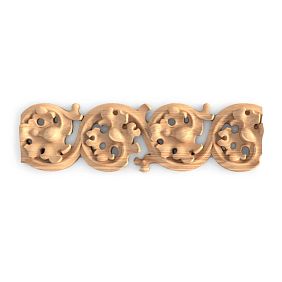
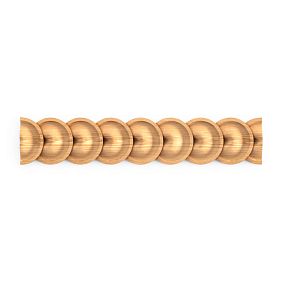
Wooden molding is a profiled plank made of solid wood or veneered material, featuring a characteristic cross-section with a longitudinal groove - the quarter - for inserting a painting, mirror, or glass. This definition covers the main structural feature of molding, but does not convey the full variety of its forms, sizes, finishes, and purposes.




Construction and elements of molding
Classic molding for framing paintings or mirrors has a complex profiled cross-section, consisting of several functional and decorative elements. The quarter is an L-shaped groove on the inner side of the molding, into which the painting, glass, or backing is inserted. The depth of the quarter is usually 5-15 millimeters, sufficient for accommodating all layers of the frame - glass, passe-partout, painting, backing.
The front surface of the molding is what is visible when looking at the frame. It can be smooth, profiled with various protrusions and recesses, decorated with carving, ornamentation, gilding. The width of the front surface varies from narrow 2-3 centimeters for minimalist frames to wide 10-15 centimeters and more for rich classical frames.
The height or thickness of the molding determines the frame's volume and how much it protrudes from the wall. Flat moldings 1-2 centimeters high create a delicate framing, almost flush with the wall. Volumetric moldings 5-10 centimeters high create a pronounced three-dimensional effect, especially under side lighting, where the play of light and shadow highlights the relief.
The back side of the molding is usually flat or has small technological recesses for mounting. Here are grooves or holes for hanging systems, backing mounting, hardware installation. The quality of the back side's processing is important for durability - a smooth, lacquered surface is not prone to deformation or cracking.
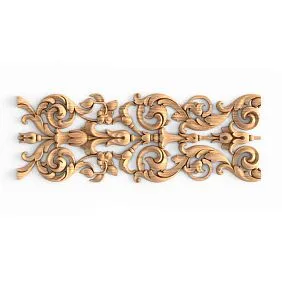
Our factory also produces:




Wood species for molding
Pine is the most common species for making picture frames due to its availability, ease of processing, and pleasant texture. Pine frames have a light warm tone with a characteristic grain pattern. Pine is easily stained, tinted, or patinated, allowing for diverse decorative effects. The drawback of pine is its relative softness, requiring careful handling.
Oak is a noble hardwood with a distinctive coarse texture. Oak frames are strong, durable, and feature a characteristic pattern with large pores and rays. The natural color of oak varies from light brown to dark brown depending on the processing method. Oak frames are prestigious and suitable for framing valuable artworks and creating solid interior compositions.
Beech has a dense, uniform structure and a smooth light tone with a pinkish undertone. Beech frames are strong, stable, and well-suited for tinting in various colors. The uniformity of the texture allows for smooth, even finishes without visible wood grain, which is important for certain design styles.
Ash has a beautiful, expressive texture resembling oak but lighter and more delicate. Ash frames are strong, elastic, and have an elegant appearance. The natural color of ash is light beige with a grayish tone, making it versatile for various interior design solutions.
Exotic species — veneer, merbau, mahogany, padauk — are used for premium frames. They feature unique colors ranging from dark brown to nearly black, unusual textures, and exceptional strength. Frames made from exotic species are expensive but create an unparalleled impression of luxury and exclusivity.
Get Consultation
Frame Profiles and Styles
Classic profiled frames have complex cross-sections with alternating convex and concave elements — beads, coves, ovals, and grooves. These elements create rich light and shadow play, adding depth and visual complexity. Classic profiles are based on architectural orders and have established proportions, tested over centuries.
Carved frames are adorned with ornaments created using wood carving techniques. Botanical motifs — acanthus leaves, laurel wreaths, floral garlands — are typical for classical and baroque styles. Geometric patterns — meanders, braids, rosettes — are used in neoclassicism and empire styles. Carved frames are made by hand or on CNC machines, reproducing complex ornaments with high precision.
Smooth frames with simple rectangular or trapezoidal cross-sections are characteristic of modern styles. The absence of complex profiles and carving creates a minimalist, restrained look. Emphasis is placed on wood quality, the beauty of its natural texture, and precision of execution. Smooth frames are versatile and suitable for modern art, photography, and graphics.
Rounded frames have a smooth, curved profile without sharp edges. Such frames visually soften, creating a calm, cozy frame. Suitable for impressionist paintings, landscapes, children’s drawings, and family photographs. Rounded profiles are traditional for Provence, country, and shabby chic styles.
Stepped frames consist of several levels, creating a geometric composition. Characteristic of art deco style, where graphic clarity and sharp lines are valued. Stepped profiles can be symmetrical or asymmetrical, creating different visual effects depending on viewing angle.
Wood Frame Finishing
Natural finishes with varnish or oil preserve and highlight the beauty of wood grain. Transparent varnish creates a protective layer, available in matte, satin, or glossy finishes. Oil finish penetrates the wood structure, emphasizing texture and creating a silky surface. Natural finishes are suitable for frames made from beautiful wood species — oak, ash, exotic varieties.
Tinting changes the wood color while preserving grain visibility. Stains, dyes, and tinting oils allow creating shades from light honey to dark brown and black. Tinting can imitate valuable species — pine mimicking oak, beech mimicking walnut. Multi-layer tinting creates complex deep colors with transitions and nuances.
Painting completely covers the wood texture, creating a uniform colored surface. Acrylic, alkyd, or polyurethane paints in any color are used. Painted frames can be matte, glossy, or have metallic or pearlescent effects. Painting allows creating frames that precisely match interior color schemes or artwork tones.
Patination creates an effect of noble antiquity. Patina is a dark or light paint applied into profile recesses and partially worn away from raised parts. Dark patina emphasizes relief, creating contrast and depth. Light patina imitates fading and wear over time. Patinated frames are characteristic of Provence, country, and vintage styles.
Gilding is a traditional frame finishing technique for valuable artworks. Real gilding uses leaf gold — extremely thin gold sheets applied to a prepared base. Imitation gilding uses gold paints and powders, creating a similar effect at significantly lower cost. Gilding can be full, covering the entire frame, or accent, highlighting specific carved elements.
Brushing is a mechanical finishing technique where soft wood fibers are removed with stiff brushes, leaving hard annual rings. This creates a relief textured surface that highlights wood structure. Brushed frames are often additionally tinted and patinated, creating an aged wood effect.
Application Areas: Walls, Artworks, Furniture
The versatility of wooden frames is evident in their wide range of applications — from traditional artwork framing to modern interior decor and furniture details. Each application area reveals its own advantages and specific uses of frames.
Application Areas: Artworks and Photographs
The traditional purpose of frames is to create frames for paintings, graphics, and photographs.Wooden framePerforms several important functions simultaneously. It protects the artwork from mechanical damage, creates a spatial boundary separating the artwork’s space from the surrounding environment, and enhances or complements the artwork’s emotional impact.
Choosing a frame for a painting is an art requiring understanding of the artwork’s style, color scheme, and emotional content. Classical paintings by old masters are traditionally framed with wide, ornate frames with gilding. Impressionist landscapes look best in light, natural frames of medium width. Modern abstraction often requires minimalist, narrow frames that do not compete with the artwork itself.
Frame width should correspond to the artwork’s size and display conditions. For small artworks 20x30 or 30x40 cm, narrow frames 3–5 cm wide are suitable. For medium artworks 50x70 or 70x100 cm, frames 5–8 cm wide are optimal. For large artworks over 1 meter, wide frames 10–15 cm can be used, creating a monumental frame.
Frame color is chosen to harmonize with the artwork’s color scheme. The classic rule states: the frame should match one of the artwork’s colors, preferably dark or neutral, creating a frame that gathers the composition without distracting from the content. Gold frames are universally suitable for classical painting, creating a sense of value and solemnity.
Matte — a colored cardboard sheet with a window for the artwork — is often used together with frames, creating additional visual space between the artwork and the frame. Matte width is usually 5–10 cm, color is chosen to match the artwork or remains neutral-white. Matte is especially important for graphics, watercolors, and photography, creating “air” around the image.
Mirrors and Wall Panels
A mirror in a wooden frame transforms from a utilitarian object into an interior design element. A mirror frame can be restrained, simply framing the reflective surface, or luxurious, turning the mirror into a decorative art piece. The choice depends on interior style and mirror purpose.
For bathrooms, moisture-resistant wood with protective lacquer is suitable. The width of the molding can be small, as the bathroom mirror is primarily functional. Style - from classic to modern minimalist. The quality of the protective coating is important, preventing deformation from humidity.
In hallways, full-length mirrors in substantial frames are typical. A wide molding with a classic profile or carving creates an imposing appearance, setting the tone for the entire interior. The molding color is usually dark - walnut, wenge, stained oak - creating contrast with light walls.
Decorative mirrors in living rooms and bedrooms may have rich frames that are standalone art objects. Carved molding with gilding, a wide baroque frame with scrolls, aged molding in Provence style - all of this turns the mirror into a central interior element, attracting attention even with eyes closed due to the reflection of rich details.
Panels - decorative compositions on walls - are also framed with wooden molding. Textile panels, embroidery, tapestries in wooden frames gain completeness and protection. Collages of photographs, children's drawings, posters in a unified molding style create a gallery wall unified by a common frame.
Interior decoration
Wooden molding is widely used in interior decoration to create architectural details, structure space, and zone areas. Ceiling cornices made of wooden molding create a classic ceiling frame, making the transition from wall to ceiling smoother and more architectural. Wooden cornices are especially suitable in interiors with wooden furniture and parquet, where they support the overall materiality of the space.
Wall panels and moldings made of molding create classic wall architecture. Molding frames divide the wall into sections, within which various finishes - wallpaper, paint, decorative plaster - can be applied. This division is characteristic of classical, neoclassical, and English interiors, where architectural detailing is valued.
Framing door and window openings with wooden molding creates a solid architectural finish. A wide carved molding around the opening turns it into a portal, emphasizing the significance of the transition between rooms. This solution is especially effective for grand openings - entrance to the living room, dining room, office.
Wall-mounted frames without content - a modern technique creating volume and structure. Empty molding frames, grouped or individually placed on a monochromatic wall, become standalone art objects. The play of light and shadow on the molding's relief creates visual interest with minimal cost.
Furniture decor
Wooden molding is used in furniture manufacturing and restoration. Cabinet, chest, and bedside table facades are decorated with applied molding frames, creating classic latticework structures. Simple smooth MDF facades become elements of classic furniture with the addition of applied and painted molding.
Kitchen facades especially benefit from molding decoration. Framed facades in classic style are created by gluing molding onto flat doors. After a single paint job, the effect of expensive carved furniture is achieved at significantly lower cost. Kitchen molding must be coated with wear-resistant lacquer that withstands frequent cleaning.
Bed headboards are decorated with molding frames, creating a classic frame. A panel headboard adorned with a wide carved molding becomes an architectural element of the bedroom. Inside the frame, there may be fabric upholstery, carved trim, or decorative plaster.
Countertops and shelves are framed with molding around the perimeter, creating an elegant border. A small molding glued to the edge of the countertop protects it from chipping and simultaneously adds decorative appeal. Shelves in libraries and display cases with molding borders appear significantly richer than plain boards.
Restoration of antique furniture often requires replacing lost molding elements. Master restorers recreate original profiles, select wood of the appropriate species and age, and apply traditional carving and patination techniques. A well-executed restoration makes losses invisible, restoring the furniture to its original appearance.
How to choose and install molding
Choosing wooden molding requires considering multiple factors - purpose, size of the framed object, interior style, project budget. Installing molding can be a professional service or a DIY project if basic skills and tools are available.
Criteria for choosing molding
Purpose - the first question when choosing molding. For framing pictures, molding with a quarter of sufficient depth is required to accommodate glass, passe-partout, picture, and backing. For interior decoration, a quarter is not needed; any profiled strips are suitable. For furniture, molding without a quarter, with a flat backside for gluing to facades, is required.
The size of the framed object determines the width of the molding. Small pictures and photographs 10x15 or 20x30 centimeters require narrow molding 2-4 centimeters; otherwise, the frame will visually overpower the content. Medium objects 40x60 or 50x70 centimeters look good with molding 5-8 centimeters. Large pictures, mirrors over one meter require wide molding 10-15 centimeters for proportionality.
The style of the artwork or interior dictates the choice of profile and finish. Classical painting requires classical profiled or carved molding with gilding or patina. Modern art looks better in simple smooth molding of neutral colors. Photography looks good in minimalist thin frames that do not distract from the image.
The color of the artwork influences the choice of molding color. Warm ochre tones suit gold, brown, walnut molding. Cool blue and gray tones suit silver, whitewashed, gray molding. Bright saturated colors suit neutral black, white, natural wood molding, which do not compete with the artwork’s color palette.
The project budget determines the choice of wood species and complexity of processing. Pine molding with a simple profile and lacquer finish is the most affordable. Oak molding with carving and gilding is significantly more expensive. Molding from exotic species with hand-carving may be very expensive but creates a unique piece.
Material quantity calculation
To create a rectangular frame, four molding pieces are needed - two long sides and two short sides. The length of each piece equals the corresponding side of the framed object plus twice the molding width plus allowance for cutting angles. For example, for a 50x70 cm picture with 7 cm wide molding, you need pieces: two at 70+7+7+2=86 cm and two at 50+7+7+2=66 cm. Total 3.04 meters including allowance.
Molding is usually sold by the linear meter, with a minimum cut length of 0.5-1 meter depending on the supplier. To save material, you can calculate optimal cut lengths minimizing waste. However, always take a 10-15% reserve for errors during cutting or discovering material defects.
For complex shapes - oval, round, polygonal frames - calculation is more complex and requires precise measurements or special calculators. Curved frames are usually made by professionals, as they require special equipment for bending or assembling from multiple short pieces.
Tools for working with molding
Miter saw with a rotating base - the main tool for precisely cutting molding at a 45-degree angle. A quality miter saw ensures a clean cut without chipping, with angle accuracy to tenths of a degree. The saw blade must have fine teeth designed for clean wood cutting.
Miter box - a simple guiding tool for manual sawing, allowing cutting molding at specified angles. Suitable for small-scale work when purchasing a miter saw is not justified. The quality of the cut using a miter box depends on skill and saw blade sharpness.
A stapler or pneumatic nail gun is used to join frame corners. Thin staples or pins are driven into the end of the molding, connecting two pieces. The joint is additionally glued with carpenter's glue for strength.
Special corner clamps for clamping frame corners during gluing. Provide even clamping force and 90-degree angle accuracy. At least four pieces are required for simultaneous assembly of the entire frame.
A hand-held router can be used to create a miter in the frame without one, or to refine an existing profile. Requires skill and precise cutting depth settings.
Frame assembly process
Marking - the first practical step. Lengths of frame sides are marked on the mitered edges, accounting for the frame's width. It is important to note that measurements are taken from the inner edge of the miter, not the outer edge of the frame. Marking is done with a sharply sharpened pencil or marking knife for precision.
Cutting the frame: Use a miter saw or a tenon saw to cut the frame pieces at exactly 45 degrees. Place the frame with its face up and mitered edge against the fence. It is important to firmly press the frame against the fence to prevent shifting during cutting. The cut should be smooth and without jerks to avoid chipping.
Joint inspection - after cutting all four pieces, they are laid out on a flat surface, and the corners are joined to check the quality. An ideal joint has no gaps, and the profiles transition smoothly into each other. If gaps are found, the cause must be identified and corrected - inaccurate cutting angle, uneven end.
Gluing corners - wood glue (PVA) is applied to the ends, the pieces are joined and clamped with corner clamps. Excess glue is immediately wiped off with a damp cloth. The frame remains in the clamps until the glue fully dries - usually 4-6 hours.
Corner reinforcement - after removing the clamps, the corners are further secured with brads or dowels. Fasteners are driven from the back of the frame at an angle, connecting both frame pieces. Usually, two brads are sufficient per corner.
Final finishing - small gaps in the corners are filled with wood putty matching the frame's color. After drying, the putty is sanded with fine-grit sandpaper. If the frame is unfinished, this is the stage for toning, varnishing, or painting according to the desired design.
Hardware installation - hooks, brackets, and hanging hardware are installed on the back of the frame for wall mounting. Heavy frames require reinforced brackets, while smaller frames can use simple hooks. It is important to position the hardware symmetrically for even hanging.
Glazing and backing - glass, passe-partout (if applicable), artwork, and a backing made of cardboard or plywood are inserted sequentially into the frame's miter. All layers are secured with brads or spring clips driven into the miter. The backing is sealed with masking tape to protect from dust.
Care and longevity
Wooden frames, with proper care, can last for decades, preserving their beauty and functionality. Longevity depends on the wood species, quality of treatment, usage conditions, and regular maintenance.
Factors affecting longevity
Air humidity - the main enemy of wooden frames. Fluctuations in humidity cause wood to swell and shrink, leading to warping, cracking, and misaligned frame corners. The optimal air humidity for wooden frames is 40-60%. In very dry rooms, use humidifiers; in humid rooms, use dehumidifiers.
Temperature conditions also affect the frame's condition. Sudden temperature changes, proximity to heating appliances or air conditioners cause stress in the wood. Wooden frames should not be placed within 30-50 cm of radiators, fireplaces, or heat curtains.
UV radiation causes fading of painted or tinted frames and darkening of certain wood species. Direct sunlight is especially harmful - a frame on a south-facing wall may noticeably change color within a few years. Protection - curtains, blinds, UV filters on windows, special UV-filtering varnishes.
Mechanical damage - impacts, scratches, dents - spoil the frame's appearance. Corners are especially vulnerable during movement. During transportation and hanging, handle with care and use protective packaging. Frame placement should avoid contact with furniture, doors, and other objects.
Regular Maintenance
Dry cleaning - the foundation of wooden frame care. Dust is removed with a soft dry cloth, microfiber cloth, or soft brush. Frequency - once a week or twice depending on room dustiness. Pay special attention to recessed areas where dust accumulates more. A vacuum cleaner with a soft attachment on low power can be used.
Wet cleaning is performed as needed with slightly damp, well-wrung-out cloth. Excess water is harmful to wood - it can cause swelling and damage the finish. For removing dirt, use specialized wood furniture cleaners or a mild soap solution. After wet cleaning, the frame is wiped dry.
Polishing with wax or specialized wood polishes restores the shine of varnished and natural frames. Wax polishes are applied in a thin layer with a soft cloth, rubbed until shiny. They provide additional protection, nourish the wood, and conceal minor scratches. Polishing frequency - every 3-6 months.
Checking fasteners - an important preventive procedure. Periodically check the strength of hanging hardware, absence of cracks in frame corners, and backing fit. Loose fasteners are tightened, worn ones are replaced. This prevents frame falls, which can damage both the frame and the artwork.
Repair and Restoration
Minor scratches and scuffs on varnished frames can be masked with touch-up markers or wood-colored wax pencils. The product is applied to the scratch, excess is wiped off with a soft cloth. Deep scratches require sanding and re-varnishing the affected area.
Chips and dents are filled with wood putty. Putty is matched to the frame's color or tinted. After drying, the putty is sanded with fine-grit sandpaper, optionally tinted and varnished. Properly executed restoration makes damage virtually invisible.
Misaligned corners - a common problem with old frames. If the glue joint has weakened, corners can be re-glued. The frame is carefully disassembled, old glue is removed, ends are sanded, fresh glue is applied, and the corner is assembled and clamped until fully dry. For added strength, metal corner braces can be installed on the back.
Fading or color change of varnished finish over time requires full restoration. Old varnish is removed with solvent or sanding, the frame may be retinted if needed, and covered with fresh varnish in multiple coats. This is a labor-intensive process, but it restores the frame's original freshness.
Professional restoration is required for antique or particularly valuable frames. Professional restorers recreate lost carved elements, restore gilding, remove dirt using traditional techniques and materials. Such restoration is expensive, but the only way to preserve historical works of frame art.
Extending service life
Proper placement of the frame in the interior significantly extends its service life. Avoid direct sunlight, proximity to heat and moisture sources. Ideal placement - a wall not exposed to sunlight, away from radiators and windows. In rooms with high humidity, use frames with moisture-resistant finish.
Quality protective finish - the foundation of longevity. When purchasing untreated frame, always apply a quality varnish, oil, or paint. The finish must protect the wood on all sides, including ends and back surface. This prevents moisture absorption, warping, and cracking.
A stable indoor microclimate is more important than expensive wood species. Even simple pine frames in rooms with stable humidity and temperature will last longer than oak frames under drastic fluctuations. Using humidifiers in winter and air conditioners in summer creates comfortable conditions for both people and wooden items.
Careful handling is key to preservation. When removing frames for cleaning or re-hanging, handle with care and avoid hitting corners against walls or furniture. Store frames vertically or horizontally on a flat surface, do not stack them without spacers. Use protective packaging during transport.
Conclusion
Wooden moldingRemains the unrivaled choice for those who appreciate the natural beauty of materials, craftsmanship quality, and durability. From classic art framing to modern interior decor and furniture details, wooden molding demonstrates universal applicability while preserving its unique aesthetics.
The advantages of wooden molding are obvious — ecological safety of natural material, uniqueness of texture for each item, strength and longevity with proper care, possibility of restoration and repair, noble appearance creating an atmosphere of quality and taste. The variety of wood species, profiles, and finishing options allows finding a solution for any style and budget.
Choosing wooden molding requires understanding its purpose, the size of the framed object, the style of the artwork or interior.wooden molding buyShould be purchased from reputable suppliers guaranteeing wood quality, profile accuracy, and material ecological safety.
DIY frame creation from molding is possible with basic tools and skills. A miter saw, carpentry glue, clamps, and careful workmanship allow creating quality frames for paintings, mirrors, and panels. For complex projects, it is better to consult professional molding workshops.
Care for wooden molding is simple and involves regular dry cleaning, protection from moisture and direct sunlight, periodic polishing. In case of damage, local restoration or professional restoration is possible for particularly valuable items.
STAVROS offers a wide range of wooden molding and solid wood trim products in various wood species. High-quality wood, precise profiles, diverse sizes and styles allow implementing any project — from framing family photos to creating complex interior compositions.
STAVROS products are made from carefully selected wood, properly dried and processed. Each item is checked for defects, dimensional accuracy, and surface quality. Ecological safety is confirmed by certificates, which is especially important for residential spaces.
STAVROS specialists’ consultation support helps correctly calculate material quantity, choose the appropriate profile and wood species, and obtain recommendations for processing and installation. This saves time and money, prevents errors during project implementation.
Choosing STAVROS wooden molding is an investment in quality, beauty, and longevity.Wooden frameSTAVROS molding will be a worthy frame for your valuable artworks, mirrors, photographs, creating refined interior details that will delight for decades and become family heirlooms.


