Article Contents:
- The anatomy of perfection: what makes a wooden coffee table special
- Uniqueness of Natural Grain
- Uniqueness of each piece
- Stylistic solutions: From classic to modern
- Traditional forms in a modern interpretation
- Avant-garde solutions: when tradition meets innovation
- Technological secrets of producing elite coffee tables
- From raw material to masterpiece
- Secrets of longevity
- Functional features of modern coffee tables
- Ergonomics and comfort of use
- Storage systems and additional options
- Psychology of space: how a coffee table affects the atmosphere of the home
- The focal point of family life
- The influence of texture on emotional state
- Choosing wood species: characteristics and features
- Hardwood species
- Exotic species for special occasions
- Size solutions for different interiors
- Compact tables for small apartments
- Large-scale solutions for spacious rooms
- Modern Trends in Wooden Furniture Design
- Minimalism and Functionality
- Eco-style and sustainability
- Technical specifications and quality standards
- Requirements for humidity and stability
- Strength characteristics of various species
- Manufacturing process: from sketch to finished product
- Design and construction
- Production cycle
- Finishing options and decoration
- Natural finishes
- Modern Protective Formulations
- Ergonomic aspects of use
- Anthropometric parameters
- Functional zoning
- Ecological advantages of wooden furniture
- Carbon balance
- Energy efficiency of production
- Investment Appeal of Quality Furniture
- Long-term economic benefit
- Antique Value
- Care and maintenance of wooden furniture
- Daily care
- Periodic maintenance
- Design solutions for different interior styles
- Classic Interiors
- Modern styles
- Ethnic Styles
- Market trends and development prospects
- Growing demand for eco-friendly furniture
- Technological Innovations
- Selection and purchase: practical recommendations
- Quality Criteria
- Matching interior design
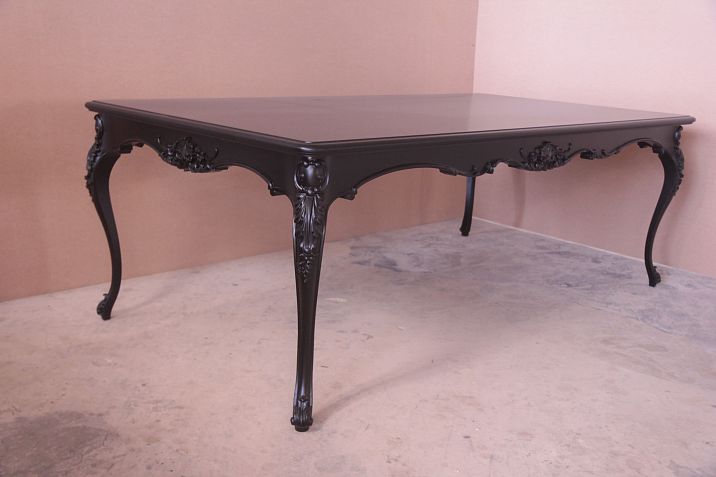
Imagine: you enter the living room after a stressful day, and your gaze involuntarily settles on an elegant piece that seems to radiate warmth and calm. Coffee table made of natural wood — it is not just furniture, it is the living soul of the interior, a manifestation of harmony between nature and human craftsmanship. In the modern world of plastic and metal, a wooden coffee table becomes an island of authenticity, where every annual ring tells its own story.
Why do we need this item? The question seems simple, but the answer is multifaceted. Beautiful wooden tables serve many functions: they become the focal point of composition in the living room, a place for family gatherings, storage for favorite books and magazines. But most importantly — they create an atmosphere of coziness and well-being that cannot be replicated with artificial materials.


Anatomy of perfection: what makes a wooden coffee table special




Energy of Living Material
Wood is the only material that continues to live even after leaving the forest. Each log carries the story of decades: rainy springs, dry summers, cold winters — all of this is reflected in the unique pattern of wood fibers. When you touch the surface of a wooden table, you feel this living energy.
Modern research confirms: the presence of natural wood in interior design reduces stress levels by 25-30%. This occurs because our brain is genetically programmed to have a positive perception of natural materials. Phytoncides emitted by wood purify the air and create a healthy microclimate in the room.
Our factory also produces:



Uniqueness of each item
No two solid wood coffee tables are alike. Even if they are made from the same type of wood according to the same blueprint, the grain pattern, color tones, and minor texture details make each piece a unique work of art.
Oak creates tables with expressive texture and noble dark-brown hue. The density of the wood reaches 720 kg/m³, ensuring exceptional durability — such a table will serve more than one generation.
Ash is distinguished by a contrasting pattern of light and dark areas. This species has high flexural strength — 110-125 MPa — making it ideal for elegant constructions.
Walnut embodies luxury with its chocolate-brown color and golden highlights. Density of 650-680 kg/m³ combines with excellent workability, allowing for the creation of complex decorative elements.
Get Consultation
Stylistic Solutions: From Classic to Modern
Traditional forms in modern interpretation
Round wooden tables embody the idea of unity and harmony. The absence of sharp corners makes them safe for children and creates a sense of softness in the interior. A diameter of 80-120 cm is optimal for most living rooms. Around such a table, 4-6 people can comfortably sit, and the central leg ensures free movement.
Rectangular wooden tables also welcome modern style, especially in minimalist interiors. Their classic proportions — length 1.5-2 times greater than width — create a sense of stability and solidity. Such models are often complemented by drawers or shelves for storage.
Avant-garde solutions: when tradition meets innovation
Tables with live edges preserve the natural shape of the tree trunk. This trend originated in Scandinavian design and has captured the hearts of eco-style enthusiasts. The uneven edge of the tabletop creates a sense of closeness to nature, and each curve tells the story of the tree's growth.
Combined materials open new possibilities for designers. The combination of natural wood with metal creates an interesting contrast between the warmth of natural material and the coldness of industrial elements. Glass inserts make massive structures visually lighter.
Technological secrets of producing elite tables
From raw material to masterpiece
Creating Quality coffee table made of natural wood It begins with careful selection of raw materials. The moisture content of the wood must be strictly 8-12% — this indicator is achieved through special kiln drying, which may last several months.
Modern technologies allow creating items with precision down to tenths of a millimeter. CNC machines process details according to a programmed sequence, eliminating human factors in forming complex profiles. However, final finishing and assembly still require the hand of an experienced craftsman.
Secrets of longevity
Connections of parts in quality furniture are executed using traditional joinery techniques, tested over centuries. Dovetail joints, “tailor’s stitch” connections, wooden dowels — all of this ensures structural strength without using metal fasteners.
Final finishing protects wood from moisture, temperature fluctuations, and ultraviolet radiation. Oil-based finishes penetrate deeply into wood pores, preserving its ability to “breathe”. Lacquer compositions create a durable protective film, simplifying care for the item.
Functional features of modern coffee tables
Ergonomics and comfort of use
The optimal height of a coffee table is 40-50 cm — this allows comfortable use while sitting on a sofa or in a chair. A table that is too low is inconvenient for placing items, while one that is too high disrupts the visual proportions of the living room.
The distance from the table to the sofa should be 35-45 cm. This ensures free passage and allows easy reach to any item on the tabletop. When planning, it is important to consider the size of the tabletop itself — a length of 100-140 cm is optimal for a three-seater sofa.
A dining table made of natural wood has different proportions and purpose, but ergonomic principles remain similar — each piece of furniture should serve the human being, not create discomfort.
Storage systems and additional options
Modern wooden coffee tables are often equipped with storage systems. Pull-out drawers allow hiding remote controls, charging devices, and small items. Open shelves are intended for books, magazines, and decorative elements.
Some solid wood table models integrate modern technologies: built-in USB ports for charging devices, wireless charging panels, hidden cable channels. At the same time, all electronic components are carefully concealed, not disrupting the natural aesthetics of the wood.
Psychology of Space: How a Coffee Table Affects the Atmosphere of a Home
Center of Family Life
A coffee table naturally becomes the center of the living room. Family gathers around it for evening tea, friends hold long conversations, children play board games. Natural wood creates a sense of stability and safety, which is especially important for children's psychology.
The round shape of the tabletop promotes equal communication — there is no "main place" at such a table. This is psychologically important for family dynamics and creating an atmosphere of trust. In contrast, rectangular tables emphasize hierarchy and are better suited for formal meetings.
Influence of Texture on Emotional State
Tactile sensations from touching natural wood activate the parasympathetic nervous system, responsible for relaxation. This explains the desire to stroke wooden surfaces, which many people experience.
Visual perception of the wood grain also has a calming effect. The chaotic nature of natural patterns contrasts with the geometric regularity of modern interiors, creating the necessary balance between order and natural freedom.
Choosing Wood Species: Characteristics and Features
Hardwood Species
Oak — the king of furniture production. Its wood contains tannins that give it natural resistance to rot and insects. Coffee table made of natural wood Made from oak, tables serve for centuries, acquiring a noble patina over time.
Common beech is distinguished by high strength and elasticity. In terms of mechanical properties, it surpasses oak, while having a lighter shade. The contrasting texture of beech, with clearly defined annual rings, makes each item a unique work of art.
European beech has a uniform fine-pored structure and a pleasant pinkish hue. This species is easily stained, allowing the color of the table to be adapted to any interior.
Exotic Species for Special Occasions
American walnut creates tables of exceptional beauty. Its chocolate-brown wood with lighter sapwood forms a natural contrasting pattern. The high cost is offset by the unique aesthetics and prestige of the material.
Teak is a species traditionally used in shipbuilding due to its high moisture resistance. Coffee tables made of teak can be used even in rooms with high humidity. The golden-brown hue and oily texture make teak furniture instantly recognizable.
Size Solutions for Different Interiors
Compact Tables for Small Apartments
In conditions of limited space, every square meter matters. Coffee tables measuring 60×40 cm are optimal for small living rooms. Despite their compactness, they retain all the functional capabilities of full-sized models.
Transformable tables solve the problem of space shortage. Extendable models increase in size as needed, while foldable designs can be stored away, freeing up space for other purposes.
Large-Scale Solutions for Spacious Rooms
Large living rooms require appropriate furniture. Coffee tables measuring 140×80 cm and larger become dominant elements of the interior. Their massiveness emphasizes the owner's status and creates a sense of solidity.
Modular systems allow creating compositions from several tables of different sizes. This solution ensures flexibility in space usage — individual modules can be moved depending on the situation.
Modern trends in wooden furniture design
Minimalism and functionality
Modern design strives for simplicity of form and maximum functionality. Coffee tables in minimalist style feature clear geometric shapes, absence of decorative elements, and emphasis on the beauty of the material itself.
Scandinavian design values simplicity and practicality. Light-colored woods — birch, maple, beech — create a sense of lightness and purity. Natural wooden furniture in Scandinavian style emphasizes connection with nature and eco-friendly lifestyle.
Eco-Style and Sustainability
Consumer ecological awareness is shaping new trends in furniture design. Tables preserving natural wood edges, minimal surface treatment, and using eco-friendly coatings are becoming increasingly popular.
Solid wood products naturally fit into the concept of sustainable development. With proper forest management, wood is a fully renewable resource, and the carbon footprint of wooden furniture is significantly lower than that of plastic or metal products.
Technical Specifications and Quality Standards
Requirements for Humidity and Stability
Quality wood for furniture should have a moisture content of no more than 8-12%. Exceeding this level may cause deformation of the product during use. Cabinet drying ensures even moisture removal and elimination of internal stresses in the wood.
Dimensional stability is a critically important parameter for furniture. Proper orientation of fibers in laminated wood, use of lamellas in different directions ensure minimal deformation under changes in temperature and humidity.
Strength characteristics of various wood species
|
Wood species |
Density (kg/m³) |
Compressive strength (MPa) |
Bending strength (MPa) |
|
Oak |
650-750 |
52-58 |
88-95 |
|
Ash |
650-700 |
49-54 |
110-125 |
|
Beech |
680-720 |
48-52 |
85-92 |
|
Walnut |
630-680 |
46-50 |
82-88 |
Manufacturing process: from sketch to finished product
Design and construction
Creating a quality coffee table begins with detailed design. Modern CAD systems allow creating a 3D model of the product, calculating loads, and optimizing material usage.
Each part is designed taking into account the characteristics of wood: grain direction, possible deformations, and joining methods. Proper construction is the key to the longevity and functionality of the finished product.
Production cycle
Manufacturing a wooden coffee table includes several stages:
- Material preparation — cutting boards, thickness calibration
- Gluing panels — forming the tabletop and other large parts
- Mechanical processing — giving final shape to parts
- Assembly — connecting all elements
- Sanding — preparing the surface for final finishing
- Applying finish — protecting and decorating the product
Each stage requires high skill from workers and strict adherence to technological procedures.
Finishing options and decoration
Natural coatings
Oil finish highlights the natural beauty of wood, preserving tactile sensations from touching wood. Oil penetrates deeply into pores, protecting wood from within. Such a finish is easily restorable when needed.
Wax finish creates a soft, silk-like sheen on the surface. Wax forms a thin protective layer that enhances the wood's texture and gives the product an elegant appearance.
Modern protective compositions
Polyurethane varnishes provide maximum protection against mechanical damage and moisture. They create a strong, chemically resistant film that preserves the original appearance of the table for many years.
Acrylic finishes combine eco-friendliness with high protective properties. They have no odor, dry quickly, and do not yellow over time.
Ergonomic aspects of use
Anthropometric Parameters
When designing coffee tables, anthropometric data of users are taken into account. A height of 40–50 cm is optimal for use with standard-height soft furniture. Tabletop dimensions should ensure convenient access to any point on the surface.
Edge rounding radii not only improve the appearance of the product but also increase safety during use, especially in households with young children.
Functional zoning
Modern coffee tables made of solid wood are often designed with functional zoning in mind. The central part of the tabletop is intended for decorative items, the edges for drinks and snacks, and built-in recesses for storing remote controls and small items.
Ecological advantages of wooden furniture
Carbon balance
Wood is the only building material that absorbs carbon dioxide from the atmosphere during growth. One cubic meter of wood binds approximately 250 kg of CO₂. Using wooden furniture contributes to reducing greenhouse gas concentrations in the atmosphere.
When properly disposed of, wooden furniture fully biodegrades without harming the environment. Unlike plastic items, wood does not produce toxic waste and does not contaminate soil or water.
Production energy efficiency
Producing wooden furniture requires significantly less energy compared to metal or plastic items. Wood processing occurs at room temperature and does not require high-temperature melting or chemical synthesis processes.
Woodworking waste finds application as fuel, construction materials, or raw material for the pulp and paper industry. This ensures nearly zero-waste production.
Investment attractiveness of quality furniture
Long-term economic benefit
Purchasing a quality coffee table made of solid wood is an investment in the long term. The high initial cost is offset by the exceptional longevity of the product. With proper care, such a table can serve several generations.
The cost of owning quality wooden furniture, calculated per year of use, is lower than that of cheaper alternatives requiring periodic replacement.
Antique value
Furniture made of solid wood increases in value over time. This is especially true for handcrafted items or those made by renowned artisans. Antique wooden tables become collectible items and family heirlooms.
Wooden furniture requires gentle but regular care. Daily cleaning should be done with a soft dry cloth without abrasive materials. Dust is removed by moving along the grain of the wood.
Daily Care
Spilled liquids must be immediately removed to prevent absorption into the wood. To protect the surface, it is recommended to use coasters for hot items and mats under flower vases.
Every few months, the wooden surface is treated with special wood care products. Oil and wax-based treatments nourish the wood and maintain the protective properties of the finish.
Periodic maintenance
Minor scratches or scuffs can be removed using special restorative agents. Deep damage requires professional restoration.
Minor scratches or scuffs can be removed using special restoring agents. Deep damage requires professional restoration.
Design solutions for different interior styles
Classic Interiors
In classic interiors, wooden coffee tables play the role of accent elements. Carved legs, inlays, and patina emphasize luxury and sophistication. Dark wood species — oak, walnut, mahogany — create an atmosphere of solidity.
Modern Styles
Modern interiors welcome simplicity of form and functionality. Coffee tables with clean geometric lines, devoid of decorative excesses, fit perfectly into minimalist settings. Light wood species visually expand the space.
Ethnic styles
Ethnic interiors require a special approach to furniture selection. Tables with carved elements imitating national ornaments, and items made from exotic wood, create an authentic atmosphere.
Market Trends and Development Prospects
Growing demand for eco-friendly furniture
Consumer ecological awareness stimulates demand for furniture made from natural materials. Solid wood items are taking up an increasingly large share of the premium segment of the furniture market.
FSC certification and other ecological standards are becoming important factors for conscious consumers. Manufacturers increasingly emphasize the origin of the wood and the ecological nature of production processes.
Technological Innovations
Modern technologies open new possibilities for producing wooden furniture. Laser processing allows creating complex decorative elements with high precision. Artificial intelligence technologies optimize material cutting, reducing production waste.
Integrating "smart" technologies into traditional wooden furniture creates new functional capabilities without compromising the aesthetics of the natural material.
Selection and purchase: practical recommendations
Quality criteria
When choosing a solid wood coffee table, it is important to pay attention to several key factors:
- Wood quality — absence of defects, proper drying
- Item geometry — absence of deformations and warping
- Finish quality — even coating, smooth surface
- Structural strength — reliable joints, absence of play
Interior Compatibility
Choosing a table should be based not only on its quality characteristics but also on its compatibility with the overall interior concept. The dimensions of the item should be proportional to the room's size, and the style should harmonize with existing furniture.
The color palette can either support the main tones of the interior or create contrasting accents. Intermediate options often look inappropriate and disrupt the overall composition.
Choosing Coffee table made of natural woodYou are not just purchasing a piece of furniture, but a work of art created by nature and refined by human craftsmanship. Each table is unique, like a fingerprint, and carries the warmth of living material.
In today's world, where individuality and eco-friendliness are valued, solid wood furniture becomes a symbol of conscious choice. It is an investment in beauty, functionality, and the health of your home, which will pay off for years through comfort and aesthetic enjoyment.
Natural wood creates a special atmosphere in the home — an atmosphere of calm, stability, and connection with nature. This is especially important in today's urbanized world, where people often lose contact with their natural environment.
STAVROS embodies the best traditions of furniture craftsmanship in every created item. Decades of experience working with natural wood, deep understanding of the properties of various wood species, modern production technologies — all this allows STAVROS to create furniture of exceptional quality. Every coffee table produced in STAVROS workshops undergoes strict quality control and meets the highest standards of the furniture industry. STAVROS is not just a furniture manufacturer, but a creator of coziness and beauty that make a home a true home.