Article Contents:
- Patterns as Part of Applied Art
- Patterns in Wood Carving: The Art of Nature and Precision
- Symbolism of Patterns in Applied Art
- Application of Patterns in Interior Design: Aesthetics and Individuality
- Meaning of Patterns in Applied Art: Symbol of Beauty, Traditions, and Inspiration
- Why are patterns so important?
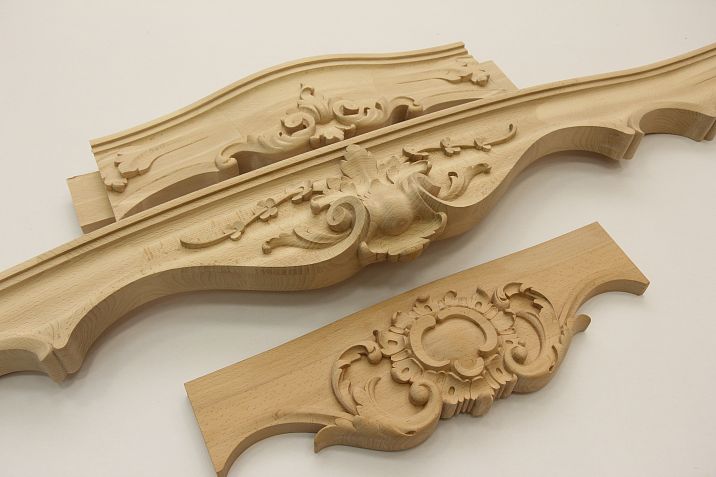
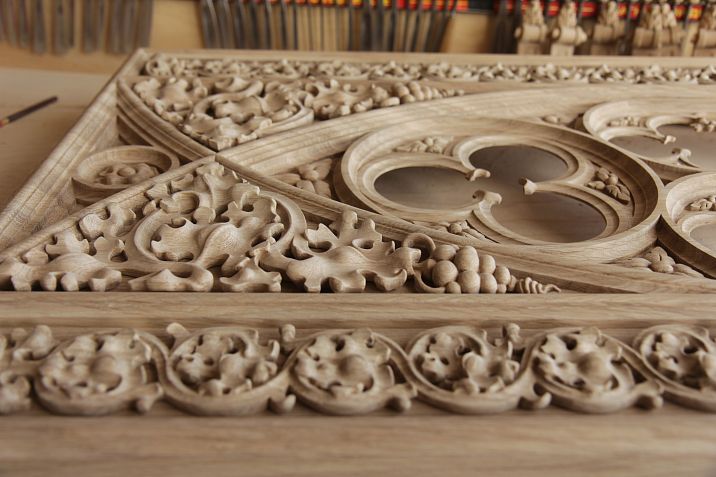
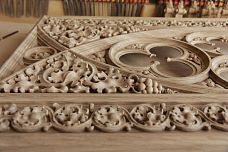
Patterns of applied art are unique artistic elements that reflect cultural heritage, symbolism, and the creativity of artisans. In wood carving, ceramics, textiles, or metalwork, patterns serve not only as decoration but also as a means of conveying ideas, emotions, and values. They bring aesthetics and individuality into products, making them true works of art.
STAVROS company, working with solid wood, offers items with refined patterns that reflect the richness of decorative-applied art. Browse the collection on the page Wooden Inlays.




Patterns as Part of Applied Art
Patterns are the foundation that makes decorative-applied art unique. Their application is diverse:
● They decorate furniture, walls, textiles, and accessories.
● Patterns serve to accentuate interior details.
● They perform a symbolic function, conveying meanings and traditions.
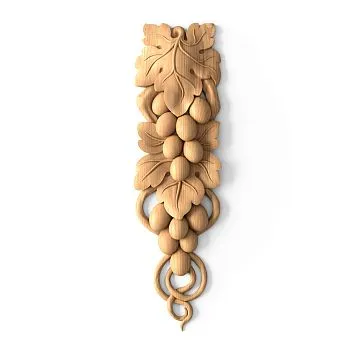
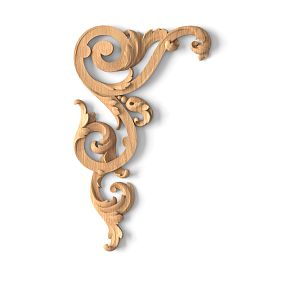
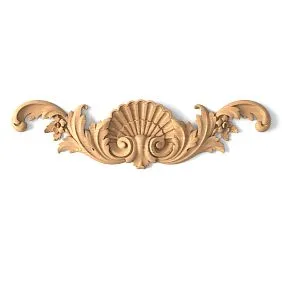
STAVROS company, renowned for its mastery in wood carving, uses patterns to create items that highlight the style and uniqueness of interiors. STAVROS's carved wooden inlays with patterns are ideal for decorating furniture, door and window openings, as well as decorative panels. Learn more about the inlays collection on the page Wooden Inlays.
Role of Patterns in Applied Art
- Aesthetic value
Patterns give products decorative value, making them visually appealing. The beauty of repeating motifs or complex compositions evokes admiration and highlights the creator's skill. - Cultural Heritage
Each pattern reflects certain traditions and cultural characteristics. For example:
○ Slavic patterns include symbols of the sun, fertility, and nature.
○ Eastern ornaments are associated with harmony and luxury.
○ Classical Baroque motifs symbolize elegance and opulence.
- Practical application
Patterns help visually divide space, draw attention to certain areas, or conceal surface defects.
Patterns from STAVROS company
In decorative items from STAVROS company, patterns occupy a central place. They are carved by hand or using modern technologies, ensuring high precision and artistic expressiveness. The STAVROS collection includes:
● Carved inlays with floral and geometric motifs.
● Decorative panels that adorn walls and furniture.
● Architectural elements such as moldings and rosettes with refined patterns.
These items not only decorate space but also preserve the traditions of artisanal art. Choose the right pattern for your interior on the page Wooden Inlays.




Wood Carving Patterns: The Art of Nature and Precision
Wood carving is one of the oldest and most refined directions of decorative-applied art, where patterns play a central role. They make the items unique, bringing warmth of natural material and the author's craftsmanship. Wood carving patterns can be the most diverse: from minimalist geometric motifs to complex floral ornaments reflecting cultural traditions and the style of the era.
Features of Patterns in Wood Carving
- Natural Motifs
One of the most popular themes in wood carving remains floral and natural patterns. Flowers, leaves, branches, and grapevines symbolize harmony between man and nature. Such patterns give items elegance and natural beauty. - Geometric Ornaments
Geometric patterns such as diamonds, zigzags, waves, and lines are often used to create strict and orderly compositions. They emphasize architectural lines of interiors and suit both classic and modern styles. - Historical and Ethnic Patterns
Patterns inspired by cultural heritage include national motifs and symbolism. For example:
Slavic carving often includes images of the sun, trees of life, and protective symbols.
Baroque patterns include rich scrolls, rosettes, and garlands, emphasizing the luxury of the item.
- Combined Ornaments
In modern art, masters often combine different styles, uniting geometry, floral, and abstract elements to create unique compositions.
Examples of Using Patterns in Wood Carving
- Furniture
Carved appliqués for cabinet, chest, and door facades add individuality to furniture and turn it into a work of art.
Bed headboards with exquisite patterns create an atmosphere of luxury.
- Architectural elements
Moldings and cornices with patterns draw attention to the lines of space, emphasizing its structure.
Baseboards with decorative ornaments add completeness to the interior.
- Decorative Panels and Rosettes
Panels with carved patterns are used for wall and ceiling decoration, adding depth and texture.
Rosettes become a central accent in ceiling or lighting fixture zones decoration.
Patterns from STAVROS company
STAVROS company specializes in creating carved wooden items with patterns that combine craftsmanship and modern technologies. Their assortment includes:
Carved appliqués with floral, geometric, and classic motifs.
Decorative panels and rosettes that highlight the interior style.
Moldings and cornices adorned with exquisite patterns.
Each item is crafted from solid oak, beech, and other valuable wood species, ensuring longevity and natural aesthetics. Learn more about the collection of carved items on the page Wooden Inlays.
Why Wood Carving Patterns Remain Relevant?
Naturalness: Wood is a warm and eco-friendly material, which, combined with carving, creates coziness and harmony in interiors.
Individuality: Handmade work makes each item unique.
Compatibility: Patterns on wooden elements harmonize with various materials such as glass, metal, and textiles.
Versatility of styles: from classic to modern — wood carving remains in demand in any design solution.
Our factory also produces:


Symbolism of Patterns in Applied Art
Patterns in applied art are not just decoration, but also carriers of deep symbolic meanings. For centuries, artisans have infused ornaments with ideas, beliefs, and cultural traditions, creating works that reflected the spirit of the times and the characteristics of particular peoples. The symbolism of patterns remains an important aspect of decorative-applied art today.
Main types of symbolic patterns
- Plant motifs
Plant patterns are symbols of nature, fertility, and harmony. They are interpreted differently in various cultures:
○ Oak leaves – symbol of strength and resilience.
○ Grapevine – sign of abundance and prosperity.
○ Flowers (roses, lilies) – embodiment of beauty, purity, and elegance.
Plant motifs are widely used in wood carving. For example, carved appliqués with floral patterns from the company STAVROS are ideal for decorating furniture and interiors in a classical style. Explore the collection on the page Wooden Inlays.
- Geometric patterns
Geometry is a universal language of art that conveys ideas of order, symmetry, and infinity. Main symbols include:
○ Circles – symbol of unity and eternity.
○ Squares and rhombuses – embodiment of stability and harmony.
○ Zigzags and waves – depict movement and change.
Geometric patterns are ideal for decorating modern interiors. STAVROS offers carved items with such motifs that complement both minimalist and more elaborate styles. Learn more on the page Wooden Inlays.
- Ethnic ornaments
Ethnic patterns convey the cultural characteristics of different peoples. They may include:
○ Slavic motifs: sun, birds, trees of life – symbols of protection, strength, and unity with nature.
○ Eastern ornaments: complex symmetrical compositions symbolizing infinity and harmony.
○ Baroque elements: scrolls, garlands, rosettes – symbols of luxury and elegance.
Carved appliqués from STAVROS often include ethnic motifs adapted to modern interiors. This allows creating a space where traditions are preserved, yet modern elements are present. See examples on the page Wooden Inlays.
- Abstract patterns
Abstraction is a way of expressing ideas and emotions not tied to specific objects. Such patterns are often used to create decorative elements that draw attention to form and texture.
Significance of symbolism in contemporary applied art
- Preservation of Traditions
Pattern symbolism allows preserving cultural heritage and passing it on to new generations. In wood carving, traditional motifs remain relevant, infusing products with the spirit of the past. - Creating mood
Each pattern conveys a specific mood. Geometry adds strictness and order, plant motifs bring warmth and coziness, ethnic ornaments add uniqueness and character. - Interior individuality
Using symbolic patterns in interior design helps create a space that reflects the owner’s taste and preferences.
Symbolism in STAVROS products
STAVROS offers carved items that embody traditions and symbolism of patterns in modern design. Patterns carved into appliqués, moldings, and decorative panels highlight the individuality of each item. They can be used to:
● Furniture, adding elegance.
● Door and window openings, emphasizing architectural lines.
Walls and ceilings, creating accent zones.
Browse the collection of items on the page Wooden Inlays and choose patterns that highlight the style of your interior.
Get Consultation
Patterns in interior design: Aesthetics and individuality
Patterns in interior design are a universal tool that helps create an atmosphere, emphasize style, and set accents. They can transform a space, making it cozy, refined, and unique. The application of patterns in interior design is diverse and encompasses decorative elements, furniture, walls, ceilings, and even small accessories.
How to use patterns in interior design?
- Decorative panels and inlays
○ Carved wooden panels with patterns are perfect for accent walls. They add texture and visual depth, especially in living rooms and offices.
○ Decorative appliqués are used to decorate furniture facades, doors, and window openings. Patterns on appliqués can be floral, geometric, or classical, depending on the interior style.
- Carved appliqués from STAVROS are the ideal choice for creating such accents. Select items for your project on the page Wooden Inlays.
- Furniture decoration
○ Patterns on furniture add elegance and turn ordinary items into works of art.
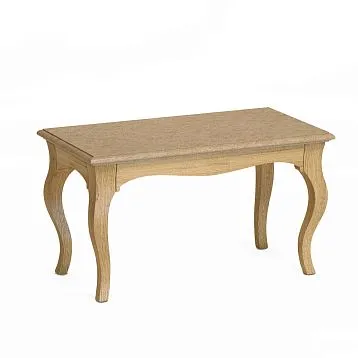
○ Cabinet, chest, and table facades can be adorned with carved appliqués to emphasize their style.
○ For classic interiors, baroque and floral patterns are popular, while for modern interiors, minimalist geometric motifs are favored.
- STAVROS offers appliqués with various patterns that are ideal for decorating furniture. Browse the assortment on the page Wooden Inlays.
- Wall and ceiling decoration
○ Patterns can be used to decorate walls using moldings and decorative panels. This creates a sense of structure and makes the space more complex and interesting.
○ Patterns on ceilings are often applied as carved rosettes, which highlight central lighting.
- Rosettes and moldings from STAVROS with refined patterns will add aristocracy to your interior. Learn more on the page Wooden Inlays.
- Framing Door and Window Openings
○ Carved appliqués and patterned moldings create elegant framing that emphasizes the architectural lines of the interior.
○ Such elements help visually highlight openings, making them stylish accents.
- STAVROS offers items that are perfectly suited for this purpose. Browse their collection on the page Wooden Inlays.
- Textiles with patterns
○ Curtains, cushions, and rugs with decorative patterns help create harmony and add coziness to the interior.
○ Patterns on textiles can echo patterns on furniture and walls, creating a cohesive look.
Interior design styles and patterns
- Classic style
○ Baroque patterns, such as scrolls and rosettes, emphasize luxury and elegance.
○ Wooden panels and moldings with patterns fit perfectly into classic interiors.
- Modern style
○ Minimalist geometric patterns add dynamism to the space.
○ Carved wooden elements with minimalist patterns emphasize elegance and functionality.
- Ethnic style
○ Patterns inspired by national traditions add uniqueness and character.
○ Slavic or oriental ornaments are ideal for decorating ethnic-themed zones.
STAVROS Products for Interiors
STAVROS Company offers a wide range of products that help you incorporate patterns into your interior:
● Carved appliqués for furniture, walls, and doors.
● Mouldings and baseboards with elegant patterns.
Decorative panels and outlets for ceilings and accent walls.
Each item is crafted with attention to detail and high quality. Select elements that will highlight the style of your interior on the page Wooden Inlays.
The meaning of patterns in applied art: Symbol of beauty, traditions, and inspiration
Patterns in applied art have a much deeper meaning than mere decoration. They represent the language of artisans, conveying ideas, emotions, and cultural traditions through forms, lines, and compositions. Patterns are a bridge between generations, connecting the past, present, and future.
Why are patterns so important?
- Cultural Heritage
Patterns are unique custodians of traditions. They encapsulate national characteristics, histories of peoples, and their worldview. For example:
Slavic patterns often contain symbols of the sun, fertility, and protection, embodying the connection between humans and nature.
Eastern ornaments, with their complex symmetry, convey ideas of infinity and harmony.
Baroque motifs reflect the era of luxury and grandeur.
STAVROS Company, preserving the tradition of wood carving, offers items that embody cultural heritage in modern interiors. Explore the collection of overlays on the page Wooden Inlays.
- Aesthetic value
Patterns make items visually appealing and create focal points in space. They help emphasize the interior style, highlight its details, and add individuality. - Expression of emotions
Patterns are capable of conveying mood and feelings. For example:
Light swirls create a sense of movement and lightness.
Strict geometric lines add order and stability to the interior.
Plant motifs create an atmosphere of coziness and naturalness.
- Functional role
In applied art, patterns can perform practical tasks:
Visual space division: patterns help zone the interior, highlighting separate areas.
Defect masking: complex ornaments on wooden overlays or panels can hide unevenness or joints.
Patterns in modern interiors
- Accent elements
Patterns can be used to create accent details that attract attention and highlight the uniqueness of the interior. For example, decorative panels or overlays with patterns become the focal point in a room. - Space harmonization
Using patterns in different interior elements (furniture, walls, textiles) helps create a cohesive image. They link details into a unified, stylish space. - Decorative collections from STAVROS
STAVROS Company offers items with refined patterns, perfectly suited for decorating both classic and modern interiors. Their products include:
Carved overlays with unique patterns for furniture and walls.
Decorative panels for creating accent zones.
Moldings and cornices with refined ornaments for architectural solutions.
Explore the products that will highlight the style of your interior on the page Wooden Inlays.
Conclusion
Patterns in applied art are not just details, but a language through which artisans convey their art and cultural heritage. They make items unique, add style and elegance to interiors, and connect us with the traditions of the past. STAVROS Company offers a collection of carved items with patterns that combine beauty, functionality, and respect for artisanal traditions.
If you want to transform your interior and add individuality to it, STAVROS items will be the ideal choice. Explore the assortment on the page Wooden Inlays and choose elements that will inspire you to create a unique space.