












































































Article Contents:
- Philosophy of unique design: when space speaks for its owner
- Psychology of personal space
- Balance between individuality and harmony
- Basic principles of creating unique interiors
- Personalization as the foundation of the concept
- Functionality without compromise
- Sustainability and eco-friendliness
- Trends in unique interior design
- Mixing Styles and Eras
- Technology serving uniqueness
- Return to craft traditions
- Role of furniture in creating unique design
- Furniture as sculpture
- Transformation and multifunctionality
- Materials and production technologies
- Color and lighting in unique design
- Personal color palette
- Lighting as a tool for transforming space
- Spatial solutions and layout
- Non-standard layout solutions
- Working with non-standard spaces
- Connection with the external environment
- Technological design and innovations
- Integration of technology into interior design
- Ecological technologies
- Interactive design
- Regional characteristics of unique design
- Influence of climate and geography
- Cultural traditions and modernity
- Urban trends
- Creating unique interiors for different types of rooms
- Living Spaces: Home as an Extension of Personality
- Kitchen Spaces: The Heart of the Home
- Workspaces: Productivity and Comfort
- Using Modern Design Tools
- Digital technologies in design
- Parametric Design
- Collaborative Design
- Economic Aspects of Unique Design
- Investment Value of Unique Design
- Sustainable Consumption
- The Future of Unique Interior Design
- Technological breakthroughs
- Changing Lifestyle
- Globalization and Localization
- Frequently Asked Questions about Unique Interior Design
- How Much Does Creating a Unique Interior Design Cost?
- How Long Does It Take to Create a Unique Design?
- Can a Unique Design Be Created in a Standard Apartment?
- How to Find Your Style in Interior Design?
- Is It Necessary to Completely Redesign the Interior to Create a Unique Design?
- How to Combine Uniqueness with Practicality?
- What Mistakes Are Most Common When Creating a Unique Interior?
- How to Maintain a Unique Interior in Current Condition?
- Conclusion: Uniqueness as a Philosophy of Life
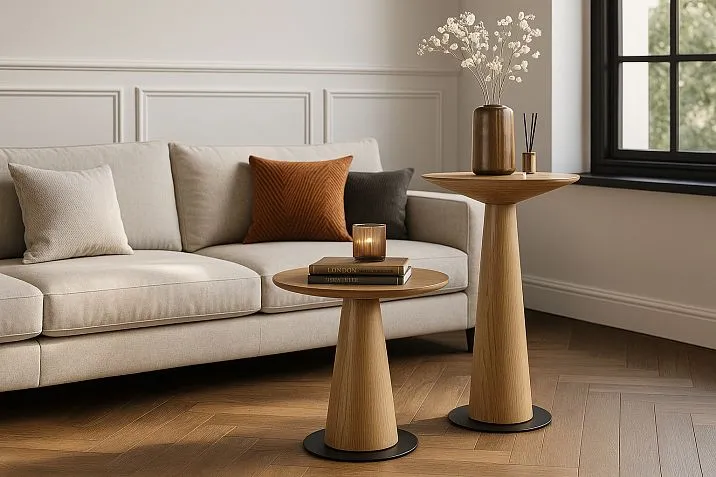
In an era of mass production and standardized solutions, the desire for individuality has become not just a wish, but a necessity of life. Unique Interior Designs have transformed from a luxury for the chosen few into an accessible means of self-expression for anyone who wishes to create a space reflecting their soul and character. But what makes a design truly unique? And how to create an interior that stands out among thousands of others, while remaining harmonious and functional?
Uniqueness in interior design is not following the latest trends or blindly copying images from magazines. It is a deep understanding of the specific needs of an individual or family, a creative approach to solving spatial problems, and the ability to create an atmosphere that inspires and supports day by day.


Philosophy of Unique Design: When Space Speaks About the Owner




Psychology of Personal Space
Each person is unique, and their living space should reflect this uniqueness. Psychologists assert that the surrounding environment directly affects our mood, productivity, relationships, and overall quality of life. — is not a metaphor, but a scientifically proven fact. This is not a metaphor, but a scientifically proven fact.
Creating a unique design begins with a deep analysis of lifestyle, preferences, habits, and dreams of future occupants of the space. An introvert needs cozy corners for solitude, an extrovert — open spaces for socializing. A creative personality requires inspiring elements and good lighting, while a practical person — functional solutions and thoughtful organization.
Truly unique design is not just beautiful — it works for a specific person, supporting their activities, soothing after a hard day, and motivating new achievements. It is a space where one wants to live, work, create, and love.
Our factory also produces:


Balance between individuality and harmony
Creating unique design is an art of balancing self-expression and aesthetic harmony. Too much individuality can lead to chaos, while too little results in blandness. A true design master knows how to find that golden balance, where each element serves a common idea but still carries its own story.
Harmony in unique design is achieved not through uniformity, but through a carefully composed arrangement of different elements. Colors, textures, shapes, materials must interact with each other, creating a cohesive picture. At the same time, each detail should and can carry meaningful content, telling part of the owner’s story.
Get Consultation
Basic principles of creating unique interiors
Personalization as the foundation of the concept
Personalization is not just placing family photos or souvenirs from travels. It is a deep understanding of how a person lives, what inspires them, and what emotions they wish to experience in their home. Unique interior items become not just decoration, but functional elements that support a certain lifestyle.
Personalization is reflected in choosing materials that are pleasant to touch for a specific person, in layouts that match their daily routine, in lighting that creates the right mood at different times of day. This may include a special spot for morning meditation, an integrated library for book lovers, a professional kitchen for gourmets, or a home studio for creative activities.
Functionality without compromise
Unique design should never sacrifice functionality for aesthetics. On the contrary, true uniqueness often arises from creative solutions to functional challenges. How to place a large book collection in a small apartment? How to create a workspace in the living room without compromising its coziness? How to organize storage so that it becomes part of the decor?
Wood materials for furniture allow creating functional items that simultaneously serve as interior decoration. Wooden furniture can be crafted precisely to fit the room’s dimensions, taking into account all layout peculiarities and the owner’s needs.
Sustainability and eco-friendliness
Modern unique design cannot be imagined without considering ecological aspects. Sustainable development is not a trendy fad, but a conscious necessity. Material choices, production methods, product longevity — all of these influence the uniqueness of the design.
Natural materials are not only eco-friendly, but also create a special atmosphere in the home. Wood, stone, metal, glass — each material has its own energy, its own character. Skillful combination of various natural materials creates a rich, multi-layered environment that never gets boring.
Trends in unique interior design
Mixing styles and eras
Modern unique interiors increasingly reject strict adherence to a single style. Eclecticism allows creating truly personalized spaces, where vintage furniture coexists with modern technology, and ethnic elements harmoniously blend into minimalist interiors.
Mixing styles requires special sensitivity and understanding of basic compositional principles. Unifying elements may include color palettes, materials, shapes, or functional purposes. The key is that each element must be chosen consciously and have its place within the overall concept.
Technology serving uniqueness
Modern technologies open previously unseen possibilities for creating unique interiors. 'Smart homes' allow personalizing lighting, temperature, and music according to mood and time of day. Multi-room systems create different acoustic zones within a single space.
Interactive surfaces that change color and texture, transformable furniture adapting to various needs, air purification systems integrated into interior items — all these are elements of future design that are already available today.
Return to craft traditions
Paradoxically, but in an era of advanced technology, interest in handmade crafts is growing. People are tired of mass production and seek items with history, infused with the soul of the craftsman. Handmade ceramics, forged elements, wood carving, original textiles — all of these become the foundation for creating unique interiors.
Wooden gifts Handmade items are especially valued in modern design. Each piece is unique, carrying the energy of natural materials and the craftsmanship of the creator. Such items become central elements of the interior, around which the entire composition is built.
The role of furniture in creating unique design
Furniture as sculpture
In unique interiors, furniture ceases to be merely a functional item and becomes sculpture, an art object. Each piece is carefully selected or specially created for a specific space. Unique Interior Designs are often built around one or several outstanding pieces of furniture that set the tone for the entire space.
Custom furniture allows solving several tasks at once: providing necessary functionality, creating an aesthetic accent, highlighting the owner's individuality. Such furniture is made taking into account the specific dimensions of the room, layout features, and the client's personal preferences.
Transformation and multifunctionality
Modern unique interiors are often built on the principle of transformation. Transformable furniture allows one space to perform different functions at different times. A living room easily becomes a guest bedroom, a home office — a gaming room, a dining room — a conference room.
Multifunctional furniture is especially relevant in small spaces, where every square meter counts. But even in spacious homes, transformable elements allow creating a more dynamic, lively environment that can adapt to changing residents' needs.
Materials and production technologies
The choice of materials for furniture largely determines the character of the interior. What new-generation furniture is made of — a question customers must receive comprehensive answers to. Eco-friendliness, durability, ease of care — specific advantages speak louder than abstract 'innovation'. In our time? The spectrum of materials is constantly expanding: from traditional wood to innovative composites, from metal to recycled materials.
Each material has its unique properties and possibilities. Wood creates a warm, cozy atmosphere, metal adds modernity and technology, glass — lightness and transparency, stone — solidity and connection with nature. Skillful combination of different materials in one item or composition creates a rich tactile and visual environment.
Color and lighting in unique design
Personal color palette
Color is one of the most powerful tools for creating a unique interior. However, the choice of color palette should be based not only on fashion trends but also on personal preferences, psychological characteristics, and lifestyle of the inhabitants.
Some people feel comfortable in bright, saturated colors, others prefer a calm neutral palette. Some love contrasts and unexpected combinations, others — smooth transitions and nuances of one tone. Unique design takes into account these features and creates a color environment that supports and inspires a specific person.
Lighting as a tool for transforming space
Lighting in a unique interior is not just the ability to see in the dark. It is a tool for creating mood, transforming space, and highlighting key compositional elements. The same room can look completely different depending on the lighting.
A multi-level lighting system allows creating different lighting scenarios for various situations. Bright general lighting for active activities, soft diffused — for relaxation, directional — for reading or work, decorative — for creating atmosphere.
Using various light sources — natural, LED, halogen, candles — creates a rich lighting environment. Play of light and shadow, reflections on different surfaces, color accents — all of these are elements of unique lighting design.
Spatial solutions and layout
Non-standard layout solutions
The uniqueness of an interior often begins with a non-standard approach to layout. Rejecting traditional division into rooms, creating open spaces with different functional zones, using differences in floor or ceiling levels — all of these are ways to create an irreplaceable space.
Unique apartment interior Often built on rethinking the functions of various rooms. The kitchen becomes the center of family life and includes dining and living areas. The bedroom transforms into a personal study-boudoir. The entryway becomes an art gallery.
Working with non-standard spaces
Every space has its own features — uneven walls, low ceilings, non-standard angles, unusual shapes. Mass design tries to hide these features, while unique design turns them into advantages.
Slanted walls can become the basis for creating a dynamic composition, low ceilings — for creating a cozy, intimate atmosphere, unusual niches — for displaying collections or creating secluded corners. The key is to see potential in what seems like a disadvantage.
Connection with the external environment
A unique interior does not exist in a vacuum — it is connected to the surrounding environment. View from the window, orientation relative to cardinal directions, climate, urban or natural environment — all of these influence the design and must be considered when creating it.
Large windows can become the main decorative element, offering views of a garden or cityscape. A terrace or balcony becomes an extension of the interior space. Natural materials create a connection with the surrounding environment even in an urban apartment.
Technological design and innovations
Integration of technology into interior
Modern technologies should organically fit into a unique interior, rather than dominate it. Hidden placement of equipment, integration of screens into furniture and walls, wireless control systems — all of this allows creating a high-tech, yet cozy and harmonious space.
A smart home can be customized to individual preferences of each resident. The system "learns" the habits of inhabitants and automatically creates comfortable conditions. Lighting adjusts to circadian rhythms, temperature is regulated based on activity, music is played according to mood.
Ecological Technologies
Unique interiors of the future cannot be imagined without ecological technologies. Air and water purification systems, energy-saving solutions, use of renewable energy sources — all of this becomes an indispensable part of modern design.
Vertical gardens, aquaponics systems, composters integrated into kitchen furniture, solar panels integrated into architecture — these solutions are not only beneficial for the environment but also create a unique aesthetic.
Interactive Design
Interactivity is a new direction in interior design. Surfaces that respond to touch, walls that change color depending on mood, furniture that adapts to user posture and preferences — all these are elements of interactive design.
Virtual and augmented reality allow for creating changeable interiors. With special glasses, the same space can transform into a tropical forest, an underwater world, or a spaceship.
Regional Features of Unique Design
Influence of Climate and Geography
Geography and climate have a tremendous influence on interior design. Northern regions require warm materials, abundant lighting, and cozy atmospheres. Southern regions favor coolness, lightness, and connection with nature. Urban interiors differ from suburban ones, seaside interiors from mountain ones.
Unique Home Interior Always takes into account local features. Materials, colors, layout solutions, decorative elements — all must correspond to the local climate and traditions, yet still reflect the individuality of the owner.
Cultural Traditions and Modernity
Unique design often builds upon reinterpreting traditional cultural elements. This is not blind copying of historical patterns, but a creative reinterpretation of traditions taking into account modern lifestyles and technologies.
National ornaments can be adapted for modern materials and technologies. Traditional craftsmanship techniques are used to create contemporary furniture. Historical layout principles are reinterpreted for modern needs.
Urban Trends
Urban interiors have their own characteristics. Limited space requires especially careful planning. Noise and pollution create a need for isolation and purification. The dynamic pace of life calls for transformable and multifunctional solutions.
Lofts in former industrial buildings, apartments in historic houses, penthouses in skyscrapers — each type of urban housing offers its own opportunities for creating unique design.
Creating Unique Interiors for Different Types of Spaces
Living Spaces: Home as an Extension of Personality
Creating a unique living interior begins with a deep understanding of its inhabitants' lifestyle. A family with children needs safe, easy-to-clean surfaces and ample storage for toys. An older couple values comfort, convenience, and good lighting. Young professionals prioritize style, technology, and functionality.
The bedroom is the most intimate space in the home, and its design should reflect the owner's personal preferences. Some prefer a minimalist setting for peaceful sleep, while others favor rich decoration to create a luxurious atmosphere. It is important to create a space that promotes rest and recovery.
Kitchen Spaces: The Heart of the Home
Unique Kitchen Interiors require a special approach. This space must not only be beautiful but also maximally functional. Kitchen layout depends on the family's culinary habits, number of residents, and frequency of guest visits.
A modern kitchen is not just a place for food preparation, but also the center of family life. Here, people cook, eat, socialize, work, and study. A unique kitchen design must consider all these functions and create a space that supports various activities.
Material selection for the kitchen is especially important. They must be practical, easy to clean, resistant to moisture and temperature. At the same time, the aesthetic component is equally important — the kitchen should please the eye and create a pleasant atmosphere for cooking and dining.
Workspaces: Productivity and Comfort
A home office or work desk requires a special approach to design. The space must promote concentration and productivity, yet remain comfortable for prolonged use.
Ergonomics of the workspace is critically important. Proper table and chair height, quality lighting, good ventilation — all this affects productivity. A unique workspace design takes into account the specific nature of the activity: a writer needs one environment, a designer — another, a financial professional — a third.
Use of Modern Design Tools
Digital Technologies in Design
Furniture Design and Planning Programs have revolutionized the process of creating unique interiors. Three-dimensional modeling allows you to see the future interior even before work begins, make changes, and try different options.
Virtual reality allows you to 'walk through' the future interior, feel the scale, assess proportions, and understand how lighting will function at different times of day. This is especially important when creating unique interiors, where every detail matters.
Artificial intelligence helps optimize layout solutions, select materials and colors, and predict how the interior will be perceived by different people. Machine learning algorithms analyze client preferences and propose personalized solutions.
Parametric design
Parametric design enables the creation of adaptive interiors that can change according to needs. Furniture whose dimensions automatically adjust to the user's anthropometric data, lighting that adapts to activity and time of day, layouts that transform for different usage scenarios.
Collaborative design
Creating a unique interior is always a collaborative effort between the designer and the client. Modern technologies allow this process to be more interactive and transparent. Cloud platforms enable the client to see real-time changes to the project, provide feedback, and suggest ideas.
Economic aspects of unique design
Investment value of unique design
A unique interior is not only a pleasure, but also an investment. A well-designed and executed space increases property value, improves quality of life, and may even influence the health and productivity of its occupants.
Unique design does not necessarily mean expensive. A creative approach, using affordable materials in unconventional ways, DIY elements, vintage finds — all of this can create a unique atmosphere without significant costs.
Sustainable consumption
Unique design implies a more conscious approach to consumption. Instead of following trends and regularly updating interiors, spaces are created that will remain relevant for many years. Quality materials, classic forms, personalized approach — all of this contributes to the longevity of design.
Customization and personalization also contribute to sustainable consumption. Items created specifically for a particular space and person have greater emotional value and remain relevant for longer.
The future of unique interior design
Technological breakthroughs
The future of unique interior design is linked to technological development. Nanotechnologies will allow the creation of materials with programmable properties. Biotechnologies — using living organisms as interior elements. Quantum technologies — creating spaces with altered physical properties.
3D printing will make it possible to manufacture unique interior items on demand at affordable prices. Automation will allow automating production and installation processes while preserving a personalized approach.
Change in lifestyle
The COVID-19 pandemic showed how important quality living space is. Home has become not only a place of rest, but also an office, school, gym, and cinema. Unique interiors of the future must take into account this multifunctionality.
Aging population, changing family structures, urbanization, ecological problems — all these trends influence requirements for living space and interior design.
Globalization and Localization
Paradoxically, globalization leads not to uniformity, but to increased interest in uniqueness and local characteristics. People want their homes to reflect not only their personal individuality, but also cultural affiliation, connection to place and traditions.
Frequently asked questions about unique interior design
How much does creating a unique interior design cost?
The cost of unique design varies greatly depending on the scale of the project, selected materials, and complexity of solutions. Budget options may start from 50-100 thousand rubles for a small space, while premium projects may cost millions.
It is important to understand that unique design is not necessarily expensive. The key is a creative approach and personalization. Sometimes, simply rearranging furniture, adding a few accent elements, or changing lighting can dramatically transform the space.
How long does it take to create a unique design?
Timeframes also vary significantly. Simple projects can be completed in a few weeks, while complex ones may take a year or more. Most of the time is usually spent on designing and manufacturing unique elements.
Interior project unique interior Includes several stages: needs analysis, conceptual design, detailed development, material and furniture selection, implementation. Each stage requires time and attention to detail.
Can a unique design be created in a standard apartment?
Absolutely! Standard layouts do not prevent creating a unique interior. On the contrary, they can serve as a starting point for creative solutions. Renovation (if possible), unconventional use of space, original materials and furniture — all of this can turn an ordinary apartment into a unique space.
How to find your style in interior design?
Finding your own style is a process of self-discovery. It is important to analyze what you like and dislike, what emotions different interiors evoke, how you live, and what matters to you. Creating a mood board, a collection of images of interiors that evoke positive emotions, will help identify common traits and preferences.
Is it necessary to completely change the interior to create a unique design?
Not necessarily. Uniqueness can be achieved gradually, through adding personal elements, changing the color palette, rearranging furniture, adding lighting. The key is to create a cohesive concept and consistently implement it.
How to combine uniqueness with practicality?
This is the main task of a professional designer. Unique does not mean impractical. On the contrary, good design is always functional. It is important to clearly define, during the planning stage, how the space will be used, and to create solutions that support these functions.
What mistakes are most commonly made when creating a unique interior?
Main mistakes: following trends instead of personal preferences, ignoring functionality for aesthetics, inability to work with color and lighting, underestimating the importance of details, trying to fit all ideas into one space.
How to maintain a unique interior in current condition?
A unique interior based on personal preferences and quality materials is less susceptible to fashion trends. However, small changes — changing textiles, adding seasonal decor, rearranging furniture — help maintain a fresh perception.
Conclusion: uniqueness as a philosophy of life
Creating a unique interior design is not just about furnishing living space, but a philosophy of life based on self-discovery, creativity, and striving for individuality. Unique Interior Designs Reflect not only aesthetic preferences, but also lifestyle, values, dreams of their inhabitants.
In a world where mass production and standardization are becoming the norm, creating a personal space becomes an act of self-expression and resistance against depersonalization. Each unique interior is a manifesto of individuality, a statement that its owner is not willing to settle for standard solutions.
Uniqueness in design does not mean extravagance or expense. It is more about a deep understanding of oneself, one's needs and preferences, and creating a space that supports and inspires. This can be achieved in various ways — from radical redesign to careful selection of accessories.
Technological progress opens new opportunities for creating unique interiors. Digital design, new materials, smart technologies, customized production — all of this makes personalization more accessible and diverse.
However, it is important to remember that technology is merely a tool. The foundation of unique design is the person with their needs, dreams, memories, and plans for the future. The best interiors tell the story of their inhabitants, create an atmosphere that supports their activities and contributes to their development.
Ecological aspects are becoming increasingly important in unique design. Sustainable development, conscious consumption, use of natural materials, support for local producers — all of this is not only beneficial for the planet, but also creates a healthier and more harmonious living environment.
The future of unique interior design is linked to further personalization, integration of technology, development of ecological solutions. However, the core principles will remain unchanged: understanding human needs, creating functional and beautiful spaces, expressing individuality through design.
Creating a unique interior is a journey, not a destination. Space can evolve alongside its inhabitants, reflecting changes in their lives, new interests, stages of development. Flexibility and adaptability are important qualities of unique design.
STAVROS understands the importance of an individual approach in creating unique interiors. Rich experience working with natural materials, deep understanding of client needs, willingness to experiment and innovate — all of this enables STAVROS to create interior items that become the foundation for unique design solutions. Working with STAVROS, designers and their clients receive not just quality furniture, but tools for creating spaces that truly reflect individuality and support each person's unique lifestyle.


