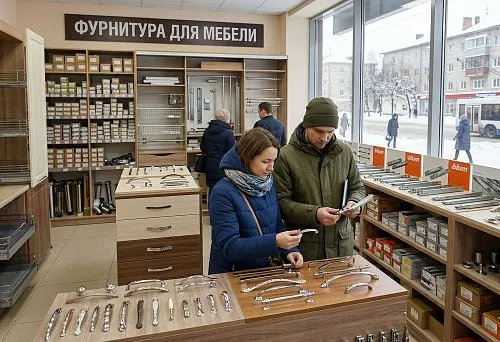
Article Contents:
- Evolution of Furniture Manufacturing in the Digital Age
- Revolution in Materials and Technologies
- Smart Hardware: A Look into the Future
- Categories of Modern Furniture Hardware
- Hinges and Pivot Mechanisms: The Heart of Furniture Functionality
- Guide Systems: Engineering Perfection in Action
- Lift Mechanisms: Conquering Vertical Space
- Regional Characteristics and Adaptation to Local Conditions
- Climate Factors and Their Impact on Hardware Selection
- Economic Factors and Consumer Preferences
- Innovative Manufacturing Technologies
- Precision Processing and Quality Control
- Ecologically Responsible Production
- Advantages of E-commerce for Hardware
- Accessibility and Variety of Product Range
- Economic advantages
- Logistical solutions
- Specialized Solutions for Different Segments
- Kitchen Furniture: High Requirements for Functionality
- Office Furniture: Reliability and Ergonomics
- Furniture for public spaces
- Quality and Standards in Modern Hardware
- Control and Certification Systems
- European Norms
- Trends in Development and Outlook for the Future
- Personalization and customization
- Integration with the Internet of Things
- Ecological innovations
- Education and Development of Competencies
- Professional Training and Certification
- Technical Support of a New Level
- Conclusion
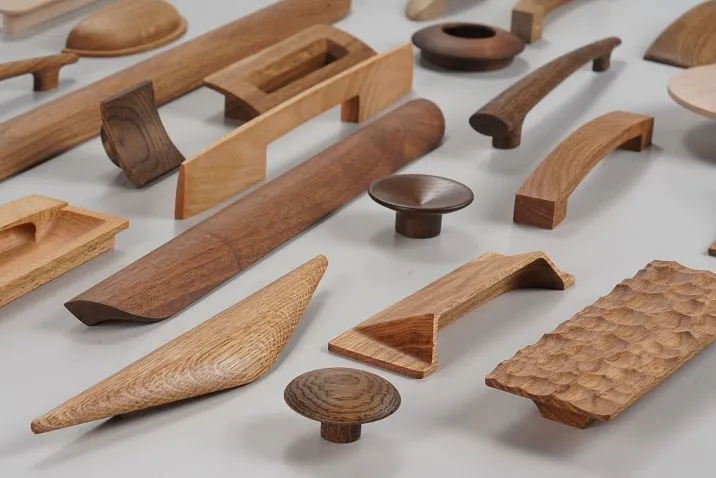
The world of furniture changes at the speed of light, and in this rapid stream of changes, it is precisely high-quality furniture for furniture online store that becomes the invisible foundation that determines the functionality, durability, and aesthetic appeal of every interior item. From a miniature stopper to the most complex mechanism — each element plays its unique role in creating furniture capable of serving for decades.
The modern consumer is no longer willing to compromise. He needs furniture that is not only beautiful but also perfectly functional. And here, the hardware plays a decisive role — the very bridge between a designer's idea and practical implementation. But where to find truly high-quality components? How not to get lost in the ocean of offers? How to make the right choice?


Evolution of Furniture Manufacturing in the Digital Age




Revolution in Materials and Technologies
Twenty years ago, furniture hardware was quite limited in functionality. Today, we witness a true technological revolution. Hinges with integrated closers have transformed from luxury to a standard of quality. Full-extension guide systems with load capacities up to 65 kilograms ensure smooth movement that seems almost magical.
Materials science has also undergone radical changes. Aluminum alloys with anodized coatings not only provide corrosion resistance but also offer the widest palette of color options. Stainless steel of various grades—from matte to mirror polish—opens new horizons for designers.
Next-generation composite materials combine the strength of metal with the elasticity of polymers. This enables the creation of mechanisms that operate silently even under intensive use. Powder coating technologies provide uniform coverage of complex geometric forms without runs or defects.
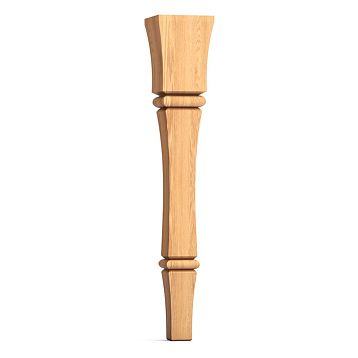
Our factory also produces:


Smart Hardware: A Look into the Future
Modern hardware is becoming increasingly 'smart'. Built-in sensors track usage intensity, warning of the need for maintenance. New-generation push-to-open systems respond to the slightest touch, creating a magical feeling when interacting with furniture.
Wireless charging is integrated directly into drawers and shelves, transforming ordinary furniture into functional charging stations. LED lighting with motion sensors automatically turns on when a drawer is opened, providing not only practical convenience but also an impressive visual effect.
Voice control and integration with smart home systems open up entirely new possibilities for interaction. Imagine a wardrobe that illuminates the required shelf by voice command, or a drawer system that automatically extends the most frequently used compartments.
Get Consultation
Categories of Modern Furniture Hardware
Hinges and Pivot Mechanisms: The Heart of Furniture Functionality
A hinge is not just a pivot—it is a complex engineering mechanism that determines the user's impression of the entire product. Modern hinges with damping mechanisms ensure smooth, silent closure even with abrupt door movement. This is not only comfort but also protection for furniture against premature wear.
Surface-mounted, semi-surface-mounted, and inset hinges with various opening angles—from standard 90 to wide-angle 180 degrees—allow implementing any design concept. Special hinges for glass doors require high precision manufacturing and use of premium materials.
Heavy-duty hinges for heavy doors are designed with a safety margin, allowing up to 200,000 open-close cycles. This is especially important for commercial furniture, which is used significantly more intensively than residential furniture.
Guide Systems: Engineering Perfection in Action
Telescopic guides are a triumph of modern engineering in miniature. Full-extension systems ensure access to every centimeter of the drawer, which is critically important for optimal space utilization.
Ball-bearing guides use precision-machined steel balls in polymer separators, guaranteeing smooth operation and minimal wear. Roller systems, despite their simplicity, remain popular for budget solutions, though they can no longer compete in quality with ball-bearing equivalents.
Integrating soft-close systems directly into the guides creates a compact solution without requiring additional mechanisms. Hydraulic dampers absorb the kinetic energy of moving drawers, providing gentle deceleration in the final centimeters of travel.
Lift Mechanisms: Conquering Vertical Space
Gas struts of varying power are selected based on the weight of the door and required force. Parallel lifters ensure even movement along the entire trajectory, which is especially important for wide kitchen cabinet facades.
Freely hanging systems are characterized by simple installation and are suitable for light doors. Adjustment mechanisms allow precise tuning of opening force to individual user needs—from children to elderly people.
Electric drives for lift systems represent the next level of comfort and are especially in demand by people with limited physical capabilities. Remote control via mobile apps opens new horizons of convenience.
Regional Characteristics and Adaptation to Local Conditions
Climate Factors and Their Impact on Hardware Selection
Russia is a country of contrasts, and this applies not only to culture but also to climate. From the humid maritime climate of Kaliningrad to the dry steppes of Astrakhan, from the Arctic cold of Norilsk to the subtropics of Sochi—furniture hardware must function flawlessly in its specific conditions everywhere.
Corrosion resistance becomes a critical parameter in coastal regions, where salty sea air accelerates oxidation processes. Special coatings based on zinc-nickel alloys provide long-term protection even in aggressive environments.
Temperature fluctuations in continental regions create cyclic loads on materials. Compensation elements in hardware construction prevent internal stresses and deformations that could lead to premature failure.
Increased dust levels in steppe regions require the use of sealed guide systems. Special brush cleaners and labyrinth seals prevent abrasive particles from entering moving mechanisms.
Economic Factors and Consumer Preferences
The Russian furniture hardware market is characterized by a high degree of regional differentiation. The Moscow region, with its high purchasing power, leans toward premium solutions from leading European manufacturers. Here, innovative functions and flawless craftsmanship are especially valued.
Regional centers form demand for products in the mid-price segment with optimal price-to-quality ratio. Consumers are willing to pay extra for reliability and longevity, but not for excessive functionality.
Small towns and rural areas primarily orient toward budget solutions, but are not willing to sacrifice basic quality. Here, accessibility of service and availability of spare parts are especially important.
Innovative Production Technologies
Precision Processing and Quality Control
Modern furniture hardware production is a high-tech process where precision is measured in microns. CNC machines of the latest generation ensure dimensional repeatability accurate to hundredths of a millimeter, which is critically important for the proper operation of complex mechanisms.
Laser processing allows creating complex geometric shapes with perfectly smooth edges. This is especially important for decorative elements, where every detail must look flawless.
Coordinate measuring machines inspect each batch of products for compliance with technical requirements. Statistical analysis of data allows identifying trends and adjusting technological processes before defects occur.
Ecologically responsible production
Modern manufacturers are increasingly paying attention to the ecological aspects of their activities. Waste recycling not only reduces environmental impact but also optimizes raw material usage.
Water-based paints replace solvent systems, significantly reducing emissions of volatile organic compounds. Powder coating virtually eliminates waste — unused powder can be collected and reused.
Energy-efficient production processes and use of renewable energy sources are no longer just a trend but a competitive advantage. Consumers increasingly choose products from ecologically responsible manufacturers.
Advantages of online hardware trading
Accessibility and variety of assortment
Modern Online store for furniture Offers access to products from hundreds of manufacturers around the world. This creates unprecedented opportunities to compare features, prices, and delivery terms. The buyer can choose exactly what is needed for their specific task, without being limited by local store assortments.
Detailed technical documentation with drawings, 3D models, and video instructions allows making informed decisions. Professional buyers receive all necessary information for correct selection and installation of hardware.
Filtering system by technical parameters — sizes, materials, load characteristics — saves time and eliminates errors in selection. Intelligent recommendation algorithms suggest alternative options and additional accessories.
Economic advantages
Direct deliveries from manufacturers eliminate intermediary markups, which is especially important for large orders. Wholesale discounts and special programs for regular customers make purchases even more cost-effective.
Dynamic pricing system allows offering flexible tariffs depending on order volume and purchase frequency. Seasonal promotions and clearance sales of excess stock create additional opportunities for savings.
Transparent pricing and ability to compare offers from different suppliers ensure the most favorable purchasing conditions. There is no need to spend time visiting multiple stores — all the best offers are gathered in one place.
Logistical solutions
Modern logistics ensures fast and reliable delivery even to the most remote regions. Express delivery of critical components allows production processes to continue uninterrupted during unforeseen situations.
Consolidating orders from various suppliers into a single shipment optimizes transportation costs. The buyer receives the entire necessary hardware set in one delivery, simplifying logistics and reducing overall costs.
Real-time tracking allows precise planning of goods receipt and coordination of production processes. Integration with enterprise resource planning systems ensures seamless workflow.
Specialized solutions for different segments
Kitchen furniture: high requirements for functionality
The kitchen is the heart of the home, and furniture here must withstand intensive use while maintaining an impeccable appearance. Drawer slides in kitchen furniture must withstand not only the weight of dishes but also frequent opening and closing cycles.
Lift mechanisms for upper cabinets are especially important in kitchens with high ceilings. Gas struts provide easy opening of heavy doors and secure locking in the open position, preventing accidental closure.
Waste sorting systems are integrated into kitchen units, ensuring environmental friendliness and maintaining order. Pull-out containers of various sizes allow organizing separate waste collection without compromising kitchen aesthetics.
Rotary systems for corner modules transform hard-to-reach areas into convenient storage spaces. Rotating mechanisms provide easy access to contents even in deep cabinets.
Office furniture: reliability and ergonomics
Office furniture is used significantly more intensively than home furniture, which imposes special requirements on hardware durability. Reinforced slides with increased service life — up to 150,000 cycles — ensure long-term flawless operation.
Ergonomic requirements of modern offices dictate the need for adjustable furniture. Systems for adjusting table heights, tilting work surfaces, and transforming workstation configurations have become a standard for quality office furniture.
Integration of power and data transmission systems into furniture structures requires specialized hardware. Cable channels, electrical connectors, and lighting control systems have become an essential part of modern office furniture.
Furniture for public spaces
Furniture in shopping centers, hotels, restaurants, and other public places is subjected to extreme loads. Anti-vandal hardware with reinforced structures and concealed mounting methods ensures maximum durability.
Special coatings are resistant to scratches, impacts, and chemical exposure. The ability to quickly replace worn elements without dismantling the entire structure is critically important for uninterrupted operation of commercial facilities.
Fire safety and sanitary standards compliance is ensured by using certified materials and special structural solutions.
Quality and standards in modern hardware
Control and certification systems
Multi-level quality control begins with incoming inspection of raw materials. Spectrometric analysis confirms compliance of chemical composition with declared characteristics. This is especially important for stainless steels, where deviations in composition may critically affect corrosion resistance.
Wear resistance tests are conducted on specialized stands simulating long-term operation in accelerated mode. Modern hinges are tested for 150,000 to 200,000 opening-closing cycles without loss of functionality.
Climate tests include heating-cooling cycles, humidity, and salt spray exposure. This allows predicting hardware behavior under various operating conditions and guarantees the declared service life.
International Quality Standards
Compliance with European EN and German DIN standards has become a mandatory requirement for premium hardware. ISO 9001 certification confirms a systematic approach to quality assurance at all production stages.
Ecological certifications confirm material safety and absence of harmful emissions. This is especially important for children’s furniture and items used in enclosed spaces.
Ergonomic standards take into account anthropometric data of various population groups and ensure comfortable use for people of different ages and physical capabilities.
Trends and outlook for the future
Personalization and Customization
Modern consumers increasingly demand customized solutions tailored to specific needs. Modular hardware systems allow creating unique configurations from standard components.
3D printing opens opportunities for creating fully customized hardware. Small batches and single items become economically viable thanks to additive technologies.
Digital design technologies allow customers to participate in the hardware creation process. Virtual configurators enable seeing the result before production even begins.
Integration with the Internet of Things
Smart hardware with built-in sensors transforms ordinary furniture into a source of valuable information. Analysis of usage patterns helps optimize interior layouts and improve living comfort.
Predictive maintenance based on wear data of mechanisms allows replacing components before failure. This is especially important for commercial facilities where downtime is unacceptable.
Integration with smart home systems enables automation of routine operations. Furniture can autonomously adapt to user habits and external conditions.
Ecological Innovations
Circular economy transforms approaches to hardware lifecycle. Take-back programs allow manufacturers to collect used hardware and reuse materials for producing new items.
Biodegradable materials for certain types of hardware reduce environmental impact. Research in biopolymers opens new opportunities for creating eco-friendly products.
Local production and short supply chains reduce carbon footprint. Distributed manufacturing using digital technologies may radically change the geography of the furniture industry.
Education and development of competencies
Professional training and certification
The complexity of modern hardware requires highly qualified specialists for proper installation and maintenance. Manufacturer educational programs ensure knowledge and best practices transfer.
Online training makes professional education accessible to specialists from any region. Interactive simulators allow practicing installation skills in a virtual environment before working with real products.
Specialist certification improves installation quality and reduces complaint rates. Documented qualification proof creates competitive advantages in the service market.
Next-level technical support
Augmented reality revolutionizes technical support. AR applications can show the installation process directly on the real object, significantly simplifying installers' work.
Remote diagnostics via video link allows experts to provide assistance in real time. This is especially important for complex commercial projects in remote areas.
Knowledge bases with artificial intelligence capabilities can analyze symptoms and propose problem solutions. Machine learning based on accumulated experience continuously improves recommendation quality.
Choosing a reliable supplier furniture hardware through an online store Becomes a strategically important decision for any furniture project. Modern digital platforms provide not only access to a wide range of products but also comprehensive support at every stage — from selection to after-sales service.
Conclusion
Furniture hardware in the modern world is not just functional elements, but high-tech products that define the quality of life for millions of people. The smoothness with which a cabinet door closes affects your mood in the morning. The reliability of drawer guides determines the preservation of valuable items. The quality of the lifting mechanism affects the convenience of kitchen use.
Online trade has opened unprecedented opportunities for access to the best global solutions in furniture hardware. Geographic boundaries have disappeared, and now a manufacturer from a small town can use the same hardware as leading European furniture factories.
Technologies continue to develop at an incredible speed. Smart hardware, biomaterials, additive manufacturing technologies — all of this is no longer science fiction, but the reality of tomorrow. Furniture of the future will not only be beautiful and functional, but also intelligent, adaptive, and environmentally responsible.
In this rapidly changing world, it is especially important to choose partners who not only offer quality products today but are also prepared for tomorrow's challenges. Partners who invest in research, technology development, and specialist training.
STAVROS continues to lead in providing innovative solutions in the field of furniture hardware, combining traditional quality with advanced technologies. Our goal is not just to sell hardware, but to help create furniture that makes people’s lives better, more comfortable, and more beautiful.