Article Contents:
- 1. Introduction: The Magic of Natural Wood
- 2. History and Traditions: Ancient Crafts and Modern Ideas
- 2.1 Origins of Crafts
- 2.2 Medieval and Renaissance Traditions
- 2.3 Modern Technologies and Craft Traditions
- 3.1 Ecological safety and health
- 3.2 Strength and durability
- 3.3 Natural Beauty and Individuality
- 3.4 Hypoallergenic properties and comfort
- 3.5 Thermal insulation and acoustics
- 4.1 Selection and Preparation of Wood
- 4.2 Combining Handcraft and Modern Technologies
- 4.3 Assembly and quality control
- 5.1 Classic style
- 5.2 Modern minimalism
- 5.3 Eco Style and Scandinavian Design
- 5.4 Authorial and Mixed Style
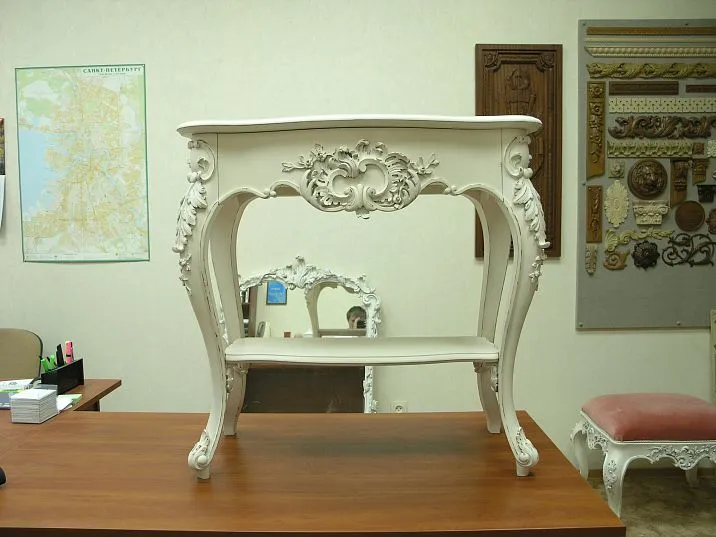
Natural wood is a material that has long captivated the hearts of those who appreciate quality interior design. A wooden side table is not merely a functional item; it becomes a true work of art capable of bringing warmth, coziness, and unique character into your home. If you wish to add an element that harmoniously combines natural aesthetics with modern design solutions, we recommend you read aboutwooden side table from trusted manufacturers.
In this article, we will thoroughly examine the history of the emergence and traditions of wood processing, the advantages of natural materials, modern manufacturing technologies, design solutions, as well as practical tips for caring for such an item.


1. Introduction: The Magic of Natural Wood
Natural wood is a symbol of eternal nature, its strength and beauty. In interior design, a side table made of natural wood can transform any space, adding warmth and organic character. Such a table can serve as a central accent in the living room, a stylish addition to an office, or a cozy detail in a hallway. The main advantage is its ability to be both functional and aesthetically appealing.
Choosingwooden side tableBy investing in such an item, you are investing in a piece that will serve you for many years, delighting your eyes with its natural pattern and warm character.




2. History and traditions: Ancient crafts and modern ideas
Our factory also produces:


2.1 Origins of crafts
The use of wood in daily life dates back thousands of years. Since ancient times, craftsmen have made furniture, paying special attention to carving and decorative elements. The first wooden tables were simple, but even then they reflected a unique connection between humans and nature. Woodworking traditions were passed down from generation to generation, and each item became a reflection of local cultural characteristics.
Get Consultation
2.2 Medieval and Renaissance traditions
During the Middle Ages and the Renaissance, tables, like other furniture, acquired increasingly complex forms and refined details. Craftsmen created unique patterns adorned with carved motifs, turning each piece into an object of luxury and status. These traditions are reflected in modern interiors, where classical elements meet minimalist forms.
2.3 Modern technologies and craft traditions
Today, the production of wooden tables combines centuries-old craft methods with the latest processing technologies. Laser cutting, computer modeling, and high-precision machines allow for flawless accuracy, while artisans retain the ability to hand-finish items, imparting individuality and artistic value to the table. Thus,wooden side table becomes a embodiment of traditions updated for modern realities.
3. Advantages of tables made of natural wood
3.1 Ecological Friendliness and Safety
Natural wood is an eco-friendly material that does not contain toxic impurities or chemicals. Using renewable raw materials contributes to creating a healthy microclimate in the home, which is especially important for families with children. Choosingwooden side table, you make a conscious choice in favor of natural purity and sustainability.
3.2 Strength and Durability
Properly treated wood has high strength and can withstand daily loads. A table made of quality natural wood is not prone to rapid wear and deformation, and with regular care, it can serve you for decades. Strong joints, quality drying, and finishing coating — all of this makes the item a true investment in the comfort of your home.
3.3 Natural beauty and individuality
Each piece of wood has its own unique texture, shade, and grain pattern. It is precisely this unique natural beauty that gives the table a special charm, making it a unique work of art. Even if you choose an item within a single collection, each table will have its distinctive features, highlighting the individuality of your interior.
3.4 Hypoallergenic Properties and Comfort
Natural wood positively affects health, as it cannot accumulate dust and other allergens. Thanks to its "breathable" properties, the table helps maintain optimal humidity and temperature in the room, creating a cozy and healthy atmosphere.
3.5 Thermal Insulation and Acoustics
Wood has excellent thermal insulation properties, allowing the table to maintain a stable temperature even with external climate fluctuations. Moreover, wood effectively absorbs sound, contributing to creating a calm and comfortable atmosphere in your home.
4. Manufacturing technology: From raw material selection to final finishing
4.1 Selection and preparation of wood
The quality of the table directly depends on the selected wood species. The most popular are:
● Oak: Strong, durable, and with rich texture.
● Ash: Elegant and light, perfectly suited for modern interiors.
● Walnut: With rich tones and expressive grain patterns.
● Beech: A universal material that allows creating items with smooth and uniform surfaces.
Before production begins, the wood undergoes careful drying, disinfection, and sorting, eliminating defects and guaranteeing the stability and longevity of the finished product.
4.2 Combining manual labor and modern technologies
The manufacturing process of tables combines traditional craftsmanship methods with innovative technologies:
● Hand-carved and decorative finishing: Experienced masters give each table individuality, creating unique patterns and motifs.
● Mechanized processing: Modern machines ensure precise dimensions, perfect polishing, and even application of protective coatings.
● Final finishing: Applying varnish, oil, or wax coatings not only highlights the natural beauty of the wood but also protects it from environmental exposure.
4.3 Assembly and quality control
After processing all parts, the table undergoes an assembly stage, where the reliability of connections plays an important role. Using high-quality fasteners and strict control at every stage of production guarantee that the finishedwooden side table meets the highest standards of quality and safety.
5. Design and styles: How a natural wood table can transform your interior
5.1 Classic style
Classic design is always associated with elegance and sophistication. Tables made of natural wood, adorned with carved elements and inlays, fit perfectly into traditional interiors, adding a sense of luxury and historical depth. Such a table will become the centerpiece of the dining area, where every family gathering turns into a true celebration of taste and style.
5.2 Modern minimalism
Lovers of minimalist forms will appreciate tables made of natural wood in a modern minimalist style. Clean lines, simple geometric shapes, and the absence of unnecessary decorative elements allow for maximum emphasis on the natural texture and color of the wood. Such a table is ideal for modern apartments and lofts, where functionality and aesthetic restraint are important.
5.3 Eco-style and Scandinavian design
Interiors in eco-style and Scandinavian design emphasize the use of natural materials, light shades, and simple forms. A table made of natural wood in such interiors not only brings natural warmth but also helps create a sense of lightness, spaciousness, and harmony with the surrounding nature.
5.4 Authorial and mixed style
For those who love experimenting with shapes and textures, an authorial table made of natural wood can become a striking accent in the interior. By combining traditional craftsmanship techniques with modern design solutions, masters create unique items that reflect the owner's individuality. Such a table can serve not only as a functional item but also as a decorative element, telling its own story.
6. Care and maintenance: How to preserve beauty and longevity
To ensure a wooden table retains its natural beauty and serves for many years, proper care is essential. Here are some recommendations:
● Regular cleaning: Wipe the surface with a soft, slightly damp cloth or specialized wood care products. Avoid aggressive chemical substances to prevent damage to the protective coating.
● Sun protection: Place the table in areas where it will not be exposed to direct sunlight to prevent fading and drying out of the wood.
● Climate control: Maintain a stable level of humidity and temperature in the room to prevent warping and cracking.
● Periodic treatment: Regularly treat the table with natural oils or waxes to enhance the wood’s natural texture and create an additional protective layer.
7. Conclusion: Investment in style and quality
A wooden table is not just a functional interior element, but a true masterpiece combining craftsmanship traditions, ecological purity, and modern design solutions. It can become the centerpiece of your home, giving it a unique charm, warmth, and coziness.
Choosingwooden side tableBy choosing a wooden table, you make a conscious decision in favor of quality, durability, and natural beauty. Such a table will become an indispensable part of your interior, inspiring you to create a unique space where every detail reflects your love for natural materials and refined design.
Let natural wood tell its story in your home, bringing warmth, comfort, and harmony every day. Invest in quality, choose natural aesthetics, and enjoy every moment spent at your unique wooden table.
This article is intended for those who strive to create an interior filled with natural beauty and individuality. We hope the provided materials will help you make a conscious choice and acquire exactly thewooden side tablethat will embody style, comfort, and durability in your home.