Article Contents:
- Magic of natural material: What makes a wooden table special
- Living energy in every fiber
- Ecological purity and safety
- Wood species: Character in every ring
- Oak — the king of wooden furniture
- Walnut — aristocracy of wood
- Ash — elegance and functionality
- Beech — practicality and versatility
- Constructive Features: Engineering of Beauty
- Tabletop manufacturing technology
- Joinery systems and hardware
- Design solutions: style and functionality
- Classic style: Eternal elegance
- Modern minimalism: beauty of simplicity
- Scandinavian style: Comfort and practicality
- Practical aspects of selection: quality criteria
- Assessment of wood quality
- Checking structural elements
- Dimensions and proportions: Harmony in space
- Choosing optimal sizes
- Ergonomic Requirements
- Production technologies: from traditions to innovations
- Modern equipment
- Ecological technologies
- Finishing and coatings: Protection and beauty
- Types of protective coatings
- Decorative Effects
- Investment attractiveness: Economics of quality
- Analysis of total ownership cost
- Pricing factors
- Maintenance and servicing: preserving beauty
- Daily care
- Professional Maintenance
- Market trends: Modern directions
- Personalization and customization
- Ecological responsibility
- Regional characteristics: Traditions of craftsmanship
- European quality standards
- Domestic Traditions
- Psychological aspects: The table as the center of the home
- Social function
- Emotional attachment
- The future of wooden furniture: Innovations and traditions
- Technology integration
- Sustainable development
- Conclusion: A choice that will change your home
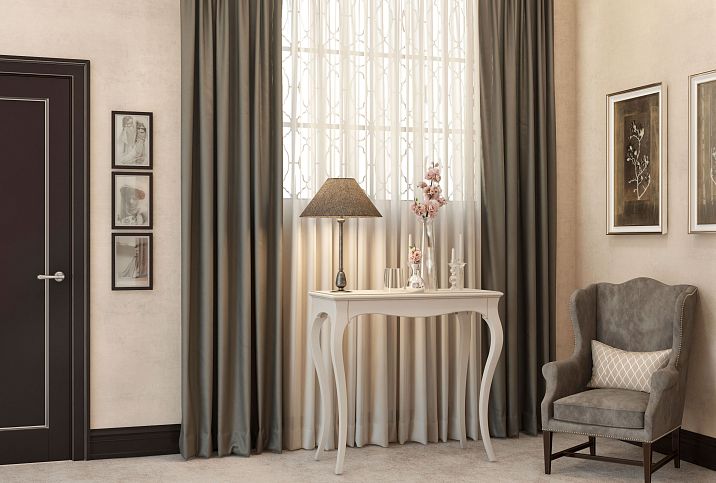
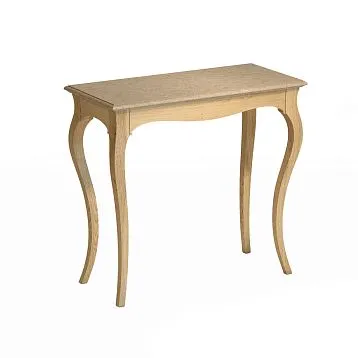
In the world of modern interior design, there are items that will never go out of style. Solution buy a wooden table — it is not just purchasing furniture, it is an investment in quality of life, comfort, and timeless beauty. Every wooden table carries the unique story of the tree that for decades absorbed sunlight and rain, creating an incomparable texture and character.
Why is natural wood becoming the number one choice for those who understand quality furniture? The answer lies in the very nature of this material — living, breathing, capable of creating a special atmosphere in the home. A wooden table is not just a surface for meals or work; it is the center of family attraction, a place where memories are born and traditions are strengthened.
The modern market offers a vast variety of options, but how to choose exactly the table that will become the heart of your home for many years? We will examine this question in detail, considering all aspects — from choosing the wood species to care specifics.


Magic of natural material: What makes a wooden table special




Living energy in every fiber
Natural wood possesses a unique ability to create an emotional connection with a person. Touching a warm wooden surface activates tactile receptors, evoking a sense of calm and comfort. This is not just a psychological effect — scientific studies confirm that the presence of natural wood in interior design reduces stress levels and improves overall well-being.
Each wood species has its own character and energy. Oak symbolizes strength and reliability, walnut — nobility and elegance, ash — flexibility and aspiration toward light. Choosing a particular species subconsciously expresses your values and creates the appropriate atmosphere in your home.
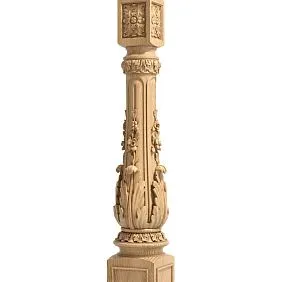
Our factory also produces:




Ecological purity and safety
In an era of heightened attention to ecology, choosing furniture made of natural wood becomes a manifestation of conscious consumption. Quality wood does not emit harmful substances, does not cause allergic reactions, and with proper treatment, even contributes to air purification in the room.
Modern eco-friendly finishes based on natural oils and waxes preserve the wood's ability to 'breathe', maintaining optimal humidity in the room. This is especially important for families with young children and individuals suffering from allergic conditions.
Get Consultation
Wood species: Character in every ring
Oak — the king of wooden furniture
Oak tables are the benchmark of strength and prestige in the world of wooden furniture. The dense wood structure with distinctive radial rays creates a unique pattern that becomes even more pronounced over time. High tannin content provides natural protection against moisture, fungi, and insects.
Oak's color palette is stunningly diverse: from golden honey tones of young wood to deep chocolate-brown hues of century-old trees. An oak table is an investment for generations, an item that becomes more beautiful and valuable with age.
Walnut — aristocracy of wood
Walnut wood is traditionally considered a premium material. Its rich color palette, ranging from light brown to dark chocolate tones with distinctive grain patterns, turns every table into a unique work of art. Walnut's average density ensures an optimal balance of weight and strength.
A distinctive feature of walnut solid wood is its exceptional dimensional stability when humidity changes. The wood practically does not crack and minimally deforms, which is critically important for large tabletops.
Ash — elegance and functionality
Ash is attracted by its contrasting texture with clearly defined annual rings. Its light color palette visually expands space, creating a sense of lightness and airiness. High impact resistance makes ash ideal for tables subjected to heavy loads.
Ash's structural features allow for creating both massive constructions and delicate thin elements without losing strength. The wood readily accepts various types of finishing and staining.
Beech — practicality and versatility
Beech tables represent the ideal combination of quality and affordability. Their uniform fine-grained structure creates a smooth, pleasant-to-touch surface. The neutral color allows beech furniture to easily integrate into any interior.
Beech's high density guarantees longevity under intensive use. The wood holds fasteners well, does not splinter under mechanical stress, and readily accepts all types of finishing.
Constructive Features: Engineering of Beauty
Tabletop manufacturing technology
A quality solid wood tabletop is the result of a complex technological process. Modern production uses the lamination method, allowing the creation of large-sized tabletops without loss of strength or stability. Properly selected and glued laminates form a monolithic structure stronger than a solid board.
Special attention is paid to the direction of the grain — alternating laminates with different wood growth directions compensate for internal stresses and prevent deformation. High-quality polyurethane-based adhesive compositions ensure joint strength exceeding the strength of the wood itself.
Fastening systems and hardware
Table stability is determined not only by wood quality but also by thoughtful structural solutions. Modern leg-to-top fastening systems use metal elements concealed within the structure, ensuring high strength while preserving aesthetic appeal.
Sliding mechanisms for transformable tables require special precision in manufacturing. High-quality hardware from European manufacturers guarantees smooth operation and long service life even under intensive use.
Design Solutions: Style and Functionality
Classic Style: Eternal Elegance
Classic solid wood tables embody notions of stability and refinement. Strict proportions, noble wood species, and quality finishing create an atmosphere of respectability. Decorative elements — carved legs, panelled aprons, brass hardware — emphasize the status of the items.
Finishing classic tables requires special craftsmanship. Multi-layer lacquer coating with intermediate sanding creates depth of color and a perfectly smooth surface. Patination adds an effect of noble antiquity.
Modern minimalism: beauty of simplicity
Minimalist wooden tables are characterized by clean lines and absence of excessive decoration. Emphasis is placed on material quality, perfection of proportions, and flawless execution. Every structural element is functionally justified.
Color solutions tend toward natural wood tones. Matte finishes highlight the tactile qualities of the material, creating a desire to touch the surface. Hidden fastenings and thoughtful ergonomics make modern wooden tables maximally functional.
Scandinavian style: Comfort and practicality
Scandinavian design emphasizes the connection between humans and nature through the use of natural materials and simple forms. Light wood species — birch, ash, pine — create a sense of spaciousness and airiness.
The philosophy of hygge finds expression in comfortable proportions and tactilely pleasing surfaces. Minimal wood processing preserves its natural properties. Oil finishes create a silky surface and highlight the material's structure.
Practical aspects of selection: quality criteria
Assessment of wood quality
When choosing a table, attention must be paid to the quality of the original material. The surface should be free of knots, cracks, bluish discoloration, and other wood defects. Uniform color and texture indicate proper drying and processing of the material.
Wood moisture is a critically important parameter. Properly dried wood has a moisture content of 8–12%, ensuring product stability during use. Too dry wood may crack, too wet wood — deform.
Checking structural elements
Structural stability is checked by gently rocking the table. A quality product should have no play in the joints. Creaks and creaks are unacceptable — they indicate violations of the manufacturing technology or use of inferior materials.
Evenness of gaps in sliding mechanisms, smooth movement of guides, absence of sticking — all these are indicators of quality assembly. Hardware must be securely fastened and match the weight and dimensions of the table.
Dimensions and proportions: harmony in space
Choosing optimal dimensions
The table size should correspond to the room area and number of users. For comfortable placement of one person, a minimum of 60 cm of tabletop width is required. The standard height of a dining table is 75-76 cm, which is optimal for most people.
Round tables create a more intimate atmosphere and are better suited for small rooms. Rectangular tables are the most functional and allow seating more people. Square tables are versatile but require sufficient free space around them.
Ergonomic Requirements
Correct table proportions affect comfort of use. The tabletop thickness should be sufficient to ensure structural rigidity, but not excessive, to avoid discomfort for seated users' legs.
The base should provide sufficient space for legs. The minimum width of the passage between legs is 55-60 cm. The shape and placement of supports affect the convenience of chair placement and freedom of movement.
Production technologies: from traditions to innovations
Modern equipment
Production of quality solid wood tables uses advanced wood processing technologies. CNC machines ensure precision unattainable by hand. Automated quality control systems detect even minor defects at all production stages.
Kiln drying of wood occurs under controlled conditions with precise adherence to temperature and humidity regimes. This ensures even moisture removal and prevents internal stresses in the material.
Ecological Technologies
Modern manufacturers pay special attention to the ecological aspects of production processes. Water-based varnishes and coatings contain virtually no volatile organic compounds. Air purification and waste recycling systems minimize environmental impact.
Using certified wood guarantees responsible forestry. Reforestation programs ensure the regeneration of forest resources for future generations.
Finishing and Coatings: Protection and Beauty
Types of Protective Coatings
The quality of finish determines not only the appearance of the table but also its durability. Lacquered coatings create a durable protective film resistant to moisture and mechanical impacts. Modern polyurethane varnishes have high wear resistance and retain gloss for many years.
Oil finishes highlight the natural beauty of wood, creating a velvety surface. They are easy to renew and allow wood to "breathe," but require more careful maintenance and periodic renewal.
Decorative Effects
Patination creates an effect of noble antiquity, emphasizing wood grain and adding depth to color. Brushing removes soft fibers, leaving hard annual rings protruding, creating a textured surface with tactile qualities.
Staining allows changing the natural color of wood while preserving its texture. Modern stains penetrate deeply into the wood structure, ensuring even color and resistance to fading.
Investment Appeal: Economics of Quality
Analysis of Total Ownership Cost
Quality buy a wooden table Means investing in an item that serves 30-50 years with proper care. Cheap tables made of artificial materials require replacement every 5-7 years. A simple calculation shows the economic advantage of investing in natural materials.
Restorability is a unique advantage of wooden furniture. Scratches can be sanded, finishes renewed, mechanisms replaced. Antique wooden tables often cost more than new ones, confirming the investment attractiveness of quality items.
Pricing Factors
The cost of a solid wood table is determined by several key factors. Wood species is the primary pricing element. Exotic species cost significantly more than local ones but offer unique decorative properties.
Construction complexity affects labor and material usage. Simple four-legged tables are cheaper than sliding or curved-element tables. The quality of hardware and finishes also significantly affects the final cost.
Maintenance and care: preserving beauty
Daily Care
Proper care is the key to the longevity of a wooden table. Regular dusting with a soft dry cloth prevents accumulation of dirt. Microfiber effectively collects dust without leaving scratches on delicate surfaces.
Protection from direct sunlight prevents wood fading. Using hot plate protectors shields the surface from thermal damage. Prompt removal of spilled liquids prevents stains.
Professional Maintenance
Periodic renewal of protective coating extends the table's service life. Maintenance frequency depends on usage intensity — on average, the coating is renewed every 5-7 years. Professional polishing restores gloss and protective properties of the surface.
Minor damage can be repaired using special wax pencils. Serious defects require intervention by professional restorers with the necessary skills and tools.
Market trends: Modern directions
Personalization and Customization
Modern consumers increasingly demand customized solutions. Digital design technologies allow creating unique tables tailored to specific needs. 3D modeling enables viewing the result before manufacturing begins.
Customization options include choosing dimensions, shape, wood species, finish type, decorative elements. Laser engraving allows applying personal images and text, making each table unique.
Ecological responsibility
Consumer ecological awareness stimulates the development of sustainable production technologies. Certification is becoming an industry standard. Using local wood species reduces carbon footprint and supports regional economies.
Furniture recycling programs contribute to creating a closed production cycle. Recycling wood from dismantled furniture allows creating new items with minimal environmental impact.
Regional characteristics: Traditions of craftsmanship
European quality standards
European manufacturers of wooden furniture are renowned for high quality standards and attention to detail. German tradition is characterized by engineering precision and reliable construction. Italian artisans bring artistic flair and refined design.
Scandinavian manufacturers emphasize the ecological and functional aspects of their products. Use of local wood species and minimal processing create an authentic Nordic style.
Domestic traditions
Russian craftsmen traditionally work with local species — oak, ash, birch. Modern domestic manufacturers successfully combine traditional methods with advanced technologies, creating competitive products.
Using Russian raw materials ensures an optimal price-to-quality ratio. The development of design schools allows creating world-class items while preserving national identity.
Psychological aspects: The table as the center of the home
Social function
A dining table is not just a piece of furniture, but the center of family social life. Important family conversations, decisions, and traditions are passed down at the table. A quality wooden table creates an atmosphere of stability and continuity.
Hospitality finds expression in a beautifully set table made of natural wood. The warmth of the material is conveyed to guests, creating a sense of coziness and comfort. This is especially important in the digital age, when live communication becomes increasingly valuable.
Emotional attachment
Furniture made of natural wood can create a deep emotional connection with the owner. Each table has its own story, its own character, evolving over the years. Scratches and wear become witnesses to family history.
The possibility of inheritance makes a wooden table a symbol of family traditions. Grandchildren will sit at the same table where their grandparents once sat, creating a continuous link between generations.
The future of wooden furniture: Innovations and traditions
Integration of technologies
Modern wooden tables begin to integrate smart technologies. Built-in wireless charging systems, hidden USB ports, temperature-responsive intelligent coatings — all of this is becoming a reality.
Humidity and temperature sensors can monitor the condition of the wood, warning of the need for care. Mobile applications allow receiving care recommendations and ordering maintenance services.
Sustainable development
The future of wooden furniture is inseparably linked to the principles of sustainable development. New technologies allow the most efficient use of wood resources. The development of biotechnology opens opportunities for creating new materials based on wood.
Carbon neutrality programs stimulate the use of renewable materials. Wooden furniture becomes not just an eco-friendly choice, but an active participant in the fight against climate change.
Conclusion: A Choice That Will Change Your Home
To make a decision buy a wooden table means choosing in favor of quality, beauty, and durability. In a world of mass production and disposable items, natural wood remains a symbol of authenticity and craftsmanship.
Each wooden table is unique, like a fingerprint of nature. Annual rings tell the story of growth, texture creates unique patterns, and the scent of wood reminds us of our connection to nature. This is not just furniture — it is a living story that will become part of your family's chronicle.
Modern technologies allow creating tables that combine traditional wood beauty with current requirements for functionality and durability. The right choice will ensure you comfort and aesthetic enjoyment for many years.
Investing in quality wooden furniture is an investment in the future. For decades, your table will delight not only you, but also your children and grandchildren. It will become a witness to important family events, a place where traditions are born and intergenerational bonds are strengthened.
The ecological responsibility of modern consumers is embodied in choosing furniture made from certified wood. By supporting responsible forestry, we care for preserving natural resources for future generations.
The company STAVROS embodies the best traditions of working with natural wood, creating tables of exceptional quality and beauty. Years of experience and deep understanding of the properties of various wood species allow STAVROS to create items that become family heirlooms.
STAVROS masters understand that each table is not just a piece of furniture, but a central element of living space. Therefore, each item is created with special care and attention to detail. Choosing STAVROS, you get not just quality furniture, but a work of art created with soul.
Choosing wooden tables from natural wood at STAVROS is a choice in favor of unparalleled quality, individual approach, and multi-year warranty on the product. Each STAVROS project is unique, as are the needs and preferences of each client.
By trusting STAVROS, you choose a company with an impeccable reputation, which for many years has created furniture for the most discerning clients. STAVROS is a guarantee that your new Wooden Table will not be just a functional interior item, but a source of pride and aesthetic enjoyment for many years.