Article Contents:
- 1. History of wooden tables
- 2. Advantages of natural wood
- 2.1 Ecological and natural richness
- 2.2 Durability and Longevity
- 2.3 Natural beauty and uniqueness
- 2.4 Hypoallergenic properties
- 3.1 Selection of wood
- 3.2 Preparation of blanks
- 3.3 Hand and machine processing
- 3.4 Decorative finishing and surface protection
- 4.1 Classic and modern design
- 4.2 Shapes and stylistic solutions
- 4.3 Functional features
- 4.4 Individual approach to design
- 5.1 Contribution to nature protection
- 5.2 Use of certified wood
- 5.3 Energy efficiency in production
- 5.4 Social responsibility of manufacturers
- 6.1 Innovative technologies and traditional methods
- 6.2 Multifunctionality and transformability
- 6.3 Minimalism and clean lines
- 6.4 Experiments with finishes and decorative elements
- 7.1 Defining the purpose of use
- 7.2 Wood species and its properties
- 7.3 Style and interior design
- 7.4 Functional Features and Ergonomics
- 7.5 Budget and Investment in Quality
- 8.1 Regular Cleaning and Maintenance
- 8.2 Protection from Direct Sunlight and Temperature Fluctuations
- 8.3 Periodic Treatment with Protective Agents
- 8.4 Tips for Restoring Appearance
- 9.1 Combining Tables with Other Interior Elements
- 9.2 Use of Accessories and Decor
- 9.3 Organizing Workspaces
- 9.4 Examples of Successful Interiors
- 10.1 Role of Classic Design in Modern Interiors
- 10.2 Influence of Cultural Traditions
- 10.3 Blending Styles and New Trends
- 11.1 How to Choose a Table When Purchasing
- 11.2 Installation Recommendations
- 11.3 Warranty Obligations and Maintenance Services
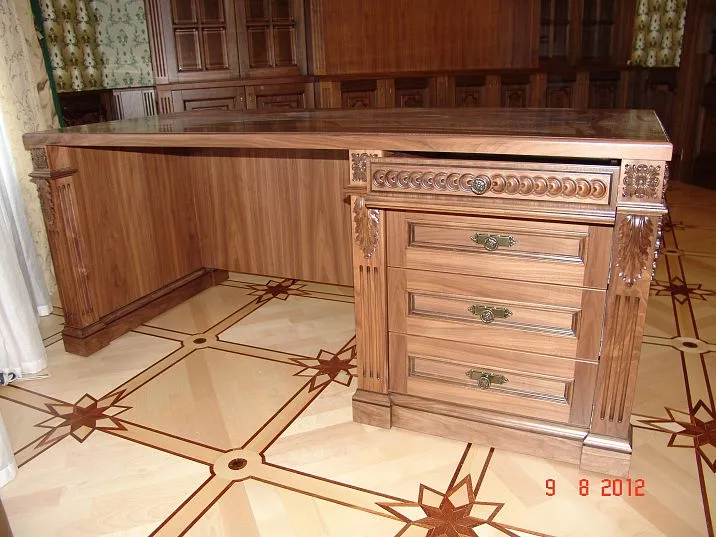
In the world of interior design and furniture, little can compare to the timeless elegance and durability of items crafted from natural wood.Wooden Table — it is not merely a piece of furniture, but a manifestation of traditions, craftsmanship, and natural harmony. In this article, we will thoroughly examine the history, production technologies, design, ecological aspects, and practical recommendations for selecting and caring for furniture made of natural wood. We will delve into the fascinating world of tables, describe their unique features and advantages, and share secrets for creating interiors where beauty, functionality, and care for the environment go hand in hand.


1. History of Wooden Tables
Tables made of natural wood occupy a special place in the history of furniture. Since ancient times, people have used wood to create household items, as it was readily available, easy to work with, and pleasing to the eye with its natural beauty.
The history of wooden table making is closely linked to the development of crafts and artistic skills. In ancient civilizations such as Egypt, Greece, and Rome, wooden tables served not only as functional items but also as symbols of status and refinement. During the Middle Ages, craftsmen passed down secrets of wood processing from generation to generation, creating unique pieces capable of enduring the test of time.
In the Renaissance and Baroque periodsWooden Table became a manifestation of artistic expression, combining intricate carved elements, inlays, and refined lines. Masters creating furniture paid attention not only to functionality but also to aesthetic appeal, which allowed them to gain recognition in the palaces and residences of the nobility. It was precisely during this period that traditions were formed, still relevant today, thanks to which natural wood remains a symbol of genuine luxury and quality.




2. Advantages of Natural Wood
Our factory also produces:





2.1 Ecological Safety and Natural Richness
One of the main advantages of wooden products is their eco-friendliness. Wood is a renewable resource, and modern technologies allow its use in the most rational way, minimizing waste and negative impact on the environment. When choosinga table made of natural wood you invest in an item that will not only serve for decades but also contribute to sustainable development.
Get Consultation
2.2 Strength and Durability
Natural wood is renowned for its strength, ability to withstand heavy loads, and service over many years without losing its appearance or functionality. Each table made of natural wood is the result of careful selection of raw materials, strict quality control, and the craftsmanship of artisans who pay attention to the finest details during its production.
2.3 Natural beauty and uniqueness
Each piece of wood has its own unique texture, pattern, and tone. It is precisely this natural variability that makes eachWooden Table a unique work of art. Natural wood can add warmth and coziness to any interior, highlighting the individuality of the space and creating an atmosphere of comfort.
2.4 Hypoallergenic Properties
Unlike some synthetic materials, natural wood has hypoallergenic properties, which is especially important for families with young children or people suffering from allergies. Furniture made of natural wood does not emit toxic substances, ensuring a healthy atmosphere in the home.
3. Technology of Manufacturing Tables from Natural Wood
Manufacturing tables from natural wood is a process requiring high craftsmanship, attention to detail, and adherence to traditional technologies. Modern methods are combined with age-old traditions, enabling the creation of items capable of impressing with their quality and longevity.
3.1 Selection of Wood
The foundation of any quality table is properly selected raw material. Various types of wood are used to create furniture: oak, beech, ash, walnut, and others. Each species has its own characteristics, allowing craftsmen to select the optimal combination of strength, texture, and color. When selecting wood, parameters such as density, wear resistance, workability, and decorative properties are considered.
3.2 Preparation of Blank
After selecting the wood, blanks undergo a preparation stage: they are dried, processed, and prepared for further cutting. Proper wood drying is a key step that prevents deformation, cracking, and warping of the item during use. Modern workshops use innovative drying technologies that allow achieving ideal material stability.
3.3 Manual and Machine Processing
At this stage, a combination of manual labor and modern machinery is used, ensuring high precision and neatness in processing. Artisans use both traditional chisels and planes as well as modern milling machines, allowing them to achieve an ideal balance of functionality and aesthetics. Each detail of the table is processed with special care to highlight the natural beauty of the wood.
3.4 Decorative Finishing and Surface Protection
After completing the primary processing, tables undergo decorative finishing. Natural wood can be coated with varnish, oil, or wax, which not only highlights its natural texture but also protects it from external influences. Careful selection of finishing materials ensures the longevity of the item, preserving its original appearance for many years. Artisans pay special attention to ensuring that the final coating enhances the natural beauty of the material, making eachWooden Table a true work of art.
4. Design and Functionality
4.1 Classic and Modern Design
Furniture made of natural wood occupies an important place in both classic and modern interiors. Classic design emphasizes elegance, luxury, and historical value of the items, while modern interiors strive for minimalism, functionality, and harmonious combination with other materials.Wooden Table It easily fits into any interior, becoming a central element of the composition.
4.2 Shapes and Stylistic Solutions
One of the advantages of furniture made of natural wood is the possibility of creating items of various shapes and constructions. From classic rectangular and oval tables to exclusive designer solutions — each table can be unique, reflecting the individuality of the owners and the style of the interior. Modern designers often experiment with shapes, combining traditional elements with innovative solutions. This allows creating functional and visually appealing items capable of becoming true ornaments of the home.
4.3 Functional Features
When designing tables made of natural wood, great attention is paid to their functionality. Such tables can serve not only as dining or writing tables, but also as places for creative activities, work, and as decorative elements in the living room or office. Ergonomic solutions, thoughtful space distribution, and transformability — all of this makes furniture made of natural wood a universal choice for any room.
4.4 Individual Approach to Design
Each client has their own ideas about what an ideal table should be. Artisans working with natural wood are always ready to offer individual solutions, taking into account all the client's preferences. The possibility to choose the type of wood, shape, finish, and decorative elements allows creating a unique piece of furniture that perfectly fits the interior and reflects the personal style of the owner.
5. Eco-friendliness and Sustainable Development
One of the most important reasons to choose
is its ecological safety. Using natural raw materials, adhering to principles of sustainable development, and minimizing production waste — all this allows reducing negative impact on the environment. Furniture manufacturers increasingly prefer methods that help preserve ecosystems, and buyers appreciate products made with love for nature.Wooden TableIts ecological safety is paramount. Using natural raw materials, adhering to principles of sustainable development, and minimizing production waste—all of this allows reducing negative impact on the environment. Furniture manufacturers increasingly prefer methods that preserve ecosystems, and consumers appreciate products made with love for nature.
5.2 Use of certified wood
For creating high-quality tables, masters use wood obtained from verified and certified sources. This guarantees that the blanks come from sustainable forest areas where forest protection and restoration activities are carried out. ChoosingWooden Tablemeans making a conscious choice in favor of products meeting high ecological standards.
5.3 Energy efficiency of production
Modern technologies allow significantly reducing energy consumption during furniture production. Automation, optimization of drying, processing, and finishing of wood helps reduce carbon footprint and minimize waste. Furniture manufacturers strive to ensure that every stage of production is as energy-efficient as possible and does not harm the environment.
5.4 Social responsibility of manufacturers
Today, social responsibility of companies occupies an important place in the market. Furniture manufacturers from natural wood not only aim for profit but also strive to make a tangible contribution to public welfare. They support local craft traditions, invest in the development of regions where wood is harvested, and care about the safety and well-being of their employees. Such an approach makesWooden Table not just a beautiful and quality product, but an ethically responsible choice.
6. Modern trends in production of furniture from natural wood
6.1 Innovative technologies and traditional methods
In recent years, there has been active blending of innovative technologies with traditional craft methods. Modern machines, computer modeling, and high-precision tools allow masters to achieve previously unattainable results in wood processing. At the same time, traditional techniques passed down from generation to generation remain the foundation for creating unique items. Thus, moderntables from natural wood combine the best of both worlds: high precision and artistic expressiveness.
6.2 Multifunctionality and transformability
One of the trends in modern furniture is multifunctionality. Manufacturers strive to create tables that can perform several functions: from dining tables to workspaces or even compact furniture for small apartments. Transformable structures, adjustable height, and modularity are becoming increasingly popular among consumers, allowing maximum space efficiency in modern homes.
6.3 Minimalism and clean lines
Modern interiors often favor minimalism, where each interior element has its own meaning and place.Wooden Table In such an interior, it can become a striking accent due to its natural forms and wood texture. Clean lines, absence of unnecessary decorative elements, and thoughtful ergonomics allow creating stylish and functional solutions capable of satisfying even the most demanding clients.
6.4 Experiments with finishes and decorative elements
Modern designers experiment not only with shapes but also with finishes. Natural wood can be accentuated with modern varnishes, matte coatings, metal inserts, or even inlay elements. Such experiments allow creating a unique visual image, giving the item individuality and character. EachWooden Tablemade to order, becomes a reflection of the owner's personal style and taste.
7. Choosing a Wooden Table: Criteria and Tips
7.1 Defining the Purpose of Use
Before making a choice, it is essential to clearly define the purpose for which the table is intended. A dining table, a desk, or a decorative centerpiece in the living room—each function requires a specific approach to material selection, construction, and design. If you are looking for a practical and beautiful solution, pay attention toWooden Tablewhich will become the perfect combination of aesthetics and functionality.
7.2 Wood Species and Their Properties
When choosing a table, it is important to consider not only its appearance but also the characteristics of the wood. Each species has its own features: oak is known for its high strength and durability, beech for its elegant texture, walnut for its refined color and rich tones. Study the advantages of each species to make an informed choice that meets your requirements and interior style.
When choosing a table, consider the overall interior style. Classic interiors pair beautifully with intricately carved tables, while minimalist modern spaces require sleek and elegant forms.
easily adapts to any style, becoming a harmonious decorative element.Wooden Table easily adapts to any style, becoming a harmonious decorative element.
7.4 Functional Features and Ergonomics
When purchasing furniture, it is important to evaluate the ergonomics of the item. Consider the size, height, and ease of use of the table. If you plan to use it for work, it must provide comfort and support proper posture. Transformable models or options with additional shelves and drawers can be an excellent choice for compact spaces.
7.5 Budget and Investment in Quality
Investments in quality furniture made of natural wood are always justified. Although prices for such items may be higher than those of analogs made from artificial materials, durability, aesthetics, and ecological safety justify the cost. When choosinga table made of natural wood consider not only cost, but also the quality of execution, manufacturer warranty, and customer reviews.
8. Care for Furniture Made of Natural Wood
8.1 Regular Cleaning and Maintenance
To maintain the original appearance and longevity of the table, regular care of the surface is necessary. A soft cloth slightly dampened with a specialized cleaner will help remove dust and dirt without damaging the protective coating. Avoid using aggressive cleaning agents that may damage the natural wood finish.
8.2 Protection from Direct Sunlight and Temperature Fluctuations
Natural wood requires careful attention to operating conditions. It is recommended to avoid placing the table under direct sunlight to prevent fading or drying out of the wood. It is also important to maintain stable temperature and humidity levels in the room, which will help prevent deformation and cracking of the material.
8.3 Periodic Treatment with Protective Agents
To preserve the natural beauty and protect the wood, it is recommended to periodically treat tables with special oils or waxes. These agents penetrate the wood structure, nourishing it and creating an additional protective layer. With proper careWooden Table it will delight you with its appearance for many years.
8.4 Tips for Restoring Appearance
Over time, even quality furniture may lose its original luster. In such cases, gentle restoration of the surface using polishing agents can help. Minor scratches and scuffs can often be repaired yourself, following the manufacturer's recommendations, or you can consult professionals for restoration work.
9. Practical Recommendations and Design Secrets
9.1 Combining the Table with Other Interior Elements
When creating a harmonious interior, it is important to properly combine wooden furniture with other decorative elements. Tables in classic or modern styles can beautifully complement leather sofas, textile elements, metallic accents, and glass inserts. Creating a unified composition allows achieving a balance between tradition and innovation, resulting in a cozy and stylish space.
9.2 Use of Accessories and Decor
Equally important interior elements are accessories and decorative items that can highlight uniquenessa table made of natural wood. Original candlesticks, paintings, vases, and textiles will help create an atmosphere of comfort and individuality. When selecting decor, consider the color palette and wood grain to achieve harmony and balance.
9.3 Organizing the Workspace
If the table is intended for use as a writing or work surface, it is important to plan the space organization so that it promotes productive activity. Ergonomic solutions, convenient placement of shelves, drawers, and lighting will help create a functional workspace where every detail contributes to comfort and productivity.
9.4 Examples of Successful Interiors
Many designers around the world have already appreciated the unique opportunities provided by wooden furniture. Let us consider several examples of successful interiors whereWooden Table became the central element of the composition:
● Classic country house interior: In combination with rich fabrics, wrought iron elements, and antique accessories, the wooden table emphasizes coziness and historical depth of the interior.
● Modern minimalism in an urban apartment: The sleek lines of the light wood table harmoniously blend with white walls, metallic elements, and vibrant decorative accents.
● Eco-style and natural materials: An interior dominated by natural tones and materials allows the wooden table to become a symbol of ecological sustainability and natural balance.
10. Classical furniture and modern interiors
10.1 The role of classicism in modern design
Classical furniture made of natural wood will always remain relevant, regardless of time. Masters who create Wooden Tablebring timeless elements into their work, helping to preserve a connection with history and traditions. In a modern interior, classical furniture can become a striking contrast to minimalist elements, highlighting the owner’s individuality and depth of taste.
10.2 Influence of cultural traditions
The cultural heritage of various countries and regions is reflected in furniture design. European classicism, Asian minimalist philosophy, or Scandinavian simplicity — each culture contributes its nuances in wood processing and finishing. Thus, Wooden Table becomes not just a household item, but a carrier of history, culture, and traditions, capable of telling its unique story.
10.3 Blending styles and new trends
The modern world of furniture design actively experiments with blending various styles. Classical forms combined with modern materials, unconventional lighting and decor solutions allow creating interiors where traditions and innovations coexist harmoniously. This approach not only expands design possibilities but also enables each owner to express their individuality through interior items.
11. Practical advice on purchasing and installation
11.1 How to choose a table when purchasing
When choosing a table made of natural wood, pay attention to the following points:
● Wood quality: Study the texture, uniformity, and density of the material. A good table should be made of high-quality wood without noticeable defects.
● Hardware and joints: Pay attention to the quality of connecting elements and hardware. Reliable joints ensure the longevity of the item.
● Aesthetics and finish: Check the evenness of the coating, absence of bubbles, and uniform color distribution across the entire surface of the item.
● Functionality: Ensure the table meets your needs, whether for dining, work, or as a decorative element.
11.2 Installation recommendations
Proper furniture installation plays an important role in its longevity. Place the table in a location where it won’t be exposed to sudden temperature changes or direct sunlight. If the table has built-in elements (drawers, shelves), ensure they are conveniently positioned and do not interfere with daily use.
11.3 Warranty obligations and maintenance service
When purchasing quality furniture, always clarify the manufacturer’s warranty obligations. Many companies specializing in wooden furniture offer maintenance services that will help keep your table in perfect condition for many years.
12. Conclusion
Furniture made of natural wood occupies a special place in the hearts of those who appreciate quality design and functionality. Wooden Table — it is not just an interior item, but a true work of art capable of conveying warmth, coziness, and harmony of nature into your home. Choosing such items means investing in quality, durability, and ecological safety, while supporting traditional craftsmanship and sustainable development.
Regardless of the interior style you prefer — classic, modern, or minimalist — natural wood will always be a relevant choice, capable of highlighting individuality and creating an atmosphere of true coziness. By applying the advice described in this article, you will be able to make an informed choice, select the optimal item for your space, and fully enjoy the beauty of natural materials.
Today, when caring for the environment has become an inseparable part of daily life, Wooden Table — it is not just a fashionable trend, but a conscious decision that carries deep meaning: respect for nature, traditions, and art. Every detail, from selecting the wood species to the final finish, tells a story of years of experience, love for craftsmanship, and pursuit of perfection.
In conclusion, it should be noted that purchasing quality furniture made of natural wood is an investment in the future. It is a choice that will delight you and your loved ones not only aesthetically, but also functionally, durably, and with care for the environment. May your home be filled with the warmth of natural wood, and every moment spent at such a table become a memory of eternal values — beauty, coziness, and harmony.
Thus, by studying the history, manufacturing technologies, design features, and practical advice on selecting and caring for furniture, one can confidently say that Wooden Table It is the ideal solution for those who value quality, aesthetics, and eco-friendliness. This interior item not only decorates the space but also brings a sense of warmth, coziness, and natural harmony, reminding us that true beauty lies in simplicity and authenticity.
Choose furniture crafted with love for traditions and attention to detail, and let your home be filled with the genuine charm of natural wood, capable of blending timeless traditions with modern design trends.