Article Contents:
- Historical Traditions of Wooden Finishing
- Roots of Craftsmanship
- Influence of traditions on modern design
- Naturalness and Minimalism
- Eclecticism and Mixing Styles
- Technologies and Innovations in Wood Processing
- Wooden Panels
- Wooden Molding
- Wooden cornices
- Wooden skirting boards
- Residential spaces
- Office Spaces
- Restaurants, cafes, and hotels
- Public Spaces and Cultural Centers
- How to Choose Quality Wooden Materials for Finishing
- Installation and Integration of Wooden Finishing into Interior
- Care for Wood Finishing
- Durability as an economic argument
- Ecological responsibility
- Support for Traditional Crafts
- Residential interiors
- Office Spaces and Commercial Areas
- Cultural and public spaces
- Individual designer projects
- Conclusion
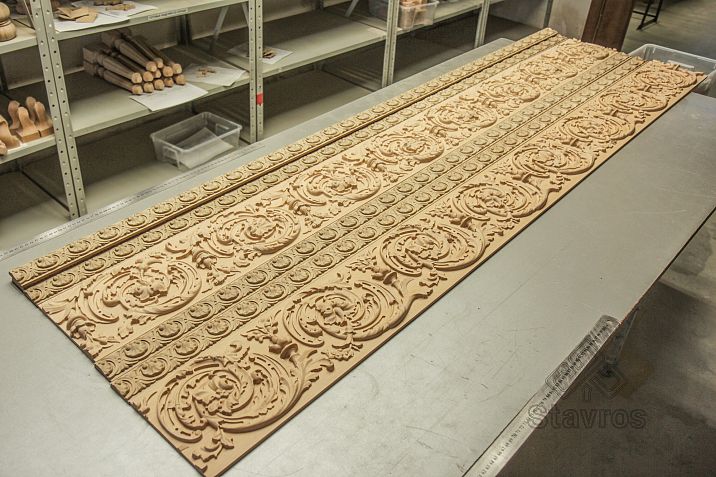
Natural wood has always been a symbol of warmth, coziness, and timeless beauty. In modern interiors, wooden finishing plays a key role in creating atmospheric, cozy, and stylish spaces. A modern wooden wall is not only a way to give a room individuality, but also an opportunity to realize bold design ideas using natural materials. It combines traditional craftsmanship techniques with the latest wood processing technologies, allowing to create unique decor capable of transforming any space.
In this article, we will thoroughly examine modern approaches to wooden wall finishing, get acquainted with the main decorative elements such as wooden panels, moldings, cornices, and skirting boards, and learn how to properly integrate them into the interior. Examples of successful implementation, tips on material selection, and care recommendations will help you create a space where nature and modernity are united in a single artistic concept. Learn more about the products and possibilities of natural wood at the official website of solid wood products.


Historical Traditions of Wooden Finishing




Roots of Craftsmanship
The use of wood in architecture and interior design dates back to ancient times. Back then, craftsmen manually created furniture, carved moldings, and decorative panels that served not only utilitarian purposes but also became works of art. Every detail, crafted with love for the material, conveyed warmth and soul, adorning homes and palaces, creating unique images.
In traditional interiors, wooden walls were adorned with carved elements, ornaments, and decorative inserts reflecting cultural traditions and aesthetic principles of that time. These items were passed down from generation to generation and were an inseparable part of the heritage of peoples. Traditional methods of processing natural wood, such as planing, sanding, carving, and varnishing, remain a source of inspiration for modern designers.
Our factory also produces:


Influence of traditions on modern design
Modern wooden finishing does not abandon traditional methods, but rather integrates them with advanced technologies, creating fresh and original solutions. Today, craftsmen use computer modeling and laser cutting to achieve precision and repeatability of complex decorative patterns, while preserving the soul and uniqueness of handmade items. These achievements allow creating high-quality decorative elements that become focal points in the interior, making the space not only functional but also visually rich.
Modern Trends in Wooden Wall Finishing
Get Consultation
Naturalness and Minimalism
One of the key trends in modern finishing is minimalism. In minimalist interiors, the purity of lines and the naturalness of the material are valued. A modern wooden wall in such a case represents a smooth surface where attention is primarily focused on the texture and natural tones of the wood. Natural wooden panels and cladding without unnecessary embellishments allow creating an effect of spaciousness and coziness simultaneously.
Minimalism in wall finishing highlights the high quality and natural beauty of wood. Such finishing harmoniously combines with modern decorative elements and furniture, creating a balanced, harmonious space that easily adapts to various styles—from Scandinavian to modern classic.
Eclecticism and mixing styles
Modern interiors increasingly strive for individuality and unconventional solutions. An eclectic approach, where elements of various styles are combined, allows creating unusual and memorable compositions. A modern wooden wall can become the basis for creating unique accent zones: for example, combining classical carved elements with minimalist panels or using decorative panels, moldings, cornices, and skirting boards.
Integrating wooden decorative elements helps unite different stylistic directions, creating an interior where traditional motifs intertwine with modern technological solutions. Such a blend can be especially successful in interior projects where it is necessary to emphasize the individuality of the owner and give the space a unique character.
Technologies and Innovations in Wood Processing
With the development of modern technologies, the process of wood processing and finishing has significantly changed. Laser cutting, computer modeling, automated planing and sanding allow achieving high precision and creating items with incredible detail. Modern wooden materials become more versatile due to the use of protective coatings, which not only highlight the natural beauty of wood but also protect it from moisture, ultraviolet rays, and mechanical damage.
These technological achievements allow designers to realize the boldest ideas, making walls not just cladding, but true works of art. The application of innovative processing methods opens up boundless possibilities for creating decorative elements that easily fit into any interior.
Decorative Elements: Variety of Solutions
Wooden Panels
One of the bright elements of modern wooden finishing are decorative panels. They are thin panels or elements applied to walls to create an additional visual accent. Wooden panels allow to transform any room, adding richness of textures and natural symphony of tones.
Such panels can have various designs—from geometric patterns to complex carved ornaments. Using decorative panels helps highlight certain wall areas, create zones of different purposes, or simply add an element of luxury. Learn more about decorative wooden decor at wooden overlays page.
Wood Molding
Molding is an indispensable element of finishing that helps to unite all parts of the interior into a single composition. They are used to finish walls, ceilings, cornices, and baseboards, giving the room a complete and harmonious look.Modern Wood Finishing In the form of moldings, it is possible to create striking decorative lines that highlight the architectural features of the space.
Moldings can be made in a classic style with decorative carved patterns or in a modern minimalist version. Their functional purpose is to conceal seams between different surfaces, while their decorative purpose is to emphasize the interior's individuality. The choice of a specific type of molding depends on the overall design concept and can vary from thin, almost invisible panels to massive carved ornaments.
Wooden cornices
Cornices play an important role in creating a balance between the ceiling and walls. They can be used to conceal technical utilities, mask transitions between different finishing materials, or to create decorative effects. Wooden cornices made using modern technologies allow achieving an ideal combination of functionality and aesthetics. Like moldings, they are available in various styles — from classic to ultra-modern.
Using cornices helps create a layered effect in the interior, adding depth and volume to the room. Thanks to the natural texture and warm tones of wood, cornices become an indispensable part of the design, capable of highlighting the uniqueness of the space and creating a cozy atmosphere.
Wooden baseboards
Baseboards serve both practical and aesthetic functions. They protect the lower part of walls from damage, conceal the transition between walls and floors, and also serve as a finishing touch to the overall design of the room.Wooden Skirting BoardsHigh-quality baseboards highlight the natural beauty of wood and give the interior a finished look.
Modern baseboards can have various profiles — from simple and minimalist to complex carved constructions. The choice depends on the interior style: in minimalist spaces, preference is given to smooth and narrow baseboards, while in classic interiors, massive and ornate variants may be used. A properly selected baseboard not only improves the aesthetic component but also protects walls from mechanical damage.
Practical application of modern wooden finishing in interiors
Residential spaces
In modern residential interiors, wooden finishing becomes a central element that contributes to creating a cozy and harmonious atmosphere. The natural texture and warmth of wood transform apartments and houses into works of art, where each element contributes to creating a unified visual ensemble.
Using wooden overlays, moldings, cornices, and baseboards allows highlighting architectural features of the room, creating an effect of depth and layering. For example, in a living room, decorative panels can become an accent on one of the walls, emphasizing its uniqueness, while carefully selected moldings and cornices will help unite the ceiling and walls into a single composition. A home interior designed with natural wood creates an atmosphere conducive to relaxation and coziness, where each element tells its unique story.
Office spaces
In a modern office, wooden finishing plays an important role in creating a comfortable and productive work environment. Natural wood improves the microclimate in the room, helps reduce stress levels, and adds warmth even in the most formal interiors. Decorating walls with wooden panels and decorative elements helps create a favorable atmosphere that positively affects employees' mood and increases work efficiency.
Modern corporate interiors increasingly use elements of wooden decor to create relaxation zones, meeting rooms, and lobbies, where natural wood becomes a symbol of stability and high quality. Properly selected finishing, made from natural materials, can become a company's calling card, reflecting its commitment to ecological safety and aesthetics.
Restaurants, cafes, and hotels
In public and commercial spaces such as restaurants, cafes, and hotels, wooden finishing creates a unique atmosphere of hospitality and coziness. Natural wood helps form a positive image of the establishment, making the interior warm, stylish, and inviting. Decorative wooden overlays, moldings, cornices, and baseboards are used to decorate walls, ceilings, and furniture, significantly contributing to the overall design and perception of the space by visitors.
Using natural wood in restaurants allows creating a unique interior that easily adapts to the concept of the establishment — whether it's an elegant fine-dining restaurant, a cozy cafe, or a stylish loft hotel. In each case, wooden finishing highlights the exclusivity and individuality of the interior, making it memorable and attractive.
Public spaces and cultural centers
In museums, libraries, exhibition halls, and cultural centers, natural wood is used to create atmospheric and elegant interiors capable of highlighting historical significance and cultural heritage. Decorative elements made of natural wood give the space a special charm and help create an atmosphere that inspires visitors and promotes creative perception.
In such spaces, wooden finishing can be executed in the form of complex decorative panels, carved moldings, and cornices, allowing to highlight a high level of craftsmanship and create a unique exhibition. Natural wood here is not only beautiful but also functional, as it possesses high acoustic properties, improving sound quality in the hall and contributing to creating a comfortable atmosphere for events.
Practical recommendations for selection, installation, and maintenance
When choosing modern wooden materials, the following aspects should be considered:
● Wood species. Different species have their own unique characteristics. Oak, beech, walnut, and ash — each is ideally suited for creating a particular interior style. The choice of species depends on the desired aesthetics, durability, and functionality of the item.
● Processing and finishing methods. Quality processing guarantees the longevity and resistance of wood to external influences. Pay attention to surface smoothness, precision of carved elements, as well as the quality of protective coatings such as natural oils, varnishes, or waxes.
● Ecological safety. Ensure that materials meet high ecological standards and are produced using environmentally friendly technologies, which is especially important for residential and public spaces.
● Design solution. Wooden finishing elements should harmoniously fit into the overall interior concept. Choose items that highlight the uniqueness of your space and help create a unified composition.
Installation and integration of wooden finishing into the interior
Installation and integration of wooden finishes in interior
Proper installation plays a key role in preserving the aesthetic appeal and longevity of wooden finishing:
● Surface preparation. Ensure that walls and ceilings on which the finishing will be installed are flat, clean, and dry. This ensures good material adhesion.
● Use of high-quality fasteners. Reliable fixation prevents gaps and deformations, which is especially important for decorative panels, moldings, cornices, and skirting boards. Using professional fastening systems guarantees long service life and preservation of the original appearance.
● Adherence to manufacturer instructions. Each type of finish has its own characteristics, so following the manufacturer's recommendations will help avoid errors and preserve the integrity of the structure.
Care for wooden finishing
To ensure that modern wooden finishes retain their beauty and functionality for many years, regular care of natural wood is necessary:
● Regular cleaning. Use soft cloths and specialized wood care products. Avoid aggressive chemicals that can damage the protective coating.
● Periodic treatment with protective compositions. Natural oils, varnishes, and waxes not only preserve the natural beauty of wood but also protect it from moisture, ultraviolet rays, and mechanical damage.
● Monitoring climatic conditions. Maintain optimal temperature and humidity levels in the room. Sudden changes in climatic conditions can lead to warping and shrinkage of wood.
● Preventive inspection. Regularly check the condition of wooden finishes, especially at joints and connections, to promptly detect minor damage and eliminate it before it develops into serious defects.
Economic and Ecological Efficiency
Longevity as an economic argument
Investing in quality wooden finishes is an investment in the longevity of your interior. Natural wood, processed using advanced technologies, retains its functional and aesthetic properties for decades. Such items do not require frequent repairs or replacement, significantly reducing maintenance and interior renewal costs.
Ecological responsibility
Modern wooden finishes meet the highest ecological standards. Natural wood is a renewable and eco-friendly material, free from harmful chemicals. This is especially important for residential and public spaces, where air quality and ecological safety play a decisive role. Using natural wood not only enhances your space but also contributes to environmental protection, supporting principles of sustainable development.
Support for traditional craftsmanship
Choosing products made of natural wood supports traditional crafts and preserves cultural heritage. Craftsmen working with wood use methods and technologies passed down from generation to generation, ensuring the uniqueness and high quality of each item. This is not just furniture or finishing — it is a work of art that carries the spirit of the past, united with innovations of the present.
Examples of successful implementation of modern wooden finishes
Residential interiors
Modern wooden walls adorned with decorative panels, moldings, cornices, and skirting boards create a cozy, warm, and refined atmosphere in the home. In modern apartments, natural wood can become a central element of finishing. Thus, an accent wall covered with wooden panels or decorative panels can transform the entire room, making it visually more spacious and lively. Such solutions are especially popular in Scandinavian and minimalist styles, where it is important to emphasize the naturalness of the material and create a harmonious, balanced atmosphere.
In classic interiors, wooden finishes acquire a luxurious appearance through the use of carved moldings and cornices in a traditional style. Decorative elements made of natural wood become true works of art, telling the story of craftsmen's skill. Every detail, from skirting boards to decorative panels, is carefully designed and executed with love for the material.
Office spaces and commercial areas
In offices and commercial spaces, modern wooden finishes help create a work environment conducive to productivity and comfort. Finishing walls, floors, and ceilings with natural wood creates a sense of stability and professionalism, improves acoustics, and makes the space warmer and more welcoming. Decorative elements such as moldings and cornices draw attention and create visual cohesion in the interior.
In restaurants, cafes, hotels, and other public spaces, natural wood is used to create a cozy and inviting atmosphere. This helps establish a positive image of the establishment and attracts customers. The natural beauty of wooden finishes enhances the overall impression of the interior, making it more attractive and functional.
Cultural and public spaces
In museums, galleries, libraries, and cultural centers, modern wooden finishes impart a special status and solemnity to the interior. Natural wood, adorned with complex decorative elements, helps create an atmosphere of respect for cultural heritage, inspires creative exploration, and evokes a sense of connection to traditions. Decorative panels, carved moldings, and other wooden finishing elements highlight exceptional craftsmanship and contribute to the creation of a unique space that becomes a focal point for visitors.
Individual design projects
For those who aim to create a unique and exclusive interior, modern wooden materials offer boundless possibilities. Custom projects allow the finishing to be tailored to specific client requirements — from selecting wood species and texture to unique decorative solutions, carving, and engraving. This approach enables the creation of truly unique interiors that reflect the individual style and taste of the owner.
Exclusive designer projects incorporating elements of modern wooden finishes become true works of art capable of surprising and inspiring. They combine the best traditions of artisan craftsmanship with modern technological capabilities, creating interiors where every detail is meticulously considered.
Conclusion
Modern wooden finishes are not merely a method of surface treatment but a philosophy that unites traditional craftsmanship with modern technologies. Using natural wood in interiors allows creating a space filled with warmth, harmony, and timeless beauty. Wood, as a living and unique material, can transform any room, giving it individuality and an unmistakable style.
When choosing modern wooden finishes, it is important to consider the quality of the material, processing methods, ecological safety, and aesthetic expressiveness. Well-executed decorative panels, moldings, cornices, and skirting boards not only serve practical functions but also become central design elements, unifying all parts of the interior into a harmonious composition.
Investing in natural wood is a choice in favor of longevity, ecological safety, and luxurious aesthetics, justified by each year of service of the items. Modern wooden materials, created using the latest technological solutions and advanced processing methods, become symbols of durability and high quality, which is especially important for modern residential, office, and public spaces.
If you aim to transform your interior by adding a touch of natural harmony and warmth, consider the wide range ofModern Wood FinishingUsing natural wood in wall, ceiling, and other surface finishes not only enhances the visual perception of your space but also creates a healthy, ecologically clean environment for living and working.
May every element of your interior — whether a decorative panel, elegant molding, refined cornice, or delicate skirting board — become a testament to high craftsmanship, individuality, and pursuit of perfection. Modern wooden finishes invite a creative dialogue with nature, enabling you to make your home, office, or any other space a place where harmony, warmth, and unparalleled natural beauty reign.
Natural wood is an eternal source of inspiration for those who value quality, aesthetics, and ecological safety. Modern wooden finishes, embodying the best traditions of artisan craftsmanship and innovative technologies, can transform any space by adding a living, natural element that unites the past, present, and future. May your interior be filled with harmony, warmth, and unique beauty, and every natural wood item become a symbol of the pursuit of perfection.