Article Contents:
- Nature as a Source of Inspiration and Healing
- Biophilic Design: Returning to Roots
- Materials That Breathe Life
- Technological Integration Without Compromising Comfort
- Smart Home as Part of an Ecosystem
- Multifunctionality as a Response to the Challenges of the Time
- Ecological Responsibility as a New Standard of Luxury
- Sustainable Development in Every Detail
- Color Palette: From Drama to Harmony
- New Color Philosophy
- Bold Accents and Emotional Flares
- Textures and Finishes: The Art of Tactile Sensations
- Layered Perception
- Metallic Accents and Industrial Notes
- Personalization and Individuality
- Interior as a Reflection of Personality
- Eclecticism as a Means of Self-Expression
- Architectural Accents: Return of Classical Forms
- Arches as a Symbol of Harmony
- Integration of Furniture and Architecture
- Lighting as a Tool for Creating Atmosphere
- Multi-Level Lighting System
- Lighting Solutions as Decorative Elements
- Space Zoning: The Art of Division Without Isolation
- Flexible Boundaries
- Vertical Zoning
- Kitchen as the Center of Family Life
- Culinary Theater
- Bedroom as Sanctuary
- Space for Recovery
- Integration of Work Zones
- Bathroom as a Spa Space
- Home Wellness Center
- Children's Spaces: Balance Between Functionality and Creativity
- Growing Together with the Child
- Stimulating Creativity
- Balconies and Loggias: Expanding Living Space
- Year-Round Relaxation Zones
- Storage Systems: Beauty in Organization
- Invisible Helpers
- Art and Decor: Personal Stories in the Interior
- Collecting as a Hobby
- Sound and Acoustics: Invisible Comfort
- Design for Silence
- Audio System Integration
- Scents as a Design Element
- Olfactory Design
- Seasonal Interior Adaptation
- Life in Rhythm with Nature
- Conclusion: Interior as an Investment in Quality of Life

Imagine a living space that doesn't merely reflect your status, but becomes an extension of your soul, a true refuge from the chaos of the outside world. It is precisely such interiors that modern designers, working with current trends, create. Trends in Interior Design in 2025 demonstrate a fundamental shift from superficial beauty to deep functionality and emotional impact.
The world of design is undergoing a true transformation. If interiors were once created solely for visual impact, today every element must contribute to human well-being. This is not merely an aesthetic evolution — it is a response to the challenges of modernity, when home space becomes a multifunctional center of life.


Nature as a Source of Inspiration and Healing




Biophilic Design: Returning to Roots
One of the most powerful movements of modernity is biophilic design — a concept that integrates natural elements into living space not as decorative additions, but as essential components. This trend is based on scientifically proven facts: the presence of natural elements in interiors reduces stress levels, improves concentration, and enhances overall well-being.
The use of living plants — from miniature succulents to impressive vertical gardens that transform walls into living artworks — is a key feature of the biophilic approach. Natural materials — raw wood with distinct texture, natural stone, bamboo panels — create tactile sensations that subconsciously soothe the nervous system.
Organic forms dominate furniture and architectural elements. Smooth lines reminiscent of river bends or hill contours replace the rigid geometry of previous decades. Such forms are perceived by the eye as natural and harmonious, creating a sense of calm and unity with nature.
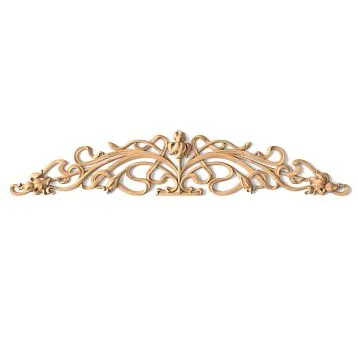
Our factory also produces:


Materials that breathe life
Modern interior design trends in 2025 place special emphasis on materials that carry the energy of nature. Oak and walnut have become favorites for flooring and wall panels due to their expressive natural pattern and ability to create a sense of warmth and reliability.
Textiles acquire new meaning in creating tactile comfort. Bouclé, shaggy, velvet — these materials are not just pleasant to the touch, they create a psychological effect of safety and coziness. Artificial suede replaces eco-leather in furniture upholstery, offering more natural tactile sensations.
Get Consultation
Technological integration without compromising comfort
Smart home as part of an ecosystem
Technology in modern interiors no longer serves as an intrusive demonstration of progress. Instead, it seamlessly integrates into living spaces, becoming an organic part of them. Smart home systems now operate intuitively, anticipating residents' needs and creating an ideal microclimate without requiring active participation.
Lighting becomes adaptive, changing intensity and color temperature depending on the time of day and human activity. Automated climate control systems maintain optimal temperature and humidity, while air purification systems operate silently, ensuring an ideal atmosphere for rest and work.
Multifunctionality as a response to the challenges of time
Spaces become transformable. Transformable furniture allows one room to perform multiple functions: a home office easily converts into a relaxation zone, and a living room into a guest bedroom. Hidden storage systems maximize usable space without disrupting aesthetic harmony.
Ergonomic solutions consider the characteristics of the human body and psychology. The height of work surfaces, the angle of chair backs, the placement of light sources — every detail is thoughtfully designed for maximum comfort and efficiency.
Ecological responsibility as a new standard of luxury
Sustainable development in every detail
Ecological responsibility no longer remains a fashionable trend but becomes a basic requirement for quality interiors. Using certified wood, recycled materials, and innovative eco-friendly composites — this is not merely care for the environment, but an investment in the health of residents.
Furniture and finishing material manufacturers are reevaluating the entire production cycle: from raw material sources to packaging and delivery. Biodegradable packaging materials, logistics optimization to reduce carbon footprint, use of renewable energy sources — these aspects are becoming as important as the product's aesthetic characteristics.
Upcycling — creative rethinking of old items — becomes an art. Vintage furniture gains new life thanks to modern restoration and adaptation technologies to meet contemporary needs. This is not only eco-friendly, but also allows creating unique interiors with history and character.
Color palette: from drama to harmony
New color philosophy
Color solutions for 2025 reflect a desire for emotional balance and psychological comfort. According to the Pantone Institute, the Color of the Year is Mocha Mousse — a deep chocolate-brown shade that evokes a sense of stability and warmth. This color perfectly fits the biophilic design concept, reminding us of rich soil and tree bark.
Ochre — a warm yellow-brown shade — adds solar energy to interiors, evoking associations with autumn landscapes and natural abundance. Muted green shades — from sage to olive — soothe the nervous system and help reduce stress levels.
Bold accents and emotional bursts
After a long period of neutral palette dominance, interiors are returning to vibrant colors — but in a new context. Tomato red with an orange undertone, coral, lavender — these shades are used as emotional accents that add vitality and individuality to the space.
It is important to understand that vibrant colors in modern design do not shout, but delicately highlight mood. They may appear in textiles, artworks, decorative elements, creating emotional focal points within a calm overall palette.
Textures and finishes: the art of tactile sensations
Multi-layered perception
Modern interiors are built on the principle of tactile diversity. Smooth surfaces coexist with rough ones, soft materials contrast with hard ones, creating a rich palette of sensations. This is not by chance — tactile diversity stimulates the nervous system and creates a sense of liveliness in the space.
Decorative plaster with pronounced texture, wooden panels preserving natural grain, textured wallpaper — all these elements contribute to creating a volumetric, multi-dimensional perception of the interior. Glass acquires complex textures mimicking natural phenomena — ripples on water, frost patterns, misty haze.
Metallic accents and industrial notes
Metallic surfaces in 2025 are used not as a demonstration of technological aesthetics, but as a way to add nobility and depth to interiors. Matte bronze, aged copper, patinated steel — these materials evoke a sense of time and history, adding character and individuality to the interior.
Personalization and Individuality
Interior as a reflection of personality
Interior design trends in 2025 place special emphasis on personalizing space. Mass solutions give way to individual projects, where each element reflects the owner's character, interests, and lifestyle. Custom-made furniture, vintage items with history, blending of different styles and eras — all this creates a unique atmosphere that cannot be replicated.
Art plays a key role in interior personalization. It doesn't necessarily have to be expensive paintings by famous artists — modern designers value original works, photographs, sculptures that hold personal meaning for the owner and tell their story.
Eclecticism as a means of self-expression
Mixing styles no longer signifies poor taste but becomes an art. Modern minimalism can coexist with vintage art-deco elements, while Scandinavian functionality blends with Eastern motifs. The key is to find a unifying idea that creates harmony from apparent chaos.
Architectural accents: return of classical forms
Arches as a symbol of harmony
Arched openings are experiencing a true renaissance in modern design. This architectural element, used for centuries in construction, returns as a symbol of smoothness, harmony, and connection to classical traditions. Arches are used not only in doorways but also as decorative elements — in niche design, mirrors, and furniture.
Round shapes have become a distinctive feature of modern design. Rounded table corners, soft sofa curves, oval rugs — all these elements create a sense of softness and safety, which is especially important in the stressful rhythm of modern life.
Integration of furniture and architecture
The boundary between furniture and architectural elements is fading. Built-in storage systems that appear as an extension of walls, beds integrated into architectural niches, work zones that form a unified whole with window openings — all this creates a sense of completeness and thoughtful spatial design.
Lighting as a tool for creating atmosphere
Multi-level lighting system
Modern lighting is a complex system that adapts to different life scenarios. General lighting creates a basic atmosphere, task lighting ensures comfort during specific activities, accent lighting highlights decorative elements and sets the mood.
LED technology allows creating lighting that mimics natural daylight, changing throughout the day. In the morning, the light has a cool white tone, stimulating activity; by evening, it becomes warm and relaxing.
Lighting solutions as decorative elements
Light fixtures no longer serve merely as light sources but become full-fledged decorative objects. Designer chandeliers, table lamps of unusual shapes, light panels integrated into architecture — all these elements contribute to creating a unique atmosphere even when turned off.
Space zoning: the art of dividing without isolation
Flexible boundaries
Modern apartments often have open floor plans, necessitating smart zoning. Designers use various techniques to divide space without compromising its integrity. Different flooring, ceiling structures, furniture groupings — all this helps create functional zones within a single space.
Shelves and partitions are becoming mobile elements that allow transforming space according to momentary needs. Glass partitions maintain visual connection between zones, creating a sense of openness.
Vertical zoning
Using the height of a room becomes increasingly important in the context of limited floor area. Mezzanine levels, suspended structures, multi-level storage systems — all this allows maximizing the use of available space.
Kitchen as a center of family life
Culinary theater
Modern kitchen is not just a place for food preparation, but a center of family life and social interaction. Large kitchen islands become multifunctional centers where one can cook, work, eat, and socialize. Integration of high-tech appliances allows creating culinary masterpieces with minimal effort.
Open shelves replace closed cabinets, transforming kitchenware into decorative elements. Beautiful tableware, spices in glass jars, cookbooks — all this creates an atmosphere of home coziness and gastronomic inspiration.
Bedroom as a sanctuary
Space for recovery
In modern understanding, a bedroom is not merely a place for sleep, but a personal sanctuary where one restores physical and emotional strength. Every interior element contributes to maximum comfort: from orthopedic mattresses to air purification systems.
The bedroom’s color palette is built on calming tones — muted greens, lavenders, beige hues create an atmosphere of tranquility. Drapes that darken, sound insulation, climate control systems — all these technical solutions contribute to the quality of sleep and rest.
Integration of work zones
In remote work conditions, the bedroom often becomes a workspace. Designers find creative solutions for integrating work zones that do not disrupt the atmosphere of rest. Hidden desks, transformable furniture, zoning with lighting — all this allows combining functions without compromising comfort.
Bathroom as a spa space
Home wellness center
The bathroom transforms into a personal spa center where one can relax and recover after a stressful day. Deep bathtubs, showers with various massage modes, aromatherapy systems — all this turns daily hygiene routines into a self-care ritual.
Natural materials — marble, travertine, teak — create a sense of connection with nature even in such a technologically advanced zone as a bathroom. Live plants, capable of withstanding high humidity, add freshness and vitality.
Children's spaces: balance between functionality and creativity
Growing together with the child
Children's rooms are designed with the understanding that a child grows and their needs change. Transformable furniture, modular storage systems, adaptive work zones — all this allows the space to evolve alongside the young owner.
Safety remains a priority, but it is achieved not through sterility, but through thoughtful design. Rounded corners, eco-friendly materials, secure fastenings — these elements are integrated into the design seamlessly, without compromising aesthetics.
Stimulating creativity
Children's spaces include zones for creative self-expression — walls for drawing, corners for building, areas for storing art supplies. The color palette may be brighter and more playful, but still based on principles of harmony and not overwhelming perception.
Balconies and loggias: expanding living space
Year-round leisure zones
Balconies and loggias stop being storage for unnecessary items and become fully functional living zones. Quality glazing, insulation, heating systems allow using these spaces throughout the year. Here, offices, winter gardens, relaxation zones are organized.
Vertical greening turns a balcony into a green oasis even in the heart of a megacity. Automated irrigation systems, special plant containers, microclimate creation — all these technologies make it possible to create a real garden on a small area.
Storage systems: beauty in organization
Invisible helpers
Modern storage systems operate on the principle of 'everything in its place, but nothing visible'. Built-in closets, hidden niches, multifunctional furniture with storage systems — all this allows maintaining order without compromising the aesthetics of the space.
Storage organization becomes a science, where each item has its place, and access to it is maximally convenient. Pull-out drawers, rotating mechanisms, soft-close systems — technologies make using storage systems comfortable and quiet.
Art and decor: personal stories in interior design
Collecting as a hobby
Modern interiors include spaces for displaying collections — whether books, vintage items, works of art, or designer objects. Special lighting systems, display cases, exhibition shelves transform collecting into a design element.
Exhibition rotation allows regularly updating the interior's appearance without significant financial costs. Seasonal decor changes, shifting focal points, new compositions from existing items — all this maintains interest in one's own space.
Sound and acoustics: invisible comfort
Designing silence
Acoustic comfort is becoming an increasingly important aspect of interior design. Sound-absorbing materials are integrated into decorative elements inconspicuously — these can be special wallpapers, ceiling panels, or upholstery with acoustic properties.
Creating quiet zones is especially important in open floor plans, where different activities may create mutual disturbances. Thoughtful placement of soft furniture, use of textiles, proper layout — all this contributes to acoustic comfort.
Integrating audio systems
Modern audio systems become practically invisible, integrated into the architecture of the room. Built-in ceiling or wall speakers, wireless technologies, smart control systems — all this allows enjoying high-quality sound without compromising the aesthetics of the space.
Scents as a design element
Olfactory design
Scents have become a full-fledged design tool for interior spaces. Room scenting systems, use of natural aromatic plants, creation of signature scents for different areas of the home — all this contributes to a multi-sensory experience.
Different areas of the home can have their own characteristic scents: invigorating citrus in the bathroom, relaxing lavender in the bedroom, fresh herbal notes in the kitchen. This creates an additional level of zoning and emotional impact.
Seasonal adaptation of interiors
Living in harmony with nature's rhythm
Modern interiors are designed with seasonal adaptability in mind. In summer, the focus is on freshness and coolness; in winter — warmth and coziness. This is achieved not only through changing decor, but also via adaptive lighting systems, climate control, and the use of various textures and materials.
Seasonal plants, changing textile elements, different lighting scenarios — all this allows the interior to live and change in harmony with natural cycles, creating a sense of harmony with the surrounding world.
Conclusion: Interior as an investment in quality of life
Trends in Interior Design in 2025 show that design is no longer merely an aesthetic issue — it is an investment in quality of life, physical and emotional well-being. A modern interior must not only look beautiful, but also actively contribute to the health, productivity, and happiness of its inhabitants.
Every element of a modern interior — from material selection to space planning — is based on a deep understanding of human needs and contemporary challenges. Ecological sustainability, technological innovation, personalization, functionality — these principles form a new philosophy of living space.
It is important to understand that following trends does not mean blindly copying ready-made solutions. Each interior should be a unique reflection of an individual's personality, lifestyle, and specific family needs. Trends merely offer tools and directions that can be adapted to individual characteristics.
Creating a modern interior is a complex process requiring professional knowledge and experience. For more than two decades, STAVROS has helped create spaces that not only align with current trends but also perfectly suit specific individuals. Our specialists understand that each project is unique and approach its implementation with special attention to details and individual client needs.
The future of interior design is the harmonious combination of beauty, functionality, and care for people. And this future has already arrived.