Article Contents:
- Technical Evolution of Wide Profiles
- From Handcrafted Production to High-Tech Solutions
- Material Innovations
- Structural Features of Wide Profiles
- Geometry and proportions
- Profile Functional Zones
- Connection Systems
- Design Possibilities of Wide Profiles
- Creating architectural accents
- Space zoning
- Integration of Engineering Systems
- Manufacturing Technologies
- Precision processing
- Quality Control
- Packaging and transportation
- Application areas
- Furniture Industry
- Architectural Interior Elements
- Restoration work
- Installation and mounting
- Preparatory work
- Installation Technology
- Final finishing
- Color and Texture Solutions
- Natural beauty of wood
- Modern Finishes
- Combined Solutions
- Integration with Other Interior Elements
- Coordination with Floor Coverings
- Interaction with Furniture
- Lighting and Profiles
- Economic Aspects
- Price-to-Quality Ratio
- Impact on property value
- Long-Term Economic Efficiency
- Trends of development
- Technological Innovations
- Ecological requirements
- Personalization and customization
- International Experience and Standards
- European traditions
- Asian Innovations
- Russian Market
- Conclusion: Wide Profile as an Investment in Quality of Life
- Frequently Asked Questions

In the world of modern design, where every detail matters,Wide frame profileit becomes a key element in creating luxurious interiors. This architectural component can radically transform the perception of space, giving it depth, volume, and aristocratic elegance. From classic mansions to ultra-modern lofts — wide frame profiles find application everywhere where quality and attention to detail are valued.
What makes the wide frame profile so popular among architects and designers? The answer lies in its unique ability to structure space, create visual accents, and define the character of the interior. Unlike narrow profiles, which serve more decorative functions, wide elements become full-fledged architectural components that determine the style and mood of a room.
Technical Evolution of Wide Profiles




From Handcrafted Production to High-Tech Solutions
The history of frame profiles spans centuries, but it is modern technology that has enabled us to achieve the level of quality and variety we enjoy today. Traditional handcrafted woodworking techniques, passed down from generation to generation, have seamlessly merged with precision CNC machines, creating an ideal symbiosis of craftsmanship and technology.
Wide profiles require a special approach to production. Increased cross-sectional dimensions impose higher requirements for material stability, processing accuracy, and adhesive quality. Modern equipment allows creating profiles up to 200-250 mm wide with perfect geometry and flawless surface.
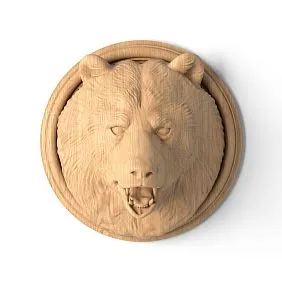
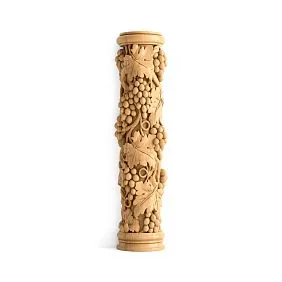
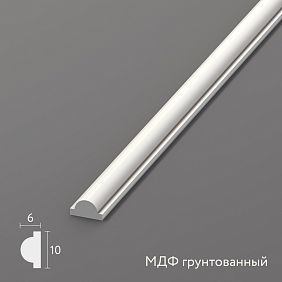
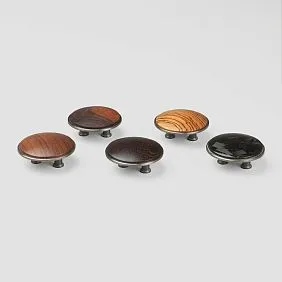
Our factory also produces:


Material Innovations
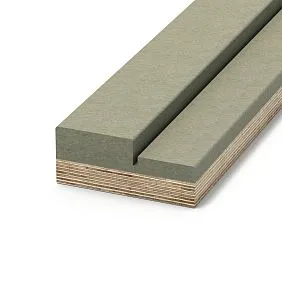
Material selection for wide frame profiles is critical not only aesthetically but also technically. Larger dimensions increase internal stresses in the material, requiring special stability and uniformity of structure.
Laminated beams with fibers oriented in different directions provide maximum stability for wide profiles. This technology, borrowed from structural element manufacturing, allows creating profiles of any width without risk of deformation or cracking.
High-density MDF has become an alternative solution for wide profiles. The homogeneous structure of the material eliminates internal stresses, and modern adhesives ensure ecological safety and longevity of the products.
Get Consultation
Structural Features of Wide Profiles
Geometry and Proportions
A wide frame profile is not simply an enlarged version of a standard element. It is an independent architectural component with its own laws of proportion and geometry.In narrow profile form, it opens new possibilities for creating modern furniture. Minimalist frames for glass inserts, thin frames for decorative panels, elegant mullions — all of this becomes possible thanks to the use of narrow profiles.Wide-section profiles require careful development of all elements — from the radius of fillets to the depth of grooves.
Classic proportions based on the golden ratio create visually pleasing relationships between different profile elements. The width of the main body of the profile should harmoniously match the dimensions of decorative elements — grooves, bevels, relief sections.
Functional Zones of the Profile
A wide profile can be conditionally divided into several functional zones. The central part provides the main strength and stability of the element. Side zones serve a decorative function and create transitions to mating surfaces. End sections require special processing to ensure quality joints.
Each zone has its own processing characteristics and surface quality requirements. Visible areas must have perfect geometry and final finish, while hidden zones may have technological allowances and fastening elements.
Connections of wide profiles to each other and to other structural elements require special technical solutions. Traditional dowel joints are supplemented by modern mechanical fasteners and high-strength adhesives.
Corner connections are the most critical zone of wide profiles. The large cross-sectional dimensions increase the loads on joints, requiring reinforced structural solutions. Special corner elements, hidden reinforcements, and compensators for thermal deformations are used.
Corner connections are the most critical zone for wide profiles. The large cross-sectional dimensions increase the loads on the joints, requiring reinforced structural solutions. Special corner elements, hidden reinforcements, and thermal deformation compensators are used.
Design possibilities of wide profiles
Creating architectural accents
Wide profiles have sufficient visual mass to create independent architectural accents. Unlike thin decorative elements that complement existing architecture, wide profiles are capable of forming a new architectural environment.
The narrow profile demonstrates the capabilities of modern composite materials. High-density fiberboards of medium density ensure geometric stability, resistance to deformation, and the ability to create complex profiles with thin walls.Wide-section profiles can imitate classical architectural elements — pilasters, half-columns, architraves. At the same time, modern manufacturing technologies ensure the precision of detailing, unattainable in traditional stone construction.
Space Zoning
Wide profiles are effectively used for visual zoning of large open spaces. Vertical elements create rhythmic divisions, structuring space without physical separation. Horizontal profiles form layering, creating a sense of scale and grandeur.
In modern lofts and studios, wide profiles help create the feeling of traditional architecture in an industrial space. The contrast between rough concrete surfaces and elegant wooden profiles creates a unique aesthetic of modern urban housing.
Integration of engineering systems
Wide profiles provide additional opportunities for integrating various engineering systems. Internal cavities can be used for laying electrical cables, low-voltage networks, and lighting system elements.
Built-in lighting transforms functional elements into light sources, creating soft backlighting and an intimate atmosphere. LED strips integrated into profiles provide even lighting without visible light sources.
Manufacturing Technologies
Precision Processing
Production of wide framed profiles requires high-precision equipment and strict quality control. Tolerances for dimensions are measured in tenths of a millimeter — any deviations will be noticeable during assembly and operation.
Multi-spindle milling machines allow processing several surfaces simultaneously, ensuring ideal parallelism and perpendicularity. Automatic feed systems maintain constant clamping force, eliminating vibrations and unevenness during processing.
Quality control
Each stage of producing wide profiles is accompanied by multi-stage quality control. Incoming raw material inspection includes checking moisture content, density, and absence of wood defects. Intermediate control points monitor compliance with dimensions and processing quality.
Final inspection includes visual examination, measurement of all dimensions, and surface quality check. Laser measurement systems ensure control accuracy down to microns, guaranteeing ideal quality of the finished product.
Packaging and transportation
Wide profiles require special packaging and transportation conditions. Large dimensions make the products sensitive to mechanical damage and deformation. Special pads, protective films, and rigid packaging structures ensure product integrity during transport.
Warehouse storage also requires special conditions. Horizontal storage on flat surfaces, humidity and temperature control, protection from direct sunlight — all of this is critical for preserving the quality of wide profiles.
Areas of application
Furniture industry
Furniture frontsFurniture with wide framed profiles creates a sense of solidity and respectability. Kitchen cabinets, wardrobes, bookshelves — wherever it is necessary to create an impression of expensive, high-quality furniture, wide profiles find their application.
Modern technologies allow creating profiles for furniture of any size and configuration. Radiused elements, complex joints, integrated handles — all of this is realized using modern equipment and materials.
Architectural interior elements
Wide profiles are used to create various architectural interior elements — door and window frames, decorative panels, built-in furniture.decorative plankProfiles of wide section can radically change the perception of a room, giving it character and individuality.
Classic interiors require profiles with traditional proportions and decorative elements. Modern styles allow greater freedom in interpreting classical forms, creating new aesthetic solutions.
Restoration work
Restoration of historical interiors often requires recreating lost architectural elements. Wide framed profiles play a key role in restoring the original appearance of historical buildings.
Modern technologies allow precisely reproducing historical profiles based on preserved fragments or archival drawings. 3D scanning, computer modeling, precision processing — all of this serves to preserve cultural heritage.
Installation and Mounting
Preparation Work
Installation of wide framed profiles requires careful preparation of the base and precise marking. Any irregularities in the base will be transferred to the profiles and become noticeable defects in the finished structure.
Laser levels, special templates, and control fixtures ensure marking and installation accuracy. Preparation of fastening elements, checking dimension compliance, and preliminary assembly — all of this is performed before the final installation.
Installation technology
Joining elements — the most critical operation. Accuracy of fitting, quality of connections, and sealing of joints determine the durability and appearance of the finished structure. Special adhesives, mechanical fasteners, and sealants ensure reliable connections.
Element joining is the most critical operation. The accuracy of fitting, quality of connections, and seam sealing determine the durability and appearance of the final structure. Special adhesives, mechanical fasteners, and sealants ensure reliable connections.
Final finishing
After installation, profiles require finishing work — sanding joints, filling fastening holes, applying protective coatings. The quality of finishing operations determines the final result of the entire work.
Modern putties are precisely matched in color and texture to the base material, making repair areas invisible. Multi-layer coating systems provide long-term protection against external influences.
Color and texture solutions
Natural Wood Beauty
Wide profiles made of solid wood showcase the full beauty of natural material. Expressive texture, rich tones, and noble natural transitions create a unique atmosphere of warmth and coziness.
Different wood species offer various aesthetic solutions. Oak, with its powerful, expressive texture, is ideal for classic interiors. Ash creates a more modern, dynamic look. Exotic species add an element of luxury and exclusivity.
Modern finishes
Colored finishes allow adapting wide profiles to any design solution. From classic white and cream tones to vibrant accent colors — modern coatings offer limitless possibilities.
Special effects — patination, brushing, creating artificial wear — add character and individuality to profiles. Each item becomes a unique, irreplaceable interior element.
Combined Solutions
Combining different materials and finishes within a single profile creates interesting visual effects. Metallic inserts, glass elements, contrasting color solutions transform functional elements into works of decorative art.
Integration with other interior elements
Coordination with flooring
Wide framed profiles must harmoniously match floor coverings and baseboards.Wooden baseboardmade from the same wood species and with similar treatment, creating a unified stylistic environment.
Contrasting combinations can also be effective. Dark profiles against a light floor create graphic, expressive compositions.wooden skirting board purchaseof contrasting color can be used to create dynamic interiors.
Interaction with furniture
Furniture and architectural elements should complement each other, creating harmonious compositions. Wide profiles may repeat elements of furniture design or contrast with them, creating visual variety.
Built-in furniture integrated with wide profiles creates a sense of a unified architectural space. Boundaries between architecture and furniture blur, forming a cohesive design concept.
Lighting and profiles
Wide profiles provide excellent opportunities for integrating lighting systems. Built-in fixtures, hidden lighting, decorative light elements transform functional structures into sources of light and ambiance.
The play of light and shadow on the relief surfaces of wide profiles creates additional depth and expressiveness. Properly planned lighting highlights the beauty of the material and the perfection of its finish.
Economic Aspects
Price-to-quality ratio
Wide framed profiles require greater material and labor costs compared to standard items. However, their aesthetic and functional impact significantly outweighs the additional expenses.
Using high-quality materials and modern technologies ensures the longevity of items, making investments economically justified.wooden baseboardand wide profiles serve for decades with proper care.
Impact on property value
High-quality architectural details, including wide framed profiles, significantly enhance the attractiveness of interiors to potential buyers. Investments in quality finishing pay off when selling real estate.
Professionally executed interiors with wide profiles create the impression of expensive, exclusive finishing, even when using affordable materials in other elements.
Long-term economic efficiency
High-quality wide profiles do not require frequent updating or replacement. The ability to restore individual elements without dismantling the entire structure reduces operating costs.
The versatility of wide profiles allows adapting them to changing design requirements simply by changing finishes or adding decorative elements.
Trends in development
Technological Innovations
Advancements in material processing technology continuously expand the possibilities for creating wide framed profiles. 5-axis milling centers allow creating complex three-dimensional surfaces with jewel-like precision.
Laser processing opens new possibilities for creating decorative elements. Delicate patterns, complex perforations, three-dimensional textures — all of this becomes accessible thanks to modern equipment.
Ecological Requirements
Growing ecological requirements influence the choice of materials and production technologies. FSC-certified wood, formaldehyde-free binders, water-emulsion coatings are becoming industry standards.
with a classic profile creates a sense of solidity, reliability.and wide profiles made from eco-friendly materials are not only beautiful but also safe for human health and the environment.
Personalization and Customization
Modern consumers seek uniqueness and individuality in their interiors. Wide profiles are ideal for creating exclusive solutions that reflect the owner's personality.
Digital design technologies allow creating individual profiles tailored to specific tasks and spaces. Each element becomes a unique, irreplaceable work of art.
International experience and standards
European traditions
The European school of framed profile production is based on centuries-old craftsmanship traditions and modern technologies. German precision standards, Italian design, Scandinavian functionality — all of this influences the industry's development.
Quality certification systems, ecological standards, safety requirements create unified criteria for evaluating product quality on the international market.
Asian innovations
Asian manufacturers bring new technological solutions and materials into the industry. Precision equipment, innovative composite materials, and automated production lines enhance product quality and reduce costs.
Russian market
The Russian market for wide framed profiles is actively developing, combining global best practices with domestic craftsmanship traditions. Abundant forest resources, skilled labor, and growing consumer demands create favorable conditions for industry growth.
Conclusion: Wide profile as an investment in quality of life
Wide frame profileIt is not merely a decorative element, but a full architectural component capable of radically transforming any interior. Its use is an investment in beauty, comfort, and durability, which pays off not only aesthetically but also functionally.
In the era of mass production and standardization, wide framed profiles offer the opportunity to create unique, individual interiors. They allow the realization of the most daring design concepts, creating an atmosphere of luxury and refinement without excessive material costs.
Technological progress makes wide profiles increasingly accessible without compromising quality or aesthetic characteristics. Modern materials and processing methods ensure the longevity and stability of products, making them a profitable long-term investment.
STAVROS company has specialized for many years in creating high-quality architectural elements from natural wood. Deep understanding of material properties, modern production equipment, and extensive experience enable the creation of wide framed profiles that not only decorate interiors but also serve for many years, preserving their beauty and functionality. Choosing STAVROS products means investing in quality, reliability, and the unique beauty of natural wood.
Frequently asked questions
What is the maximum width of a framed profile possible without losing stability?
Modern technologies allow creating stable framed profiles up to 250-300 mm wide from solid wood and up to 400 mm from glued laminated timber. Key factors are material drying quality, proper gluing, and profile construction features. For exceptionally wide elements, additional stiffeners and special fastening systems are used.
How do wide profiles affect the visual perception of a room?
Wide framed profiles create more expressive architectural accents compared to narrow elements. They can visually increase ceiling height when placed vertically or expand space when placed horizontally. Dark wide profiles make a room more intimate, while light ones increase the sense of spaciousness.
Do wide profiles require special operating conditions?
Wide profiles are more sensitive to humidity and temperature fluctuations due to increased surface area. It is recommended to maintain air humidity within 40-60% and avoid sharp temperature changes. Proper ventilation prevents moisture accumulation and ensures product longevity.
Can wide profiles be used in rooms with high humidity?
With proper selection of materials and coatings, wide profiles can be used in bathrooms, kitchens, and other humid areas. Moisture-resistant materials (glued laminated timber, high-moisture-resistant MDF) and special protective coatings are required. Adequate ventilation and sealing of all joints and connections are mandatory.
How to calculate the required amount of wide profiles for a project?
Calculation is based on the perimeter of framed elements, accounting for trimming waste and possible installation errors. An additional 10-15% reserve is added to the exact perimeter. For complex configurations with multiple angles and joints, the reserve increases to 20%. It is recommended to create a detailed layout plan of profiles before ordering materials.
What tools are needed for proper installation of wide profiles?
Professional tools are required for installing wide profiles: a miter saw with laser guide for precise cutting, a router for cutting grooves for fasteners, a laser level for marking, a pneumatic nail gun for fastening. Also required are clamps, spacers, measuring tools, and equipment for safe work at heights.
How does the wood species affect the properties of wide profiles?
Different wood species have varying density, stability, and decorative characteristics. Oak provides maximum strength and expressive texture but requires professional processing. Pine is easier to process and cheaper but less stable. Beech combines strength with uniform structure. The choice depends on operating conditions, budget, and aesthetic preferences.
Can damaged areas of wide profiles be restored?
Most damage to wide profiles can be restored. Minor scratches and dents are removed by sanding and polishing. More serious defects require partial material replacement followed by fitting and finishing. Chips and cracks are filled with special putties matched to color and texture. When properly executed, repair areas become virtually invisible.