Article Contents:
- What is applied art?
- Uniqueness of applied art
- Decorative-applied art: Between beauty and functionality
- Applied art works: Art that surrounds us
- Applied art objects: Combination of beauty and functionality
- Applied art in Moscow: Traditions and modernity
- Why is applied art important today?
- Preserving traditions by the company STAVROS
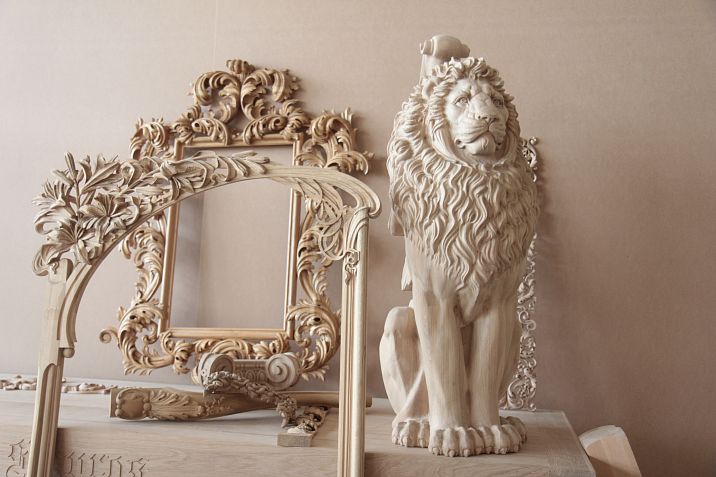
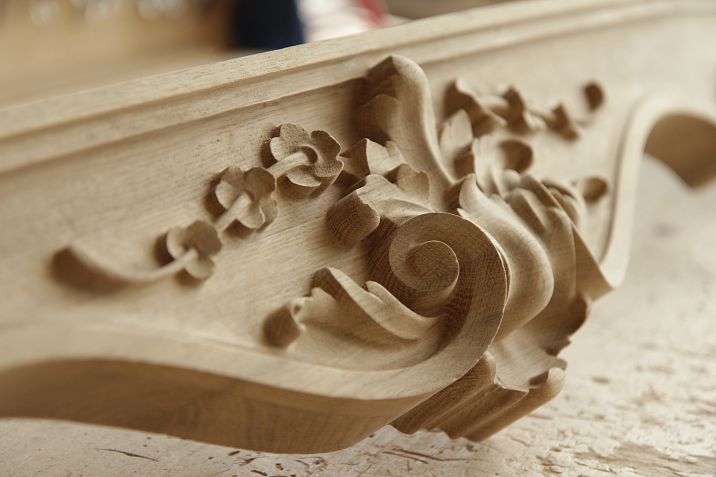
Applied art is a remarkable field where creativity, beauty, and practicality intertwine. It exists at the intersection of craftsmanship and fine art, combining utilitarian objects with aesthetic qualities. It is a form of self-expression that reflects cultural values, traditions, and the era in which it is created.
In the era of mass production, applied art remains an island of uniqueness and the warmth of handcrafted work. Each piece carries the individuality of the artist, creating a unique atmosphere in homes, interiors, and daily life. Decorative-applied art objects play a special role, capable of transforming space by adding harmony, style, and coziness.
Applied art is experiencing a new wave of popularity today. Modern technologies combine with traditional techniques, opening new horizons for artisans. Wood carving, textile painting, artistic ceramics — all of this is just a small part of the rich world of applied art, which inspires and amazes with its beauty. In this article, we will examine what makes applied art so unique, discuss its directions, works, and role in our lives.



What is applied art?
Applied art is a special form of creativity that includes creating utilitarian objects with high aesthetic quality. It encompasses many directions: from ceramics and textiles to artistic wood and metal carving. The main feature of this form of art is that applied art works always have practical application. Unlike fine art, which often exists solely for contemplation, applied art combines beauty with functionality.
The basis of applied art is the idea of making everyday items not only useful but also beautiful. These can be tableware, furniture, interior elements, clothing, or accessories. For example, carved wooden panels decorating walls or painted plates that serve both as decoration and for daily use. Learn more about wood carving techniques and their significance in the article Wood Carving: Art Through the Centuries.
Uniqueness of applied art
One of the main features of applied art is its uniqueness. Each piece is created by hand, making it irreplaceable. Unlike mass production, where all items are identical, applied art pieces are imbued with the soul of the artist. Every stroke, every pattern is the result of creative exploration and skill.
For example, wood carving is one of the most vivid directions of applied art. It allows creating unique decorative elements for interiors, furniture, or architecture. Carved door casings, baseboards, moldings — all these elements can become not only decoration but also emphasize the individuality of the space. Read more about the significance of carving in the modern world in the article Wood Carving: Art Through the Centuries.
Role of applied art in everyday life
Applied art plays an important role in human life. It allows combining practicality with aesthetics, making everyday things not only convenient but also pleasing to the eye. Carved wooden inlays, artistic textile items, painted ceramics — all of this adds coziness and individuality to the home.
Modern people increasingly turn to applied art in search of unique solutions for interiors and accessories. This is not just a trend, but a return to traditions and handcrafting, which is increasingly valued. Applied art products help preserve cultural heritage and pass it on to future generations. Learn more about key applied art techniques in the article Wood Carving: Art Through the Centuries.




Decorative-applied art: Between beauty and functionality
Decorative-applied art is a direction that emphasizes the aesthetic component of utilitarian objects. It emerged from the desire to decorate everyday items, turning them into works of art. In this art, every element — whether fabric, metal, or wood — gains new life, becoming a manifestation of craftsmanship and creativity.
One vivid example of decorative-applied art is wood carving, which remains an unchanged symbol of elegance and refinement over centuries. Door casings, baseboards, rose outlets created using this technique can transform any interior, adding nobility and individuality. Read more about carving and its applications in the article Wood Carving: Art Through the Centuries.
Traditions and modernity
Decorative-applied art relies on centuries-old traditions but actively develops, responding to the challenges of modernity. Today, artisans combine traditional techniques with new technologies, creating amazing objects that blend classic aesthetics with contemporary trends.
For example, carved wooden items fit beautifully into both classic and modern interiors. They can be used in furniture, wall, or ceiling decoration, bringing warmth and elegance of natural material into space. Details about carving techniques and their role in interior design can be found in the article Wood Carving: Art Through the Centuries.
How does decorative-applied art influence interior design?
Applied art plays a key role in creating the atmosphere in interior design. It allows highlighting the style of the space, adding unique accents, and creating a sense of coziness. For example:
● Carved appliqués on furniture make it more elegant and refined.
● Wooden skirting boards and moldings emphasize architectural lines, adding completeness to the interior.
● Artistic items, such as rosettes or decorative panels, create striking accents that attract attention.
These elements do not merely decorate the space, but also reflect the individuality of the owner, their taste, and commitment to quality. If you want to learn more about the role of wood carving in interior design, we recommend reading the article Wood Carving: Art Through the Centuries.
Applied art and culture
Applied art also plays an important role in preserving cultural heritage. It reflects the traditions and characteristics of different peoples, becoming a link between generations. For example, the Russian style in applied art includes carved ornaments reflecting natural motifs, as well as elements inspired by the architecture of ancient Rus.
Modern masters continue to develop these traditions, creating items that connect the past and the present. Such works become not only home decorations, but also symbols of respect for culture and history. Learn more about the significance of wood carving in culture in the article Wood Carving: Art Through the Centuries.
Our factory also produces:




Applied art works: Art that surrounds us
Applied art works are unique items that combine aesthetic beauty and practical purpose. They are created by artisans who pour their inspiration, skills, and soul into every detail. These works become not just interior elements or accessories, but symbols of uniqueness and refined taste.
Variety of applied art works
One of the key advantages of applied art is its variety. This field encompasses a vast range of items and techniques. Among the most popular types are:
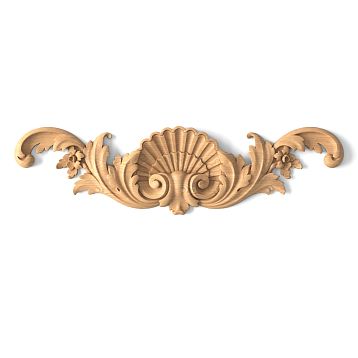
● Wood carving, which allows creating elegant decorative elements for interiors and furniture. Carved appliqués, moldings, rosettes — all of this reflects the craftsmanship of artisans.
● Ceramics — from tableware to decorative vases. Hand-painted decoration makes each item unique.
● Textiles — from artistic embroidery to carpets with unique patterns that become accents in the interior.
● Metalworking, including artistic forging, decorative sculptures, and furniture elements.
● Artistic jewelry, such as costume jewelry or jewelry items, handmade.
Each piece of applied art carries not only practical function but also high aesthetic value. Learn more about the significance of wood carving in this context in the article Wood Carving: Art Through the Centuries.
Individuality in every detail
Applied art works are created by artisans by hand, making each item unique. Unlike mass production, where all items are identical, here every detail is imbued with individuality. Carved patterns, painted ornaments, textile motifs — all of this is not just decoration, but a reflection of the artisan’s labor, patience, and talent.
For example, carved wooden panels or appliqués can be made according to a specific order, including unique ornaments or symbols close to the client. This makes each item not just a decorative object, but a personal story. Learn more about the process of creating carved items in the article Wood Carving: Art Through the Centuries.
Applied art works in modern interiors
Today, applied art works find their place in interiors of various styles — from classic to minimalism. They are used as accent elements, giving the space completeness and individuality. For example:
● Carved appliqués or moldings can decorate doorways, walls, or ceilings.
● Hand-painted ceramics add a unique charm to kitchens or dining rooms.
● Wooden skirting boards and corner elements emphasize the architectural features of the space.
These items allow not only to decorate the interior, but also to highlight the character of the home’s owners. Such elements become an inseparable part of the design, embodying harmony between functionality and art. Learn more about the role of wood carving in creating a unique interior in the article Wood Carving: Art Through the Centuries.
Emotional value of applied art works
Unlike factory-made items, applied art works possess unique emotional value. They create a connection between the artisan and the owner, telling their story. These items are passed down from generation to generation, becoming family heirlooms.
Wood carving is a vivid example of such art. Each item, whether a decorative element or a furniture accessory, carries the warmth of natural material and craftsmanship. Learn more about how unique carved items are created in the article Wood Carving: Art Through the Centuries.
Get Consultation
Applied art objects: Combination of beauty and functionality
Varieties of applied art objects
Varieties of applied art objects
The assortment of applied art objects is impressive in its diversity. They can be made from various materials – wood, ceramics, metal, fabric – and include numerous techniques, each making the item unique. Among the most common categories:
● Wooden items: appliqués, baseboards, moldings, carved panels. These elements become an important part of the interior, emphasizing the style and architectural features of the room.
● Ceramic items: artistic tableware, decorative tiles, painted vases. Hand-painted decoration adds uniqueness to them.
● Textile elements: rugs, embroidered fabrics, tapestries. They add coziness and completeness to the interior.
● Metal items: wrought iron ornaments, decorative furniture elements, accessories.
Each category is unique and possesses its own aesthetic value, combining utilitarian function with artistic intent. For example, carved wooden items create an atmosphere of warmth and coziness, adding natural harmony to the space. Learn more about the role of wood carving in creating unique items in the article Wood Carving: Art Through the Centuries.
Applied art objects in interior design
Today, applied art objects are actively used in interior design. They help create a harmonious and unique space, adding distinctive accents. For example:
● Carved appliqués and panels are ideal for decorating doorways, furniture, or walls. They add nobility and style to the interior.
● Decorative baseboards and moldings emphasize the architectural lines of the room, adding completeness and aesthetics.
● Ceramic elements are used to decorate kitchens, dining rooms, and bathrooms, creating striking accents.
These items perform not only decorative but also practical functions. For example, carved wooden panels can conceal wall imperfections, while decorative moldings can zone the space. Learn more about the application of wood carving in interior design in the article Wood Carving: Art Through the Centuries.
Emotional connection and individuality
Each applied art object is created with attention to detail and soul, making it unique. Unlike factory-made items, which are reproduced in millions of copies, such items possess individuality and character. They become a symbol of the owner's taste and create an emotional connection between the artisan and the user.
For example, carved wooden items can be made to order, including ornaments or patterns that reflect the client's personal preferences. They not only decorate the interior but also carry history, creating a cozy and warm atmosphere in the home.
Why are applied art objects so valuable?
The value of applied art objects lies in their uniqueness, craftsmanship, and cultural significance. They represent a bridge between tradition and modernity, preserving the spirit of the times while simultaneously meeting today's requirements. Here are several reasons why these items are so important:
- Uniqueness: Each item is handmade, making it irreplaceable.
- Aesthetic value: They impart a special atmosphere to the surrounding space.
- Practical function: Items not only decorate but also serve their intended purpose.
- Preservation of traditions: Many items reflect cultural heritage and artisanal traditions.
To better understand how unique applied art objects are created, read the article Wood Carving: Art Through the Centuries.
Applied art in Moscow: Tradition and modernity
Moscow has always been a cultural and artistic center of Russia. Here, rich traditions of applied art are concentrated, passed down from generation to generation. In this metropolis, applied art acquires a new sound, combining ancient craft techniques with modern trends.
History of applied art in Moscow
The history of applied art in Moscow goes back to distant past. Already in the medieval period, artisans created unique items: carved furniture, painted household items, decorative elements for churches and palaces. These items adorned both private homes and public spaces, becoming symbols of wealth and aesthetic taste.
Over time, applied art evolved, taking on new forms. For example, in the 19th century, carved wooden door casings gained particular popularity, becoming an indispensable part of Moscow's architecture. These items, crafted with incredible skill, not only adorned homes but also conveyed distinctive national styles.
Read more about the significance of wood carving in Russian history in the article Wood Carving: Art Through the Centuries.
Modern applied art in Moscow
Today, Moscow remains the center of applied art. Here you can find both traditional items made using old technologies and modern interpretations of classic forms. Masters actively use natural materials — wood, ceramics, textiles — to create unique pieces that connect the past and the present.
Popular directions remain:
● Wood carving, where both classical patterns and modern minimalist motifs are used.
● Ceramics decorated with hand-painted designs or aged textures.
● Decorative appliqués for furniture, doors, and interiors.
● Handmade textile items, such as rugs and tapestries, which become striking accents in interior design.
Modern masters also conduct workshops, where you can not only witness the process of creating applied art objects but also try your hand at craftsmanship. This helps preserve traditions and introduce new ideas into them.
Where to find applied art items in Moscow?
Moscow offers many places where you can acquaint yourself with applied art:
- Museums of decorative and applied art — an excellent opportunity to see masterpieces of the past and present. For example, the State Museum of Folk Art presents collections of wooden, textile, and ceramic items.
- Craft fairs — here, masters offer their works, including carved wooden elements, painted ceramics, and textiles.
- Art galleries and shops — places where you can purchase unique applied art items for home or as gifts.
If you are looking for handmade items, such as carved wooden appliqués or baseboards, pay attention to the collection presented in the article Wood Carving: Art Through the Centuries.
The significance of applied art for Moscow
Applied art in Moscow not only decorates the city but also preserves its cultural heritage. It helps convey the spirit of the times to future generations, reflecting the uniqueness and diversity of traditions. Each item — whether a carved door casing or a painted ceramic vessel — tells its own story, connecting the past with the present.
Moscow’s applied art also inspires modern designers and architects, who incorporate traditional motifs into their projects, adapting them to contemporary requirements. This makes Moscow not only a cultural but also a creative center, where art and craftsmanship find their continuation.
Why is applied art important today?
Applied art retains its relevance, even in the age of technology and mass production. It plays a key role in preserving cultural heritage, decorating everyday life, and shaping individual style. Modern people increasingly value uniqueness, quality, and handcrafted work, which distinguish applied art items from factory-made products.
Preservation of cultural heritage
Applied art is a bridge between the past and the present. It preserves traditions, reflects culture, and passes down unique craftsmanship skills from generation to generation. For example, wood carving, as a form of applied art, has existed for centuries and remains in demand to this day. Carved wooden items, such as appliqués, baseboards, and furniture elements, help preserve the spirit of the past, adding warmth and individuality to interiors.
Read more about the significance of wood carving in history and modernity in the article Wood Carving: Art Through the Centuries.
Uniqueness and individuality
In a world where mass-produced goods increasingly dominate, applied art stands out for its uniqueness. Each item is handmade, imbued with soul and attention to detail. These are not just objects — they are works of art that can become family heirlooms or home decorations.
For example, wooden carved elements can be made to order, taking into account the client’s preferences. This allows you to create not just an aesthetically pleasing interior, but a space that reflects the character and taste of the owner. Such items fill the home with coziness and a special atmosphere.
Ecological and sustainable
Modern applied art masters often use natural materials — wood, ceramics, textiles. This not only highlights the natural beauty of the items but also contributes to their ecological nature. Handmade items possess high durability and longevity, making them more sustainable in the long term.
For example, carved wooden appliqués or baseboards can last for decades, retaining their aesthetic value and functionality. Such items fit into the concept of sustainable consumption, where emphasis is placed on quality and longevity.
Decoration of everyday life
Carved wooden panels decorate walls and give them an elegant look.
Carved wooden panels decorate walls and give them an elegant look.
Ceramic vases and tableware turn the kitchen into a space of art.
Textile items, such as tapestries or cushions, create a cozy and warm atmosphere.
These items not only decorate everyday life but also fill it with meaning. They remind us of the importance of traditions, handcraft, and respect for materials.
Why do we choose applied art?
Applied art remains relevant today for several reasons:
- Value of handcraft. Each item is unique and reflects the creator's skill.
- Aesthetic appeal. Such items decorate space, create accents, and highlight style.
- Preservation of traditions. This is a way to preserve cultural heritage and pass it on to future generations.
- Functionality. Applied art items are not only beautiful but also useful in everyday life.
- Ecological value. Items made from natural materials are a contribution to sustainable development and care for nature.
To learn more about the significance and application of applied art, we recommend reading the article Wood Carving: Art Through the Centuries.
STAVROS Company’s Commitment to Tradition
STAVROS is a bright example of how decorative-applied art and wood carving traditions can be carefully preserved in the modern world. STAVROS combines centuries of master craftsmanship with innovative technologies, creating unique items that unite the past and the present. This allows the company not only to preserve but also to develop artisanal traditions, passing them on to new generations.
The History of Traditions in STAVROS Work
From its foundation, STAVROS has paid special attention to preserving and promoting classical craft techniques, especially in wood carving. The company’s philosophy is rooted in respect for the traditions of past masters. Inspired by Russian carved ornaments and motifs, STAVROS specialists create items that reflect the spirit of their time while perfectly fitting into modern interiors.
Each element created at STAVROS production embodies centuries of decorative art history:
● Carved appliqués and moldings are created using traditional patterns characteristic of ancient Russian architecture.
● Wooden skirting boards and rosettes are made with incredible precision, conveying the complexity and beauty of classical ornaments.
● Decorative elements include motifs characteristic of national and classical styles, serving as symbols of cultural heritage.
For more information about the significance and creation process of such items, please read the article Wood Carving: Art Through the Centuries.
Modern Approaches to Preserving Traditions
STAVROS successfully combines traditional craft techniques with modern technologies. This allows not only to preserve unique traditions but also to make them accessible to a broader audience. Using digital technologies, STAVROS specialists recreate historical patterns while adding elements that meet the requirements of modern interiors.
Examples of such an approach include:
● Modernized carved appliqués, inspired by ancient ornaments but adapted for minimalist designs.
● Classical wooden moldings combining traditional aesthetics with the durability of natural materials.
● Decorative elements for furniture that highlight interior elegance while remaining faithful to artisanal craftsmanship traditions.
Tradition Continuity
One of the key principles of STAVROS is continuity. The company actively passes on accumulated knowledge and skills to new generations of artisans. Within the team, masters train young specialists, revealing the secrets of complex carving techniques, wood processing, and decorative element creation.
This not only helps preserve but also develop the art of wood carving, adapting it to the needs of the modern market. Thanks to the efforts of STAVROS, traditions continue to live and find their place in the interiors of homes, offices, and public spaces.
Influence of STAVROS on culture and art
The STAVROS company makes a significant contribution to the development of decorative-applied art. Its products find buyers throughout Russia and beyond, spreading Russian craftsmanship culture. Each item of the company becomes part of cultural heritage, combining classical aesthetics with modern possibilities.
If you want to see how traditions of applied art can be embodied in modern products, we recommend familiarizing yourself with STAVROS' products and learning more about its history in the article Wood Carving: Art Through the Centuries.
Thus, STAVROS continues the traditions of past masters, creating works of applied art that not only decorate but also preserve cultural heritage for future generations.