












































































Article Contents:
- Material Anatomy: Plaster and Polyurethane Under the Microscope
- Plaster: Natural Porosity as a Weakness
- Polyurethane: Synthetic Impermeability as a Strength
- Comparison Table of Key Characteristics
- Wet Rooms: Where Polyurethane is Indispensable
- Bathroom: Daily Moisture Challenges
- Swimming Pool: Extreme Humidity as the Norm
- Sauna and Hammam: Temperature Plus Humidity
- Kitchen: Local Humidity and Grease Contamination
- Installing Polyurethane Molding: Technology Accessible to Everyone
- Surface Preparation: Minimal Requirements
- Adhesives for Polyurethane: Which One to Choose
- Gluing Technology: Step-by-Step Algorithm
- Joining Elements: Corners and Connections
- Sealing: Protecting Joints in Wet Areas
- Painting Polyurethane: Endless Possibilities
- Water-Based Paints: A Universal Solution
- Decorative Techniques: From Patina to Gilding
- Painting Technology: Rules for Quality Work
- Caring for Polyurethane Molding: Simple and Effective
- Regular Cleaning: Dust is Not a Sentence
- Restoring a Painted Surface
- What Not to Do: Care Limitations
- STAVROS Moisture-Resistant Element Collections: Ready-Made Solutions for Any Project
- Aqua Collection: Minimalism for Bathrooms
- Thermal Collection: Luxury for Pools and Spas
- Hammam Collection: Eastern Styling for Steam Rooms
- Provence Collection: Coziness for Kitchens
- Frequently Asked Questions About Polyurethane Molding: Expert Answers
- Conclusion: An Informed Choice for a Long-Lasting Result

Humidity – enemy or ally of decor? When renovation is nearing completion and you're faced with choosing a material for the bathroom, pool, or sauna, this question ceases to be rhetorical. Plaster or polyurethane? Classic or contemporary? Beauty or practicality? Or perhaps there exists a solution that unites all of this?
Half a century ago, there was no choice. Plaster moldings reigned supreme in palaces and mansions, creating that very atmosphere of luxury we see in museums. But wet rooms remained terra incognita for decor – plaster feared water like fire. The advent of polyurethane moldings changed the rules of the game. TodayPolyurethane Ceiling Moldingsit adorns not only formal living rooms but also bathrooms, transforming a functional space into a zone of comfort and aesthetics.
What to choose? Let's examine the matter objectively, without advertising clichés and marketing promises. Only facts, figures, real-world experience.

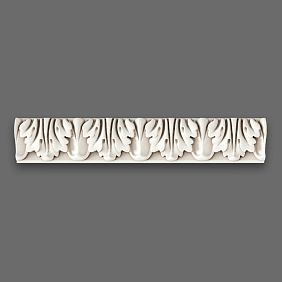


Anatomy of materials: plaster and polyurethane under the microscope
To understand why one material works in a humid environment while the other deteriorates, we need to look at their structure. What happens at the molecular level when water vapor lands on the molding?




Plaster: natural porosity as a weakness
Plaster is calcium sulfate with water of crystallization. When plaster powder is mixed with water, a plastic mass forms, which hardens to create a strong structure. But this strength is deceptive. The microstructure of plaster is porous: micro-voids remain between the crystals, accounting for up to forty percent of the material's volume.
These voids are plaster's Achilles' heel. They act like capillaries, drawing moisture from the air. At humidity levels above seventy percent, plaster begins to actively absorb water vapor. Water penetrates the pores, saturates the material, and softens it. Drying does not restore the original strength – cycles of wetting and drying destroy the crystalline structure. Micro-cracks appear, gradually turning into visible defects.
Weight is another problem. The density of plaster ranges from nine hundred to one thousand three hundred kilograms per cubic meter. A large ceiling rosette with an eight-hundred-millimeter diameter weighs from six to ten kilograms. This creates a load on the fastenings, requires reinforced installation, and precludes mounting on lightweight substrates like drywall ceilings without additional reinforcement.
The fragility of plaster manifests during transportation and installation. Thin carved details chip easily, sharp edges crumble. Repair of damaged areas is possible but always noticeable – the repaired spot differs in texture and color even after painting.
Our factory also produces:


Polyurethane: synthetic impermeability as strength
Polyurethane is a synthetic polymer obtained from the reaction of polyols and isocyanates. Its structure is dense and closed-cell. The cells are filled with air or inert gas but are isolated from each other. The material has no through-pores through which moisture could penetrate.
The water absorption of polyurethane is less than one percent of its mass when fully immersed in water for twenty-four hours. In practice, this means thatCeiling molding elementspolyurethane moldings can be washed, wiped with a damp cloth, installed in rooms with one hundred percent humidity – the material will not change its properties.
The density of polyurethane for decorative products is from two hundred to three hundred kilograms per cubic meter. This is four to five times lighter than plaster. A rosette of the same eight-hundred-millimeter diameter weighs one and a half to two kilograms. Installation is radically simplified: polymer adhesive is sufficient, no dowels, screws, or reinforcements are needed.
The impact resistance of polyurethane surpasses plaster several times over. The material is plastic, absorbs impacts, and does not chip. A polyurethane overlay dropped on the floor will bounce without damage. A plaster one will shatter into pieces.
The temperature stability of polyurethane ranges from minus forty to plus eighty degrees Celsius. Plaster begins to degrade at sub-zero temperatures (water in the pores freezes, expands, and tears the material from within) and at temperatures above sixty degrees (dehydration begins, leading to loss of strength).
Get Consultation
Comparison table of key characteristics
| Characteristic | Gypsum | Polyurethane |
|---|---|---|
| Density, kg/m³ | 900-1300 | 200-300 |
| Water absorption, % | 40-60 | <1 |
| Weight of rosette Ø800 mm, kg | 6-10 | 1,5-2 |
| Impact Resistance | Brittle | Plastic |
| Temperature range, °C | +5...+60 | -40...+80 |
| Installation | Enhanced | Adhesive |
| Service life in humid environment, years | 2-5 | 20-50 |
The numbers speak for themselves. But behind them lies real-world operational experience.
Wet rooms: where polyurethane is indispensable
Not all wet rooms are the same. A kitchen with sixty percent humidity is one thing. A sauna steam room with one hundred percent humidity and ninety-degree temperature is quite another. Let's examine the specifics of each zone.
Bathroom: daily trials by moisture
The bathroom is a space where humidity regularly spikes to eighty to ninety percent. A hot shower creates a cloud of steam that condenses on all cold surfaces. The ceiling, cornices, and outlets become covered in micro-droplets of water.
Plaster molding in the bathroom is Russian roulette. For the first few months, everything looks perfect. Then problems begin. In corners where ventilation is weaker, the plaster darkens—this is mold and fungus finding a breeding ground in the damp material. Paint, even moisture-resistant paint, starts to peel—condensation accumulates underneath, breaking the bond with the base. After a year or two, the plaster cornice requires repair or replacement.
Polyurethane molding in the bathroom lasts for decades. The material does not absorb moisture and does not create conditions for biological processes. The surface remains smooth, and the paint adheres firmly. Maintenance is elementary: wipe with a damp cloth and mild detergent once a month. No special impregnations, protective coatings, or antiseptics are needed.
A ceiling rosette above the bathtub is a typical example of polyurethane application. It is located in the zone of maximum steam concentration. A plaster rosette here will last at best a couple of years before degradation begins. A polyurethane one will remain perfect for twenty years or more.
Cornices around the perimeter of the bathroom are another risk zone for plaster. Condensation that runs down the walls accumulates here. A polyurethane cornice does not react to constant moisture, maintaining its geometry and decorative appearance.
Swimming Pool: Extreme Humidity as the Norm
A swimming pool is a space where humidity is constantly maintained at sixty to eighty percent. Chlorinated water evaporates, creating an aggressive environment. Temperature fluctuations (warm water, cold air) provoke intense condensation.
Plaster molding in a swimming pool is absurd from a durability perspective. The material quickly becomes saturated with moisture, swells, and loses its shape. Chlorine and other chemicals accelerate degradation. Paint peels off within months, exposing softened plaster. Repair is pointless—the problem will recur after a short time.
Polyurethane in swimming pools is the finishing standard. Public pools, spa centers, and water parks use polyurethane molding as the primary decorative material. It withstands years of operation without signs of wear. The chemical inertness of polyurethane means that chlorine, ozone, bromine, and other water disinfectants do not affect the material.
Polyurethane columns in the pool area create the atmosphere of Roman baths. Cornices and moldings structure the space of large halls. Ceiling rosettes mask ventilation openings, turning a technical necessity into a decorative element.
Sauna and Hammam: Temperature Plus Humidity
Sauna—dry heat up to ninety degrees, low humidity (ten to twenty percent). Hammam—one hundred percent humid steam, temperature forty to fifty degrees. Both spaces are critical for decor.
Plaster in a sauna degrades from high temperature. The material loses its water of crystallization, becomes brittle, and crumbles. In a hammam, plaster literally becomes waterlogged, turning into mush. No protective coatings can save it—temperature and humidity penetrate any barrier.
Polyurethane in a sauna works without problems. A temperature of eighty to ninety degrees is within its thermal stability range. The material does not change shape, emit odors, or soften. Decorative elements made of polyurethane adorn modern saunas, creating an aesthetic unthinkable just twenty years ago.
In a hammam, polyurethane shows its best qualities. One hundred percent humidity, constant contact with water droplets, a temperature of forty to fifty degrees—polyurethane withstands all of this without consequences. Cornices, rosettes, and overlays remain unchanged for years.
Kitchen: Local Humidity and Grease Contamination
The kitchen is not as extreme as the bathroom or pool but has its own specifics. Local humidity spikes during cooking, grease vapors, temperature fluctuations near the stove—all of this affects the decor.
Plaster in the kitchen is relatively stable if the space is well-ventilated. But the area above the stove, where steam and grease concentrate, is a risk zone. Plaster elements here become dirty quickly, and cleaning is difficult—the porous structure absorbs grease, which cannot be completely washed off.
Polyurethane in the kitchen is a practical solution. The smooth, non-porous surface does not absorb contaminants. Grease film washes off with ordinary detergent. A polyurethane cornice above the kitchen cabinets remains clean with regular cleaning. A plaster one would require special treatment and would still gradually yellow from grease.
Installation of Polyurethane Molding: Technology Accessible to Everyone
One of the key advantages of polyurethane is the simplicity of installation. Plaster molding requires professional skills, special tools, and experience working with fragile material. Polyurethane is installed so easily that even a beginner can handle it.
Surface Preparation: Minimal Requirements
The surface must be clean, dry, and dust-free. Perfect smoothness is not required—polyurethane elements adhere tightly even to slightly uneven bases due to their elasticity. Simply wipe the installation area with a damp cloth, let it dry, and you can glue.
If the surface is highly absorbent (unplastered concrete, drywall), priming is recommended. This improves the adhesive's adhesion. Primer is applied with a roller or brush and dries in one to two hours.
Marking is an important stage. For a cornice around the room's perimeter, a horizontal line at the same height on all walls is needed. A laser level simplifies the task, but you can also use a water level or even a tape measure with calculations from the ceiling.
For a ceiling rosette, you need to find the center. If the rosette frames a chandelier, the center is determined by the wire exit point. If the rosette is decorative, the center is found geometrically—the intersection of the room's diagonals.
Adhesives for Polyurethane: Which One to Choose
Polymer adhesives based on MS polymers are a universal solution. They provide strong bonding to any substrate (concrete, plaster, drywall, wood, metal), contain no solvents (can be used in enclosed spaces), and are elastic (compensate for minor substrate movement).
Acrylic adhesives are a budget option for lightweight elements. They work well on absorbent substrates (plaster, drywall), set quickly, and are easily washed off with water before drying. Not suitable for heavy elements or non-absorbent substrates (tiles, glass).
Polyurethane foam adhesives are for large elements and filling gaps. They expand during curing, filling irregularities and creating a strong volumetric bond. They require fixing the element during polymerization (painter's tape, supports) because expansion can shift the part.
Mounting adhesives like 'liquid nails' are a quick solution for small elements. They set in minutes, allowing you to hold the part with your hands without additional fixation. The downside is that not all formulations are suitable for polyurethane; you need to check compatibility on the packaging.
Gluing Technology: Step-by-Step Algorithm
Applying Adhesive. Adhesive is applied to the back side of the element (where it will contact the surface). For cornices, moldings — in a dotted line or a serpentine pattern along the entire length. For rosettes, overlays — along the contour and several points in the center.
Open Time. Some adhesives require open time — the element is applied to the surface, pressed lightly, then removed and left for three to five minutes. During this time, the adhesive dries slightly, becoming tacky. Then the element is applied finally and pressed. This technology ensures maximum strength.
Pressing.Corner Polyurethane Element is applied to the marked spot and pressed evenly over the entire area. For cornices, it is convenient to press with palms, moving along the entire length. For rosettes — press in the center, then along the edges.
Fixation. Most adhesives set in ten to thirty seconds, after which the element can be released. If the adhesive is slow-setting or the element is heavy, temporary fixation is needed: painter's tape, wooden props, weights. Full adhesive polymerization — twelve to twenty-four hours.
Removing Excess. Squeezed-out adhesive is removed immediately with a damp cloth (for acrylics) or after polymerization with a knife (for polyurethanes). If adhesive gets on the front surface, it must be wiped off immediately — removal is difficult after drying.
Element Joining: Corners and Connections
Angular joining of cornices — at a forty-five degree angle. A miter box (a tool for straight cuts at a given angle) or a miter saw is used. The cut must be clean, without tear-outs. Two parts, cut at forty-five degrees, form a right angle.
Lengthwise connection — butt joint. The ends of two cornices are fitted as tightly as possible, coated with adhesive, and joined. If a micro-gap remains, it is filled with acrylic sealant, which after drying is sanded and becomes invisible.
Corner Elements — ready-made parts for corner finishing. Instead of complexly cutting two cornices at forty-five degrees, a special polyurethane corner element is used, to which the cornices meet at ninety degrees. This simplifies installation and makes the corner a decorative accent.
Sealing: Protecting Joints in Wet Areas
In wet rooms, joints between molding elements and between the molding and the surface must be sealed. This prevents moisture from penetrating under the decor and eliminates mold formation in gaps.
Acrylic sealant is the optimal choice. It is elastic, can be painted with any paints, and does not yellow over time. It is applied from a tube using a gun and smoothed with a wet finger or spatula. Excess is removed with a damp cloth before it sets.
Silicone Sealant — for areas of direct contact with water (edges of bathtubs, shower enclosures). It is more water-resistant than acrylic, but cannot be painted. Clear or white silicone is used, matched to the tone of the molding.
Sealing is carried out after installation, but before painting. Seams are filled, smoothed, and left to dry completely (twelve to twenty-four hours). Then painting can be done — the sealant and molding are painted together, creating a monolithic surface.
Painting Polyurethane: Unlimited Possibilities
Polyurethane molding is supplied in white, ready for painting. This provides freedom in color choice. Which paints are suitable? What painting techniques exist?
Water-Based Paints: A Universal Solution
Acrylic Paints — the standard for polyurethane. They form a durable, elastic coating, do not crack, do not peel, and are available in thousands of shades. Matte acrylic paints hide minor surface defects. Semi-matte and glossy — emphasize relief, create a play of light.
Latex Paints — for wet rooms. They are more water-resistant than regular acrylics, forming a film that can even be scrubbed with a brush. Suitable for bathrooms, kitchens, swimming pools — anywhere the decor contacts moisture and dirt.
Water-Based Emulsion Paints — a budget option. They adhere well to polyurethane, dry quickly, and are odorless. Disadvantage — low wear resistance. Not suitable for wet rooms, but work excellently in dry ones (bedrooms, living rooms).
Decorative techniques: from patina to gilding
Patination — creating an aging effect. The base is painted a light color (white, beige, light gray). After drying, a dark patina (brown, black, gray) is applied with a brush or sponge. The patina is rubbed into the recesses of the relief, then partially wiped off the protruding parts. The effect is as if the molding has existed for decades, and dust of time has accumulated in the recesses.
Gilding — applying gold paint or imitation gold leaf (imitation of gold leaf) to the protruding parts of the relief. The base is painted a neutral color (white, ivory), then gold is applied to the protrusions. A luxurious effect, characteristic of palace interiors.
Silver Plating — similar to gilding, but silver paint is used. Gives a cooler, more restrained effect. Suitable for modern interiors where gold would look excessive.
Two-Tone Painting — base one color, relief another. For example, a white base with ivory relief. Or a gray base with white relief. Creates volume, emphasizes the details of the ornament.
Textured Painting — using textured paints that create the effect of stone, fabric, metal. Polyurethane molding painted to look like marble creates the illusion of expensive stone decor. Painted to look like bronze — imitates a metal casting.
Painting Technology: Rules for Quality Work
Surface Preparation. Polyurethane does not require priming before painting — paint is applied directly to the material. But if the surface is contaminated (dust, grease, fingerprints), it must be wiped with a damp cloth and mild detergent, then dried thoroughly and allowed to dry completely.
Applying Paint. For complex relief, it is better to use a brush — it paints all the recesses. For smooth elements (simple cornices, moldings without ornament), a roller is suitable. Paint is applied in a thin layer, evenly, without drips. The first layer — a primer coat — may apply unevenly. After drying, a second layer is applied, which provides the final color.
Drying. Acrylic and latex paints dry in one to four hours (depending on temperature and humidity). Full drying is required between coats. Rushing will cause the second coat to wash out the first, resulting in streaks.
Protective coating. For wet rooms, a final coat of varnish is recommended. Matte acrylic varnish protects the paint from moisture, makes the surface washable, and does not change the color. The varnish is applied in a thin layer with a brush or sprayer after the paint has completely dried.
Caring for polyurethane moldings: simple and effective
The longevity of the decor depends not only on the quality of the material but also on care. Polyurethane is low-maintenance, but minimal care extends its flawless appearance for decades.
Regular cleaning: dust is not a death sentence
Dry cleaning — once a month. A soft brush, feather duster, or vacuum with a brush attachment removes dust from the surface and from the recesses of the relief. This prevents the accumulation of dirt that can eventually become ingrained in the paint.
Wet cleaning — once every three months in wet rooms, once every six months in dry rooms. A soft cloth, slightly dampened with water and a mild detergent (liquid soap, dishwashing liquid), wipes the entire surface. Then, a clean damp cloth rinses off any detergent residue. Drying thoroughly is not necessary — polyurethane is not afraid of water and will dry on its own.
Removing grease stains (kitchen) — as needed. Special degreasers or regular dishwashing liquid are applied to a cloth, and the soiled area is wiped. Polyurethane is chemically inert; detergents do not damage it. After degreasing — rinse with clean water.
Restoration of a painted surface
Scratches and wear on painted moldings are fixed by touch-up painting. The damaged area is lightly sanded with fine sandpaper, dusted, and painted over with the same paint. After drying, the transition is almost invisible.
Paint peeling (rare, but can happen with low-quality paints or insufficient surface preparation) requires removing the peeled area, sanding, priming, and repainting. The polyurethane under the paint remains undamaged; the problem is only with the coating.
Changing the color — simple repainting. Tired of white — paint it gray. Want gold — add patina. Polyurethane can be painted multiple times, each time achieving a new look without replacing the elements themselves.
What not to do: care limitations
Abrasive cleaning agents (powders, stiff brushes) scratch the painted surface. Polyurethane is mechanically resistant, but the paint can suffer. Use only soft cloths and non-abrasive detergents.
Solvents (acetone, white spirit, gasoline) can soften polyurethane. If solvent gets on the molding, immediately rinse it off with plenty of water. Do not use solvents to clean stains.
High-temperature light sources (halogen lamps, high-power incandescent bulbs) close to polyurethane. The material is heat-stable up to eighty degrees, but prolonged exposure to local heating (for example, a hundred-watt incandescent bulb five centimeters from the molding) can cause deformation. Use LED or energy-saving bulbs, which hardly heat up.
STAVROS collections of moisture-resistant elements: ready-made solutions for any project
Choosing individual elements from the general catalog can take hours. STAVROS offers collections where elements are already combined into stylistically cohesive systems, specially adapted for wet rooms.
Collection "Aqua": minimalism for bathrooms
The "Aqua" collection is designed for bathrooms in a contemporary style. Simple geometric shapes, concise relief, absence of excessive decor. Cornices with a rectangular cross-section and minimal profile. Moldings with one or two coves. Rosettes with concentric circles without ornament.
Element sizes are adapted to standard bathrooms: cornices fifty to seventy millimeters high (do not overload a low ceiling), moldings thirty to forty millimeters wide (create wall panels without visual heaviness), rosettes three hundred to four hundred millimeters in diameter (decorate the ceiling without dominating).
Color solutions of the collection: white (classic for bathrooms), light gray (modern and practical — water streaks are less noticeable on it), beige (warm, cozy).
Collection "Thermal": luxury for pools and spas
The "Thermal" collection is inspired by ancient thermae — public baths of Ancient Rome. Columns with Ionic capitals, cornices with meanders, rosettes with radial compositions. This is classicism adapted for modern materials and technologies.
Polyurethane columns are lightweight (unlike plaster or concrete), mounted with adhesive, and require no foundation. They create vertical accents in large pool areas, zone the space, and support (visually, not structurally) cornices and arches.
Cornices with ornamentation — meander, braid, egg-and-dart motifs — run along the perimeter of the room at a height of three to four meters from the floor. This creates a horizontal line that organizes the space, making a high room cozier.
Large-diameter rosettes (six hundred to one thousand millimeters) are placed on the ceiling above relaxation areas, the pool, and jacuzzis. They frame light fixtures and create compositional centers.
Collection "Hammam": oriental styling for steam rooms
The "Hammam" collection brings the aesthetics of Turkish baths to modern interiors. Pointed arches, rosettes with star-shaped ornaments, moldings with geometric patterns — all this creates an atmosphere of oriental luxury.
Polyurethane arch elements allow for creating niches, doorways, and zonal divisions. The arch is a characteristic element of a hammam, and polyurethane makes it possible to implement it without brickwork or plaster molding.
Rosettes with star-shaped patterns reference Islamic geometry — eight- and sixteen-pointed stars, intricate line interweavings. These rosettes adorn the ceiling, create focal points, and attract the eye.
Moldings with geometric patterns run along the walls, frame panels, and create rhythmic compositions. Eastern aesthetics favor repetition, rhythm, symmetry — moldings perfectly fulfill this task.
Collection "Provence": coziness for kitchens
The "Provence" collection brings the atmosphere of southern France into the kitchen space. Light tones, botanical motifs, lightness of forms. Cornices with grapevines, rosettes with floral compositions, moldings with leaves and berries.
Cornice with grapes — a typical motif of the Provence style. The vine wraps around the cornice, clusters hang at regular intervals. Such a cornice around the kitchen perimeter creates a southern, sunny atmosphere.
Rosettes with sunflowers, lavender, olive branches are placed on the ceiling, above the dining area. They are not just decorative — they create a mood and set the theme.
Overlays for kitchen cabinet fronts with botanical motifs turn standard furniture into Provence chic. Polyurethane overlays are glued onto cabinet doors, painted to match the cabinet color or in contrast — and the set gains individuality.
Frequently asked questions about polyurethane moldings: expert answers
Can polyurethane moldings be installed on tiles?
Yes, polyurethane adheres perfectly to ceramic tiles. The surface must be clean and dry. Use MS-based polymer adhesive — it ensures strong bonding with smooth, non-absorbent surfaces. Acrylic adhesive works worse on tiles — better to avoid it.
Does polyurethane withstand direct contact with water?
Withstands without problems. The material does not absorb water, does not soften, does not deform. Direct shower splashes, condensation, even short-term flooding — polyurethane handles all this without consequences. After drying, the elements remain unchanged.
Does polyurethane molding need to be painted or can it be left white?
Can be left white — the material comes ready-made. But painting provides additional protection and allows integrating the decor into the interior's color scheme. In humid rooms, painting with moisture-resistant paint and a finishing varnish is recommended — this increases durability and simplifies maintenance.
How does polyurethane molding differ from polystyrene molding?
Foam (expanded polystyrene) — a cheaper but less durable material. It breaks easily, crumbles, and is afraid of mechanical impacts. Polyurethane is denser, stronger, more elastic. The relief of polyurethane molding is sharper, details are finer. Foam is a budget solution for temporary decor. Polyurethane is a long-term investment.
How does polyurethane behave with temperature fluctuations?
Stably. The coefficient of thermal expansion of polyurethane is low — with a twenty-degree temperature change, a meter-long element will change length by fractions of a millimeter. This is unnoticeable and does not create stress in the structure. Polyurethane operates from minus forty to plus eighty degrees without degradation of properties.
Can polyurethane molding be installed in winter in an unheated room?
Not recommended. Most adhesives for polyurethane work at temperatures above plus five degrees. At lower temperatures, the adhesive does not polymerize, bonding does not occur. If the room will be heated immediately after installation — you can risk it, but it's better to wait for warmth.
Is polyurethane flammable?
Polyurethane for decor is a difficult-to-burn material (class G3). It does not support combustion; when exposed to open flame, it melts and chars but does not burn independently. Removing the fire source stops the process. Smoke from smoldering polyurethane is toxic — this is a common property of all synthetic polymers.
How much does polyurethane molding cost compared to gypsum?
Polyurethane is usually cheaper than quality plaster. A six-hundred-millimeter diameter rosette made of polyurethane costs from three to eight thousand rubles (depending on pattern complexity). A similar plaster one — from eight to twenty thousand. Plus, polyurethane installation is cheaper (simpler, faster), transportation is cheaper (lighter, doesn't break).
How long does polyurethane molding last in humid rooms?
With proper installation and minimal maintenance — twenty to fifty years. The material does not degrade from moisture, is not affected by fungus, does not lose strength. The only thing that may be needed — repainting after ten to fifteen years if the color has faded from ultraviolet light or lost freshness. The elements themselves remain perfect.
Can polyurethane molding be removed and reused?
Theoretically yes, practically difficult. An element glued with polymer adhesive holds very firmly. Detaching from the surface may damage the element or leave plaster or drywall residue on it. If removed carefully — clean off old adhesive, can be re-glued. But it's easier and more reliable to buy a new element.
Conclusion: an informed choice for a long-lasting result
Choosing between plaster and polyurethane for humid rooms does not require long deliberation. Numbers, facts, operational experience are unequivocal: polyurethane wins on all critical parameters. Moisture resistance, lightness, strength, durability, ease of installation, affordable price — the advantages are obvious.
Plaster retains its niche in museum-type interiors where absolute historical authenticity is required. In modern construction and renovation, especially in wet areas, polyurethane has become the standard. This is not a fashionable trend but a rational choice based on the material's properties.
STAVROS company offers a full range of polyurethane solutions for any rooms. From miniature overlays to large-scale columns. From minimalist moldings to luxurious rosettes with multi-tiered ornamentation. Each element is made from European raw materials on modern equipment with quality control at all stages.
STAVROS collections eliminate the need to combine elements from different manufacturers, risking style, size, or quality mismatches. Everything is already selected by professionals, checked for compatibility, ready for installation. Choose a collection — get a system where each element complements others, creating harmony.
Installation does not require special skills. Instructions are clear, the process is accessible. If questions arise — STAVROS specialists consult at every stage: from element selection to finishing. Technical support includes recommendations on adhesives, paints, tools, and techniques.
STAVROS's twenty years of experience in the decorative materials market is a guarantee of quality and reliability. Thousands of completed projects, hundreds of satisfied clients, and a reputation that cannot be bought with advertising. STAVROS is not just a material supplier; it's a partner in creating interiors that will bring joy for decades.
Wet areas are no longer a zone of compromise between beauty and practicality. STAVROS polyurethane molding provides both. A bathroom worthy of a palace. A pool reminiscent of Roman baths. A hammam with Eastern luxury. A kitchen with Provençal charm. All of this is real, accessible, and durable.
Start your transformation today. Explore the STAVROS catalog, choose a collection, order elements. Receive consultation, visualization, and technical support. Install the molding yourself or trust professionals. And enjoy the results for years, knowing you've chosen the right material for the right place.
Polyurethane versus plaster in wet areas is not a battle of equals. It's a choice between past and present, between compromise and solution, between hope and confidence. STAVROS offers confidence. Materials tested by time and thousands of installations. Collections created with an understanding of wet area specifics. Service focused on results that will exceed expectations.
Your home deserves the best decor. Wet areas deserve materials that don't degrade from their function. STAVROS is ready to provide precisely such solutions—beautiful, practical, durable. STAVROS polyurethane molding for wet areas is the choice of those who value quality, understand materials, and are unwilling to compromise.


