Article Contents:
- Moscow molding industry: laboratory of innovations
- Concentration of technologies and talents
- Logistical advantages of the capital
- Material science of Moscow moldings: from classics to innovations
- Russian species: national treasure
- Exotic species: luxury without borders
- Composite materials: technologies of the future
- Technological revolution in Moscow production
- Digitalization of Production Processes
- Robotics in woodworking
- Additive technologies
- Segmentation of the Moscow molding market
- Luxury real estate: no compromises
- Business class: balance of quality and cost
- Commercial real estate: functionality and durability
- Design trends in Moscow moldings
- Neoclassicism: revival of traditions
- Minimalism: beauty of simplicity
- Eco-style: return to nature
- Fusion: blending styles
- Production technologies of Moscow enterprises
- Automated processing lines
- Climate equipment
- Quality control systems
- Logistical solutions of the Moscow market
- Warehouse Infrastructure
- Transport solutions
- Digital technologies in logistics
- Service solutions of Moscow companies
- Project services
- Market Development Trends and Innovations
- Post-sales service
- Quality control and certification
- Quality standards
- Laboratory control
- Product certification
- Pricing on the Moscow market
- Cost structure
- Pricing segments
- Seasonal fluctuations
- Market development prospects
- Technological Trends
- Ecological requirements
- Changes in consumer preferences
- Challenges and Opportunities
- Key challenges
- New capabilities
- Regional impact of the Moscow market
- Technology transfer
- Quality standardization
- Frequently Asked Questions
- Conclusion

Moscow — a metropolis of opportunities, a city where traditions meet innovations, and requirements for quality reach cosmic heights. It is here, at the heart of Russia, that trends in elite interior design are formed, where every detail matters, andMolding Moscowbecomes not just a building material, but a embodiment of status and impeccable taste.
What makes the Moscow market for joinery unique? Why are the best manufacturers, designers, and woodworkers concentrated in the capital? The answers lie in the city's unique atmosphere, where the highest standards of living require corresponding levels of materials and technologies.
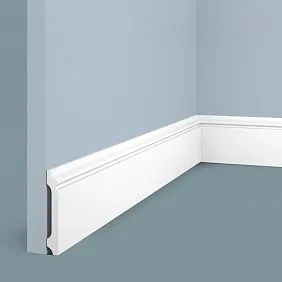
In Moscow, every square meter costs a fortune, so owners of elite real estate are not willing to compromise on finishing. Here, authenticity, durability, exclusivity — qualities fully possessed byTrimming Itemsof premium-grade natural wood.



Moscow joinery industry: a laboratory of innovations
The capital's woodworking market is not just a collection of enterprises — it is a true ecosystem where technological breakthroughs are born and quality standards are set for the entire industry. What makes Moscow manufacturers leaders in their field?




Concentration of technologies and talents
Moscow traditionally attracts the best specialists from across the country and neighboring countries. Here, engineers-technologists with years of experience, internationally renowned designers, master carpenters who know the secrets of ancient crafts work. Such concentration of professionalism creates a unique environment for industry development.
Moscow enterprises are the first in the country to adopt advanced woodworking technologies. CNC machines of the latest generation, laser marking systems, robotic finishing lines — all of this appears in the capital long before it spreads to regional areas. The high purchasing power of the Moscow market allows manufacturers to invest in the most modern equipment.
The scientific research infrastructure of the capital also plays an important role. Leading technical universities in Moscow conduct research in materials science, develop new composite materials, and refine wood processing technologies. Close interaction between science and production ensures continuous industry development.
Our factory also produces:






Logistical advantages of the capital
Moscow's geographical location creates unique logistical advantages for the joinery industry. Developed transportation infrastructure ensures rapid delivery of raw materials from Russian forest regions and finished products to consumers throughout the country.
Moscow airports allow for prompt delivery of exotic wood species, high-tech equipment, and innovative materials from around the world. This gives capital manufacturers access to global resources and technologies.
Moscow and its region's warehousing infrastructure includes modern complexes with climate control, specifically designed for storing wooden products. This ensures the preservation of product quality from manufacturer to end consumer.
Get Consultation
Materials science of Moscow joinery: from classics to innovations
Moscow manufacturers work with a wide range of materials — from traditional Russian wood species to exotic varieties from all continents. Which materials are in highest demand in the capital?
Russian species: national treasure
Oak remains the absolute leader in the segment of elite joinery.Wooden moldingsOak species are distinguished by unmatched strength, noble texture, and ability to be finely processed. Moscow masters know how to reveal all facets of this material's beauty — from strict classicism to modern minimalism.
Ash is gaining increasing popularity due to its expressive texture and excellent strength characteristics. The light tone of ash wood is especially valued in modern Moscow interiors, where visual lightness and naturalness are important.
Beech is traditionally used to create items with an ideally smooth surface. The uniform structure of beech wood allows for creatingOak casingand other elements with flawless geometry.
Exotic species: luxury without borders
The Moscow market for elite real estate creates demand for exclusive materials. Wenge, ebony, padauk, teak — these species transform ordinary joinery into works of art.
Working with exotic species requires special skill. Each species has its own processing characteristics, specific drying regime requirements, and tendencies toward certain defects. Moscow-based technologists have accumulated unique experience working with the most demanding materials.
The color palette of exotic species allows for creating unique interior solutions. From the deep black of ebony to golden hues of teak — the palette is virtually limitless.
Composite Materials: Technologies of the Future
Modern composite materials based on wood open new possibilities for designers. High-density MDF, wood-polymer composites (WPC), multi-layer constructions — all of these are actively used by Moscow manufacturers.
The advantages of composites — dimensional stability, absence of natural defects, ability to create complex shapes. Modern finishing technologies allow composites to be given the appearance of any wood species.
The ecological safety of modern composites is at a high level. The use of formaldehyde-free binders makes these materials safe for health, which is especially important in metropolitan conditions.
Technological Revolution in Moscow Production
How do Moscow enterprises use advanced technologies to create next-generation trim products? What innovations define the future of the industry?
Digitalization of Production Processes
Modern Moscow enterprises actively implement digital technologies at all production stages. MES (Manufacturing Execution Systems) provide full real-time control over the production process.
Optimization cutting programs allow minimizing wood waste, which is especially important when working with expensive materials. Machine learning algorithms analyze wood structure and automatically select optimal cutting layouts.
IoT technologies (Internet of Things) connect all machines into a single network, enabling centralized production management. Predictive analytics forecast equipment maintenance needs, preventing emergency shutdowns.
Robotics in Woodworking
Industrial robots are finding increasingly wider application in trim production. Robotized feed systems improve worker safety and ensure consistent processing quality.
Robot manipulators are used for operations requiring high precision — setting up blanks into machines, positioning parts during gluing, packaging finished products. Human-machine interaction reaches a new level.
Machine vision systems monitor product quality at every production stage. Automatic defect detection eliminates defective items reaching customers and reduces rework costs.
Additive technologies
3D printing opens new possibilities for creating complex decorative elements. Printing with wood-based composite materials allows creating details that are either impossible or economically unfeasible to produce using traditional methods.
Rapid prototyping accelerates the development of new products. Designers can obtain a physical prototype of their idea within hours, evaluate ergonomics, and make adjustments.
Product customization is now economically justified. Each customer can receive unique items tailored to specific dimensions and design requirements.
Segmentation of the Moscow trim market
The Moscow trim market is highly segmented, each segment has its own characteristics and requirements.
Luxury Real Estate: No Compromises
The luxury real estate segment in Moscow demands the highest quality trim products. Here, only exclusive materials are used — solid precious wood, premium composites, handcrafted items.
An individual approach is standard for this segment. Each project is unique, requiring special technical solutions, original profiles, and exclusive finishes.Wooden baseboardFor luxury housing — it is not just a functional element, but a work of art.
Project implementation timelines in the luxury segment can reach several months. Clients are willing to wait but demand perfect results. Any compromise on quality is unacceptable.
Business-Class: Balance of Quality and Cost
The business-class segment requires high quality at a reasonable cost. Here, modern composite materials, standardized solutions, and optimized technological processes are actively used.
Standardized projects allow reducing costs without compromising quality. A standard profile range covers most of this segment's needs.
Production lead times are reduced thanks to the use of ready-made solutions and automated production. Warehouse stock ensures rapid delivery of popular items.
Commercial Real Estate: Functionality and Durability
Office buildings, shopping centers, hotels have special requirements for trim products. Durability, ease of maintenance, and fire safety are of primary importance.
Special coatings provide enhanced resistance to abrasion and chemical exposure. Antibacterial additives are crucial for medical and food-related facilities.
Standardization of components simplifies maintenance and repair. The ability to quickly replace damaged elements is critical for commercial facilities.
Design trends in Moscow's millwork
Moscow is the legislative authority in interior design trends. What trends are shaping the development of millwork products in the capital?
Neoclassicism: Revival of Traditions
The neoclassical style is experiencing a new wave of popularity in Moscow interiors. Modern interpretations of classical forms require corresponding millwork solutions.
Wide profiles with rich relief, complex multi-level cornices, decorative rosettes — all are returning to modern interiors. But now, classical forms are executed using modern technologies and materials.
Furniture corniceIn the neoclassical style, elements may include those with various finishes — patination, gilding, artificial aging. Each detail is crafted with jewel-like precision.
Minimalism: the beauty of simplicity
Minimalist interiors require corresponding millwork solutions. Simple geometric forms, absence of decorative elements, emphasis on material quality and precision of execution.
Wooden plankRectangular cross-section profiles have become a primary decorative element. Various mounting methods allow creating expressive compositions with minimal resources.
Hidden fasteners, perfect joints, absence of visible mounting elements — all this requires the highest level of craftsmanship in manufacturing and installation.
Eco-style: Returning to Nature
Ecological trends influence material and finishing technology choices. Natural oils and waxes replace synthetic varnishes. Natural wood tones are preferred over artificial staining.
FSC certification is becoming an important factor for environmentally conscious consumers. The origin of wood from sustainably managed forests is confirmed by appropriate documentation.
Restoring damaged items is preferable to replacement. Repairability is becoming an important criterion when selecting millwork products.
Fusion: Mixing Styles
Moscow designers actively experiment with blending various stylistic directions. Classical elements combine with modern materials, Eastern motifs — with European functionality.
Such an approach requires flexibility from millwork manufacturers. The ability to create non-standard profiles, combine different materials in one item, and use non-traditional finishes.
Custom design is becoming the norm. Each project requires unique solutions that cannot be found in standard catalogs.
Production technologies of Moscow enterprises
How is modern millwork production organized in Moscow? What technological solutions ensure high product quality?
Automated processing lines
Modern Moscow enterprises are equipped with automated lines that provide comprehensive wood processing from raw material to finished product. Four-sided milling machines create complex profiles in a single pass.
Built-in automatic feed systems eliminate equipment downtime and reduce the impact of human factors on product quality. Conveyor systems ensure continuous production processes.
Built-in quality control systems inspect each item against multiple parameters — geometric accuracy, surface quality, material moisture. Automatic sorting directs items into quality classes.
Climate control equipment
Maintaining stable climatic conditions is critically important for wood processing quality. Modern climate control systems maintain temperature and humidity within narrow limits across all production areas.
Modern drying chambers are equipped with programmable control systems, allowing individual drying regimes for each wood species. Humidity sensors monitor the process in real time.
Acclimatization chambers stabilize products before shipment. This prevents deformation when environmental conditions change at the customer's location.
Quality Control Systems
Multi-level quality control is a distinctive feature of Moscow millwork manufacturers. Incoming raw material inspection, in-process operational control, and final acceptance of finished products.
Measuring equipment includes coordinate measuring machines, optical profilometers, moisture meters, hardness testers. Each product parameter is documented and tracked.
Traceability systems allow tracking the history of each product from raw materials to the end consumer. This ensures rapid response to any quality issues.
Logistics solutions for the Moscow market
How is the delivery of trim items organized in a megacity? What logistics innovations do Moscow companies use?
Warehouse infrastructure
The Moscow region has a well-developed network of modern warehouse complexes, specially equipped for storing wooden items. Climate control, fire suppression systems, and security alarm systems are standard features of such facilities.
Automated warehouse management systems (WMS) optimize product placement, speed up order fulfillment processes, and minimize errors. Barcode and RFID tags ensure accurate tracking of product movement.
Proximity to end consumers allows organizing express delivery on the day of order. This is especially important for sites where repair and construction work proceed on a tight schedule.
Transportation solutions
Specialized transport for transporting wooden items is equipped with climate control systems, soft restraints that prevent damage during transit. Trucks of various capacities allow optimizing logistics costs.
Delivery routing using GPS navigation and real-time traffic information reduces delivery time and lowers transportation costs.
Express delivery services ensure delivery of samples and small batches of goods within several hours after order placement.
Digital technologies in logistics
Mobile applications allow customers to track order status in real time. Notifications about all stages of order processing are sent automatically.
Integration with customer systems (EDI) automates order processing, reduces error rates, and speeds up document flow.
Predictive analytics helps plan transportation needs, optimize warehouse loading, and forecast demand for different product groups.
Service solutions of Moscow companies
What additional services do Moscow suppliers of trim items offer? How does service become a competitive advantage?
Project services
Teams of experienced designers and architects help customers develop interior solutions. 3D visualization allows seeing the result even before the start of work.
Technical project support includes developing connection nodes, calculating required material quantities, preparing installation schematics. This is especially important for complex sites with non-standard layouts.
Author supervision ensures compliance with the project concept. Designers monitor installation quality and provide recommendations for adjustments during work.
Installation services
In-house teams of installers, trained specifically, ensure high-quality installation of trim items. Knowledge of material characteristics and installation technologies is critically important for achieving an ideal result.
Specialized tools and equipment allow performing complex installation operations — cutting items to size, creating perfect joints, hidden fastening of elements.
Warranty service includes eliminating possible installation defects, adjusting elements, replacing damaged parts. Warranty periods may reach several years.
Post-sales service
Services for maintaining installed items include professional cleaning, updating protective coatings, minor repairs. This is especially important for sites with intensive use.
Maintenance programs allow keeping items in ideal condition throughout their service life. Regular preventive maintenance prevents serious damage.
Consultative support regarding operation, maintenance, and repair is available at any time. The technical support hotline operates 24/7.
Quality control and certification
How is high-quality trim items ensured on the Moscow market? What control systems are used?
Quality standards
Moscow trim manufacturers operate in accordance with national and international quality standards. GOST, ISO, and European EN standards define requirements for materials, technologies, and finished products.
ISO 9001 quality management systems are implemented on most enterprises. Documented procedures, regular audits, and continuous improvement are the main principles of operation.
ISO 14001 environmental standards ensure minimal impact of production on the environment. Waste recycling, energy conservation, use of eco-friendly materials — priorities of modern production.
Laboratory control
Own laboratories conduct comprehensive tests of raw materials and finished products. Physical and mechanical properties of wood, moisture, density, strength — all parameters are carefully controlled.
Climate tests simulate the behavior of products under various operating conditions. Heating-cooling cycles, humidity changes, ultraviolet exposure — complex tests reveal potential problems.
Ecological safety is confirmed by tests for formaldehyde content, volatile organic compounds, and other potentially harmful substances.
Product certification
Mandatory certification confirms compliance with technical regulations. Certificates of conformity and declarations are issued by accredited bodies.
Voluntary certification confirms additional consumer properties of the product. Ecological certificates, fire safety certificates, and other special documents.
International FSC (Forest Stewardship Council) certificates confirm that wood originates from sustainably managed forests. This is important for ecologically conscious consumers.
Pricing on the Moscow market
How are prices for trim products formed in Moscow? What factors influence the cost of the products?
Cost structure
The cost of raw materials constitutes the main portion of the price of finished products — from 40% to 70% depending on the complexity of processing. Fluctuations in wood prices directly affect trim pricing.
Energy resource costs in Moscow are higher than in regions, which affects the cost of products. High tariffs for electricity, gas, and heat increase production expenses.
Labor costs in the capital are traditionally higher than regional indicators. Qualified specialists require appropriate wages.
Price segments
The economy segment includes products made from coniferous species, composite materials, simple profiles, and standard finishes. Prices start from 200-300 rubles per linear meter.
The mid-range segment features products made from medium-priced hardwoods — beech, oak, birch. More complex profiles, quality finishes. Prices from 500 to 1500 rubles per meter.
The premium segment includes products made from valuable wood species, exclusive profiles, custom finishes. Prices may reach 5000-10000 rubles per linear meter and higher.
Seasonal fluctuations
The construction season affects demand and prices for trim products. Peak activity occurs during the spring-summer period, when the majority of renovation and construction work is carried out.
The pre-New Year period is characterized by increased demand for finishing materials. Many customers aim to complete renovations before holidays.
Winter months are a period of relative quiet, when manufacturers offer discounts to stimulate sales.
Market Development Prospects
What trends determine the future of Moscow's trim market? What innovations can be expected in the industry?
Technological Trends
Industry 4.0 is entering wood processing. Cyber-physical systems, big data, artificial intelligence — all these technologies are applied in trim production.
Digital twins of production processes allow optimizing technological regimes, predicting product quality, and planning equipment maintenance.
Blockchain technologies will ensure full traceability of supply chains, protect against counterfeiting, and guarantee the authenticity of quality certificates.
Ecological Requirements
Carbon neutrality is becoming an important requirement for production. Companies are adopting CO2 capture and utilization technologies and using renewable energy sources.
Circular economy principles stimulate the development of waste recycling technologies in wood processing. Sawdust and shavings become raw materials for producing composite materials.
Biotechnology opens new opportunities for modifying wood properties. Genetically modified tree species may have improved characteristics.
Changes in consumer preferences
Product personalization is becoming a key trend. Consumers want unique items tailored to their individual needs and preferences.
Project implementation speed is gaining increasing importance. Customers are unwilling to wait months — technologies for fast production and delivery are required.
Integration with smart homes creates new requirements for trim product functionality. Embedded electronics, sensors, communication systems — all of this can be integrated into wooden elements.
Challenges and Opportunities
What challenges does the Moscow trim industry face? What opportunities are opening up for the industry?
Main challenges
High real estate costs in Moscow create problems for placing production facilities. Many enterprises are forced to relocate production to the region, which increases logistics costs.
The shortage of qualified personnel is becoming an increasingly acute problem. Young specialists prefer working in IT and finance rather than traditional industries.
Environmental restrictions are becoming stricter every year. Requirements for emissions, waste disposal, and energy consumption create additional costs for manufacturers.
New Opportunities
The development of e-commerce opens up new sales channels. Online platforms allow working with customers across the entire country, not limited to the Moscow region.
Export opportunities are expanding due to the high quality of Russian products. European and Asian markets show interest in Russian joinery.
State support for the woodworking industry includes preferential loans, subsidies for equipment modernization, and preferences in participation in government procurements.
Moscow Market's Regional Impact
How does the Moscow joinery market influence the development of the industry in other regions of Russia? What role does the capital play in the national industry?
Technology Transfer
Moscow enterprises often become pilot sites for testing new technologies and equipment. Successful solutions are then scaled across regions.
Moscow universities and training centers prepare specialists for the entire country. Graduates, having gained experience in the capital, develop the industry in their regions.
Consulting services from Moscow companies help regional enterprises implement advanced technologies, improve product quality, and optimize processes.
Quality Standardization
High standards of the Moscow market are becoming a benchmark for other regions. Consumers across the country orient themselves toward the Moscow quality level.
Certification and quality control systems developed in Moscow are spread nationwide. Unified standards ensure comparability of products from different manufacturers.
Moscow manufacturers' trademarks become national brands, guaranteeing product quality regardless of the place of production.
Frequently asked questions
Question: Why are joinery products in Moscow more expensive than in other regions?
Answer: The high cost of joinery in Moscow is due to several factors. First, higher production costs — the cost of renting production space, energy resources, and labor in the capital significantly exceeds regional levels. Moscow manufacturers use more expensive, high-tech equipment, which also affects the cost. Additionally, the Moscow market demands higher quality materials and finishes, requiring more expensive raw materials and technologies. Logistics costs for delivery to other regions also influence the final price.
Question: What advantages does purchasing joinery from Moscow manufacturers offer?
Answer: Moscow manufacturers offer several key advantages. The highest product quality is ensured by using advanced equipment and strict quality control systems. A wide range includes both standard and exclusive solutions. The ability to quickly produce custom orders thanks to a well-developed production base. Comprehensive services — from design to installation and after-sales service. Supplier reliability, confirmed by long-term experience in the demanding Moscow market.
Question: How long does it take to manufacture custom joinery in Moscow?
Answer: Production times depend on the complexity of the order and the factory's workload. Standard profiles from stock can be shipped within 1-3 days. Manufacturing standard custom items usually takes 5-10 working days. Complex custom profiles require special tooling, which may take 2-4 weeks. Exclusive items with custom finishes take 4-8 weeks. When planning a project, it is recommended to order joinery in advance, especially during peak seasons.
Question: What documents confirm the quality of joinery products?
Answer: The quality of joinery products is confirmed by a set of documents. A certificate of conformity or declaration of conformity confirms compliance with mandatory requirements. Test protocols contain results of laboratory studies of physical and mechanical properties. An FSC certificate confirms that the wood originates from sustainably managed forests. A quality passport contains information about the specific batch's characteristics. Warranty obligations define the manufacturer's responsibility for product quality. When purchasing, always request the complete set of documents.
Question: Can I order joinery in non-standard sizes and profiles?
Answer: Most Moscow manufacturers offer services for producing joinery in non-standard sizes and profiles. Modern CNC equipment allows creating products of almost any configuration. Producing complex profiles may require special tooling, which increases cost and delivery time. 3D modeling allows previewing the appearance of future products and making necessary adjustments. The minimum order for non-standard items is usually 50-100 linear meters, but may vary depending on profile complexity.
Question: Do Moscow's climatic conditions affect the choice of joinery products?
Answer: Moscow's climatic conditions indeed affect the choice of joinery products. Sharp temperature and humidity fluctuations, characteristic of a continental climate, require the use of stable materials and high-quality protective finishes. The heating season may cause significant reduction in indoor air humidity, leading to wood drying. Therefore, it is especially important to choose products with proper moisture content (8-12%) and quality protective coatings. Oak products show the best stability under Moscow conditions. Items must be acclimatized before installation.
Conclusion
Molding MoscowIt represents a unique phenomenon of the Russian construction materials market — a place where the best craftsmanship traditions, advanced technologies, and the most demanding quality requirements converge. The capital's woodworking industry has become a true locomotive for the entire industry, setting standards that are then adopted nationwide.
The Moscow trim market is not just an economic segment, but an ecosystem where manufacturers, designers, architects, and builders interact, creating a unique environment for innovation and craftsmanship refinement. The concentration of talents, capital, and technologies in the capital generates a synergistic effect, resulting in world-class products.
The high standards of the Moscow market foster a quality culture that extends far beyond the capital. Moscow manufacturers become exporters not only of products but also of technologies, knowledge, and best practices. This creates a multiplicative effect for the entire Russian woodworking industry.
The future of the Moscow trim market is linked to further technological modernization, adoption of digital technologies, and development of personalized production. Environmental requirements will stimulate the creation of more advanced technologies, while changes in consumer preferences will drive the development of new product categories.
Investments in quality trim from Moscow manufacturers are not just purchases of building materials — they are investments in beauty, durability, and prestige of interior design. In a city where every detail matters, where status is defined by the quality of surroundings, choosing premium trim becomes a natural choice for those who value perfection.
The company STAVROS occupies a special place in the ecosystem of the Moscow trim market, serving as a vivid example of how traditional craftsmanship can be successfully adapted to the demands of a modern metropolis. By combining long-standing experience with innovative technologies, STAVROS creates products that become quality benchmarks not only for the Moscow but also for the national market.
Choosing STAVROS products, customers receive not only high-quality trim items, but also a share in creating new standards of beauty and perfection in the woodworking industry. In an era of globalization and standardization, such a choice becomes a statement of individuality, taste, and understanding of the true value of craftsmanship passed down from generation to generation.