Article Contents:
- Philosophy of construction: when form meets function
- Anatomy of perfection: what makes up the ideal base
- Materials as the foundation of character
- Technological innovations in modern manufacturing
- Secrets of longevity: protection and finishing
- Ergonomics and Functionality: Science of Comfort
- Adaptability to different conditions
- Stylistic diversity: from classic to avant-garde
- Integration into interior: the art of harmony
- Production standards and quality control
- Strength and durability tests
- Ecological aspects of production
- Natural finishes and their advantages
- Individual approach: creating unique solutions
- Creation Process: From Idea to Realization
- Trends in development: looking into the future
- Digital technologies in production
- Economic aspects: investment in quality
- Economic efficiency calculation
- Cultural traditions and modernity
- Preservation of craftsmanship
- Maintenance and care: secrets of longevity
- Preventive Measures
- Safety and Certification
- International standards
- Logistics and delivery: the art of preserving quality
- Installation and mounting
- Conclusion: choosing in favor of perfection
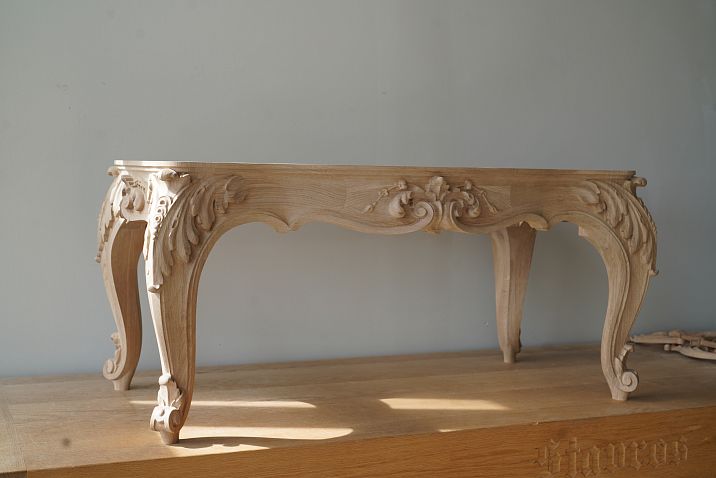
What makes a table truly reliable and elegant? The answer lies in its base — that invisible foundation which determines not only stability, but also the entire character of the furniture. Pedestal It is not just a technical detail, but the soul of every table, its hidden strength and aesthetic foundation.
In the world of furniture design, there is an unwritten rule: the quality of an item is determined by its base. That is why choosing the base becomes a key moment in creating furniture capable of serving for decades, preserving its functionality and attractiveness.


Philosophy of construction: when form meets function
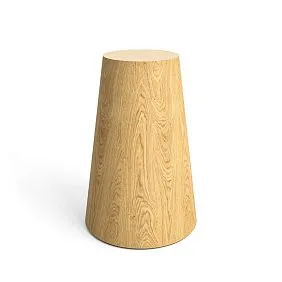
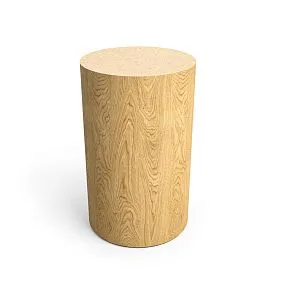
Each Pedestal It tells its story. This is a story of how human genius transforms simple materials into artworks capable of enduring the test of time. Imagine a workshop where skilled hands create not just a support for the tabletop, but a true architectural element of interior design.
Modern understanding of the base goes far beyond simple functionality. It is a complex system including engineering solutions, aesthetic principles, and philosophy of space usage. Every line, every curve is meticulously designed to create a harmonious unity of beauty and practicality.




Anatomy of perfection: what makes up the ideal base
Examining the structure of a quality base, we discover a complex system of interconnected elements. The foundation is not a monolithic structure, but a carefully designed mechanism where each detail plays its role in ensuring maximum stability and longevity.
The central support forms the basis of the entire structure, evenly distributing the load across the entire surface. The mounting system ensures a secure connection with the tabletop, eliminating any movement or deformation. Stabilizing elements compensate for floor irregularities and prevent unwanted vibrations.
Our factory also produces:


Materials as the foundation of character
Material selection determines not only the appearance, but also the performance characteristics of the base. Solid wood remains a classic choice for those who value natural beauty and durability. Each wood species possesses unique properties that influence the final result.
Oak brings monumentality and reliability; its dense structure guarantees resistance to deformation. Beech demonstrates the ideal combination of strength and elasticity, allowing elegant forms to be created without compromising functionality. Walnut adds nobility and refinement; its warm tone creates a special atmosphere of coziness.
Get Consultation
Technological innovations in modern manufacturing
Modern technologies have revolutionized the process of creating bases, opening new possibilities for realizing the boldest design concepts. Computer modeling allows calculating all loads and stresses even at the design stage, eliminating the possibility of errors and oversights.
Precision wood processing ensures ideal geometry of each element, which is critically important for correct assembly and long-term durability of the structure. Modern CNC machines guarantee repeatability of results and the highest quality of surface finishing.
Secrets of longevity: protection and treatment
Quality Pedestal Requires special treatment protecting wood from external influences and extending the product's lifespan. The multi-stage protection system includes an antiseptic treatment preventing the growth of fungi and bacteria.
Deep-penetrating special impregnations strengthen the wood structure, making it more resistant to mechanical impacts. The finish not only provides an attractive appearance but also creates a protective barrier against moisture, dirt, and wear.
Ergonomics and functionality: the science of comfort
Creating a table base is not only a technical task but also a deep understanding of human ergonomics. Every dimension and angle is calculated according to anatomical features and user needs. The height of the structure should ensure comfortable seating, while the placement of supports should provide sufficient legroom.
Modern research shows that a properly designed table base can significantly affect a person's well-being and productivity. Optimal working surface height, adequate knee space, absence of movement obstacles — all of this forms the foundation for comfortable furniture use.
Adaptability to various conditions
The versatility of modern table bases allows their use in the most diverse conditions. Residential interiors have one set of requirements, office spaces — completely different ones. Restaurant furniture must withstand intensive use, while items for country homes must withstand temperature and humidity fluctuations.
Modular construction allows easily adapting the table base to specific needs by adjusting height, base width, or adding additional stabilization elements. This flexibility makes it possible to create furniture perfectly suited to each client's individual requirements.
Stylistic diversity: from classic to avant-garde
The world of table base design is impressive in its diversity. Classic forms, proven over centuries, remain relevant due to their timeless beauty. Strict proportions, elegant lines, traditional joinery — all of this creates an atmosphere of respectability and reliability.
Modern design trends open new opportunities for self-expression. Minimalist forms emphasize functionality and technology, while avant-garde solutions transform the table base into a true art object. Each style requires its own approach to materials, forms, and manufacturing technologies.
Integration into interior: the art of harmony
Correct Pedestal must organically fit into the overall interior concept, supporting its style and mood. This requires a deep understanding of design principles and sense of proportion. Color, texture, form — each element must contribute to creating a cohesive image.
Professional designers know that a table base can either highlight the interior's strengths or destroy its harmony. Therefore, choosing a base for a table is always a compromise between functional requirements and aesthetic preferences.
Production standards and quality control
Creating a quality table base requires strict adherence to production standards at every stage of manufacturing. Incoming raw material inspection ensures selection of only the best materials meeting technical requirements. Each board is checked for moisture content, density, and absence of defects.
The technological process is divided into stages, each with its own control points. Accuracy of geometric dimensions, quality of surface finishing, strength of joints — all parameters are carefully controlled using modern measuring equipment.
Strength and durability tests
Before being put on sale, each table base undergoes comprehensive tests simulating real usage conditions. Static load tests check the structure's ability to support the tabletop and items placed on it. Dynamic tests simulate the effects of everyday use.
Cyclic tests determine the product's lifespan, showing how long it will retain its original characteristics. Special attention is given to joint nodes, which experience the greatest loads and may become the weakest link in the structure.
Ecological Aspects of Production
Modern understanding of responsible production implies minimizing environmental impact. Using wood from sustainably managed forests guarantees that each table base is created without harming nature. FSC certification confirms compliance with strict ecological standards.
Zero-waste technologies allow maximum efficient use of every cubic centimeter of wood. Sawdust and shavings find application in pellet production, while offcuts are used to create decorative elements. This approach is not only ecologically correct but also economically beneficial.
Natural finishes and their advantages
Choosing eco-friendly finishes is becoming increasingly important. Natural oil and wax not only are safe for health but also highlight the natural beauty of wood. They allow the material to 'breathe', preventing moisture accumulation and related problems.
Special formulations based on natural resins provide reliable protection without any harmful emissions. Such finishes are especially important for children's furniture and items used in dining areas.
Individual approach: creating unique solutions
Each project requires an individual approach, taking into account specific requirements and preferences of the client. Room size, interior style, functional needs — all of this influences the choice of table base configuration and design. Professional consultants help find the optimal solution, balancing desired and feasible outcomes.
Customization possibilities are virtually limitless. Adjusting height, modifying base shape, adding additional elements — all of this allows creating a table base perfectly suited to a specific task. This approach is especially important for non-standard interiors or special applications.
The creation process: from idea to realization
Working on an individual project begins with detailed study of requirements. Designers create sketches reflecting the concept of the future product. Modern 3D modeling programs allow the client to see the result before production even begins and make necessary adjustments.
Manufacturing a prototype allows evaluating all characteristics of the future Aprons in real conditions. Only after final approval of all parameters does mass production begin, guaranteeing compliance with the client's expectations.
Trends in development: looking toward the future
The furniture industry constantly evolves, adopting new technologies and materials. Smart table bases with built-in sensors have ceased to be science fiction. They can automatically adjust height, monitor load, and even notify about the need for maintenance.
Composite materials based on wood fibers open new possibilities for creating lightweight yet strong structures. They combine the ecological nature of natural materials with the superior performance characteristics of modern technologies.
Digital technologies in production
The integration of digital technologies fundamentally changes approaches to designing and manufacturing table bases. Artificial intelligence helps optimize structures, finding the ideal balance between strength, weight, and material consumption. Robotic systems ensure consistently high-quality processing.
The Internet of Things enables the creation of "smart" furniture capable of adapting to operating conditions. Sensors for humidity, temperature, and load transmit information about the item's condition, warning of the need for maintenance or replacement.
Economic Aspects: Investment in Quality
Purchasing a quality table base is an investment in the long-term future. Although the initial cost may seem significant, it is repeatedly recouped through durability and preservation of the original appearance. Cheap alternatives require replacement after a few years, ultimately costing more.
A quality base increases the overall cost of the table, making it more attractive to potential buyers. This is especially important for commercial spaces, where the appearance of furniture affects the overall impression on clients.
Economic efficiency calculation
The correct calculation of economic efficiency should consider not only the purchase cost but also all operating expenses. Quality Pedestal requires virtually no maintenance, significantly reducing overall costs.
The possibility of restoration and updating the finish extends the lifespan of the item, allowing it to be adapted to changing interior requirements. This makes quality furniture an even more worthwhile investment.
Cultural Traditions and Modernity
The art of crafting table bases dates back to deep antiquity. Each culture developed its own traditions and techniques, passing them down from generation to generation. Modern masters carefully preserve these traditions, adapting them to contemporary requirements and possibilities.
European woodworking traditions are distinguished by precision and attention to detail. Asian masters are renowned for their ability to create light yet strong constructions. Scandinavian design emphasizes functionality and minimalism. All these traditions are reflected in modern table bases.
Preservation of craftsmanship
Training in traditional techniques remains an essential part of preparing modern masters. Hand processing of wood, traditional joinery, secrets of finishing — all of this is passed from teacher to student, preserving intergenerational continuity.
Modern technologies do not replace manual craftsmanship but complement it, enabling previously unattainable precision and quality. The symbiosis of tradition and innovation creates unique opportunities for the development of furniture art.
Maintenance and care: secrets of longevity
Proper care significantly extends the lifespan of the table base and preserves its original appearance. Regular cleaning of dust and dirt prevents the accumulation of abrasive particles that may damage the finish. Using specialized wood care products maintains the wood in ideal condition.
Controlling humidity in the room is critically important for wooden structures. Excessive humidity may cause deformation, while insufficient humidity may lead to cracking. The optimal humidity level is 45-55%.
Preventive measures
Regular inspection allows identifying potential problems at an early stage. Loosening of fasteners, minor damage to the finish, initial signs of deformation — all of this can be addressed before serious problems arise.
Periodic renewal of protective coating not only restores the appearance but also extends the lifespan of the item. Modern renewal products allow performing this procedure independently, without requiring specialist services.
Safety and Certification
Safety of use is a priority in the development of any table base. All materials undergo mandatory certification confirming their compliance with sanitary norms and safety standards. Special attention is paid to the absence of harmful emissions and allergens.
Structural safety is ensured by correct load calculation and safety factor. All joints are tested under maximum loads, guaranteeing structural stability under any operating conditions.
International Standards
Compliance with international standards opens up wide opportunities for export and collaboration with foreign partners. ISO standards define requirements for quality, safety, and environmental friendliness of furniture, ensuring unified evaluation criteria.
Obtaining international certifications is a complex process requiring strict compliance. But this guarantees that Pedestal meets the highest global standards of quality and safety.
Logistics and delivery: the art of preserving quality
Quality logistics plays a key role in preserving the characteristics of the table base during its journey from manufacturer to consumer. Special packaging protects the item from mechanical damage, moisture, and temperature fluctuations. Each element is individually secured, preventing mutual damage.
Climate control during transportation is especially important for wooden items. Sudden temperature and humidity fluctuations may cause deformation and damage to the finish. Modern logistics systems provide optimal conditions throughout the entire delivery route.
Installation and Mounting
Correct installation is the final stage in creating an ideal table. Qualified specialists ensure precise installation of the table base, checking all joints and adjusting the position to achieve optimal stability. Incorrect installation may negate all the advantages of a quality product.
Modern mounting systems allow easy disassembly and moving of furniture without damage. This is especially important for office spaces, where periodic rearrangement of furniture is required.
Conclusion: choosing in favor of perfection
The world of table bases is a remarkable universe where technology meets art, and functionality combines with beauty. Every decision in this field reflects an understanding that the base of furniture is not merely a technical necessity but also an opportunity to create something exceptional.
Choosing a table base means choosing not only functionality but also a philosophy of quality that will surround us for many years. In this choice, technical characteristics are important, but so is understanding that quality furniture is an investment in comfort, beauty, and longevity.
For many years, STAVROS has remained a leader in creating exceptional furniture solutions. Our long-standing experience, advanced technologies, and deep understanding of client needs enable us to create table bases that become the foundation for high-quality furniture. Every STAVROS product is the result of meticulous work by a team of professionals striving for perfection in every detail.