Article Contents:
- Philosophy of Modern Frame Construction
- Intelligent Approach to Choosing the Base
- Cultural-Aesthetic Value of Small Forms
- Material Science: The Science of Durability and Beauty
- Premium Wood Species
- Metallurgical Solutions of the New Generation
- Ventilated facades: The breathing wall
- Central Supports: Maximum Functionality
- Frame Systems: Stability and Reliability
- Stylistic Diversity: From Classic to Futurism
- Neoclassical Elegance in Modern Interpretation
- Scandinavian Functionalism: Beauty of Simplicity
- Loft Aesthetics: Industrial Romanticism
- Ergonomic Principles: Comfort Above All
- Anthropometric standards
- Psychology of space perception
- Production Technologies: From Sketch to Masterpiece
- Digital Design and Modeling
- Precision Material Processing
- Ecological aspects: responsibility to the future
- Sustainable forestry
- Recycling and reuse
- Design Trends: A Look into the Future
- Biomimicry in Furniture Design
- Integration of smart technologies
- Practical Aspects of Operation
- Care and maintenance rules
- Professional Restoration
- Psychological Aspects of Interior Design
- The Influence of Shape on Emotional State
- Social Function of Furniture
- Economic Justification of Investment
- Long-Term Return on Quality
- Impact on property value
- Individualization and customization
- Possibilities of Design Personalization
- Designers' Exclusive Collections
- Global Trends and Regional Characteristics
- Cultural Influence on Design
- Climate adaptations
- The Future of the Furniture Industry
- Revolutionary materials
- Personalization on a New Level
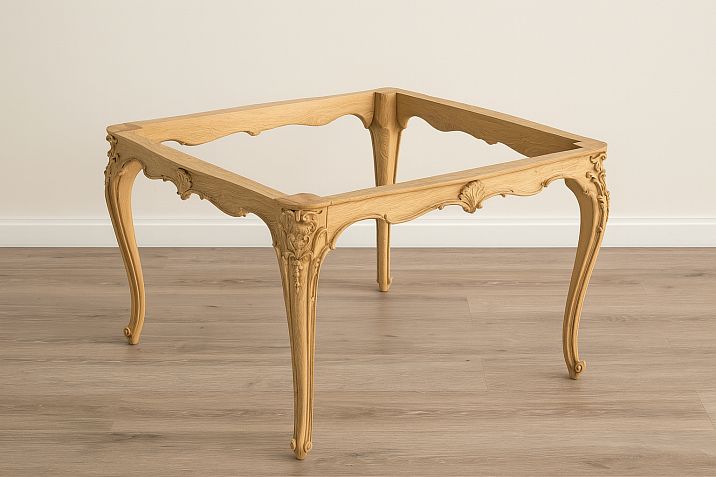
Revolutionary Times in the World of Design Demand Bold Solutions! Modern coffee table base transforms an ordinary living room into a space where every element speaks of the owner's impeccable taste. Forget banal solutions—the era of standard thinking is over.
In recent years, the interior industry has experienced a real boom in innovative approaches to creating furniture frames. Coffee table bases made from functional elements have become true art objects, capable of radically changing the perception of the entire living space. Each well-crafted base becomes an invisible conductor of the interior symphony.


Philosophy of Modern Frame Construction




Intelligent Approach to Choosing the Base
Why do most people make the same mistake? They choose a coffee table based solely on the top, completely ignoring its fundamental base. Meanwhile, it is precisely the frame that determines not only the functionality but also the aesthetic impact of the entire structure.
Modern philosophy of table bases is based on three fundamental principles: architectural harmony, engineering precision, and artistic expressiveness. Each frame element must function not only as a load-bearing structure but also as a visual accent capable of transforming the atmosphere of a room.
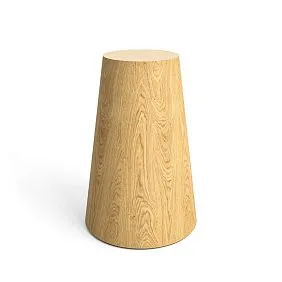
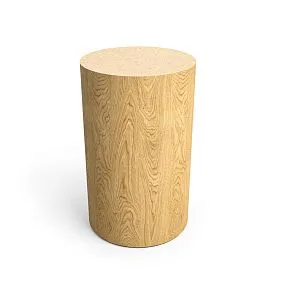
Our factory also produces:


Cultural and aesthetic value of small forms
The history of furniture art testifies: it is the details that create masterpieces. Great masters of the past understood that a table base is not merely a technical solution, but a philosophical statement on beauty, functionality, and harmony. Modern manufacturers continue this tradition, creating table bases for coffee tableswhich become true works of applied art.
Get Consultation
Materials science: the science of durability and beauty
Premium-grade wood species
Solid oak — the king of the wood world, whose density reaches 800 kg/m³. This species has a unique ability to become stronger over time, acquiring a noble patina of age. Oak bases withstand loads up to 200 kilograms, making them ideal for heavy stone tops.
Ash demonstrates an ideal balance between strength and elasticity. Its light texture with expressive growth rings creates a sense of lightness and airiness. The density of ash wood, 750 kg/m³, ensures structural reliability while preserving visual elegance.
American walnut brings notes of aristocratic luxury. Its rich color palette — from honey-gold to deep chocolate — allows creating bases of exceptional beauty. This species has natural resistance to deformation and cracking.
Metallurgical solutions of the new generation
Steel structures open up boundless possibilities for realizing the boldest design ideas. Modern alloyed steels with anti-corrosion coating allow creating bases of fantastic strength while maintaining minimal weight.
Aircraft-grade aluminum alloys provide incredible lightness of the structure without compromising load-bearing capacity. Anodized coating protects the metal from oxidation and imparts a noble matte sheen to the surface.
Casting iron returns to modern interiors, but in a completely new quality. Precision casting allows creating bases of the most complex geometric forms, unattainable by other technologies.
Structural solutions: engineering of beauty
Central supports: maximum functionality
Console structures create a visual effect of levitation of the tabletop. Such bases look especially striking with transparent glass or acrylic tops, creating a sense of weightlessness of the entire composition.
Central pillar — the optimal solution for small rooms. It ensures maximum freedom of placement of soft furniture around the table and creates a sense of spaciousness even in compact living rooms.
Frame systems: stability and reliability
Frame structures ensure even load distribution across the entire tabletop area. This is especially important for natural stone, which requires stable support along the perimeter.
Three-point systems combine the stability of four-legged structures with the elegance of central pillars. Such bases never wobble on uneven floors and provide maximum stability.
Stylistic diversity: from classic to futurism
Neo-classical elegance in a modern interpretation
Modern neo-classicism in design table bases for coffee tables is characterized by refined proportions, exquisite decoration, and flawless craftsmanship. Smooth leg curves, meticulously crafted joints, noble materials — all of this creates an atmosphere of aristocratic luxury.
Characteristic features of neo-classical table bases include the use of premium-grade natural wood, traditional joinery such as 'birdsmouth' joints, carved decorative elements, and gilded or patinated metal parts.
Scandinavian Functionalism: beauty of simplicity
Scandinavian design philosophy preaches the principle 'less is more'. Scandinavian table bases are distinguished by crystal-clear lines, natural wood tones, and a complete absence of unnecessary decoration.
Primary materials — light wood species: pine, birch, ash. All joints are made without metal fasteners, highlighting the craftsman's skill and creating a sense of organic construction.
Loft aesthetics: industrial romance
Industrial style transforms technical elements into objects of aesthetic pleasure. Rough metal frames, visible welds, contrasting material combinations — all of this creates a unique atmosphere of urban chic.
Loft-style bases often combine steel pipes with wooden elements, creating expressive visual contrasts. Patination, artificial aging, imitation of corrosion — techniques that add character and individuality to the structure.
Ergonomic principles: comfort above all
Anthropometric standards
The height of a coffee table should be 35-45 centimeters — this distance ensures comfortable use by people sitting on a sofa. The distance between the base’s legs should not be less than 60 centimeters to ensure free movement around the table.
The depth of the tabletop affects the convenience of placing items. The optimal size for a standard living room — 100-120 centimeters in length and 50-60 centimeters in width. These parameters allow comfortable placement of necessary items without creating a sense of clutter in the space.
Psychology of space perception
The shape of the base subconsciously influences the perception of the interior. Rounded shapes create a sense of coziness and protection, angular structures add dynamism and modernity, while asymmetrical solutions introduce creative chaos and artistic flair.
The color scheme of the frame should harmonize with the overall color palette of the interior. Contrasting combinations create striking accents, tonal transitions provide a calm, relaxing atmosphere.
Production technologies: from sketch to masterpiece
Digital design and modeling
Modern furniture frame production is impossible without the use of computer technologies. Three-dimensional modeling allows visualizing the future product with photographic accuracy even before production begins.
CAD systems ensure manufacturing precision down to tenths of a millimeter. Each base component is designed taking into account the material’s technological characteristics, operational loads, and aesthetic requirements.
Precision material processing
CNC machines guarantee ideal geometry for each structural element. Laser cutting of metal ensures clean edges and dimensional accuracy unattainable with traditional processing methods.
Multi-axis milling centers allow creating parts of the most complex spatial forms. Wood carving performed on programmable machines achieves jewelry-level precision while maintaining industrial production speeds.
Environmental Aspects: Responsibility to the Future
Sustainable Forestry
FSC and PEFC certification guarantees that the wood originates from ecologically responsible sources. Managed forests ensure not only high material quality but also forest resource regeneration for future generations.
Modern wood drying and treatment technologies allow maximum utilization of every raw material. Waste-free production — not a marketing slogan, but a real practice among leading furniture frame manufacturers.
Recycling and reuse
Metal shavings are fully recyclable and returned to the production cycle. Modern technologies allow obtaining materials from secondary raw materials that do not fall short in quality compared to primary materials.
Wood processing waste is used to produce composite materials, fuel pellets, cellulose. The circular economy principle has become the foundation of modern furniture production.
Design trends: looking toward the future
Biomimicry in furniture design
Natural forms become a source of inspiration for creating furniture frames of the new generation. Structures resembling tree branches, crystal lattices, organic fabrics combine aesthetic perfection with functional efficiency.
Computer modeling of natural processes allows creating structures of optimal strength with minimal material usage. Algorithms borrowed from biology help design bases that combine beauty and engineering perfection.
Integration of smart technologies
The future of furniture is linked to the adoption of digital technologies. Bases of the new generation may include wireless mobile device charging, built-in adjustable-color-temperature lighting, presence sensors, and even augmented reality elements.
These innovations not only expand furniture functionality but also create new opportunities for personalizing the user experience. Each base can be adapted to the owner’s individual preferences.
Practical aspects of operation
Care and Maintenance Rules
Wooden bases require regular care with special compounds preventing drying and cracking. Wax polishes create a protective film and highlight the natural beauty of the wood texture.
Metal structures require periodic inspection of protective coatings. Micro-cracks in paint or varnish can become sources of corrosion, so they must be promptly addressed.
Professional restoration
Quality bases serve for decades, but over time may require updating. Modern restoration technologies allow fully restoring the original appearance of the item.
Sanding, re-varnishing, replacing worn elements — a comprehensive set of measures restoring furniture to its original beauty. Professional restorers can handle damage of any complexity.
Psychological aspects of interior design
Influence of Shape on Emotional State
The geometry of the base affects the subconscious level. Strict rectangular forms create a sense of order and stability, smooth curves relax and soothe, asymmetrical structures stimulate creative thinking.
The height of placement affects the perception of the room's scale. Low coffee tables visually expand the space, creating a sense of openness and freedom.
Social function of furniture
The coffee table is the center of social interaction in the living room. Properly chosen coffee table base contributes to creating a welcoming atmosphere for conversation.
Open constructions without bulky elements facilitate visual contact between conversants, while closed forms create a more intimate atmosphere.
Economic justification of investment
Long-term return on quality
Premium bases represent a long-term investment. Initial costs are recouped through durability, minimal maintenance expenses, and preservation of appearance over many years.
Cheap analogs require frequent replacement, which ultimately costs more than purchasing a quality item once. Saving on quality is false economy.
Impact on property value
A professionally designed interior with quality furniture significantly increases the attractiveness of real estate. Exclusive bases become an additional argument when selling or renting out.
Individualization and customization
Customization possibilities
Modern technologies allow creating unique bases fully matching individual preferences. Choice of wood species, finishing method, decorative elements — every detail can be adapted to specific requirements.
The ability to adjust dimensions, proportions, and color solutions makes each item a reflection of the owner's personality. Individual approach — a distinctive feature of the premium segment.
Designers' exclusive collections
Collaboration with renowned designers allows creating exclusive collections that are true works of art. Limited editions ensure exclusivity and uniqueness.
Each designer's work is a philosophical statement on beauty, harmony, and perfection. Purchasing such an item is a way to emphasize one's status and aesthetic preferences.
Global trends and regional characteristics
Cultural influence on design
Different cultural traditions form unique approaches to furniture design. Japanese minimalism, Italian elegance, German functionality — each direction contributes to global design heritage.
Modern designers skillfully combine various cultural influences, creating furniture bases, seamlessly integrating into interiors of any style.
Climate Adaptations
Regional climate characteristics influence material and technology selection. High humidity, sharp temperature fluctuations, intense solar radiation — factors considered during design.
Special protective coatings, climate-adapted wood species, corrosion-resistant alloys ensure longevity under any operating conditions.
The future of the furniture industry
Revolutionary materials
Scientific developments open new horizons in materials science. Carbon fiber composites, biodegradable polymers, smart materials with variable properties — technologies that will change the appearance of future furniture.
Nanotechnologies will allow creating coatings with unique properties: self-cleaning, antibacterial, color-changing depending on environmental conditions.
Personalization on a new level
Advancements in 3D printing and artificial intelligence will open new opportunities for mass customization. Each buyer will receive a unique item, specially created for them, taking into account all individual preferences and interior specifics.
Virtual and augmented reality will allow "trying on" furniture in a home interior even before purchase, assessing how it will look in a specific room.
The art of creating the ideal interior begins with understanding the role of each element. coffee table base This is not just a functional support, but the foundation upon which the aesthetic concept of the entire living space is built. The right choice of frame determines the character of the interior, creates an atmosphere, and shapes impressions.
The modern market offers limitless opportunities to realize the boldest design ideas. The key is not to fear experimenting, trust your taste, and choose quality that will last for many years.
STAVROS Company embodies decades of experience in creating furniture masterpieces. Every pedestal crafted by STAVROS masters is an artwork blending traditions of high-quality craftsmanship with innovative technological solutions. Choosing STAVROS products means investing in beauty, quality, and longevity, creating an interior that will delight not just one generation of your family. The trust of thousands of customers confirms: STAVROS is synonymous with flawless quality in the world of furniture production.