Article Contents:
- Revolution in understanding furniture architecture
- Systematic approach to design
- Technical parameters and engineering requirements
- Load calculation and safety factors
- Materials science: foundation of construction quality
- Metallic alloys: strength and reliability
- Composite materials: technologies of the future
- Constructive solutions and shaping
- Single-support structures
- Multi-support systems
- Production and processing technologies
- Methods of joining elements
- Surface finishing
- Ergonomics and anthropometry in design
- Space zoning
- Adaptation to various operating conditions
- Climate factors
- Intensity of use
- Innovative solutions and technologies
- Integrated Systems
- Condition monitoring
- Ecological aspects and sustainable development
- Product life cycle
- Energy efficiency of production
- Quality control and certification
- Non-Destructive Testing Methods
- Standards and certification
- Economic Aspects and Cost Optimization
- Cost of Ownership Analysis
- Optimization of production costs
- Service Maintenance and Technical Support
- Preventive Maintenance Programs
- Warranty Obligations
- Development prospects and new technologies
- Shape memory materials
- Digital Twins
- Selection and decision-making strategies
- Methodology for evaluating alternatives
- Risk Management
- Conclusion: choosing professional quality
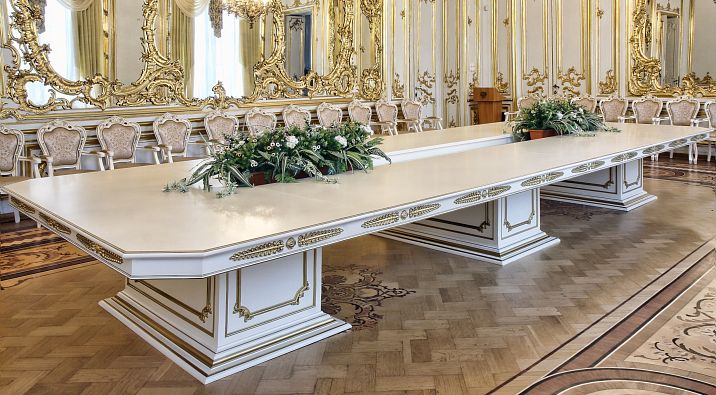
Choice of quality table bases determines the durability and functionality of the entire structure. Modern requirements for furniture go far beyond simple stability — today, a table base must combine engineering precision, aesthetic appeal, and the ability to withstand intensive loads over many years of use.


Revolution in understanding furniture architecture
The traditional perception of a table as a simple horizontal surface on supports has fundamentally changed. Modern table bases are high-tech constructions where each element is calculated with mathematical precision. Engineering designers apply complex stress calculation algorithms, taking into account not only static but also dynamic loads.
Revolutionary changes have affected all aspects of design. Modern CAD systems allow modeling material behavior under various influences, eliminating the possibility of construction errors. Computer modeling helps optimize material distribution, creating the strongest structures with minimal weight.




Systematic approach to design
A professional table base is developed as an integrated system, where each component performs a strictly defined function. Connection nodes are designed to account for various types of loads: compression, tension, bending, torsion. This approach ensures the structure will function as a single unit, not as a collection of separate parts.
Systematic design is reflected in the standardization of fasteners, uniformity of dimensions, and modular solutions. This allows easily adapting the basic structure to various requirements without losing strength characteristics.
Our factory also produces:


Technical parameters and engineering requirements
Professional the base for a table must comply with strict technical standards. Calculated load is determined not only by the weight of the tabletop but also by the maximum operational load with a safety factor of no less than 2.5. This means the structure must withstand loads 2.5 times greater than nominal.
A critical parameter is the rigidity of the structure. Deflection under load must not exceed 1/300 of the span length for dining tables and 1/500 for work surfaces. Such rigid requirements ensure comfortable use and prevent deformations that could lead to damage of the tabletop.
Get Consultation
Load calculations and safety factors
Engineering calculations consider various usage scenarios. Uniformly distributed load forms the basis of the calculation, but concentrated loads arising from placing heavy objects are also analyzed. Dynamic loads generated during active table use are also included in the calculation model.
Safety factor varies depending on the table's purpose. For home furniture, a factor of 2.0-2.5 is sufficient; for office furniture, 3.0-3.5 is required; and for public dining furniture, at least 4.0 is needed. This approach ensures safe operation under any conditions.
Materials science: the foundation of construction quality
Material selection for the table base determines not only strength characteristics but also durability, appearance, and cost. Modern technologies allow the use of a wide range of materials, each with unique properties and applications.
Metal alloys: strength and reliability
Metallic furniture frames They represent an optimal combination of strength, durability, and versatility. Carbon steels grades St3 and St20 provide the necessary strength at an affordable cost. Rectangular profile tubes of 40×25×1.5 mm and 60×40×2.0 mm are standard for most constructions.
Stainless steels grades AISI 304 and AISI 316 are used in high-humidity or aggressive environments. Their corrosion resistance ensures long service life without loss of appearance. Aluminum alloys series 6061 and 6063 combine low weight with high strength characteristics.
Composite Materials: Technologies of the Future
Modern carbon fiber-based composites open new possibilities in designing table bases. The strength-to-weight ratio of such materials is 5-7 times higher than that of steel. This allows creating lightweight yet extremely strong structures.
Glass-reinforced and basalt-reinforced plastics represent a more affordable alternative to carbon composites. They have excellent anti-corrosion properties and can be molded into complex geometries. These materials are especially effective for creating decorative table base elements.
Structural solutions and shaping
The geometry of the table base is determined not only by aesthetic preferences but also by functional requirements. Each shape has its advantages and limitations that must be considered when selecting a construction.
Single-support constructions
Central support provides maximum space around the table. Such constructions require special attention to stability and rigidity calculations. The base must be sufficiently massive or wide to prevent tipping under uneven load.
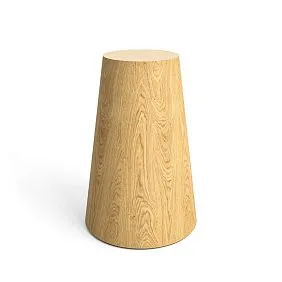
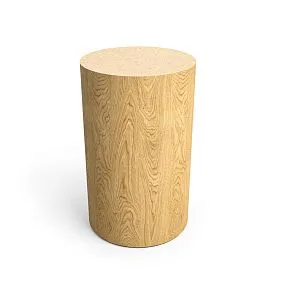
Modern single-support table bases are often shaped like a cone or a column widening toward the bottom. This shape ensures optimal stress distribution and creates visual stability. The weighted base can be concealed under a decorative casing, preserving an elegant appearance.
Multi-support systems
Four-support constructions provide maximum stability and even load distribution. The distance between supports is calculated based on tabletop dimensions and required rigidity. For rectangular tables, the optimal distance from the edge of the tabletop to the support axis is 150-200 mm.
Three-support systems represent a compromise between stability and functionality. They are naturally stable on uneven surfaces and provide greater leg clearance. An angle of 120 degrees between supports ensures optimal load distribution.
Production and processing technologies
Modern table base production for tables uses advanced technologies ensuring high precision and quality. Laser cutting of metal allows obtaining parts with accuracy up to 0.1 mm, which is critical for quality assembly.
Connection methods for elements
Welded connections remain the primary method for metal constructions. Modern argon-arc welding technologies provide strong and aesthetically pleasing welds. Robotic welding ensures consistent quality and eliminates human factors.
Bolted connections are used for disassemblable constructions and joints requiring periodic maintenance. High-strength bolts of class 10.9 and 12.9 provide the necessary connection strength. Using special anti-corrosion coatings extends the service life of fasteners.
Surface finishing
Powder coating has become the standard for metal table basesEpoxy and polyester powders provide strong, durable coatings with excellent decorative properties. A coating thickness of 60-80 microns guarantees reliable corrosion protection.
Anodizing aluminum parts creates a hard, wear-resistant coating. Various anodizing colors allow creating striking decorative solutions. An anodized layer thickness of 15-25 microns ensures coating longevity.
Ergonomics and anthropometry in design
A properly designed table base considers anthropometric data of users. A table height of 720-750 mm suits most people of average height. Leg clearance should be at least 600 mm in width and 400 mm in depth.
Space Zoning
Support placement must ensure comfortable leg positioning for all users. For dining tables, it is critically important to avoid support intersections with leg clearance zones. This requires careful calculation of the construction's geometry.
The height of the base affects the overall ergonomics of the workspace. For standing work, the optimal height is 1000–1100 mm; for bar-height tables, it is 1050–1150 mm. Height-adjustable structures allow adapting furniture to various usage scenarios.
Adaptation to various operating conditions
The choice of base should consider specific operating conditions. Home furniture has different requirements than commercial furniture. Outdoor furniture requires special protection against atmospheric influences.
Climate factors
Air humidity critically affects wooden structural elements. For rooms with high humidity, metal or composite bases are recommended. Special moisture-resistant coatings extend service life under harsh conditions.
Temperature fluctuations cause linear material deformations. The coefficient of linear expansion must be considered when designing large structures. Compensatory gaps prevent stress formation during temperature changes.
Intensity of Use
Commercial furniture is subjected to significantly more intensive use than household furniture. Bases for restaurants and cafes must withstand daily loads and frequent relocations. Reinforced structures and special coatings ensure long service life.
Office furniture requires special attention to ergonomics and functionality. Worktable bases often feature cable management systems and mounting points for peripheral equipment. Modular construction allows easy adaptation to changing needs.
Innovative solutions and technologies
Modern technologies open new possibilities in base design. Smart materials can alter their properties depending on operating conditions. Active damping systems compensate for vibrations and oscillations.
Integrated systems
Modern table legs Can integrate various engineering systems. Built-in power systems in the base provide power for tabletop devices. Concealed wiring creates an aesthetic appearance and eliminates cable clutter.
Systems for automatic height adjustment allow adapting the table to different users with one button press. Electromechanical drives ensure smooth and precise adjustment. Memory settings allow saving preferences for multiple users.
Condition monitoring
Built-in sensors allow real-time monitoring of the structure’s condition. Strain sensors track loads and warn of exceeding allowable values. Vibration sensors detect changes in structural stiffness, which may indicate the need for maintenance.
Remote monitoring systems are especially important for commercial furniture. They enable planning preventive maintenance and avoiding emergency situations. Data on loads and operating conditions help optimize future product designs.
Ecological aspects and sustainable development
Modern bases are designed according to sustainable development principles. Use of renewable materials, minimization of production waste, and end-of-life recyclability are becoming important selection factors.
Product life cycle
Life cycle analysis considers all stages of a base’s existence: from raw material extraction to disposal. Metal structures have an advantage in terms of nearly complete recyclability. Aluminum retains its properties through multiple recycling cycles, making it especially attractive from an ecological standpoint.
Wooden elements from certified sources ensure resource renewability. Modern processing technologies significantly extend the service life of wood, reducing the need for material replacement.
Production energy efficiency
Modern manufacturing technologies aim to reduce energy consumption. Induction heating for metal thermo-treatment is 30–40% more efficient than traditional methods. Heat recovery in drying chambers reduces overall energy consumption.
Using renewable energy sources in production is becoming a competitive advantage. Solar panels and wind generators provide up to 50% of the electricity needs of modern furniture factories.
Quality control and certification
Professional base production includes a multi-stage quality control system. Incoming material inspection ensures all components meet technical requirements. Each batch of metal stock undergoes testing for chemical composition and mechanical properties.
Non-destructive testing methods
Ultrasonic testing allows detecting internal defects in welded joints without damaging the structure. Magnetic particle inspection detects surface cracks and other defects. These methods ensure 100% quality control of critically important joints.
Radiography is especially important for critical structures. It allows visualizing the internal structure of welded joints and detecting hidden defects. Digital radiography methods provide high accuracy and speed of inspection.
Standards and certification
International standards ISO 9001 and ISO 14001 define requirements for quality and environmental management systems. Certification to these standards guarantees stable quality and compliance with environmental requirements.
Industry standards define specific requirements for furniture. GOST 16371-2014 establishes technical specifications for dining and kitchen furniture. Compliance with this standard ensures safe and reliable operation.
Economic Aspects and Cost Optimization
The choice of base should consider not only the initial cost but also total costs over the entire life cycle. More expensive but high-quality constructions often prove more economically advantageous than cheaper alternatives.
Analysis of ownership cost
Total cost of ownership includes purchase price, maintenance, repair, and replacement costs. Quality the base for a table may serve 20–30 years without significant maintenance investments. Cheap constructions often require replacement after 5–7 years.
Energy costs for height adjustment mechanisms constitute a minor portion of total expenses. Modern energy-efficient drives consume less than 50 W during operation and virtually no energy in static position.
Optimization of production costs
Serial production significantly reduces product cost. Automation of production processes reduces labor costs and improves quality stability. Modern flexible production systems enable rapid retooling for various models.
Integration with raw material and component suppliers optimizes logistics costs. Just-in-time systems reduce the need for inventory and accelerate capital turnover. Digital production management systems ensure transparency and control over all processes.
Service support and technical support
Professional bases require regular maintenance to maintain optimal performance. Periodic inspection of fasteners, lubrication of moving parts, and monitoring of coating condition extend product service life.
Preventive maintenance programs
Regular inspections allow identifying potential issues at an early stage. Bolt tightening checks should be performed every 6 months for heavily used furniture. Adjustment mechanism lubrication is required annually.
Documenting all maintenance activities creates a database for reliability analysis and maintenance schedule optimization. Modern RFID tags allow tracking the service history of each item.
Warranty obligations
The warranty period for quality bases is 3-5 years for home furniture and 2-3 years for commercial use. An extended warranty may be provided upon compliance with maintenance schedules. Warranty terms must clearly define which damages are covered and which are excluded.
Post-warranty service system ensures availability of spare parts and qualified specialists. Modular construction allows replacing worn components without full base replacement.
Future Development and New Technologies
The future of bases is linked with integration of digital technologies and smart materials. Adaptive structures will be able to automatically adjust to changing operating conditions. Artificial intelligence optimizes the operation of all systems.
Shape Memory Materials
Shape memory alloys allow creating structures capable of changing geometry depending on temperature or other factors. This opens opportunities for creating automatically adapting bases.
Piezoelectric materials can convert mechanical energy into electrical and vice versa. This enables creating self-sustaining active damping and power supply systems for embedded devices.
Digital twins
Digital twin technology allows creating virtual copies of real products. This enables simulating various operating scenarios and optimizing design. Sensor data updates the digital model in real time.
Predictive analytics based on data from multiple items allows forecasting failures and optimizing maintenance schedules. Machine learning identifies patterns not obvious to humans.
Decision-Making Strategies
Selecting the optimal base requires a comprehensive analysis of multiple factors. A decision matrix helps structure the selection process and consider all important criteria. Weight coefficients reflect the relative importance of various parameters.
Alternative Evaluation Methodology
Multi-criteria analysis allows objectively comparing different pedestal options. Criteria may include cost, durability, aesthetics, functionality, and eco-friendliness. Each criterion is rated on a scale from 1 to 10, and results are weighted by importance.
The Analytic Hierarchy Process helps structure complex decisions. It is especially effective when selecting a pedestal for large projects, where multiple stakeholders and criteria must be considered.
Risk Management
Risk analysis includes assessing the probability of various negative scenarios and their potential impact. Risks may include premature wear, aesthetic mismatch, and maintenance issues.
Risk mitigation strategies include supplier diversification, insurance, and creating reserve stocks of critical components. Regular monitoring and updating of risk assessments ensure effective management.
Conclusion: Choosing for Professional Quality
The modern market offers a vast variety of solutions for every specific task. The right choice of pedestal determines not only the functionality of the table but also the overall perception of the interior. A professional approach to selection considers all aspects: from technical specifications to aesthetic preferences.
Investments in quality pedestals pay off multiple times due to long service life, minimal maintenance costs, and consistently attractive appearance. Technological progress continually expands possibilities, but core principles remain unchanged: durability, functionality, and beauty.
STAVROS has remained a leader in producing high-quality furniture structures for many years. Our furniture frames combine advanced technologies with time-tested solutions. Every STAVROS product undergoes strict quality control and meets the highest standards. Choosing STAVROS means choosing reliability that serves for decades.